

Most music fans believe their favorite chart-toppers are simple anthems for summer flings, dance floors, or heartbreak, but the data suggests we’ve been singing along to some incredibly grim realities for decades. While you were humming along to that catchy hook on the radio, you were likely nodding your head to stories of addiction, stalking, political assassinations, or devastating mental health crises. In fact, some of the most “uplifting” melodies in pop history were actually written as therapeutic outlets for traumatic events. Here is what the industry insiders and the songwriters themselves actually say.
#23 — “Waterfalls” by TLC

The upbeat, soulful rhythm of this 1995 mega-hit tricked an entire generation into thinking it was a breezy summer anthem. Most people assume it’s a generic warning about making “bad choices,” but the reality is far more somber. The song was one of the first mainstream hits to explicitly tackle the HIV/AIDS epidemic and the “crack” cocaine crisis that was ravaging urban communities in the early 90s.
The lyrics depict a young man who dies of “a health glance” while chasing “rivers and lakes,” which was a direct metaphor for the illicit drug trade. T-Boz, Chilli, and Left Eye were actually risking their commercial viability by being so blunt about terminal illness during a time when the subject was still highly stigmatized in pop music. To this day, fans continue to play it at parties without realizing they are dancing to a eulogy.
But while TLC was tackling societal plagues, the artist at #22 was hiding a much more intimate, stalker-ish secret…
#22 — “Every Breath You Take” by The Police

It is widely considered one of the most romantic wedding songs of all time, but Sting has gone on record saying the lyrics are actually “very sinister.” Most couples believe the song is about deep devotion and protection. In reality, it was written during the collapse of Sting’s marriage and represents the obsessive jealousy and surveillance of a controlling stalker.
The “protection” fans hear is actually the voice of a man who cannot let go, monitoring every “step you take” and “move you make.” Sting has famously stated that he finds it “maddening” that people see it as a love song when it is actually about malicious possessiveness. The chilling undertones are masked by a soft, melodic guitar riff that has fooled listeners for forty years.
If you think a stalker anthem is dark, wait until you hear the true origin of the “fun” dance track at #21…
#21 — “Pumped Up Kicks” by Foster the People
This indie-pop hit dominated the airwaves with its whistling hook and “cool” vibe, leading many to think it was a song about trendy fashion. However, the upbeat tempo hides a narrative that is almost too dark for radio. The song is written from the perspective of a disturbed teenager documenting his homicidal ideations against his peers.
The “kicks” aren’t just shoes; they represent the status symbols of the wealthy kids the narrator intends to target. Mark Foster wrote the lyrics to start a conversation about youth violence and mental health, yet it became a massive party hit. Radio stations eventually had to pull the track following real-world tragedies, proving that a catchy melody can make almost any lyric go unnoticed.
You might want to sit down before you read the truth about the nursery-rhyme sounding hit at #20…
#19 — “Semi-Charmed Life” by Third Eye Blind

In the late 90s, you couldn’t enter a grocery store without hearing this “doo-doo-doo” anthem. Most listeners assumed it was a song about a sunny California lifestyle or a casual relationship. It is actually a graphic, frantic account of a multi-day crystal meth binge and the subsequent descent into addiction.
The “semi-charmed” part refers to the temporary euphoria of the drug, which the narrator uses to mask the underlying sadness of his life. The lyrics describe “the sky was gold, it was rose,” representing the hallucination of the high, followed by the desperate need to “do it again.” It is one of the most successful radio “Trojan Horses” in history, smuggling hard drug culture into middle-class minivans.
But the drug themes in #19 are light compared to the legendary #18, which sounds like an island vacation but is actually a death march…
#18 — “Hotel California” by The Eagles

For decades, this song has been the ultimate classic rock staple, often interpreted as a literal story about a spooky hotel. While many urban legends suggest it’s about Satanism or a mental asylum, Don Henley has clarified it’s a much darker metaphor for the self-destruction and greed of the American Dream.
The “hotel” is a trap where “you can check out any time you like, but you can never leave.” It represents the hollow soul of the 1970s music industry, where artists were consumed by excess and lost themselves in a Cycle of “pink champagne on ice.” The “beast” that they “just can’t kill” refers to the inherent corruption found in high-society Los Angeles.
The decay of Hollywood is one thing, but the “innocent” childhood memory in #17 is actually about a horrific accidental death…
#17 — “Macarena” by Los Del Río

This was the ultimate wedding and school dance staple of the 1990s. Millions of children and grandparents have performed the synchronized hand movements to this day. However, if you actually translate the Spanish lyrics, you’ll find it’s not a fun party song—it’s about a woman who cheats on her boyfriend with two of his friends while he’s being drafted into the army.
While “Vitorino” is away serving his country, Macarena decides to have a “good time” with his best friends. The song is essentially a celebration of infidelity and betrayal, wrapped in a bubblegum dance beat. Most people are literally dancing to a story of a soldier’s heartbreak.
Betrayal is common in pop, but #16 covers a topic so taboo it was banned in several countries…
#16 — “Papa Don’t Preach” by Madonna

In 1986, Madonna released what many thought was just another teen-pop rebellion song. It climbed to #1 globally, but the “darkness” here was the intense social controversy it courted regarding teen pregnancy and the “right to life” debate.
The song wasn’t just about a girl and her dad; it was a defiant stance in the middle of a massive political culture war. The Vatican actually condemned the song, as it depicted a young woman making a unilateral decision about a pregnancy outside of marriage. It remains one of the few #1 hits to spark a genuine geopolitical argument about reproductive rights while still being played at high school prom.
Speaking of controversial topics, #15 takes a “fun” wedding song and turns it into a story of the Great Depression…
#15 — “Come On Eileen” by Dexys Midnight Runners
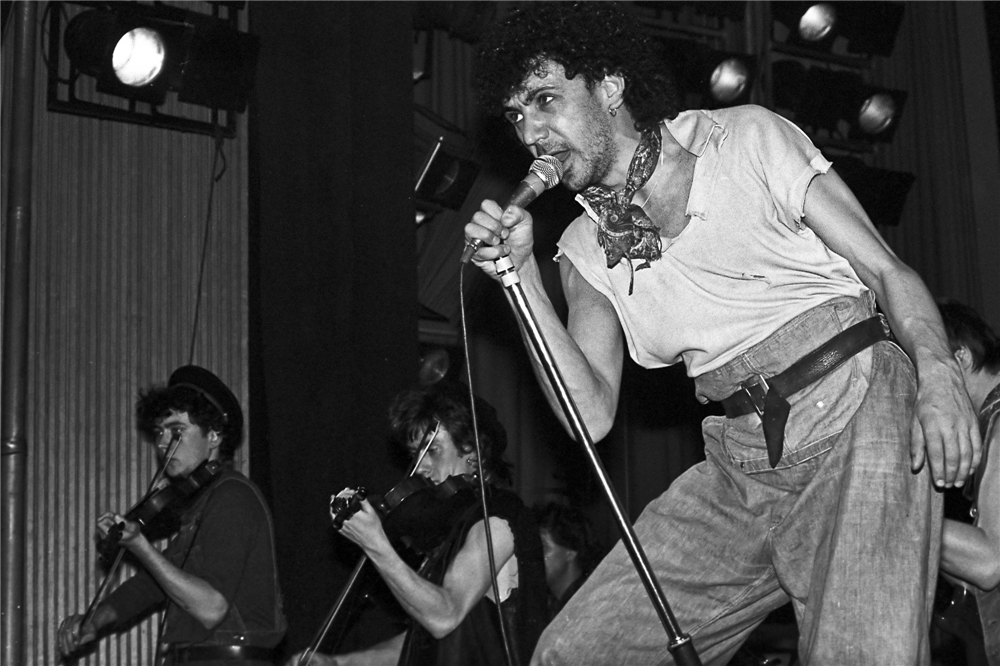
Anyone who has ever been to a pub has likely screamed this chorus. It’s often categorized as a “happy” Celtic-pop fusion. In reality, the song is about the crushing poverty and sexual repression of the Irish working class during a period of intense economic despair.
The narrator is trying to convince Eileen to escape their bleak, “dirty” town before they end up like their parents—broken by manual labor and lack of opportunity. The “cluttered” clothes and the desperation in the singer’s voice aren’t just for show; they represent the frantic desire to feel alive in a world that offers nothing but gray skies.
Wait until you see how #14 turned a story about a literal disaster into a disco hit…
#14 — “Black Betty” by Ram Jam
This high-energy rock song is a staple at sports stadiums, usually played to “pump up” the crowd. What the stadium DJs realize is that the “Black Betty” in the lyrics isn’t a woman at all. Historical musicologists believe the term originally referred to the “transfer wagon” used to haul prisoners to the penitentiary, or a musket.
The song originated as an African-American work song, likely sung by chain gangs. To turn a rhythmic cry for help from a labor camp into a classic rock anthem is one of the strangest transformations in music history. It’s a song about the fear of the “whip” and the “wagon,” yet we use it to celebrate touchdowns.
If you think prison songs are intense, the #13 hit is about a literal “mercy killing”…
#13 — “Last Kiss” by Pearl Jam (Cover)
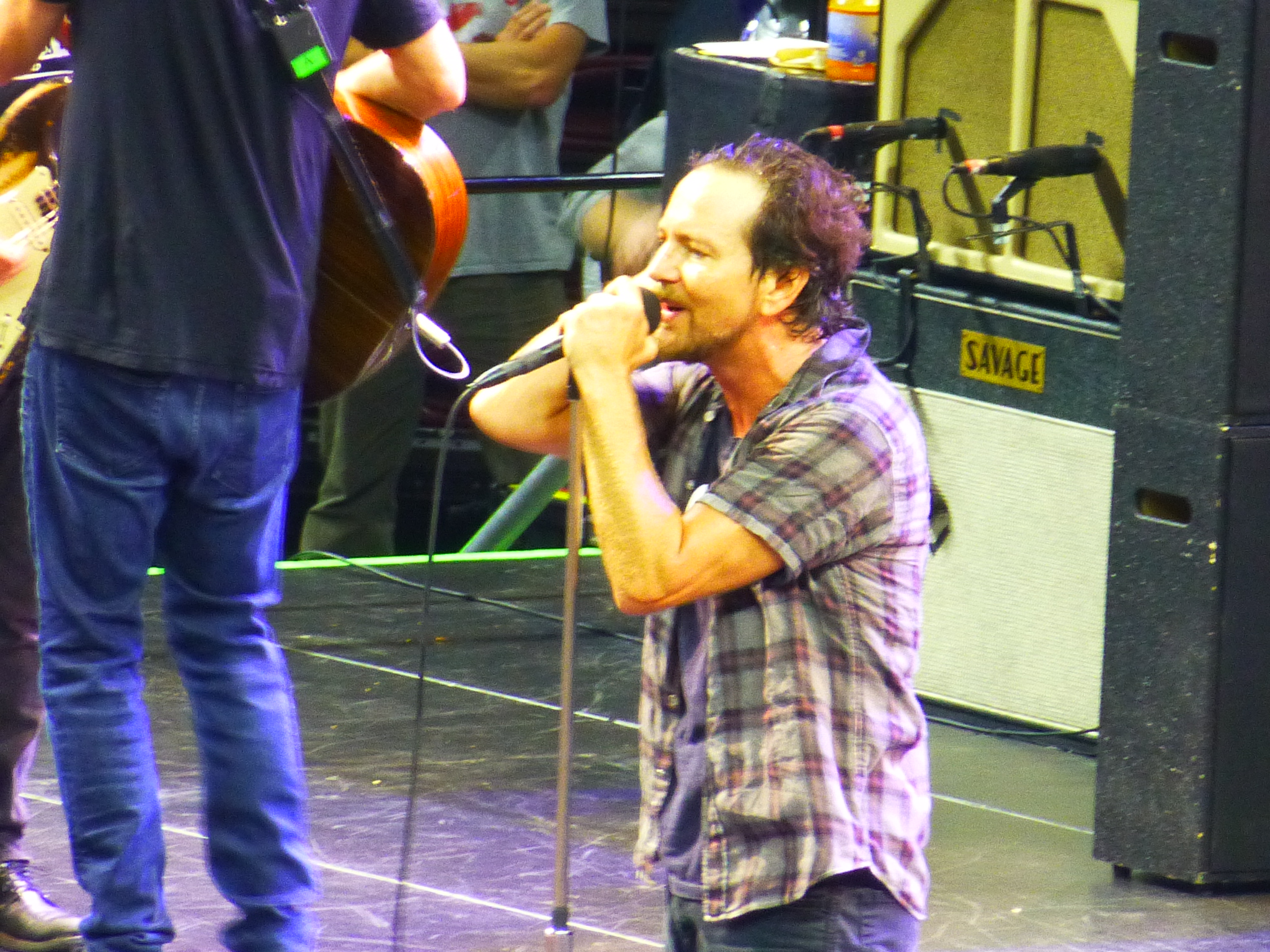
This song reached #2 on the Billboard Hot 100 and was played on repeat as a “sad love song.” While the melody is reminiscent of a 1950s ballad, the lyrics are a gruesome first-person account of a fatal car accident.
The narrator describes seeing his girlfriend “dying” in the street and giving her one final kiss before she passes away. It is essentially audio-cinematic trauma, detailing the “screaming tires” and “busting glass.” While many think it’s sweet, it’s actually one of the most depressed narratives to ever reach the top of the charts.
But that’s nothing compared to the “celebratory” song at #12, which is actually about a woman’s mental breakdown…
#12 — “99 Luftballons” by Nena

Most Americans know this as a “fun” German song with a catchy beat. If you understand the lyrics, however, you realize it is a terrifying Cold War protest song about accidental nuclear annihilation.
The “99 balloons” are mistaken by a military radar system for a foreign invasion. This triggers an international panic, leading to a 99-year-long war that wipes out human civilization. The song ends with the narrator standing in a world of ruins, releasing one last balloon to a dead world. It’s an apocalyptic nightmare masquerading as a synth-pop hit.
Nuclear war is heavy, but #11 is a “romantic” song that is actually about a heroin overdose…
#11 — “There Is a Light That Never Goes Out” by The Smiths

While technically a massive “indie” #1 in various markets and a cultural phenomenon, this song is often played at weddings for its “romantic” ending. The narrator says if a “ten-ton truck kills the both of us, to die by your side is such a heavenly way to die.”
Underneath the yearning, music critics have long argued the song depicts the “glamorization” of a mutual suicide pact or a fatal drug OD. It represents a level of codependency that is medically unhealthy, yet it’s viewed as the ultimate expression of love.
The codependency of #11 is mild compared to the “stalker anthem” at #10…
#10 — “Hello” by Lionel Richie

This is the ultimate karaoke song, but the music video and the lyrics tell a story that borders on criminal harassment. It depicts a teacher who becomes obsessed with a blind student, following her and creating a sculpture of her head in secret.
While portrayed as a soulful ballad, the narrative is clearly about the lack of boundaries and the projection of romantic fantasy onto someone who has no idea they are being watched. Many experts argue that if this song were released today, the lyrics would be seen as a “red flag” for predatory behavior rather than a sweet sentiment.
But that’s a “light” obsession compared to the historical tragedy hiding in #9…
#9 — “American Pie” by Don McLean

Most people know this 8-minute epic as a nostalgic look at the 1950s. However, it is a deeply mourning funeral dirge for “The Day the Music Died”—the plane crash that killed Buddy Holly, Ritchie Valens, and the Big Bopper.
Beyond the crash, the song is a cynical look at the loss of American innocence, referencing the Manson Family murders, the Altamont Speedway riot, and the burning of the cross. It’s not a celebration of the “good old days”; it’s a lamentation for a country that McLean felt had lost its soul.
The loss of innocence in #9 is mirrored in the #8 hit, which people think is about a “fire,” but it’s actually about a suicide…
#8 — “Fire and Rain” by James Taylor
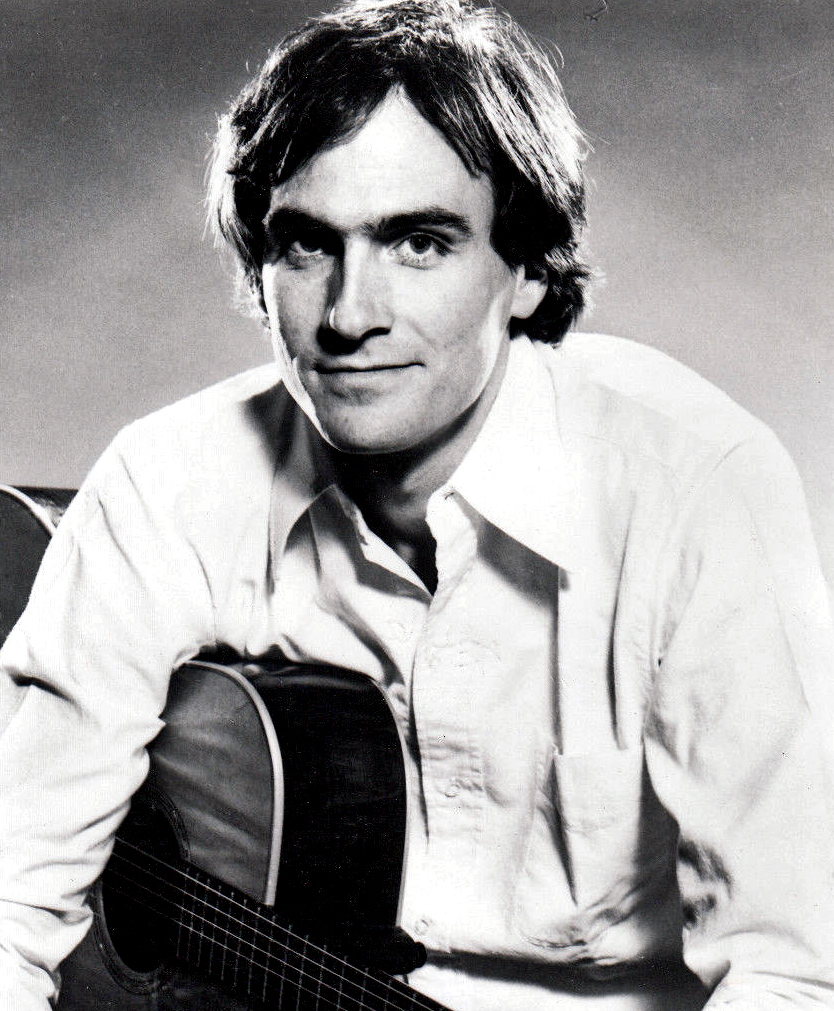
This remains a staple of “mellow” radio. Most people think it’s about a breakup. In reality, the first verse is about the suicide of Taylor’s close friend, Suzanne, who died while Taylor was away recording. His friends hid the news from him for months so he wouldn’t spiral while working.
The “fire and rain” refers to the electroshock therapy and deep depression Taylor experienced in mental institutions. It’s a song about the total collapse of a person’s psyche, yet it’s often used as background music in “calm” coffee shops.
You won’t believe the disturbing “childhood” origin of the world’s most famous dance at #7…
#7 — “Ring a Ring o’ Roses” (Pop variations)

While not a modern Billboard #1 in the traditional sense, this “hit” has persisted for centuries and appears in numerous pop medleys. The “darkness” here is legendary: it is widely believed to be about the Bubonic Plague (The Black Death).
The “roses” were the red rashes on the skin, the “posies” were herbs people carried to hide the smell of rotting bodies, and “ashes, ashes, we all fall down” refers to the mass cremation of the dead. Every child who plays this game is essentially reenacting the Great Plague of London.
But the plague is ancient history—the “party” song at #6 is about a very modern drug overdose…
#6 — “The A Team” by Ed Sheeran

Ed Sheeran’s breakout hit sounds like a beautiful, acoustic love song. However, “The A Team” refers to “Class A” drugs, specifically crack cocaine.
The “Angel” in the song is a sex worker Sheeran met at a homeless shelter who was struggling with severe addiction. The lyrics “white lips, pale face, breathing in snowflakes” aren’t about winter—they describe the physical decay and respiratory struggle of a drug addict. It’s a brutal portrait of poverty and addiction that reached the top of the charts because it sounded “pretty.”
Sheeran’s “Angel” is tragic, but #5 was a #1 hit that was literally a political assassination…
#5 — “I Don’t Like Mondays” by The Boomtown Rats

In 1979, the world was humming along to this catchy piano-driven track. The title sounds like a relatable complaint about the work week. The reality? It was written about Brenda Ann Spencer, a 16-year-old who opened fire on an elementary school.
When asked why she did it, she famously replied, “I don’t like Mondays. This livens up the day.” Bob Geldof wrote the song after hearing the news report. It is one of the few #1 hits to be based entirely on a mass shooting, a fact many listeners conveniently forget when the chorus hits.
But school shootings aren’t the only violence in pop; #4 is about a “fun” night out that ended in a literal war…
#4 — “Zombie” by The Cranberries

This 1994 grunge-pop masterpiece is often played as a “rebellion” anthem. However, Dolores O’Riordan wrote it as a visceral reaction to the 1993 Warrington bomb attacks, which killed two children.
The “zombie” refers to the blind adherence to violence and the “tanks and bombs” of the IRA conflicts. It is a cry against the senseless killing of children in political wars. While it’s a staple at rock clubs, the lyrics are a haunting reminder of the “troubles” in Northern Ireland that claimed thousands of lives.
If you think war is dark, the “innocent” #3 hit is actually about a mental asylum…
#3 — “Lucy in the Sky with Diamonds” by The Beatles

While John Lennon famously claimed this was about a drawing his son Julian made, most cultural experts and contemporary listeners recognize it as a heavy-handed reference to LSD and drug-induced psychosis.
The “kaleidoscope eyes” and “cellophane flowers” are classic descriptions of hallucinogenic trips. Beyond the drug “rumors,” the song represents a break from reality that mirrored the fracturing of the band’s mental health under the pressure of global fame. It remains one of the trippiest, most unsettling #1 hits of the 60s.
The darkness of the 60s leads us to #2, which is about a literal “dirty” secret…
#2 — “Born in the U.S.A.” by Bruce Springsteen
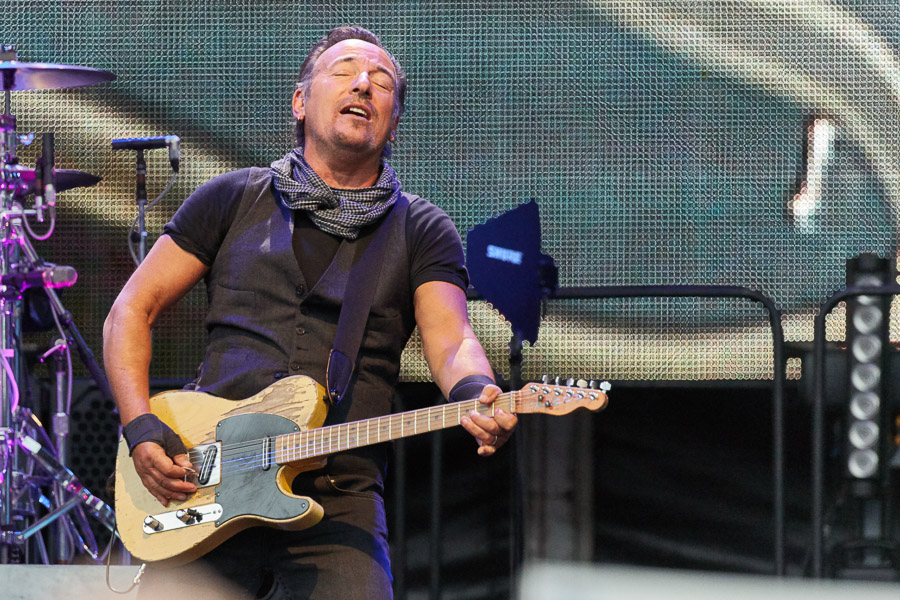
This is the most misunderstood song in American history. It is frequently played at political rallies as a patriotic anthem. If you listen to more than just the chorus, you’ll realize it is a seething, angry indictment of the Vietnam War and the treatment of veterans.
The narrator is sent to a foreign country to “kill the yellow man,” and when he returns, he can’t find a job and is ignored by the government. It is a song about the betrayal of the working class by their own country. Playing this at a “celebration” is the ultimate irony, yet it happens every 4th of July.
But there is one #1 hit that is darker than all the rest combined…
#1 — “Copacabana” by Barry Manilow

This is the ultimate “fun” Latin-flavored disco track. People dance to it at every resort and cruise ship on the planet. However, the story told in the lyrics is a grim tale of kidnapping, murder, and total psychological collapse.
Lola, the showgirl, loses her lover Tony when he is shot dead during a bar fight with a gangster named Rico. The final verse jump-cuts to thirty years later, where Lola is now a homeless alcoholic who has lost her mind, sitting at the bar “in the dress she used to wear” while “she’s lost her youth and she lost her Tony, now she’s lost her mind.”
We are literally doing the “conga” to a story about a woman’s life being destroyed by organized crime and chronic grief.
The Bottom Line
It turns out that the catchy melodies we love are often just sugar-coating for some of the darkest chapters of human experience. From the drug binges of “Semi-Charmed Life” to the school shootings in “I Don’t Like Mondays,” pop music has always been a way for artists to process trauma under the guise of entertainment. Next time you’re at a wedding or a party and one of these tracks comes on, take a second to listen to the lyrics—you might realize you’re dancing to a tragedy. Did we miss a song with a dark secret? Drop your favorite “misunderstood” hit in the comments!

- 38 Songs With Different Original Lyrics - August 7, 2026
- 17 Bob Dylan Lyrics That Took Fans 50 Years to Fully Understand - May 10, 2026
- 13 Travel Secrets Experienced Travelers Swear By - May 6, 2026

