
- The Best Music Festivals Are Time Capsules of Cultural Revolution - August 29, 2026
- 12 Iconic Duets That Changed Music History Forever - August 29, 2026
- 10 TV Shows From the 80s and 90s That Defined a Generation’s Humor - August 29, 2026
Music festivals capture the pulse of their era. They gather crowds not just for tunes but for shared ideals, mirroring shifts in society from peace movements to genre breakthroughs.
These events often mark turning points. Crowds push boundaries, artists redefine sounds, and moments linger as symbols of change.
Monterey International Pop Festival
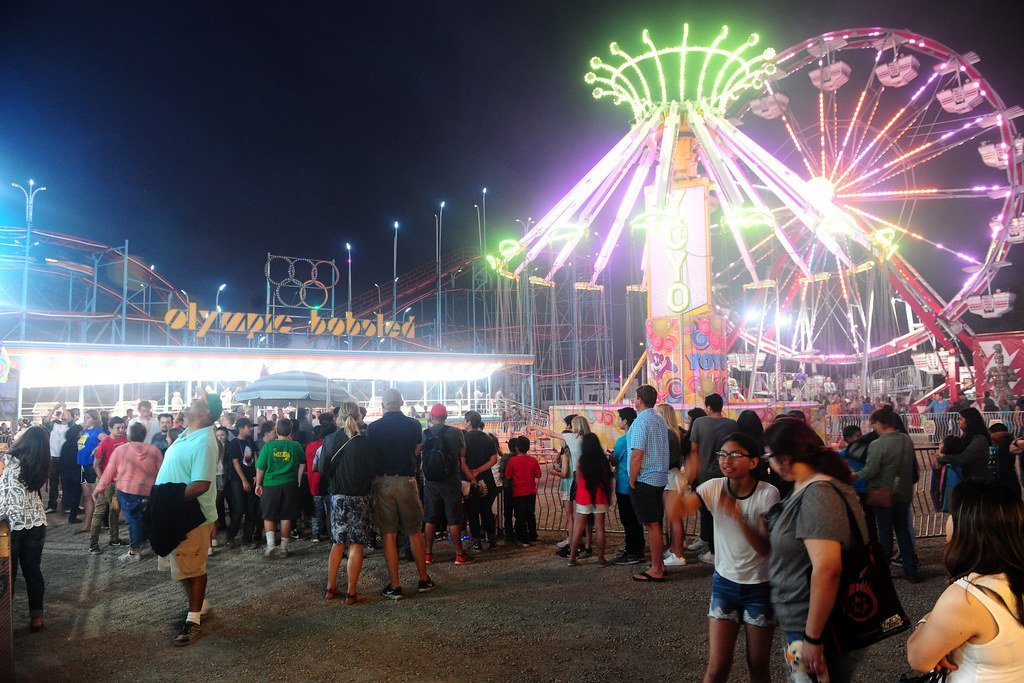
The Monterey International Pop Festival took place in 1967 at the Monterey County Fairgrounds in California. It drew around 100,000 people over three days in June.[1][2]
This gathering launched the Summer of Love and psychedelic rock into the mainstream. Performances by Jimi Hendrix, Janis Joplin, and The Who introduced bold styles to wide audiences. Historically, it bridged folk-rock to electric experimentation, fueling the counterculture wave.
Woodstock Music and Art Fair
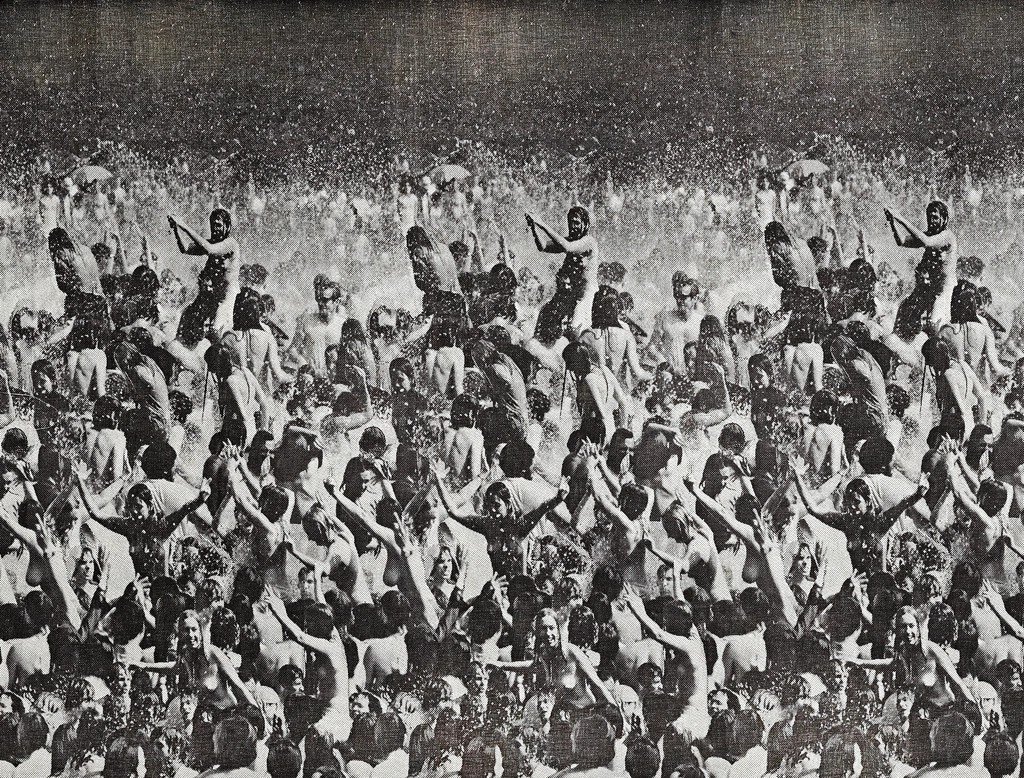
Woodstock unfolded in 1969 on a dairy farm in Bethel, New York. Roughly 400,000 attendees braved rain and mud for three days of music.[3][4]
It embodied the height of 1960s hippie ideals, with peace, free love, and anti-war vibes. Icons like Hendrix and The Who delivered sets amid chaos that became legend. The festival mattered as a defiant stand against Vietnam-era norms, cementing youth culture’s power.
Documentaries later preserved its raw energy. Crowds shared resources, turning potential disaster into unity.
Glastonbury Festival
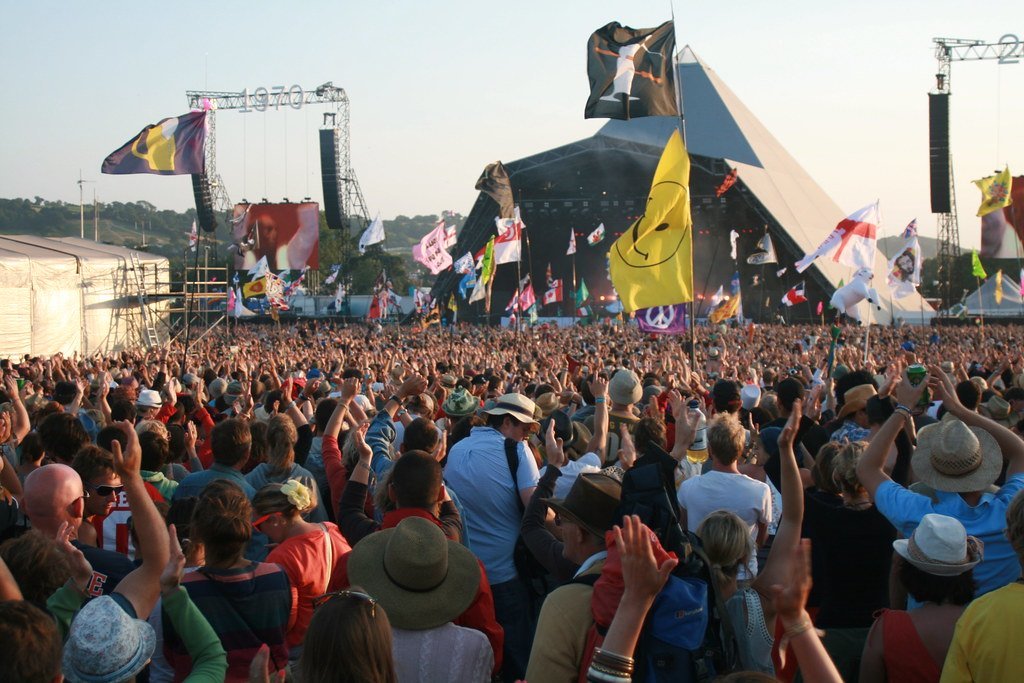
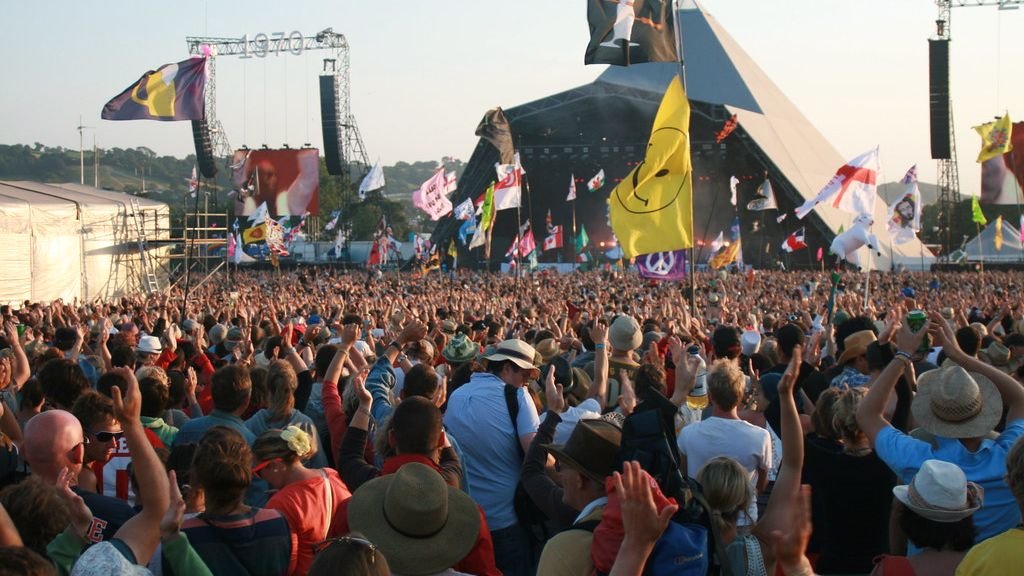
Glastonbury began in 1970 on Worthy Farm in Pilton, Somerset, England. Organized by farmer Michael Eavis, it started small with 1,500 tickets sold.[3]
Rooted in hippie communalism, it grew into the world’s largest greenfield festival. Acts from T. Rex early on evolved to global stars, blending music with activism. Its cultural punch lies in sustainability pushes and political stages, reflecting UK counterculture into modern times.
Attendance now tops 200,000 yearly. It stands as a enduring ritual for progressive values.
Isle of Wight Festival
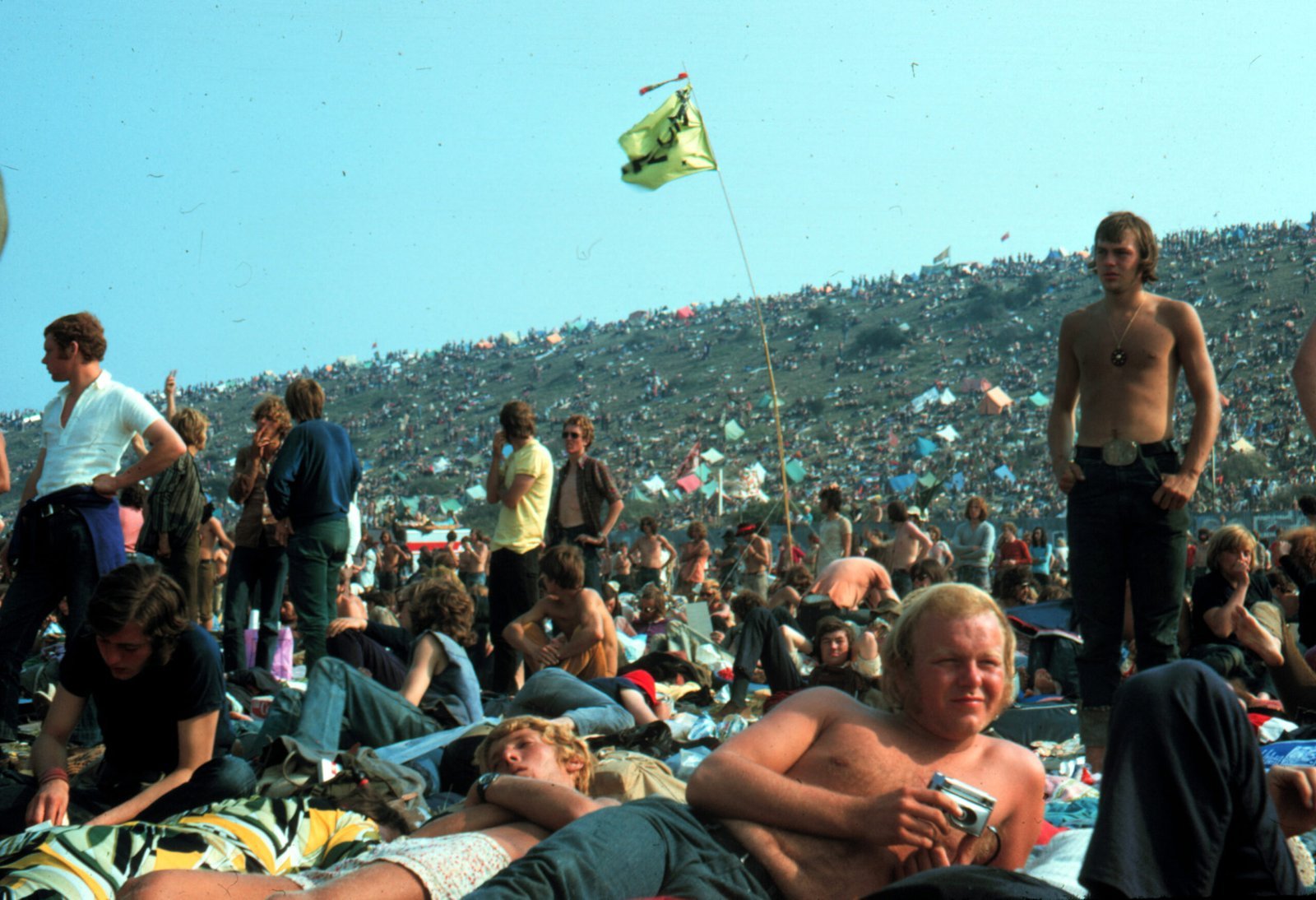
The 1970 Isle of Wight Festival happened on Afton Down, Isle of Wight, UK. It attracted nearly 600,000 people, making it Europe’s biggest at the time.[5]
Dubbed the “British Woodstock,” it featured Bob Dylan, The Doors, and Jimi Hendrix’s brother band. Free entry for gatecrashers amplified its revolutionary spirit. Historically, it highlighted tensions between commerce and free access, influencing festival economics.
The event strained locals and led to laws curbing large gatherings. Still, it captured fading 60s dreams.
Lollapalooza
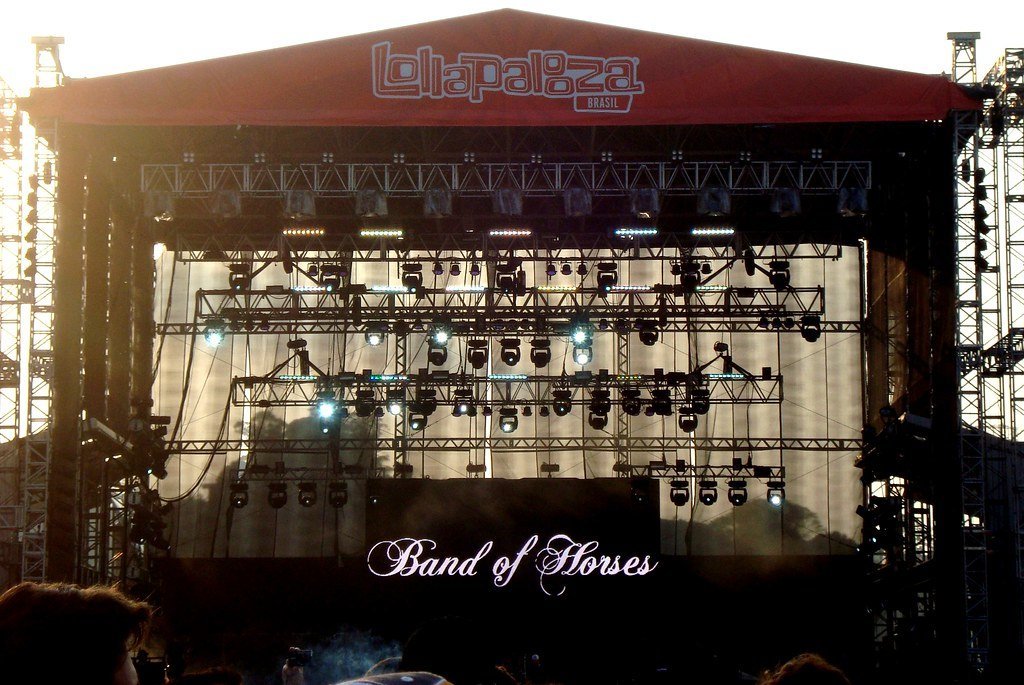
Lollapalooza debuted in 1991, touring US cities starting in Chicago. Perry Farrell created it post-Jane’s Addiction tour.[6]
It championed alternative rock during the grunge explosion, with Nirvana and Pearl Jam early on. The festival mixed music, art, and activism against censorship. It mattered by mainstreaming underground scenes, shifting tastes from hair metal to raw authenticity.
Later settling in Chicago, it endures as a multi-genre staple. Its mobility broke festival molds.
Live Aid
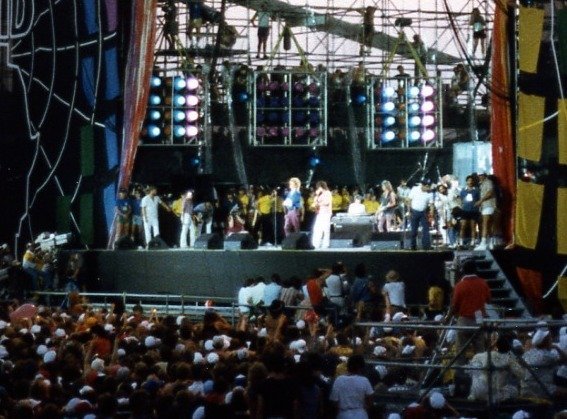
Live Aid rocked on July 13, 1985, across Wembley Stadium in London and JFK Stadium in Philadelphia. Broadcast to 1.9 billion viewers worldwide.[7]
Organized by Bob Geldof for Ethiopian famine relief, it raised over $125 million. Queen, U2, and Madonna delivered timeless sets. Culturally, it proved music’s global reach, blending charity with spectacle in a pre-internet age.
The dual-venue format set TV-event precedents. It humanized distant crises through song.
Coachella Valley Music and Arts Festival
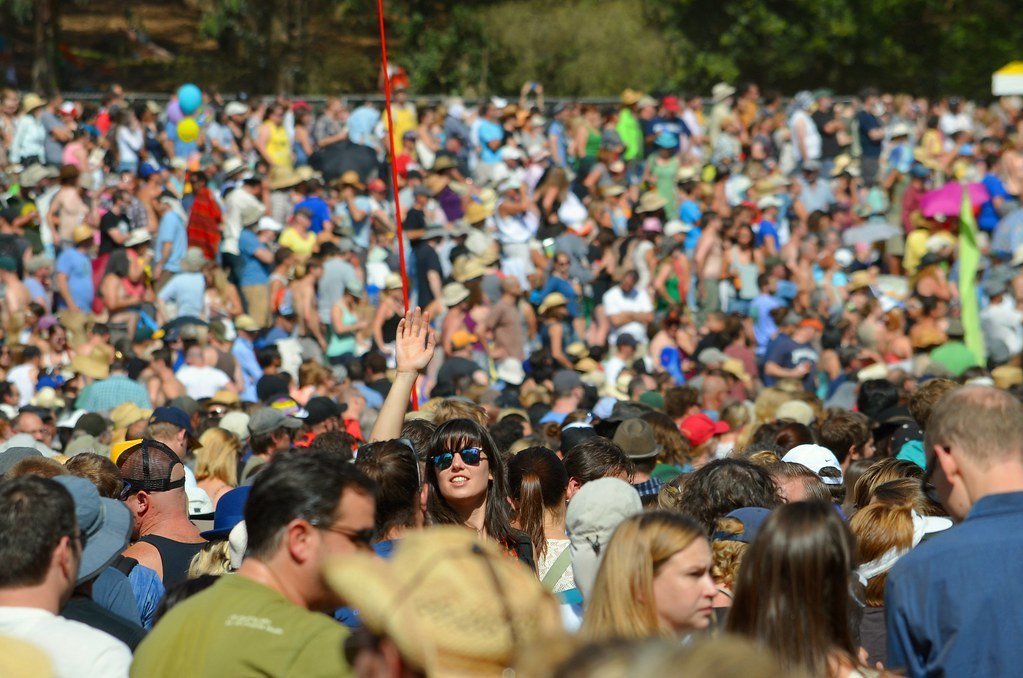
Coachella started in 1999 in Indio, California, in the Colorado Desert. It began as a one-off to lure Pearl Jam fans.[3]
Now a two-weekend behemoth, it mixes indie, hip-hop, and pop with art installations. Beyoncé’s 2018 show made history as a visual album premiere. It redefined festivals as fashion and lifestyle hubs, influencing 21st-century youth culture.
Attendance nears 250,000 per weekend. Its Instagram appeal turned music into aesthetic currency.
The Legacy of These Gatherings
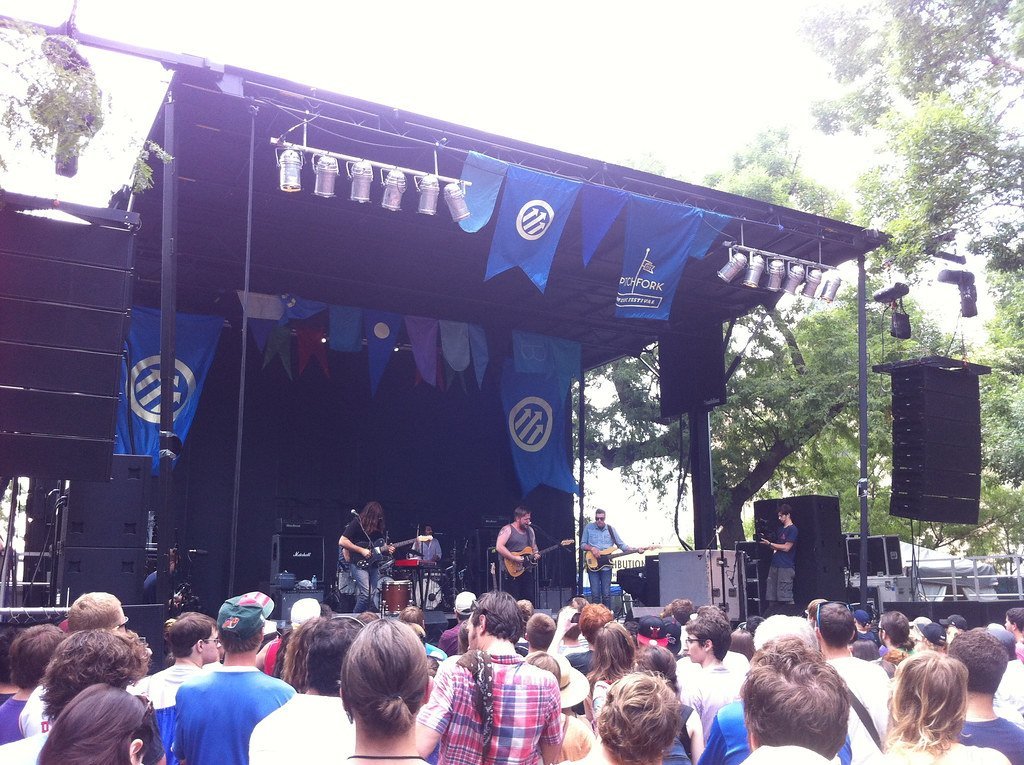
Music festivals endure as markers of rebellion and unity. From muddy fields to desert stages, they echo evolving freedoms.
Each captured a revolution in real time. Their stories remind us how sound can reshape society.

Besides founding Festivaltopia, Luca is the co founder of trib, an art and fashion collectiv you find on several regional events and online. Also he is part of the management board at HORiZONTE, a group travel provider in Germany.
