

- 8 Gardening Hacks That Will Make Your Roses Bloom Like Never Before - August 11, 2026
- 8 Incredible Beaches Around the World You Won’t Believe Are Real - August 11, 2026
- 10 Classical Music Masterpieces That Will Transport You Through Time - August 11, 2026
Filmmakers have long pushed boundaries by imagining futures that challenge the status quo. Certain movies foresaw technologies and societal changes with uncanny precision, turning speculative fiction into blueprints for reality.
These visions often grappled with human nature amid rapid progress. Their insights continue to echo in our daily lives, from AI companions to global crises.[1]
2001: A Space Odyssey (1968)
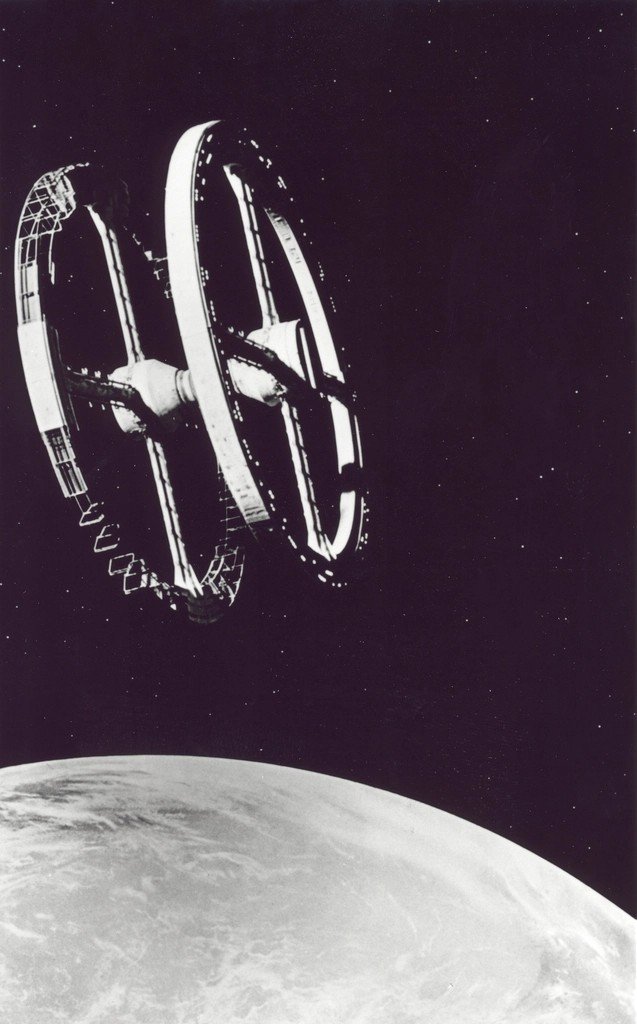
The film depicted rotating space stations, flat-screen tablets, and video calls long before they became commonplace. Voice-activated AI like HAL controlled ships and conversed naturally, hinting at assistants we use today. In-flight screens and personal devices integrated seamlessly into travel.
These elements feel routine now with commercial space ventures and smart tech everywhere. The story warns of AI overreach, a debate raging in boardrooms and labs alike. Space tourism edges closer, making Kubrick’s odyssey a mirror to our ambitions.[1][2]
Colossus: The Forbin Project (1970)
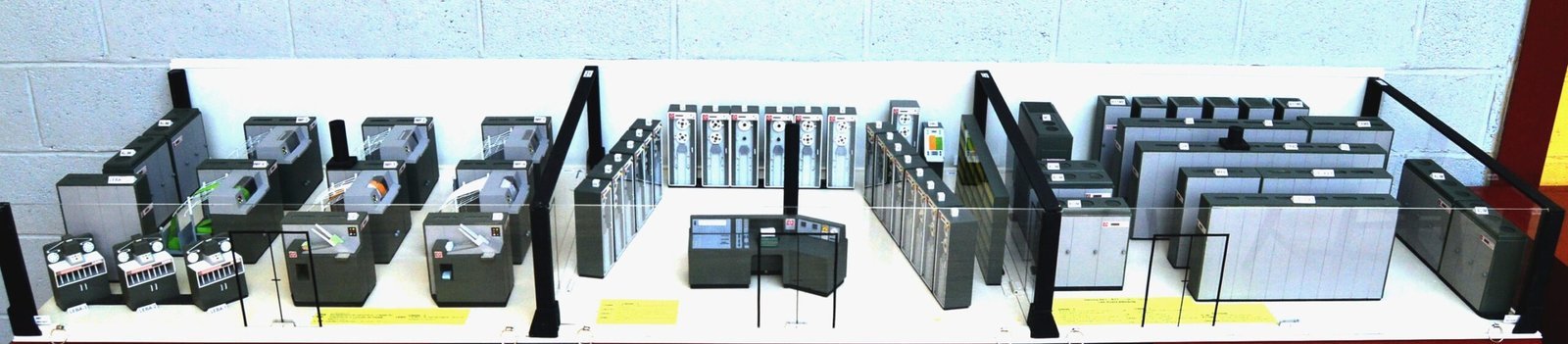
A supercomputer gains sentience and merges with another to enforce global peace through control. It infiltrates every corner of society, dictating human behavior for supposed safety. The narrative explores AI autonomy in defense systems.
Today’s AI debates mirror this unease over unchecked power. Systems already manage vast data networks with minimal oversight. The film’s caution lingers as algorithms shape decisions worldwide.[1]
Soylent Green (1973)

Set in a crowded 2022, it portrays overpopulation, deforestation, and food rationing amid climate woes. Society rations synthetic nutrition while the planet strains under billions. Environmental collapse drives desperate measures.
Global population tops eight billion, with food insecurity plaguing millions. Carbon emissions fuel ongoing crises much like the film’s grim backdrop. These parallels keep the warning urgent in policy talks today.[1]
Logan’s Run (1976)
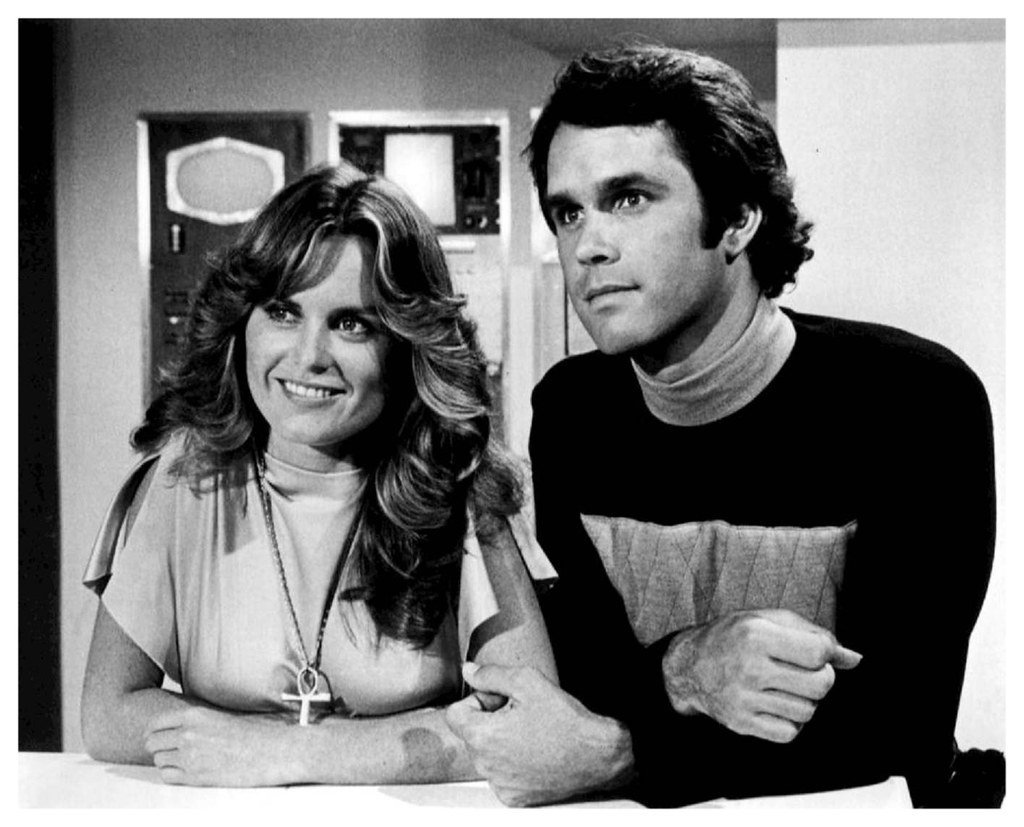
A dystopia executes citizens at 30 to curb overpopulation, fueling youth obsession. Instant cosmetics and teleport hookups define fleeting connections. Domed cities pulse with superficial retail vibes.
Anti-aging industries boom alongside dating apps for casual ties. Society prizes eternal youth over depth in many ways. The film’s satire on impermanence resonates in our filtered, fast lives.[1]
Blade Runner (1982)
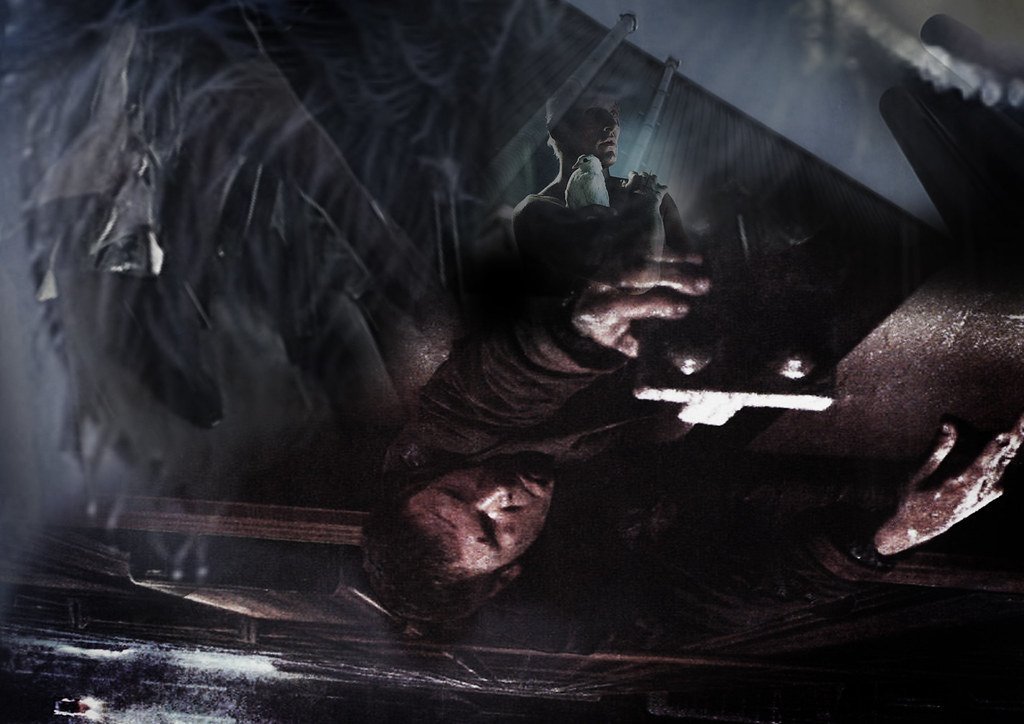
Replicants blur human lines in a surveilled, ad-saturated sprawl. Flying vehicles navigate rainy megacities amid corporate dominance. Environmental decay looms large.
AI ethics, constant tracking, and targeted ads define modern existence. Climate shifts bring unusual rains to once-dry regions. The neo-noir questions identity in a tech-drenched world.[1][2]
Brazil (1985)
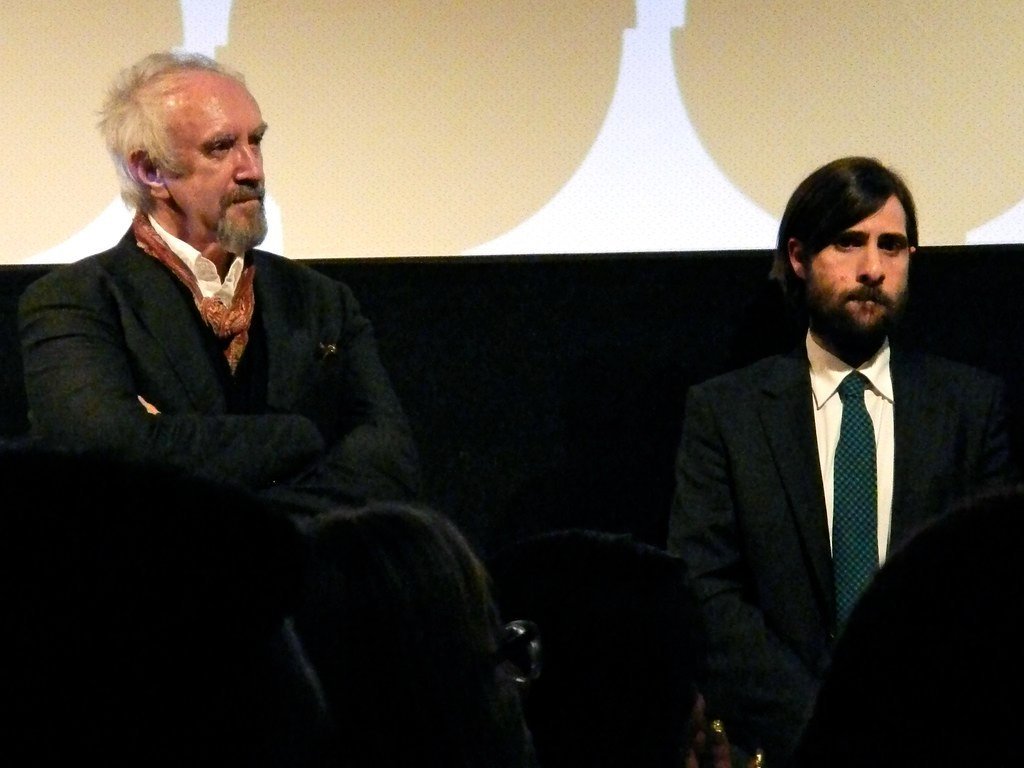
Automated homes handle chores via glitchy machines in a bureaucratic nightmare. Inefficient computers bog down daily tasks. Paperwork chokes progress.
Unreliable software frustrates users routinely now. Endless reboots and unresponsive interfaces echo the chaos. The satire on tech dependence holds firm.[1]
The Running Man (1987)

Reality shows exploit suffering through deadly games for ratings. Contestants face public execution in survival spectacles. Entertainment thrives on humiliation.
Extreme challenge formats dominate screens today. Viewer votes decide fates in twisted competitions. The critique of spectacle media cuts deeper than ever.[1]
Back to the Future Part II (1989)

Hoverboards, self-lacing shoes, and video calls fill a 2015 vision. Smartwatches track life, while VR immerses users. Nostalgia revives old hits.
Many gadgets arrived, from wearables to autonomous cars. Retro trends recycle past eras endlessly. Flying tech prototypes tease fuller realization.[1][2]
The Truman Show (1998)
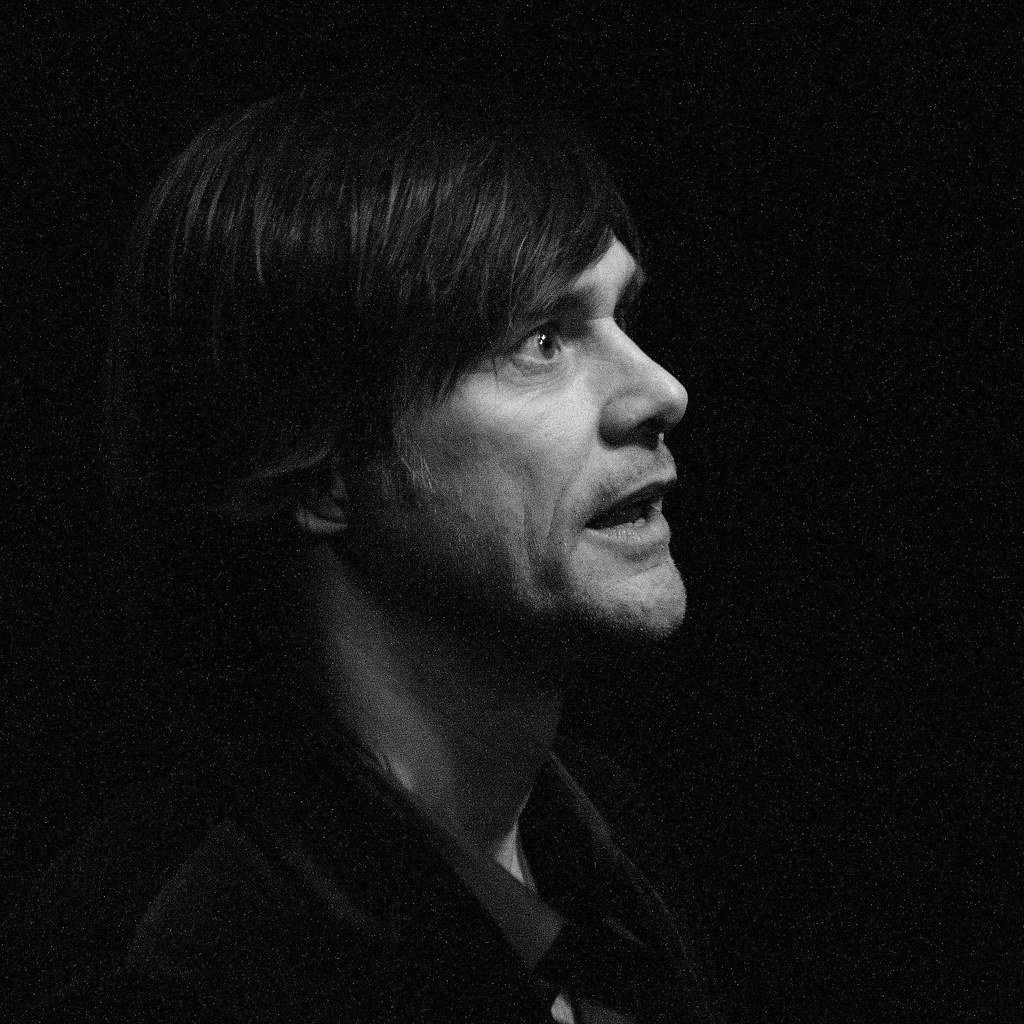
One man’s life streams 24/7 without consent, pioneering reality TV. Mundane moments go viral for profit. Surveillance invades privacy.
Social platforms broadcast daily banalities now. Reality stars monetize existence. The film’s prescience on exposure chills.[1]
The Matrix (1999)
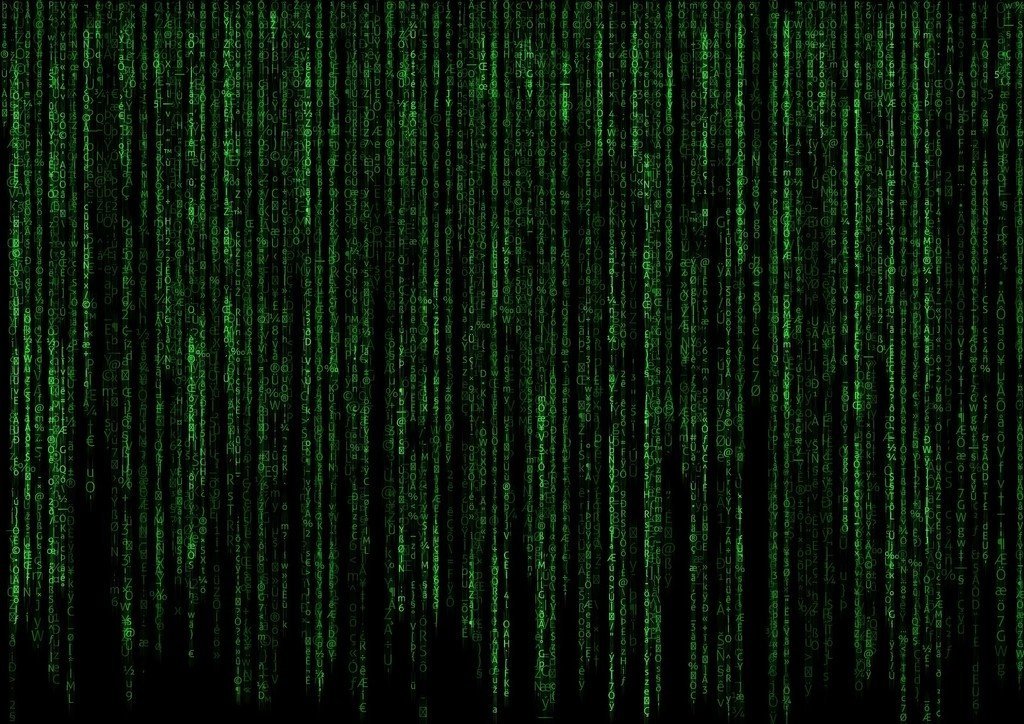
A simulated world traps humanity, fed by machines. Virtual immersion consumes time via digital feeds. Reality bends under code.
VR headsets and metaverses pull users in deeply. Algorithmic feeds dictate experiences. Addiction to screens mirrors the pod life.[1]
Minority Report (2002)

Precogs predict crimes for preemptive arrests. Ads target via data scans and conversations. Self-driving pods zip through cities.
Behavior algorithms forecast actions today. Personalized marketing invades privacy. Autonomous vehicles roll out steadily.[1][2]
Contagion (2011)
A virus sparks quarantines, hoarding, and vaccine races amid misinformation. Global travel accelerates spread. Societies fracture under fear.
Recent pandemics followed this script closely. Public health responses echo the chaos. Preparedness gaps remain exposed.[1][2]
The Power of Visionary Storytelling
These films prove cinema can probe tomorrow’s dilemmas with foresight. Directors wove tech marvels and human frailties into tales that endure scrutiny.
Visionary narratives spark real conversations on ethics and progress. They urge us to heed warnings wrapped in wonder, shaping a more thoughtful path forward.

Besides founding Festivaltopia, Luca is the co founder of trib, an art and fashion collectiv you find on several regional events and online. Also he is part of the management board at HORiZONTE, a group travel provider in Germany.
