

- 8 Gardening Hacks That Will Make Your Roses Bloom Like Never Before - August 11, 2026
- 8 Incredible Beaches Around the World You Won’t Believe Are Real - August 11, 2026
- 10 Classical Music Masterpieces That Will Transport You Through Time - August 11, 2026
Music videos have long served as mirrors to society’s pulse. They capture the fashions, attitudes, and technologies of their moments, turning songs into vivid snapshots of cultural moods. From opulent 1980s excess to the raw activism of recent years, these clips evolve alongside us.
Artists use visuals to amplify messages that radio alone can’t convey. Dance crazes spread overnight. Social debates ignite through imagery. This progression reveals not just entertainment history, but broader shifts in how we express and consume pop culture.
Precursors in the 1960s and 1970s
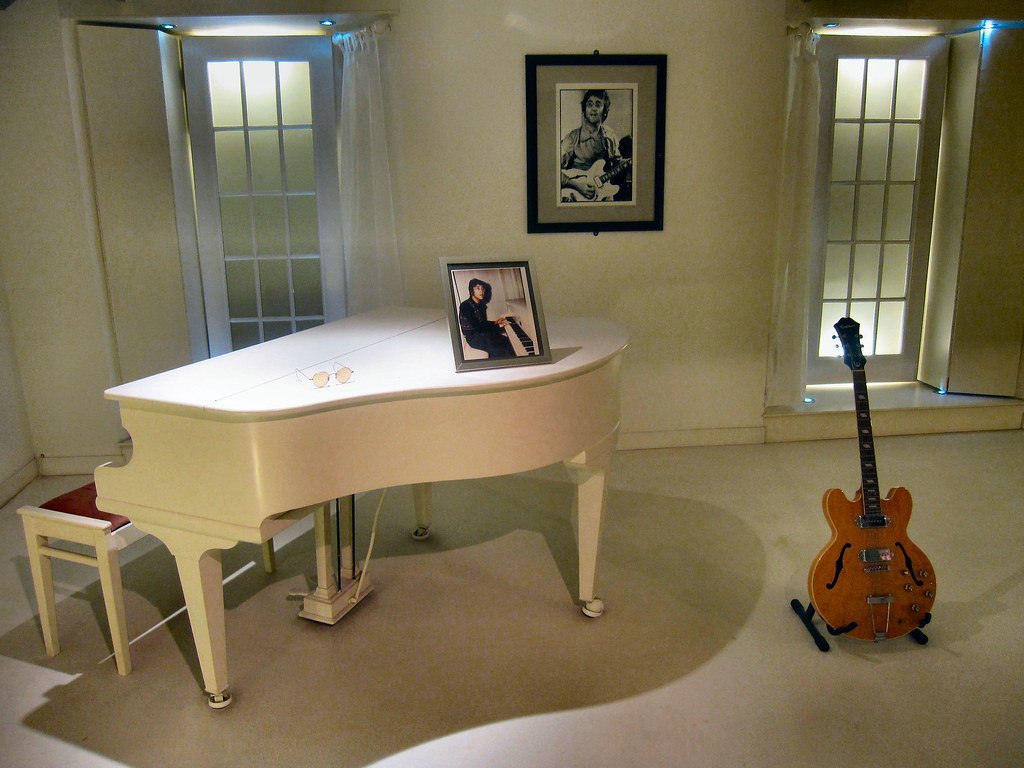
Promotional clips emerged sporadically before television dominance. The Beatles experimented with reversed footage in “Rain” (1966) and psychedelic effects in “Strawberry Fields Forever.” Queen’s “Bohemian Rhapsody” (1975) pioneered multi-screen techniques, blending opera with rock visuals.[1]
These early efforts reflected counterculture vibes, with vibrant colors and abstract narratives. Bands like the Rolling Stones and Pink Floyd pushed boundaries during 1968-1974, testing film as an extension of music. Though not yet mainstream, they laid groundwork for narrative-driven pop videos.[1]
The MTV Revolution of the 1980s
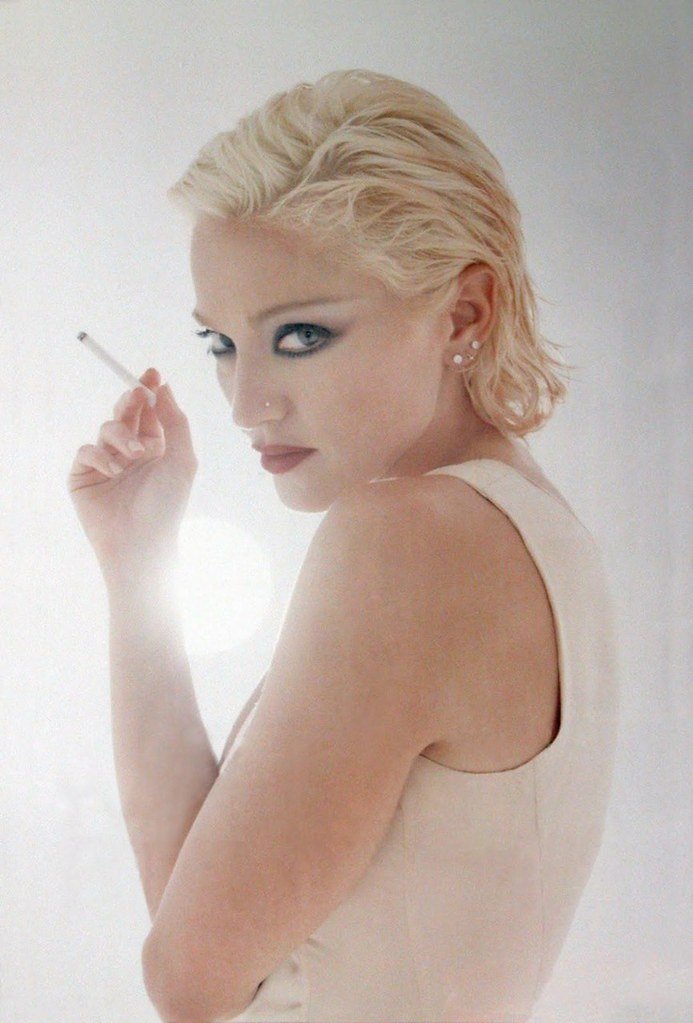
MTV launched on August 1, 1981, with The Buggles’ “Video Killed the Radio Star,” marking music videos’ mass arrival. Michael Jackson’s “Thriller” (1983) became a 14-minute mini-movie, complete with choreography, horror tropes, and blockbuster production values. Madonna’s “Like a Virgin” and Prince’s work embodied bold sexuality and glamour.[2][3][4]
Visual innovations included narrative storytelling and high budgets, mirroring Reagan-era extravagance. Dance routines went viral pre-internet. This era turned videos into essential promotion, elevating pop stars to global icons.
Diversification in the 1990s
The 1990s saw grunge, hip-hop, and teen pop reshape visuals. Nirvana’s “Smells Like Teen Spirit” captured raw angst with chaotic live footage. Britney Spears’ “…Baby One More Time” (1998) introduced schoolgirl aesthetics that sparked fashion trends. Boy bands like Backstreet Boys emphasized synchronized dances and heartfelt narratives.
Innovations leaned toward realism and diversity, reflecting post-Cold War cynicism and multiculturalism. Lower-fi aesthetics in alternative scenes contrasted glossy pop. MTV’s Total Request Live democratized viewing, blending music with youth culture.
Digital Shifts of the 2000s
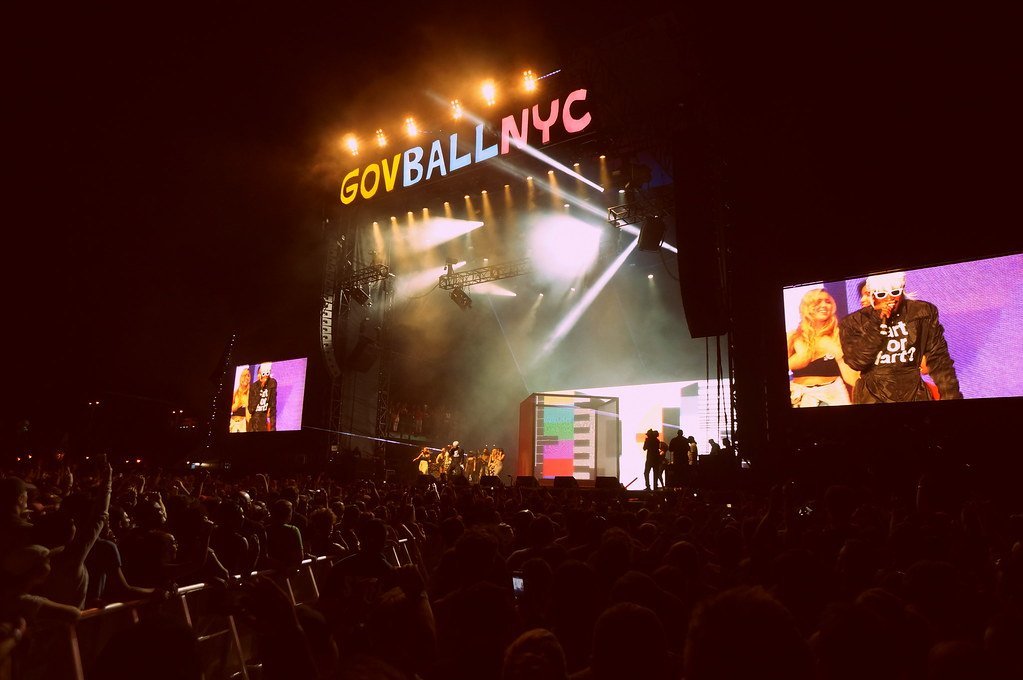
YouTube’s 2005 launch democratized video production. OutKast’s “Hey Ya!” (2003) mixed humor, dance, and meta-commentary. Beyoncé’s “Single Ladies” (2008) later exploded with minimalist black-and-white choreography that birthed memes and imitators.
CGI and quick cuts became staples, echoing internet acceleration. Fan-made content blurred lines with official releases. This decade mirrored tech boom fragmentation, with videos going viral organically rather than through TV alone.[5]
Social Media Fusion in the 2010s
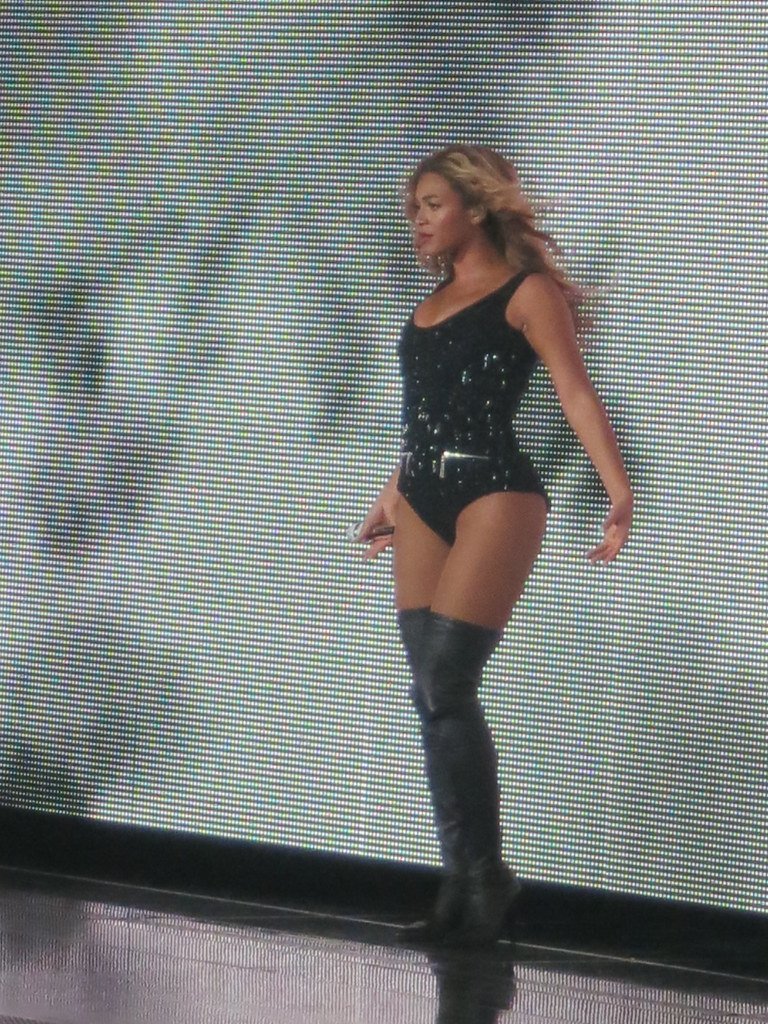
Platforms like Vine and Instagram influenced shorter, shareable clips. Beyoncé’s “Formation” (2016) tackled Black Lives Matter with layered symbolism and cultural pride. Taylor Swift’s “Shake It Off” (2014) parodied genres, promoting inclusivity through playful satire.
High-concept visuals returned, with 360-degree shots and interactive elements. Smartphones enabled behind-the-scenes access, fostering fan intimacy. Videos reflected smartphone-era activism and identity politics, turning personal stories into global conversations.[6]
Viral Era of the 2020s
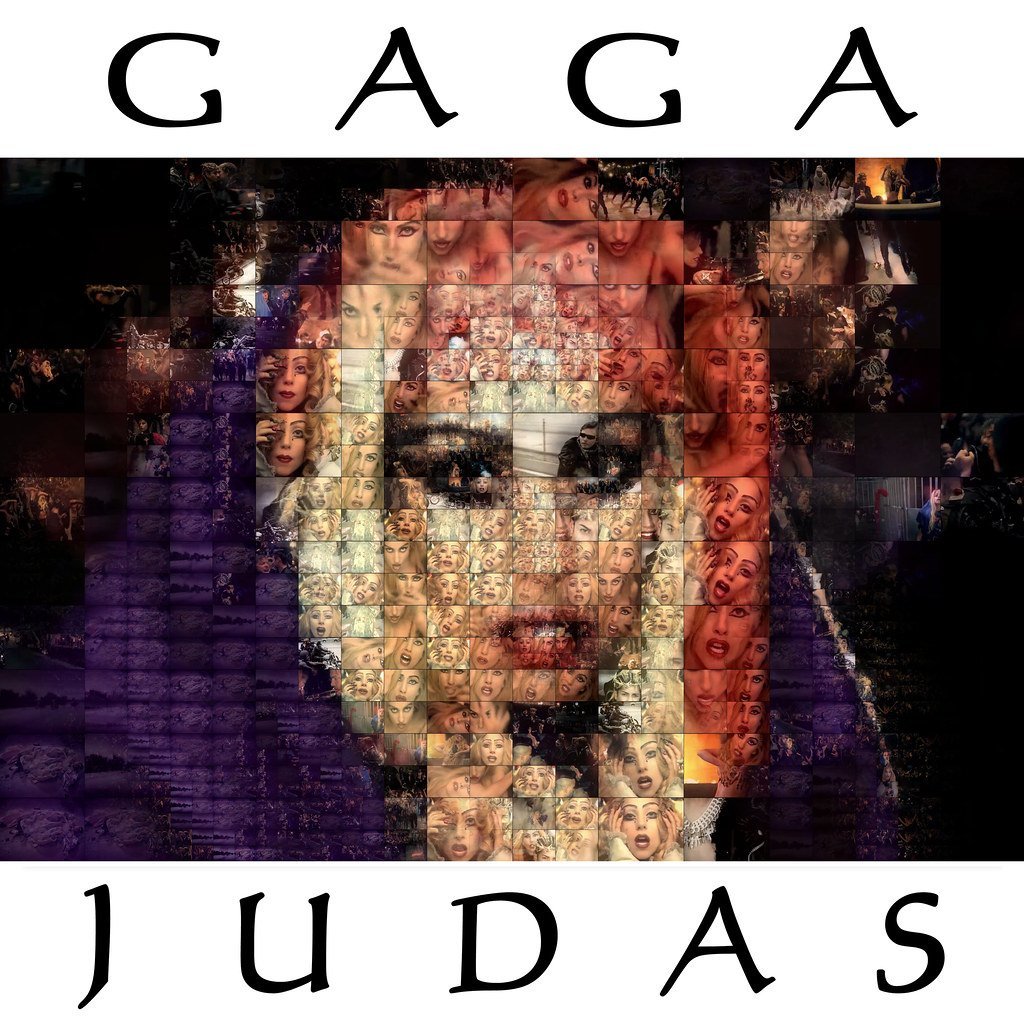
Streaming and TikTok dominate, prioritizing snippets over full videos. BTS’s “Dynamite” (2020) embraced retro disco amid pandemic isolation, sparking dance challenges worldwide. Artists like Olivia Rodrigo blend DIY aesthetics with polished production.
AR filters and user-generated content redefine engagement. Visuals now prioritize virality, with surreal effects and social commentary. This reflects fragmented attention spans and global connectivity in a post-pandemic world.[5]
The Enduring Influence on Pop Culture
Music videos have reshaped fashion, from Thriller jackets to Single Ladies leotards. They spark dances, debates, and trends that outlive the songs. Platforms evolved from MTV to TikTok, but the core power persists: visuals amplify music’s reach.
Today, they drive social change and artist branding. Short-form clips keep the format alive amid streaming. Ultimately, these visual chronicles remind us how pop evolves by capturing our shared moments, one frame at a time.

Besides founding Festivaltopia, Luca is the co founder of trib, an art and fashion collectiv you find on several regional events and online. Also he is part of the management board at HORiZONTE, a group travel provider in Germany.
