

- 8 Gardening Hacks That Will Make Your Roses Bloom Like Never Before - August 11, 2026
- 8 Incredible Beaches Around the World You Won’t Believe Are Real - August 11, 2026
- 10 Classical Music Masterpieces That Will Transport You Through Time - August 11, 2026
Advertising in the mid-20th century captured the pulse of American life with striking clarity. Campaigns shifted alongside major events, from world wars to economic booms, revealing how people saw themselves and their roles.
Gender roles evolved dramatically in these ads, alongside rising consumer desires, urgent wartime appeals, and excitement over emerging technologies. These messages not only sold products but also reinforced or challenged the cultural currents of the era.
The Rosie the Riveter Campaign
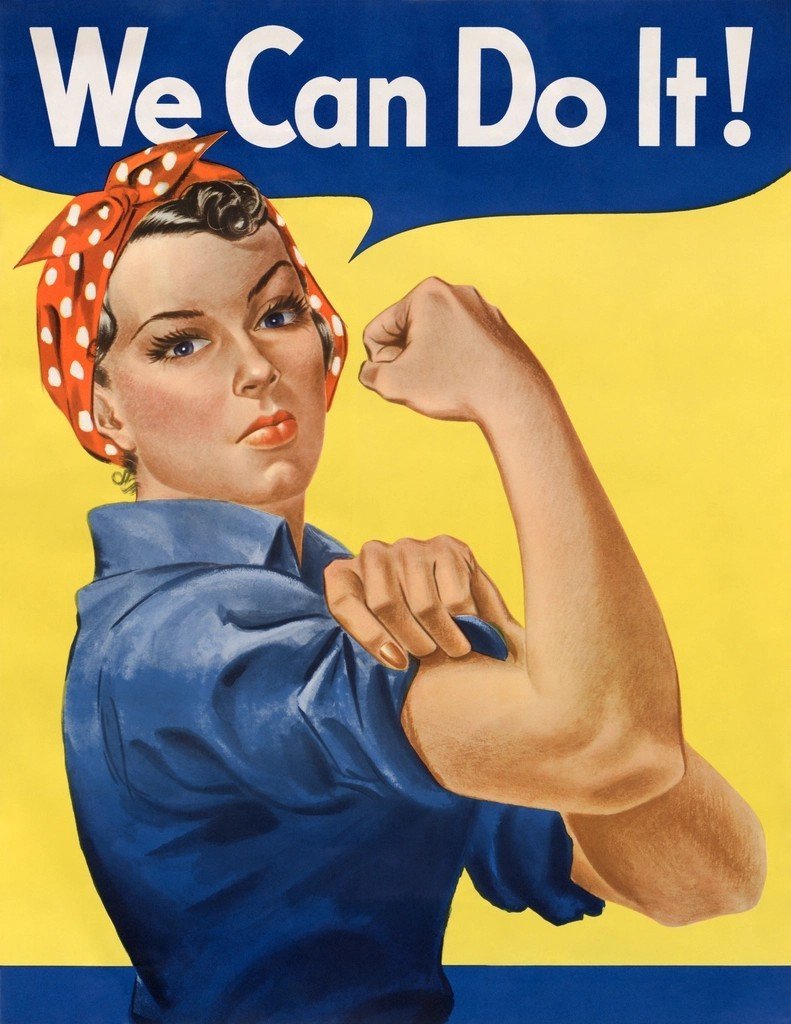
The Rosie the Riveter image emerged in 1942 as part of a massive government-backed effort to draw women into factories and shipyards. Posters like J. Howard Miller’s “We Can Do It!” showed a determined woman flexing her arm, urging patriotic labor to fill gaps left by men at war.[1][2]
This reflected a temporary embrace of women’s industrial strength, with millions entering defense jobs and operating heavy machinery. Yet postwar ads soon pushed them back to homemaking, highlighting society’s quick pivot to traditional expectations.[1]
Post-WWII Housewife Appliance Ads
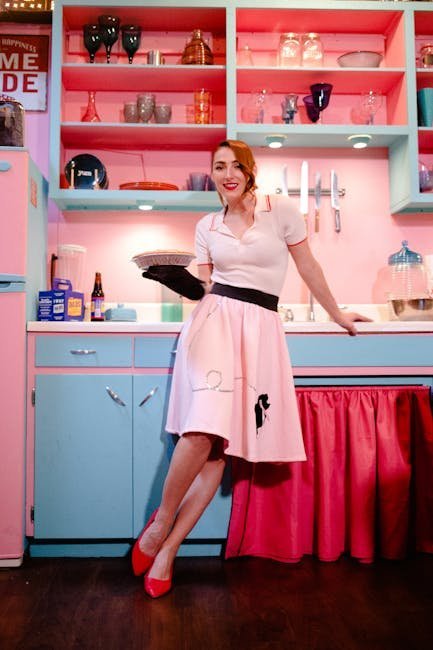
In the 1950s, ads for refrigerators and ovens portrayed women as joyful homemakers, their happiness tied to spotless kitchens and efficient chores. Brands like Hotpoint ran spots showing smiling wives serving ideal families, promising modern tools for domestic perfection.[3]
These images underscored a cultural push for women to embrace suburbia and consumption after wartime independence. Consumer expectations soared with the economic boom, framing appliances as keys to family harmony and feminine fulfillment.[3]
The Marlboro Man Era
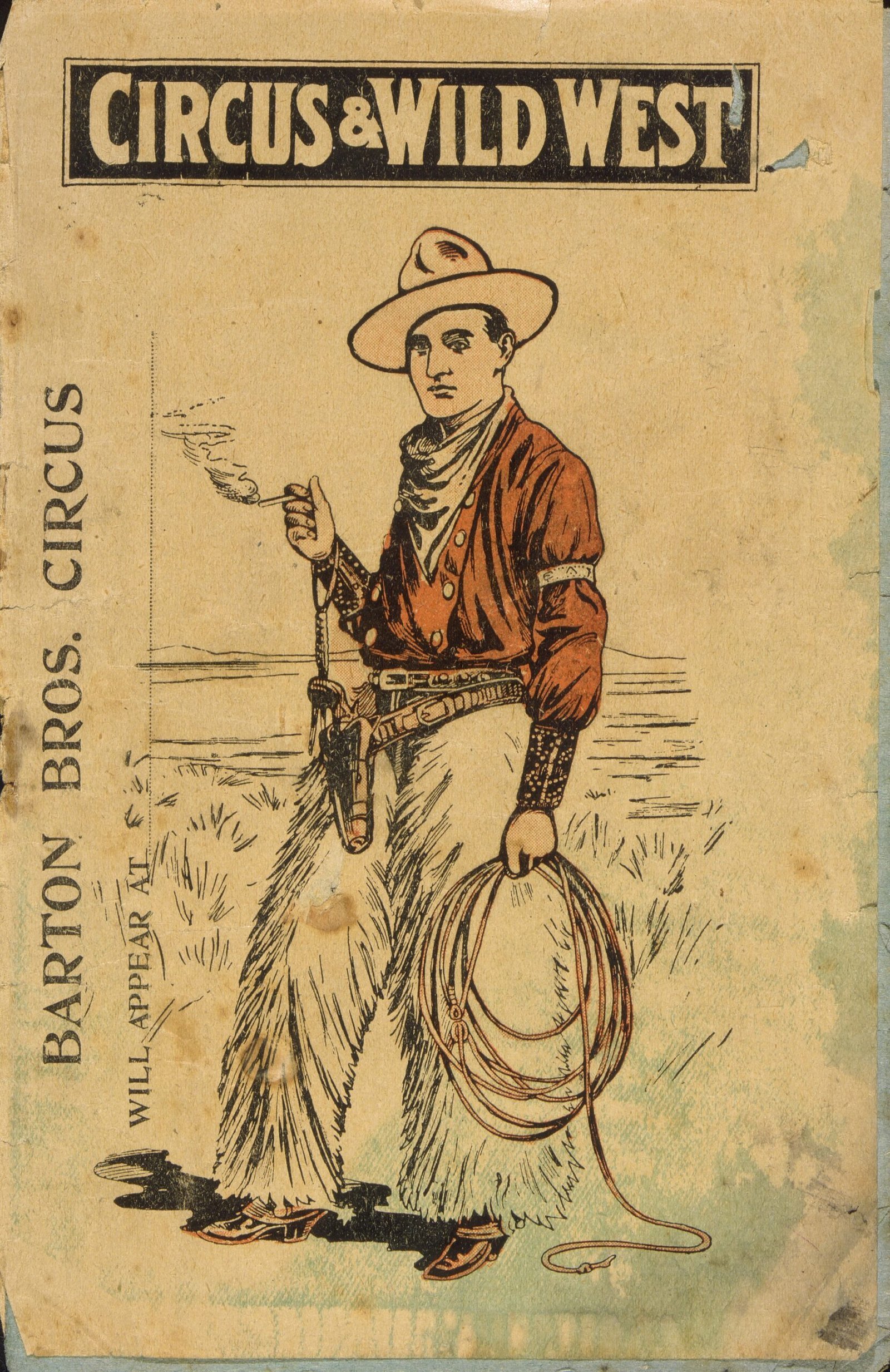
Launched in 1954 by Leo Burnett, the Marlboro Man turned a filtered cigarette aimed at women into a symbol of rugged manhood. Cowboys rode vast landscapes in black-and-white ads, evoking independence and toughness amid health worries about smoking.[4]
This campaign mirrored 1950s ideals of stoic masculinity, boosting sales dramatically while contrasting softer postwar images. It tapped into a yearning for heroic simplicity in a conformist society.
Volkswagen’s “Think Small” Revolution

Doyle Dane Bernbach’s 1959 “Think Small” campaign flipped car ads on their head, spotlighting the Beetle’s tiny size against vast white space. Honest copy praised its efficiency over flashy power, defying America’s love for big autos.[5]
In the 1960s, this spoke to countercultural skepticism of excess consumerism. It reflected growing appreciation for practicality and authenticity amid baby boomer shifts.
Coca-Cola’s Wartime Unity Appeals
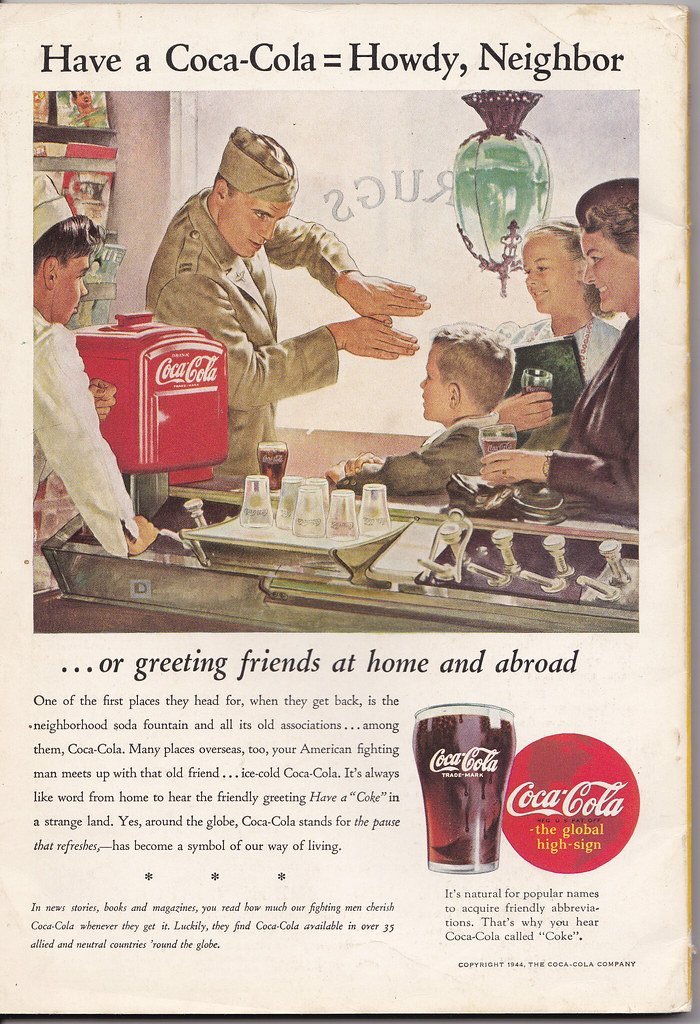
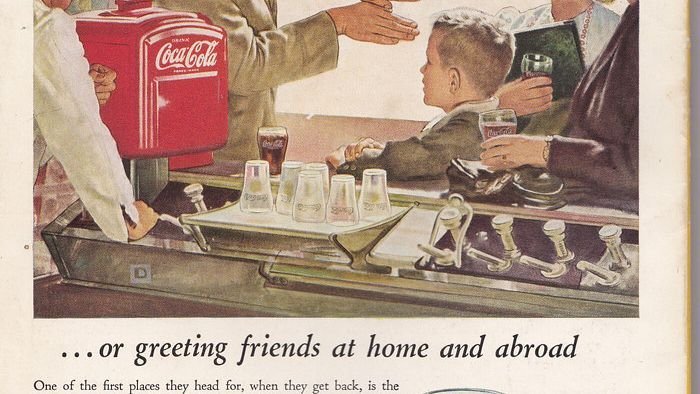
During World War II, Coca-Cola ads depicted soldiers sharing bottles across fronts, from Alaska to Europe, as a taste of home. These avoided battle scenes, instead stressing refreshment and camaraderie to lift spirits.[6]
The messaging fostered a sense of global American togetherness, aligning the brand with morale and national pride. It captured wartime priorities of solidarity over division.
1920s Flapper Fashion Promotions

Ads in the Roaring Twenties celebrated flappers with short skirts and bobbed hair, pushing cosmetics, hosiery, and cars for the “new woman.” Images showed liberated figures dancing or driving, embracing post-suffrage freedoms.[7]
This era’s promotions reflected jazz-age rebellion against Victorian restraints. Yet they often blended empowerment with consumer allure, signaling early cracks in rigid gender norms.
1950s Electronics and Future Visions
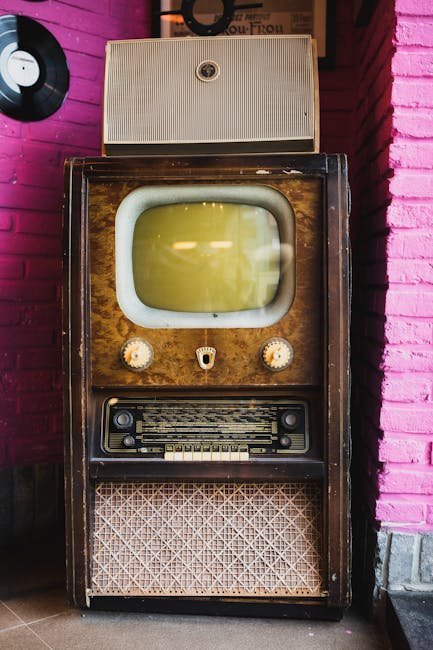
Magazine ads for TVs and gadgets in the 1950s brimmed with atomic-age promise, showing families gathered around screens in sleek homes. Brands highlighted convenience and progress, fueling optimism after the war.[8]
These captured technological enthusiasm, positioning devices as gateways to modern leisure. Societal faith in innovation drove consumer spending, blending domestic life with futuristic dreams.
Advertising as a Historical Archive
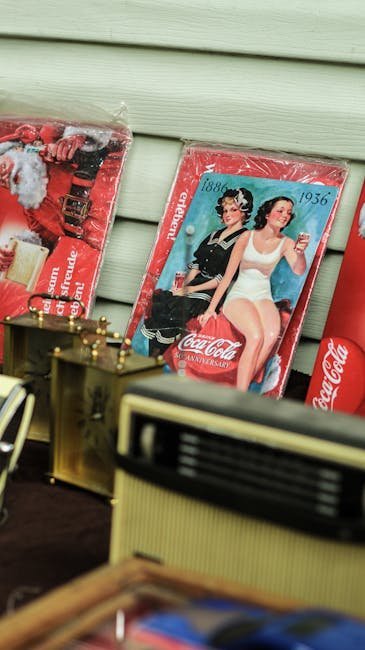
Vintage campaigns preserve snapshots of public moods, from empowerment drives to domestic retreats. They reveal how ads both shaped and echoed values around work, home, and progress.
Today, these relics remind us that marketing thrives on cultural resonance. Flipping through them offers quiet insight into paths not taken and norms long shifted.

Besides founding Festivaltopia, Luca is the co founder of trib, an art and fashion collectiv you find on several regional events and online. Also he is part of the management board at HORiZONTE, a group travel provider in Germany.
