


- 8 Gardening Hacks That Will Make Your Roses Bloom Like Never Before - August 11, 2026
- 8 Incredible Beaches Around the World You Won’t Believe Are Real - August 11, 2026
- 10 Classical Music Masterpieces That Will Transport You Through Time - August 11, 2026
Storytelling sits at the heart of human experience. It weaves the threads of personal and collective memories into a tapestry that defines who we are.
Across time, these narratives preserve cultural identity. They carry forward values, lessons, and histories from one generation to the next, fostering a sense of continuity amid change.
Ancient Oral Traditions
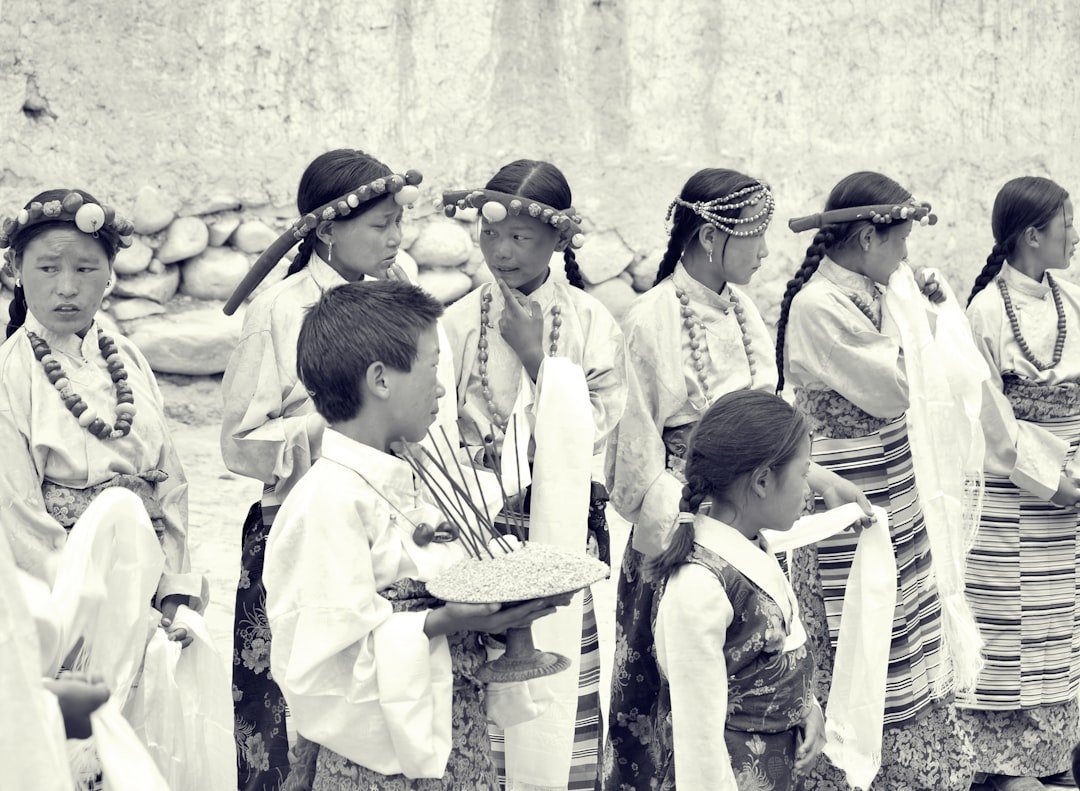
Oral storytelling emerged in prehistoric gatherings around fires. Elders recited tales of creation, heroes, and spirits, passing knowledge without written words. These stories adapted with each telling, gaining new layers from listeners’ lives.
Continuity shone through recurring motifs like the trickster or the flood. Transformations came as communities migrated, blending elements from distant lands. This flexibility ensured survival, linking ancient voices to modern echoes.
Epic Poems of Antiquity
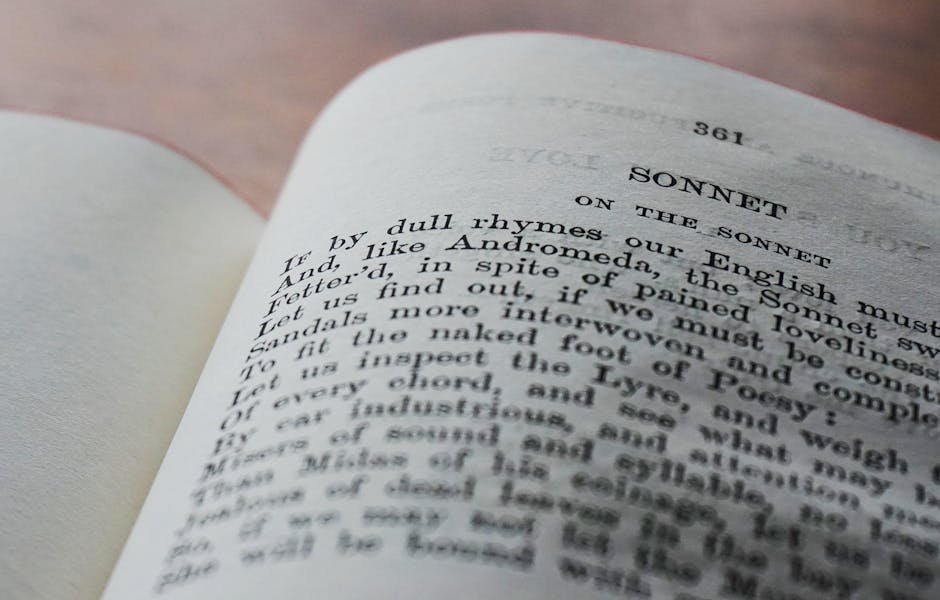
In ancient Mesopotamia and Greece, epics like the Epic of Gilgamesh and the Iliad took shape. Scribes captured vast quests and battles on clay tablets or scrolls. Performers chanted them in public squares, drawing crowds with rhythmic verse.
Core themes of mortality and honor persisted across retellings. Shifts occurred as empires rose, incorporating local gods or wars. These works bridged oral roots to written permanence, influencing cultures for millennia.
Medieval Folktales and Sagas
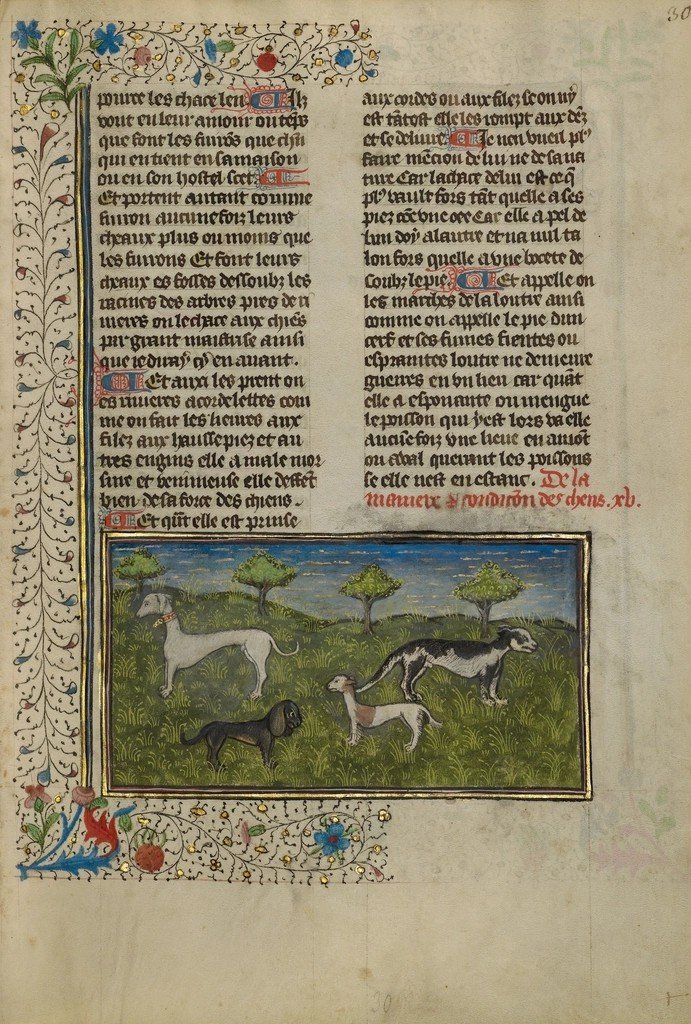
Europe’s Middle Ages saw sagas in Iceland and folktales spread by wandering minstrels. Knights, dragons, and moral dilemmas filled these yarns, shared in castles and villages alike. Manuscripts preserved some, but most lived in memory.
Moral lessons endured, teaching virtue amid hardship. Transformations reflected feudal shifts, with tales evolving to include saints or crusades. This era connected ancient myths to emerging national identities.
Renaissance Literature and Chapbooks

The Renaissance brought printed books, making stories accessible beyond elites. Shakespeare’s plays and Boccaccio’s tales explored human folly and love on stages and pages. Chapbooks carried simplified versions to common folk.
Timeless explorations of ambition and betrayal held firm. Printing presses spurred variations, tailoring narratives for new audiences. Continuity met innovation, as classical forms inspired fresh voices.
19th-Century Serialized Novels
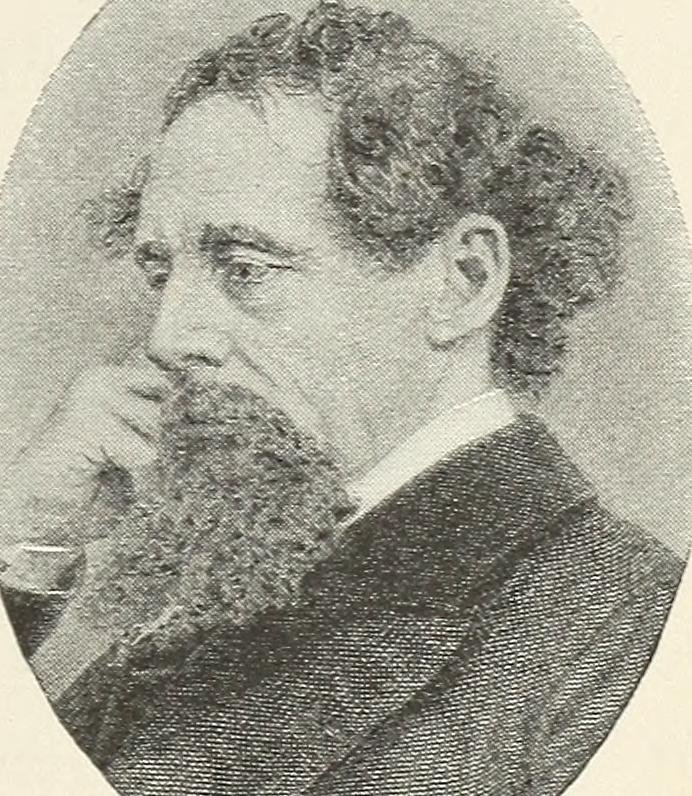
Victorian England serialized novels in magazines, captivating readers installment by installment. Dickens and the Brontës painted social critiques through intricate plots. Families gathered to discuss twists over tea.
Themes of class struggle and romance persisted from earlier eras. Industrial changes infused realism, transforming heroic quests into everyday dramas. This medium deepened generational bonds through shared anticipation.
20th-Century Cinema and Broadcasts

Films and radio dramas exploded in the 1900s, turning stories visual and auditory. Hollywood epics and BBC serials reached millions, from silent screens to golden age broadcasts. Families huddled around sets, absorbed in collective tales.
Archetypes like the lone hero endured across genres. Technology shifted delivery, from reels to airwaves, adapting to global wars and migrations. Visuals amplified emotional depth, sustaining oral intimacy at scale.
Digital Narratives in the Modern Era

Today, podcasts, streaming series, and social media threads carry stories worldwide. Platforms like Netflix and TikTok deliver bite-sized sagas or marathons. Creators remix myths for viral appeal, blending cultures instantly.
Universal quests for belonging remain central. Algorithms personalize paths, transforming linear tales into interactive webs. Yet the core impulse connects, echoing campfires in code.
Storytelling as Humanity’s Shared Inheritance
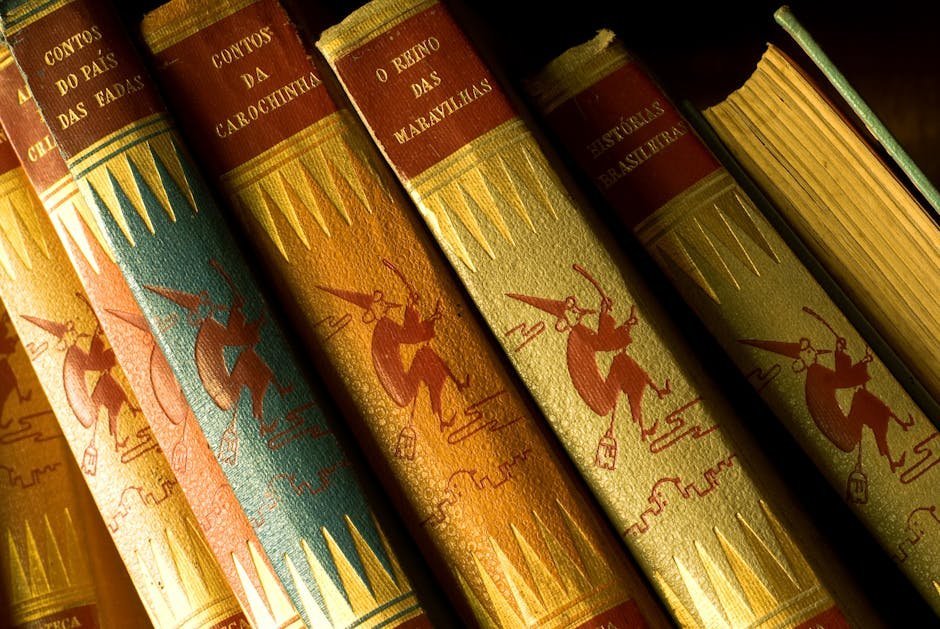
From cave walls to screens, storytelling adapts yet anchors us. It forges empathy across divides, reminding each era of shared struggles and triumphs.
This enduring art invites reflection on our own narratives. In passing stories forward, we honor the past and shape what comes next.

Besides founding Festivaltopia, Luca is the co founder of trib, an art and fashion collectiv you find on several regional events and online. Also he is part of the management board at HORiZONTE, a group travel provider in Germany.
