

- 15 Iconic Album Covers That Are Works Of Art In Their Own Right. - August 22, 2026
- 10 Things That Made Axl Rose Stand Out in The World of Music - August 22, 2026
- 10 Mind-Bending Plot Twists In Classic Novels You Never Saw Coming. - August 22, 2026
Storytelling binds humanity across time. Early humans gathered around fires to share tales of gods, heroes, and daily struggles. These oral narratives shaped cultures long before writing emerged.
Over centuries, the form shifted with technology. Print fixed stories on pages for wider reach. Cinema and television added motion and sound, drawing mass audiences. Today, digital platforms make narratives interactive and global.
Mythic Oral Storytelling

Oral traditions dominated for millennia. Griots in Africa or bards in ancient Greece memorized epics like the Odyssey. Repetition and rhythm aided recall, while live audiences influenced the teller’s pace and emphasis.
These stories carried moral lessons and explained the world. Listeners participated through chants or gestures. Myths evolved with each retelling, adapting to new generations and local needs.
Medieval Manuscripts
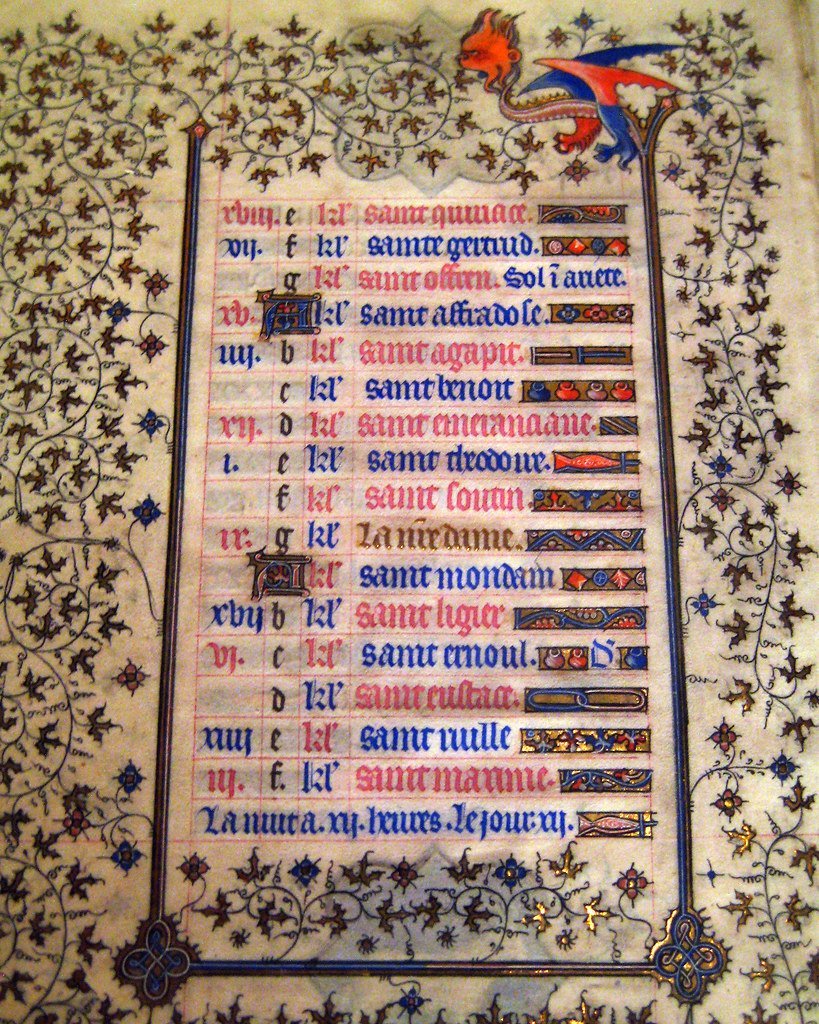
Monks in scriptoria hand-copied texts on vellum. Illuminated manuscripts like the Book of Kells blended words with intricate art. Production took years, limiting access to clergy and nobility.
Narratives drew from religious tales or chivalric romances. Scribes added marginalia for whimsy. This era preserved ancient lore while introducing visual symbolism to deepen meaning.
The Printing Revolution

Johannes Gutenberg’s press around 1450 changed everything. Movable type allowed mass production of books like the Gutenberg Bible. Costs dropped, sparking literacy among common folk.
Stories spread rapidly across Europe. Pamphlets and folios fueled the Renaissance. Standardization fixed texts, reducing variations from oral versions.
The Novel Era
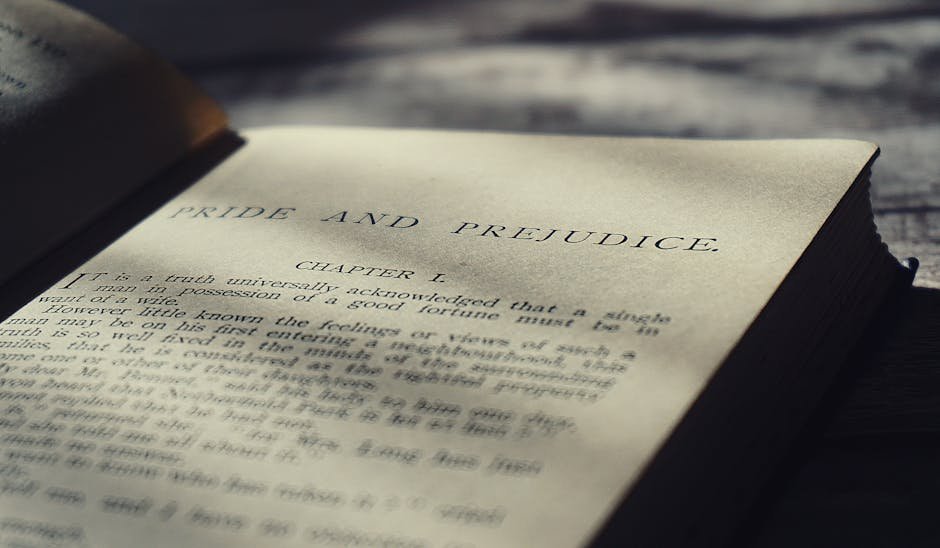
The 18th century saw novels rise with authors like Daniel Defoe. Robinson Crusoe offered realistic adventures in prose. Serialization in magazines built suspense over time.
Jane Austen explored inner lives through dialogue and irony. Psychological depth emerged. Novels reflected societal shifts, making personal stories relatable to growing middle classes.
Cinematic Storytelling
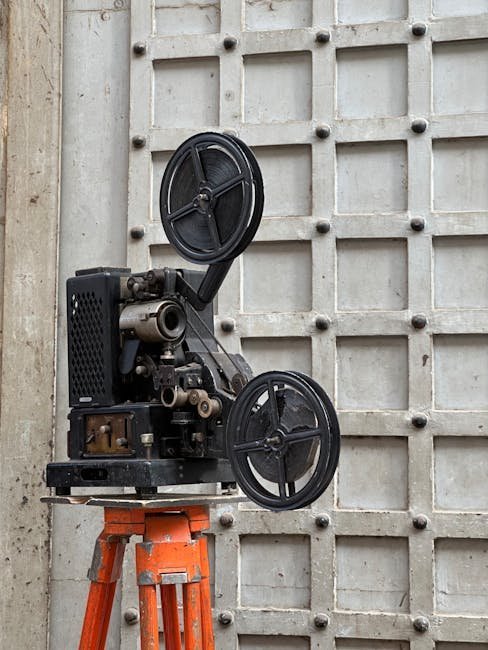
Early films from the 1890s showed simple scenes. D.W. Griffith pioneered editing for narrative flow in Birth of a Nation. Montage by Sergei Eisenstein layered emotions through cuts.
Sound arrived in 1927 with The Jazz Singer. Stars like Charlie Chaplin embodied characters. Cinema compressed tales into visual spectacles, captivating theaters worldwide.
Broadcast Storytelling
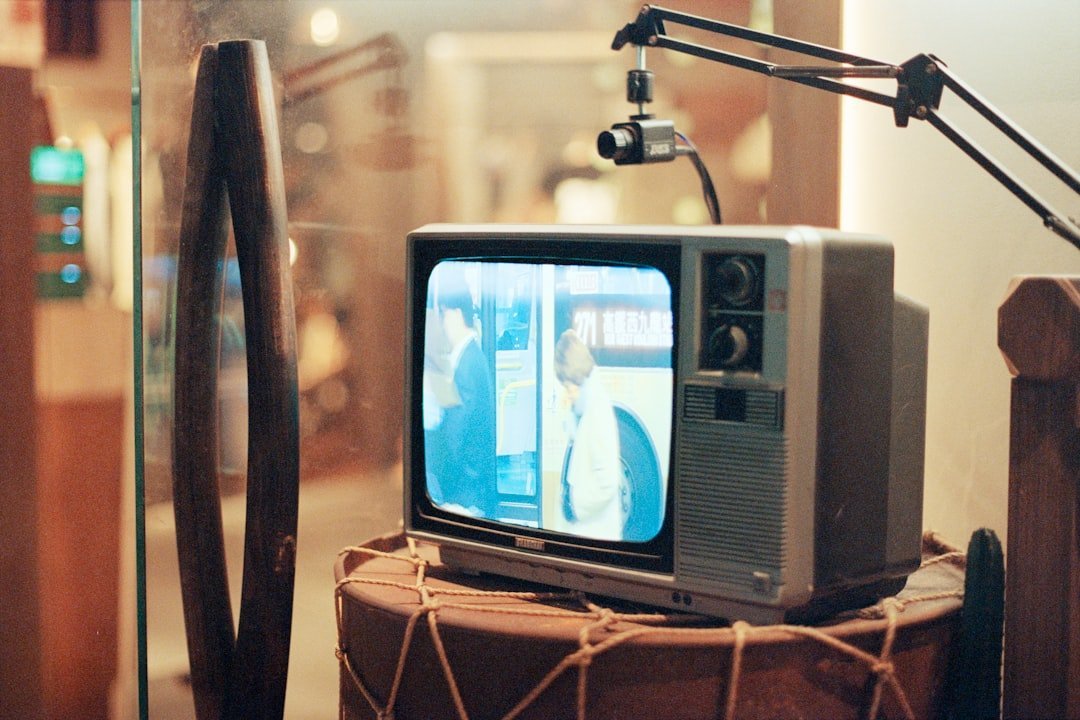
Radio in the 1920s brought voices to homes. Orson Welles’ War of the Worlds terrified listeners with realism. Serial dramas hooked families nightly.
Television from the 1950s added visuals. Shows like I Love Lucy used multiple cameras for live feel. Episodic formats built loyal viewers, blending ads with plots.
Digital Narrative Culture

The internet exploded choices in the 1990s. Blogs and fan fiction let amateurs publish. Streaming platforms like Netflix offer bingeable series with cliffhangers.
Interactive games such as The Last of Us blend choice and story. Social media shares micro-narratives via TikTok videos. Users co-create, blurring lines between teller and audience.
Threads of Continuity

Ancient firesides echo in today’s screens. Core elements like heroes facing trials persist from myths to Marvel films. Emotion drives every medium.
Technology alters delivery, yet humans crave connection through stories. Oral improvisation lives in viral memes. The art endures, ever adapting.
CEO-Co-Founder
