
- 12 Unforgettable TV Shows From Your Youth That Deserve A Modern Reboot. - August 22, 2026
- The Golden Age of Radio Dramas Still Holds a Powerful Spell Over Audiences. - August 21, 2026
- 15 Historical Figures Who Were Far More Eccentric Than You Learned in School - August 21, 2026
Music festivals often hinge on those rare moments when a single performance shifts the entire vibe. Certain sets capture the spirit of the time so vividly that they etch themselves into cultural memory, influencing how festivals evolve from chaotic gatherings to polished spectacles. These concerts didn’t just entertain; they redefined expectations for energy, innovation, and communal experience.
From muddy fields in upstate New York to sun-soaked stages in California, these performances bridged genres and generations. They turned fledgling events into legends, setting standards for what a festival could achieve amid technical glitches, weather woes, and massive crowds.[1][2]
Jimi Hendrix at Woodstock 1969
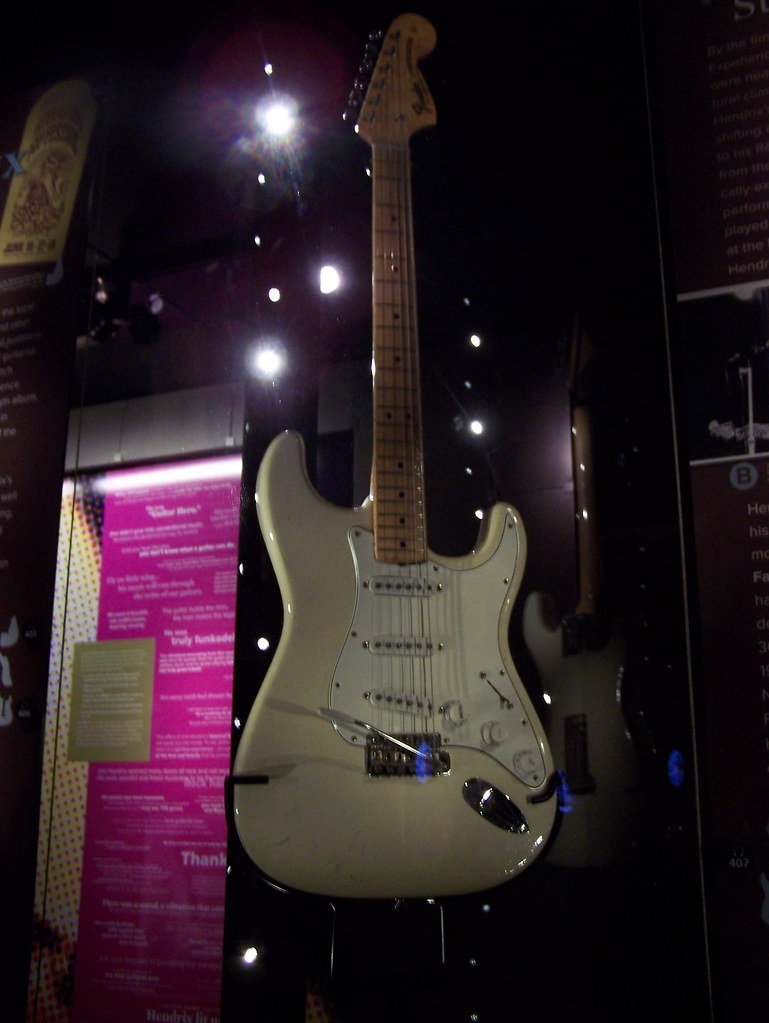
Jimi Hendrix closed Woodstock with his Gypsy Sun and Rainbows band in a loose two-hour set that kicked off around 9 a.m. on Monday. He delivered hits like “Purple Haze” and “Hey Joe” alongside an improvised “Star-Spangled Banner,” its wailing feedback evoking bombs and turmoil. The remaining crowd of about 30,000, weary from days of rain and delays, watched in hushed awe as Hendrix channeled the festival’s raw defiance.[1]
This performance came amid Woodstock’s extension into a fourth day due to logistical nightmares, marking a pivotal counterculture clash. Fans erupted in cheers for the anthem’s bold reinterpretation, cementing Hendrix’s guitar wizardry. Its legacy endures as the ultimate festival closer, proving endurance could yield transcendent art that symbolized an era’s hopes and chaos.[2]
Bob Dylan at Newport Folk Festival 1965
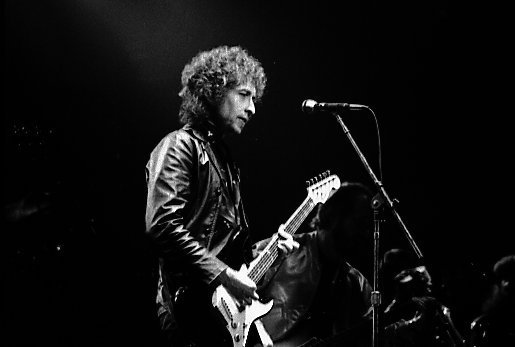
Bob Dylan plugged in for three electric songs, including “Maggie’s Farm” and “Like a Rolling Stone,” backed by the Paul Butterfield Blues Band. Purists in the audience booed loudly, some hurling insults over the folk betrayal and muddy sound. Yet a segment cheered the fresh edge, highlighting the divide between tradition and rock’s rise.
Newport’s shift toward rock acts that year signaled broader changes in the mid-1960s music scene. Dylan’s set, though brief, sparked endless debate and myth-making. It paved the way for amplified innovation at festivals, influencing how events embraced electric energy over acoustic purity.[1]
Otis Redding at Monterey Pop Festival 1967
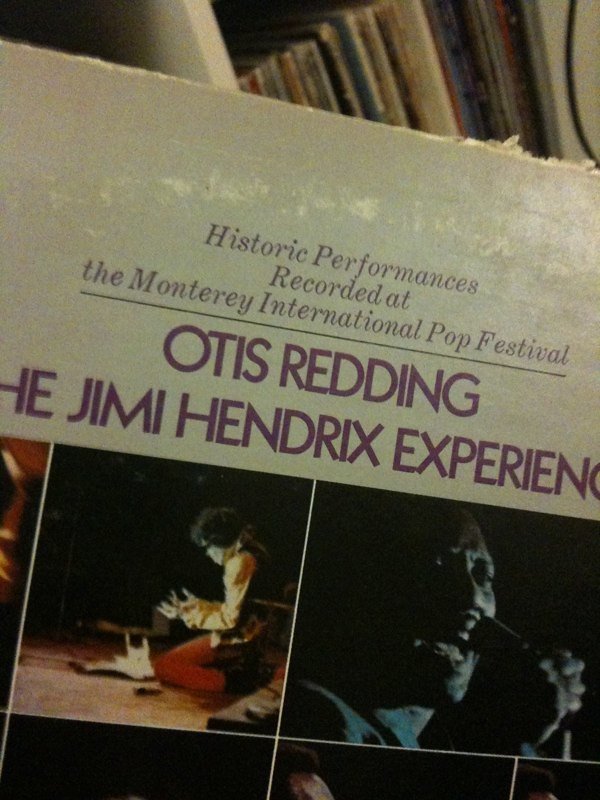
Otis Redding, supported by Booker T. & the M.G.’s, tore through five soul-stirring songs like “Satisfaction” and his own “Respect.” He connected deeply with the crowd, asking if it was the “love crowd” and earning roars of affirmation. The mostly white, hippie audience went wild for his raw power, bridging soul and rock worlds.
Monterey kicked off the Summer of Love with its rock-heavy bill, giving soul a rare spotlight. Redding’s joyful yet intense delivery mesmerized attendees just months before his tragic death. This set established festivals as melting pots for genres, leaving a blueprint for cross-cultural magic.[1]
The Who at Woodstock 1969
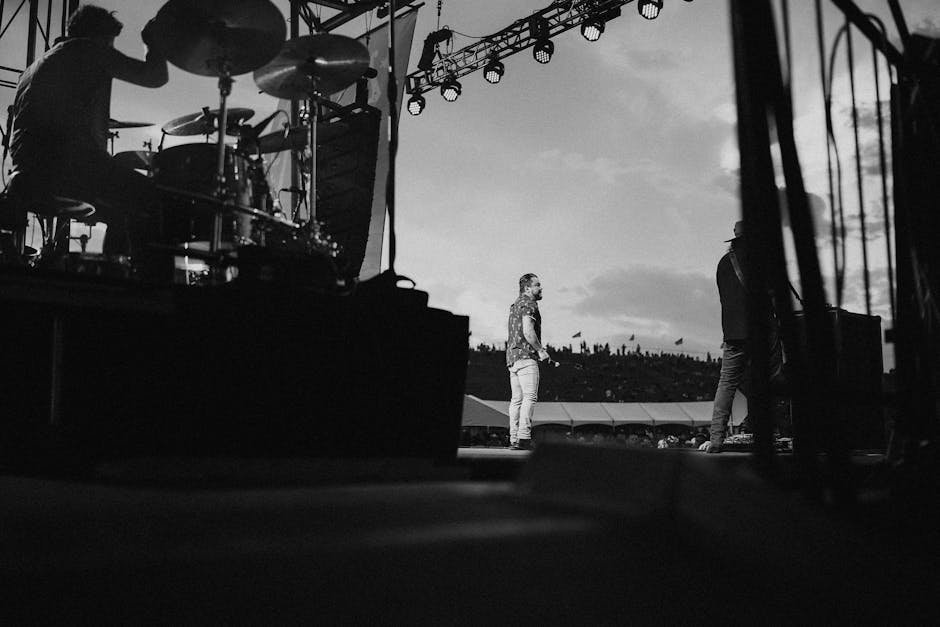
The Who unleashed a blistering hour-long assault at 5 a.m., ripping through “My Generation,” “I Can’t Explain,” and chunks of their rock opera Tommy. Pete Townshend smashed his guitar in fury after activist Abbie Hoffman interrupted, yelling him off stage amid cheers. The sleep-deprived crowd fed off the band’s explosive chaos, surging with renewed frenzy.
Woodstock’s grueling schedule tested endurance, but The Who’s dawn fury captured peak rock rebellion. Their technical prowess and raw attitude amid rain-soaked disarray became legendary. It solidified high-energy rock as festival staple, inspiring generations of headliners to push limits.[2]
Santana at Woodstock 1969
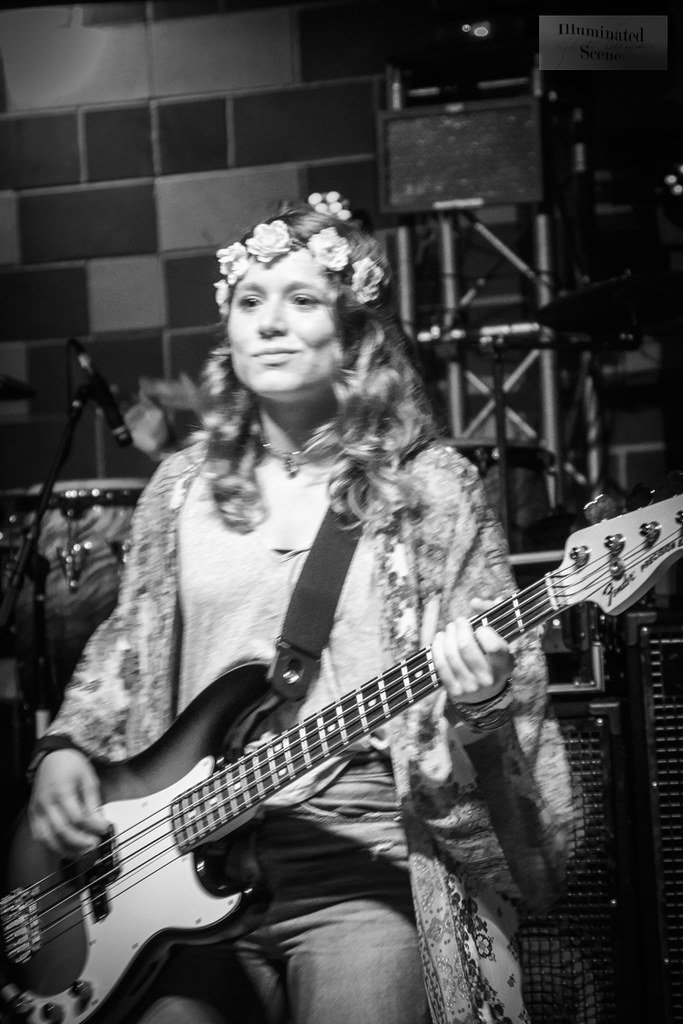
Santana fused Latin rock with jazz in a spellbinding afternoon slot, highlighted by Michael Shrieve’s epic drum solo in “Soul Sacrifice.” The band, relative unknowns, hypnotized the massive crowd with nimble riffs and percussion. Attendees danced ecstatically, sensing a breakthrough moment.
Slotting into Woodstock’s eclectic Saturday lineup amid post-rain recovery, Santana seized obscurity. Their fusion sound propelled the debut album to chart success. This performance proved festivals could launch careers and blend global influences into rock’s core.[2]
Janis Joplin with Big Brother and the Holding Company at Monterey Pop 1967
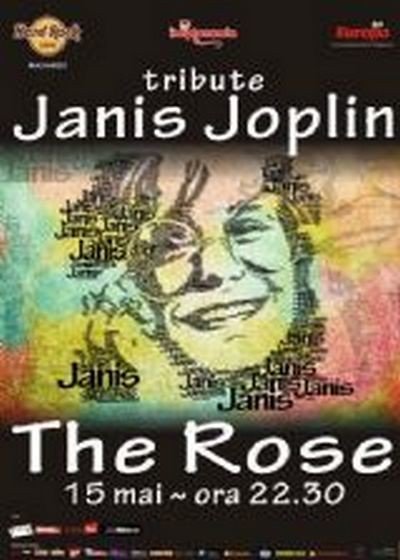
Janis Joplin dominated with primal blues-rock on “Combination of the Two” and a searing six-minute “Ball and Chain.” Her raw vocals and stage presence left jaws dropped, including Mama Cass’s famous “Wow.” The crowd roared in rapture, drawn to her unbridled emotion.
Monterey’s innovative bill showcased rising stars, and Joplin played twice due to demand. This exposure landed a Columbia deal, skyrocketing her fame. It highlighted women’s fierce place in rock festivals, shaping raw authenticity as a hallmark.[1]
Nirvana at Reading Festival 1992
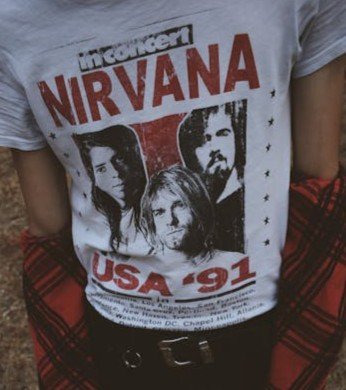
Nirvana headlined with a 90-minute fury from Nevermind and Bleach, Kurt Cobain wheeled out feigning frailty before exploding into “Breed.” The 50,000-strong crowd moshed wildly to “Lithium” and new tracks like “All Apologies.” Cobain’s “Courtney Love” chants added twisted theater.
Post-rehab and amid grunge peak, this was Nirvana’s last major UK show. Fans hailed it as triumphant proof of their dominance. Bootlegs fueled its myth, capturing rock’s final raw gasp before polish took over.[1]
Radiohead at Glastonbury 1997
Radiohead headlined post-OK Computer with “Paranoid Android,” Thom Yorke’s screams piercing the night. The Pyramid Stage crowd hung on intricate soundscapes from Kid A precursors. Tension built to cathartic release, mesmerizing thousands.
Glastonbury’s 1997 bill embraced experimental rock amid Britpop fade. This set marked Radiohead’s shift to art-rock giants. It showed festivals thriving on innovation, influencing moody, immersive headliners ever since.[3]
Queen at Live Aid 1985
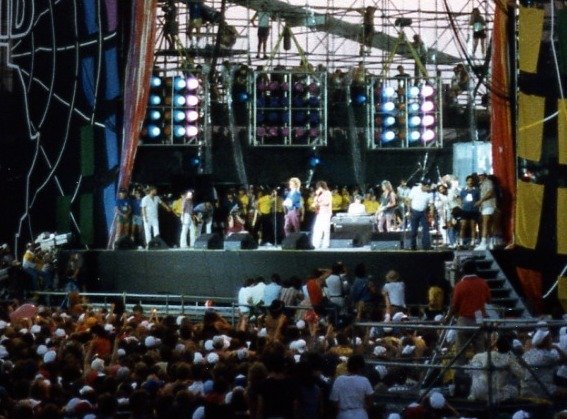
Queen stole Wembley with Freddie Mercury’s commanding strut on “Radio Ga Ga” and operatic hits like “Bohemian Rhapsody.” The 72,000 fans clapped in unison, roaring approval wave after wave. Mercury’s charisma unified the global broadcast audience.
Live Aid’s dual-venue famine relief drew unprecedented TV eyes, reviving Queen’s momentum. Their precision amid stakes turned skeptics. It set the bar for stadium spectacle, blending theater with rock prowess.[4]
Joe Cocker at Woodstock 1969
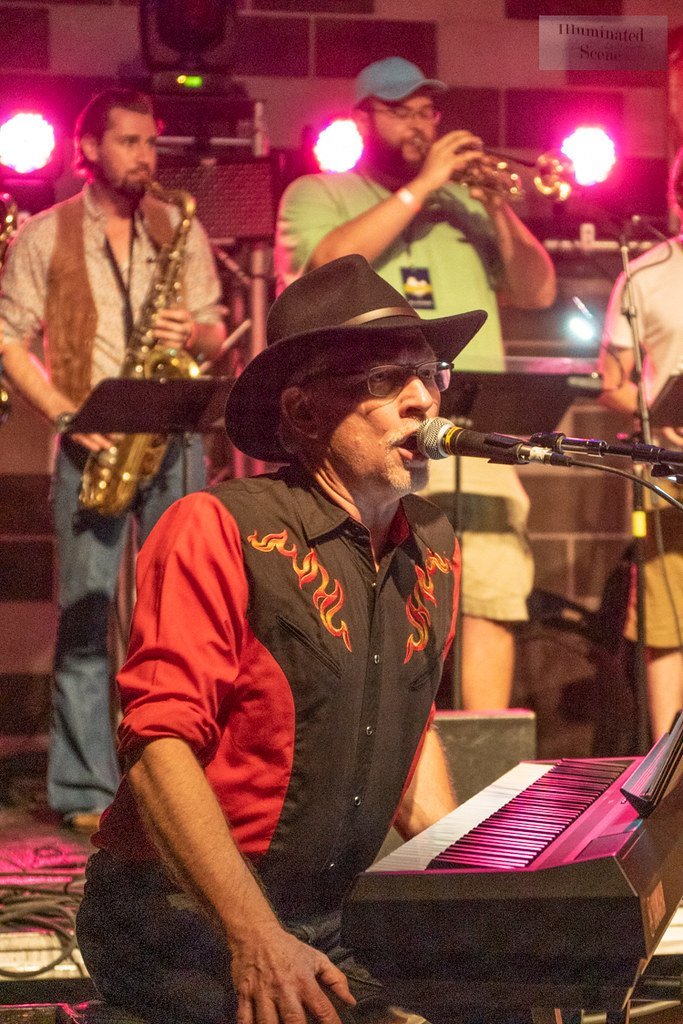
Joe Cocker and the Grease Band gripped Sunday morning with soulful covers like “With a Little Help from My Friends” and Dylan’s “Just Like a Woman.” Helicoptered in post-thunderstorm, his spasmodic delivery stirred the soaked throng. The eight-minute Beatles epic peaked in communal fervor.
Woodstock’s weather woes tested spirits, but Cocker lifted them skyward. His vulnerability resonated, boosting his stardom. This raw interpretation defined festival soul, echoing in covers today.[1]
Sly and the Family Stone at Woodstock 1969
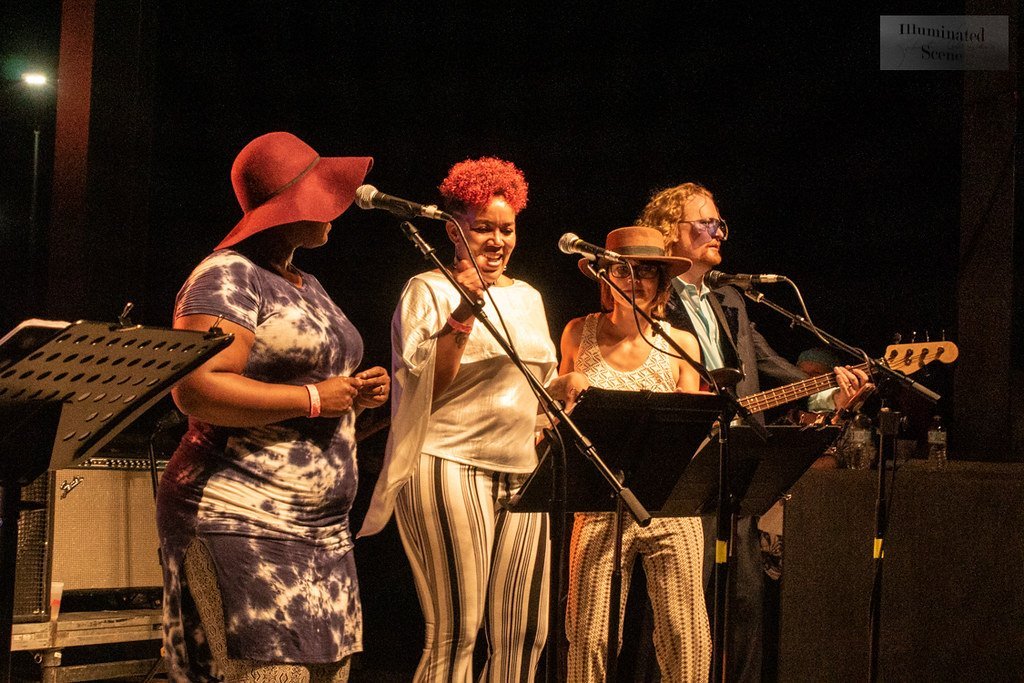
Sly and the Family Stone ignited 3 a.m. Sunday with “Everyday People” and “I Want to Take You Higher” from Stand! Rain couldn’t dampen their mixed-race funk uplift. The exhausted crowd surged, rediscovering joy.
Woodstock embodied 1960s idealism, and Sly’s inclusive energy crystallized it. Their scorching set fueled unity dreams. It pioneered funk’s festival role, blending races onstage and off.[1]
Richie Havens at Woodstock 1969
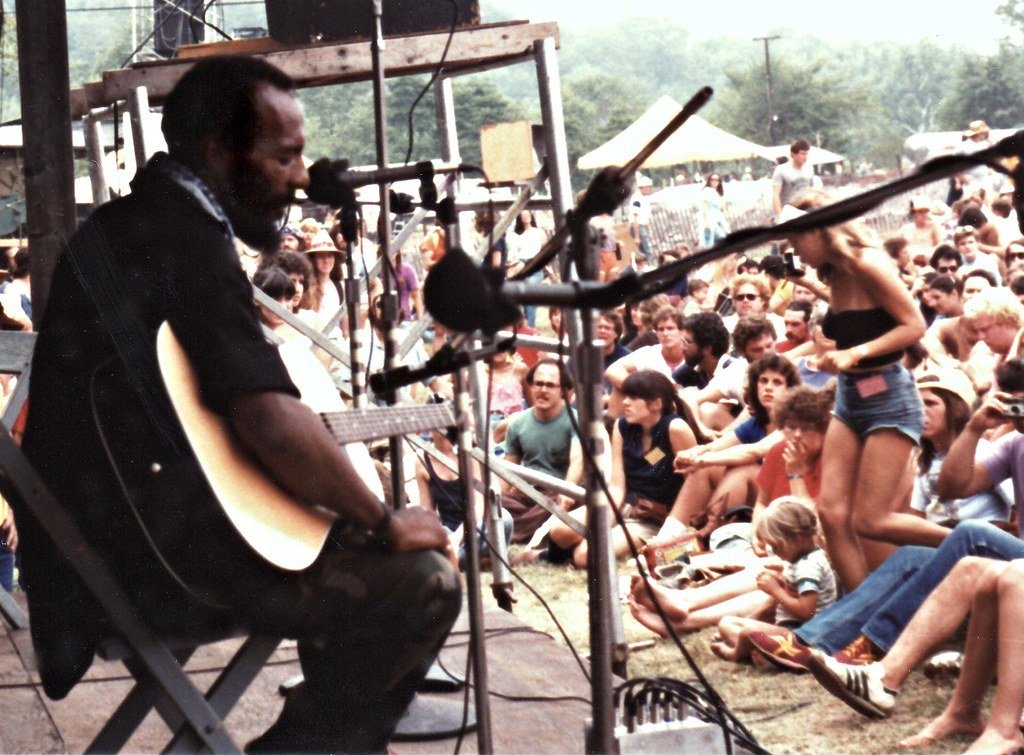
Richie Havens opened Woodstock with a two-hour improv marathon, birthing “Freedom” from “Motherless Child.” Stranded openers forced him onstage in an orange robe amid traffic chaos. The swelling crowd chanted along, finding solace early.
Festival delays set a frantic tone, but Havens steadied nerves. His folk urgency reached global screens via the film. It established openers as anchors, his ashes later scattered onsite.[2]
Pulp at Glastonbury 1995
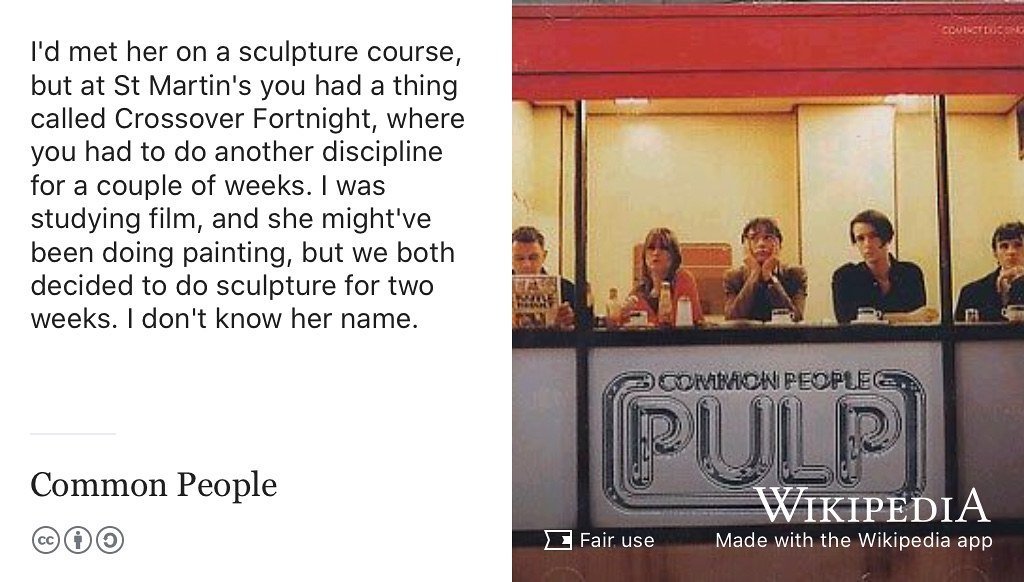
Pulp stepped in last-minute for The Stone Roses, storming with “Disco 2000” and new tracks like “Sorted for E’s and Whizz.” Jarvis Cocker’s witty banter rallied the Pyramid crowd into frenzy. They owned the unexpected slot with Britpop swagger.
Glastonbury’s mid-90s Britpop surge met Pulp’s underdog rise. This triumph launched them mainstream. It proved replacement sets could redefine festivals, championing charisma over hype.[3]
David Bowie at Glastonbury 2000
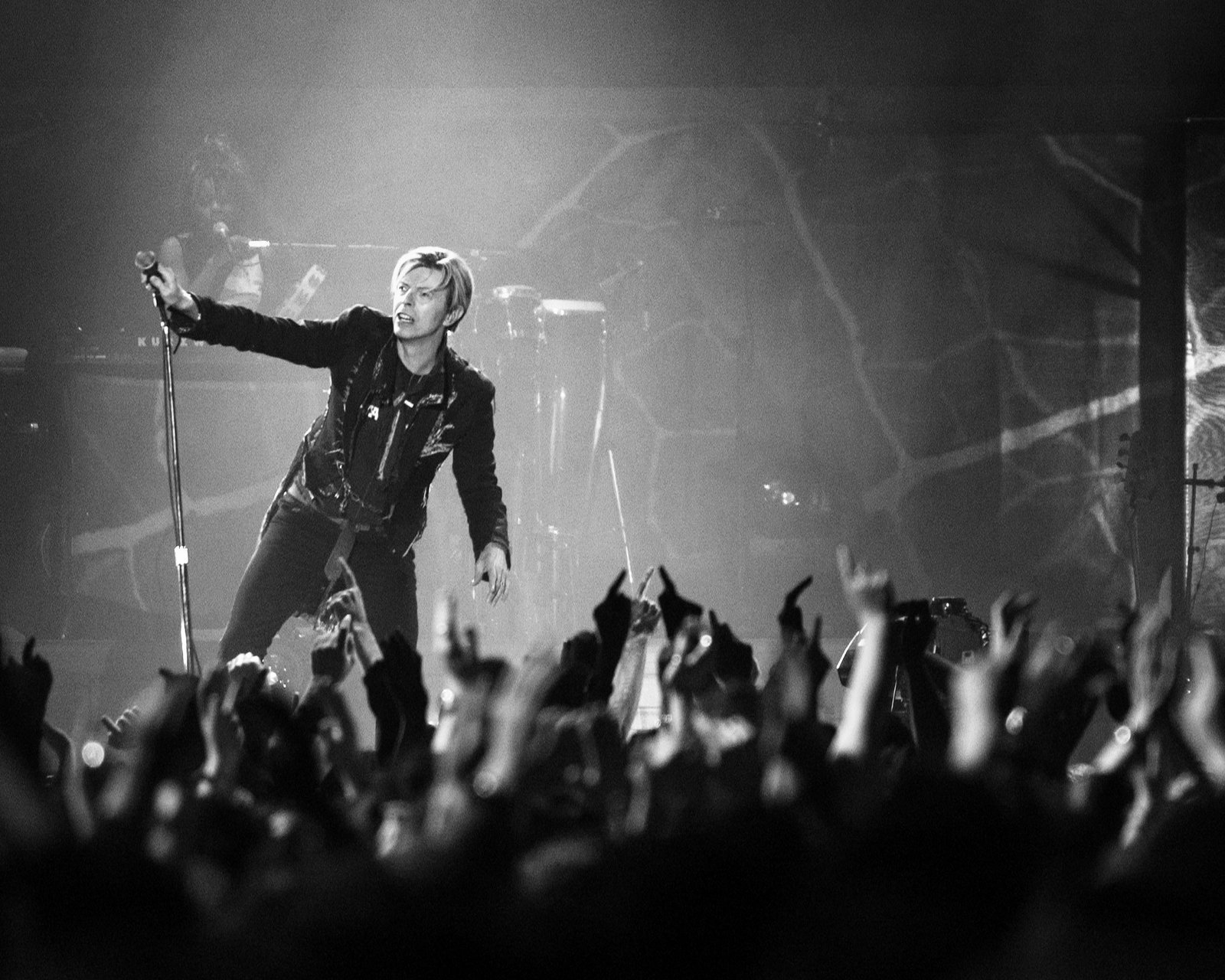
David Bowie poured emotion into “Heroes” with fireworks and theatrical flair at midnight. The massive crowd sang every word, lost in nostalgia and wonder. His voice cracked with kingly poise on key lines.
Glastonbury honored icons that year, Bowie fitting perfectly post-reinvention. Fans cherished this Pyramid return. It bridged glam past with festival future, inspiring elder statesmen appearances.[3]
Arctic Monkeys at Glastonbury 2007
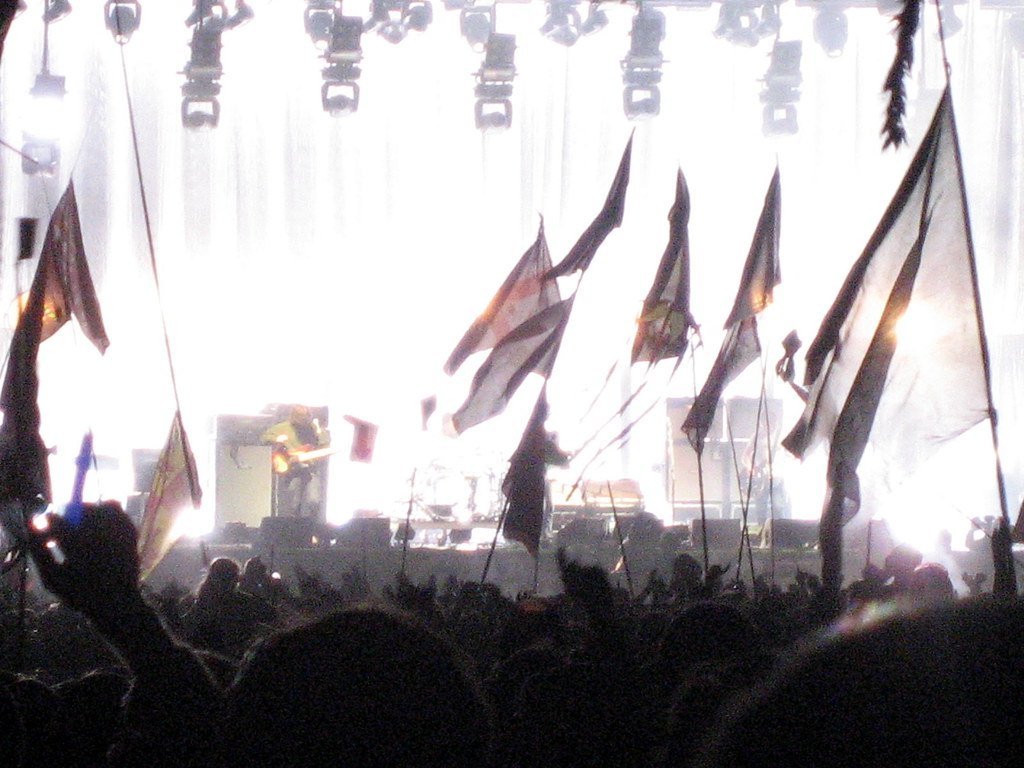
Arctic Monkeys headlined with “When the Sun Goes Down” into “Brianstorm,” the crowd chanting lyrics verbatim. Alex Turner’s cool delivery amid riff storms electrified tents to fields. Hype met delivery in explosive synergy.
Post-debut buzz, Glastonbury tested new rock waves. Their command silenced doubters. It signaled garage revival’s staying power, shaping how young bands claim big stages.[3]
The Lasting Blueprint for Modern Music Festivals
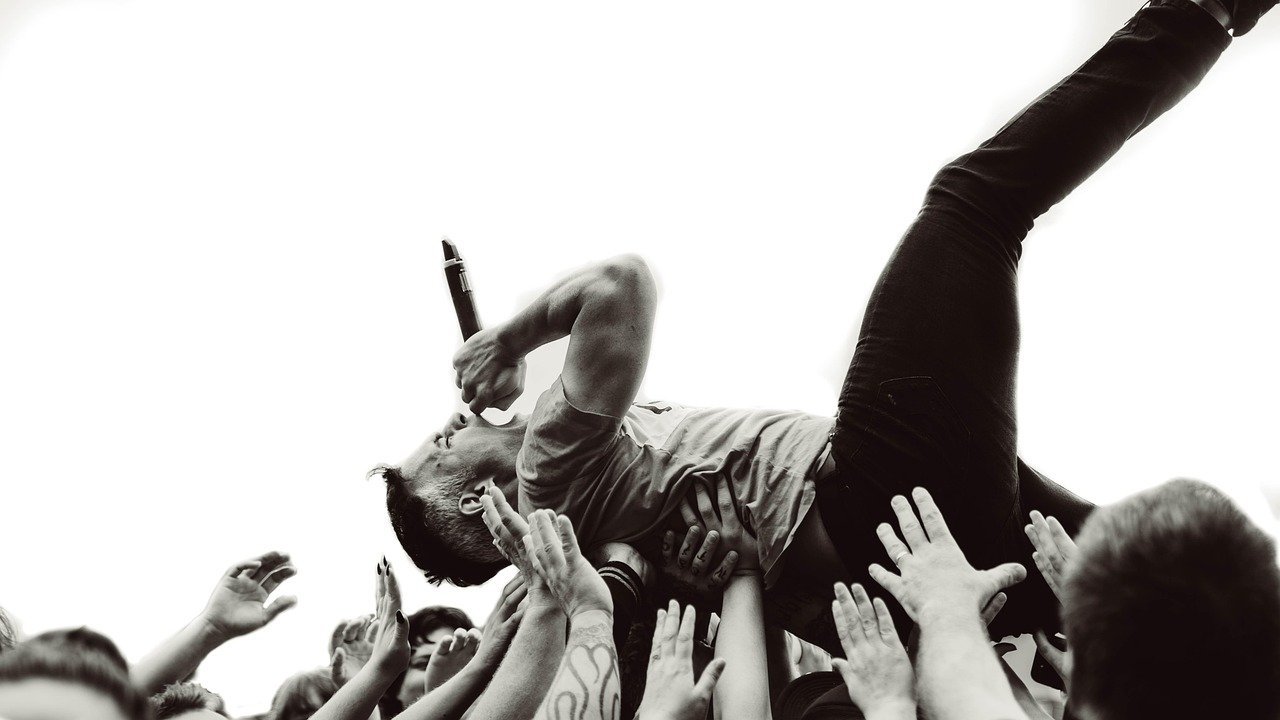
These sets wove chaos into triumph, turning festivals from one-offs into cultural pillars. They taught organizers to embrace surprises, from weather to walkouts, while prioritizing artist-audience bonds. Modern events owe their polish and unpredictability to these roots.
Today’s lineups chase that same electric spark, blending legacy acts with fresh voices. Yet the originals remind us festivals thrive on shared rebellion and revelation, not just screens and sets. Their echoes ensure the magic endures.[1]

Besides founding Festivaltopia, Luca is the co founder of trib, an art and fashion collectiv you find on several regional events and online. Also he is part of the management board at HORiZONTE, a group travel provider in Germany.
