

- 12 Unforgettable TV Shows From Your Youth That Deserve A Modern Reboot. - August 22, 2026
- The Golden Age of Radio Dramas Still Holds a Powerful Spell Over Audiences. - August 21, 2026
- 15 Historical Figures Who Were Far More Eccentric Than You Learned in School - August 21, 2026
History brims with ideas that sparked brilliantly only to flicker out. These creations often stumbled not from flaws in design, but because the world around them lacked the infrastructure, mindset, or resources to embrace them.
Society’s readiness lagged behind the vision. Electricity networks, reliable communication lines, or even basic manufacturing scales simply did not exist to support many of these breakthroughs.
The Antikythera Mechanism
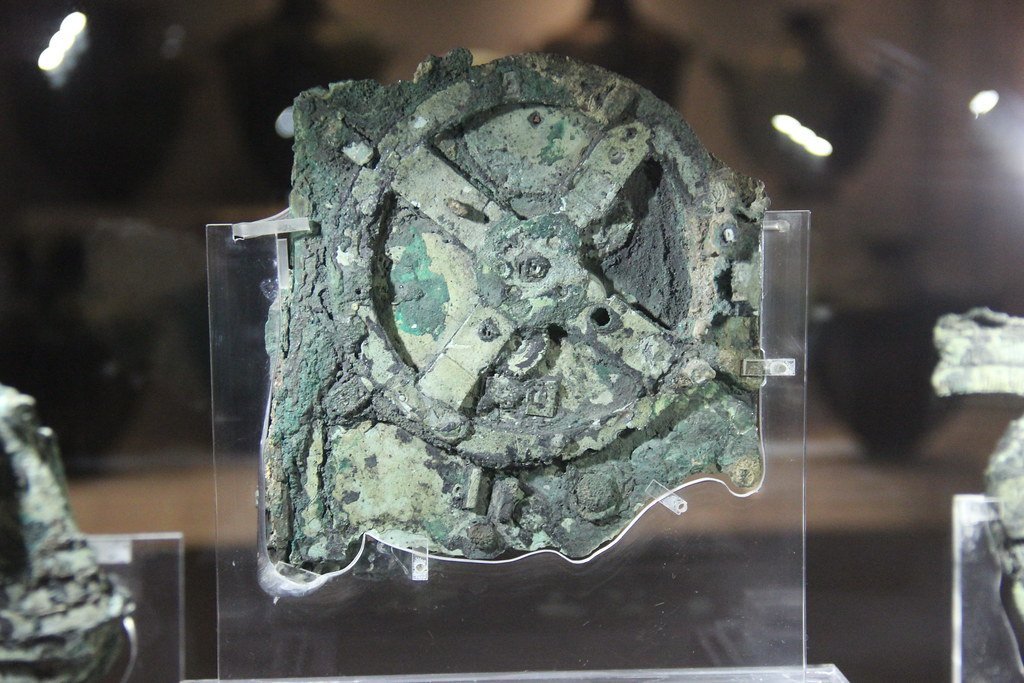
Discovered in a shipwreck off Greece, this bronze geared device from around 200 BCE tracked planetary positions, eclipses, and Olympic cycles with astonishing precision.[1] It functioned like an analog computer, far surpassing any contemporary tool. Yet gears this intricate vanished with the knowledge to build them.
The Hellenistic world prized it for astronomy, but political upheavals and lost craftsmanship buried the tech. Modern planetariums and mechanical orreries echo its predictive power, proving its concepts endured in principle.[1]
Hero of Alexandria’s Aeolipile
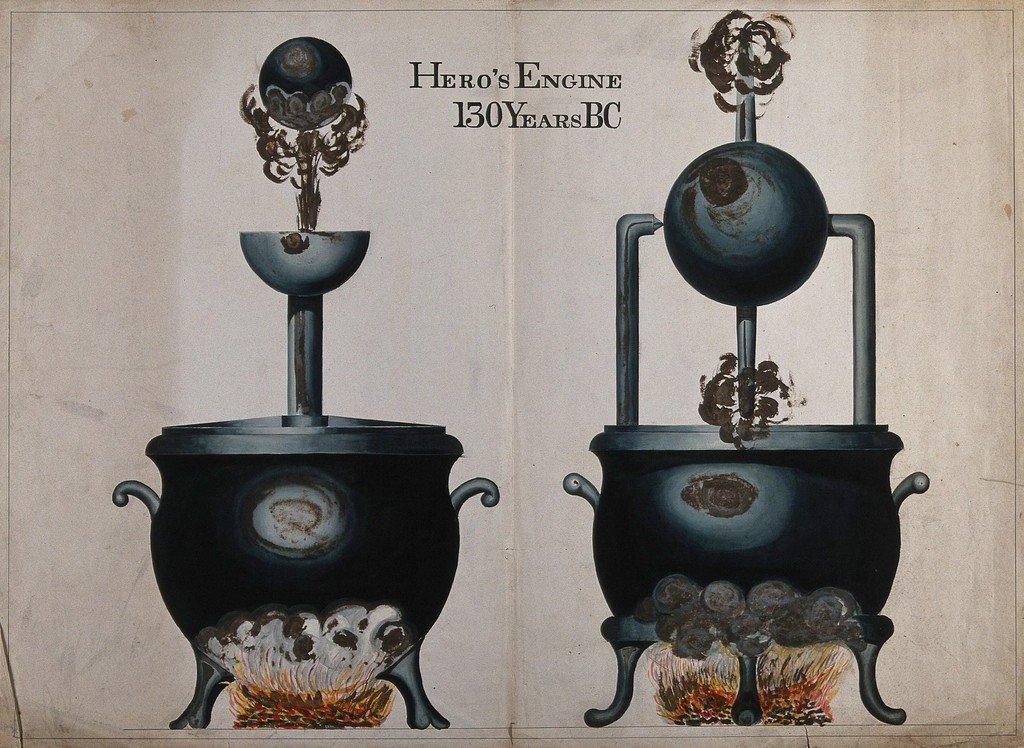
In the first century CE, Hero crafted a steam-powered spinning sphere that jetted water vapor from nozzles to rotate. This early turbine hinted at propulsion principles central to engines today.[1] Seen as a novelty in Alexandria’s temples, it never powered machinery.
Slavery provided cheap labor, dulling the push for automation. Centuries later, steam engines during the Industrial Revolution revived and scaled its rotational force for factories and locomotives.[1]
The Baghdad Battery
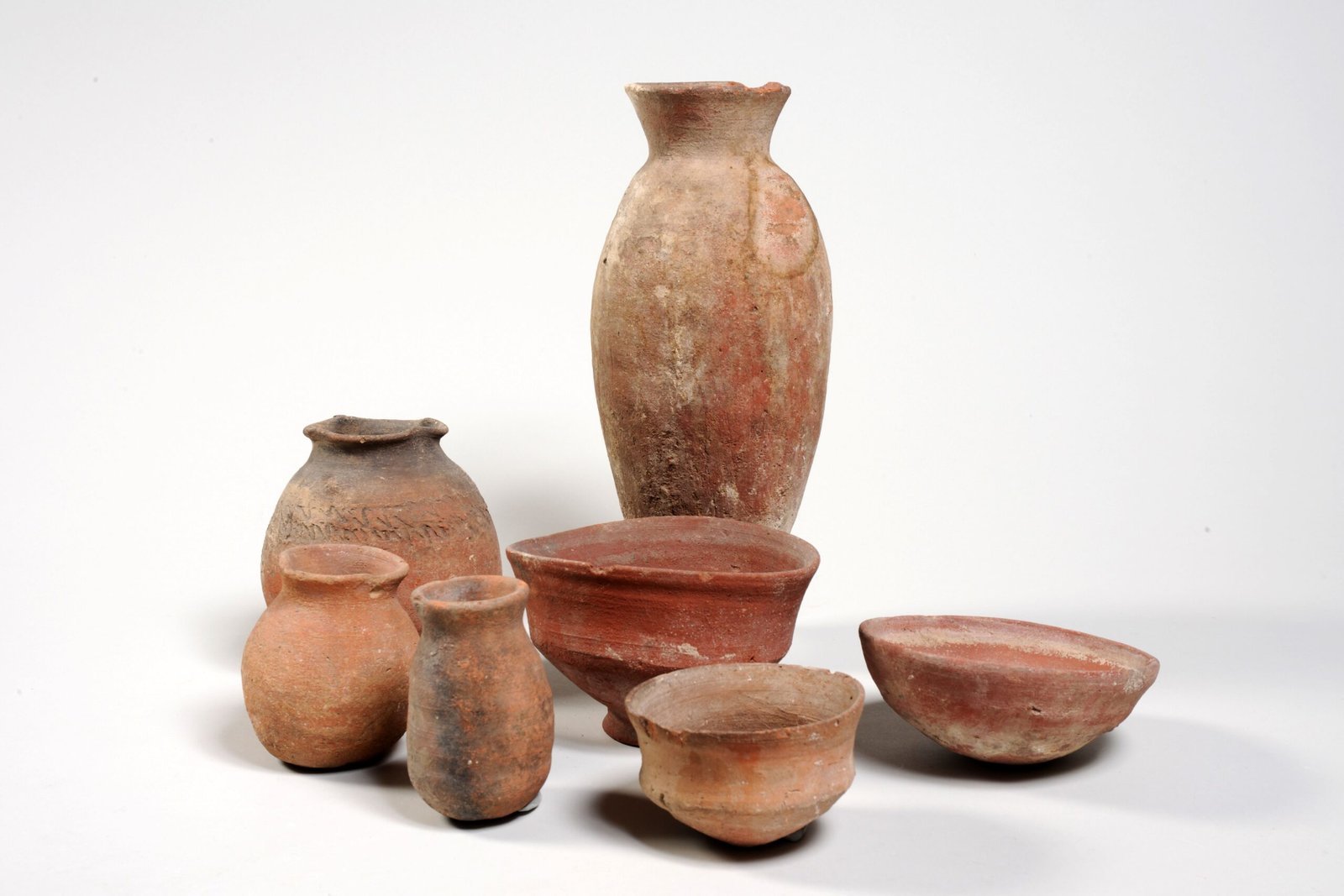
Clay jars from Parthian or Sassanid eras held copper cylinders and iron rods, generating about two volts when filled with acidic liquid like vinegar. Possibly used for electroplating or rituals, it predated Volta’s battery by 1,800 years.[1]
No widespread wiring or understanding of electricity doomed it to obscurity. Today’s simple galvanic cells mirror its design, powering everything from hearing aids to remote controls.[1]
Greek Fire

Byzantines deployed this incendiary liquid from the seventh century, ignited on water via ship-mounted siphons. It clung and burned fiercely, repelling sieges like Constantinople’s in 717 CE.[1][2]
The recipe stayed secret, lost after the empire’s fall. Modern napalm and thermite weapons draw from its unquenchable, adhesive fire concept.[1]
South Pointing Chariot
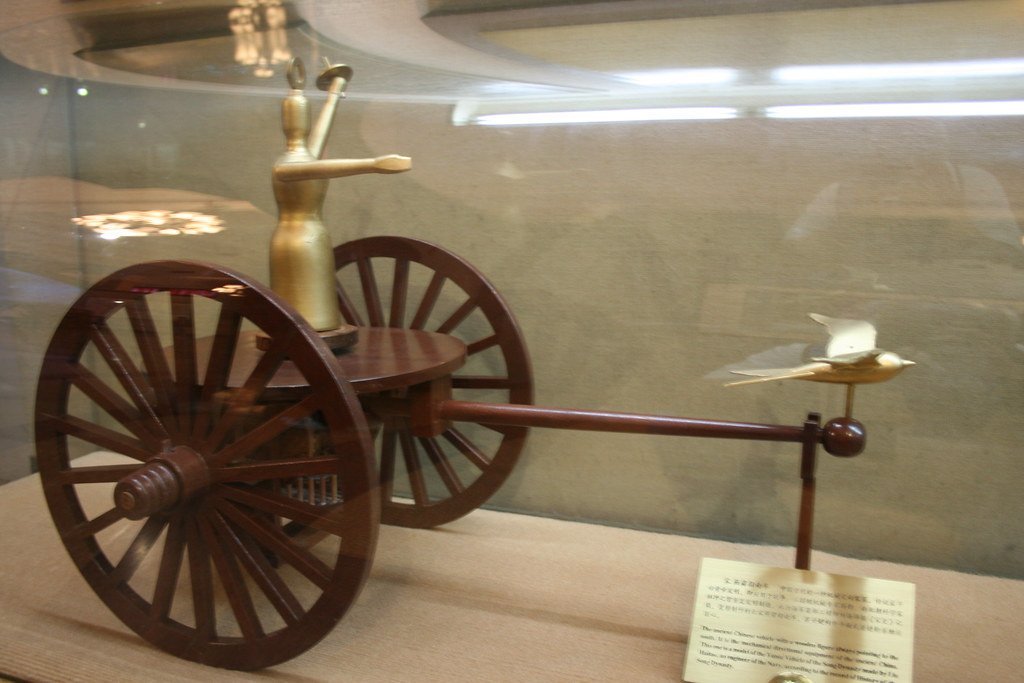
Chinese engineers in the third century CE built a wheeled cart with differential gears keeping a figure’s arm pointed south amid turns. It aided navigation without magnets.[1]
Overreliance on stars and maps sidelined it during stable eras. GPS devices now use similar differential tech for accurate heading in vehicles.[1]
Alexander Bain’s Electric Printing Telegraph
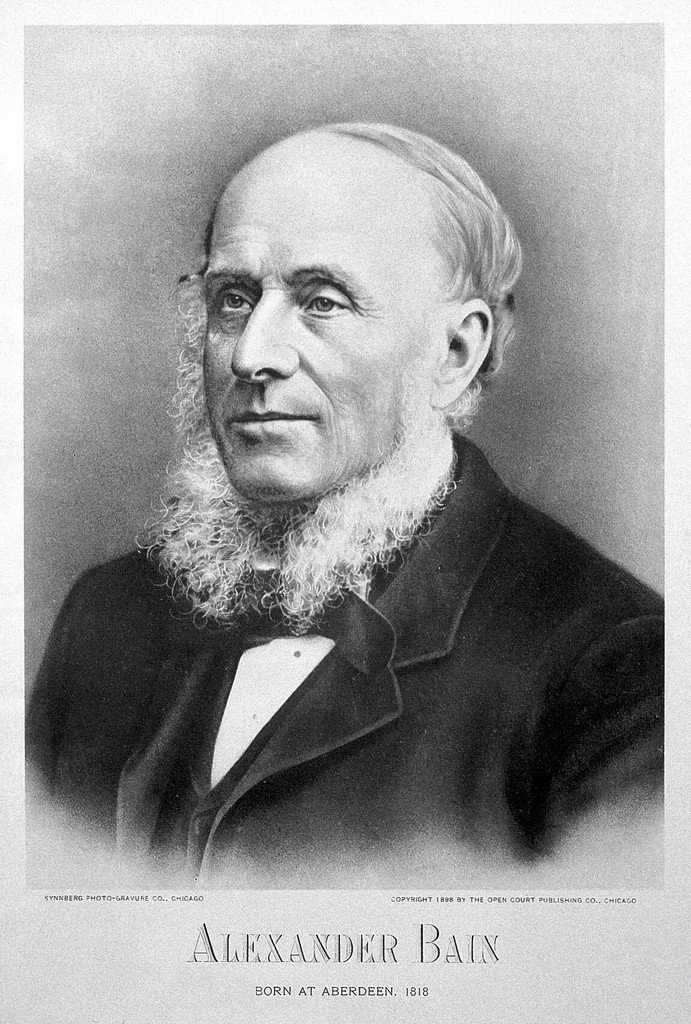
In 1843, Scottish inventor Bain patented a device scanning images or text via synchronized clockwork and chemicals, transmitting facsimiles over telegraph wires.[3] It captured handwriting or drawings remotely.
Telegraph speeds and paper quality proved inadequate. The fax machines of the 1980s perfected its scanning and printing principles on a global scale.[3]
Beach Pneumatic Transit
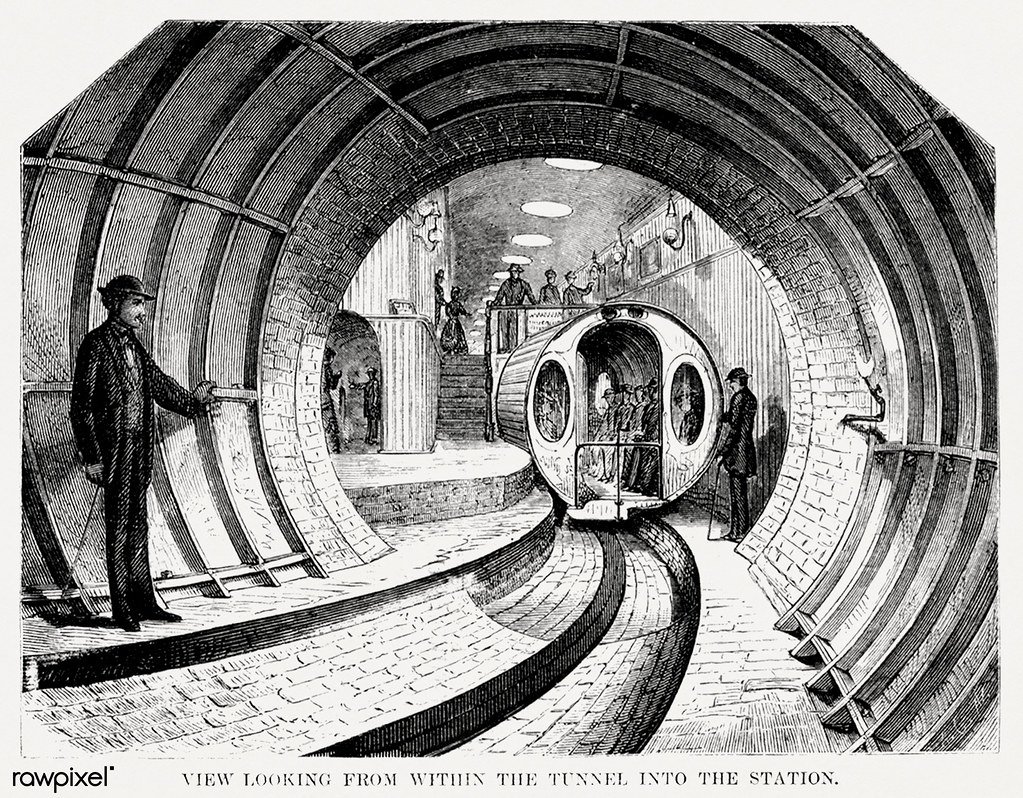
Alfred Beach’s 1870 New York tunnel used giant fans to push a single car 300 feet underground via air pressure. Riders enjoyed a brief, smooth demo amid political chaos.[4]
Tammany Hall corruption halted expansion despite popularity. Pneumatic tubes later handled mail, while subways evolved with electric traction.[4]
The Telautograph
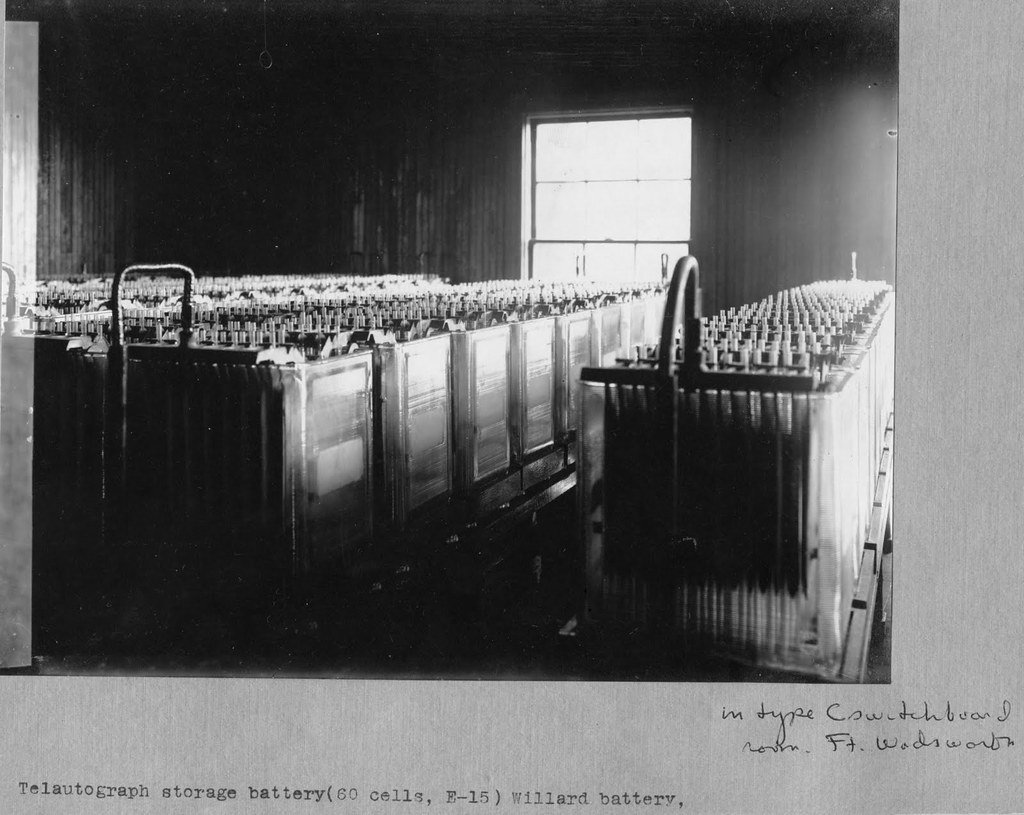
Elisha Gray’s 1888 machine relayed handwriting over phone lines using synchronized pens. Offices tested it for remote signatures.[5]
Bulky and slow compared to emerging typewriters. Digital tablets now capture and transmit signatures instantly.[5]
Edison’s Electric Pen
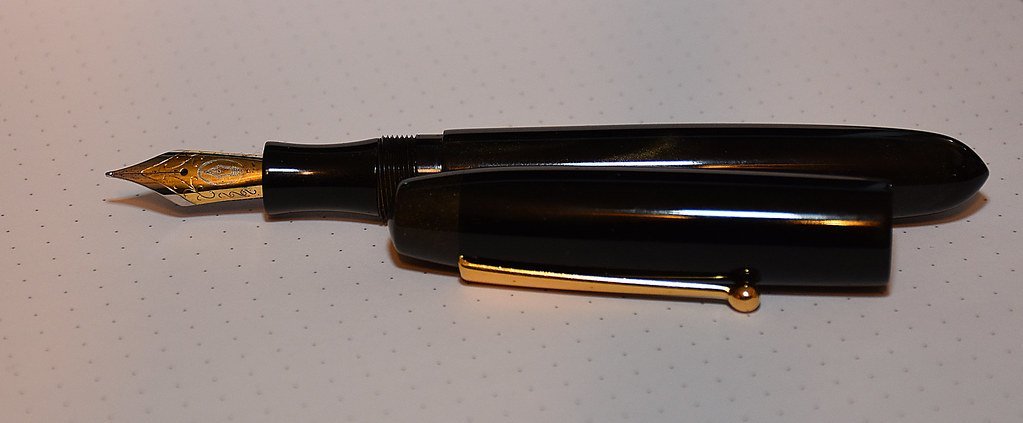
Thomas Edison’s 1876 battery-powered pen punched tiny holes in paper stencils for quick ink copies. It sped duplication before photocopiers.[6]
Users found it messy and tiring. Evolved into mimeographs and tattoo guns, precursors to modern printers.[6]
AT&T Picturephone

Unveiled in 1964, this video telephone let callers see each other over dedicated lines. Pittsburgh trials showed promise but faltered.[6]
High costs and no home broadband killed demand. Skype and FaceTime revived it affordably via internet.[6]
Xerox Alto
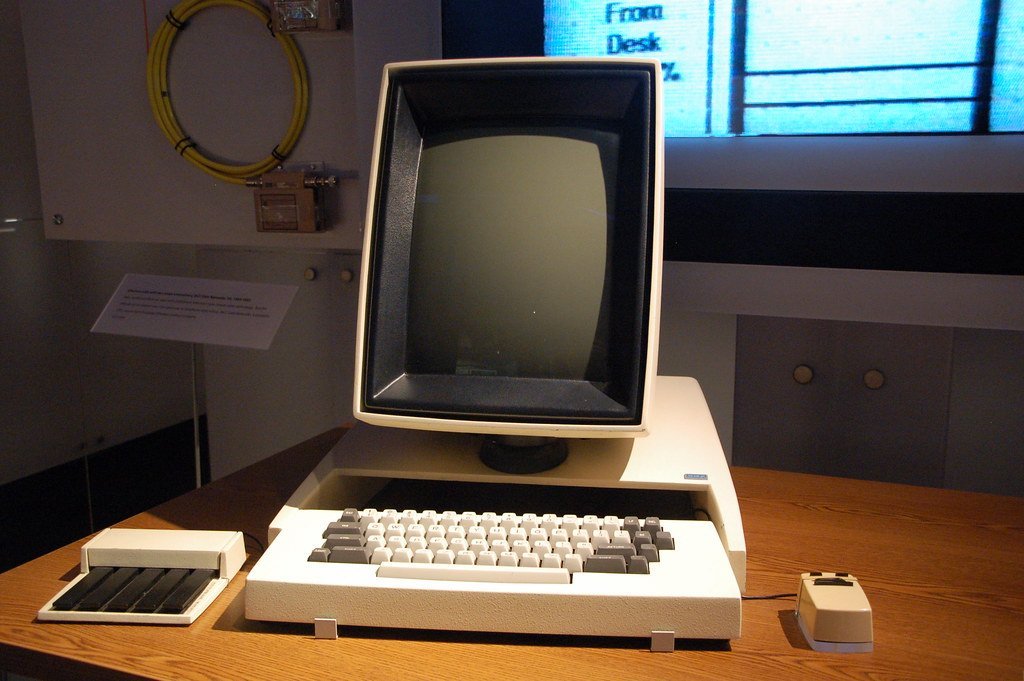
The 1973 Alto boasted GUI, mouse, Ethernet, and windows on a high-res screen. Xerox researchers used it internally.[6]
Xerox chased copiers, ignoring sales. Apple Macintosh and Windows built directly on its interface innovations.[6]
Microsoft Tablet PC
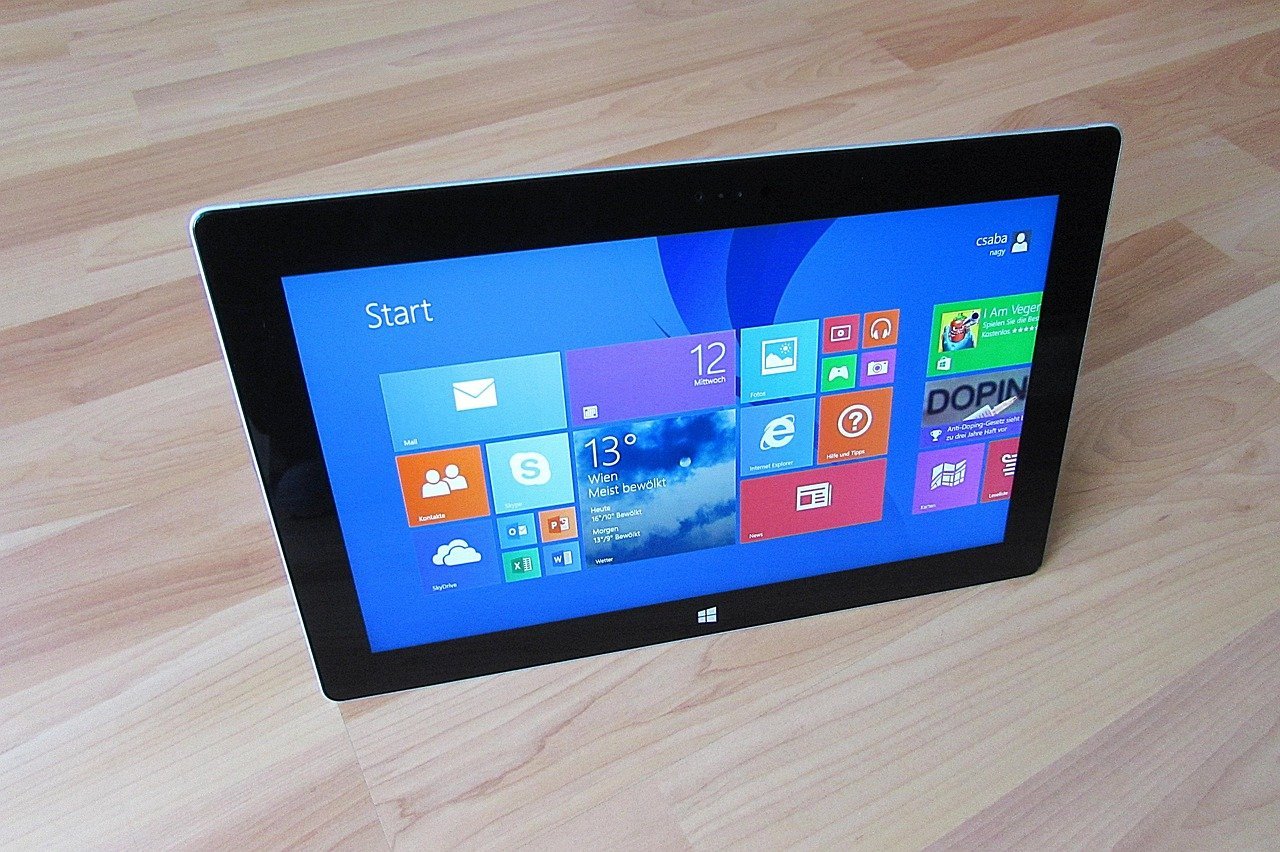
Launched around 2000, this pen-based PC ran full Windows for portable computing. Bill Gates hailed it as the future.[6]
Bulky design and high price deterred users. iPad’s sleek form and app ecosystem echoed its vision successfully.[6]
Zhang Heng’s Seismoscope
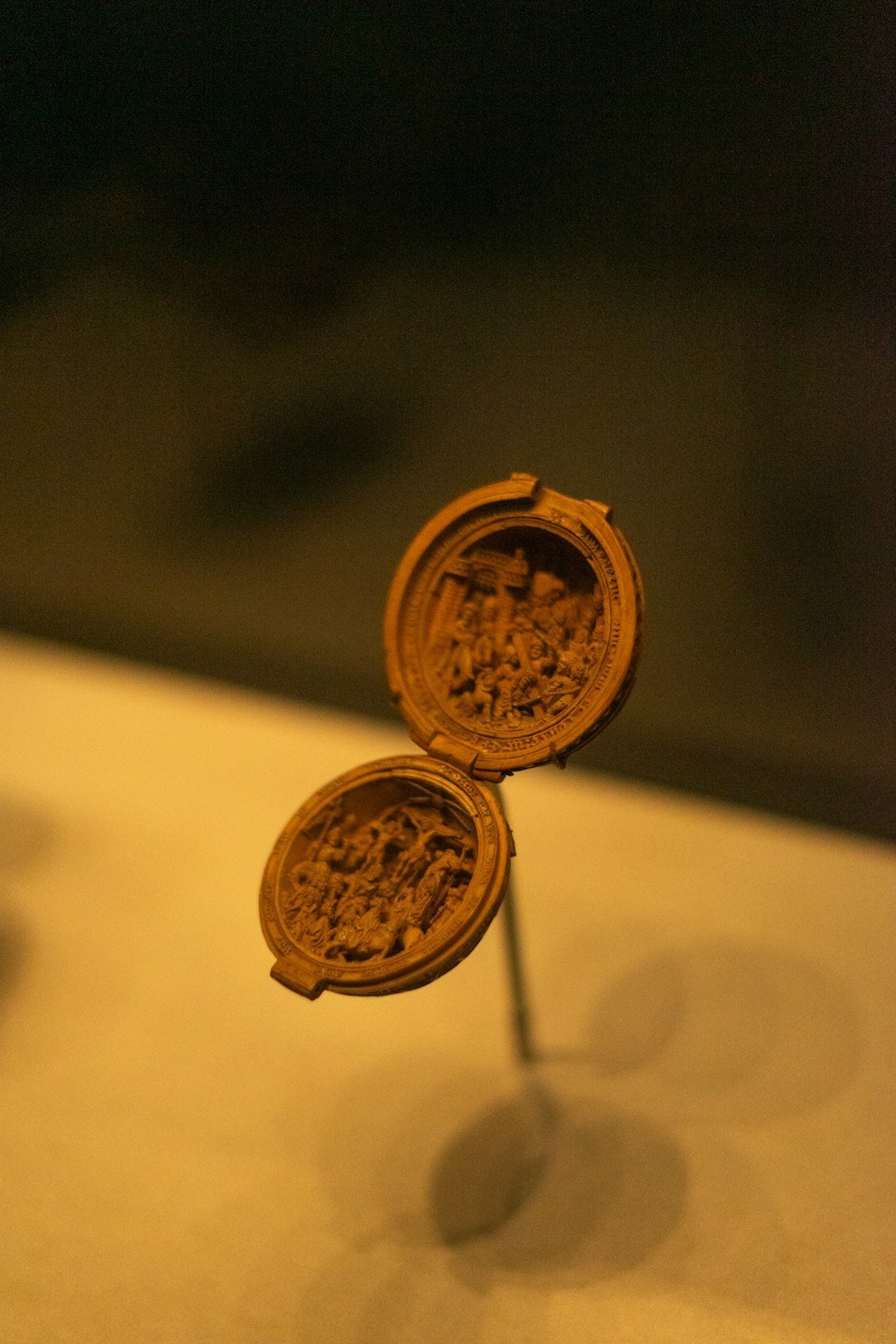
In 132 CE, this bronze urn dropped balls from dragon mouths into frog jaws to pinpoint distant quakes’ directions. It detected tremors miles away.[1]
China valued it, but replicas failed without original finesse. Modern seismographs use inertial sensors for precise early warnings.[1]
Flexible Glass
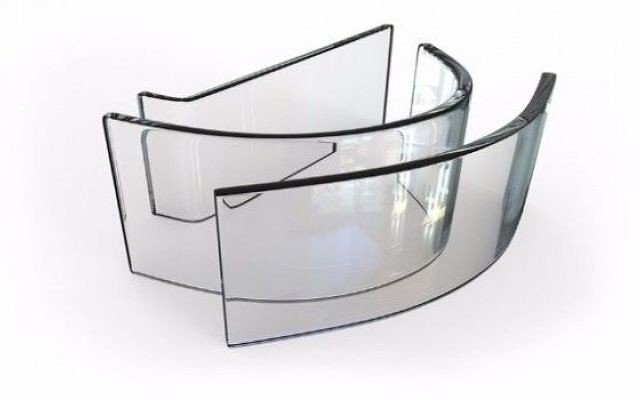
Roman tales describe unbreakable glass vessels from Tiberius’s era, bendable and hammerable back to shape. Possibly treated with boron compounds.[2]
Emperor fears of economic disruption led to suppression. Gorilla Glass on smartphones achieves shatter resistance through modern chemistry.[2]
Roman Hypocaust System
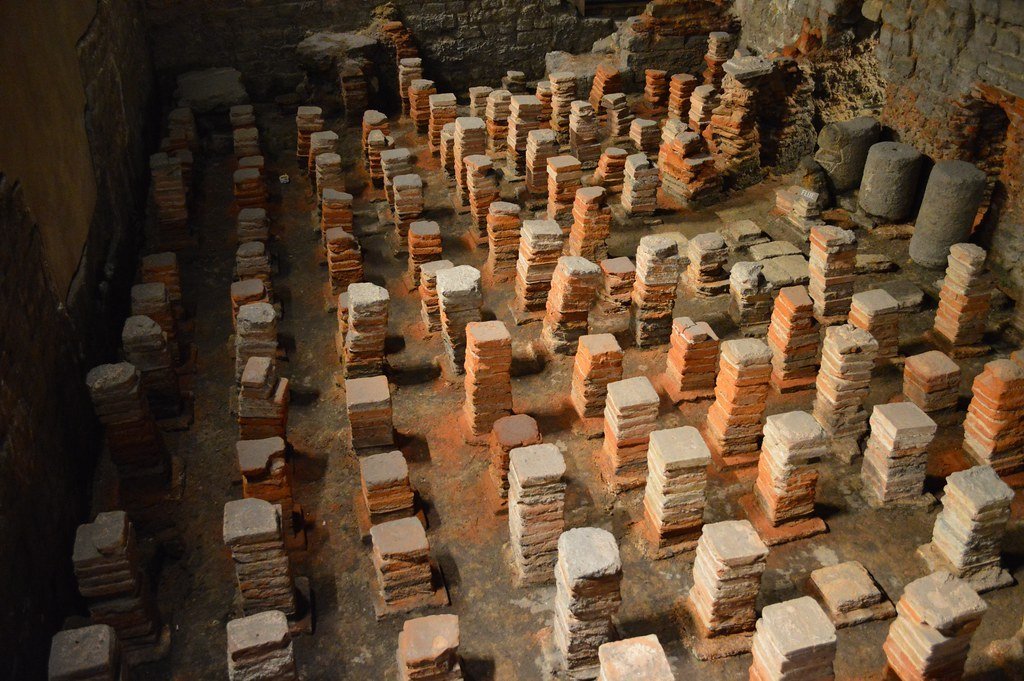
From the first century BCE, Romans heated floors and walls via hot air channels from furnaces. Villas and baths stayed toasty.[1]
Fuel costs and maintenance proved burdensome. Radiant underfloor heating now warms homes efficiently with electric mats.[1]
Lessons from the Past

These inventions remind us that brilliance alone rarely suffices. Timing, infrastructure, and cultural fit often decide a idea’s fate.
Innovation waits for the world to catch up. Today’s breakthroughs may one day join this list, dusted off by future generations.

Besides founding Festivaltopia, Luca is the co founder of trib, an art and fashion collectiv you find on several regional events and online. Also he is part of the management board at HORiZONTE, a group travel provider in Germany.
