

- 20 Books That Were Ghostwritten – Guess the Real Authors - October 2, 2026
- 15 Writers Who Helped End Wars - October 1, 2026
- The Hidden Musical Influences Behind Major Political Movements - October 1, 2026
Few tools shape human events as profoundly as a well-crafted speech. Words delivered at pivotal moments have ignited revolutions, rallied nations against tyranny, and propelled civil rights movements forward. These addresses often capture the spirit of their era while steering its trajectory.[1]
Political transformations frequently hinge on rhetoric that resonates deeply. Leaders have used speeches to redefine national identities, heal divisions, or declare unbreakable resolve. History shows how such oratory turns passive crowds into agents of change.[1]
Queen Elizabeth I’s Tilbury Speech (1588)
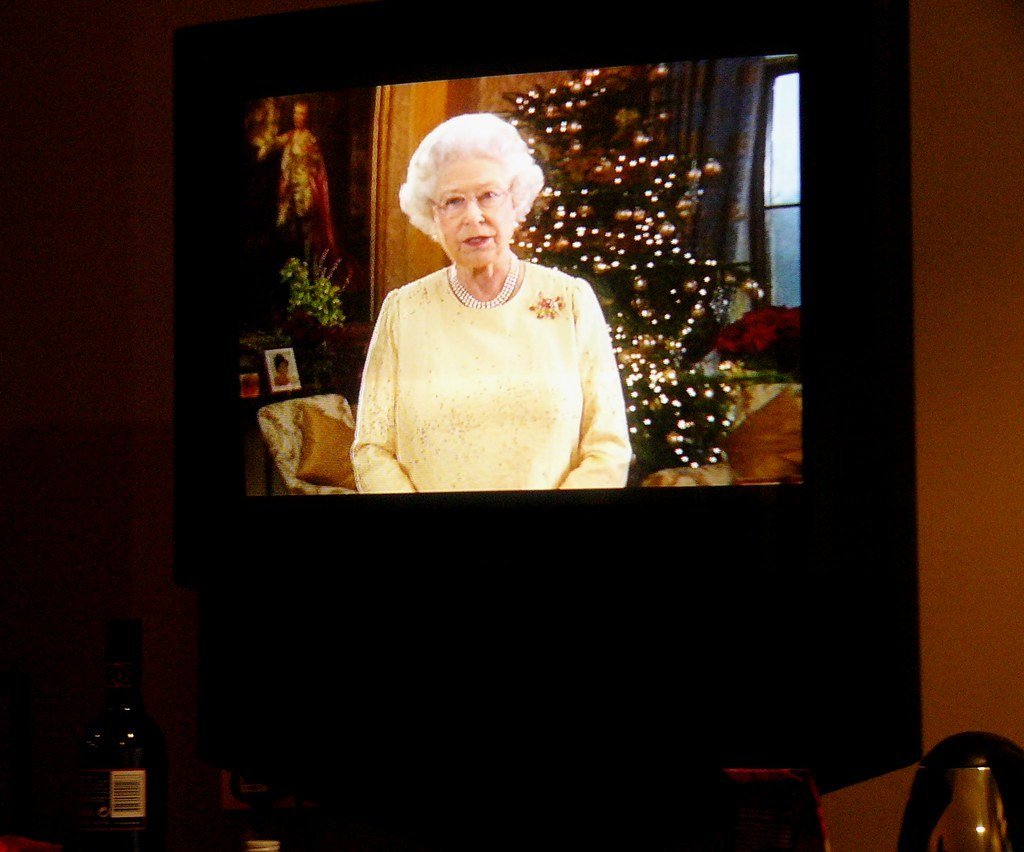
England faced invasion from the massive Spanish Armada in the summer of 1588. Queen Elizabeth rallied her troops at Tilbury Camp amid fears of defeat. She positioned herself as a defender of the realm, emphasizing unity against a formidable Catholic foe.[2]
The speech boosted morale and contributed to England’s naval victory. It marked a turning point, establishing Protestant England as a major power. Elizabeth’s reign solidified, inspiring future generations of female leadership.[3]
Patrick Henry’s “Give Me Liberty or Give Me Death” (1775)
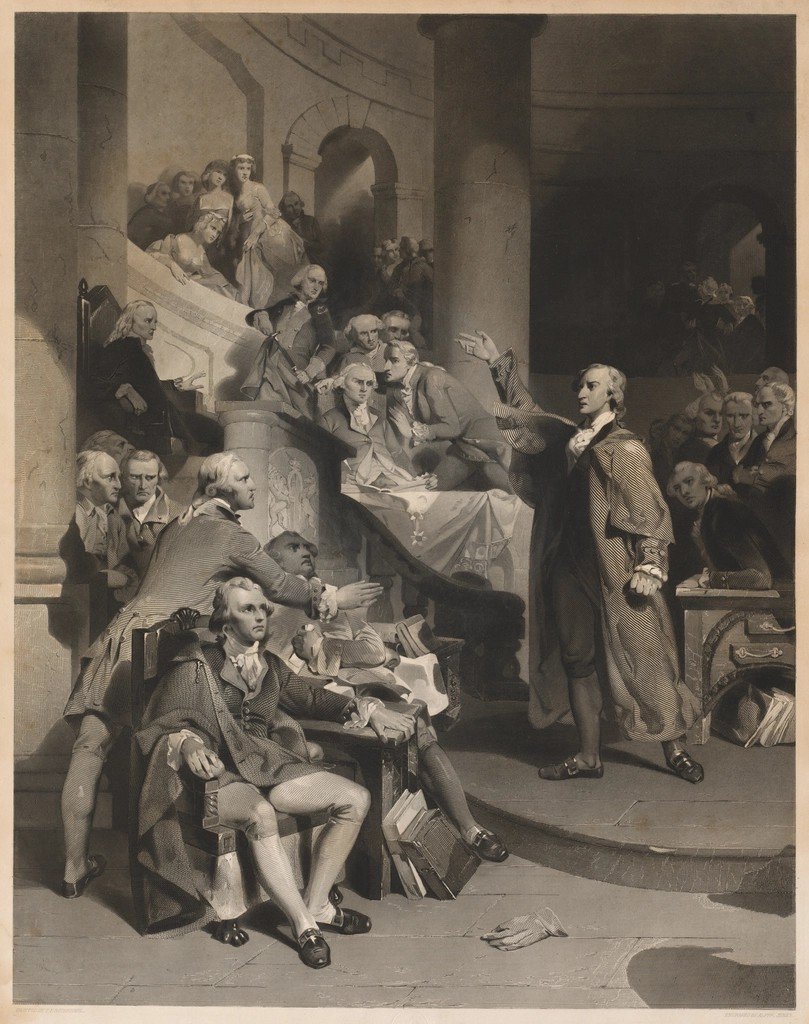
Tensions boiled in the American colonies as British control tightened. At the Virginia Convention, Patrick Henry urged delegates to arm against oppression. His words framed independence as a moral imperative amid growing rebellion.[3]
The address galvanized support for the Revolution. Virginia’s resolve influenced the Continental Congress. It helped spark the war that birthed the United States.[1]
George Washington’s Farewell Address (1796)
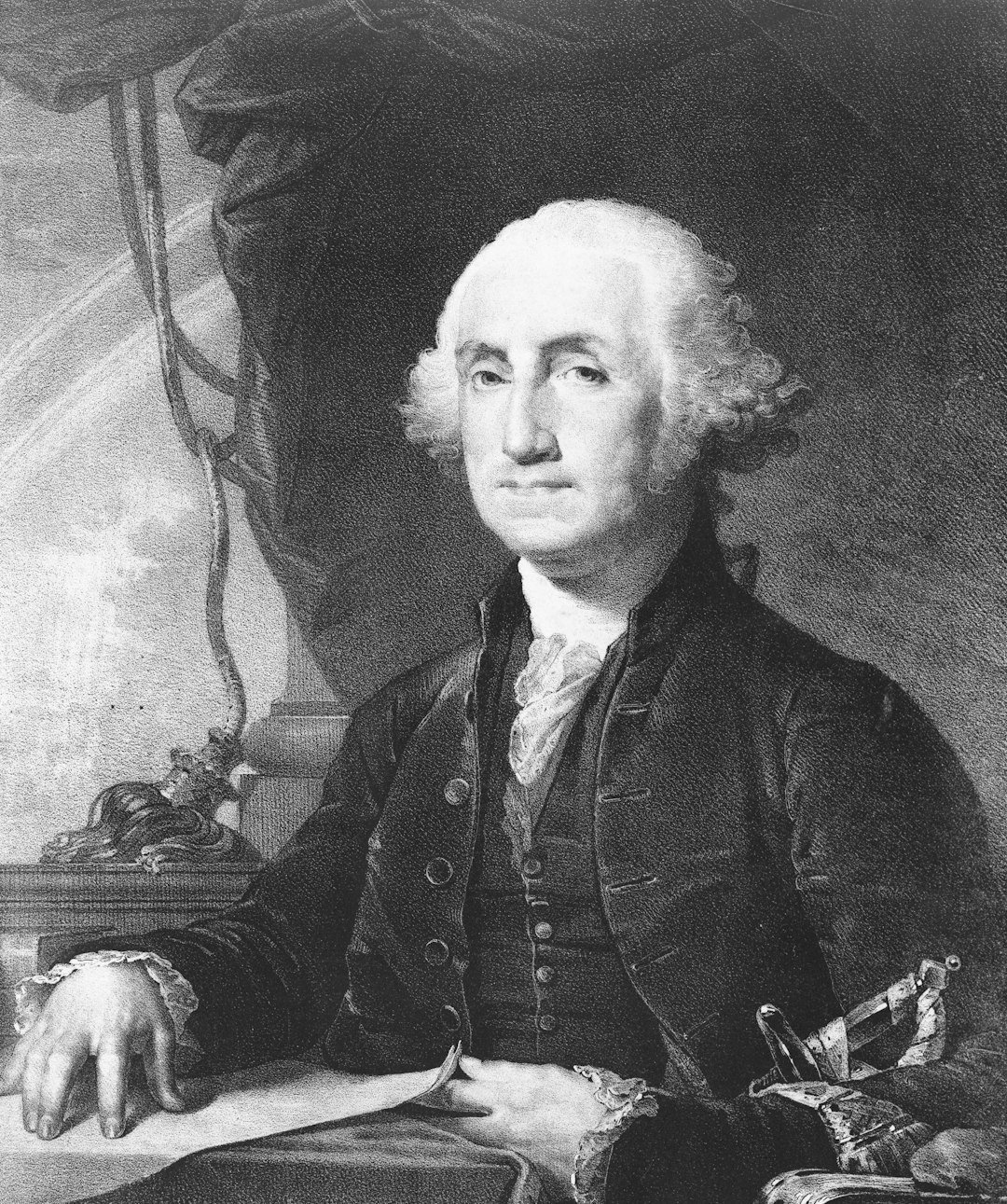
As the first U.S. president neared retirement, divisions threatened the young republic. Washington warned against political parties and foreign entanglements in his parting message. He stressed national unity above factionalism.[4]
The speech shaped American foreign policy for over a century. It discouraged permanent alliances, promoting isolationism. His advice echoed in debates over interventions for generations.[4]
Abraham Lincoln’s Gettysburg Address (1863)
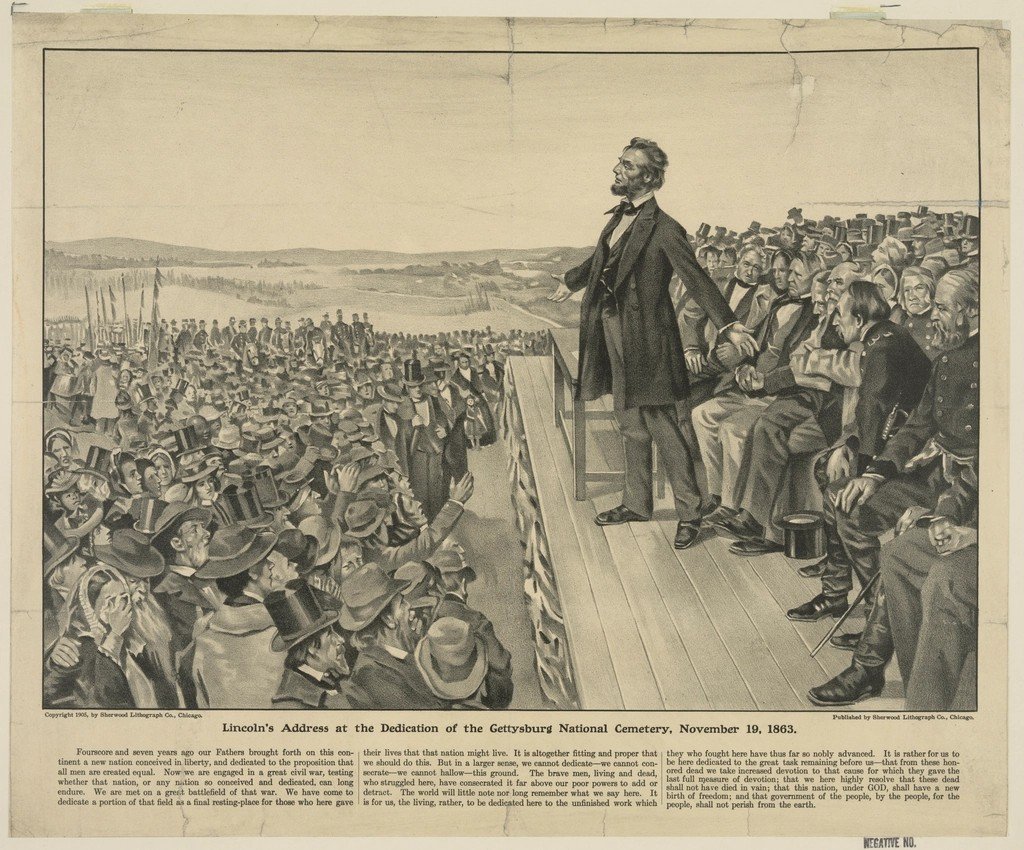
The Civil War raged, with massive casualties at Gettysburg testing Union resolve. Lincoln spoke at the battlefield dedication to honor the dead. He redefined the conflict as a test of democracy’s endurance.[1]
The address reframed the war’s purpose toward equality. It influenced emancipation efforts and Reconstruction. Its ideals underpin American civic rhetoric today.[5]
Sojourner Truth’s “Ain’t I a Woman?” (1851)
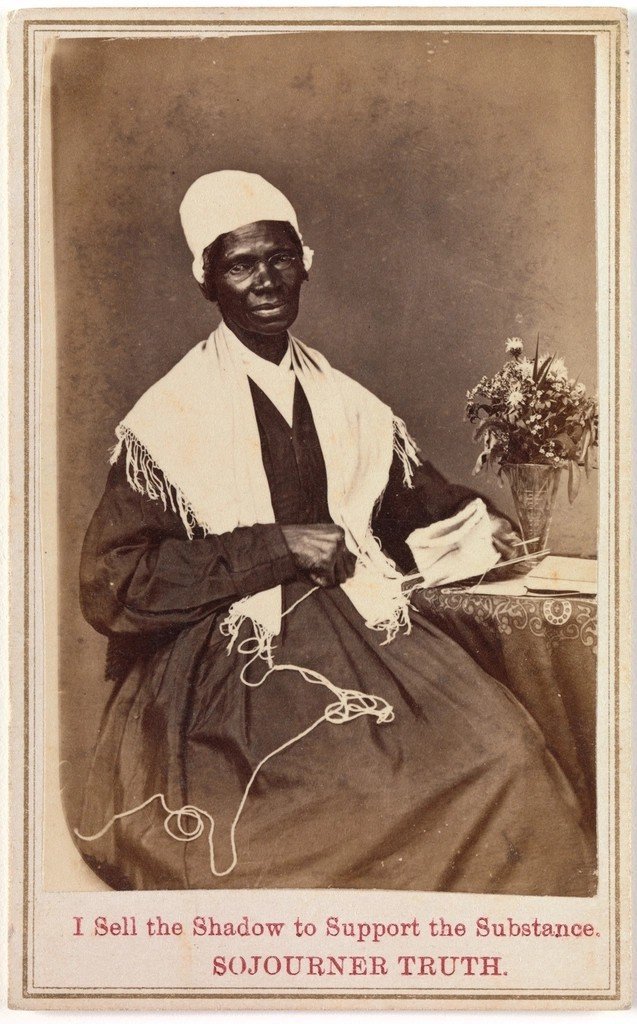
The women’s rights convention in Akron highlighted abolitionist and suffrage overlaps. Formerly enslaved Sojourner Truth challenged gender and racial stereotypes. Her personal story exposed hypocrisies in reform arguments.[2]
The speech amplified Black women’s voices in feminism. It bridged movements, influencing suffrage gains. Truth’s legacy endures in intersectional advocacy.[3]
Winston Churchill’s “Blood, Toil, Tears and Sweat” (1940)
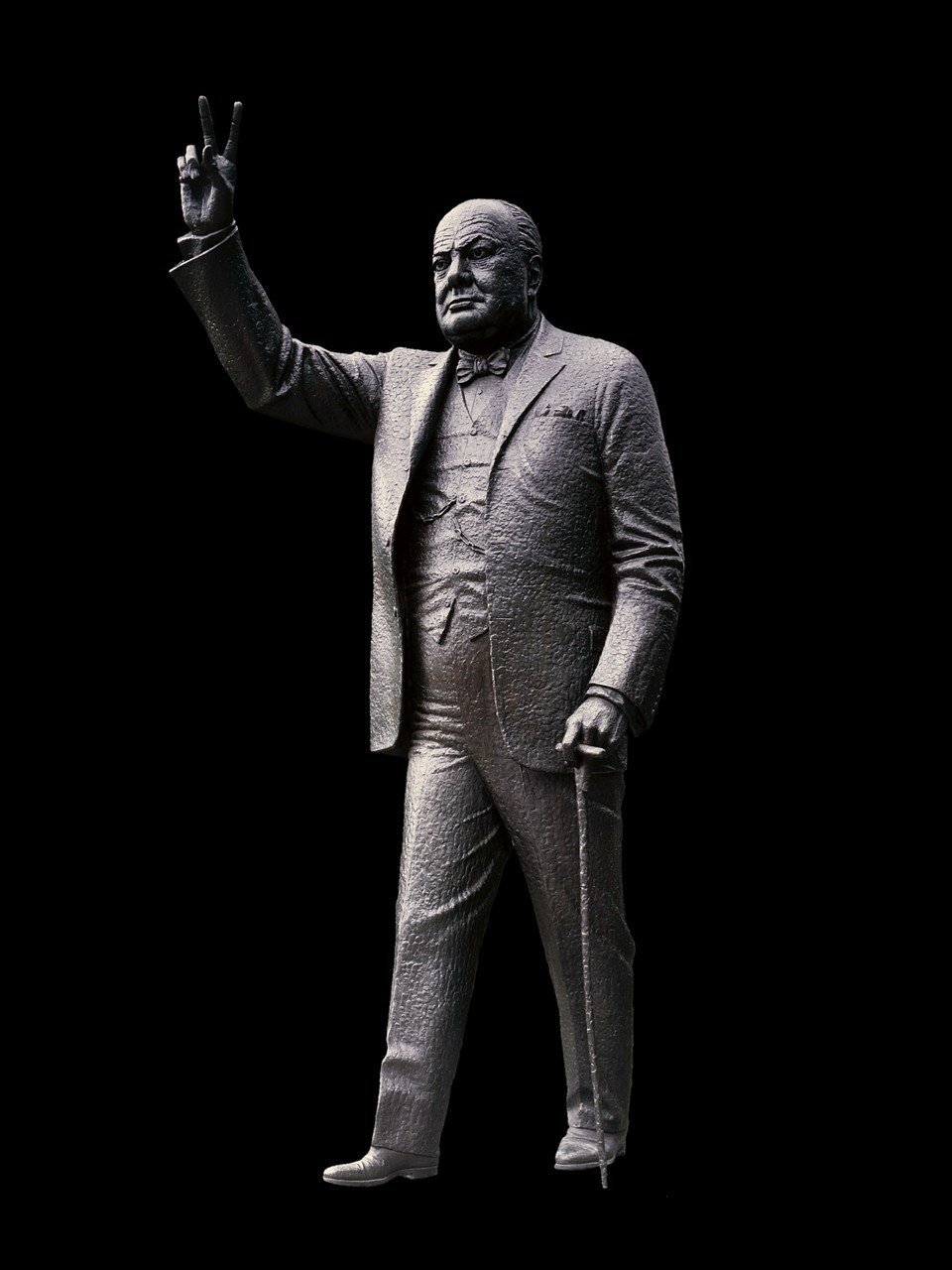
Germany overran Europe as Churchill became prime minister. He addressed Parliament to outline Britain’s war strategy. Realistic resolve defined his early leadership.[6]
The speech steadied the nation during Dunkirk’s chaos. It committed Britain to total resistance. Churchill’s stance helped sustain the Allied effort.[1]
Winston Churchill’s “We Shall Fight on the Beaches” (1940)
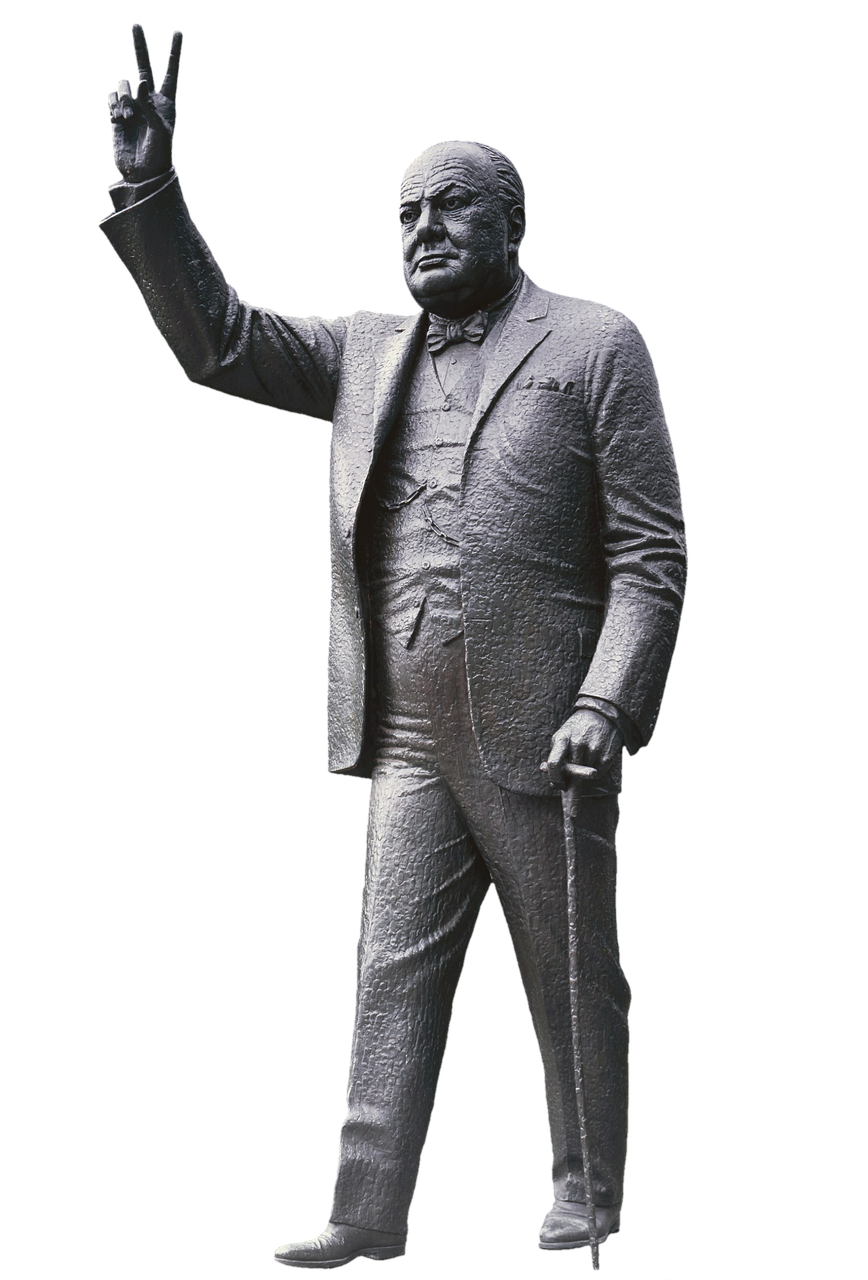
After Dunkirk’s evacuation, Britain stood alone against Nazi aggression. Churchill reported to Parliament on the miracle escape. He vowed unyielding defense across the realm.[1]
Morale surged, preventing surrender talks. The words symbolized defiance, aiding home front endurance. They bolstered global alliances against fascism.[7]
Franklin D. Roosevelt’s First Inaugural Address (1933)
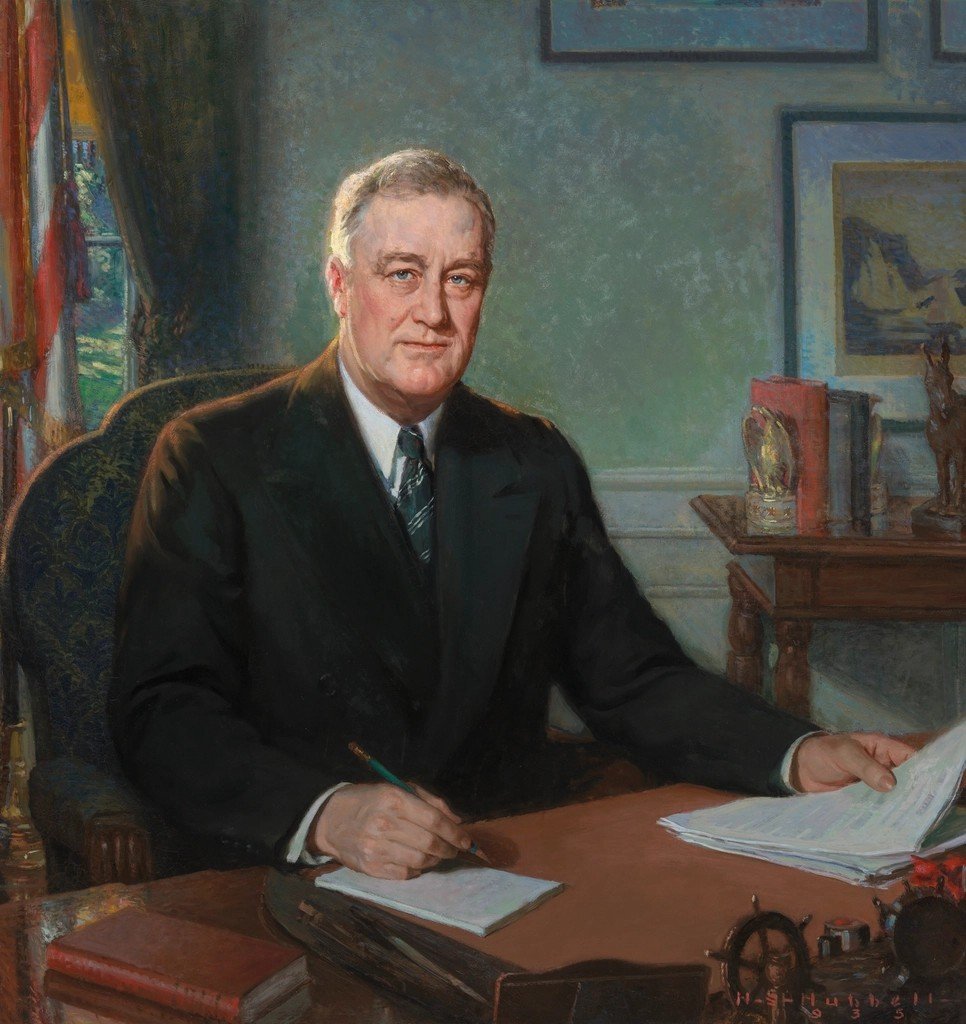
The Great Depression gripped the U.S., with banks failing and unemployment soaring. FDR took office promising bold action. He instilled confidence through direct reassurance.[8]
The speech launched the New Deal era. Recovery programs followed, reshaping government roles. It restored faith in democracy amid crisis.[4]
Franklin D. Roosevelt’s Pearl Harbor Address (1941)
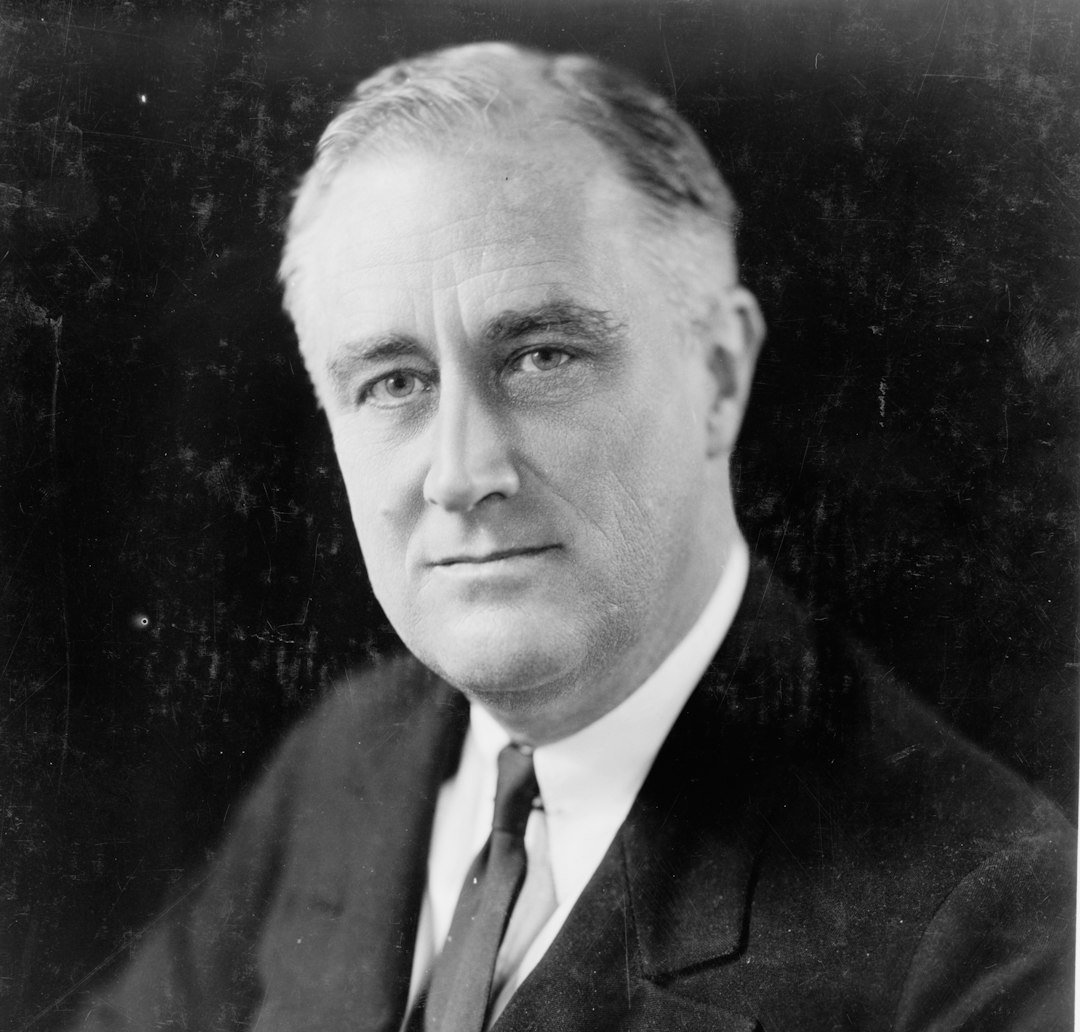
Japan’s surprise attack devastated the Pacific fleet, thrusting America toward war. FDR spoke to Congress the next day. He framed the event as a call to arms.[8]
Congress declared war swiftly. Isolationism ended, mobilizing the nation. U.S. entry shifted World War II’s balance.[5]
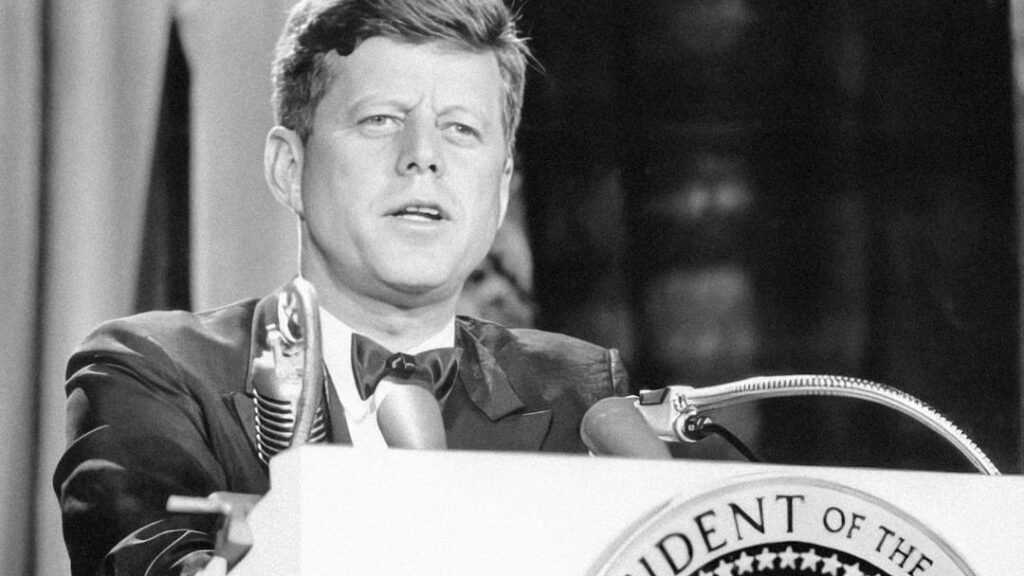
John F. Kennedy’s Inaugural Address (1961)
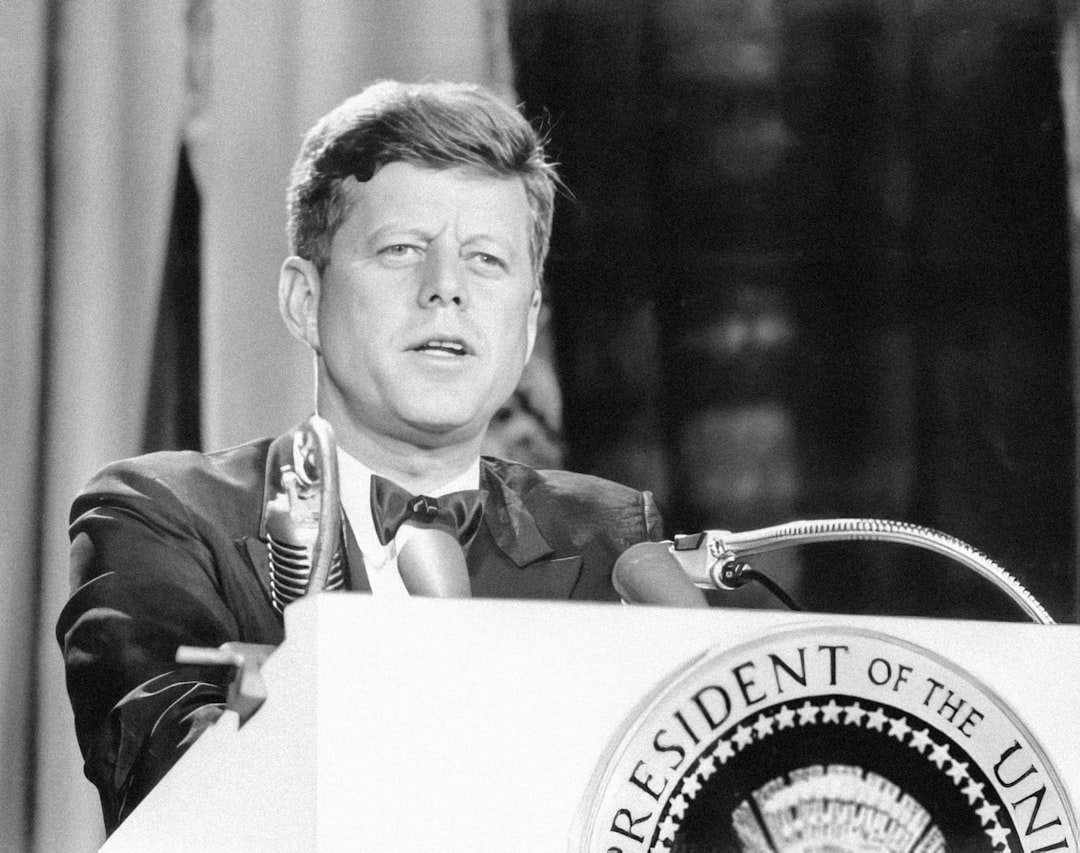
Cold War tensions peaked with Soviet advances. JFK assumed presidency urging global responsibility. He called citizens to service against threats.[8]
The speech inspired Peace Corps and space race pursuits. It defined a generation’s idealism. Camelot era optimism followed.[8]
Martin Luther King Jr.’s “I Have a Dream” (1963)
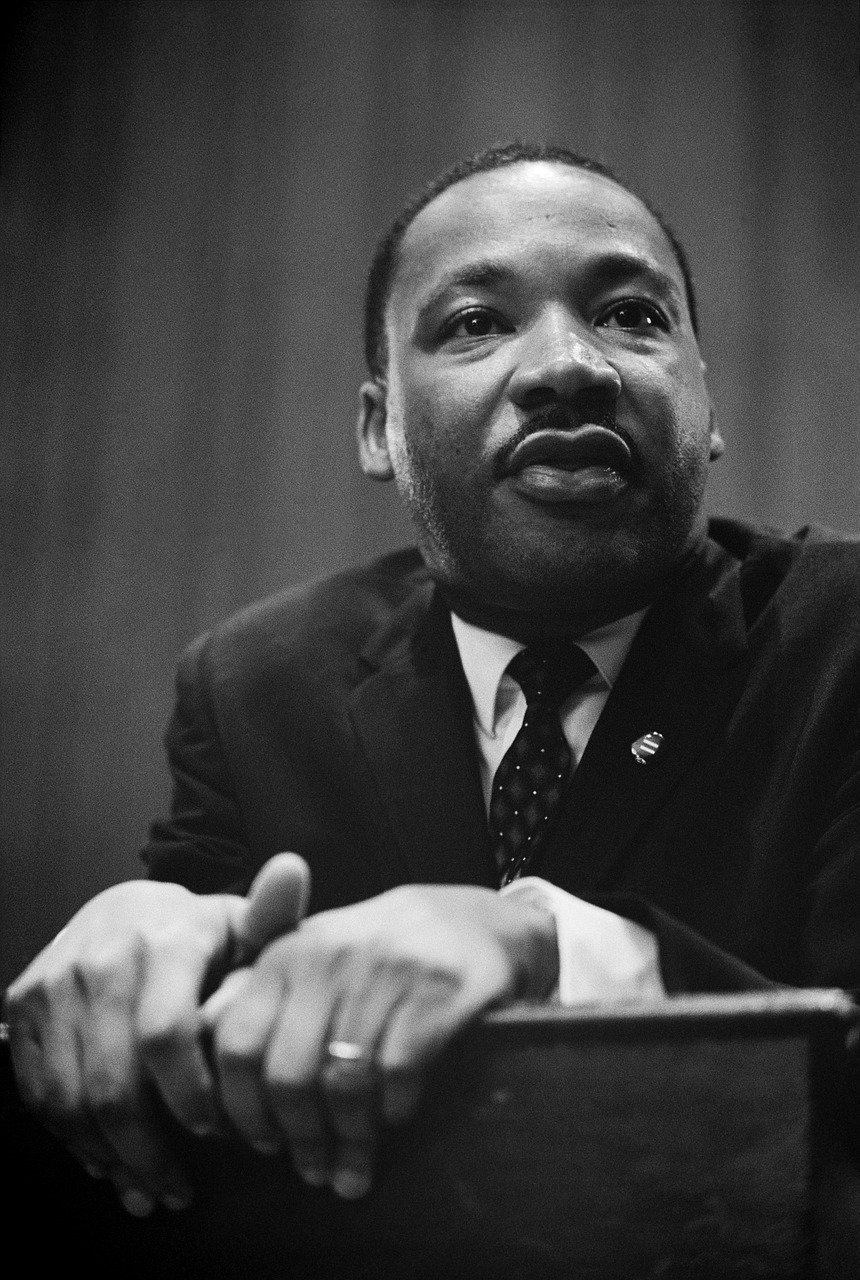
Civil rights marches peaked at the March on Washington. King addressed 250,000 for equality. He envisioned racial harmony amid segregation.[8]
Pressure mounted for Civil Rights Act passage. It symbolized the movement’s moral force. King’s vision guides ongoing justice efforts.[9]
Lyndon B. Johnson’s “We Shall Overcome” (1965)
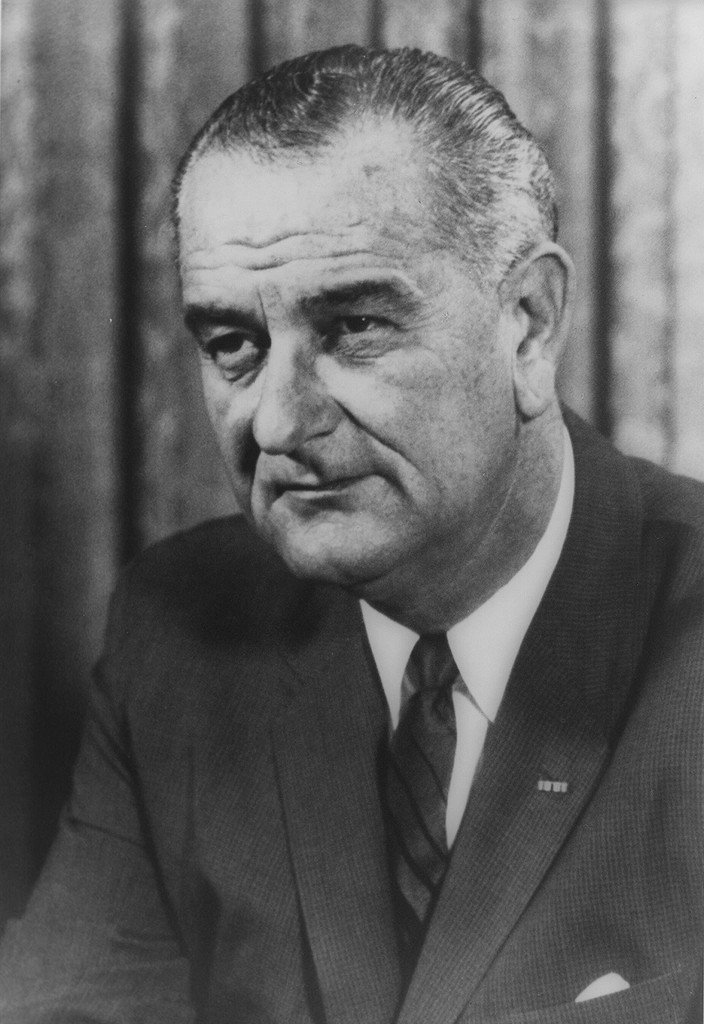
Bloody Selma clashes exposed voting barriers for Blacks. LBJ addressed Congress post-march. He endorsed federal intervention.[3]
Voting Rights Act passed soon after. Millions registered, transforming politics. Southern power structures shifted fundamentally.[10]
Nelson Mandela’s “I Am Prepared to Die” (1964)
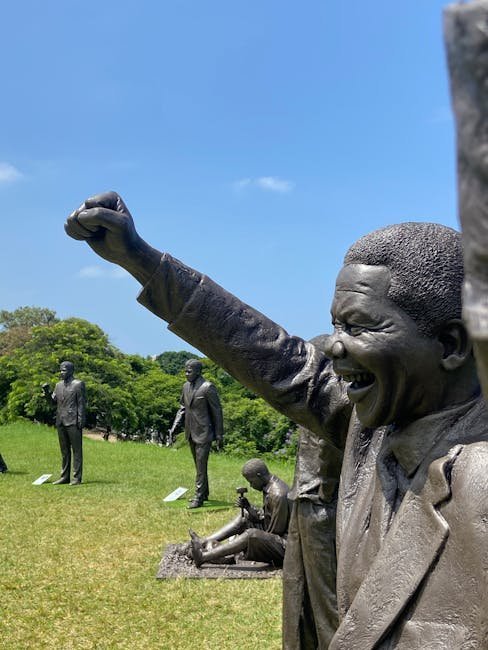
Apartheid trials targeted ANC leaders amid uprisings. Mandela defended sabotage charges boldly. He affirmed democracy’s necessity.[3]
The statement globalized anti-apartheid pressure. Mandela became a symbol of resistance. It paved his path to presidency.[2]
Ronald Reagan’s “Tear Down This Wall” (1987)
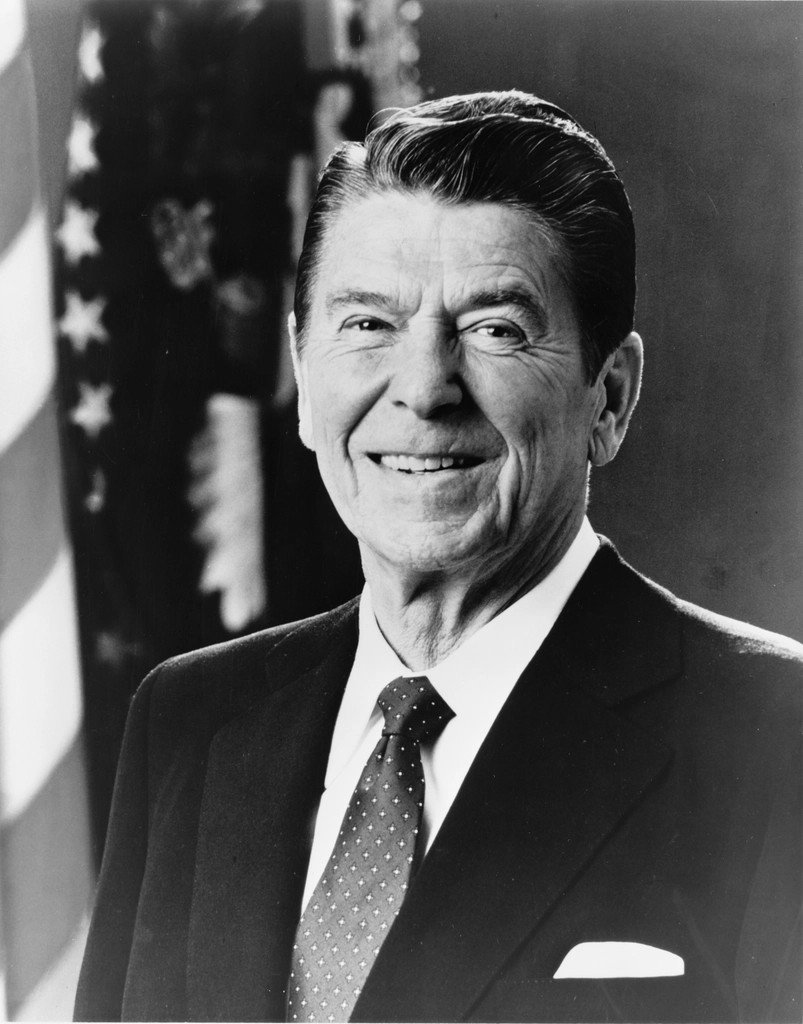
The Berlin Wall divided Europe in Cold War stalemate. Reagan challenged Gorbachev publicly at the Brandenburg Gate. He demanded freedom’s symbol fall.[3]
The speech emboldened Eastern dissidents. Wall fell two years later. Soviet collapse accelerated.[11]
Malcolm X’s “The Ballot or the Bullet” (1964)
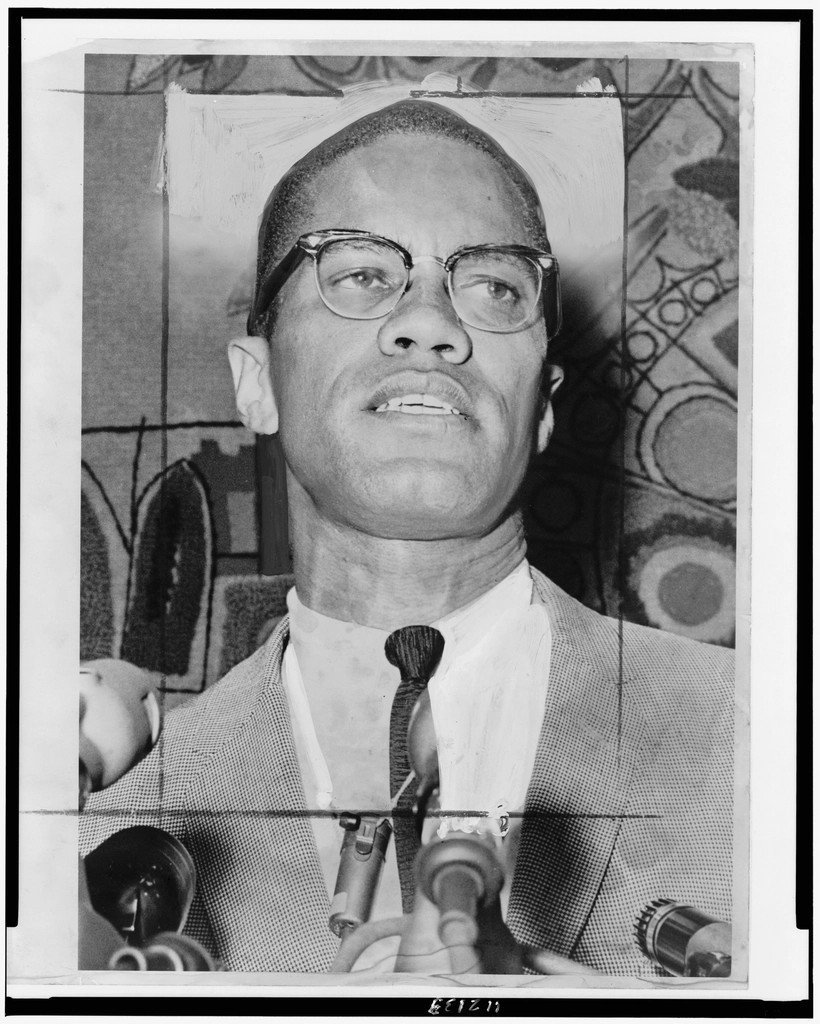
Black frustration grew despite civil rights progress. Malcolm X warned of political awakening in Detroit. He stressed self-defense and empowerment.[5]
It radicalized activism, influencing Black Power. Voter drives intensified. His ideas reshaped racial discourse.[12]
The Enduring Influence of Public Speech

These addresses remind us how rhetoric endures beyond moments. They reshape societies long after delivery. Words prove timeless in guiding progress.[13]
In 2026, echoes persist in current struggles. Effective oratory still mobilizes masses. History turns on such voices, urging vigilance today.

Besides founding Festivaltopia, Luca is the co founder of trib, an art and fashion collectiv you find on several regional events and online. Also he is part of the management board at HORiZONTE, a group travel provider in Germany.
