


Fashion has always been more than fabric and thread. It is, at its core, a living record of who we are, what we feared, what we fought for, and what we desperately wanted to escape. Throughout the ages, fashion has responded to social events and reflected the shifting culture of its time, serving as an avenue for reference and reinvention, expressing societal viewpoints and political movements through fabric and adornment.
Clothes tell stories that go far beyond fabric and thread. They reflect social norms, technological advancements, and the overall climate of their time. What’s truly fascinating is how many of our most beloved wardrobe staples were born not from runways and luxury ateliers, but from the chaos of war, revolution, and social upheaval. Some of the most iconic pieces in fashion history started out solving a very practical, sometimes desperate problem. Get ready to look at your closet in a completely different way. Let’s dive in.
The Trench Coat: Born in the Trenches of World War I
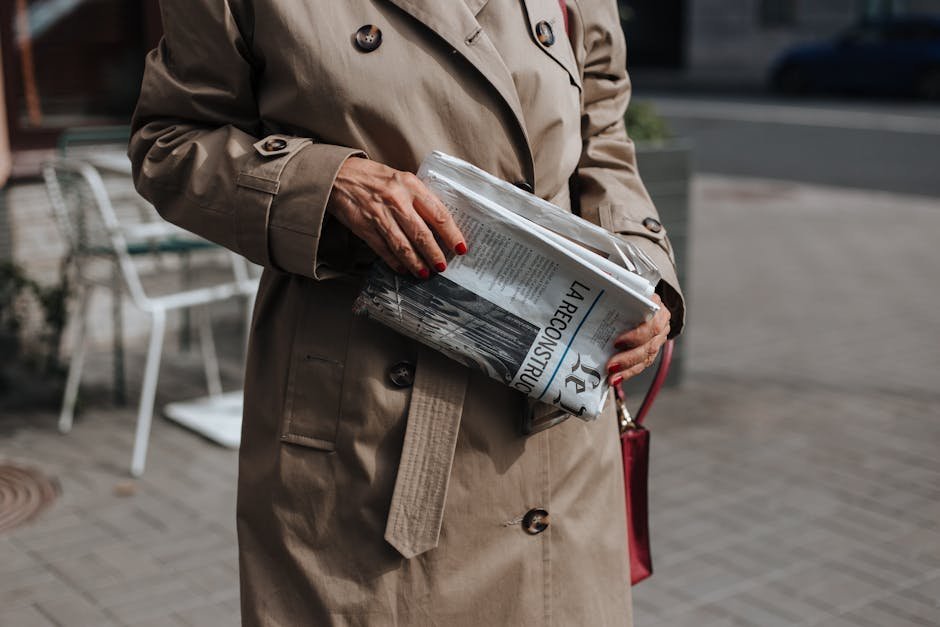
Here’s the thing about the trench coat. Most people assume it’s just a sleek, elegant outerwear choice. A Burberry staple. A classic. The trench coat was developed as an alternative to the heavy serge greatcoats worn by British and French soldiers in the First World War. Think about that for a moment. What millions of people now throw on casually for a coffee run was originally engineered to keep soldiers alive in muddy, rain-soaked trenches.
Traditionally, trench coats are double-breasted with 10 front buttons, wide lapels, a storm flap, and pockets that button-close. The coat is belted at the waist with a self-belt, with raglan sleeves ending in cuff straps around the wrists that also buckle, to keep water from running down the forearm when using binoculars in the rain. Every little detail you admire on the modern trench coat? It had a specific military purpose.
After the war was over, many British officers kept their trench coats and wore them in civilian life, thus attaining an air of upper-class association, as most British officers came from the landed class. From there, the trench coat crossed into popular culture with effortless elegance. Hollywood turned that stoicism into style: Humphrey Bogart’s Rick Blaine in Casablanca and film noir detectives from the 1940s and 1950s made the trench a uniform of world-weary sophistication. Women claimed it too, with Marlene Dietrich and Catherine Deneuve wearing theirs belted tight, balancing practicality and sensuality in one silhouette.
More than a century on, the trench coat remains the perfect fusion of form and function. Thrown over jeans or worn over a tuxedo, the trench coat continues to be what it has always been: a masterpiece of utility turned into an icon of cool. Honestly, it’s hard to think of another garment with such an unlikely yet perfectly linear journey from a battlefield necessity to a fashion icon.
The Little Black Dress: Mourning Turned Into Elegance

Before the 1920s, black was not commonly worn because it was associated with mourning and death. This view of black changed with Coco Chanel. That single shift in perspective changed the course of fashion history forever. Chanel published a simple, short black dress in Vogue in 1926. The dress was called “Chanel’s Ford,” meaning it was accessible to women of all social classes, similar to the Model T vehicle.
From the early 19th century, women were gaining greater independence. The suffrage movement was a key factor, and during the First World War more women entered the workforce. This greater sense of freedom was reflected in styles of dress. The Little Black Dress was not just about aesthetics, it was a quiet but powerful act of defiance. The LBD first captured the fashionable imagination in the 1920s. It was radically modern and masculine-inspired, and was free from the earlier constraints on women’s dress.
Then came the 1940s, when World War II influenced fashion. Fabric rationing led to simpler, more practical designs, but the LBD retained its versatility. Women needed outfits that worked for both day and night, and the LBD was up for the challenge. Each decade added a new chapter to its story, and yet the dress itself barely needed to change. That is the mark of something truly timeless.
Most iconic in pop culture is the black sheath dress that Audrey Hepburn wore in the opening scene of the 1961 film “Breakfast at Tiffany’s,” designed by fashion house Givenchy. That single cinematic moment cemented the LBD’s legendary status for generations to come. The Little Black Dress’s cultural significance extends far beyond its fabric and design; it embodies women’s empowerment and independence, introduced by Coco Chanel in 1926, marking a shift in societal norms and making waves in the world of gender equality.
The Flapper Dress: Post-War Rebellion in Fabric Form
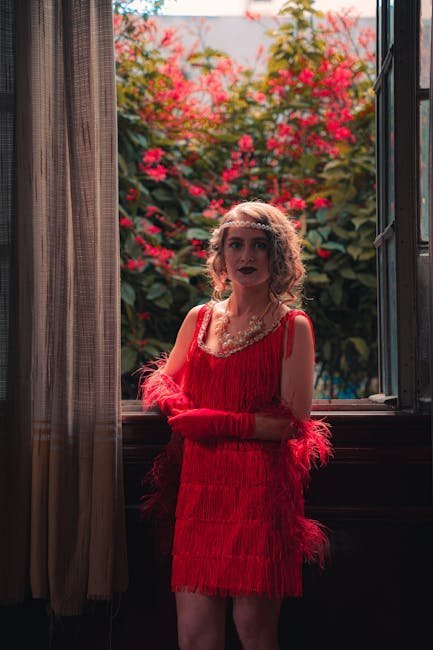
World War I helped usher in changes for women in the United States. During the war, civilian women took jobs that traditionally had been held by men, who were away serving as soldiers. As such, the women were able to experience social and economic freedom and independence. After the war ended, they had little desire to lose any of it. The flapper dress was fashion’s most direct response to that refusal.
Flappers were a subculture of young Western women prominent after the First World War and through the 1920s who wore knee-length skirts, bobbed their hair, listened to jazz, and flaunted their disdain for prevailing codes of decent behavior. I think what makes the flapper dress so compelling, even today, is how deliberately confrontational it was. Significantly, the flappers removed the corset from female fashion, raised skirt and gown hemlines, and popularized short hair for women. That’s not fashion for fashion’s sake. That is a social statement stitched into every seam.
Fashion of the 1920s was closely tied to women’s liberation, and was one of the first of many movements to make women’s fashion more comfortable, functional, and suited to their needs and creativity instead of their physical attractiveness. More importantly, the 1920s established fashion as an ever-changing part of our cultural lexicon, something that influences people all over the world.
The Power Suit: Corporate Ambition Dressed in Shoulder Pads
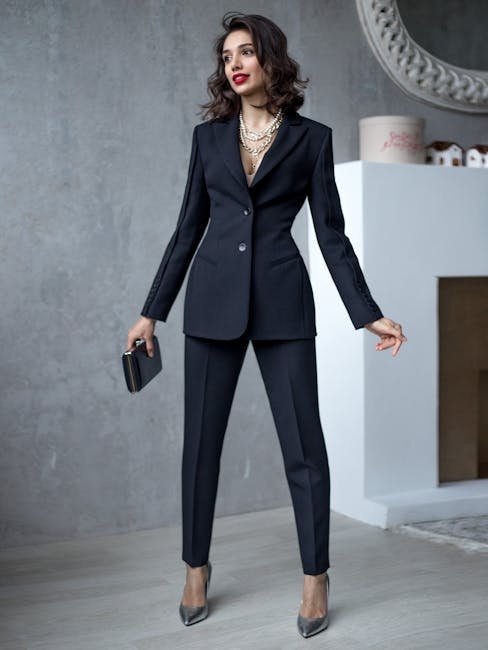
Power dressing emerged in the second half of the 1970s, tied to a rise in opportunities for women in the workforce. John T. Molloy popularized the concepts with manuals called Dress for Success (1975) and Women: Dress for Success (1977). Let’s be real, the idea that women needed a manual to dress themselves for office life tells you everything about the era they were navigating.
During the 1980s, an increasing number of working women used power dressing to give themselves an authoritative look in an environment dominated by men. The style was mainly achieved by using shoulder pads in suits, dresses, and jackets to give the shoulders a broader look. Think of it like wearing armor to a battlefield, except the battlefield was the corporate boardroom. Women were breaking into executive roles, and the exaggerated shoulder pads of the time were a sartorial expression of ambition and authority. The broad shoulders created a strong, imposing silhouette that commanded respect in the boardroom.
Giorgio Armani was known for his tailored suits that emphasized a relaxed yet authoritative silhouette, with designs that often featured wide-leg trousers and soft shoulder pads. Thierry Mugler’s designs were characterized by sharp lines and exaggerated silhouettes, including dramatic shoulder pads that became synonymous with 1980s fashion. These were not just clothes. They were tools of transformation.
A pivotal moment was Yves Saint Laurent’s creation of the “Le Smoking” tuxedo for women in 1966, which directly translated a male garment into a symbol of female empowerment. As the “greed is good” ethos of the 1980s waned, the style evolved into softer, more understated forms in the 1990s, though its core elements continue to be revived in contemporary fashion. The power suit never truly disappeared. It simply changed its voice.
The Bomber Jacket: From Aerial Warfare to Street Style
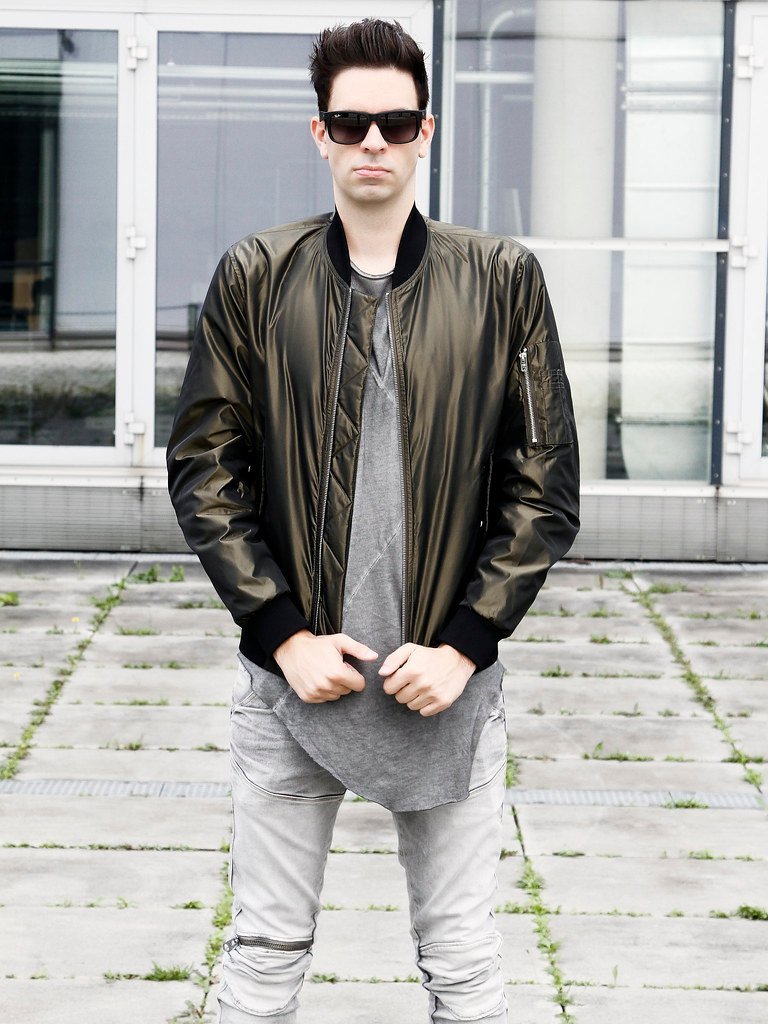
Military influences began seeping into everyday fashion, rendering garments like trench coats and bomber jackets as timeless fashion staples. The bomber jacket’s story follows a strikingly similar arc to the trench coat. Originally designed for fighter pilots who needed warmth at high altitudes without restricting movement, this short, practical jacket was engineered entirely around function and survival. The comfort of the fit was a byproduct of necessity, not vanity.
The jacket migrated from the cockpit to the street and eventually onto the runway. Unisex clothing rose to prominence, shattering traditional gender constructs in fashion and fostering a greater acceptance of diverse identities. Furthermore, this era witnessed the wide adoption of casual wear, as individuals ventured away from the confines of formal attire to embrace clothing defined by comfort and creativity. The bomber jacket became a canvas for identity expression across generations, from 1950s greasers to 1990s hip-hop culture and right through to the high-fashion collaborations of the 2020s. It is one of those rare garments that somehow fits every era without apology.
The Military Boot: Warfare’s Most Durable Fashion Export
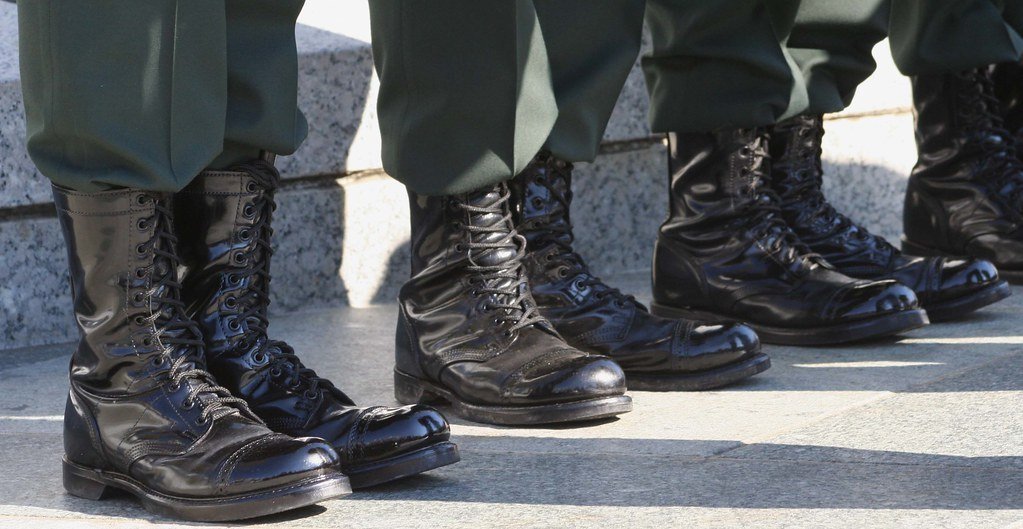
Few things scream unexpected fashion legacy quite like the military boot. Combat boots were designed, quite simply, to protect soldiers’ feet in hostile terrain. Heavy, durable, and built for function over form, they were the last thing anyone would have expected to become a fashion icon. Fashion trends can be fleeting, yet many silhouettes, patterns, and embellishment techniques trace their roots to past epochs, sometimes centuries ago. Designers who study these origins often discover fresh ways to adapt them for modern audiences.
By the 1990s, military-style boots had been adopted by the grunge movement and punk subculture as symbols of resistance and anti-establishment sentiment. The same boots worn by soldiers navigating combat zones were being laced up by teenagers navigating suburban alienation. It is, when you think about it, a brilliant metaphor for how fashion works: the same object, completely reimagined through context. Garments that subtly reference the past often carry an emotional or storytelling dimension. A wedding dress inspired by the 1950s might symbolize timeless romance, while a jacket with 1980s detailing can speak to bold self-expression. The same logic applies to every pair of combat-inspired boots worn with a floral dress today.
The Sans-Culottes Trouser: Revolution Stitched Into Every Thread

It’s hard to say for sure which single historical event had the most dramatic and direct effect on everyday clothing, but the French Revolution is a strong contender. The French Revolution was not merely a seismic political shift; it was a fashion revolution too. Before the upheaval, France’s aristocrats adorned themselves in extravagant, opulent wardrobe pieces as symbols of their immense wealth and power. Lace, ribbons, and jewels were commonplace in their clothing.
Post-revolution, a change towards more practical and simpler garments emerged. The population embraced the sans-culottes style, characterized by straightforward trousers, jackets, and clothing that mirrored the working class’s attire. This move toward egalitarian dressing transcended France’s borders and set the stage for a global shift in fashion sensibilities. Thus, the revolution democratized fashion, making it accessible and relatable. In other words, what began as political defiance became the blueprint for modern casual dress. Every time you reach for a simple pair of trousers, you are unknowingly echoing a revolution.
The Wrap Dress: Freedom of Movement as Political Statement
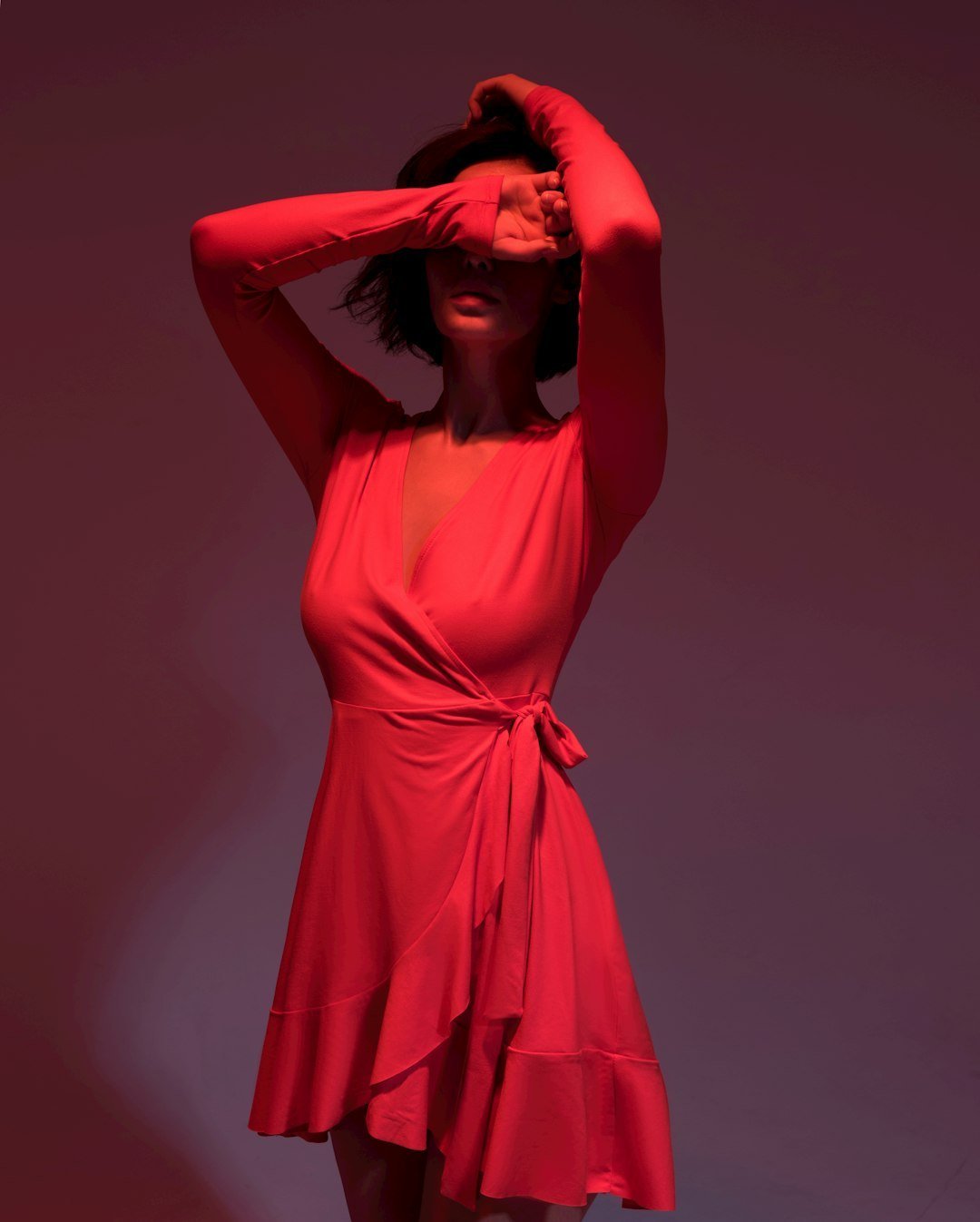
In the early to mid-1970s, some designers responded to the sexual freedom of women. In 1971, Yves Saint Laurent launched a 1940s-inspired collection called “Libération,” and Diane Von Furstenberg released her timeless wrap dress. The timing was no coincidence. The wrap dress arrived in a decade of enormous social change, where women were fighting for reproductive rights, workplace equality, and public visibility.
The wrap dress was cleverly designed to move with the body, requiring no zippers or closures beyond a simple sash. It was easy to put on, easy to take off, and flattering on virtually every body type. The 1970s mixed hippie styles with glamorous disco fashion. Diane Von Furstenberg’s wrap dress became iconic, and sportswear gained popularity in women’s fashion. What made the wrap dress revolutionary was exactly what it didn’t demand of women’s bodies. No corsetry, no restriction, no apology. Through history, fashion has grown interwoven with culture, becoming a sign of changing times. It reflects innovation, societal priorities, and technology development. Few garments illustrate that principle as perfectly as the wrap dress.
The Dashiki: Cultural Pride as a Wardrobe Statement
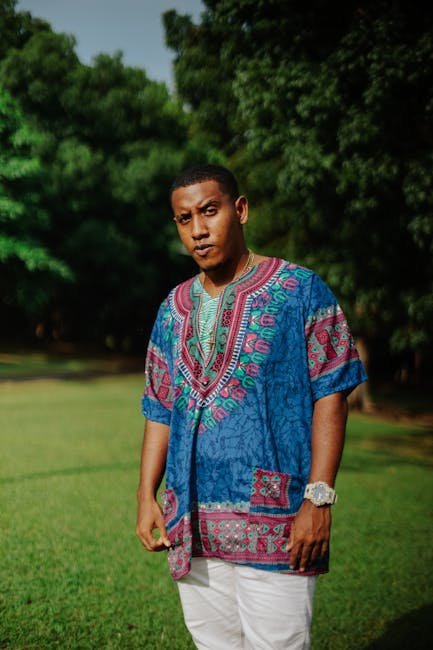
The Civil Rights Movement inspired a fashion revolution that celebrated Black identity and culture. Throughout the 1960s and 1970s, clothing like dashikis and Afrofuturism garments became popular, embodying pride and a reconnection to African heritage. Bold colors and patterns became synonymous with cultural pride, signaling a broader movement of resistance and self-expression. The dashiki’s journey into mainstream American fashion was not a trend born in a studio. It was born in struggle.
A loose-fitting pullover tunic traditionally worn in West African cultures was adopted by African diasporic communities as a symbol of African heritage in the 1960s and then more widely worn as a popular item of fashion. What’s remarkable is how deliberately the garment was chosen. In a moment when Black Americans were asserting their visibility and dignity in the face of violent oppression, dressing in traditional African garments was a powerful declaration of identity. By embracing the past, we can find a unique way to express our individuality and connect with history in a meaningful way. The dashiki did exactly that, long before anyone was calling it fashion.
The Conclusion: History Never Really Leaves the Wardrobe

What emerges clearly from exploring these iconic fashion pieces is that clothing is never neutral. Society is never static and fashion is a mirror reflective of massive changes that impact every aspect of living. While clean lines and quality construction have remained the norm as far as high fashion is concerned, many other aspects of timeless elegance have evolved tremendously over the past few decades in a response to turmoil, modernization, and the change that continues defining the way we live today.
Exploring fashion history isn’t just about nostalgia; it’s about gleaning aesthetic, structural, and material insights that might otherwise remain untapped. By learning how silhouettes evolved or why certain fabrics became mainstream, you enrich your imagination and can experiment in ways that feel fresh yet rooted in tradition. Every time a designer reaches back into history for inspiration, they are pulling out something far more than a visual reference. They are pulling out a story.
The trench coat still carries the ghost of World War I in its epaulettes. The Little Black Dress still quietly challenges who gets to define mourning and joy. The power suit still whispers of every boardroom a woman had to fight her way into. From form-fitting garments laden with lavish details during Queen Victoria’s reign to more relaxed designs rich in color from the 1920s onwards, clothing has been a vehicle for articulating identity while also influencing how we view the environments around us. Examining these historical shifts helps cultivate an understanding of just how powerful apparel can be when it comes to altering societies as well as establishing personal identities today.
Next time you get dressed, consider this: the history of the world might be hanging right there in your closet. What do you think your wardrobe says about the era you’re living through?

Besides founding Festivaltopia, Luca is the co founder of trib, an art and fashion collectiv you find on several regional events and online. Also he is part of the management board at HORiZONTE, a group travel provider in Germany.
