

- 12 Iconic Film Directors Who Never Won an Oscar (But Should Have) - August 29, 2026
- The Secrets Behind 15 Chart-Topping Songs You Thought You Knew - August 29, 2026
- 10 Literary Masterpieces That Were Dramatically Adapted into Iconic Films (And Sparked Debate) - August 28, 2026
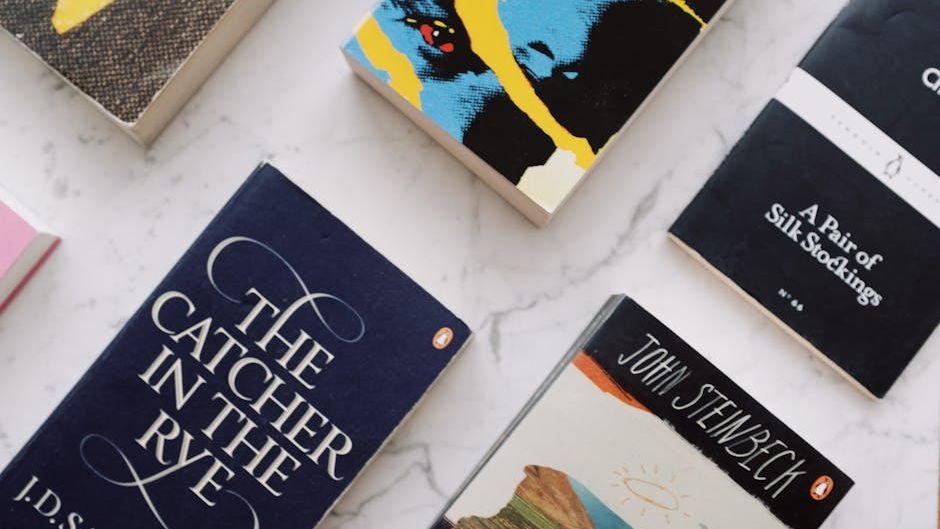
There is something deeply fascinating about a story that someone, somewhere, desperately wanted you never to read. Books that get banned don’t disappear – they often burn brighter for it. They get passed around in secret, whispered about in classrooms, and eventually, they find their way onto the biggest screen in the room. The history of banned literature and Hollywood filmmaking is more intertwined than most people realize, and the results are some of the most powerful, provocative, and culturally defining films ever made.
Over the years, countless books have faced removal from classrooms and libraries due to their depictions of race, sexuality, politics, or uncomfortable truths. Many of these same works have also made their way to the screen, reaching new audiences through powerful film adaptations. The pattern is almost poetic – the more aggressively a story is suppressed, the more it seems to demand to be told. So let’s take a walk through ten of the most remarkable examples, from the morally complex to the downright scandalous. Be surprised by what you find.
1. To Kill a Mockingbird (1962) – Harper Lee’s Timeless Battle
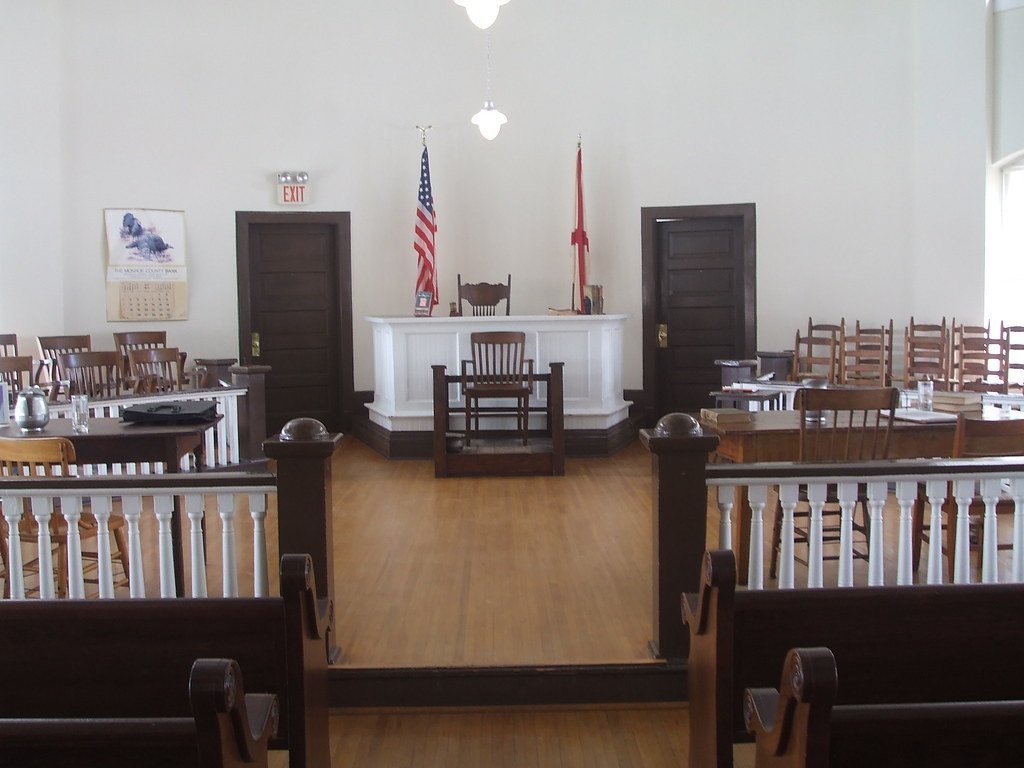
Honestly, few books in American history have sparked as much simultaneous love and outrage as Harper Lee’s Pulitzer Prize-winning novel. Considered one of the best novels of the 20th century, it is also one of the most controversial. According to the American Library Association’s Office for Intellectual Freedom, the Harper Lee novel is one of the most challenged and banned classical books. The reasons for its censorship have ranged wildly over the decades – from its use of racial slurs and depictions of sexual assault to broader complaints that it made classrooms uncomfortable.
In early 2018, To Kill a Mockingbird and Mark Twain’s Adventures of Huckleberry Finn were removed from required reading in the Duluth, Minnesota, school district over the use of racial slurs. The removal wasn’t triggered by a specific challenge in this case, instead resulting from the accumulation of complaints over the course of several years. Think about that for a moment – a book about the injustice of prejudice, banned partly because it made people feel the sting of prejudice. The irony is almost unbearable.
In 1962, a year after the book was published, a movie version of “To Kill a Mockingbird” was released. Gregory Peck portrayed Atticus Finch and won an Oscar for his role. The film version of the novel won three Academy Awards, including Best Actor for Gregory Peck, who played Atticus Finch, and was nominated for eight, including Best Picture. Even Harper Lee herself was so moved by Peck’s portrayal that even prior to her death in 2016, she refused to green-light a remake of the film in order to keep the original integrity that makes this timeless classic one of the best films ever made.
2. Fahrenheit 451 (1966 and 2018) – The Book About Burning Books That Got Banned
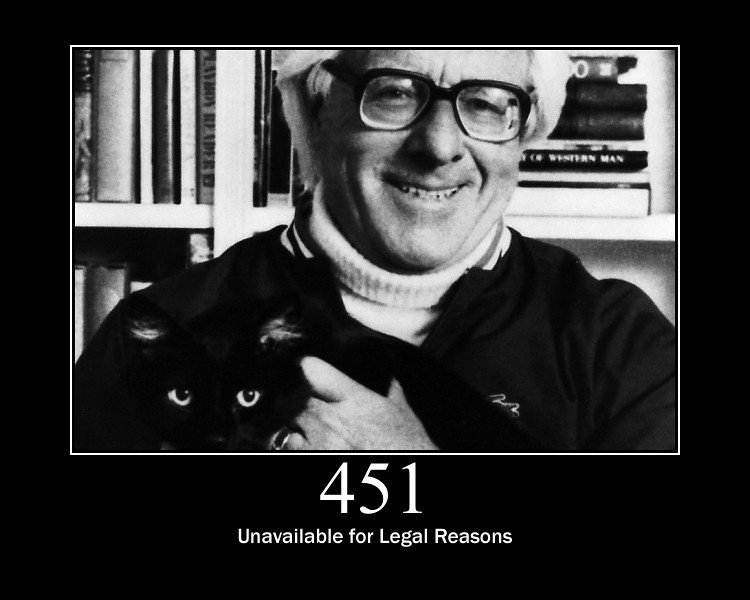
You simply cannot make this up. Fahrenheit 451 was written by Bradbury during the Second Red Scare and the McCarthy era, inspired by the book burnings in Nazi Germany and by ideological repression in the Soviet Union. It is a novel literally about a government that burns books. And yet – stay with me here – it has itself been censored and banned multiple times. Ironic as it may seem given the role that book burning plays in the novel itself, Fahrenheit 451 has faced multiple censorship and banning attempts throughout the years, primarily for vulgarity and discussions about drugs.
Starting in January 1967, Fahrenheit 451 was subject to expurgation by its publisher, Ballantine Books, with the release of the “Bal-Hi Edition” aimed at high school students. Among the changes made by the publisher were the censorship of the words “hell,” “damn,” and “abortion,” the modification of seventy-five passages, and the changing of two incidents. Bradbury was furious when he found out, and demanded that Ballantine Books withdraw that version and replace it with the original, and in 1980 the original version once again became available.
Film adaptations of the novel include a 1966 film directed by François Truffaut starring Oskar Werner as Guy Montag and a 2018 television film directed by Ramin Bahrani starring Michael B. Jordan as Montag, both of which received a mixed critical reception. In ironic circumstances, Bradbury’s story was banned from libraries throughout the years 2000 to 2009, after controversy brewed from one of the burned books mentioned in the story being the Bible. A warning about censorship, censored for its content. That’s the kind of plot twist no screenwriter could invent.
3. A Clockwork Orange (1971) – So Disturbing Even the Director Pulled It
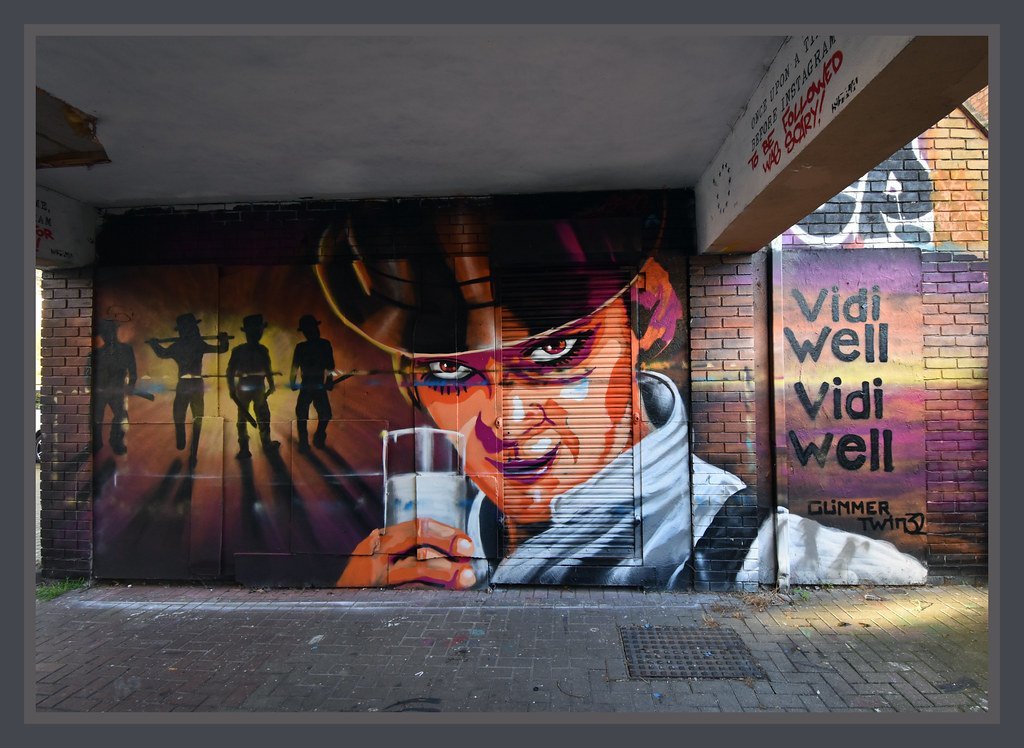
Anthony Burgess’s A Clockwork Orange shocked readers with its unsettling violence and bleak vision of the future, leading to bans in schools and libraries across America. Burgess’ novel has faced multiple challenges over the years for its depiction of violence and rape, with a challenge taking place as recently as 2019 in Florida. In 1973, a bookseller in Utah was arrested and fined for selling the book and cities in Colorado, Connecticut and Alabama banned the novel in the 1970s. This is a book that didn’t just ruffle feathers – it lit the whole hen house on fire.
Stanley Kubrick’s 1971 film adaptation took the controversy even further, with its graphic imagery sparking outrage and resulting in additional censorship – not just in the US, but also in the UK, where Kubrick himself withdrew the film for years. A Clockwork Orange was banned in a number of countries, including Ireland, having been given an X-rating. Later copies of the film were released with the uncensored version, which contains about 30 seconds of extra footage. The film was critically acclaimed despite the controversy and was even nominated for the Academy Award for Best Picture.
4. Lolita (1962 and 1997) – The Novel That Almost Never Became a Film
When the novel Lolita appeared in 1955, Vladimir Nabokov was a little-known Russian novelist who had emigrated to the United States. After Olympia Press published the novel in Paris, Nabokov quickly became famous, not for his virtuosic control over language but for the scandal his novel had provoked. Nabokov’s novel was promptly banned in several European countries, including Britain. The subject matter – a middle-aged man’s obsessive fixation on a twelve-year-old girl – was simply too much for most governments and publishing houses to stomach.
While filming the first adaptation of the novel, the Production Code (known as the Hays Code) prevented Kubrick from filming the erotic scenes in Nabokov’s screenplay. This, coupled with the protests from the Roman Catholic League of Decency, meant that he had to resort to using euphemism and oblique references to sex, such as a scene of Humbert painting Lolita’s toenails, and the famous image of Lolita sucking a lollipop. In 1997, the director Adrian Lyne had similar problems with his remake, starring Jeremy Irons as Humbert. Lyne also struggled to represent the novel’s erotic scenes and resorted to using a body-double in order to circumvent the Child Pornography Prevention Act of 1995. It’s hard to say for sure whether these films truly captured the book’s devastating moral complexity, but they remain among the most talked-about literary adaptations in cinema history.
5. The Color Purple (1985) – Banned in Prisons, Still Winning Oscars
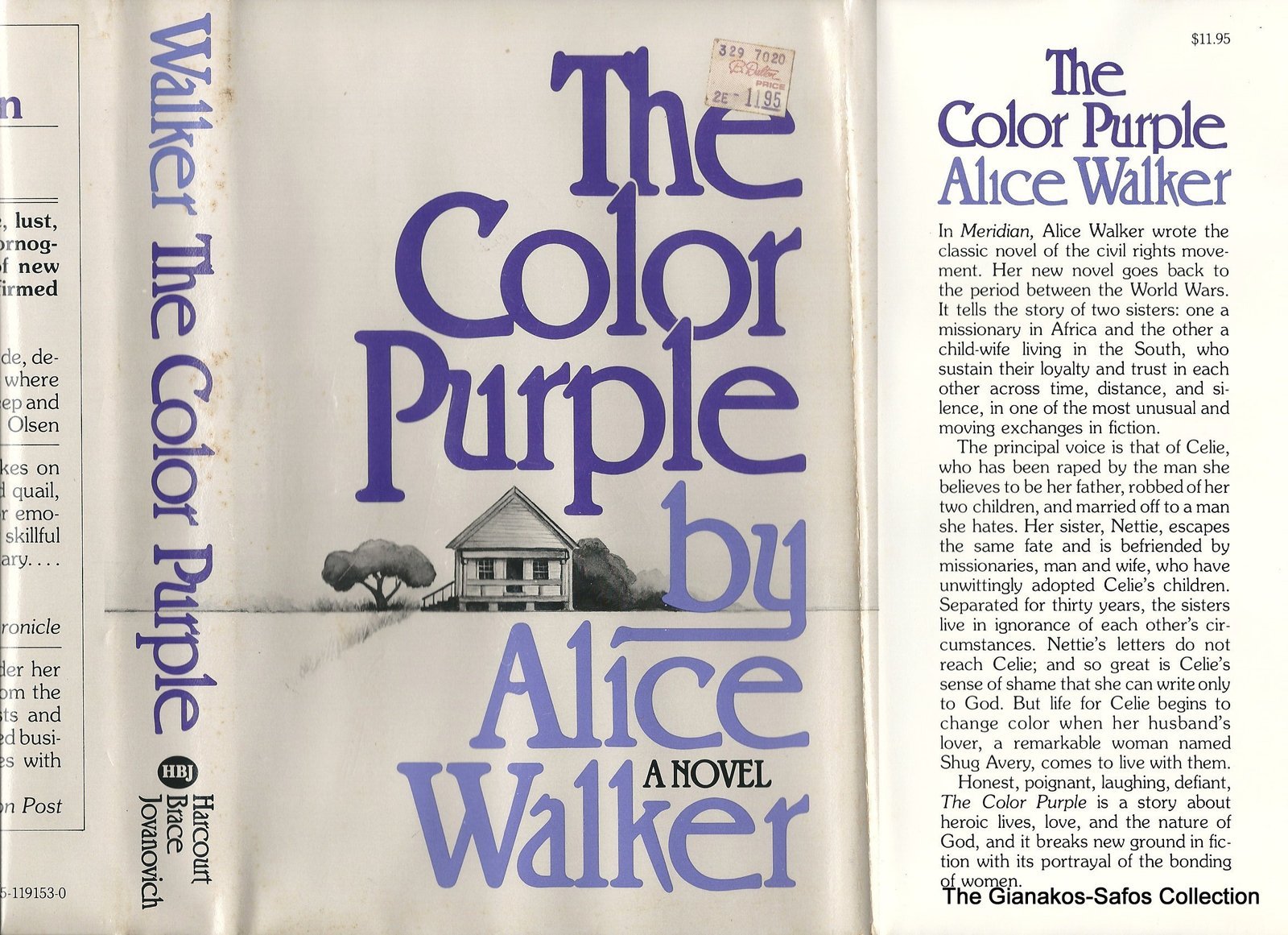
The Color Purple has faced multiple challenges and bans over the years due to profanity, drug abuse, sexual content and depictions of rape and incest. As recently as 2017, the novel was banned from all Texas State Prisons. Alice Walker’s story of Black women in the American South navigating brutality and finding beauty in sisterhood was considered too raw, too honest, and too confrontational for many who encountered it. The book was banned because it portrays a lesbian relationship and is considered blasphemous and an example of Critical Race Theory being taught in schools.
Starring Whoopi Goldberg, Danny Glover and Oprah Winfrey, the 1985 film adaptation was nominated for 11 Academy Awards. I think that number alone – eleven nominations – says everything about the power of a story that some people desperately tried to silence. Whoopi Goldberg’s portrayal of Celie is particularly stirring, giving the film the majority of its emotional heft and earning her a much-deserved Oscar nod. Oprah Winfrey, as the fiery Sofia, and Danny Glover, as the abusive Albert, are also standouts. The film proved that a banned book does not become a lesser story – sometimes it becomes a louder one.
6. The Handmaid’s Tale (1990 and 2017) – A Warning That Keeps Getting More Relevant
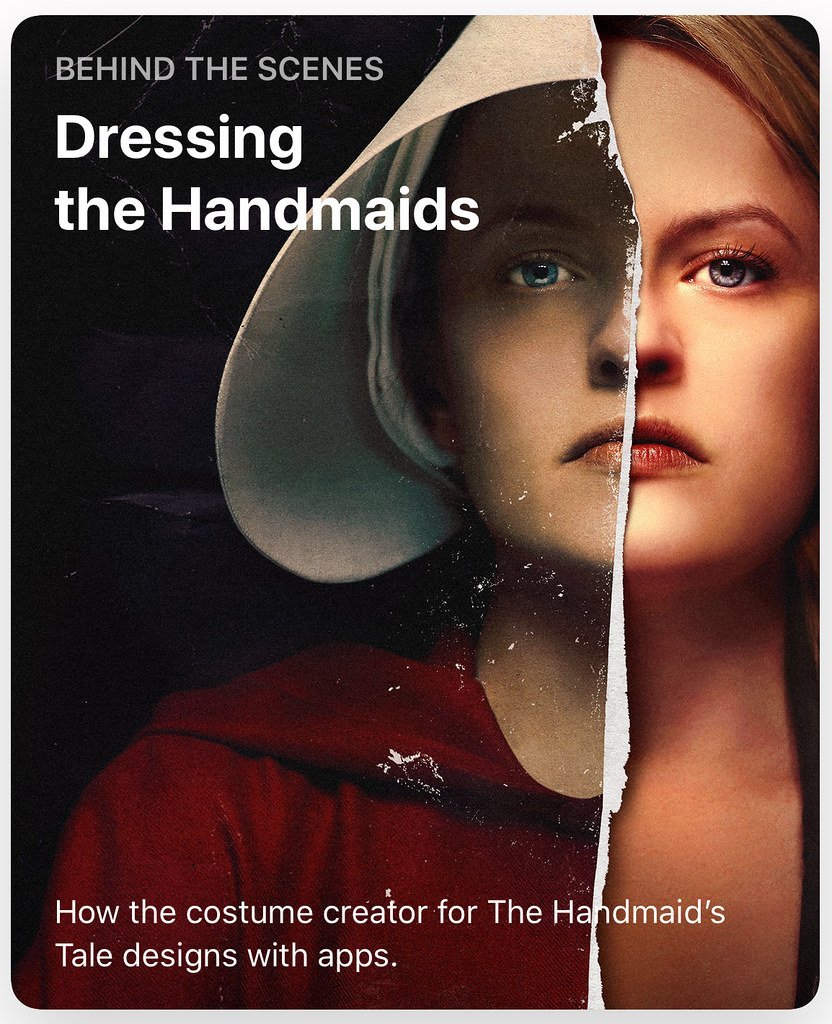
The Handmaid’s Tale depicts a dystopian society where the theocratic Christian authoritarian regime of Gilead has taken over the US. The provocative nature of the subjects discussed in the story may cause discomfort for certain people, especially on the subjects of sex, birth control, and women’s rights. The Handmaid’s Tale is number 37 on the “100 Most Frequently Challenged Books of 1990 to 2000,” and it wasn’t until 2022 that it was removed from schools and libraries across the United States. The book has been challenged repeatedly for profanity, sexual content, and what critics called anti-Christian sentiment.
The author stated that despite her book being misunderstood as anti-Christian, The Handmaid’s Tale was partially inspired by biblical texts and argues “against totalitarian control and power hoarding cloaked in a supposed religiousness.” The Handmaid’s Tale, written by Canadian novelist Margaret Atwood and published in 1985, was adapted into an original series on Hulu in 2017. The Handmaid’s Tale, the dystopian story that made Hulu the first streaming service to win an Emmy for best drama series, was even based on a contentious book by author Margaret Atwood. It is, perhaps, the ultimate example of a banned book refusing to stay quiet.
7. Lord of the Flies (1963 and 1990) – Children Behaving Badly, Censors Behaving Worse
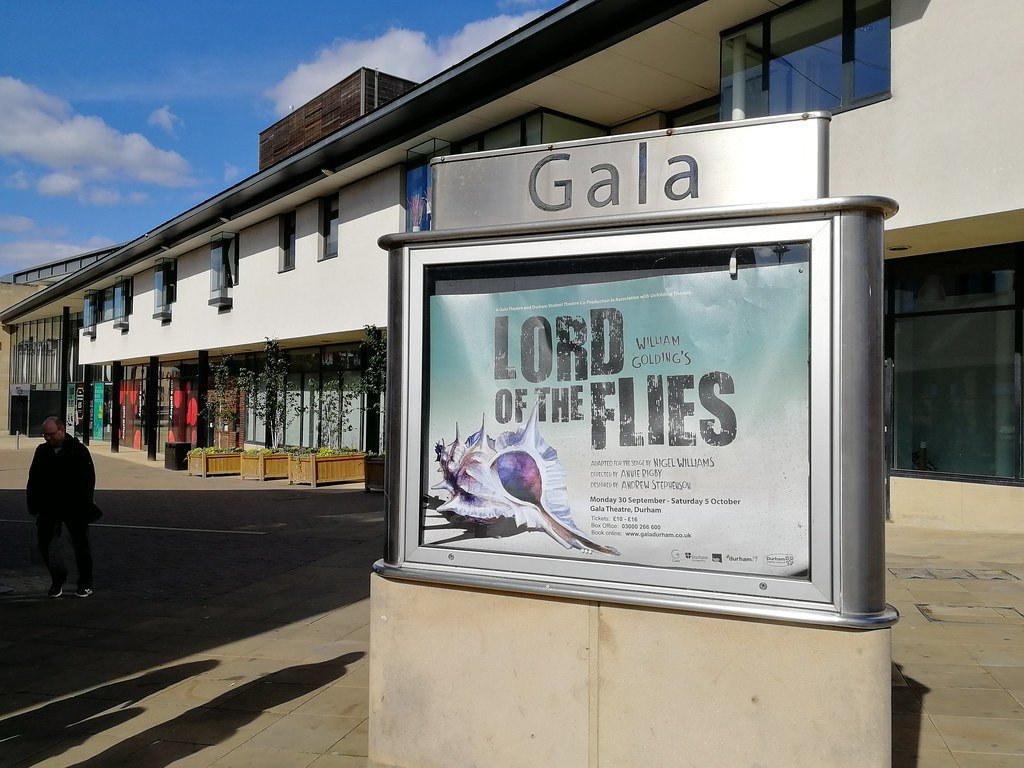
William Golding’s searing parable about a group of British boys stranded on an island descending into savagery is one of those books that makes readers genuinely uncomfortable – and that is precisely the point. Lord of the Flies has been challenged and banned for child murder. Schools across the United States and beyond challenged the novel repeatedly, calling it violent, deeply pessimistic, and wholly inappropriate for young readers. The argument was essentially: children should not read about children being capable of evil. Which, let’s be real, is exactly why they should.
While “Lord of the Flies” has been translated to the big screen on two occasions, in 1963 and 1990, the first cinematic adaptation is the superior one. It’s not only more faithful, but the child actors playing the stranded boys are phenomenal. There’s never a second that you doubt that this is how a group of adolescent males would act while trying to survive on an island without adults. The film remains utterly faithful to its themes of order versus chaos, the corrupting influence of power, and the individual versus the group. Both adaptations confirmed that Golding’s vision was simply too important to be buried by a ban.
8. The Grapes of Wrath (1940) – Banned for Telling the Truth About Poverty
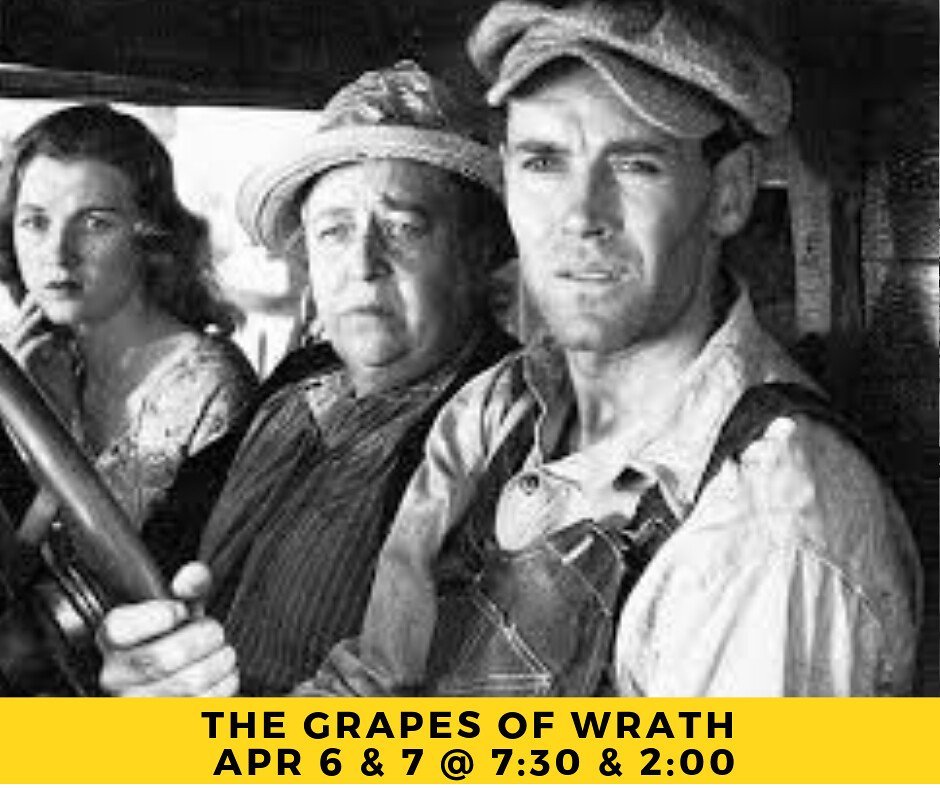
John Steinbeck’s The Grapes of Wrath stirred controversy upon its release, facing bans for its unflinching depiction of poverty and scathing critique of American society. When John Ford’s 1940 film adaptation premiered, it too drew criticism – but ultimately cemented the story’s place in American culture. The novel’s portrayal of the Joad family’s misery during the Great Depression was seen as dangerously sympathetic to socialist ideas. Some counties in California – the very state the Joads were fleeing to – burned copies of the book.
The Grapes of Wrath is one of John Steinbeck’s greatest works as well as one of the most celebrated American books of the 20th century. The novel follows the Joad family as they make their way through an America devastated by the Great Depression. The Joads struggle with a difficult itinerant life as migrant workers while much of the country deals with intense hardship. Legendary film director John Ford gives an uncompromising look at the misery and adversity that farm workers had to endure during one of the toughest times in American history, faithfully recreating the sorrow of the book. Grounding the film are the performances of Henry Fonda and Jane Darwell as Tom and Ma Joad. It earned seven Academy Award nominations and stands as one of the greatest American films ever made.
9. Beloved (1998) – Toni Morrison’s Ghost Story That Haunts Censors
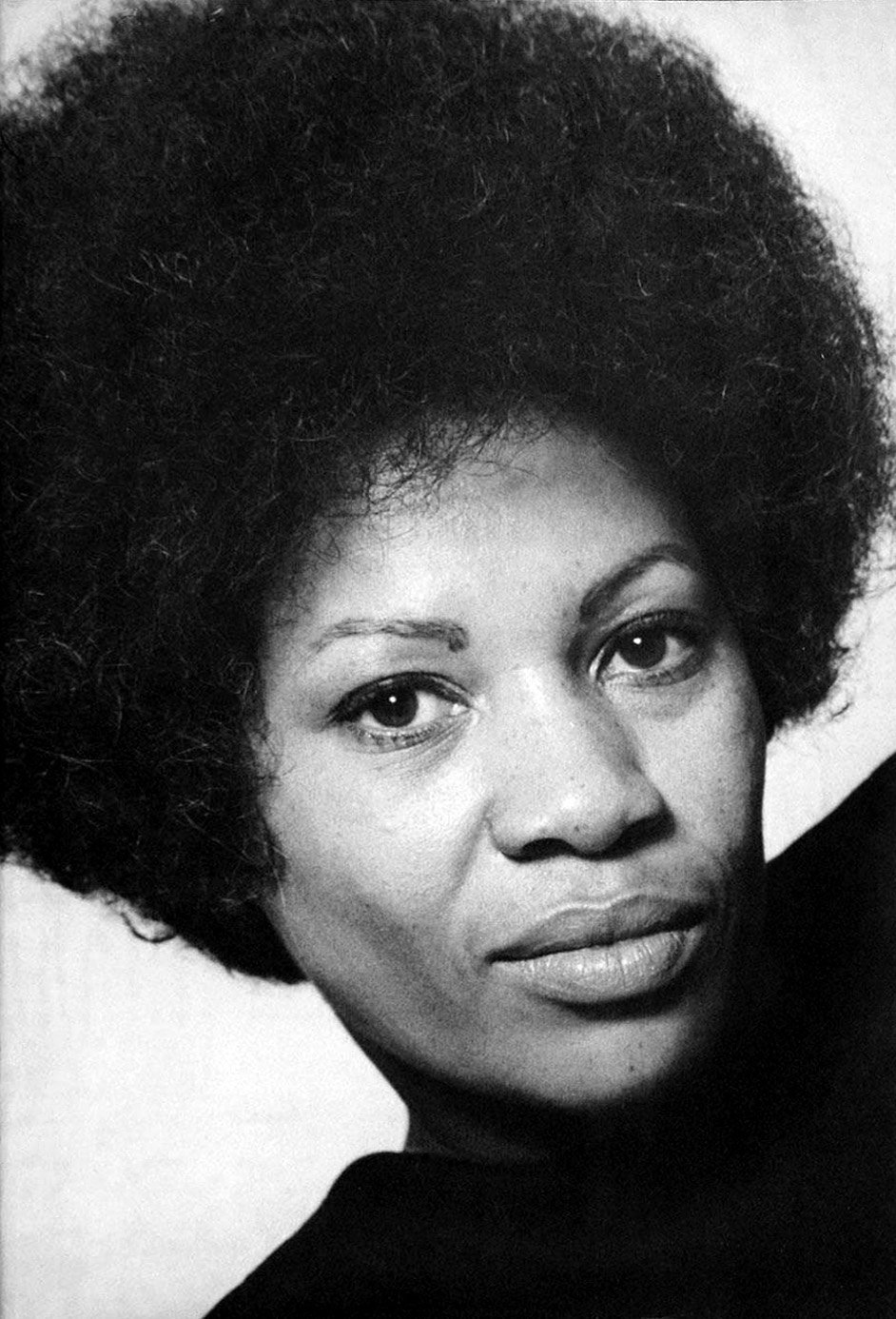
Beloved by Toni Morrison was banned for its graphic portrayal of violence and its exploration of slavery. The film adaptation stars Oprah Winfrey as Sethe, a former slave who is haunted by the ghost of her dead child. Morrison’s novel – arguably her most devastating work – pulls no punches in its depiction of what American slavery truly meant for those who endured it. The book was banned for depictions of violence, sexuality, racial themes, offensive language, and supernatural elements. That list of objections is long, which perhaps tells us more about the discomfort of the censors than the failings of the author.
The brutal depiction of violence in fiction is not a sensationalist decision nor is it intended to celebrate said violence. Instead, the scenes echo the very real pain that occurs outside nurturing homes and examine what exactly allows that pain to foster. The 1998 film adaptation, directed by Jonathan Demme and produced in part by Oprah Winfrey herself, brought Morrison’s haunting story to a wider audience. These works are not just entertainment – they are opportunities to confront prejudice, reflect on identity, and spark dialogue about why certain voices are targeted for erasure. Beloved is perhaps the purest example of that truth.
10. One Flew Over the Cuckoo’s Nest (1975) – Five Oscars for a Banned Book
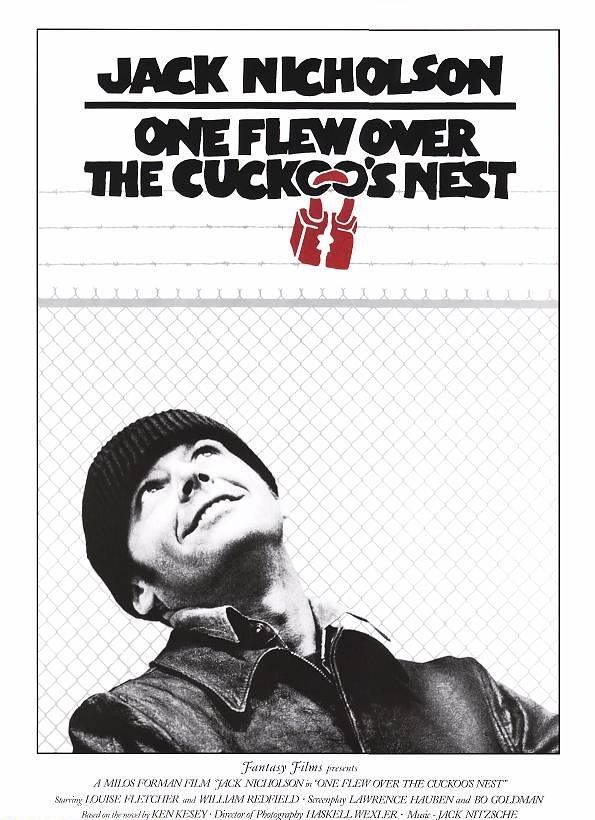
Ken Kesey’s novel about life inside a psychiatric ward – told through the rebellious energy of Randle McMurphy – was considered deeply subversive from the moment it was published. The book challenged authority, questioned the nature of sanity, and portrayed institutions as tools of social control. It was challenged and banned repeatedly across American schools and libraries for its depictions of violence, sexual content, and its unflattering portrayal of the medical establishment. It’s the kind of book that makes people in power nervous, and that alone is reason enough to read it.
The 1975 film adaptation starring Jack Nicholson won all five major Academy Awards – Best Picture, Best Actor, Best Actress, Best Director, and Best Screenplay – and is considered one of the best films of all time. Winning all five top Oscars is extraordinarily rare. Only two other films in history have achieved that sweep. Book banning has existed for centuries and still exists to this day. Whether it be state-sanctioned book banning plaguing the American school systems, the book burning seen in Nazi Germany, or the countless examples of colonial empires eradicating indigenous archives, book banning is not a single phenomenon but only an extension of censorship. Some of the most acclaimed novels currently reside in the category of banned books, while others have had their time in the sun and eventually made it to the silver screen. One Flew Over the Cuckoo’s Nest is living proof of that remarkable trajectory.
Conclusion: What Censorship Accidentally Creates
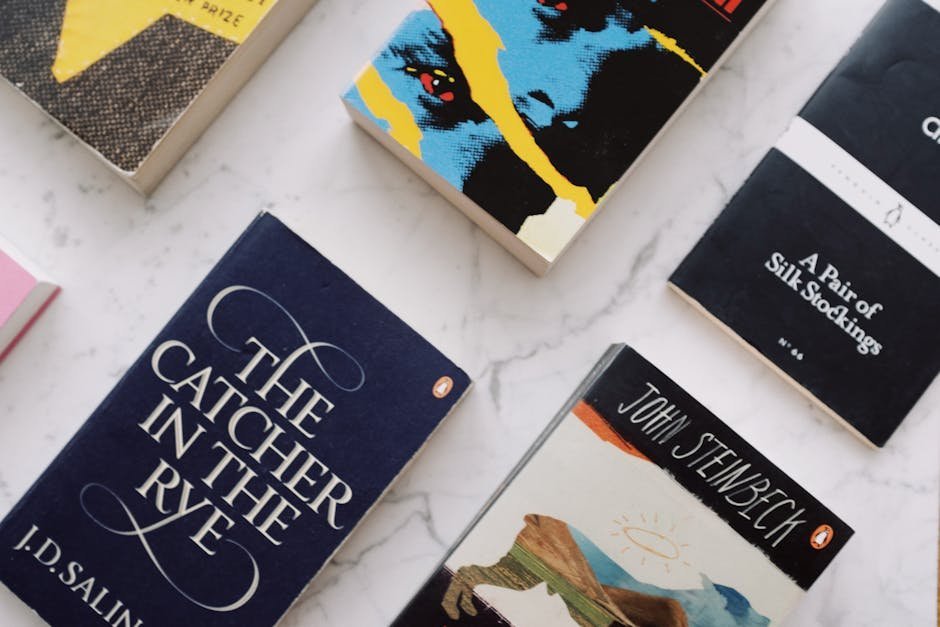
Here is the great paradox of banning a book: it almost never works. Banned Books Week is a celebration of the freedom to read – and a reminder that stories often challenged, censored, or silenced are the very ones that most need to be told. Every title on this list was targeted by people who believed suppression was the answer. Instead, the banning made these stories legendary.
Film adaptations have played a crucial role in that survival. When a banned book becomes a movie, it escapes the library shelf, the school board meeting, and the burning pile. It reaches audiences who might never have heard of it otherwise. It becomes undeniable. As a wave of censorship has flooded across the U.S., leading to more than 10,000 book bans in the 2023 to 2024 school year, filmmakers have taken note. The relationship between censorship and artistic legacy is not one of opposition – it is almost one of partnership. The more fiercely a story is fought, the more urgently it seems to survive.
Censorship, in a strange and unintended way, has given us some of the greatest films ever made. The stories that someone tried hardest to bury are often the ones we can least afford to forget. What does that tell us about the stories that are being banned right now?
CEO-Co-Founder
