

- 12 Films That Were So Ahead of Their Time, They’re Still Relevant Today - August 30, 2026
- The Evolution of Pop Music Videos Is a Visual Chronicle of Our Times - August 30, 2026
- The Best Music Festivals Are Time Capsules of Cultural Revolution - August 29, 2026
There is something almost mythological about the way certain books burrow into a nation’s consciousness and never quite leave. American literature, in particular, carries a distinct weight. It has always been tied up with questions of identity, freedom, ambition, and moral reckoning. These are not simply stories. They are mirrors held up to a country still trying to figure out what it is.
The concept of a “Great American Novel” originated in an 1868 essay by Civil War novelist John William De Forest, who believed such a work would “paint the American soul” and capture “the ordinary emotions and manners of American existence.” That idea has haunted American writers ever since. Some came breathtakingly close. Others, honestly, may have already gotten there without anyone fully admitting it. The ten books below have done more than tell great stories. They have shaped the way America sees itself. Let’s dive in.
1. The Great Gatsby by F. Scott Fitzgerald (1925)
The Great Gatsby is widely considered a literary masterpiece and a contender for the title of the Great American Novel, set on the prosperous Long Island of 1922, providing a critical social history of Prohibition-era America during the Jazz Age. Here’s the thing about Gatsby – it isn’t really a love story, no matter what your high school teacher might have implied. It is a ruthless dissection of aspiration itself.
Exploring the themes of class, wealth, and social status through Jay Gatsby’s pursuit of Daisy Buchanan, Fitzgerald takes a cynical look at wealth among people for whom pleasure is the chief goal, depicting the nation’s most abiding obsessions – money, ambition, greed, and the promise of new beginnings. The irony is almost painful: Fitzgerald himself believed he was a failure when he died in 1940. During World War II, the novel experienced an abrupt surge in popularity when the Council on Books in Wartime distributed free copies to American soldiers serving overseas, launching a critical re-examination that made it a core part of American high school curricula and popular culture. Sometimes it takes distance – and a war – for a country to understand its own literature.
2. To Kill a Mockingbird by Harper Lee (1960)
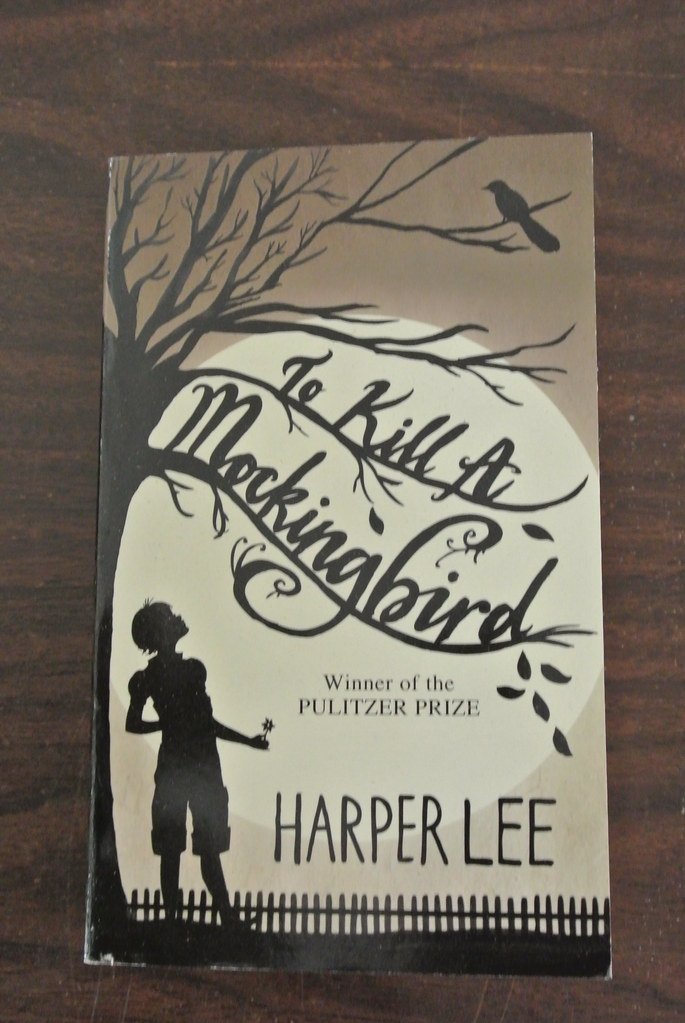
To Kill a Mockingbird is a 1960 Southern Gothic novel by American author Harper Lee, which became instantly successful after its release, widely read in high schools and middle schools across the United States, and won the Pulitzer Prize a year after publication. Few books have managed to be simultaneously heartbreaking and warm. That balance is almost impossible to pull off, and yet Lee does it without seeming to try.
The novel examines racism in the American South through the eyes of a clever young girl named Scout Finch, and its iconic characters, most notably the sympathetic lawyer Atticus Finch, served as role models and changed perspectives in the United States at a time when racial tensions were high. Literary scholars note that “To Kill a Mockingbird was written and published amidst the most significant and conflict-ridden social change in the South since the Civil War and Reconstruction,” and that despite its mid-1930s setting, the story voices the conflicts, tensions, and fears of the 1950s. A novel rooted in one era but speaking to another. That’s a rare and precious thing.
3. Adventures of Huckleberry Finn by Mark Twain (1884)
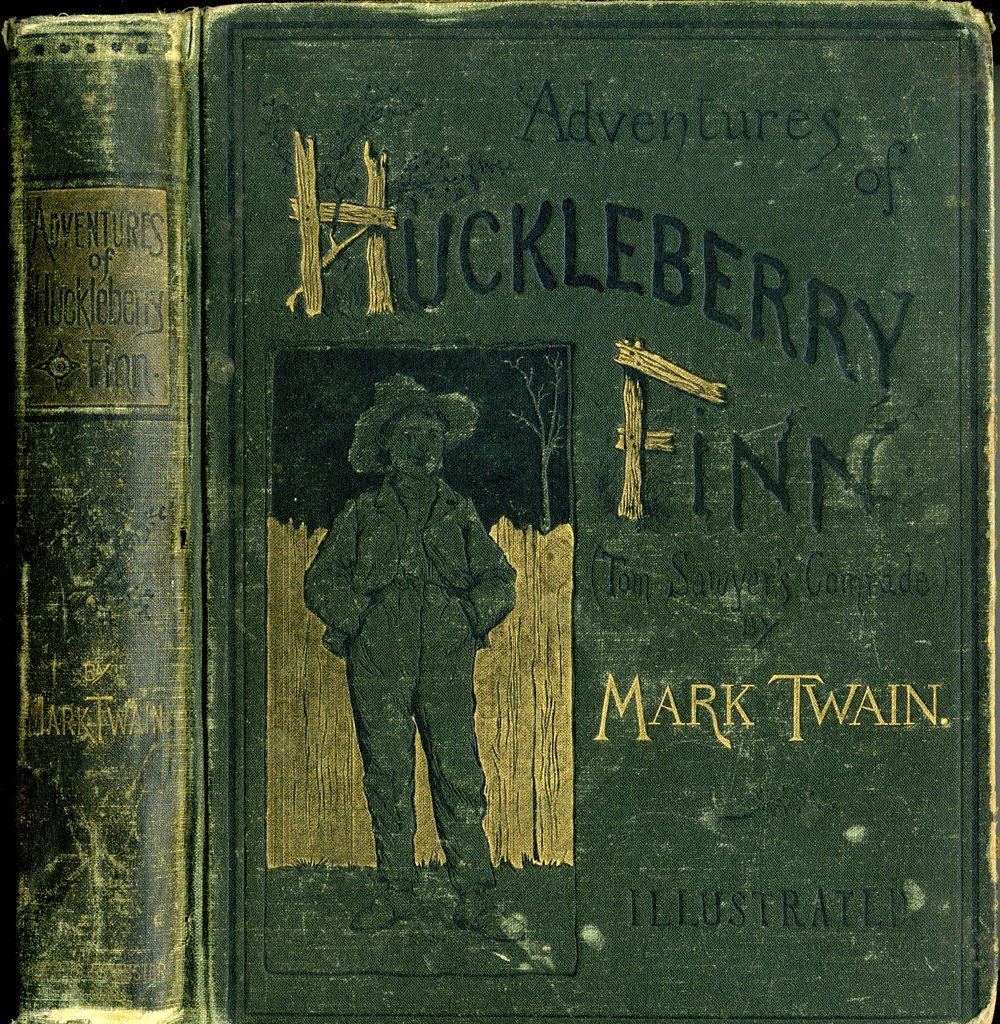
Mark Twain is renowned worldwide as one of the most influential writers in the English language, and such is his influence in his nation that he has been called “the father of American literature.” Huck Finn is the kind of book that seems simple on the surface and then knocks you sideways when you realize what it’s actually saying.
Commonly named among the Great American Novels, the work is among the first in major American literature to be written throughout in vernacular English, characterized by local color regionalism. Often regarded as the first Great American Novel, Adventures of Huckleberry Finn blends humor with sharp social critique, as Huck’s journey down the Mississippi River alongside Jim, a runaway slave, challenges the era’s moral contradictions, solidifying its place in American literary heritage. Set in a Southern antebellum society that had ceased to exist about twenty years before the work was published, the novel is an often scathing satire on entrenched attitudes, particularly racism. Think of it as a comedy with a knife hidden inside.
4. Moby-Dick by Herman Melville (1851)
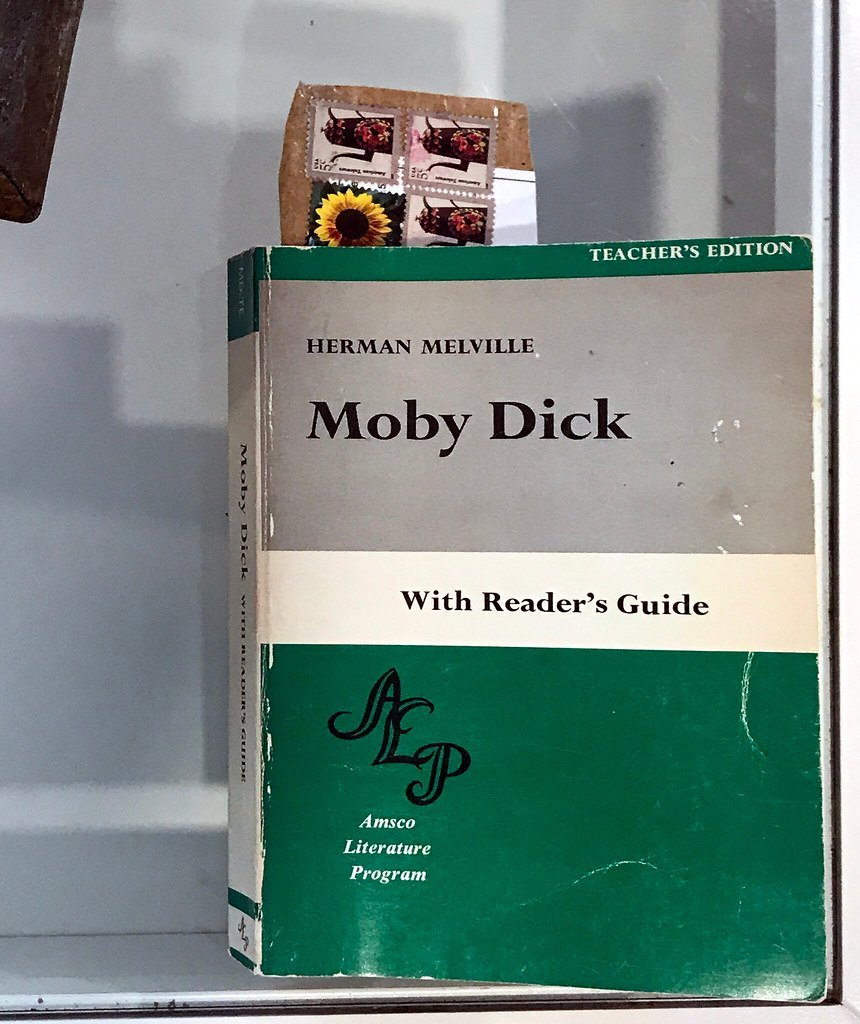
Moby-Dick is an epic tale of the voyage of the whaling ship Pequod and its captain, Ahab, who relentlessly pursues Moby-Dick, a giant white sperm whale that on the ship’s previous voyage bit off Ahab’s leg at the knee. I know it sounds crazy, but this sprawling, whale-obsessed book is one of the most psychologically fascinating portraits of obsession ever put to paper.
The novel was a commercial failure and was out of print by the time Melville died in 1891, yet the reputation of Moby-Dick grew in leaps and bounds in the 20th century to the point that it is now regarded as one of the greatest American novels. When Herman Melville published Moby-Dick in 1851, he couldn’t have imagined that his “white whale” would become one of the most referenced metaphors in global literature, with Ralph Ellison later paying tribute to the book in the prologue of Invisible Man, as the novel’s stream-of-consciousness techniques and philosophical depth revolutionized how authors across continents approached narrative structure. The vindication took decades. The legacy, it turns out, was permanent.
5. Uncle Tom’s Cabin by Harriet Beecher Stowe (1852)
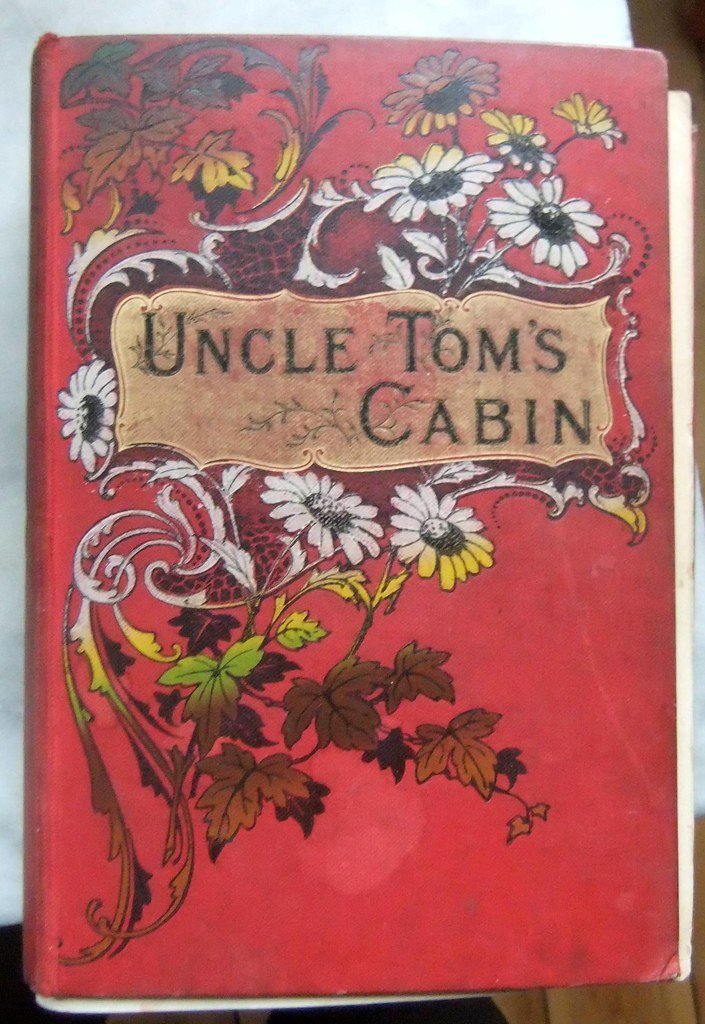
Uncle Tom’s Cabin, published in 1852 by American author Harriet Beecher Stowe, was initially published as a serial story in the newspaper The National Era, capturing the attention of the American public by putting center stage the cruelty and inhumanity of the institution of slavery, and proving controversial for its sympathetic portrayal of enslaved people and their struggle for freedom.
Uncle Tom’s Cabin was an immediate sensation taken up eagerly by abolitionists in the North, while vehemently denounced in the South, and nonetheless some 300,000 copies were sold in the United States during the year after its publication. Uncle Tom’s Cabin remains the world’s second most translated book, after the Bible. That single statistic should stop you in your tracks. Uncle Tom’s Cabin has exerted an influence equaled by few other novels in history. Whatever its literary imperfections, no American novel has arguably moved more political mountains.
6. The Grapes of Wrath by John Steinbeck (1939)

The Grapes of Wrath is an American realist novel published in 1939 that won the National Book Award and Pulitzer Prize for fiction, and was cited prominently when Steinbeck was awarded the Nobel Prize in 1962, set during the Great Depression and focusing on the Joads, a poor family of tenant farmers driven from their Oklahoma home by drought, economic hardship, and bank foreclosures.
The true value of The Grapes of Wrath goes beyond its narrative significance or Pulitzer Prize – it gave a face, a voice, and a meaning to the tragedy of countless migrants during the Great Depression. Set against the backdrop of the Great Depression, the novel follows the Joad family’s harrowing migration in search of a better life, with Steinbeck’s portrayal of poverty and resilience highlighting economic inequality and human dignity, making it a landmark in classic American literature. This is not a comfortable book. It was never meant to be.
7. Invisible Man by Ralph Ellison (1952)
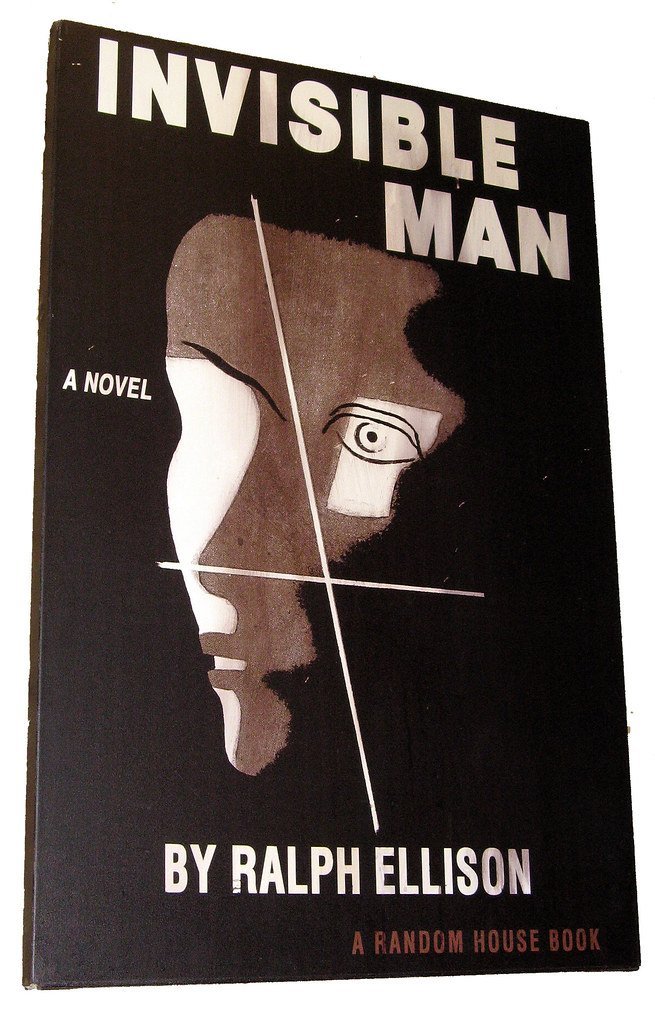
In writing Invisible Man in the late 1940s, Ralph Ellison brought onto the scene a new kind of Black protagonist, one at odds with the characters of the leading Black novelist at the time, Richard Wright. Where Wright’s characters were angry and inarticulate, Ellison’s Invisible Man was educated, articulate, and acutely self-aware.
Invisible Man won the National Book Award for fiction in 1952 – the first book by an African American to do so – winning out over giants Hemingway and Steinbeck. Think about that for a moment. Ellison’s outlook was universal: he saw the predicament of Black Americans as a metaphor for the universal human challenge of finding a viable identity in a chaotic, often hostile world, and the breadth of his influence stretched from Toni Morrison and August Wilson to Kurt Vonnegut and Joseph Heller. The book’s exploration of double consciousness – being simultaneously American and Black – resonated with writers from multicultural societies globally who faced similar identity fragmentations.
8. Beloved by Toni Morrison (1987)
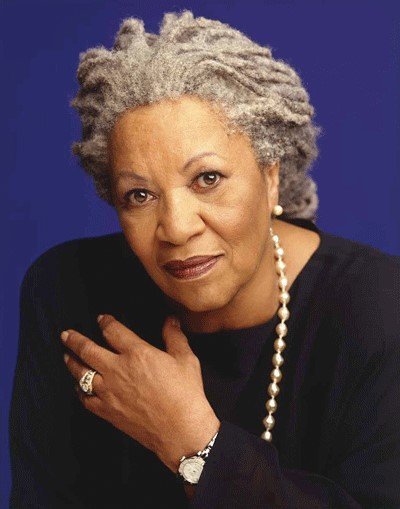
When Toni Morrison published Beloved in 1987, she didn’t just give America a reckoning with its slave-owning past – she created a new form of literature that influenced writers globally to confront their own nations’ buried traumas. Honestly, this might be the most emotionally devastating book on this entire list. It is not simply difficult to read. It is difficult to recover from.
Beloved is perhaps the most important, compelling, and transformative novel in the list of great African American novels because Morrison purposefully uses the novel’s narrative form itself to not only show the harrowing, silenced past but to force readers into a space of painful participation. Morrison’s earning of the Nobel Prize in Literature in 1993 elevated not just her voice but legitimized the experiences of marginalized peoples worldwide as worthy of the highest literary recognition. Beloved is a purging of the guilt of the American psyche, and it acts as a historical precedent to and psychological referent for the rage of the oppressed.
9. The Catcher in the Rye by J.D. Salinger (1951)
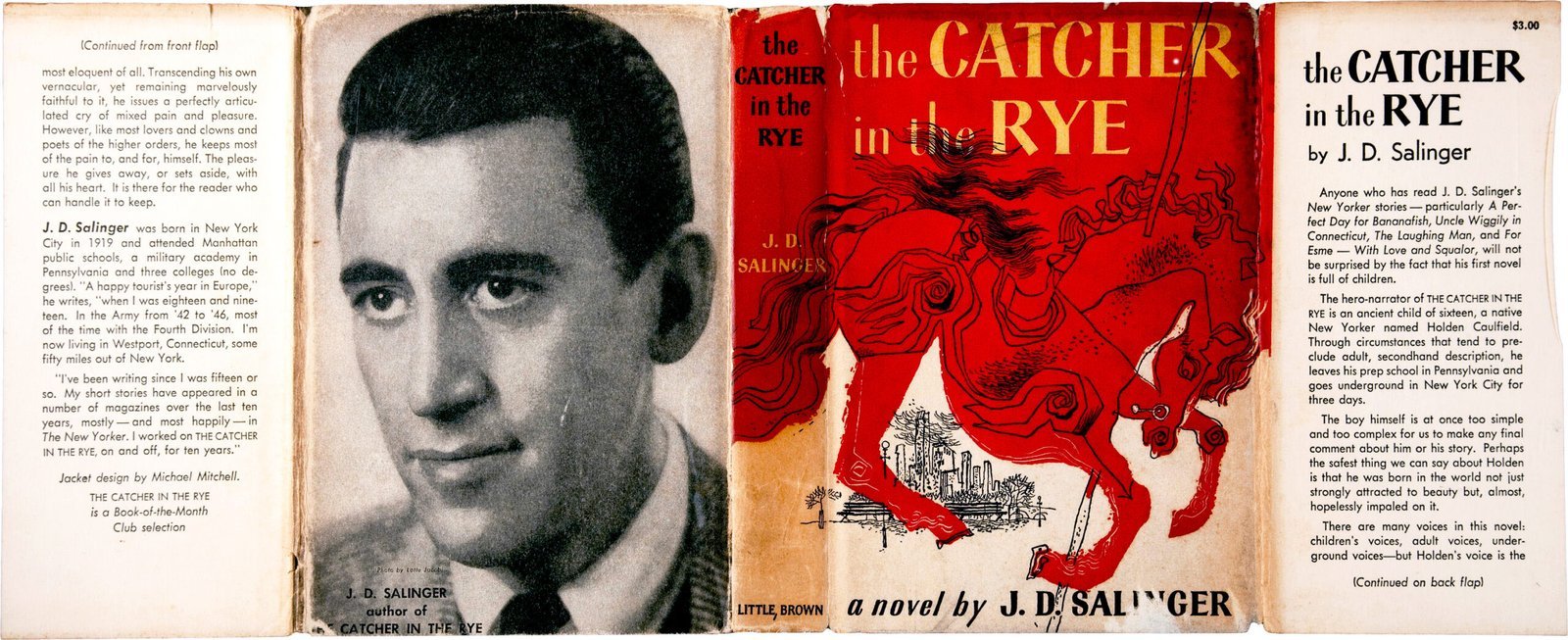
A defining novel of adolescence, The Catcher in the Rye captures the struggles of Holden Caulfield as he navigates the complexities of identity and authenticity, and Salinger’s novel remains a touchstone for youth rebellion and self-discovery. Every generation seems to rediscover this book and claim it as their own – which is either proof of genius or proof that alienation is timeless. Probably both.
J.D. Salinger’s classic novel of teenage angst and rebellion was first published in 1951, was included on Time’s 2005 list of the 100 best English-language novels written since 1923, and was named by Modern Library and its readers as one of the 100 best English-language novels of the 20th century. J.D. Salinger’s portrayal of Holden Caulfield’s alienation struck a chord that reverberated far beyond American teenagers – it gave voice to youth disillusionment that transcended cultural boundaries. There is something quietly radical about a book that makes the entire world feel understood by a single misunderstood kid.
10. The Old Man and the Sea by Ernest Hemingway (1952)

The Old Man and the Sea is a short novel which tells the story of an aging Cuban fisherman named Santiago who is involved in a struggle to catch a giant marlin far out in the Gulf Stream. It’s a deceptively simple premise. A man. The sea. A fish. Yet within that stripped-down frame, Hemingway builds something enormous.
A study on personal drive, courage, and respect, The Old Man and the Sea shows what it means to be a good man and the challenges of perseverance. The Old Man and the Sea was an instant success and won the 1953 Pulitzer Prize for Fiction, and it was also cited by the Nobel Committee as a factor in awarding Hemingway the Nobel Prize in Literature in 1954. Ernest Hemingway did more to change the style of English prose than any other writer in the twentieth century, and for his efforts was awarded the Nobel Prize for literature in 1954. He wrote in short, declarative sentences and was known for his tough, terse prose. Every aspiring writer since has tried to replicate that restraint. Very few have come close.
The Lasting Legacy of American Literature
The resulting books shifted what types of fiction got read and written, launched or served as turning points for particular genres, opened the doors for whose work could be published, changed the rules of what we could write about and how we could write about it, and affected societal change far beyond the world of literature. That is the truest measure of any great book.
What unites all ten of these works is something harder to define than craft or historical importance. They each arrived at a moment when America needed a mirror more than it needed comfort. Some held up that mirror gently. Others smashed it in your face. Whether you seek thought-provoking social commentary, gripping historical narratives, or unforgettable characters, these books remain as relevant today as when they were first published. That staying power is not accidental. It is the mark of literature that reaches past its own era and speaks to something permanent in the human condition.
The question worth sitting with, perhaps, is this: of all the books being written right now in 2026, which one will the next generation add to a list like this? What do you think? Drop your thoughts in the comments.

Besides founding Festivaltopia, Luca is the co founder of trib, an art and fashion collectiv you find on several regional events and online. Also he is part of the management board at HORiZONTE, a group travel provider in Germany.
