

- The Surprising Benefits of Reading Books in Their Original Languages - September 19, 2026
- Top 10 Demanded Houseplants In The US – And How To Treat Them - September 19, 2026
- Jane Austen’s Timeless Masterpieces: Celebrating 250 Years of Literary Brilliance - September 19, 2026
Most home gardeners water, plant, and hope for the best. Professional growers, on the other hand, operate with a completely different mindset. They treat the garden like a living system, not a collection of individual plants, and they rely on field-tested strategies that rarely make it into mainstream gardening advice.
Honestly, when you start digging into what experienced horticulturists actually do day to day, it’s a little humbling. Some of these techniques feel almost counterintuitive. Others are so simple you’ll wonder why nobody told you sooner. Ready to garden like a pro? Let’s dive in.
Secret #1: Treat Your Soil Like a Living Organism, Not Just Dirt
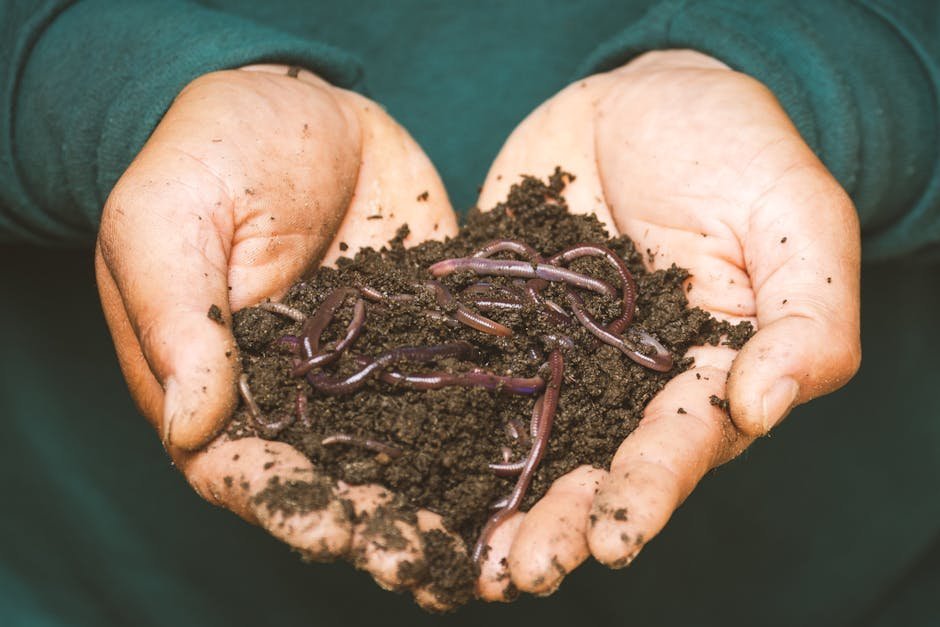
Here’s the thing most beginner gardeners get completely wrong: they think of soil as a growing medium, a passive substrate that simply holds roots in place. In actuality, soil is a lively interaction between structured solids such as weathered rock minerals and decaying organic matter, living microorganisms, and plant roots, as well as water, air, and nutrients. Professional growers understand this deeply, which is why they obsess over soil biology long before they ever think about planting.
Soil is a living ecosystem – a large community of living organisms linked together through nutrient cycles and energy flows. Every teaspoon of soil is home to billions of microorganisms including bacteria, fungi, nematodes, insects, and earthworms that play important roles. Bacteria and fungi break down dead plant and animal tissue, which then become nutrients for plants. Think of your soil like a city. If the infrastructure collapses, nothing on the surface functions properly. Keep the underground city thriving, and your plants practically take care of themselves.
Secret #2: Always Conduct a Soil Test Before Planting Anything
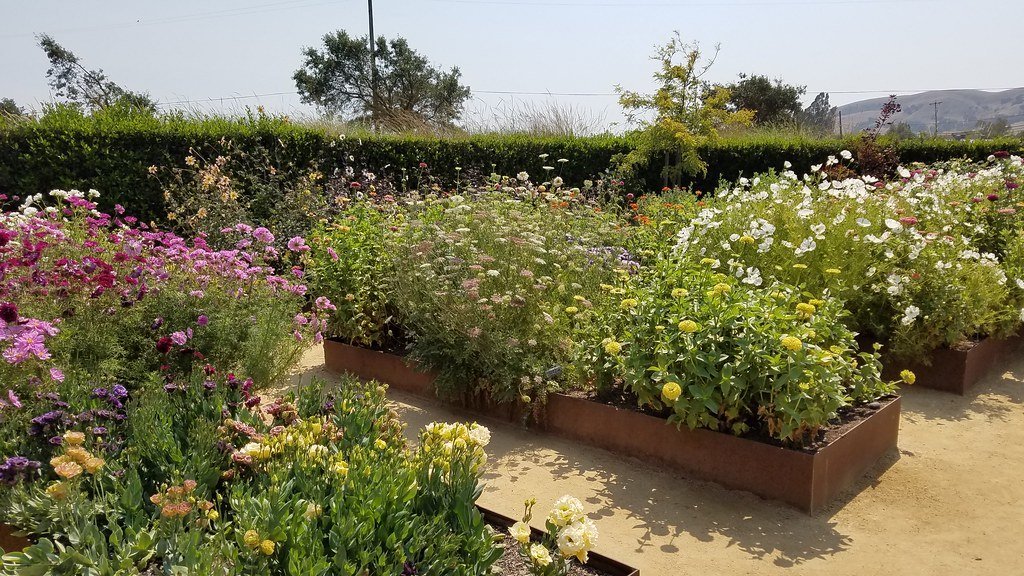
Most home gardeners skip this step entirely, and I think it’s the single most costly mistake people make in the garden. Before planting, it is crucial to test your soil to determine its nutrient levels and pH. Soil tests reveal what nutrients are already present and what needs to be added for optimal plant growth. Professional growers never guess. They test, then act based on real data.
Most vegetables thrive in slightly acidic soil with a pH between 6.0 and 6.5. If your soil is too acidic, apply dolomitic lime to neutralize it while adding beneficial magnesium and calcium. However, avoid adding lime to already neutral or alkaline soil, as it can make essential nutrients less accessible, leading to stunted growth, yellowing leaves, and poor fruit production. Getting a soil test is cheap, fast, and removes all the guesswork. It’s the difference between spraying fertilizer into the wind and feeding your plants exactly what they need.
Secret #3: Compost Is Not Optional – It Is the Foundation
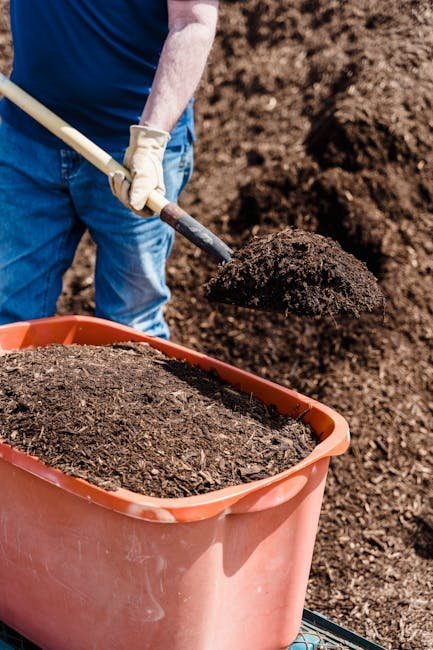
Experienced growers treat compost the way chefs treat a good stock. It’s the base of everything. Compost is decomposed organic matter, and working it into soil will feed the soil, improve soil structure, enable soil to retain nutrients, promote good drainage while also absorbing water deep in the soil, keep soil loose so air can reach plant roots, help maintain a neutral pH, and protect plants from many common garden diseases. That’s a staggering list of benefits from one single input.
Good compost supplies both the organic matter for soil building and the fertilizer for the crops. Most importantly, it is packed with soil organisms that trigger biological activity and inoculates your soil with microbes that will digest nutrients present in the soil and feed your plants. Adding compost is not a once-and-done type deal. It is part of a continuous process to renew nutrients in the soil. Think of compost not as a product you add once but as a commitment you make every single season.
Secret #4: Never Walk on Your Garden Beds
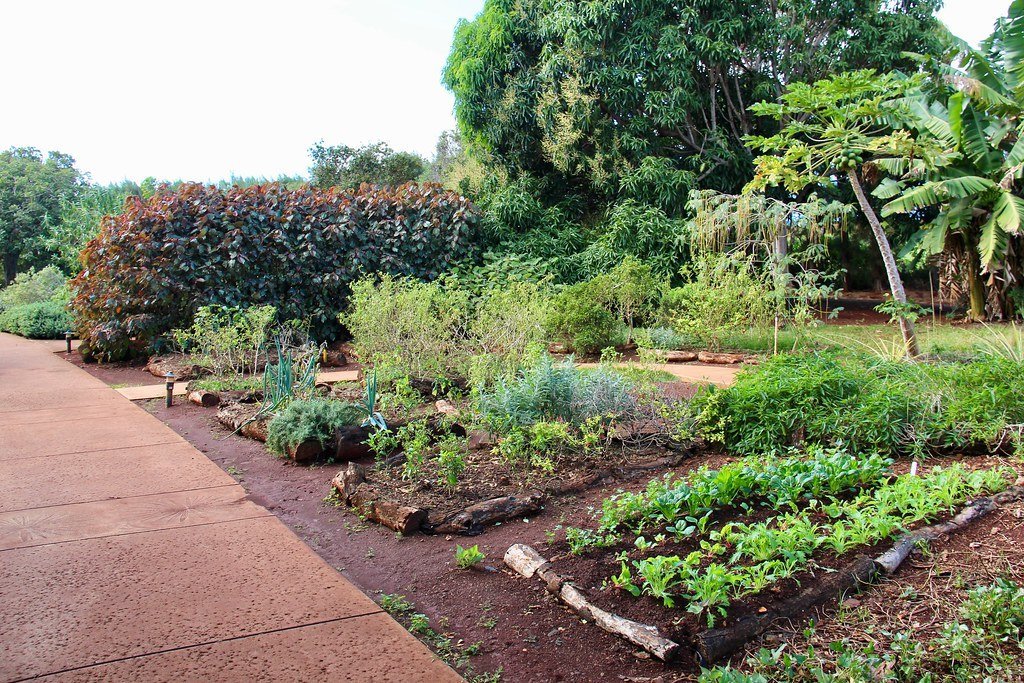
This one sounds trivial. It is absolutely not. One rule learned early in garden training is to never walk in garden beds. Stepping on garden soil compacts it, which destroys tilth as well as beneficial soil organisms and their habitat. Establishing permanent beds and walkways so that the beds are clearly defined and keeping them narrow enough that you can reach all areas without stepping inside will keep foot traffic out.
Use designated walking paths through planting beds to avoid compacting soil around plant roots. Some design options include planting in raised beds no wider than four feet that allow you to reach across. Professional growers design their gardens around human movement, not just around plants. Compacted soil is like concrete for roots. Drainage fails, oxygen vanishes, and even the healthiest seedling will struggle to push through. A simple path of stepping stones or wood chips between beds eliminates this problem permanently.
Secret #5: Master the Art of Companion Planting
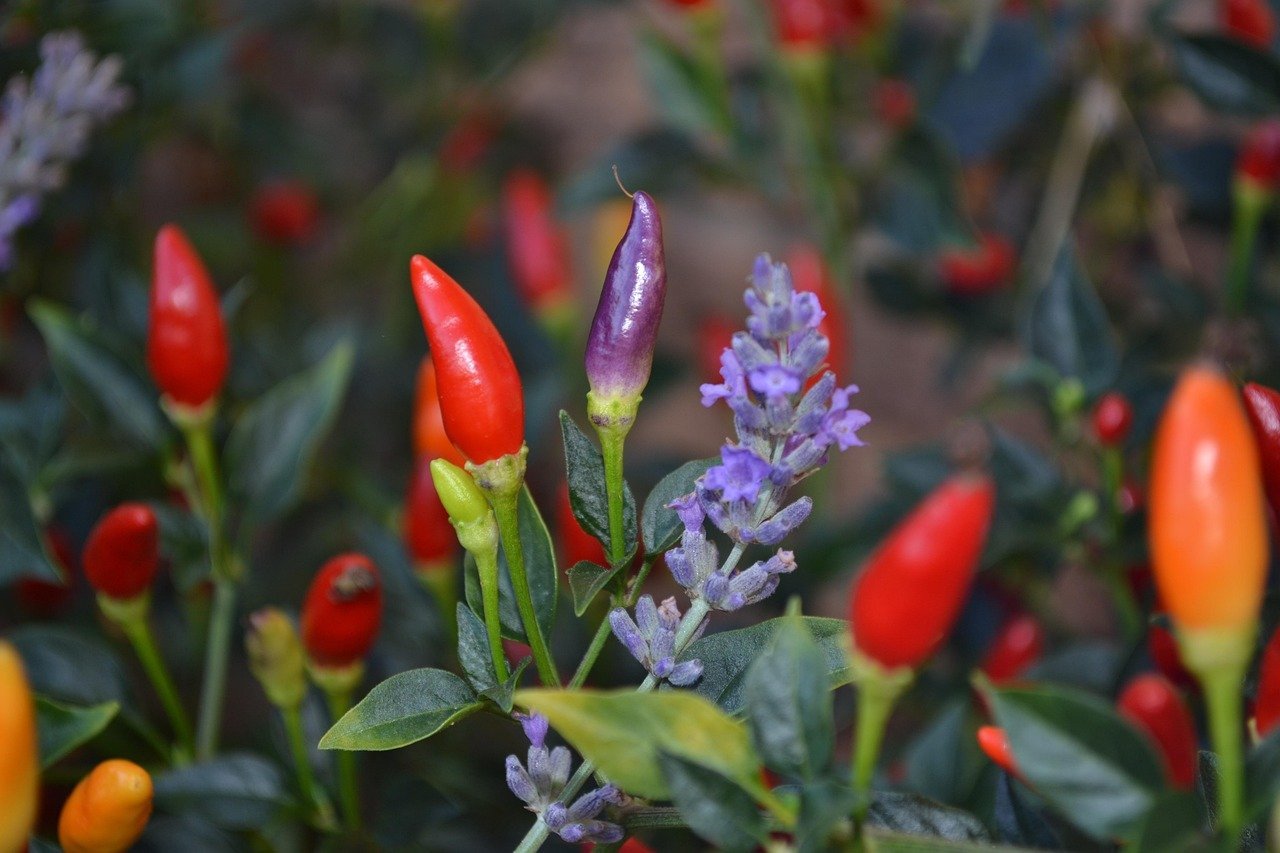
Companion planting is a powerful gardening technique that enhances plant health, improves crop yields, and naturally controls pests. Professional growers have used it for decades because it works, and the science now backs up centuries of traditional farming wisdom. Some plants release natural chemicals that deter pests, while others help improve soil structure or provide shade to their neighbors.
The classic example is the “Three Sisters” method, used by Native Americans for centuries. This trio consists of corn, beans, and squash. Corn provides a natural trellis for beans, beans fix nitrogen in the soil, and squash acts as a living mulch, conserving soil moisture and preventing weeds. This method also maximizes space, allowing for a productive garden in a small area. On a smaller scale, basil planted with tomatoes not only repels pests like aphids and tomato hornworms but can enhance tomato growth as well. Research shows that basil can improve tomato flavor and growth, making this a classic companion pairing.
Secret #6: Use Drip Irrigation Instead of Overhead Watering
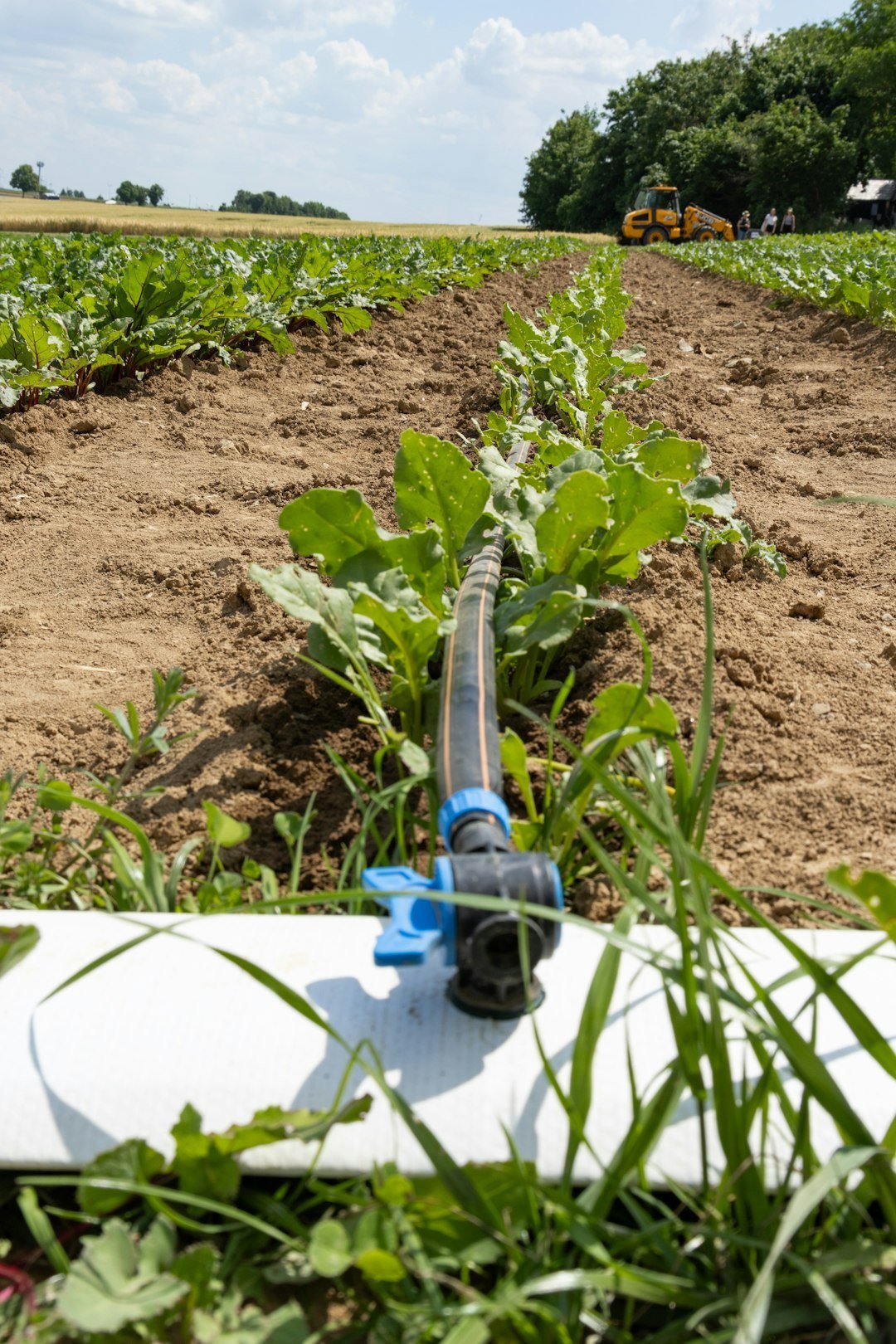
Walk into any serious commercial growing operation and you’ll see drip lines everywhere. There is a very good reason for that. Efficient irrigation practices are essential for healthy plant growth and water conservation. Implementing precision irrigation techniques such as drip or micro-irrigation systems ensures accurate water delivery while minimizing wastage.
When watering your garden, it’s best to use drip irrigation or a soaker hose instead of a sprinkler. The leaves stay dry, minimizing diseases, and it reduces evaporation. Wet foliage is essentially an open invitation for fungal infections, powdery mildew, and all manner of bacterial diseases. Regularly monitoring moisture levels to avoid over or under watering is equally critical. Drip irrigation does both jobs at once. It delivers water precisely at the root zone while keeping the canopy completely dry.
Secret #7: Practice Succession Planting to Extend Your Harvest All Season
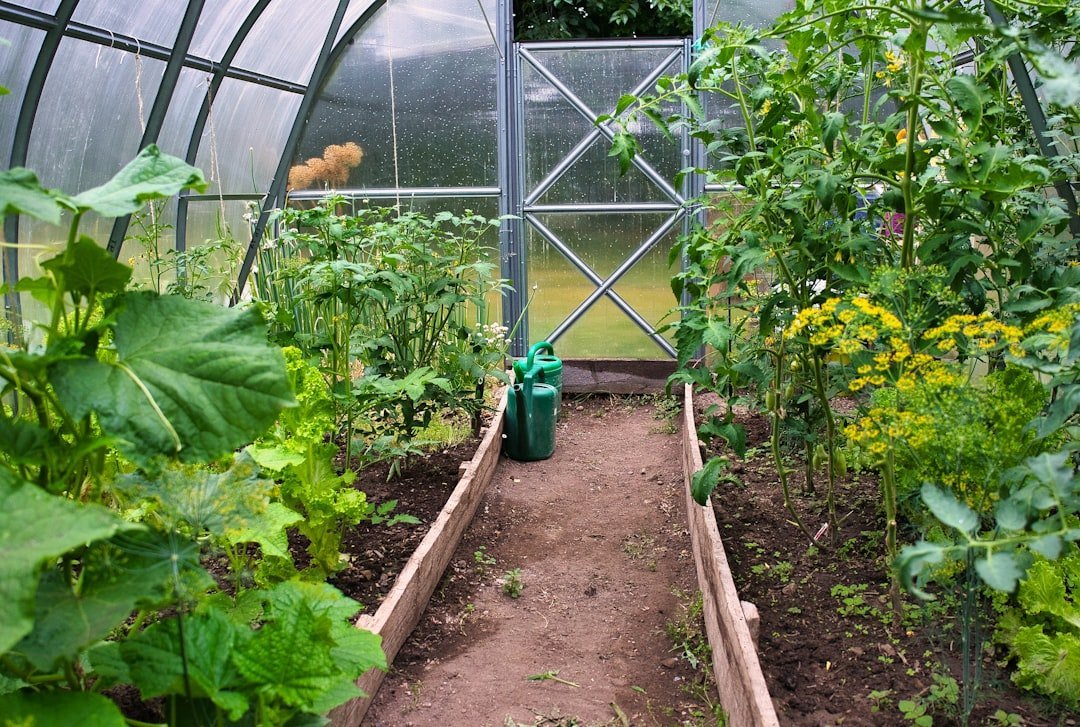
Most home gardeners plant everything in one go and then scramble to eat it all before it bolts or rots. Professional growers think in waves. With succession planting, both farmers and backyard gardeners can produce family favorites for up to nine months out of the year. Succession planting refers to several planting methods where an additional crop is planted immediately after the initial one is harvested. It is perfect for efficient edible gardening as it helps extend the growing season and produce a continuous supply of vegetables.
Start with cool-weather crops like kale or peas in early spring, then switch them out for heat-lovers like tomatoes or cucumbers when temperatures climb. It’s like having multiple gardens in one space throughout the year. Be sure to consider crop rotation while vegetable gardening, too. Planting the same or related seeds after pulling up the previous crop could lead to soil disease and pest buildup. As a rule of thumb, avoid planting a vegetable in the same spot it has been planted in the last three years. This one strategy alone can transform a garden from a seasonal hobby into a near year-round food source.
Secret #8: Embrace Mycorrhizal Fungi as a Root-Level Supercharger
![Secret #8: Embrace Mycorrhizal Fungi as a Root-Level Supercharger ([1]
doi:10.3390/agronomy7040075, CC BY-SA 4.0)](https://festivaltopia.com/wp-content/uploads/2026/03/1774365752031_1774365739753_positive_effects_of_arbuscular_mycorrhizal_-28am-29_colo.jpeg)
doi:10.3390/agronomy7040075, CC BY-SA 4.0)
I’ll be honest: this one blew my mind when I first learned about it. Beneath the soil, there exists an invisible network that professional growers actively cultivate. Specialized mycorrhizal fungi form symbiotic, mutually beneficial relationships with plants. The fungi bring hard-to-reach nutrients and water directly to plant roots, and the plants provide the fungi with carbohydrates. It’s a biological trade deal happening silently underground.
Soil is alive and teeming with microbes. It is this biology that drives the breakdown of organic matter, the release of plant-available nutrients, and protection against plant pathogens. Many professional growers actively inoculate their soil with mycorrhizal products when transplanting seedlings, giving young plants an immediate boost. Avoiding heavy tilling preserves these fungal networks. Think of it like protecting a fiber-optic cable buried underground: once severed, the entire communication system fails.
Secret #9: Grow Vertically to Dramatically Increase Yield Per Square Foot
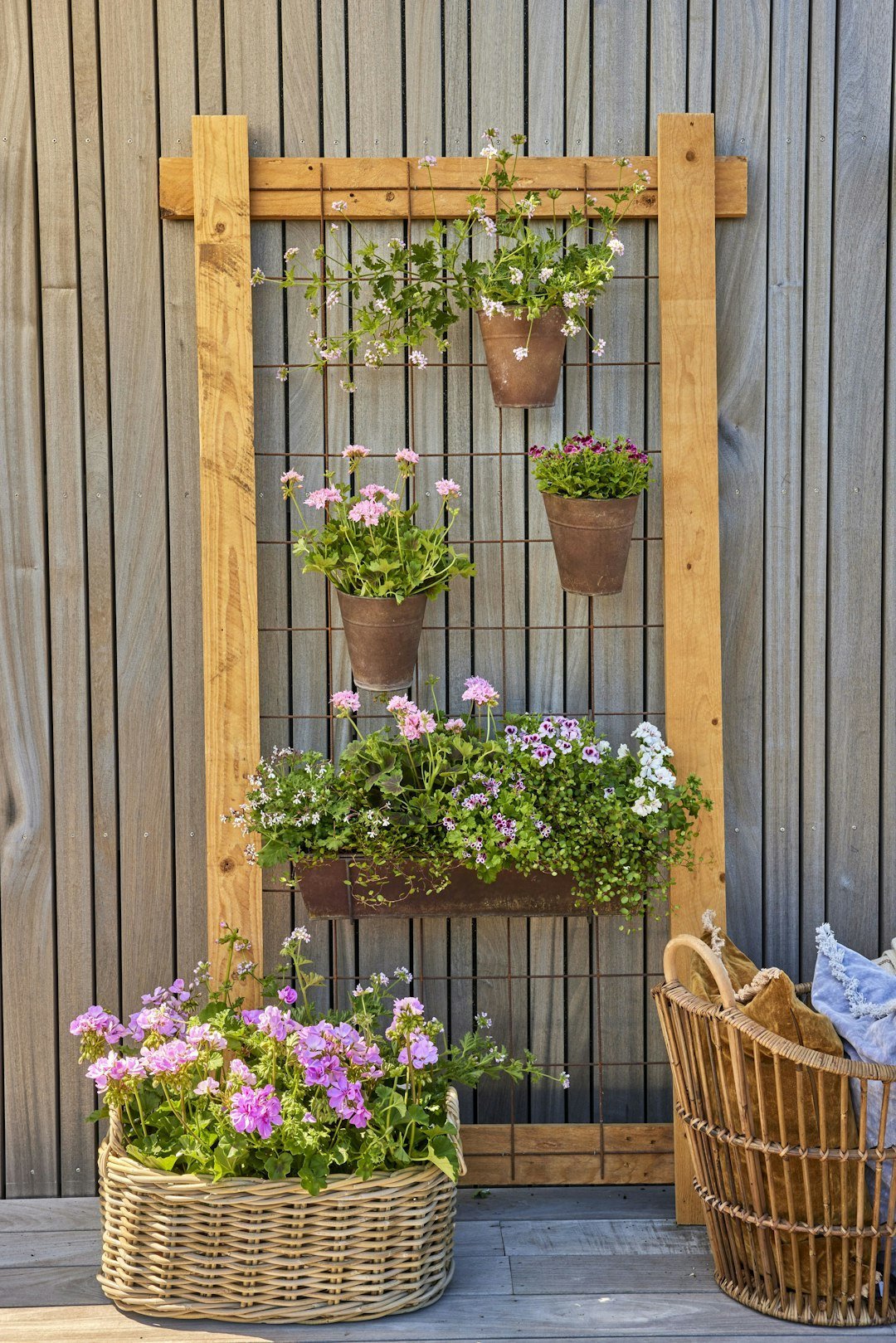
Space is almost always the limiting factor for home gardeners, and growing upward is one of the most underutilized solutions available. Using trellises, nets, strings, cages, or poles to support growing plants constitutes vertical gardening. This technique is especially suited, but not limited, to small garden spaces. Vining and sprawling plants such as cucumbers, tomatoes, melons, and pole beans are obvious candidates for this type of gardening.
Plants grown vertically occupy much less space on the ground, and though the yield per plant may be low, the yield per square foot of garden space is high. There is another bonus that most people overlook. Because vertically growing plants are more exposed than non-staked plants, they dry out quickly, which is actually an advantage to those plants susceptible to fungus diseases. Better airflow, less disease, more harvest per square foot. Vertical gardening is one of those rare techniques with almost zero downside.
Secret #10: Protect and Cover Your Soil Year-Round
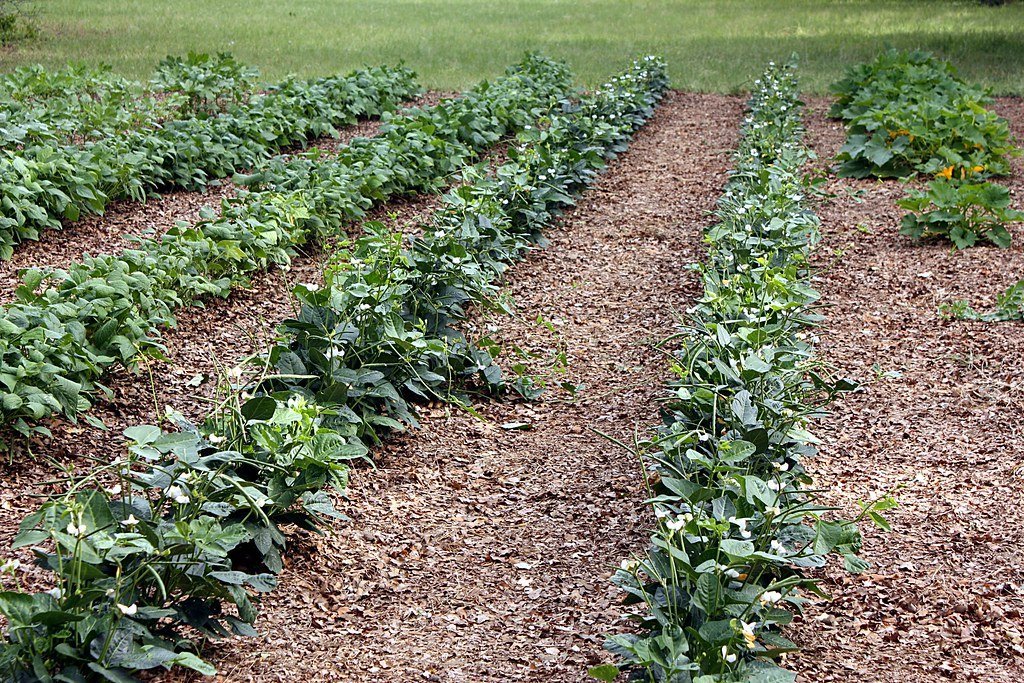
A bare patch of soil is not resting. It is degrading. Professional growers never leave ground exposed for long, and the reasoning is sound. The top few inches of soil contain an abundance of microorganisms, organic matter, and soil nutrients. Mulch or cover crops can be used to protect valuable topsoil from erosion and to add rich organic matter as they decompose.
Using a cover crop like vetch, clover, beans, or rye helps protect and nurture your garden soil over winter. Incorporating organic material like livestock manure or shredded leaves during fall soil prep is equally powerful. Sowing cover crops like crimson clover, rye, or vetch when not planting vegetables immediately helps restore the bed. Before the next planting season, turning cover crops under and adding nitrogen delivers the best results. Keeping the soil covered is not maintenance. It is investment. Every layer of mulch or every cover crop sown is a deposit into the bank account of your garden’s future productivity.
Start Growing Like a Professional
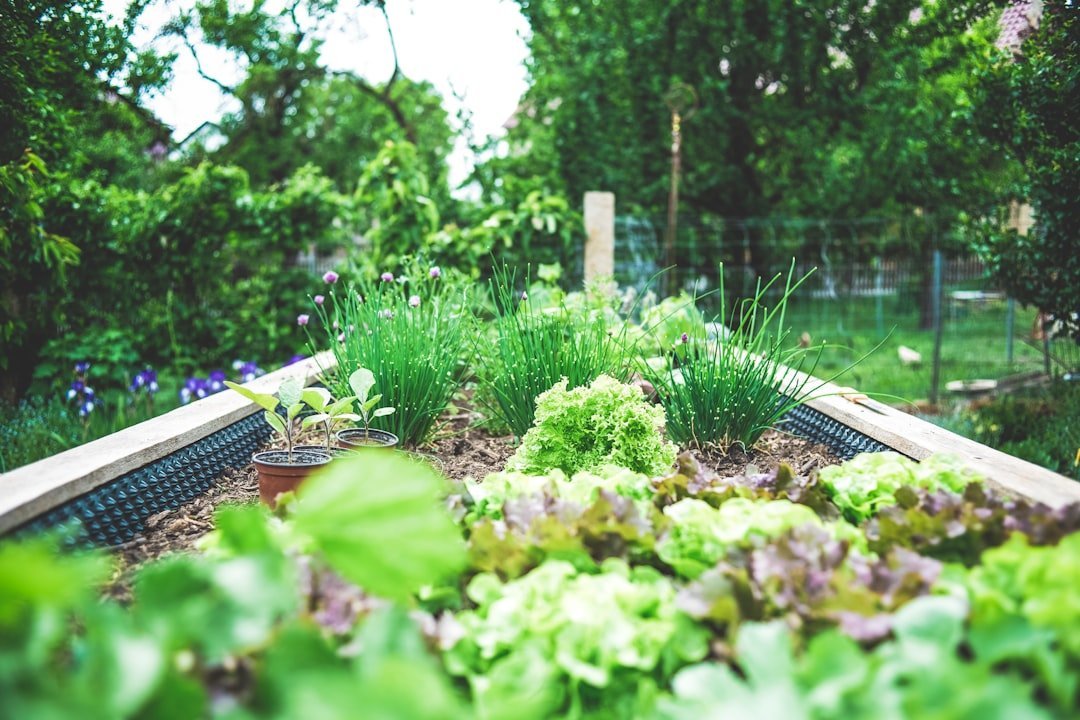
The gap between a struggling home garden and a thriving, productive one usually isn’t about luck or green thumbs. It comes down to the specific, repeatable habits that experienced growers apply season after season. These ten secrets are not complicated. They require no expensive equipment. They just require a shift in how you think about the garden as a whole system rather than a collection of isolated plants.
Start small. Test your soil this week. Add a layer of compost. Stop walking on your beds. Then watch what happens. The results might genuinely surprise you.
Which of these secrets were you already using, and which one caught you completely off guard? Drop your thoughts in the comments below!

Besides founding Festivaltopia, Luca is the co founder of trib, an art and fashion collectiv you find on several regional events and online. Also he is part of the management board at HORiZONTE, a group travel provider in Germany.
