

- The Surprising Benefits of Reading Books in Their Original Languages - September 19, 2026
- Top 10 Demanded Houseplants In The US – And How To Treat Them - September 19, 2026
- Jane Austen’s Timeless Masterpieces: Celebrating 250 Years of Literary Brilliance - September 19, 2026
There is something almost ancient about kneeling in the soil, pressing seeds into the earth, and waiting. Humans have been doing it for thousands of years, and yet in a world of infinite digital noise, gardening has never felt more radical. More necessary.
It is not just a hobby. Honestly, for many people, it is the closest they will ever come to understanding the natural world from the inside out. The smell of damp earth after rain. The quiet thrill of a seedling breaking through the surface. Gardening holds a kind of magic that no app, no meditation podcast, and no wellness subscription can fully replicate. Let’s dive in.
The Quiet Power of Mindfulness in the Garden

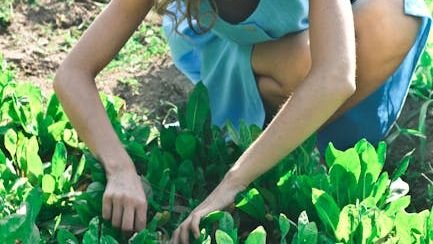
Here is the thing about mindfulness – most people struggle to find it sitting on a meditation cushion in a quiet room, but somehow it comes naturally when your hands are in the soil. At its core, gardening is an inherently mindful practice. Whether you are sowing seeds, tending to plants, or harvesting the fruits of your labor, gardening invites you to be fully present in the moment, attuned to the rhythms of nature and the needs of living organisms.
Gardening can be a meditative activity that encourages mindfulness and being present in the moment. Focusing on caring for plants and observing their growth can help quiet the mind and reduce negative thoughts. Think of it like this: weeding a garden bed is not so different from clearing mental clutter. You remove what does not belong, make space for what matters, and step back to witness something beautiful take shape.
The repetitive, rhythmic motions involved in gardening, such as weeding, watering, and pruning, activate the parasympathetic nervous system, promoting the body’s natural relaxation response. Individuals experience reduced physical symptoms of anxiety, including restlessness, rapid heartbeat, and shallow breathing. Few activities combine the physical and the psychological quite so effortlessly.
Gardening and Emotional Wellbeing: More Than Just a Good Mood
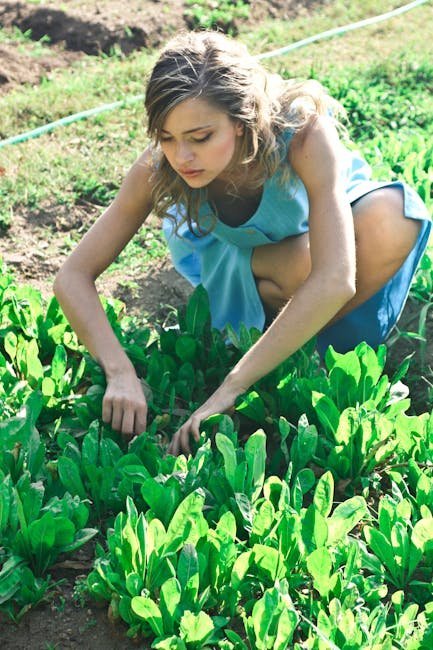
Home gardens serve as dynamic interfaces between environmental sustainability and human health, providing active, immersive engagement with nature. This positions gardening as more than a leisure activity but a transformative health practice. That framing might sound clinical, but the emotional reality is far warmer than any research paper can fully capture.
Research published in the Journal of Health Psychology reveals that therapeutic gardening significantly reduces cortisol levels, our body’s primary stress hormone, within just 30 minutes of gardening activity. Participants experienced decreased anxiety and improved mood states that persisted for hours after the gardening session ended. Thirty minutes. That is shorter than most lunch breaks.
Gardeners have articulated their feelings of satisfaction, achievement, pride, and meaning through several studies. There is something uniquely grounding about nurturing a living thing and watching it thrive under your care. The inevitable setbacks in gardening, such as plant diseases or weather damage, also provide safe opportunities to practice coping strategies and emotional regulation skills in low-stakes environments. Even failure teaches you something.
Biodiversity at Your Back Door
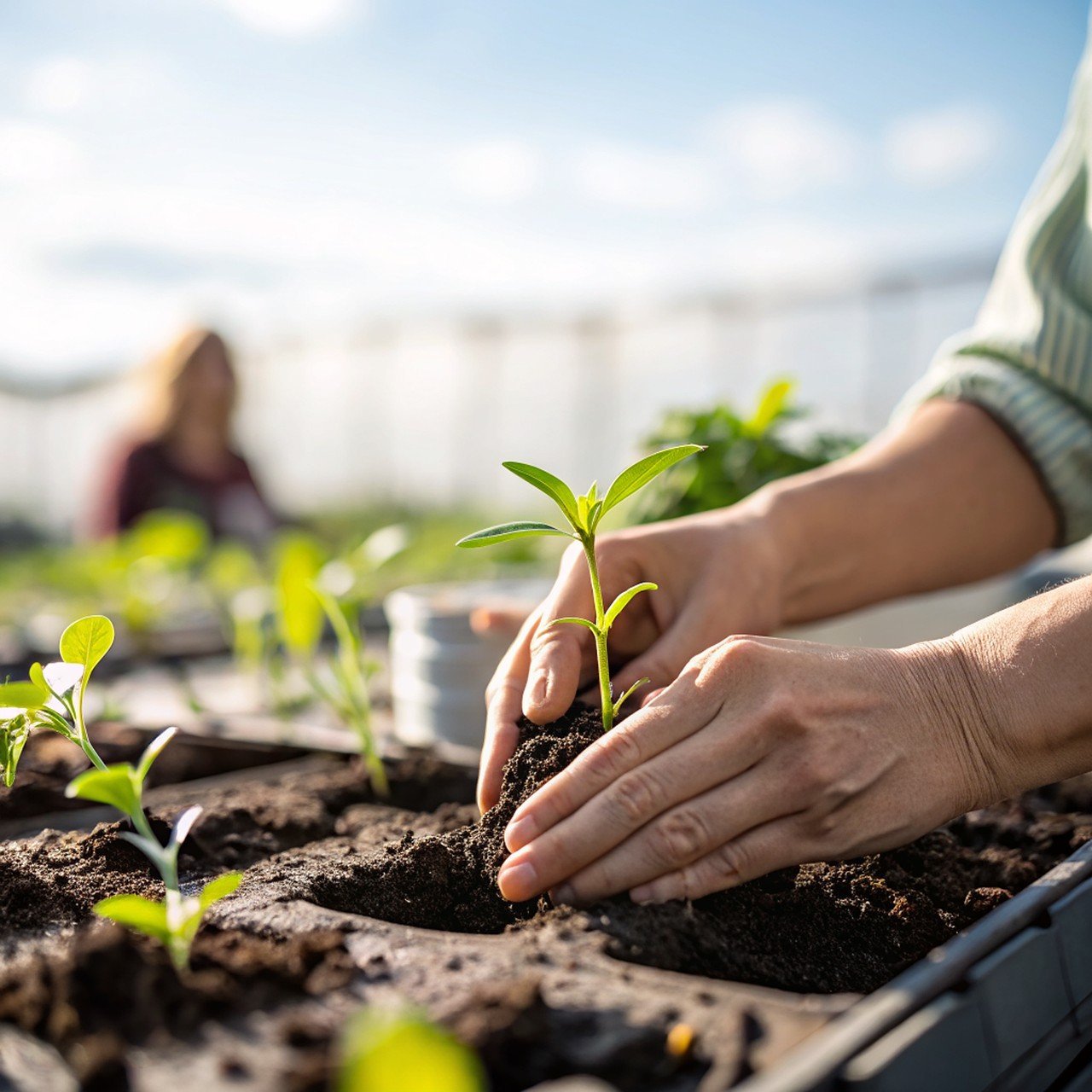
It is easy to think of biodiversity as something that happens in faraway rainforests or on wildlife documentaries. But look closer. Sustainable gardening creates spaces that work with nature, not against it. By choosing native plants, conserving water, composting waste, and using bio-based materials, gardeners can cut emissions, reduce waste, and support biodiversity, turning ordinary gardens into resilient, circular ecosystems.
Societies began to question the potential of nearby green infrastructures to human wellbeing, food provisioning, and the conservation of traditional varieties, as well as providers of important services, such as ecological corridors for wild species and carbon sinks. Your garden, however small, is genuinely part of that larger ecological web. A patch of wildflowers is a highway for bees. A compost pile is a city of microorganisms.
Beyond individual benefits, effective stewardship of the natural world promotes biodiversity and ecological health, contributing to cleaner air, greener cities, and a stronger sense of civic community. The garden that nurtures you, in turn, nurtures everything around it. That reciprocity is one of the most beautiful things about digging in the earth.
Seasonal Awareness: Letting Nature Set the Pace
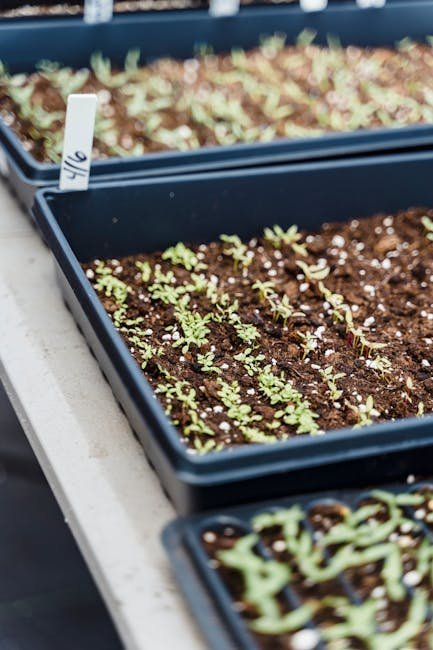
We live in a world where almost everything is available all the time. Strawberries in December. Tomatoes in February. Modern life has almost completely untethered us from the rhythm of the seasons. Gardening pulls you back. Hard.
At its core, gardening is an inherently mindful practice, a journey of presence, patience, and awareness. Whether you are sowing seeds, tending to plants, or harvesting the fruits of your labor, gardening invites you to be fully present in the moment. That presence naturally aligns you with seasonal patterns. You begin to notice when the first frost creeps in, when the days noticeably lengthen, when the soil temperature finally rises enough to plant.
Many present crop plants are endangered due to extreme environmental conditions induced by climate change or due to the use of a limited selection of plant materials. Changing environmental conditions are a challenge for plant production and food security, emphasizing the urgent need for access to a wider range of plant genetic resources. Seasonal gardening, especially with heritage or native varieties, becomes a form of quiet resistance against this loss. Every gardener who grows something old and forgotten is keeping a story alive.
Food Sustainability: Growing Your Own Matters More Than You Think
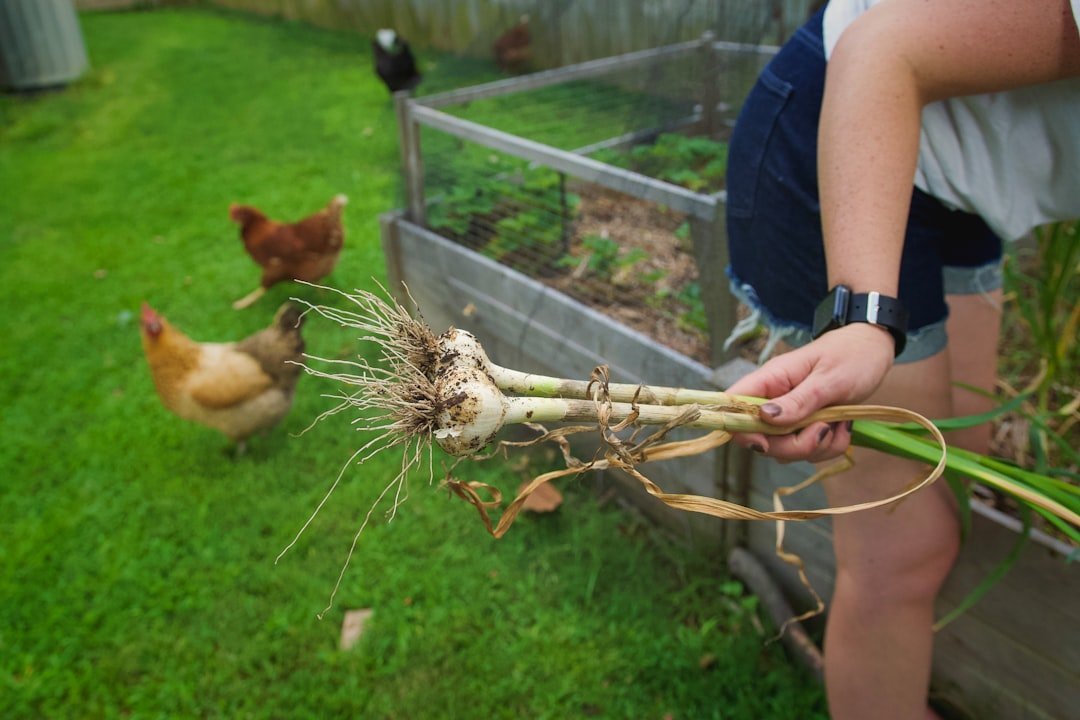
Let’s be real. Most of us have become so detached from our food that we have no idea how far it has traveled, who handled it, or what was sprayed on it. Growing your own food in garden beds or containers reduces the need for long-distance transportation of produce, lowering associated carbon emissions and the carbon footprint of a household. That is not a small thing. That is a genuinely meaningful act.
The most typical function of home gardens is to provide a regular supply of fresh vegetables, which are a very important part of a good diet as they contain various nutrients. Independent production not only saves money but ensures access to a healthy diet that contains adequate macro and micronutrients. It’s also deeply empowering to feed yourself, or your family, from something you built from a handful of seeds and a bag of compost.
Growing your own food provides a sense of self-sufficiency in times of crisis, whether it’s a pandemic, a natural disaster, or an economic downturn. Additionally, many home gardeners compost food scraps, which can enrich their gardens’ soil. This creates a sustainable cycle where waste is turned into valuable nutrients for new plants. A garden does not just feed you. It teaches you that very little needs to go to waste.
The Surprising Science Behind Soil and the Human Body
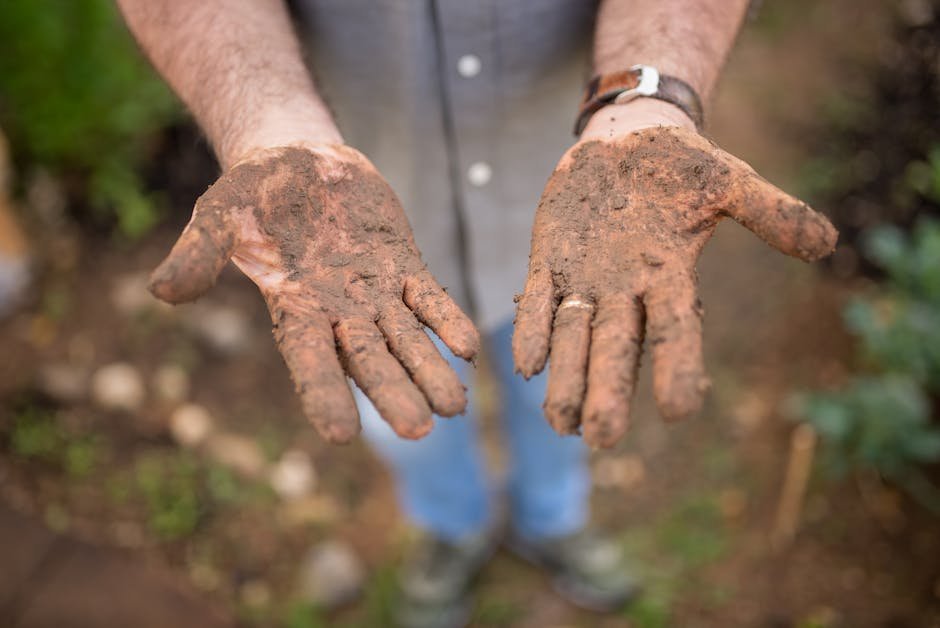
This one genuinely surprised me when I first came across it. Biologically, home gardens reconnect individuals with soil microbiota, enhancing immune function, regulating endocrine responses, and improving air quality. We are not separate from the soil. We evolved alongside it, and there is real science showing our bodies know it.
Exposure to soil, which contains beneficial microbes like mycobacterium vaccae, via touch has been shown to positively influence mood by stimulating serotonin production. It sounds almost too simple. You touch the earth, and it makes you feel better. But there it is, backed by science. The garden is quite literally a prescription hiding in plain sight.
Neuroscientific studies demonstrate that gardening activities stimulate the release of serotonin, dopamine, and endorphins, neurotransmitters essential for emotional regulation and mental wellness. Regular gardening practice creates positive neurochemical changes that support long-term mental health recovery. The more you dig, the more your brain rewards you for it. That feels like a fair deal.
Gardening as a Social and Community Bridge

Gardening is often pictured as a solitary pursuit. A lone figure in muddy boots, quietly tending their plot. That image is only half the story. Engaging in community gardening can promote good mental health and wellbeing through reducing stress, promoting a sense of belonging and acceptance, increasing confidence, and opportunities for mindfulness.
Community gardens positively impact the environment through shortening food supply chains, reducing food miles and CO2 emissions, and preserving green spaces that improve air quality, promote biodiversity, and the natural cooling of air and surfaces. Furthermore, community gardens can build community adaptation to climate change through building social and community resilience, food security, and community trust. That is a remarkable range of impact from something as humble as shared raised beds.
Several new gardeners reported that they formed new emotional bonds with fellow participants, and their existing social relationships improved as well. There is something about tending a shared space that breaks down walls between people. Neighbors who would never otherwise speak end up comparing notes on tomato blight. That is not nothing. That is community.
A Lifelong Connection: Gardening Across the Seasons of Life
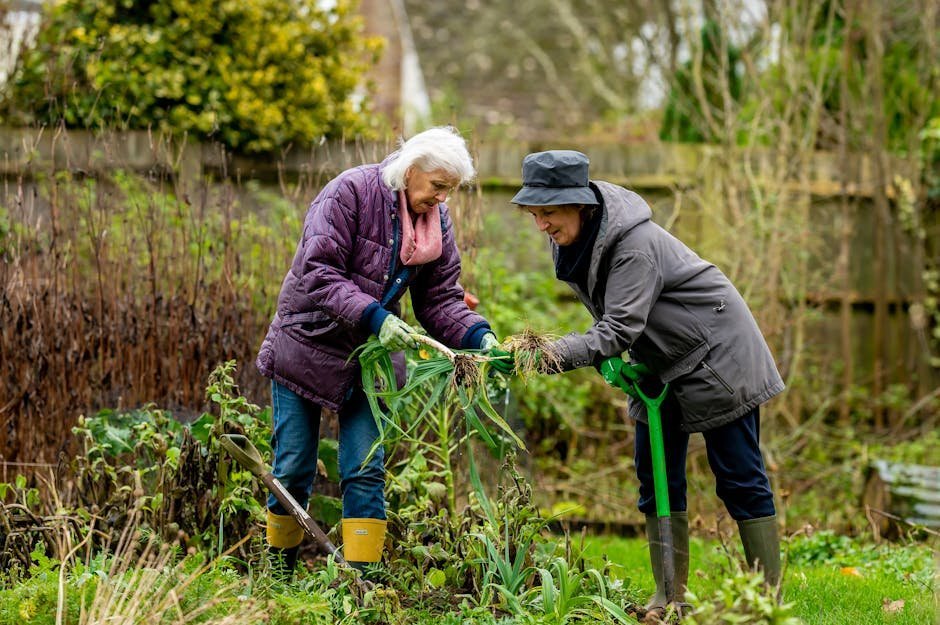
Gardening is a lifelong learning journey that offers endless opportunities for exploration, experimentation, and growth as you deepen your knowledge and skills in horticulture, ecology, and sustainability. It is also one of those rare activities that genuinely scales with age. A child can garden. A ninety year old can garden. The entry point is always open.
Research tracking participants over multiple years reveals ongoing improvements in psychological resilience and life satisfaction. Regular practice develops crucial resilience skills, including patience, adaptability, and hope. These qualities prove invaluable during challenging life circumstances and support long-term mental wellness. Patience is perhaps the most quietly radical gift gardening gives us, especially in a world where everything is expected instantly.
The social and emotional benefits of gardening complement the cognitive and biological advantages, demonstrating how personal green spaces nourish not only the body but also the mind and community. The garden becomes woven into daily life and relationships, contributing to greater happiness and resilience for those who cultivate it. It is hard to think of another single activity that offers quite so much.
Conclusion: The Garden Always Gives Back
Gardening is not a trend. It is not an aesthetic. It is one of the oldest, most honest conversations humans have ever had with the natural world. You invest time, attention, and care. Nature responds with abundance, beauty, and healing. The exchange is quietly extraordinary.
Human care for nature reciprocally enhances personal health and community resilience. That sentence deserves to sit with you for a moment. When you tend a garden, you are not just growing plants. You are growing yourself, your community, and your relationship with a planet that needs you to pay attention.
I think, in the end, that is what makes gardening so profound. It is not the harvest. It is the practice of showing up, season after season, and choosing to be part of something that is larger and older and wiser than any of us. So the question worth asking is: what would it mean to you to finally put your hands in the earth? What are you waiting to grow?

Besides founding Festivaltopia, Luca is the co founder of trib, an art and fashion collectiv you find on several regional events and online. Also he is part of the management board at HORiZONTE, a group travel provider in Germany.
