

- The Surprising Benefits of Reading Books in Their Original Languages - September 19, 2026
- Top 10 Demanded Houseplants In The US – And How To Treat Them - September 19, 2026
- Jane Austen’s Timeless Masterpieces: Celebrating 250 Years of Literary Brilliance - September 19, 2026
Few names in human history carry the weight that Ludwig van ‘s does. He did not merely write music. He rewrote the very language of sound itself. Centuries after his death, his symphonies still echo through concert halls, film scores, and even political revolutions. Yet for all his fame, the man behind the music remains endlessly surprising.
There is a strange gap between how well we think we know and how little we truly understand about his life, his quirks, his heartbreak, and his towering ambitions. The deeper you dig, the more human and extraordinary he becomes. So let’s dive in.
1. Nobody Truly Knows When He Was Born
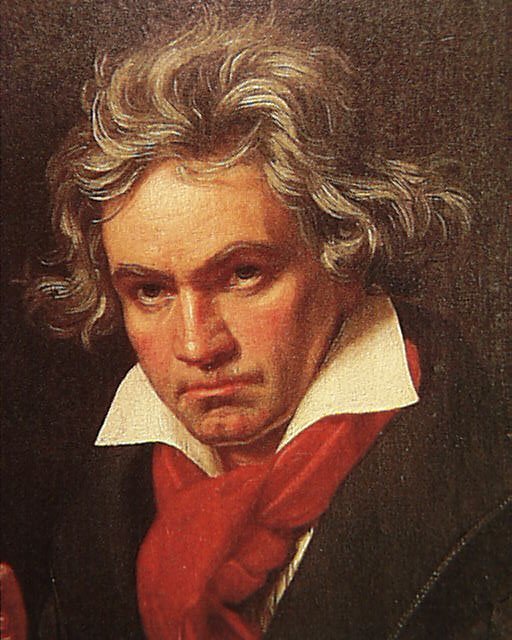
Here is something most people do not realize: ‘s actual birthday is a mystery. Ludwig van ‘s exact birthdate is not precisely known. Although sources say he was baptized on December 17, 1770, there is no official birthdate record. This seems almost impossible for one of history’s most documented figures, yet it is completely true.
It was common practice in 18th-century Germany to baptize infants the day after their birth, so historians speculate he was born on December 16. himself believed this to be true and celebrated his birthday on that date. Honestly, there is something poetic about a man who redefined musical certainty being born on an uncertain date.
Never mind the exact date, the year of ‘s birth is sometimes questioned, and for years the composer thought he was born in 1772, two years too late. This may have been a deliberate deception on the part of his father to make the musical prodigy seem younger, and therefore more advanced for his age, than he actually was. That kind of calculated illusion feels remarkably modern.
2. His Childhood Was Shaped by a Demanding, Alcoholic Father
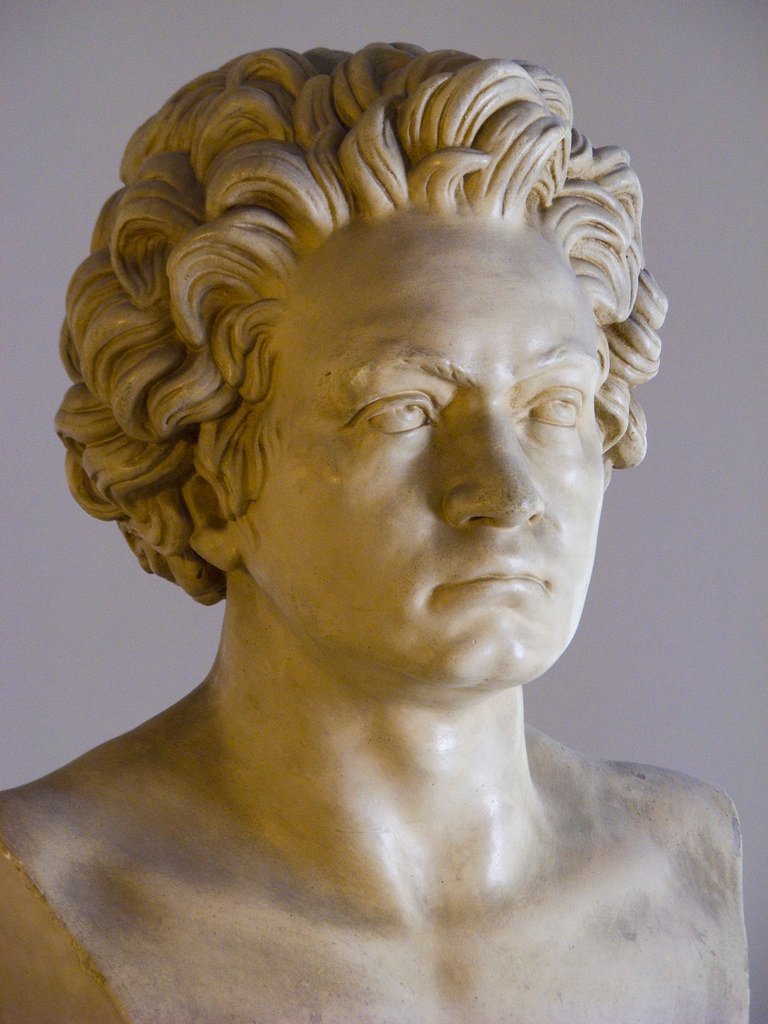
‘s father, Johann van , was determined to turn his son into a child prodigy like Mozart. To achieve this, he subjected young Ludwig to grueling practice sessions, often dragging him out of bed in the middle of the night to play for his friends. This harsh upbringing instilled in a relentless work ethic but also left him with a deep sense of resentment toward his father.
The warmth and closeness of the von Breuning family offered the young a retreat from his unhappy home life, dominated by his father’s decline due to alcoholism. It is hard not to feel for the boy who found warmth with a neighbour’s family because home was anything but safe.
‘s father pulled him out of school when he was only 10 years old. Having noticed his son’s exceptional talent and intelligence, he hoped this talent would translate into monetary benefits. By the time he was a teenager, he had assumed full responsibility for his family. The weight placed on those young shoulders was immense.
3. He Was a Terrible Mathematician Despite His Musical Complexity
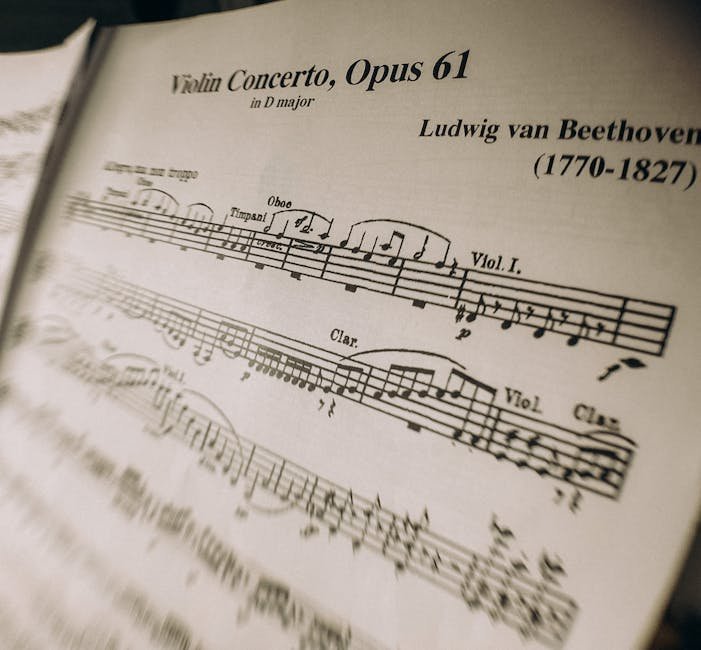
Let’s be real – this one surprises almost everyone. ‘s music is architecturally intricate, layered with rhythmic complexity and structural brilliance. Yet the man himself could barely do basic arithmetic. Despite the mathematical complexity of his compositions, always struggled with numbers. He left school at the age of 11, after learning how to add and subtract, but before learning how to multiply or divide. As a result, he found it difficult to keep track of his finances.
‘s musical abilities far exceeded his mathematical capabilities. As a student, learned how to add numbers but he could neither divide nor multiply. Throughout his life, he instead used addition as a means of simulating multiplication, thus adding up a column of sixteen sevens rather than multiplying 16 by 7. It is a strangely endearing image.
In an 1801 letter, he described himself as “really an incompetent business man who is bad at arithmetic.” The greatest composer who ever lived could not manage his own budget. There is a strange comfort in that.
4. His Deafness Began Far Earlier Than Most People Realize
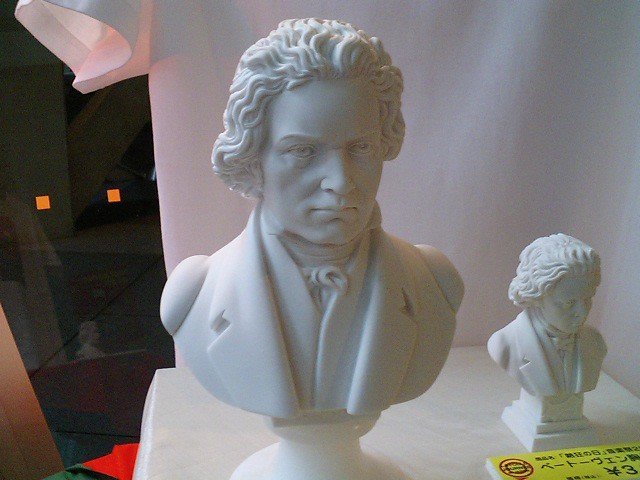
‘s deafness is his most famous personal struggle. Most people know the outline of the story. What fewer people grasp is just how early and quietly the silence crept in. first noticed symptoms of hearing loss around 1798, at the age of 27, when he began experiencing tinnitus – a persistent ringing in his ears – and difficulty hearing high-pitched sounds.
even continued performing publicly as a musician, which was necessary for many composers of the age. For the longest time he didn’t want to reveal his deafness because he believed, justifiably, that it would ruin his career. Imagine performing piano concerts for an aristocratic Vienna audience while secretly terrified your hearing is slipping away.
had heard and played music for the first three decades of his life, so he knew how instruments and voices sounded and how they worked together. His deafness was a slow deterioration, rather than a sudden loss of hearing, so he could always imagine in his mind what his compositions would sound like. ‘s housekeepers remembered that, as his hearing got worse, he would sit at the piano, put a pencil in his mouth, touching the other end of it to the soundboard of the instrument, to feel the vibration of the note. That image alone is worth sitting with for a moment.
5. The Heiligenstadt Testament: A Secret Suicide Note
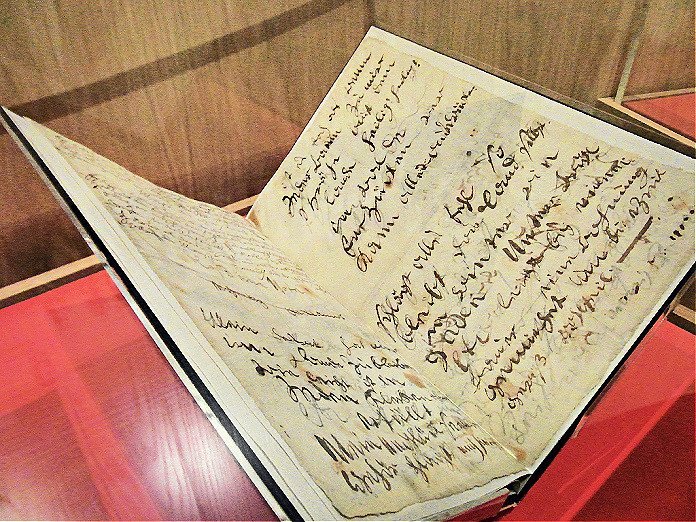
In 1802, retreated to a small village outside Vienna called Heiligenstadt, on doctor’s orders. What he wrote there stunned the world when it was discovered after his death. There he wrote the document now known as the Heiligenstadt Testament, a letter to his brothers that records his thoughts of suicide due to his growing deafness and his resolution to continue living for and through his art. The letter was never sent and was discovered in his papers after his death.
He confessed that only his art prevented him from ending his life: “It was only my art that held me back. Ah, it seemed impossible to leave the world until I had produced all that I felt called upon to produce,” he wrote to his brothers. That is not the declaration of a man who simply loved music. That is the confession of someone for whom music was the only reason to be alive.
In October 1802, he emerged from this crucible of suffering with a new determination: if he was to lose his hearing, he would compensate with creative vision. Emerging from Heiligenstadt, entered what scholars call his Middle Period, marked by bold, expansive works often nicknamed the “heroic” style. Crisis, it turns out, was the forge in which his greatest music was made.
6. He Furiously Tore Up His Dedication to Napoleon

I think this might be the most dramatically human moment in all of music history. originally composed his Third Symphony, the Eroica, as a tribute to Napoleon Bonaparte, whom he admired as a champion of revolutionary ideals and individual liberty. Then Napoleon crowned himself emperor. When Napoleon had himself named Emperor of France, greeted that news with fury: his hero had become a tyrant, and the composer would not dedicate a symphony to such a person. In disgust, the composer tore the title page from the symphony and cancelled the French tour. He gave the symphony a new sub-title, Eroica, implying more of a general heroism than specific deeds.
Audiences that had become accustomed to music being purely for entertainment suddenly faced a radical new idea, that like a literary masterpiece, a symphony could present its creator’s image of the world. That concept lay at the heart of the Romantic revolution, of which was one of the early adherents. His rage at Napoleon accidentally changed the entire philosophy of what music could be.
7. The Mystery of the “Immortal Beloved”
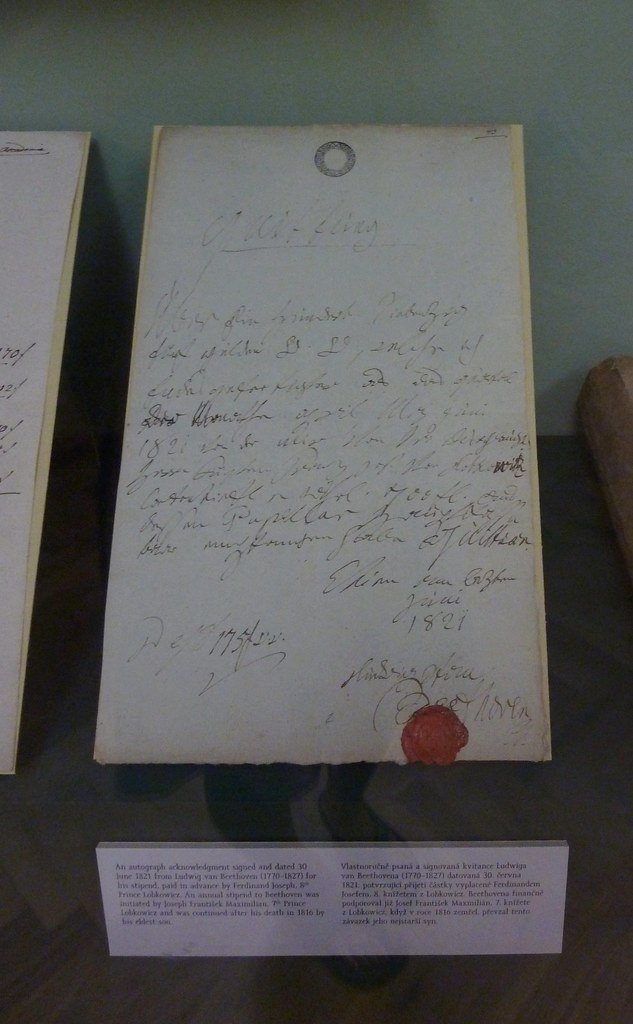
Among ‘s papers after his death was an unsent love letter, one of the most passionate ever written, addressed simply to his “Immortal Beloved.” His most famous love letter, addressed to his “Immortal Beloved,” remains one of the great mysteries of his life. The identity of the recipient has been debated for centuries, with candidates including Antonie Brentano, Josephine Brunsvik, and others. These unrequited loves often found their way into his music, imbuing it with intense emotion and passion.
‘s love life was complicated by the class system of early 19th century Vienna. He first fell in love with a young countess called Julie in 1801 but could not marry her because he was a commoner. A few years later he met and fell in love with Josephine Brunswick after he began giving her piano lessons in 1799. She later married a count who died in 1804 and she could not marry for fear of losing custody of her aristocratic children.
It is hard to say for sure which woman his heart truly belonged to. The cruel irony is that social class kept the greatest creative mind in Europe from forming the most basic of human bonds. first fell in love with a young countess named Julie “Giulietta” Guicciardi in 1801, but could not marry her because he was a commoner. His emotional frustration likely fueled compositions that still move listeners to tears.
8. He Broke Free from the Patronage System
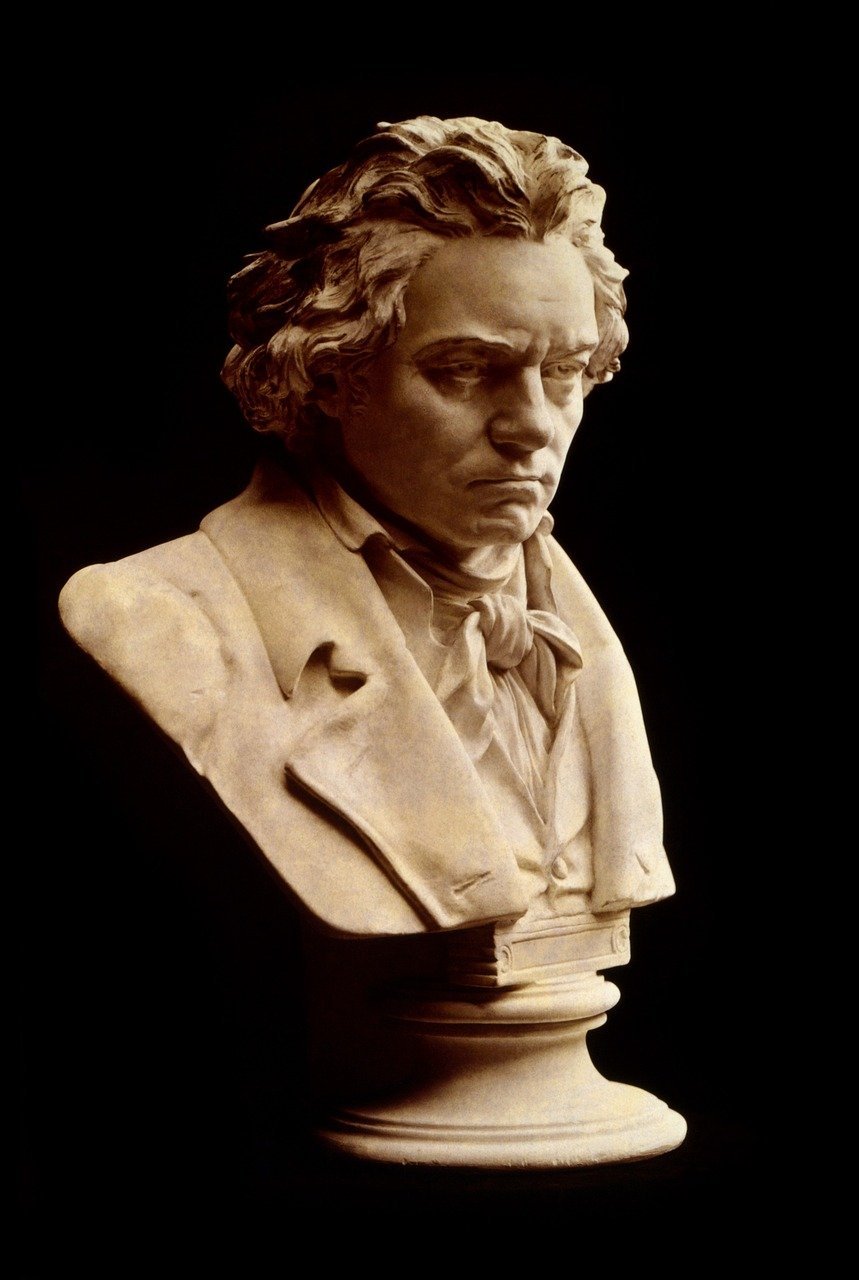
Before , composers were essentially employees. Mozart answered to patrons and courts. Haydn wore a servant’s uniform. changed all of that. was one of the first composers to break free from the traditional patronage system, where artists relied on aristocratic sponsors for financial support. Instead, he earned his living through public performances, publishing his works, and selling subscriptions to his compositions. This shift marked a turning point in the history of music, paving the way for future artists to assert their independence.
Think of it like this: he was the first rock star in the modern sense, building a career on talent and public demand rather than royal favour. Despite his acclaim, the composer always had to work hard to ensure a comfortable living by giving piano lessons, writing work commissioned by wealthy Viennese citizens, and publishing his own music. He traded security for freedom, which is something every working artist still grapples with today.
9. The Ninth Symphony Premiere: He Could Not Hear the Applause
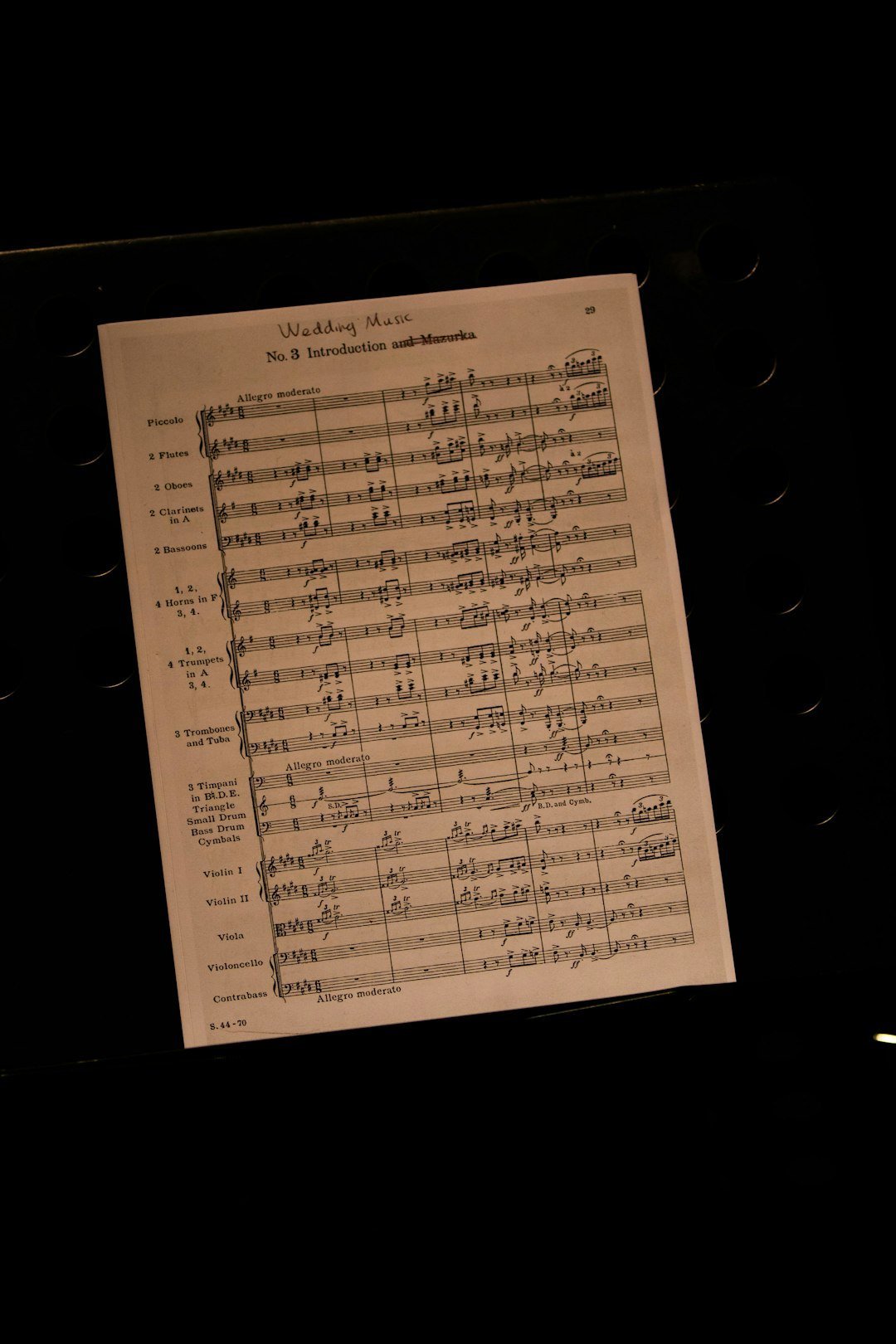
Perhaps no moment in music history is more heartbreaking and more triumphant at the same time. It is likely that never heard a single note of his magnum opus, Symphony No. 9 in D Minor, played. Yet he was still present at its premiere, still directing, still part of the occasion.
The premiere took place May 7, 1824, at the Kärntnerthor Theater in Vienna, with the deaf composer on stage beating time, but Michael Umlauf conducting. Despite ‘s deafness when he composed it, he couldn’t hear the thunderous applause at its premiere on May 7, 1824. A soloist reportedly had to turn him around to face the audience so he could see the ovation he could not hear.
In Symphony No. 9 in D Minor, rearranged the formal structure of the Classical symphony and incorporated a choral finale. The finale was a first in the history of Classical music: was the first composer to combine vocal and instrumental music in a symphony. The piece was not just a personal triumph. It was a fundamental reinvention of what a symphony could be.
10. His Music Was Used as a Symbol of Resistance in World War II

‘s reach extends far beyond concert halls and music theory classrooms. His work has been enlisted in the service of history itself. During the Second World War, the BBC used ‘s 5th Symphony to start its secret broadcasts over Radio London. They played the famous “pom pom pom” from the symphony, which translates to the letter “V” in Morse code, symbolizing Victory. A piece of music became a clandestine signal of hope for occupied Europe.
The political life of ‘s music did not stop there. His legacy as a lover of freedom is undimmed: his music has often been played in struggles against authoritarianism, such as during the Tiananmen Square protests in China in 1989 and, later that year, in the celebration following the fall of the Berlin Wall. That is an extraordinary arc for a man who died nearly two centuries ago.
It is almost impossible not to feel something profound about that. A deaf composer, born in obscurity, who fought his own father and society’s rules, who poured heartbreak and fury and joy into notes on a page, somehow ended up as the sound of human freedom itself. You really couldn’t write a better story.
Conclusion: Why Still Matters
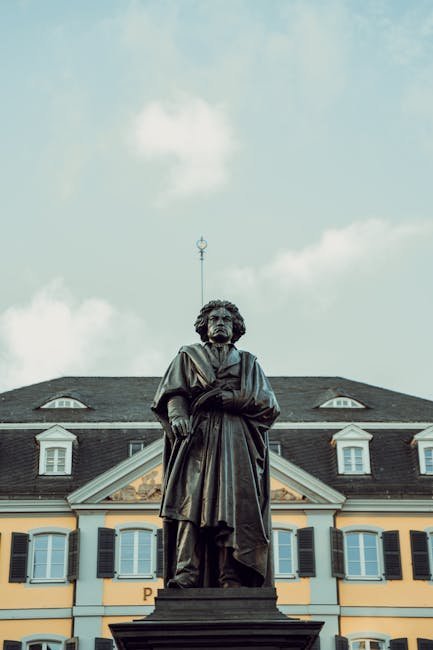
Widely regarded as the greatest composer who ever lived, Ludwig van dominates a period of musical history as no one else before or since. That is not just a compliment. It is a statement about the scale of what one human being accomplished despite every obstacle imaginable.
Ludwig van ‘s life was marked by triumph and tragedy, genius and eccentricity. His music continues to resonate with audiences worldwide, not only for its technical brilliance but also for its emotional depth and universal themes. In 2026, nearly 200 years after his death, that remains as true as ever.
What makes genuinely singular is not just his talent. It is his insistence on creating in the face of devastation. A man who could not hear, who could not love freely, who could not even multiply two numbers – and yet produced some of the most complex and beautiful works in human history. ‘s deafness was not merely an obstacle but a transformative force that redefined his music and legacy. From the defiant heroism of his middle period to the introspective genius of his late works, his hearing loss pushed him to innovate, adapt, and express the inexpressible. If that does not inspire you, honestly, nothing will. What part of his story surprised you most?

Besides founding Festivaltopia, Luca is the co founder of trib, an art and fashion collectiv you find on several regional events and online. Also he is part of the management board at HORiZONTE, a group travel provider in Germany.
