

- The Surprising Benefits of Reading Books in Their Original Languages - September 19, 2026
- Top 10 Demanded Houseplants In The US – And How To Treat Them - September 19, 2026
- Jane Austen’s Timeless Masterpieces: Celebrating 250 Years of Literary Brilliance - September 19, 2026
Music has this strange, almost magical quality. You can listen to the same song a hundred times and suddenly, on the hundred and first listen, something clicks. A line you’d glossed over a thousand times lands differently. The whole song shifts. What you thought was a breezy pop track turns out to be a raw confession. What sounded like a patriotic anthem is actually a gut-punch protest.
While the surface lyrics of a song may speak of love, freedom, or heartbreak, there’s often a deeper story, shaped by the artist’s life, the time in which it was written, or deliberate symbolism. It’s not an accident. Some artists cleverly hide personal confessions, social commentary, or cryptic metaphors behind catchy tunes – it’s a powerful form of expression, a language of emotions, and often an encrypted code carrying messages that many listeners miss at first glance.
The ten songs below are proof that what you hear isn’t always what was meant. Some of these will surprise you. Some might genuinely change the way you listen. Let’s dive in.
1. “Hotel California” – The Eagles (1976)
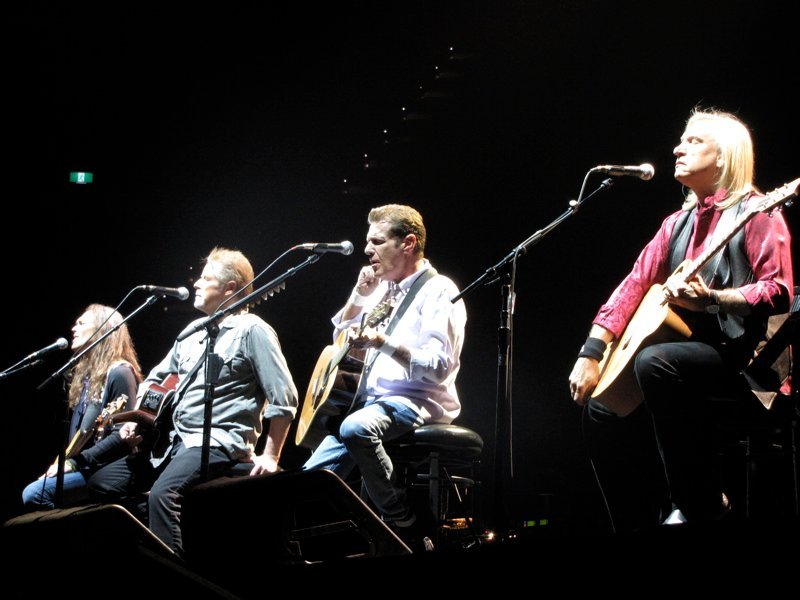
On the surface, “Hotel California” sounds like a surreal tale of a weary traveler checking into a mysterious desert inn. Glamorous, strange, slightly eerie. Most people just nodded along to that iconic guitar solo and left it at that. Honestly, for years, so did I.
The meaning of “Hotel California” by the Eagles is commonly interpreted as a metaphor for the seductive but dangerous lifestyle of the music industry in 1970s California. The song describes a luxurious place that slowly reveals a darker reality, symbolizing fame, excess, and the illusion of the American Dream. In 2007, singer Don Henley on “60 Minutes” talked about the meaning directly, saying that it’s about “the dark underbelly of the American Dream, and about excess in America.”
The hotel in the song symbolizes the alluring yet ultimately hollow nature of fame and fortune. The luxurious environment lures the traveler in, but he quickly discovers that it is a trap. The lyrics suggest a sense of entrapment, where the pursuit of excess leads to a loss of freedom and identity. That final verse pulls the whole thing into focus. The song is not warning us about some hotel off the highway. It’s pointing at something much closer to home: the way we build our own prisons through comfort, nostalgia, and routine. That is genuinely unsettling when you sit with it.
2. “Born in the U.S.A.” – Bruce Springsteen (1984)
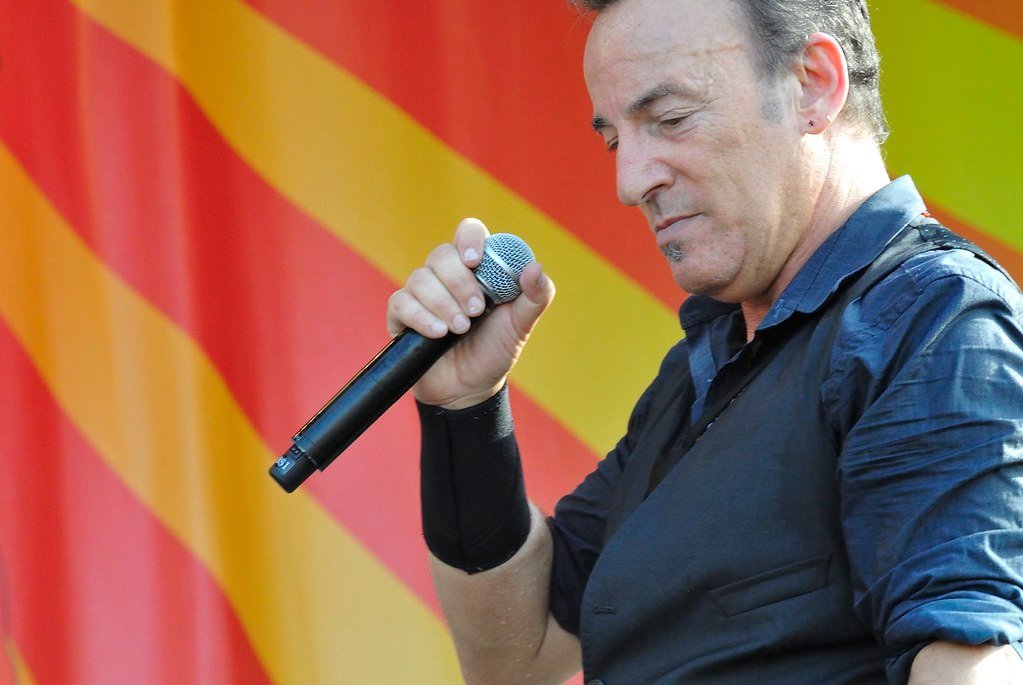
Here’s one of music history’s greatest misreadings. You’ve heard it blasted at sporting events, political rallies, and Fourth of July barbecues. It sounds triumphant, fist-pumping, proudly American. The chorus alone practically wraps itself in a flag.
In reality, Springsteen’s lyrics tell a much darker story. The verses speak of a Vietnam veteran struggling to reintegrate into society, facing unemployment and alienation. Springsteen has said the song is a critique of how America treated its veterans and working-class citizens. Perhaps of all American songs, none has been more consistently misinterpreted than the title track from Springsteen’s 1984 album. When people get the message wrong, they don’t just miss the point slightly – they think it means the opposite of what it actually means.
Despite its somber themes, politicians have frequently used the song at rallies, often ignoring the verses entirely. Most famously, President Ronald Reagan referenced it in a 1984 campaign speech, apparently only registering the chorus. With fist-pumping and a cutoff shirt, it felt like a celebration of being born in the USA, when really it’s a defiant song about “I was born in the USA, and I deserve better than what I’m getting.” Plenty of people didn’t get what it was about, including the president of the United States. Think about that for a second.
3. “Every Breath You Take” – The Police (1983)
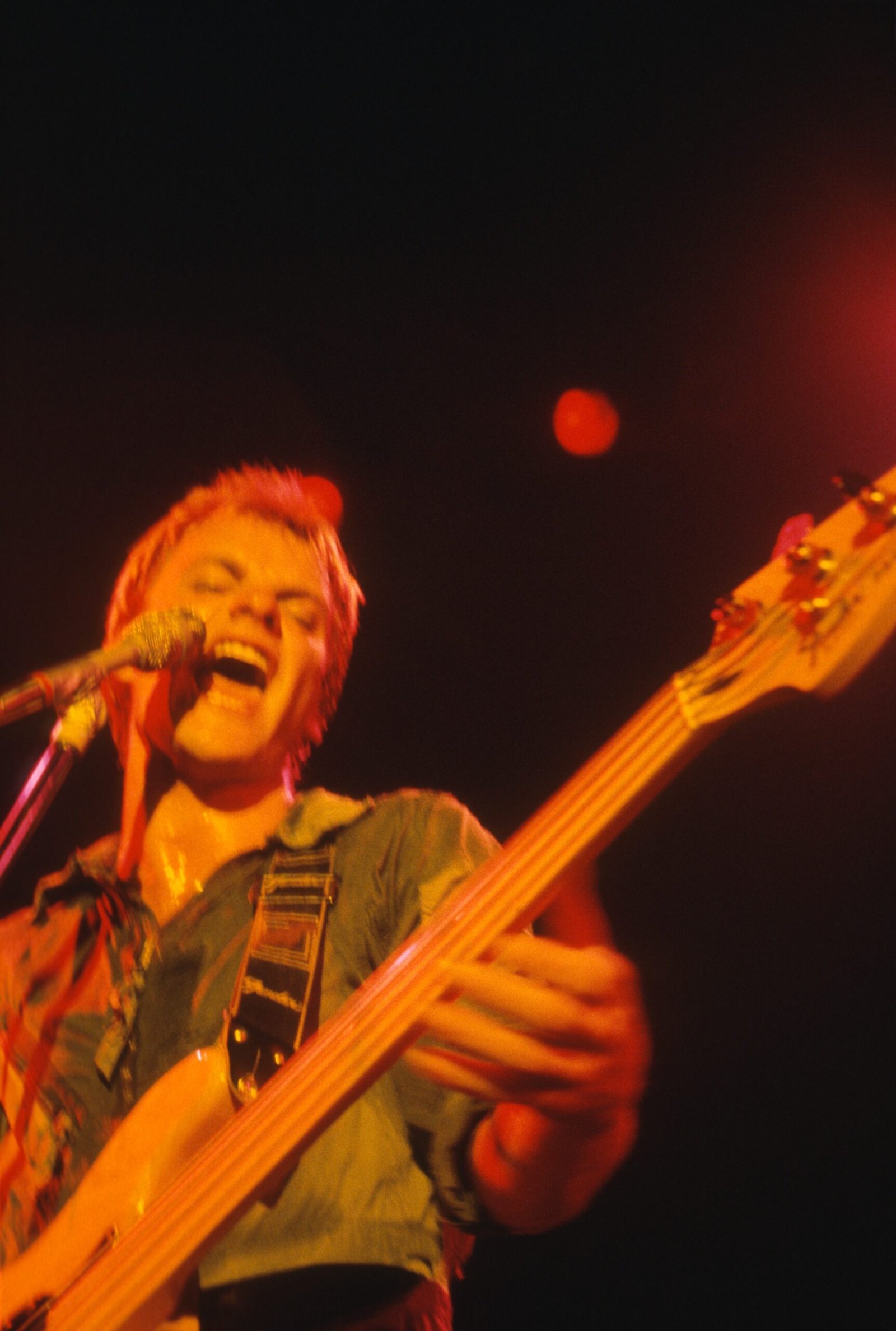
Without question, this is the gold standard of misunderstood songs. Couples have danced to it at weddings. Radio DJs introduced it as a romantic classic. It has the soft, pillowy quality of something tender and devoted. It is none of those things.
The Police’s “Every Breath You Take” has been played as couples’ first dance song at weddings since the ’80s, but Sting says it’s not a romantic ballad, but is instead “very, very sinister and ugly.” He wrote the song after a bad breakup and intended it to have more of a stalker-ish vibe than rainbows and butterflies. The song was written around the same time Sting divorced his wife of eight years. In his own words, it’s a “sinister” song about a dangerously obsessive man watching an ex-lover. He even credits George Orwell as an inspiration, as the possessive tone was inspired by Big Brother.
One couple told Sting, “Oh we love that song; it was the main song played at our wedding!” to which he thought, “Well, good luck,” adding “I think the song is very, very sinister and ugly and people have actually misinterpreted it as being a gentle little love song, when it’s quite the opposite.” The irony is that this creepy stalker anthem was recognized by BMI in 2019 as being the most played song in radio history and was estimated to generate between a quarter and a third of Sting’s music publishing income. Dark in every sense of the word.
4. “Blackbird” – The Beatles (1968)
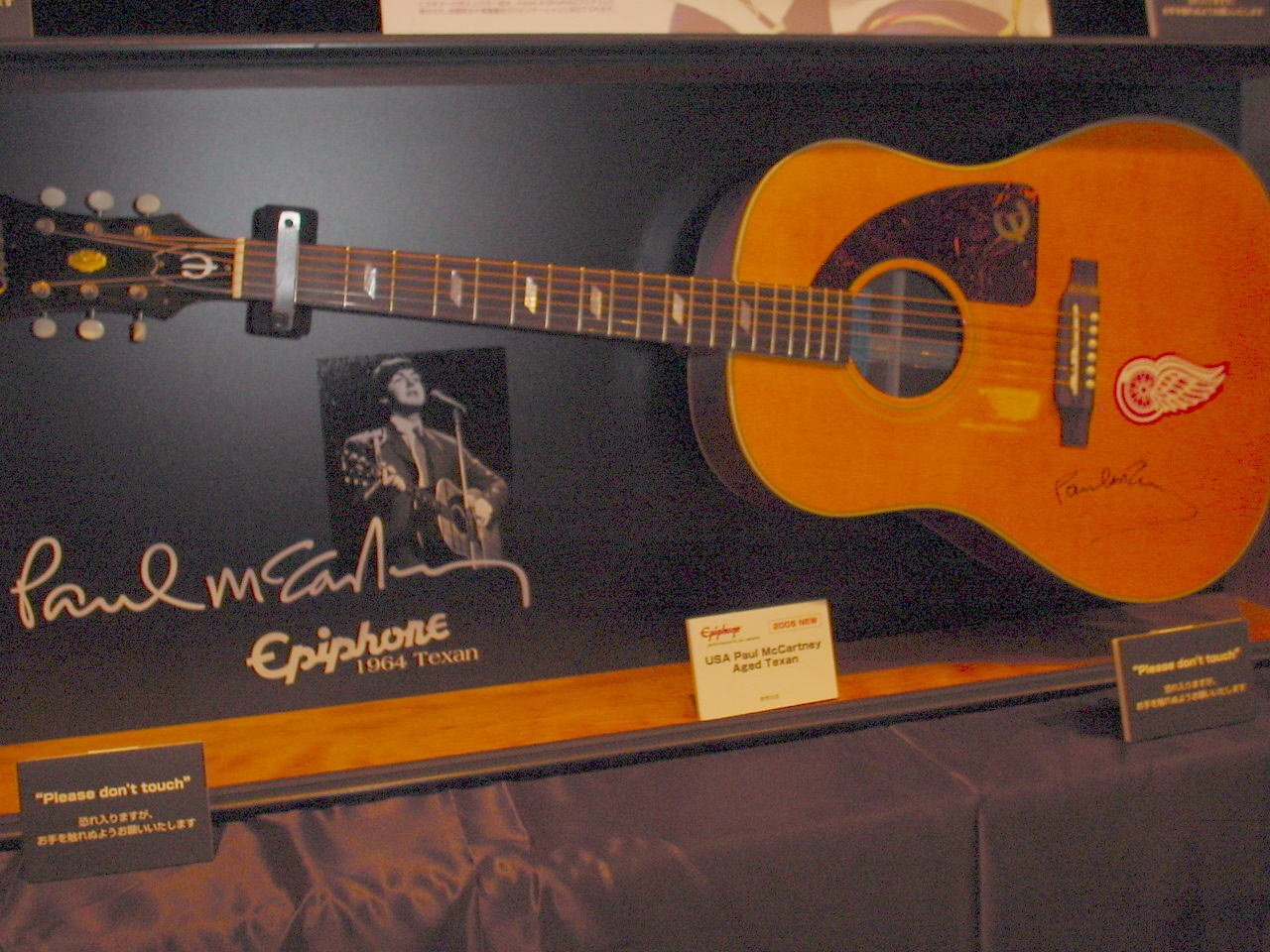
Most people hear a gentle, acoustic Paul McCartney melody about a bird learning to fly with broken wings. It’s beautiful. Peaceful. Sounds like a morning in the countryside. Except it was never about a bird at all.
“Blackbird” isn’t about a bird. “Blackbird” is symbolic for U.S. African American women during the civil rights struggle. In British slang, “bird” means girl, leading “Blackbird” to mean “black girl.” McCartney has gone on record numerous times claiming that “Blackbird” was inspired by the American Civil Rights Movement of the 1960s. The song was recorded on June 11, 1968, just two months after Martin Luther King Jr. was famously assassinated at Memphis’ Lorraine Motel.
That timing makes the song’s emotional weight almost overwhelming when you understand the context. In 2008, Paul McCartney confirmed this in an interview with Mojo when he said: “It wasn’t necessarily a black ‘bird,’ but it works that way, as much as then you called girls ‘birds’… it wasn’t exactly an ornithology ditty; it was purely symbolic.” The song’s invitation to “take these broken wings and learn to fly” transforms from a pretty metaphor into a profound call for freedom and dignity. Few songs carry that kind of weight so quietly.
5. “Pumped Up Kicks” – Foster the People (2011)
Let’s be real – this song is impossibly catchy. The whistled melody, the laid-back indie beat, the summer festival energy. Millions of people danced to it without stopping to consider what was actually being said.
The song was written and recorded by frontman Mark Foster while he was working as a commercial jingle writer, and contrasting with the upbeat musical composition, the lyrics describe the homicidal thoughts of a troubled youth named “Robert.” The song is about a boy named Robert, who fantasizes about shooting up his school. Foster told CNN Entertainment that he wrote “Pumped Up Kicks” when he began to read about the growing trend in teenage mental illness.
The artist says he wanted to write from a victim’s perspective but decided instead to get into the killer’s mind. According to him, it’s supposed to be an anti-gun song. Some critics felt that he was exploiting the issue. The song became so problematic that Mark Foster told Billboard he’s considering retiring the song due to its continued associations with school shootings. The song was temporarily pulled from circulation on certain U.S. radio stations in response to the Sandy Hook Elementary School shooting. A dance floor hit turned gut-wrenching social commentary. You really can’t make this up.
6. “Good Riddance (Time of Your Life)” – Green Day (1997)
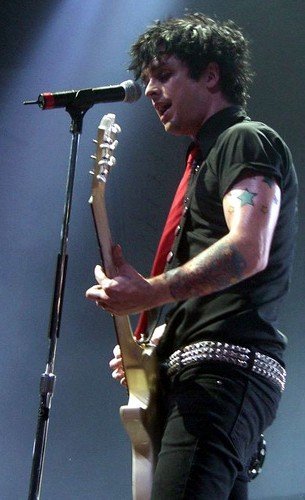
This one stings a little, especially if you’ve ever played it at a graduation or teary farewell. It sounds wistful, tender, reflective. It has been the soundtrack of thousands of yearbook videos and senior slideshows. The acoustic guitar practically weeps with nostalgia.
Billie Joe Armstrong wrote the song sarcastically after a painful breakup, wishing his ex well but with a sting in the words. The acoustic sound and reflective lyrics make it easy to interpret as sentimental, but the underlying bitterness is clear if you pay attention. Lead singer Billie wrote this when his girlfriend moved to Ecuador. He tried to be levelheaded about it, but to show his anger, he named the song “Good Riddance” and made “Time of Your Life” the subtitle.
The song’s famous line is often seen as a sincere wish for someone’s happiness, but there’s also obvious frustration and bitterness in it. It’s a sarcastic jab at his ex, as in “I hope you had a great time messing up my life.” The song of personal heartbreak with a sarcastic title was adopted as a contemplative high school graduation anthem. That gap between what people heard and what was intended is genuinely hilarious, and also a little heartbreaking.
7. “Lucy in the Sky with Diamonds” – The Beatles (1967)
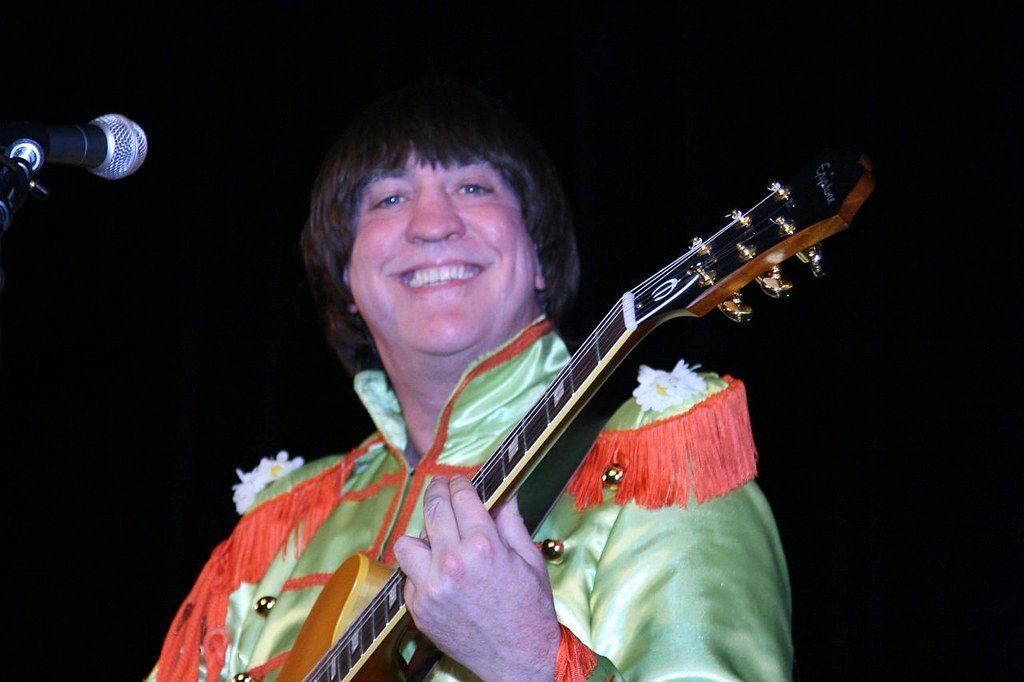
Few songs have generated as much conspiracy theorizing as this one. The title’s initials spell “LSD.” The imagery is kaleidoscopic, surreal, and floaty. For decades, people were convinced this was The Beatles’ most obvious drug anthem hiding in plain sight.
For decades, people were absolutely certain that the title spelled out “LSD” and that the whole song was a psychedelic drug trip disguised as a children’s fantasy. The truth is far more innocent and actually quite sweet – it was inspired by a drawing that John Lennon’s young son Julian made of his classmate Lucy, showing her floating in the sky surrounded by diamonds. Lennon consistently denied the drug connection, explaining the genuine child-like inspiration behind the surreal imagery.
The song’s dreamlike quality and unusual lyrics certainly didn’t help dispel the rumors, but sometimes a song about a girl with kaleidoscope eyes is just that. There’s something quietly beautiful about the real origin story. A father, a child’s crayon drawing, and a piece of paper that sparked one of rock music’s most misunderstood moments. It’s hard to say for sure whether the psychedelic reading is totally wrong, given the era, but the official origin is genuinely touching.
8. “Semi-Charmed Life” – Third Eye Blind (1997)
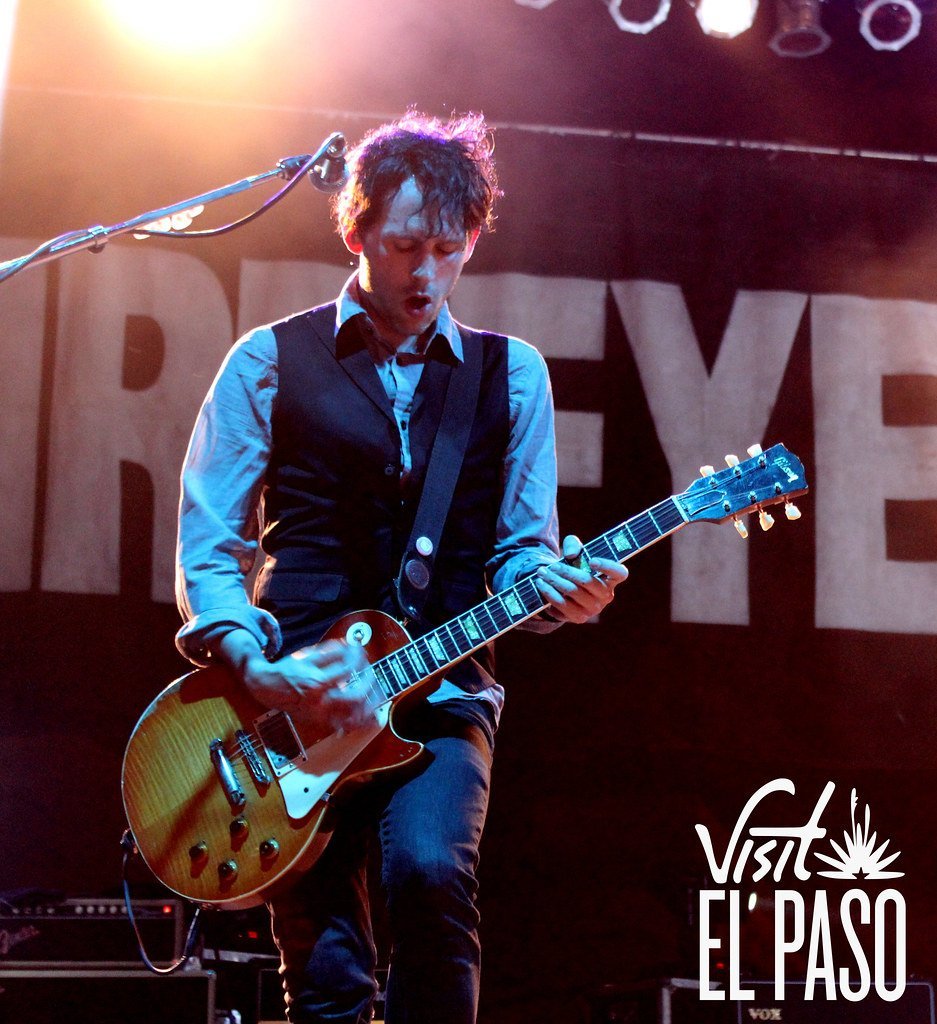
Picture a summer afternoon in 1997. Radio blasting, windows down, this irresistibly peppy song playing on repeat. People loved it. Nobody, it seemed, was paying close attention to the words.
“Semi-Charmed Life” is an infectious alt-rock hit, but beneath its upbeat melody lies a tale of addiction and self-destruction. The song’s rapid-fire lyrics reference crystal meth use, something many fans missed on first listen. Stephan Jenkins, the lead singer, wrote the song to capture the highs and lows of drug abuse. The catchy chorus and playful tone contrast sharply with the darkness of the subject matter. Released in 1997, the song slipped by radio censors, partly because its meaning was so well disguised.
It’s a masterclass in contrast, honestly. The sonic brightness works as a deliberate disguise. Only after multiple listens do the lyrics’ true implications become clear. The juxtaposition of sound and substance makes it a standout example of hidden meaning in pop music. When you know what you’re actually listening to, the whole track feels completely different. That dizzy, breathless energy suddenly reads not as euphoria but as desperation.
9. “Waterfalls” – TLC (1995)

To most listeners in the mid-90s, “Waterfalls” was simply a gorgeous R&B slow-burn with a haunting melody. It climbed the charts, dominated radio, and earned its place as one of the decade’s defining tracks. The deeper story it told, though, was urgent and devastating.
“Waterfalls” might sound like a smooth 90s R&B hit, but its lyrics carry a grave warning. The verses tell stories of risky behavior, from drug dealing to unsafe sex. The line “three letters took him to his final resting place” is a clear reference to HIV/AIDS, though many missed it at first. The song was released at a moment when the AIDS crisis was still ravaging communities, and TLC embedded that reality into a pop song millions would willingly listen to.
It’s a kind of Trojan horse for social messaging, and I think that’s genuinely brilliant. The song doesn’t preach. It tells stories. Personal, specific, heartbreaking stories about people chasing things that destroy them. Hidden messages encourage fans to dig deeper, analyze lyrics, and feel more connected to the artist. They create a sense of mystery and intimacy between the musician and the listener. It’s like being let in on a secret. “Waterfalls” earns that intimacy completely.
10. “I Shot the Sheriff” – Bob Marley (1973)
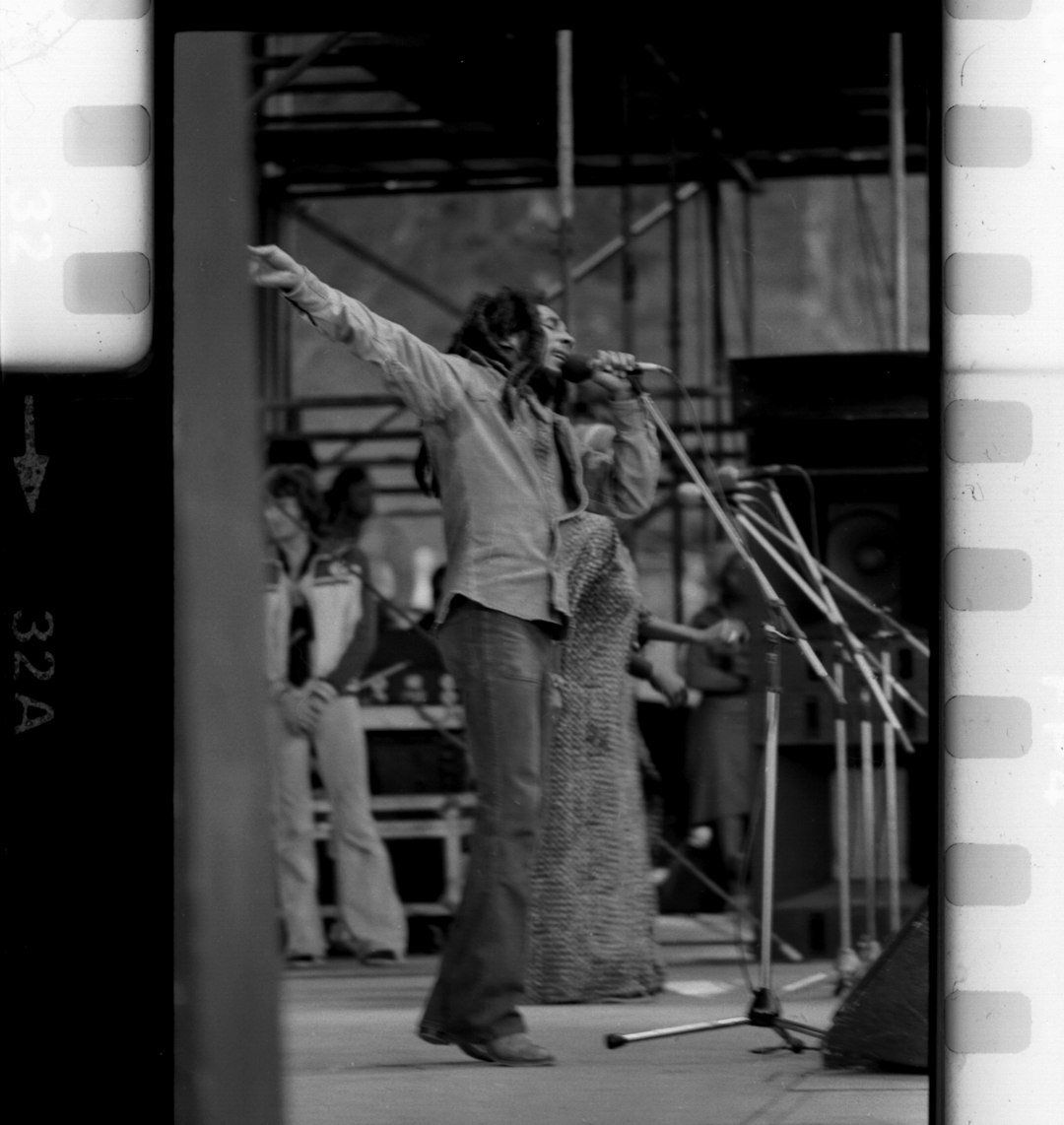
On the surface, this reggae classic sounds like an admission of guilt wrapped in a not-guilty plea. The narrator shot the sheriff but insists he did not shoot the deputy. Catchy, defiant, seemingly literal. Except it almost certainly isn’t.
Bob Marley was not talking about shooting an actual sheriff. According to his ex, the song was about Bob Marley not wanting her to take birth control pills. The sheriff in the song is the doctor that prescribes her birth control pills. That is when lines like “every time I plant a seed, He said kill it before it grows” make more sense. It’s a deeply personal and surprisingly intimate reading of what most people assumed was a straightforward reggae story.
Marley himself was deliberately vague about the song’s meaning in interviews, which only added to the mystery. The power of the track lies in that ambiguity. M.I.A., in a similar spirit about her own work, once hinted that she wants the meaning to be open to interpretation. Marley seemed to share that philosophy. Whether the interpretation involves birth control, political resistance, or something else entirely, the song rewards every listener differently. That’s the hallmark of truly great songwriting.
The Deeper You Listen, the More You Find

There’s something genuinely thrilling about discovering that a song you’ve loved for years has been quietly carrying a whole other story beneath the surface. It doesn’t diminish the original experience. If anything, it doubles it.
A great song often has more than one meaning. While the surface lyrics may speak of love, freedom, or heartbreak, there’s often a deeper story, shaped by the artist’s life, the time in which it was written, or deliberate symbolism. Hidden meanings aren’t tricks played on the listener. They’re invitations. They’re the artist trusting that eventually, someone will slow down enough to hear what was really being said.
From Springsteen’s quietly furious veterans to Sting’s chilling obsessive and TLC’s urgent social warnings, these songs remind us that music at its best is layered, living, and endlessly surprising. The next time a familiar song starts playing, it might be worth asking yourself: do I actually know what this is about? You might be shocked by the answer. What song surprised you most when you discovered its real meaning? Tell us in the comments.

Besides founding Festivaltopia, Luca is the co founder of trib, an art and fashion collectiv you find on several regional events and online. Also he is part of the management board at HORiZONTE, a group travel provider in Germany.
