


- The Surprising Benefits of Reading Books in Their Original Languages - September 19, 2026
- Top 10 Demanded Houseplants In The US – And How To Treat Them - September 19, 2026
- Jane Austen’s Timeless Masterpieces: Celebrating 250 Years of Literary Brilliance - September 19, 2026
There’s a reason people reach for music when the world feels like too much. A stressful commute. A sleepless night. That restless feeling you can’t quite name. Music has always been there, waiting. It is a well-established fact that music has soothing powers. It has a beneficial effect on your psychological functions, slows down your pounding heart and pulse rate, reduces the levels of stress hormones circulating in your body, and can even lower your blood pressure.
Music triggers neurotransmitter release, including endorphins, oxytocin, and dopamine, which contribute to well-being and anxiety reduction. Physiological effects, such as decreased heart rate, blood pressure, and cortisol levels, further support music’s anxiolytic potential. Honestly, when you look at the science, it’s almost hard to believe we don’t prescribe listening sessions the way we prescribe medication. Current findings indicate that music around 60 beats per minute can cause the brain to synchronize with the beat, causing alpha brainwaves. This alpha brainwave state is what is present when we are relaxed and conscious.
So what should you actually listen to? The world of calming music can feel overwhelming, and not all “relaxing” playlists are created equal. Below are ten compositions that have genuinely stood the test of time, each one with the power to quiet the noise in your head. Let’s dive in.
1. “Clair de Lune” by Claude Debussy

Debussy’s “Clair de Lune” is a masterpiece of tranquility and an excellent aid for mental wellbeing. Its gentle, flowing melodies and soft harmonies create a dreamlike atmosphere that soothes stress and anxiety. The slow, delicate pacing encourages deep breathing and relaxation, much like meditation. There’s something almost liquid about this piece. It doesn’t so much play as it flows, like water finding its path between stones.
The impressionistic quality of “Clair de Lune” evokes peaceful imagery, helping to quiet an overactive mind. The piece’s dynamic swells and gentle resolutions provide an emotional release, fostering a sense of calm and introspection. Think of it as an internal reset button. You press play, and within two minutes, your shoulders drop by about three inches. Few pieces in the entire classical repertoire achieve that effect so reliably.
2. “Gymnopédie No. 1” by Erik Satie
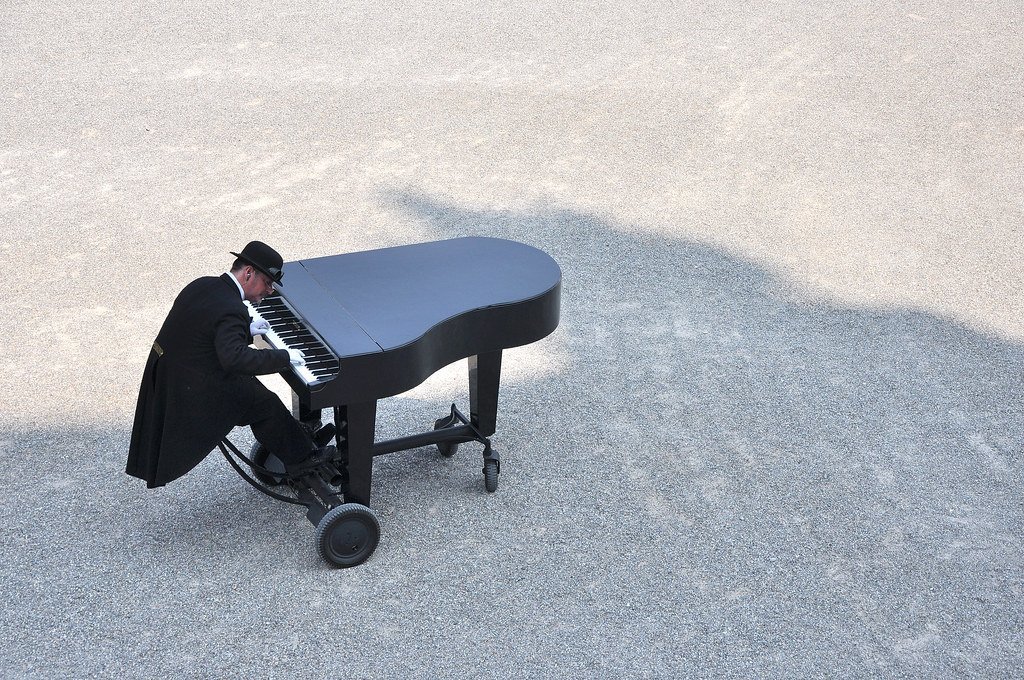
Erik Satie was a bit of an eccentric in life, but wrote some of the early 20th century’s most sublime and visionary music. In his Gymnopédies, there’s a wonderful sense of musical distillation: the melodies are beautifully simple, nothing is rushed, and everything feels just as it should be. It’s almost impossible to hear them and not feel relaxed afterwards.
Satie composed these three solo piano pieces to be deliberate, mild, and harmonious. You will find the lilting melodies melancholic, but they will not make you sad or depressed. Instead, the harmony is soothing, relaxing yet energizing. This minimalistic music is just what you need when you want to get far away from the noise of daily life. It’s the musical equivalent of a quiet Sunday morning with nowhere to be.
3. “Spiegel im Spiegel” by Arvo Pärt

In Pärt’s masterpiece Spiegel im Spiegel, a simple arpeggio on the piano is combined with a slow-moving melody line from the cello. The simplicity and stillness of the result is just divine. The title translates as ‘mirror in the mirror,’ referring to a state of infinity. Few pieces dare to be this sparse. It’s brave in its quietness.
Written originally for piano and violin, Arvo Pärt’s meditative Spiegel im Spiegel is a masterpiece of musical minimalism, offering a profound sense of peace and introspection. Pieces like Spiegel im Spiegel are minimalistic, helping the brain to “rest” from overstimulation. In a world of constant noise, information, and notifications, this piece feels almost radical. It asks you to do nothing except breathe and listen.
4. “The Lark Ascending” by Ralph Vaughan Williams
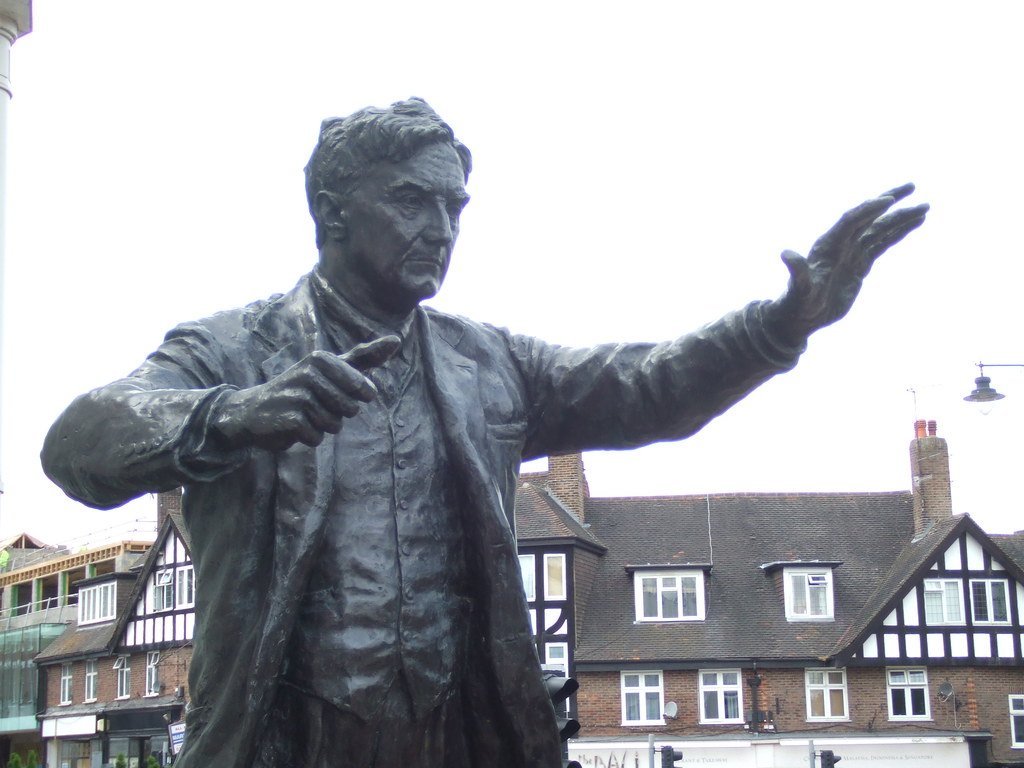
Ralph Vaughan Williams composed The Lark Ascending in 1914, shortly before the outbreak of World War One. With hindsight, the work has assumed a deeper significance in the UK’s national consciousness. A haunting ‘pastoral romance’ for solo violin and orchestra, it has become a symbol of the calm before the storm. There is something almost heartbreakingly beautiful about that backstory.
The piece’s structure is simple: the violin soars like a bird above the orchestral landscape, and a central, contrasting section seems to evoke a rural idyll through a melody that resembles a folksong. With violin melodies that inspire gentle joy and optimism, Vaughan Williams’ The Lark Ascending transports listeners to pastoral England. Its tranquility offers an ideal auditory setting for easing the nervous system and increasing mental clarity. It regularly comes top of the annual Classic FM Hall of Fame, and it’s not hard to understand why.
5. “Air on the G String” by Johann Sebastian Bach

If there were a soundtrack to serenity, Bach’s Air on the G String would open it. Air on the G String is known for evoking emotions of peace, tranquillity, and serenity. The piece’s harmony, melody, and rhythm create a sense of flow and calmness that elicits deep emotions. Originally the second movement of Bach’s Orchestral Suite No. 3 in D major, it was later arranged to be played entirely on a single violin string, giving it that famously warm, intimate sound.
The genius of this piece lies in its arc. It begins with quiet certainty, builds gently, and then resolves with a sense of profound peace that never feels forced. Studies suggest that music with a slow tempo can be considered one of the most significant determinants of audio-related effects on stress reduction. Bach’s Air is practically the textbook definition of that principle in motion. It doesn’t rush you anywhere. It simply invites you to arrive, wherever you are, fully.
6. “Moonlight Sonata” (First Movement) by Ludwig van Beethoven
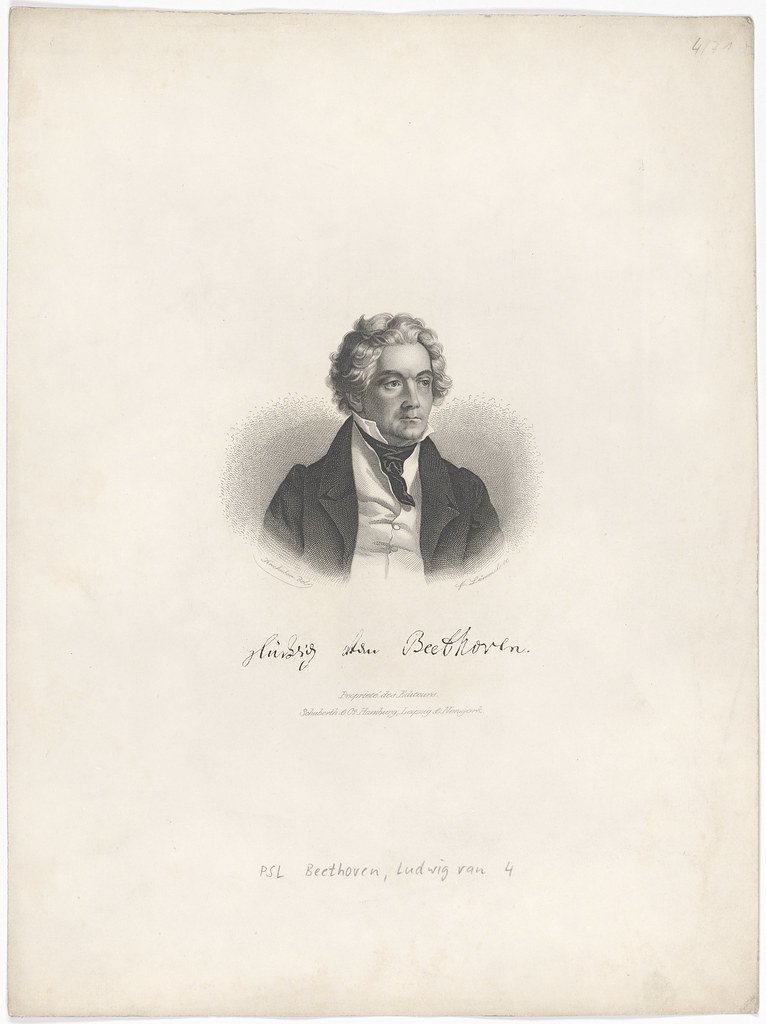
Also called the Piano Sonata No. 14 in C Sharp Minor, the Moonlight Sonata by Ludwig van Beethoven is admired centuries later for its mysterious and dreamy first movement, a livelier second movement, and an extremely passionate third and final movement. It’s the first movement, though, that stops people in their tracks. Slow, rolling triplets beneath a haunting melody. It doesn’t so much relax the listener as draw them inward.
Many sources say that the nickname Moonlight Sonata arose after the German music critic and poet Ludwig Rellstab likened the effect of the first movement to that of moonlight shining upon Lake Lucerne. Beethoven’s “Moonlight Sonata” first movement whispers through late-night moments, its soft piano evoking quiet resolve. I think it’s one of those rare pieces that actually gets more effective the more stressed you are. The contrast between your inner chaos and its stillness somehow makes the stillness win.
7. “Nocturne in E-flat Major, Op. 9, No. 2” by Frédéric Chopin

Chopin’s Nocturnes are real gems of the Romantic musical era. These piano miniatures conjure a sense of restfulness and calm, and they’re the most sophisticated lullabies for adults. The Nocturne in E-flat Major is perhaps the most beloved of them all. It sings. That’s genuinely the only word for it. The right hand carries a melody so lyrical it almost sounds improvised, while the left hand keeps a gentle, rocking rhythm underneath.
Chopin’s “Nocturne in E-flat Major” adds emotional depth, ideal when motivation dips or the spirit needs restoration. There is warmth in this piece that few composers have matched. It’s the musical equivalent of someone putting a blanket around your shoulders. It was written to be played at night, and in that context especially, it works a kind of quiet magic on the nervous system.
8. “Morning Mood” from Peer Gynt Suite No. 1 by Edvard Grieg
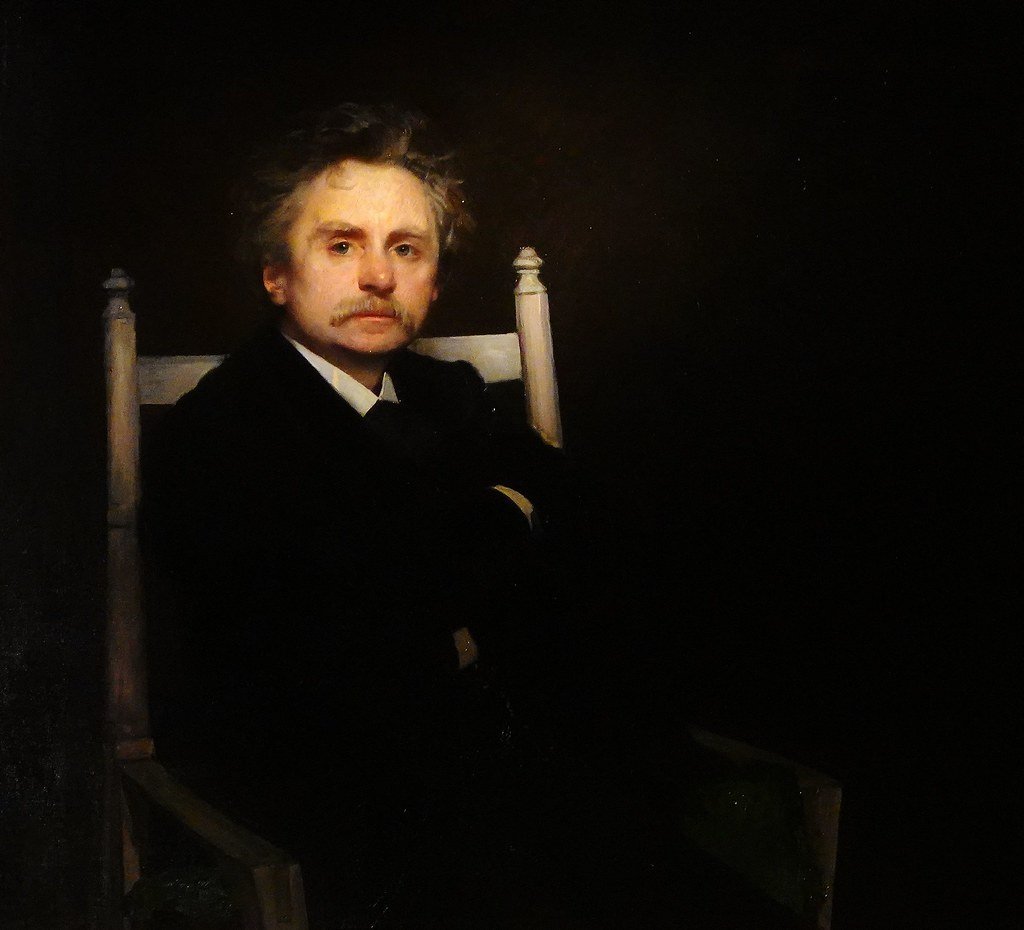
The opening movement of Edvard Grieg’s Peer Gynt Suite No. 1, “Morning Mood” is a gentle, uplifting piece that evokes feelings of renewal and tranquility. Its soft, flowing melodies and gradual build-up mirror the beauty of a sunrise, fostering a sense of calm and optimism. The warm orchestration and soothing dynamics help reduce stress and anxiety, making it ideal for starting the day on a positive note.
Morning Mood’s natural, pastoral quality connects listeners to the serenity of nature, promoting mindfulness and relaxation. Whether used for meditation, stress relief, or simply as background music, Morning Mood encourages a peaceful mindset and enhances overall mental well-being. The piece is Grieg’s depiction of the sun rising in the Moroccan desert, in music. It begins with a light touch, before expanding into a glorious, full-bodied work for symphony orchestra. Starting your morning with this is like choosing optimism on purpose.
9. “Adagio” from Clarinet Concerto in A, K. 622 by Wolfgang Amadeus Mozart
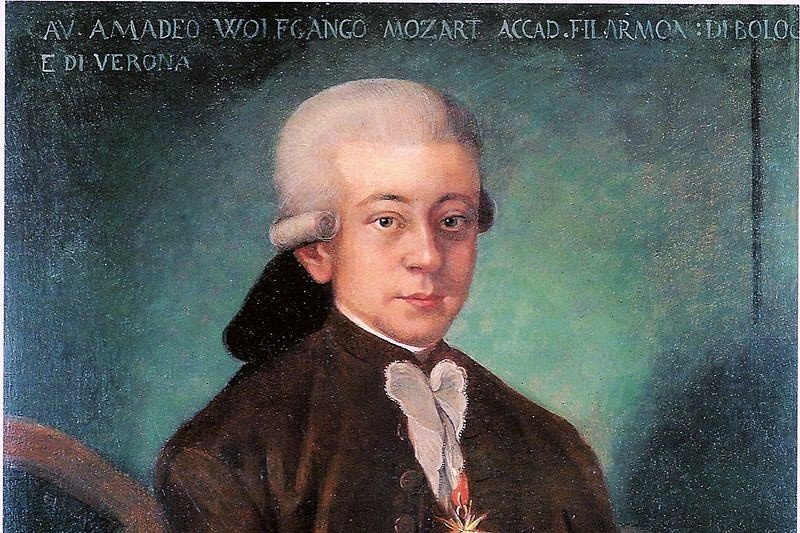
Mozart’s Clarinet Concerto has become one of the composer’s best-known works and is one of the best pieces of relaxing classical music. It was written in October 1791 for his friend, the clarinetist Anton Stadler, to perform. The slow second movement, marked ‘Adagio,’ is just the thing to help wind down after a long week.
There’s something uniquely comforting about the clarinet in this movement. It has a human warmth to it, almost vocal in quality. It sounds like someone telling you everything is going to be alright, without using a single word. While musical preferences vary among individuals, studies have shown that instrumental music, such as classical or ambient genres, tends to be most effective in reducing stress. The absence of lyrics allows the mind to focus on the soothing melody and rhythm, creating a calming effect. Mozart’s Clarinet Adagio is proof of exactly that.
10. “Weightless” by Marconi Union

Here’s the thing. Not every piece on this list had to be centuries old. Weightless by Marconi Union is a carefully crafted work, with its sounds arranged as harmonies, rhythms, and bass lines that help slow a listener’s heart rate, reduce blood pressure, and lower levels of the cortisol stress hormone. That’s not marketing language. That’s the result of the band working in collaboration with sound therapists to engineer a piece of music specifically for relaxation.
Relaxing music reduces stress and promotes calm by slowing brainwaves and lowering cortisol levels. Weightless does this so effectively that some researchers have warned people not to listen to it while driving, as it can induce such profound relaxation. I think that tells you everything you need to know. It has no traditional melody in the classical sense, instead building on layers of gentle soundscapes that gradually pull you deeper into stillness. It’s modern, unusual, and honestly one of the most effective pieces of music ever designed to calm a human mind.
The Therapeutic Power of Music Is Real
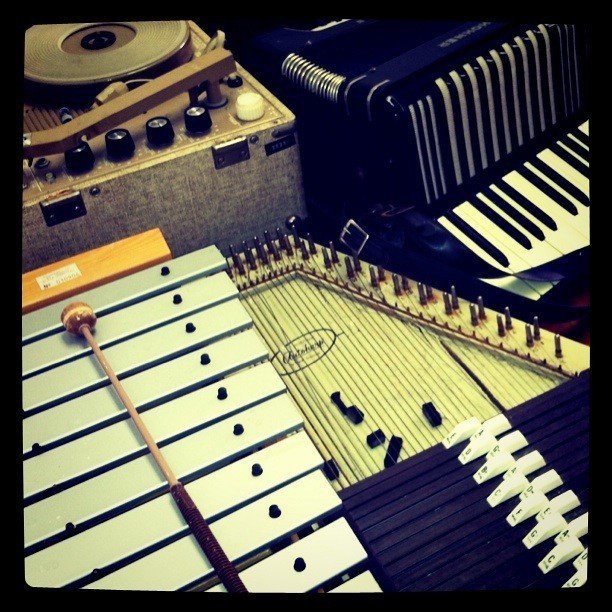
There’s something deeply human about turning to music when we’re overwhelmed. Music therapy is increasingly being used as an intervention for stress reduction in both medical and mental healthcare settings. A 2022 review and meta-analysis of music therapy found an overall beneficial effect on stress-related outcomes. The science confirms what most of us have felt intuitively for years.
Numerous studies have demonstrated that listening to music can be an effective tool for reducing stress. Music has the power to evoke emotions, relax the mind, and even change brain functioning, leading to a significant reduction in stress levels. Whether you gravitate toward the timeless serenity of Bach or the scientifically engineered calm of Marconi Union, the pieces on this list each offer something genuinely restorative.
Perhaps the most beautiful thing about music as a wellness tool is that it requires nothing from you except your attention. No gym membership, no prescription, no appointment. Just press play, close your eyes, and let the sound do what it has always done.
Which of these ten pieces surprised you the most? Share your thoughts in the comments and let us know what music calms your mind.

Besides founding Festivaltopia, Luca is the co founder of trib, an art and fashion collectiv you find on several regional events and online. Also he is part of the management board at HORiZONTE, a group travel provider in Germany.
