

- The Surprising Benefits of Reading Books in Their Original Languages - September 19, 2026
- Top 10 Demanded Houseplants In The US – And How To Treat Them - September 19, 2026
- Jane Austen’s Timeless Masterpieces: Celebrating 250 Years of Literary Brilliance - September 19, 2026
Picture a time when music didn’t just play on radios. It exploded into massive gatherings that changed lives forever. Historians and die-hard fans often pinpoint the 1960s and 1970s as the golden age of concerts, a period fueled by rock’s rebellion and cultural upheaval.[1]
This era birthed festivals that drew hundreds of thousands, turning strangers into a shared tribe. Those raw, electric nights left marks still felt in stadium shows today. Let’s dive into the magic that made it all unforgettable.
Landmark Concerts That Shook the World
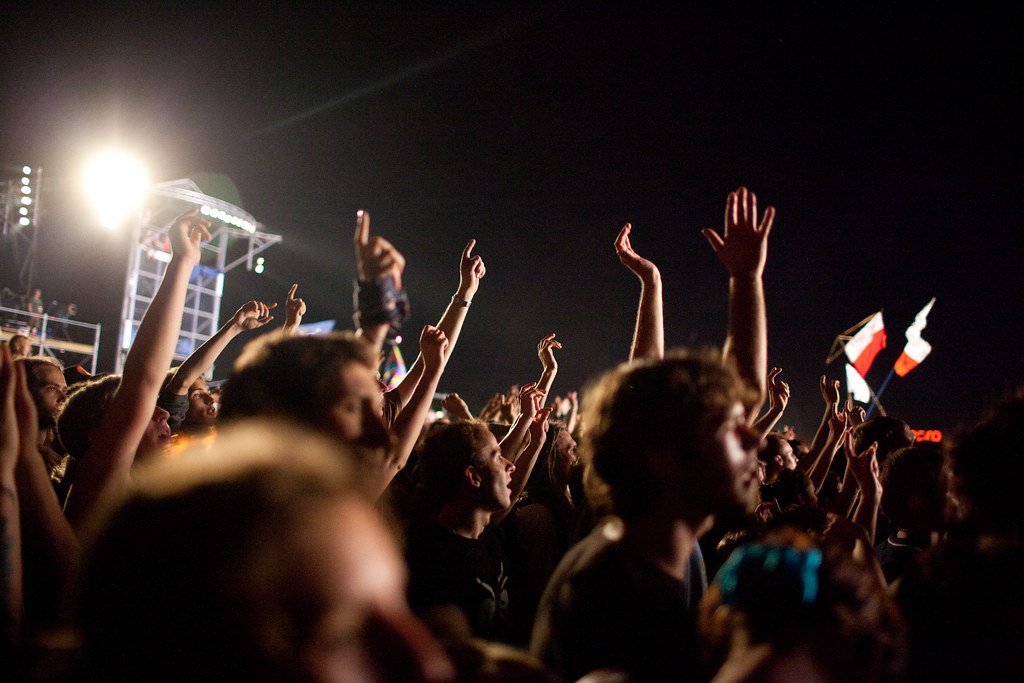
Imagine half a million people converging on a muddy farm in upstate New York. Woodstock in 1969 became the ultimate symbol of peace, love, and rock, featuring Jimi Hendrix, Janis Joplin, and The Who amid rain-soaked bliss.[2] That three-day spectacle captured a generation’s spirit, proving concerts could be more than music, they were movements.
Other giants followed suit. The Rolling Stones’ Hyde Park show in 1969 drew over a quarter million, while The Who’s Leeds performance in 1970 delivered thunderous energy that fans still rave about.[3] These events weren’t just gigs. They etched stories into history, blending chaos with pure exhilaration. Honestly, nothing since has matched that unfiltered vibe.
Technological Shifts That Amplified the Magic
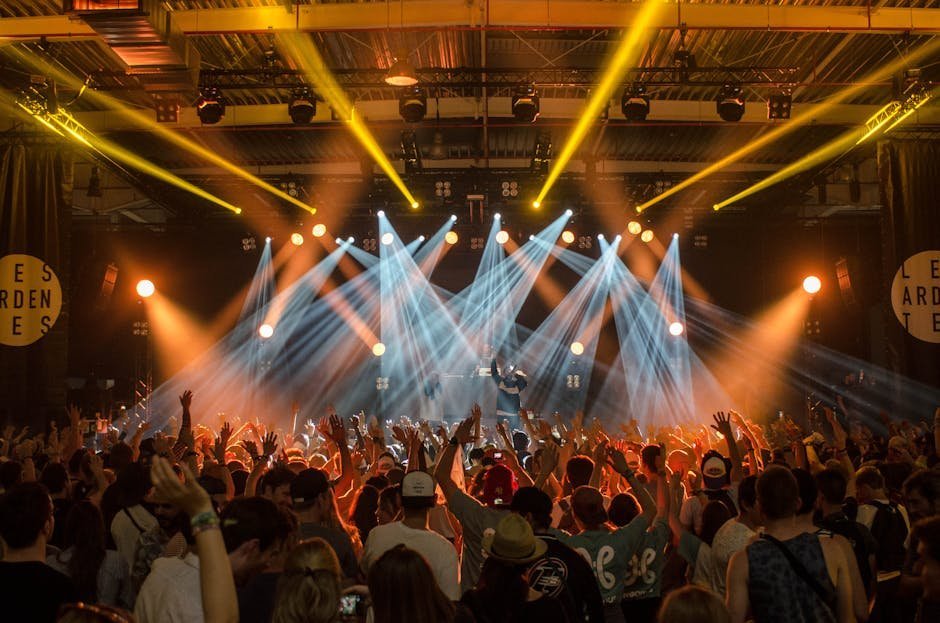
Ever wonder why those old shows felt so visceral? The 1960s brought electric amplification that let guitars roar over crowds, turning small stages into sonic battlegrounds.[4] By the 1970s, massive PA systems filled stadiums, while innovative lighting rigs painted the night in psychedelic hues.
Later innovations like pyrotechnics and early lasers added spectacle. Bands pushed boundaries with effects synced to riffs, making every show a visual feast. Here’s the thing: these tools didn’t just enhance sound. They transformed performances into immersive worlds, setting the bar for today’s laser-packed arenas.[5]
The Birth of Electric Fan Culture
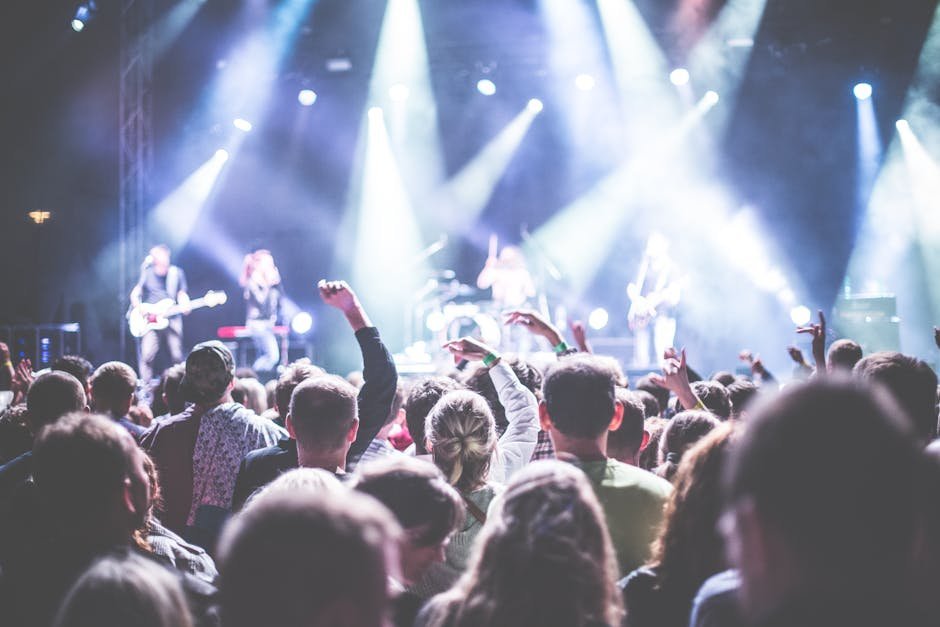
Fans weren’t passive back then. Beatlemania in the 1960s turned teenage girls into a screaming force of nature, chasing the Fab Four across oceans.[6] Woodstock fans embodied hippie ideals, sharing food and vibes in a sea of tie-dye, proving concerts built communities.
Groupies and tape-trading Deadheads took devotion further. They followed tours religiously, swapping bootlegs like sacred relics. This passion created lifelong bonds. It feels wild now, but that raw fandom made every show feel personal, almost mythical.
Venue Evolution: From Intimate to Epic
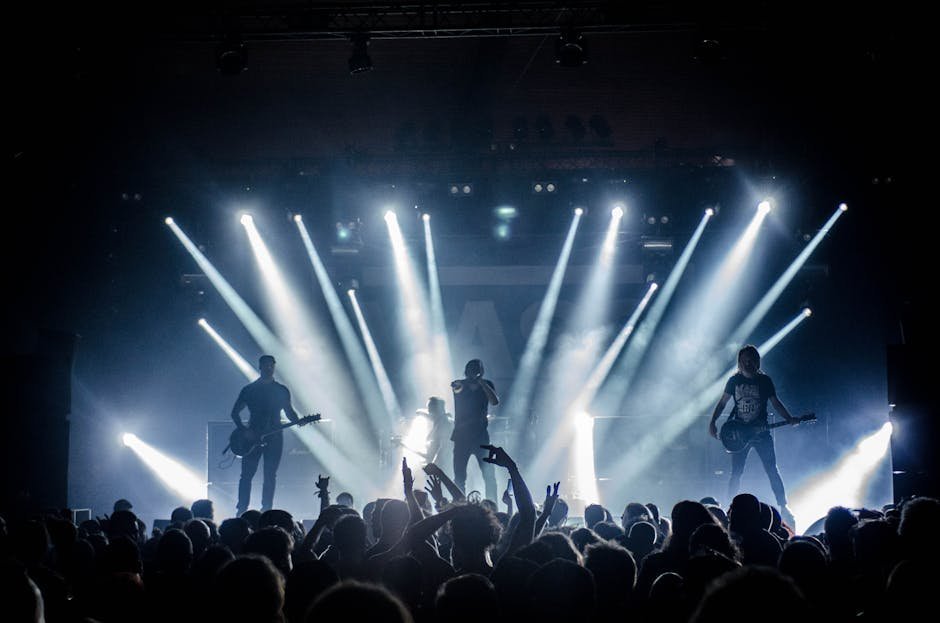
Concerts started small in smoky clubs like the Fillmore in the 1960s. Those spots fostered intimacy, where sweat and smoke mingled with the music. As crowds swelled, venues shifted to outdoor festivals and sports arenas.
By the 1970s, stadiums like Madison Square Garden hosted rock marathons. This leap allowed massive productions but kept the electric tension alive.[2] The change mirrored rock’s growth. Suddenly, music filled the sky, drawing everyone under one roaring roof.
Iconic Performers Who Owned the Stage
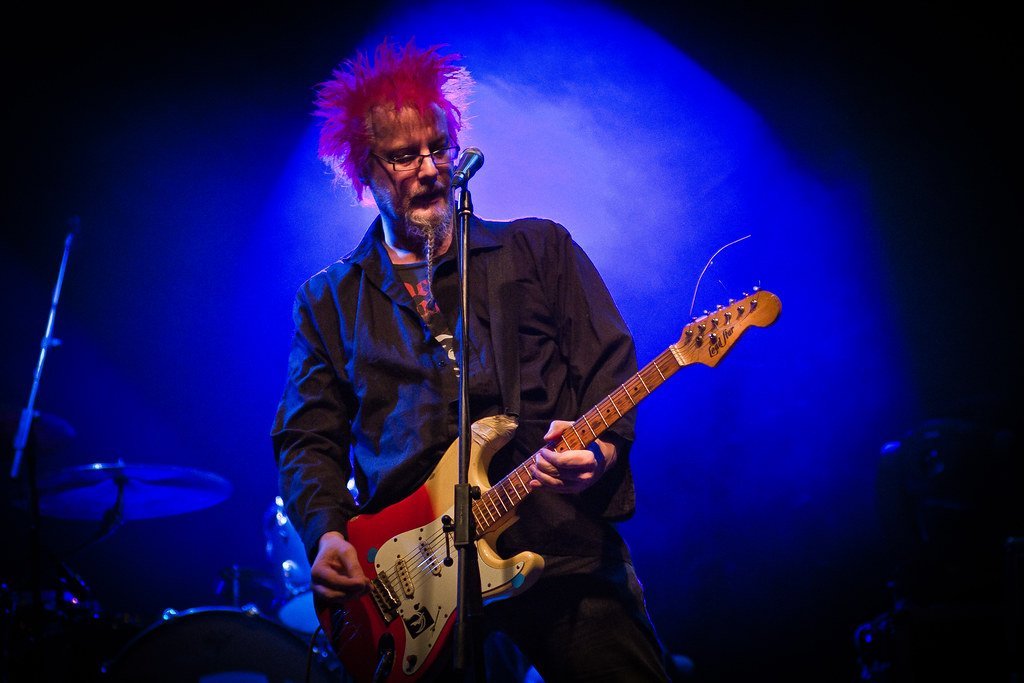
Jimi Hendrix didn’t just play guitar. He set it ablaze at Monterey Pop in 1967, igniting the psychedelic revolution.[3] Led Zeppelin’s marathon sets demolished venues, with John Bonham’s drums shaking foundations worldwide.
The Who smashed instruments in explosive fury, while Pink Floyd built sonic walls that crumbled into euphoria. These artists thrived live, improvising magic no studio could capture. Their command turned ordinary nights legendary. I know it sounds crazy, but watching grainy footage still gives chills.
A Lasting Legacy in Modern Live Music
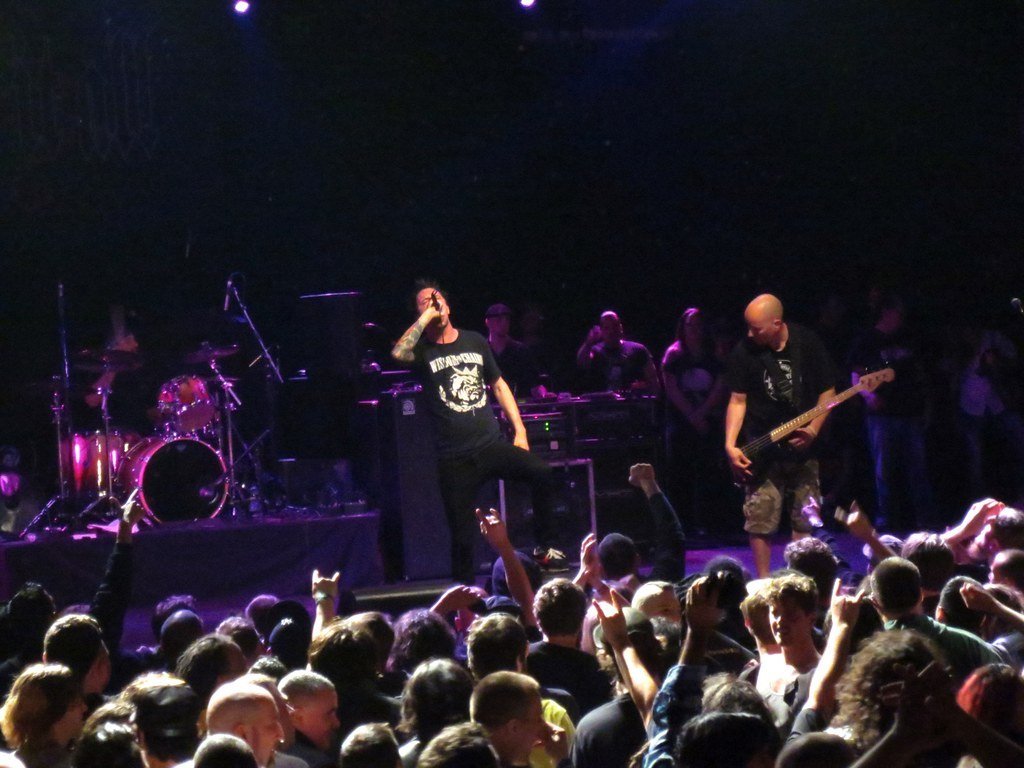
That golden era scripted today’s blockbuster tours. Stadium spectacles with drone lights and VR nods trace back to Woodstock’s communal fire. Modern acts chase that same raw connection, proving the blueprint endures.
Yet something irreplaceable lingers from those days: unscripted chaos and shared humanity. Concerts evolved, but the heart stays the same. What memory from a show sticks with you forever?

Besides founding Festivaltopia, Luca is the co founder of trib, an art and fashion collectiv you find on several regional events and online. Also he is part of the management board at HORiZONTE, a group travel provider in Germany.
