
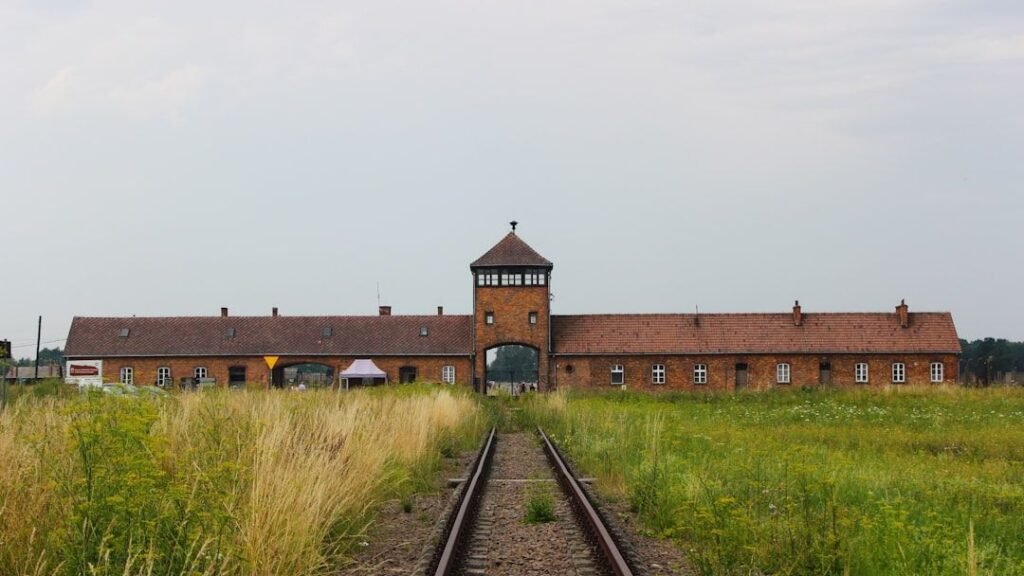

There is something almost electric about picking up a novel and realizing that the person at its center actually lived, breathed, and walked the earth. Historical fiction does something no history textbook can quite pull off. It gets under the skin of real people and makes you feel the weight of their choices, the heat of their fears, and the strange, often heartbreaking humanity behind famous names.
The best novels of this kind blur the line between research and imagination in ways that leave you questioning everything you thought you knew. From Tudor palaces to Civil War graveyards, from Auschwitz to 19th-century Iceland, these twelve books do something remarkable. They take the dusty record of the past and make it pulse with life. Let’s dive in.
1. Wolf Hall by Hilary Mantel – Thomas Cromwell and Henry VIII
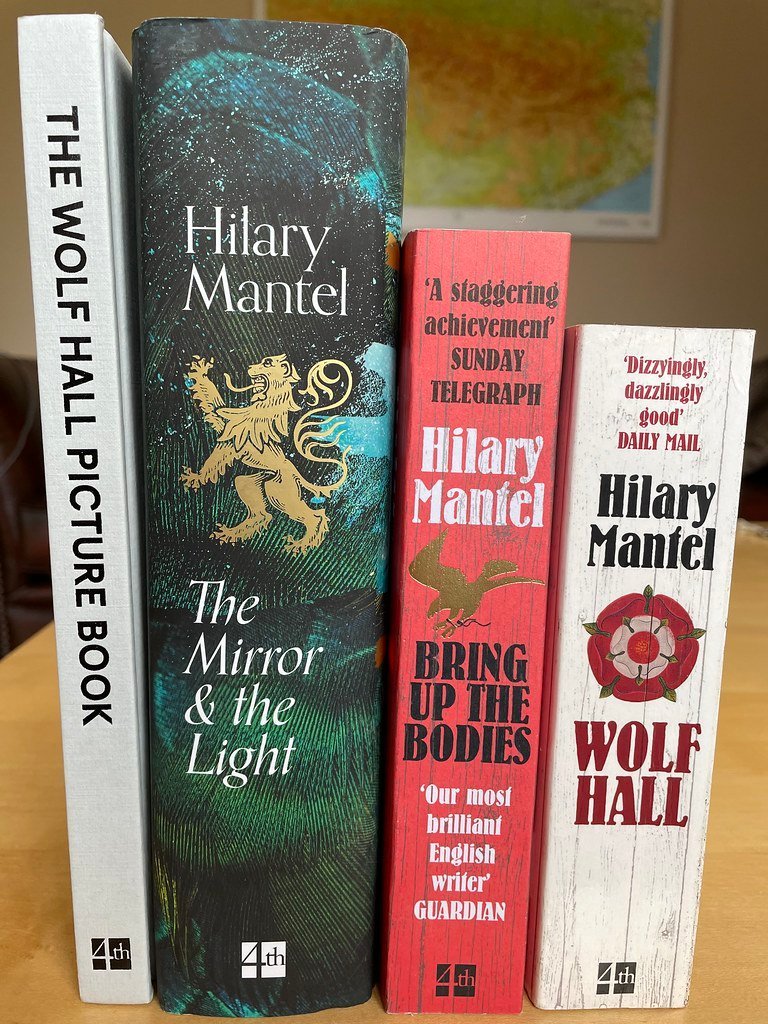
Set in the period from 1500 to 1535, Wolf Hall is a sympathetic fictionalized biography documenting the rapid rise to power of Thomas Cromwell in the court of Henry VIII, through to the death of Sir Thomas More. Honestly, it’s one of those books that makes you forget you’re reading fiction. The world of Tudor England feels so immediate, so tactile, that you almost expect to smell the stone corridors of Hampton Court.
Thomas Cromwell is the central figure, and unlike traditional depictions of him as a villainous figure, Mantel presents him as a multifaceted character – cunning, pragmatic, and ambitious, yet also deeply human, with vulnerabilities and emotions that make him relatable and compelling. Mantel spent five years researching and writing the book, trying to match her fiction to the historical record. The result is a masterpiece that won both the Booker Prize and the National Book Critics Circle Award.
The story explores themes of power, ambition, and faith, as Cromwell’s pragmatic approach contrasts sharply with the rigid religious convictions of figures like Sir Thomas More. What makes Wolf Hall so compellingly modern is that it asks a timeless question: how much of yourself do you sacrifice to survive a system larger than yourself? Mantel took a well-known era of Tudor history and made it refreshing by focusing on a historical figure integral to that time who is not normally put front and center in historical fiction.
2. Lincoln in the Bardo by George Saunders – Abraham Lincoln
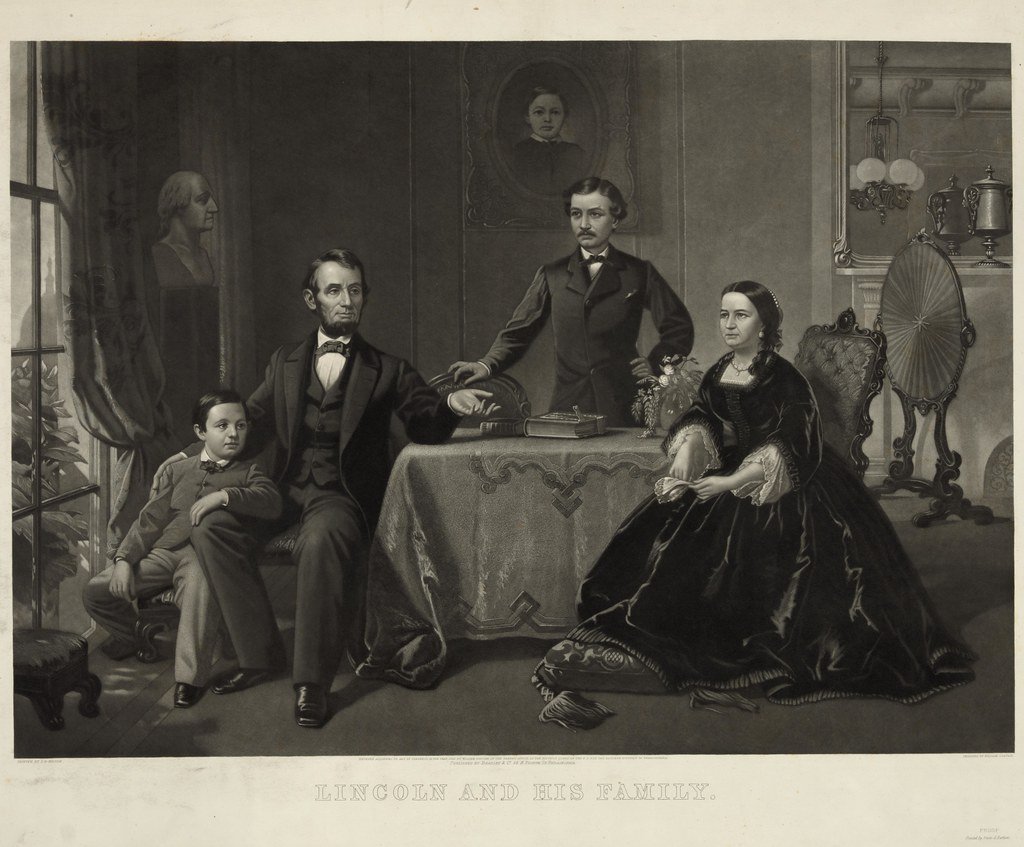
Lincoln in the Bardo is a 2017 experimental novel by American writer George Saunders, his first full-length novel, and it was the New York Times hardcover fiction bestseller for the week of March 5, 2017. The novel takes place during and after the death of Abraham Lincoln’s son William Wallace “Willie” Lincoln and deals with the president’s grief at his loss. Few debut novels in recent memory have been this audacious.
The novel was inspired by a story Saunders heard about how Lincoln visited his son Willie’s crypt at Oak Hill Cemetery in Georgetown on several occasions to hold the body, a story that seems to be verified by contemporary newspaper accounts. From this seed of historical truth, George Saunders spins an unforgettable story of familial love and loss that breaks free of realism, entering a thrilling, supernatural domain both hilarious and terrifying. Willie Lincoln finds himself trapped in a strange purgatory – called, in Tibetan tradition, the bardo – invisible to his father, bowed at the tomb. Within this transitional realm, where ghosts mingle, squabble, gripe and commiserate, a monumental struggle erupts over young Willie’s soul.
The novel does something I think is genuinely rare. It transforms a president into a father first. Populated with a multitude of voices, the novel addresses the great fault lines of American democracy – race, gender, wealth, sexuality – while keeping its eye firmly on the common ground its characters share in their inevitable confrontation with life and death. Lincoln in the Bardo received critical acclaim and won the 2017 Booker Prize.
3. Burial Rites by Hannah Kent – Agnes Magnúsdóttir
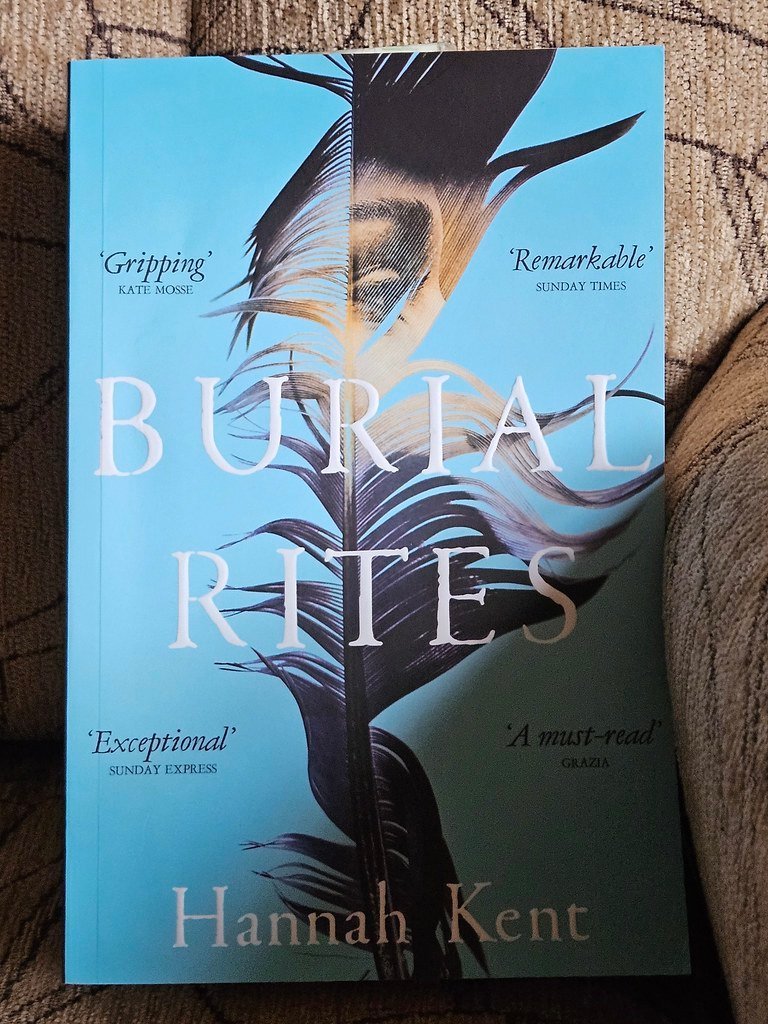
Agnes Magnúsdóttir might not be a household name, but she occupies an important place in world history: she was the last woman to be executed in Iceland, beheaded by axe in 1830. She’s slightly better known now than she was in the past – a particularly positive result of historical fiction books about real people – thanks to Hannah Kent’s book Burial Rites. The story is bleak, yes. It is also devastating in the most beautiful way.
The truth of what Agnes did at Ketilsson’s farm is blurred and lost to time, but it would appear that a series of romantic entanglements led to her and two accomplices stabbing and bludgeoning two people to death, and attempting to cover the crime with a fire. Kent takes this ambiguous truth and weaves a deeply humane portrait of a woman erased by history. The novel asks whether justice is ever truly just, and whether the condemned are always what society claims them to be. It’s the kind of book that stays with you long after the final page.
4. The Tattooist of Auschwitz by Heather Morris – Lale Sokolov
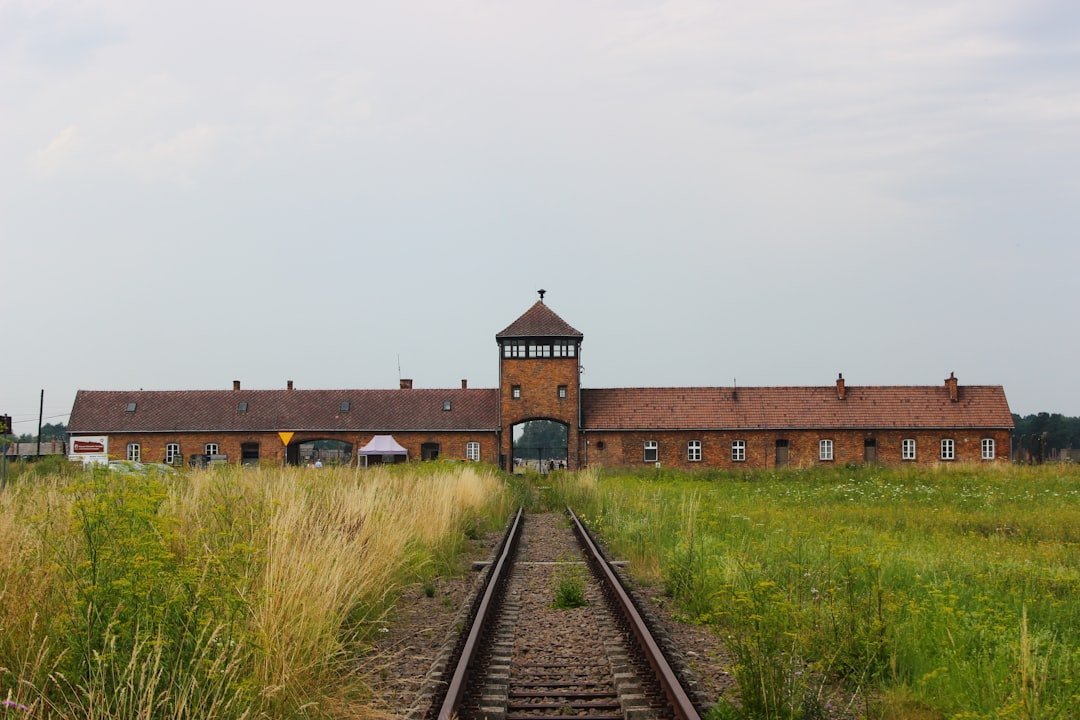
Heather Morris’s debut novel, The Tattooist of Auschwitz, is based on the real-life stories of Lale Sokolov. Sokolov met his wife, Gita, in Auschwitz, and they managed – against all odds – to survive and start a life together after the end of WWII. Let’s be real: a love story set in a concentration camp sounds impossibly painful. It is. It is also one of the most life-affirming novels you may ever read.
The historical figure of Lale Sokolov carries the weight of an entire era on his shoulders within this novel. His role as the Tätowierer – the prisoner forced to tattoo identification numbers onto fellow inmates – is a position laced with moral complexity and guilt. The themes of survival, complicity, love, and dignity ripple through every chapter. Morris captures the horror of the Holocaust while somehow also making room for extraordinary human warmth. It’s a rare and difficult balance to strike.
5. Alias Grace by Margaret Atwood – Grace Marks
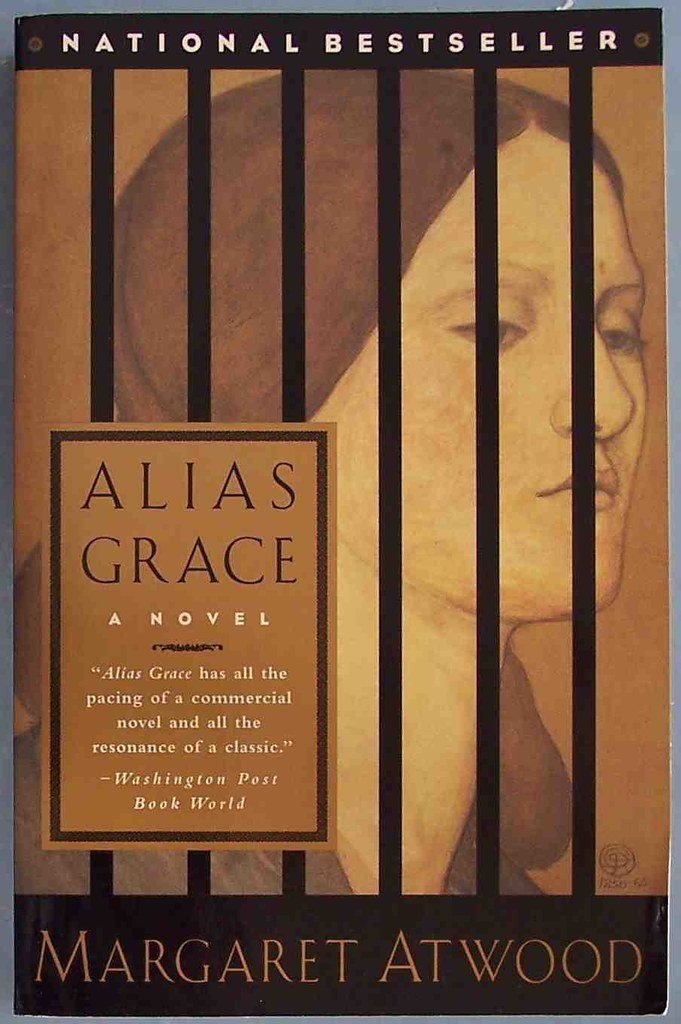
Margaret Atwood is most well-known for her dystopian novel The Handmaid’s Tale, but she also penned a historical novel about a young woman in Canada convicted in the 1840s of killing her employer and his housekeeper. Alias Grace follows Grace Marks in prison where she is seen by a fictional psychologist hired to determine whether Grace’s life sentence should be commuted. Atwood is known for her exquisite prose and Alias Grace doesn’t disappoint.
Grace Marks was a real woman. Her case fascinated Victorians, and it still fascinates readers today. Atwood uses the frame of psychological examination to interrogate not just Grace’s guilt, but also the unreliability of memory, the nature of class, and the vulnerability of women in 19th-century society. The novel is also deeply clever about the way stories get told. Who gets to narrate history? Who gets believed? These questions make Alias Grace feel as current today as anything published in 2026.
6. At the Wolf’s Table by Rosella Postorino – Margot Wölk

Rosella Postorino’s historical fiction novel At The Wolf’s Table was inspired by Margot Wölk, a woman who didn’t reveal until very late in her life that she had been one of Hitler’s food tasters. Her job was to sample the genocidal dictator’s meal before he ate it, to test whether it had been poisoned or otherwise tampered with. I know it sounds crazy, but this is precisely the kind of story that makes you realize just how strange and terrifying history can get.
The novel centers on a fictionalized version of Margot named Rosa, trapped in an impossible moral situation where survival demands complicity. Postorino digs into the psychology of ordinary people ensnared in extraordinary evil. How do you maintain your humanity when your survival is tangled up with the survival of a monster? The book explores guilt, desire, shame, and the brutal will to simply keep living. It is uncomfortable in the best possible way, and that discomfort is exactly the point.
7. Lilac Girls by Martha Hall Kelly – Caroline Ferriday
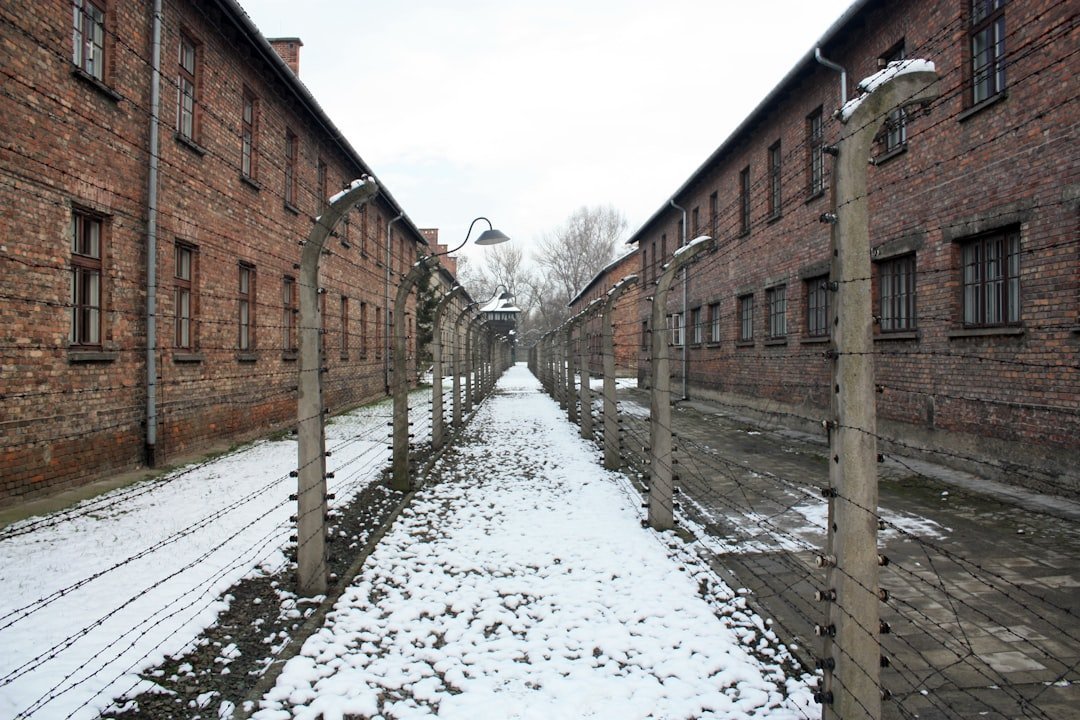
Martha Hall Kelly spent ten years researching and writing her debut novel, Lilac Girls, and it shows in this beautifully written story that chronicles how a New York socialite and actress, Caroline Ferriday, helped survivors of Nazi Germany’s labor camp for women, where many of the women endured horrific medical experiments. Ten years of research. Think about that for a moment. It shows in every single page.
Ferriday was a real person. A real woman who turned her privilege into purpose at a time when it would have been very easy to look away. The novel weaves together three narratives – the American socialite, a Polish prisoner, and a German doctor – across different perspectives of the same war. The themes of moral responsibility, cruelty, compassion, and the long aftermath of trauma make this novel something close to essential reading. Few books manage to be so simultaneously heartbreaking and inspiring.
8. The Marriage of Opposites by Alice Hoffman – Rachel Pissarro
The Marriage of Opposites tells the story of Rachel Pissarro, the mother of the famous painter Camille Pissarro. You might think Hoffman would have chosen to write about the more famous of the two. Instead, she focuses on the forbidden love story between Rachel and Frederic Pissarro, a Frenchman seven years her junior. Set among the Jewish community on the lush island of St. Thomas, the novel begins in the early 1800s and eventually takes the reader to Paris, France, where Camille Pissarro will eventually become known as the Father of Impressionism.
There is something deeply satisfying about a novel that refuses to tell the obvious story. Hoffman’s choice to center Rachel rather than her famous son is an act of historical reclamation. The novel is lush and romantic, drenched in the colors and rhythms of the Caribbean before sweeping into the intellectual whirl of 19th-century Paris. It explores themes of forbidden desire, identity, belonging, and the invisible women behind great men. Hoffman brings her trademark magical sensibility to real history, and the result is quietly stunning.
9. Beneath a Scarlet Sky by Mark Sullivan – Pino Lella
Beneath a Scarlet Sky follows Pino Lella, an Italian teenager whose life changes completely when World War II reaches Milan. After his family home is destroyed, he begins helping Jews escape across the Alps through an underground network, risking his life while falling in love with a woman named Anna. His parents later force him to enlist as a German soldier to keep him safe, but this decision places him even closer to danger when he becomes the personal driver for a powerful Nazi general.
Pino Lella was real. His story – somehow both thrilling and heartbreaking – remained largely unknown for decades before Sullivan tracked him down and spent years documenting his experiences. The novel reads with the momentum of a thriller, yet it never loses sight of the human cost beneath every decision. It explores courage, moral complexity, and what it means to resist when resistance itself is a kind of suicide. Honestly, it’s one of those stories that makes you wonder why it took so long to be told.
10. Remarkable Creatures by Tracy Chevalier – Mary Anning
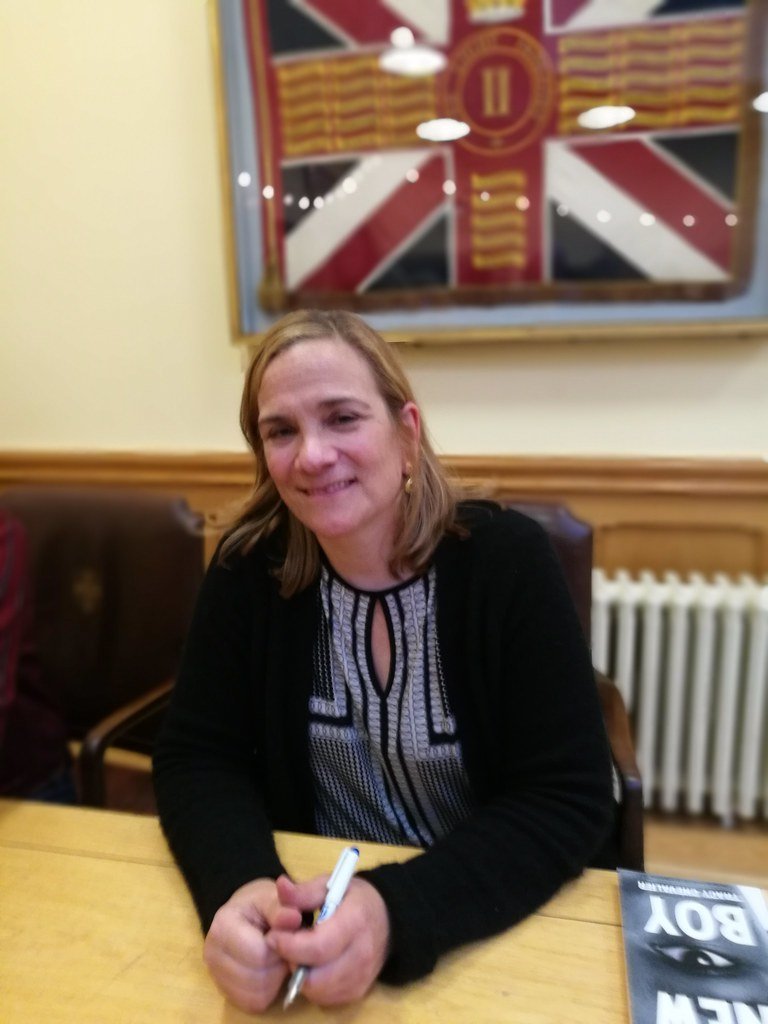
From the New York Times bestselling novelist, this stunning historical novel follows the story of Mary Anning and Elizabeth Philpot, two extraordinary 19th-century fossil hunters who changed the scientific world forever. On the windswept, fossil-strewn beaches of the English coast, poor and uneducated Mary learns that she has a unique gift: “the eye” to spot ammonites and other fossils no one else can see. When she uncovers an unusual fossilized skeleton in the cliffs near her home, she sets the religious community on edge, the townspeople to gossip, and the scientific world alight.
Mary Anning and Elizabeth Philpot form an unlikely, spiky friendship that changes history. Chevalier is a master at finding the extraordinary inside the overlooked, and Mary Anning is one of history’s most overlooked figures. A working-class woman in Regency England who made fossil discoveries that would reshape the understanding of deep time and evolution – and received almost none of the credit. One of the best qualities of historical fiction is that it can illuminate both the small and the large scale at the same time, offering us small lives lived in a small town that have literally ground-breaking repercussions that change the world.
11. The Master by Colm Tóibín – Henry James
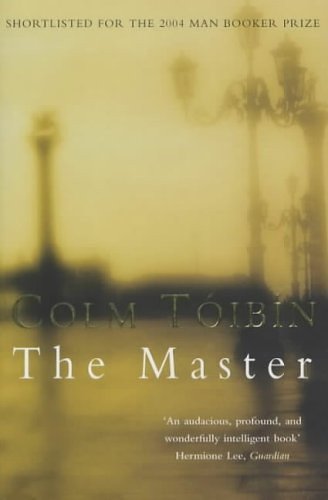
The Master is a bravura portrayal of a great writer and a complex, lonely individual. The novel begins when James is at a low point in his writing career. We often forget that great writers have these lows, but for any writer the writing life is full of insecurity and real or imagined failure, and James was no exception. At the start of this novel, he has chosen to retreat from public life by buying a house in Rye, England. In this new, private existence, he endures the consequences of his need for a protected space in which to write, and to conceal his sexuality – this in the context of the notorious Oscar Wilde case.
The Master is a beautiful novel, nuanced and deeply moving. It takes a great writer to pull off a consummate portrayal of another great writer, and Tóibín is never less than convincing in his evocation of James’ voice and his interior world. The novel explores loneliness, artistic sacrifice, repressed desire, and the terrible loneliness of genius. Henry James lived an extraordinarily inward life, and Tóibín enters that interior landscape with astonishing delicacy. For anyone who has ever sacrificed connection in the name of work, this book will hit somewhere very deep.
12. The Wildes by Louis Bayard – Oscar Wilde and His Family
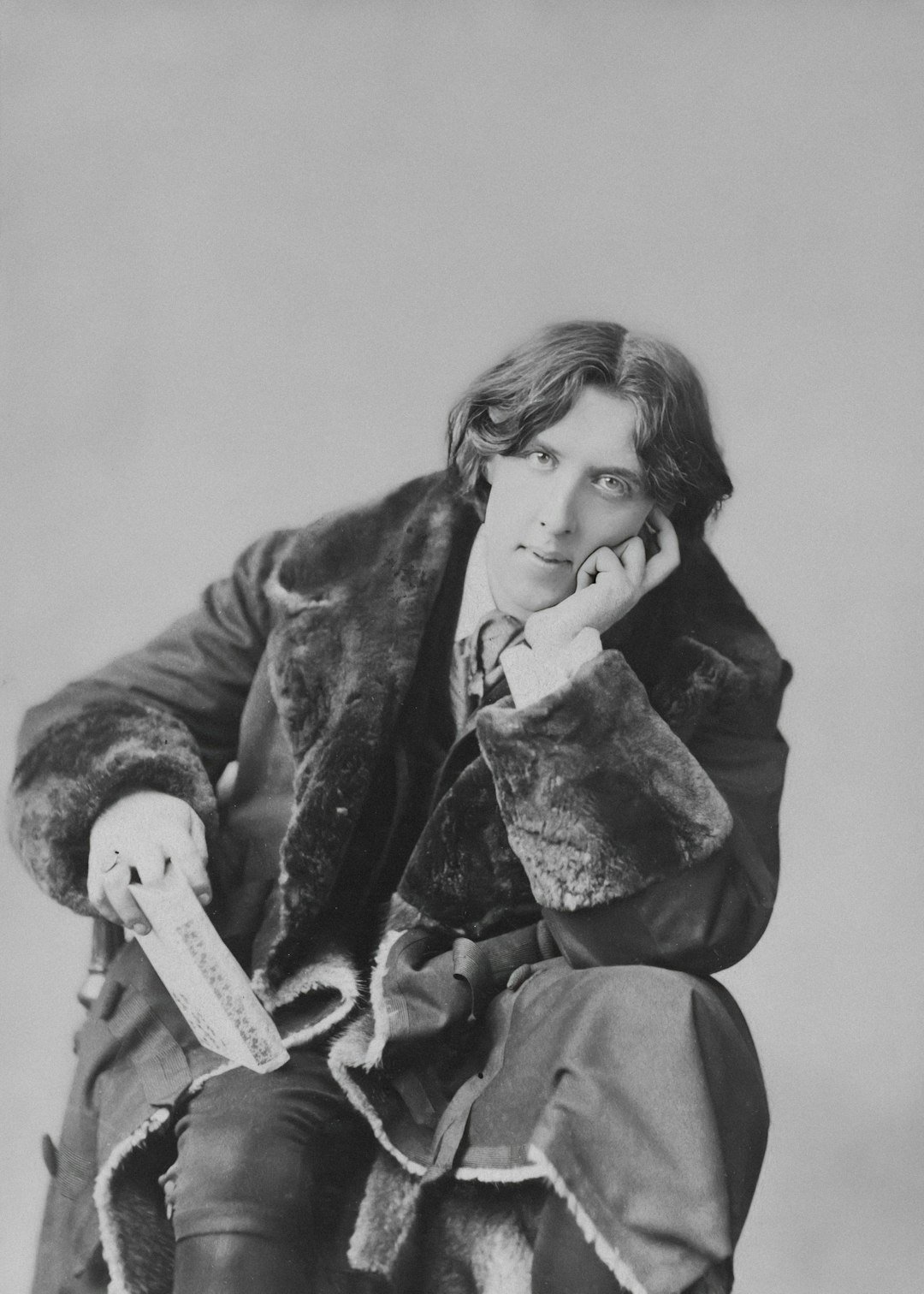
Louis Bayard wrote The Wildes: A Novel in Five Acts to recount the experiences of Oscar Wilde’s wife, Constance, and their sons after the famous playwright’s imprisonment for engaging in a sexual relationship with Lord Alfred Douglas in Victorian England. Separated into five acts and filled with effervescent banter, the novel dips into the depths of desire and being human. The structure alone – five acts, like a play – is a deeply elegant tribute to its subject.
Oscar Wilde is one of history’s most written-about figures, yet Bayard’s genius is to shift the lens away from the man himself and onto the wreckage left behind. Constance Wilde and her children were real people who suffered real consequences for a scandal not of their making. The novel explores the themes of public shame, private love, the cost of genius on those who stand beside it, and the brutal social machinery of Victorian morality. It is witty, mournful, and quietly devastating – a combination that feels very Wildean, somehow. What would Oscar himself have made of it? Probably something brilliant and cutting that none of us could improve upon.
Why Historical Fiction About Real People Endures

There is a reason these books keep finding new readers, generation after generation. The best historical fiction transports the reader directly into the past, yet offers insight that reflects upon the present. That double motion – backward in time, forward in meaning – is what separates the great novels of this kind from mere costume drama.
The stories of real individuals in history tell us so much about how human nature changes, and remains the same, over time. When a novelist takes the bare bones of a documented life and breathes imagination into the gaps, something genuinely new is created. Not just a story, but a conversation across centuries.
These twelve novels are proof that history is never truly finished. Every generation rewrites it, feels it differently, finds new meanings in old lives. The figures in these pages – Cromwell, Lincoln, Agnes Magnúsdóttir, Mary Anning – were once just people trying to survive their moment in time. That, perhaps, is the most powerful thing great historical fiction reveals: we are never as far from the past as we imagine. Which of these would you add to your reading list first?

Besides founding Festivaltopia, Luca is the co founder of trib, an art and fashion collectiv you find on several regional events and online. Also he is part of the management board at HORiZONTE, a group travel provider in Germany.
