

- The Beatles’ Most Influential Songs and Why They Remain So - August 13, 2026
- 8 Classic Movies You Thought Were American – But Were Actually Foreign - August 12, 2026
- 10 Most Beautiful Beaches in The World for a Relaxing Vacation - August 12, 2026
Ever wonder how a state right smack in the middle of the country could shape the way Americans work, travel, and even think about what home means? Here’s the thing: Kansas didn’t just contribute to America’s identity. It helped build it.
From wheat fields that fed entire nations to aircraft that changed modern transportation forever, this state became a proving ground for some of the country’s most defining industries. The roots of American agriculture, aviation, and even cultural mythology run deeper into Kansas soil than most people realize.
So what makes Kansas residents have such rock-solid reason to feel proud? Let’s be real, it’s not just nostalgia or state loyalty. There’s genuine history here, and it’s the kind that ripples out far beyond state lines. It’s in every loaf of bread at your grocery store, every business jet crossing the sky, and every time someone says that famous line about no place like home.
The Breadbasket Didn’t Happen by Accident
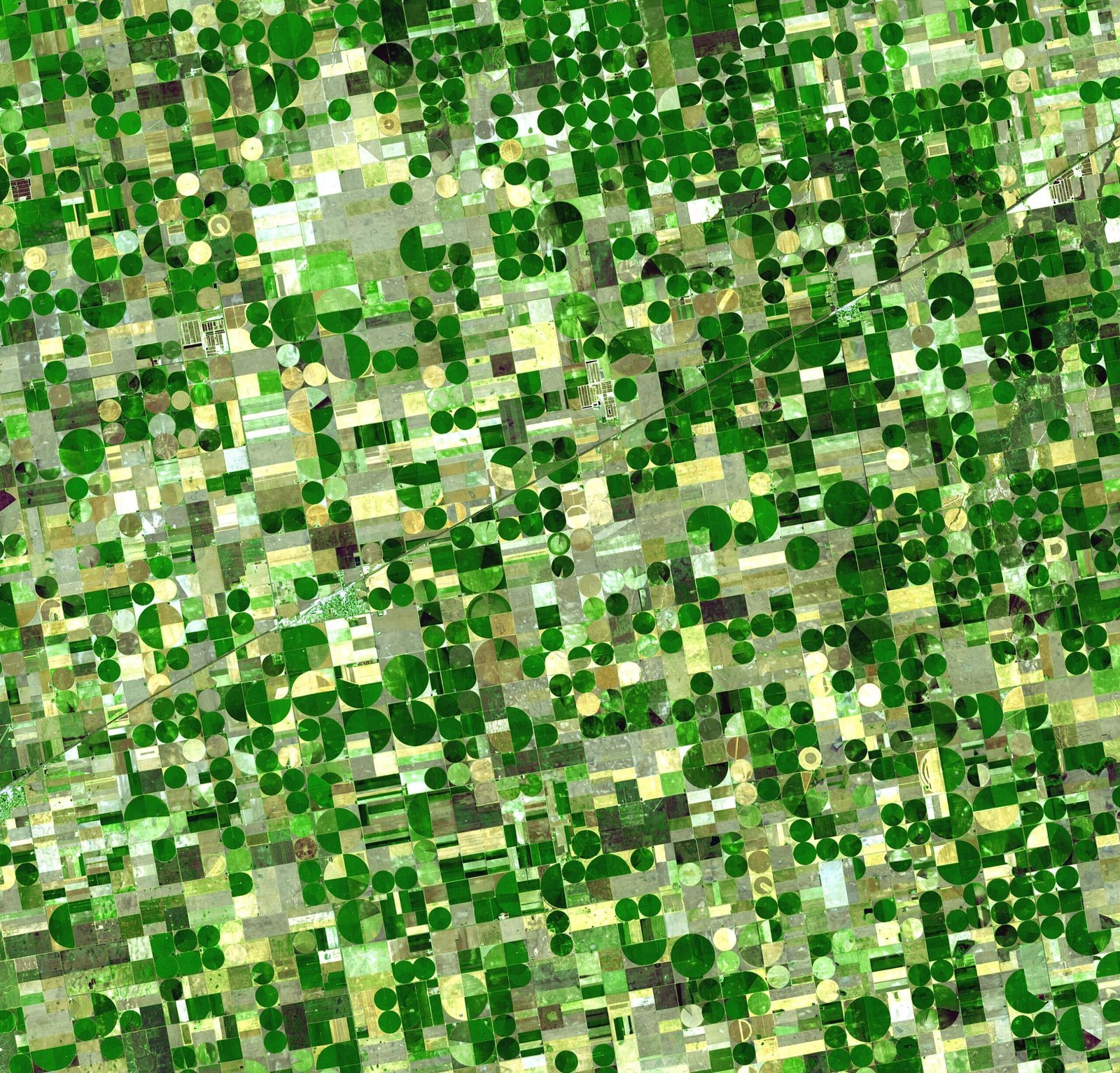
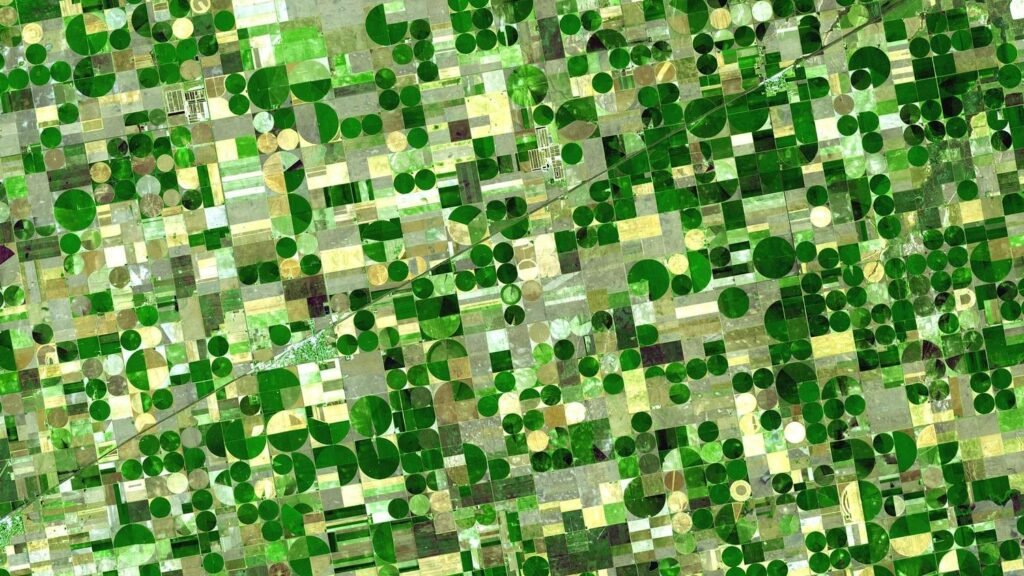
Kansas wheat farming began with Russian Mennonite immigrants in 1874 who introduced Turkey Red wheat, a hardy winter variety perfectly suited to the Kansas climate. Think about that for a second. Farmers had tried growing wheat here for years with mixed results, yet this single introduction changed everything.
By 1876, Kansas surpassed other states in winter wheat production. That wasn’t luck. It was innovation meeting necessity. By 1888, the Topeka Daily Capital declared Kansas could beat the world in wheat, and honestly, they weren’t exaggerating.
Today, more than 13,000 Kansas farmers produce roughly 300 million bushels of wheat yearly on about seven million acres, accounting for nearly one-fifth of all wheat grown nationwide. That’s enough wheat to bake around 13 billion loaves of bread. Let that sink in for a moment.
The term ‘Breadbasket of the World’ isn’t some marketing gimmick. Kansas produces more wheat than most foreign countries, and that success remained constant throughout the twentieth century. When global food supplies get tight, Kansas matters.
Where Modern Aviation Learned to Soar
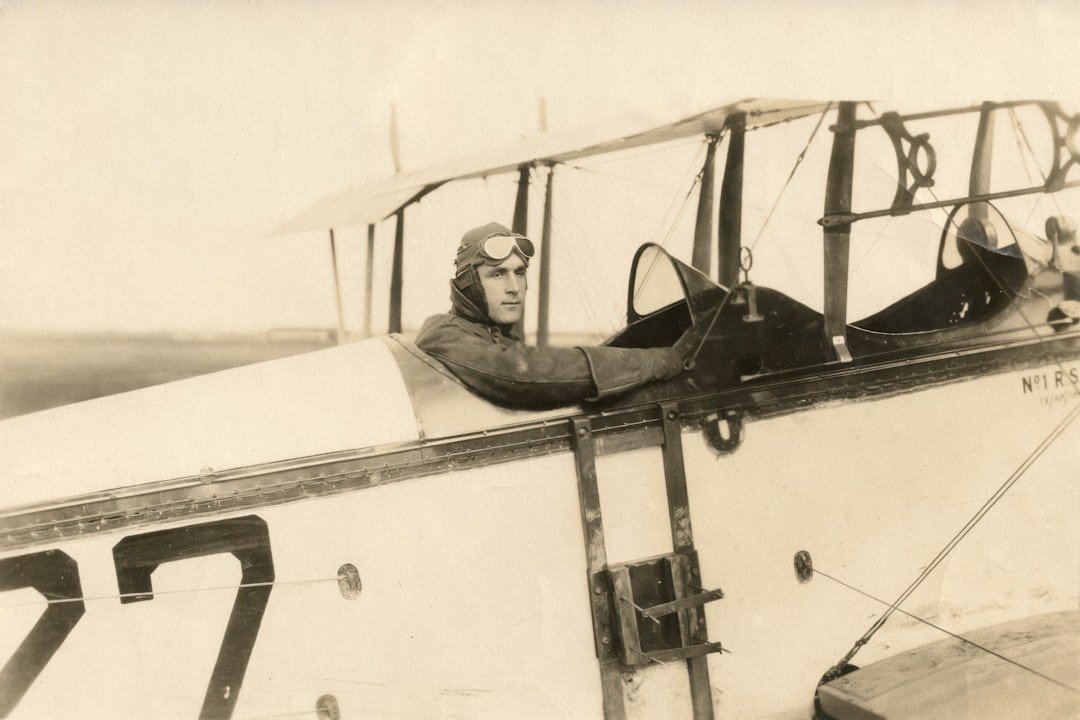
Clyde Cessna built his Cessna Comet in Wichita in 1917, marking the first aircraft built in the city. What began with one visionary quickly became a movement. During the 1920s and 1930s, businessmen and aeronautical engineers established Beechcraft, Cessna, and Stearman Aircraft in Wichita.
It wasn’t random that these aviation pioneers chose Kansas. The wide open spaces, clear skies, and central location made it ideal for testing and building aircraft. The Aeronautical Chamber of Commerce officially dubbed Wichita the Air Capital of the World in 1929.
Wichita has produced more airplanes than any other city on earth since the 1930s. Not more than any other American city. Any city on the planet. That’s the kind of achievement that doesn’t get enough recognition outside aviation circles.
By the 1940s, Wichita was producing sixty-seven percent of U.S. general aviation aircraft. During World War II, the city became absolutely critical to American defense efforts. Today, firms like Textron Aviation, Spirit AeroSystems, and Airbus Engineering still call Wichita home, keeping that legacy alive.
A Kansas Farm Became America’s Emotional Anchor
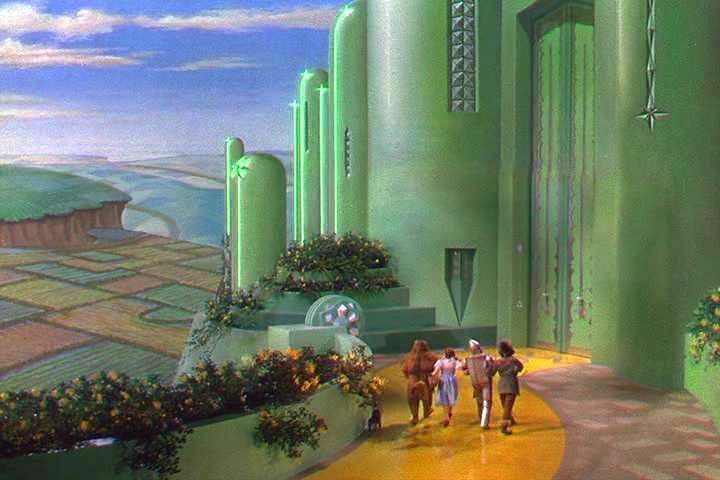
Dorothy Gale lives on a Kansas farm with her Uncle Henry and Aunt Em in The Wizard of Oz, and that simple setting became one of cinema’s most powerful images. The 1939 film transformed a Kansas farm into a symbol recognized worldwide.
Dorothy’s journey concludes with her clicking her heels three times and repeating there’s no place like home, cementing Kansas as the ultimate representation of home and belonging in American culture. It’s hard to think of another state so deeply woven into a single cultural myth that resonates across generations.
The film didn’t just tell a story. It created a lasting symbol of resilience, perspective, and longing for home. Kansas became shorthand for authenticity and groundedness in a way few places ever achieve.
The film has been seen by billions of viewers through its many television showings starting in 1956. That exposure embedded Kansas into America’s collective imagination permanently. Every time someone references going home or feeling lost, there’s a Kansas farm waiting in the back of their mind.
The True Heartland Was Forged Here
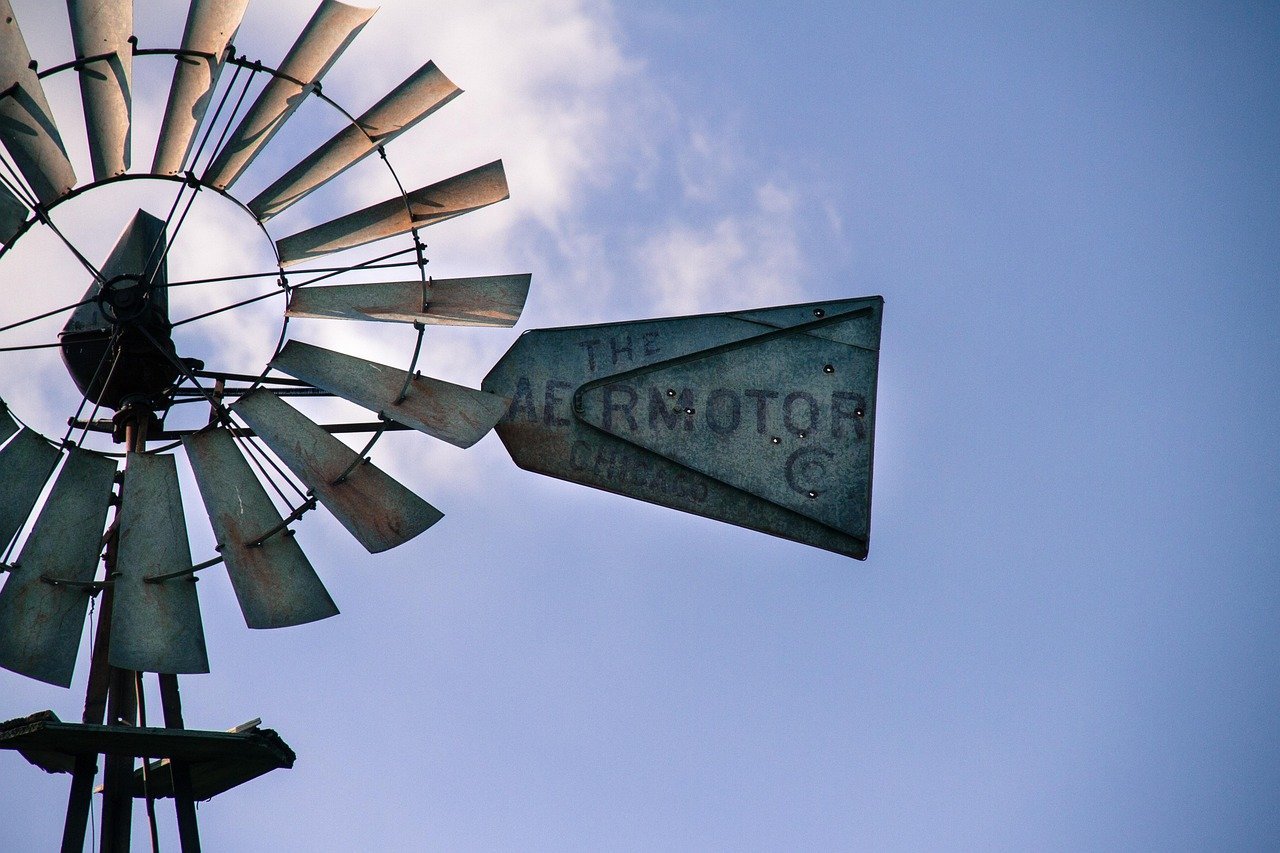
Kansas didn’t just adopt the ‘Heartland’ label. It defined what that word means. Wide open prairies, small towns where people know their neighbors, and an economy built on agriculture and manufacturing created a cultural template for American values.
Honestly, there’s something about the landscape itself that shapes how people think. The horizon stretches endlessly in every direction. You can see weather systems rolling in from miles away. That kind of environment teaches patience, resilience, and a certain practical honesty.
Close-knit communities emerged from necessity on the prairie. Farmers relied on each other during harvest season and tough times alike. That collaborative spirit became part of the state’s identity and, by extension, part of how Americans imagine the heartland.
The values associated with Kansas – hard work, self-reliance, community support – became synonymous with ‘real America’ in popular culture. Whether that stereotype is entirely fair or not, it speaks to how deeply Kansas influenced the national self-image.
Prairie Conservation Began with Protecting What Looked Empty
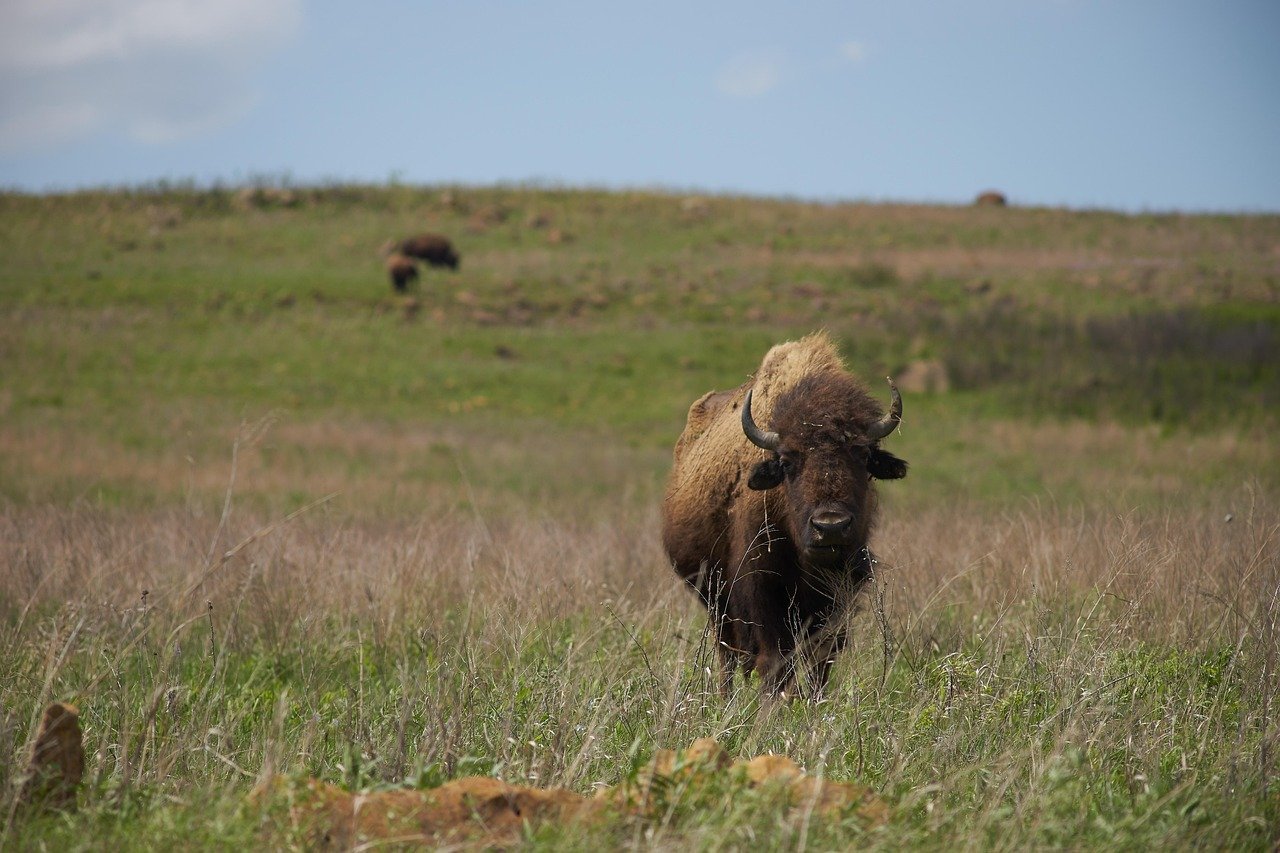
The Tallgrass Prairie National Preserve was established in November 1996 to protect a nationally significant remnant of the once vast tallgrass prairie ecosystem. Here’s the thing most people don’t realize: of the 170 million acres of tallgrass prairie that once covered North America, less than four percent remains, and most of that is in the Kansas Flint Hills.
That’s staggering when you think about it. An entire ecosystem – one of the most biodiverse in North America – nearly vanished. Kansas held onto what little was left. The preserve is home to more than 500 species of plants, and that’s just the beginning of its ecological importance.
The preserve emerged from a unique public-private partnership model, with the National Park Service managing the land but limiting its ownership to no more than 180 acres, with the remainder owned by private entities. That collaborative approach became a model for conservation nationwide.
Protecting the tallgrass prairie taught Americans an important lesson: ecosystems that look simple or even monotonous often contain incredible complexity and value. The prairie isn’t empty. It’s just subtle. Kansas helped the rest of the country understand that distinction.
When America Needed Kansas, It Delivered
Let’s be real here. When global food security became critical, Kansas didn’t flinch. Increased demand during World War I and World War II, combined with hardy wheat varieties and large-scale farming equipment, secured Kansas’s place as a leader in agriculture.
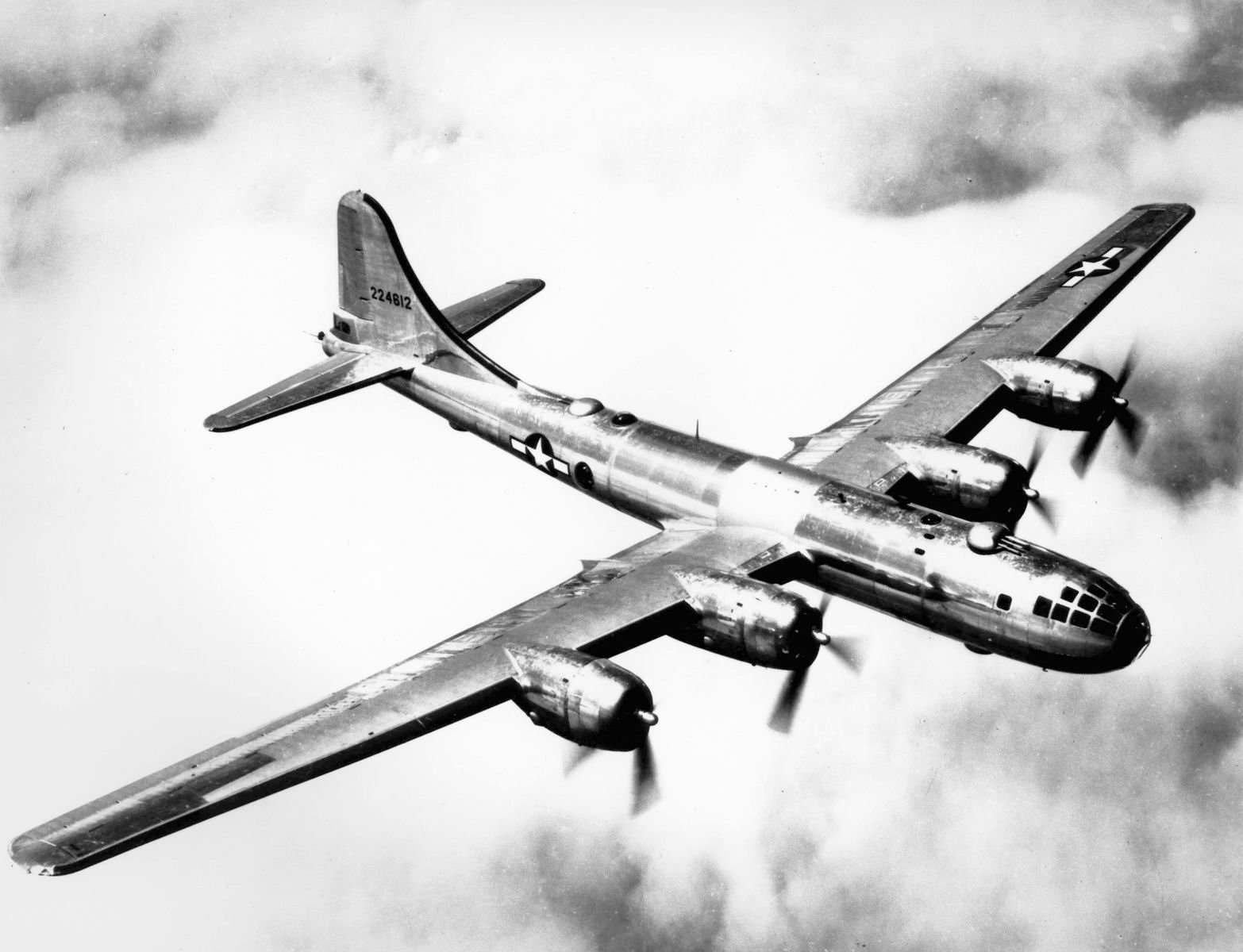
During World War II, aviation manufacturing in Wichita exploded. The city experienced a population explosion, growing quickly from 110,000 to 184,000 residents as it became a major manufacturing center for the Boeing B-29 bomber. Aircraft workers poured in from across the central United States to support the war effort.
That responsiveness – that ability to scale up production when the nation needed it most – defined Kansas’s contribution to American history. It wasn’t just about being good at farming or building planes. It was about being reliable when everything was on the line.
The legacy continues today. Kansas remains a leader in wheat, grain sorghum, and beef production, feeding people around the world. The aviation industry, though changed, still thrives in Wichita. Kansas keeps showing up.
So when people talk about Kansas contributions to America, they’re not talking about abstract concepts or ancient history. They’re talking about tangible, ongoing impact that touches daily life across the country and beyond. The wheat in your pantry, the planes overhead, the cultural touchstones embedded in American identity – Kansas shaped all of it in ways that deserve genuine recognition and pride.

Besides founding Festivaltopia, Luca is the co founder of trib, an art and fashion collectiv you find on several regional events and online. Also he is part of the management board at HORiZONTE, a group travel provider in Germany.
