


For any feedback please reach out to info@festivalinside.com
- 10 Obscure ’70s Rock Songs That Shaped Metal Legends - August 13, 2026
- These 10 Books Will Challenge Everything You Thought You Knew About History. - August 12, 2026
- 13 Top Trending Songs on Instagram Reels in 2026 - August 12, 2026
Fridtjof Nansen – The Polar Explorer Who Almost Walked to the North Pole

Fridtjof Nansen’s journey to the North Pole in 1893 is the kind of story that sounds more like a fever dream than real history. Imagine willingly letting your ship, the Fram, get trapped in the deadly grip of Arctic ice, just to see if the current would carry you closer to the top of the world. When the plan failed and the ship wouldn’t drift far enough north, Nansen and his companion, Hjalmar Johansen, decided to abandon safety and trek across the ice on foot with nothing but sleds and kayaks. They faced temperatures that could freeze a man solid, survived harrowing run-ins with polar bears, and nearly starved as supplies ran low. Against all odds, both men endured almost two years in the polar wilderness and returned home as living legends. Nansen’s adventure not only proved the limits of human endurance but also changed the way the world understood the Arctic, inspiring generations of explorers. His detailed account, “Farthest North,” remains a staple in the literature of adventure. The Fram’s journey is still considered one of the boldest and most dangerous expeditions ever attempted.
Ishi – The Last “Wild” Native American

In 1911, a man stepped out of the California wilderness who would change the face of American anthropology forever. Known as Ishi, he was believed to be the last surviving member of the Yahi tribe, a group that had lived in secret after a brutal massacre decimated their people. Ishi wore traditional Yahi clothing and could not speak a word of English, which astounded everyone who met him. He quickly became the subject of intense fascination, with scientists and the public eager to learn about the life he had led in isolation. Anthropologist Alfred Kroeber took Ishi under his wing, documenting his language, customs, and craftsmanship in an effort to preserve what little remained of his culture. Ishi’s story is a haunting reminder of the devastating impact of colonization and the erasure of indigenous communities. Despite the tragic circumstances, Ishi displayed remarkable dignity, teaching Americans about a world they had nearly wiped out. His story continues to challenge how we remember and honor the past.
Juliane Koepcke – The Girl Who Fell from the Sky

Juliane Koepcke’s survival story defies belief and is the stuff of legend. In 1971, the 17-year-old was flying over the Peruvian rainforest when her plane was struck by lightning and broke apart mid-air. Still strapped to her seat, Juliane plummeted over 10,000 feet to the jungle below, miraculously surviving the fall with only minor injuries. For eleven days, she wandered alone in the dense, unforgiving rainforest, battling hunger, exhaustion, and the threat of wild animals. Her only food was a bag of candy, and her only water came from the rain. Juliane’s knowledge of the jungle, learned from her parents who were biologists, helped her stay alive until she was found by local lumberjacks. Her ordeal was later featured in documentaries and books, and she became an inspiration for survival against all odds. Juliane’s story is not only a tale of courage, but also a powerful reminder of the unpredictability of life and the strength that can emerge in the face of disaster.
Gilles de Rais – The Knight Who Turned Serial Killer

Gilles de Rais was once celebrated as a French war hero and companion of Joan of Arc, but his legacy took a horrifying turn that shocked the world. After his military exploits, de Rais became notorious for a series of gruesome crimes, including the murder of hundreds of children. The details uncovered during his 15th-century trial were so disturbing that they still haunt historians today. De Rais was accused of luring children to his castle, where unspeakable acts occurred. His trial was one of the earliest and most chilling examples of a serial killer being exposed and prosecuted. The case also exposed the dangers that can lurk beneath the surface of power and fame, reminding us that evil sometimes wears a hero’s face. Gilles de Rais was executed, but the legend of the “Bluebeard” killer endures, serving as a cautionary tale about the darkest recesses of human nature. His story has inspired countless works of fiction, yet the real events remain almost too ghastly to believe.
Mary Toft – The Woman Who Gave Birth to Rabbits (Supposedly)
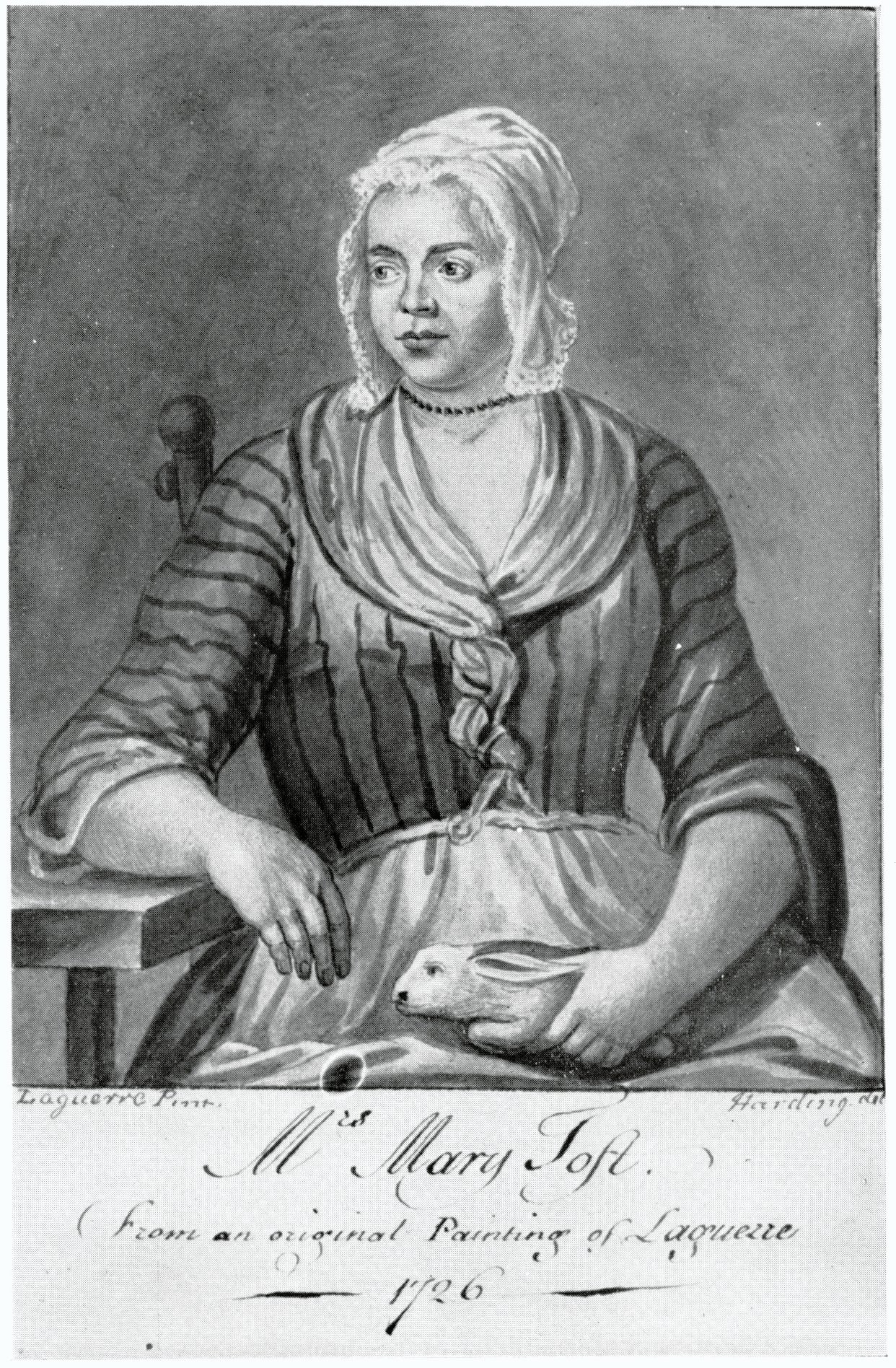
Mary Toft’s tale is so bizarre, it feels like a twisted fairy tale gone wrong. In 1726 England, Toft convinced doctors—and even royal physicians—that she was giving birth to rabbits and other animal parts. During examinations, she managed to produce pieces of rabbits, baffling the medical community and captivating the public’s imagination. The hoax spun out of control, drawing crowds and even King George I’s personal doctors to witness her “miraculous” deliveries. Eventually, suspicious physicians caught her in the act, exposing the elaborate ruse. The scandal embarrassed the entire medical establishment and became a notorious example of how easily experts can be fooled when they want to believe the unbelievable. Mary Toft’s case highlights the power of suggestion and the human appetite for spectacle, as well as the shortcomings of early medical science. Her story is still studied today as one of the wildest medical frauds in history.
Diogenes of Sinope – The Original Troll Philosopher

Long before social media, Diogenes of Sinope was perfecting the art of trolling in ancient Athens. Diogenes rejected wealth, comfort, and convention, choosing to live in a barrel and make a spectacle of his disdain for society. He became infamous for his public antics, like wandering the streets with a lantern in broad daylight, claiming to be searching for an honest man. Diogenes once confronted Alexander the Great, one of the most powerful men of his time, by telling him to “stand out of my sunlight” when Alexander offered him anything he desired. His life was a constant performance, designed to expose hypocrisy and provoke thought about what really matters. Diogenes’ sharp wit and radical lifestyle made him both a legend and an outcast, but his influence can still be seen in modern philosophy and satire. He’s a reminder that sometimes the world needs a jester to speak uncomfortable truths.
Fanny Mills – “Ohio Big Foot Girl”

Fanny Mills, known as the “Ohio Big Foot Girl,” was born in the 1800s with Milroy’s disease, a rare condition that caused her feet to grow to an astonishing 30 inches in circumference. Her unusual appearance made her a star attraction in sideshows across America, where thousands paid to see her. Promoters capitalized on her fame by offering a dowry to any man willing to marry her, which led to a parade of suitors hoping to win both her hand and the prize. Despite the spectacle, Fanny did eventually marry and retired from show business at a young age. Her story draws attention to the way society has historically treated people with physical differences—sometimes with curiosity, sometimes with cruelty. The legacy of Fanny Mills is a complicated mix of exploitation and empowerment, illustrating how people have navigated fame and stigma throughout history.
Soghomon Tehlirian – The Assassin Who Got Away
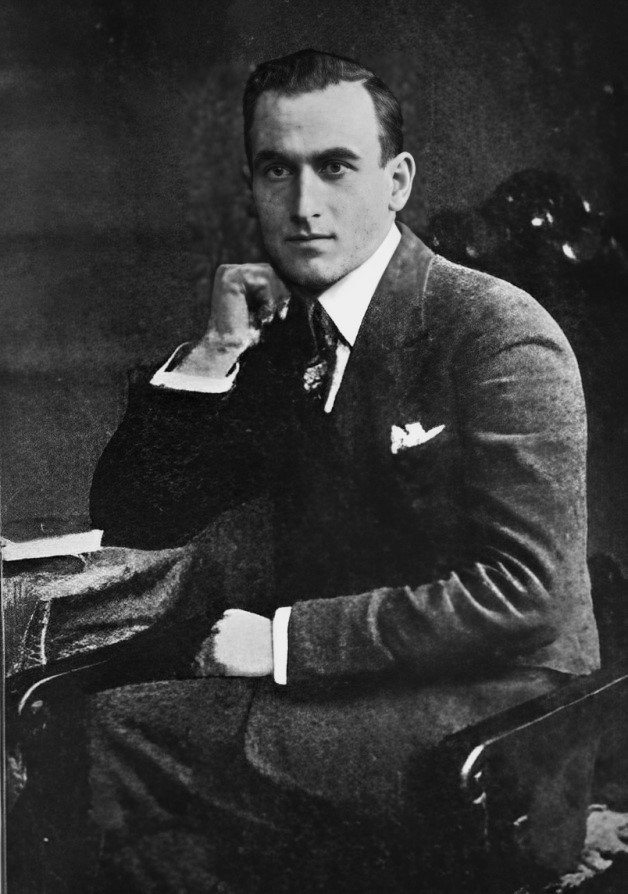
Soghomon Tehlirian’s life reads like a historical thriller with a twist ending. In 1921, Tehlirian assassinated Talaat Pasha, a former Ottoman leader and one of the architects of the Armenian genocide, right on a Berlin street. The murder was a calculated act of vengeance for the atrocities committed against his people, and Tehlirian was quickly put on trial. In court, he confessed to the killing but argued that he was not a murderer—he was delivering justice for genocide victims. The jury, moved by his testimony and the horrors of the Armenian genocide, acquitted him in less than an hour. Tehlirian’s case sparked international debate about justice, retribution, and the moral limits of vengeance. His actions inspired future generations seeking justice for crimes against humanity, showing how one person’s boldness can force the world to confront its conscience.
Roy Sullivan – The Man Struck by Lightning Seven Times
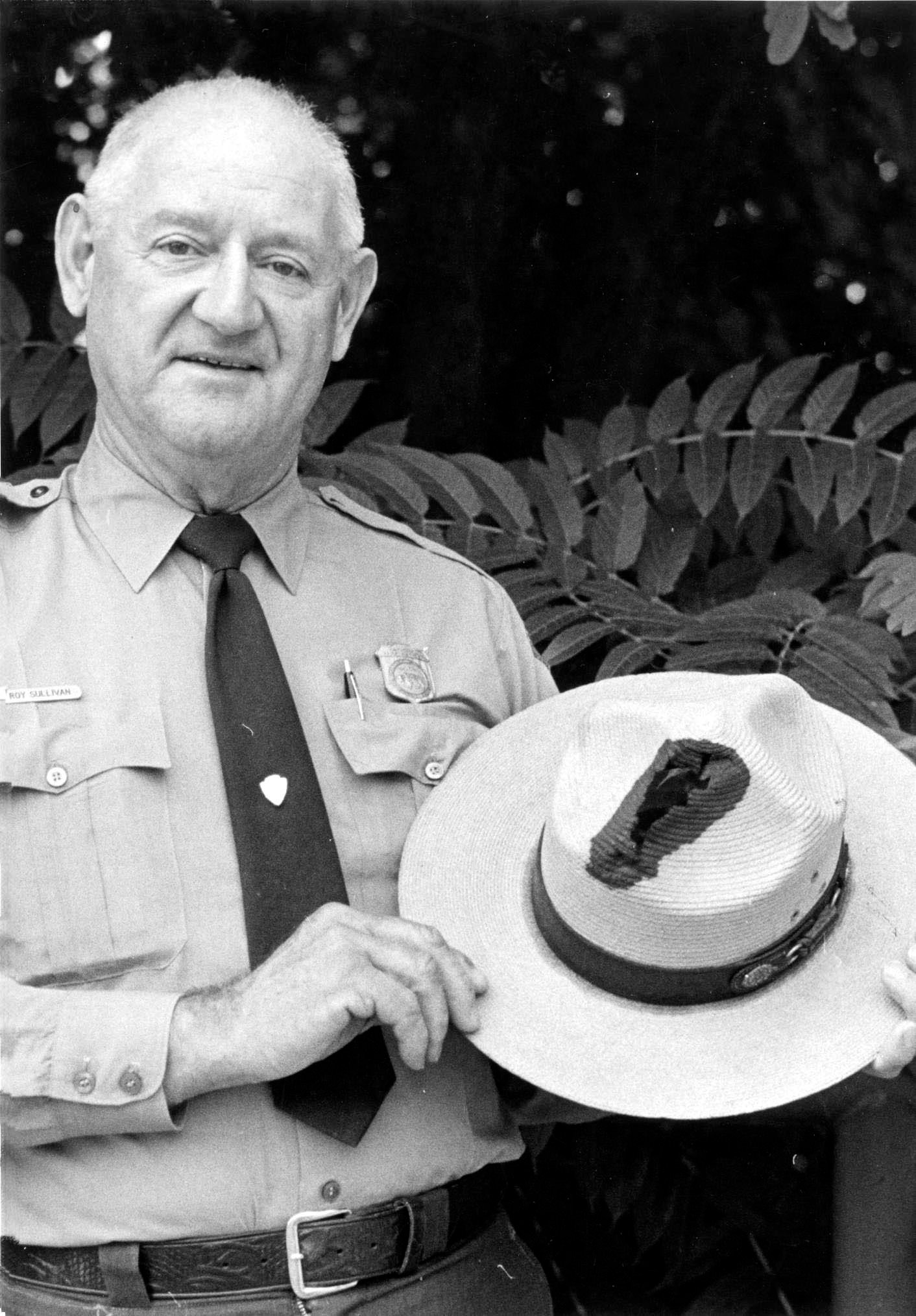
If you thought lightning never strikes the same place twice, Roy Sullivan’s life story will shock you. Between 1942 and 1977, the U.S. park ranger was struck by lightning a staggering seven times—an event so improbable that it earned him a place in the Guinness World Records as the “Human Lightning Rod.” Each strike left its mark: he lost a toenail, his eyebrows, and even his hair was set on fire during one of the incidents. Despite these brushes with death, Sullivan survived every single strike and continued his work in Shenandoah National Park. His story became a sensation, with newspapers and magazines documenting each new lightning encounter. Sullivan’s life is a testament to both the randomness of fate and the resilience of the human body. Even scientists were baffled by his apparent lightning “magnetism,” but he simply shrugged it off and kept moving forward.
These astonishing individuals remind us that reality is sometimes far stranger than anything a novelist could dream up.

Christian Wiedeck, all the way from Germany, loves music festivals, especially in the USA. His articles bring the excitement of these events to readers worldwide.
For any feedback please reach out to info@festivalinside.com
