

- The 25 Most Collectible Vinyl Records of All Time - September 25, 2026
- 15 Revolutionary Ideas That Started in American Universities - September 25, 2026
- 15 Songs Inspired by True Events You Didn’t Know About - September 25, 2026
Broke Racial Barriers
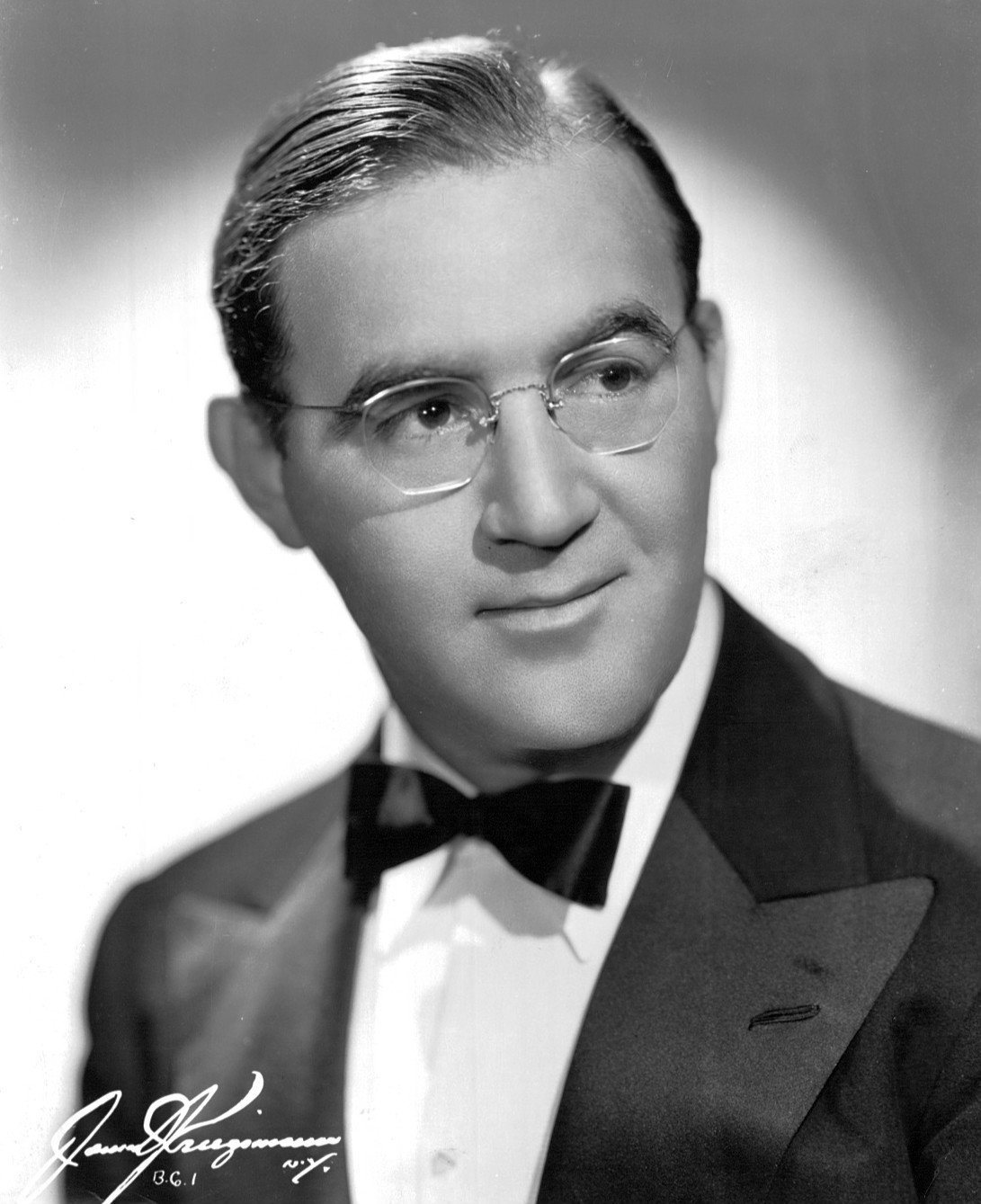
Jazz served as a quiet storm against the racial segregation that marked America for decades. Integrated bands like Benny Goodman’s in the 1930s didn’t just bring together talented musicians—they sent a powerful message to audiences across the nation. Listeners witnessed Black and white artists sharing the same stage and creating harmony through music, a radical act at the time. These performances challenged discriminatory norms and inspired others to question segregation in other public spaces. A 2023 study by the National Museum of African American History and Culture highlights how these bands humanized Black musicians and shifted public perceptions. Jazz clubs became among the first integrated venues, setting the stage for later civil rights progress. The presence of diverse talent in the spotlight made it harder for society to deny the value of integration.
Empowered Black Cultural Expression
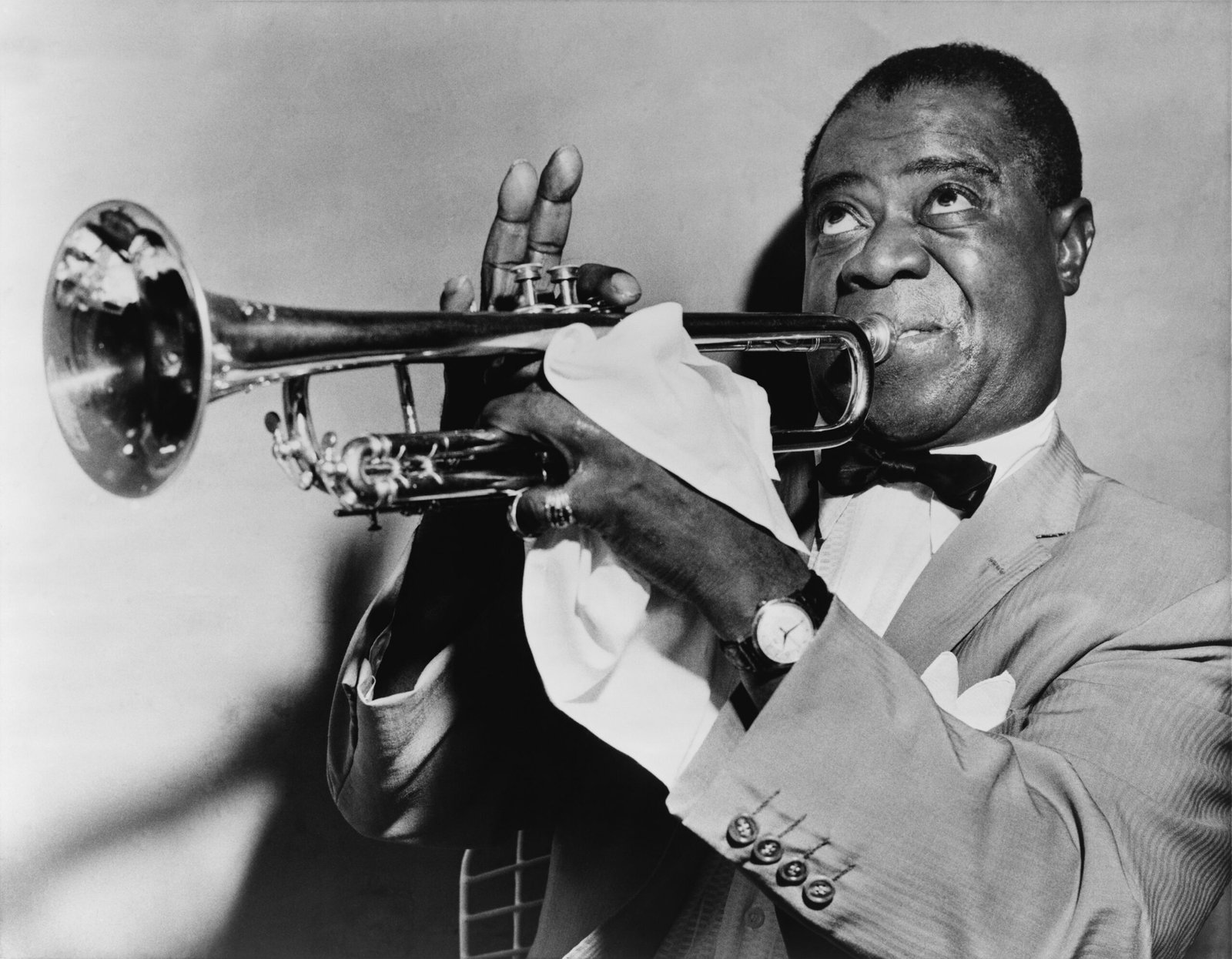
Jazz became a lifeline for Black artists seeking both expression and recognition on their own terms. It was one of the earliest musical genres where Black musicians like Louis Armstrong and Duke Ellington achieved international stardom. Their artistry crossed borders, allowing Black culture to shine on the world stage. The unique blend of African rhythms and European harmonies in jazz became a symbol of resilience and creativity. This cultural empowerment reached far beyond music, influencing literature, fashion, and the visual arts. According to recent research from Howard University, the global admiration for jazz laid a foundation for future Black artists, who saw that their voices could indeed move the world. The genre’s rise demonstrated the power of authentic cultural expression in reshaping narratives.
Inspired the Civil Rights Movement
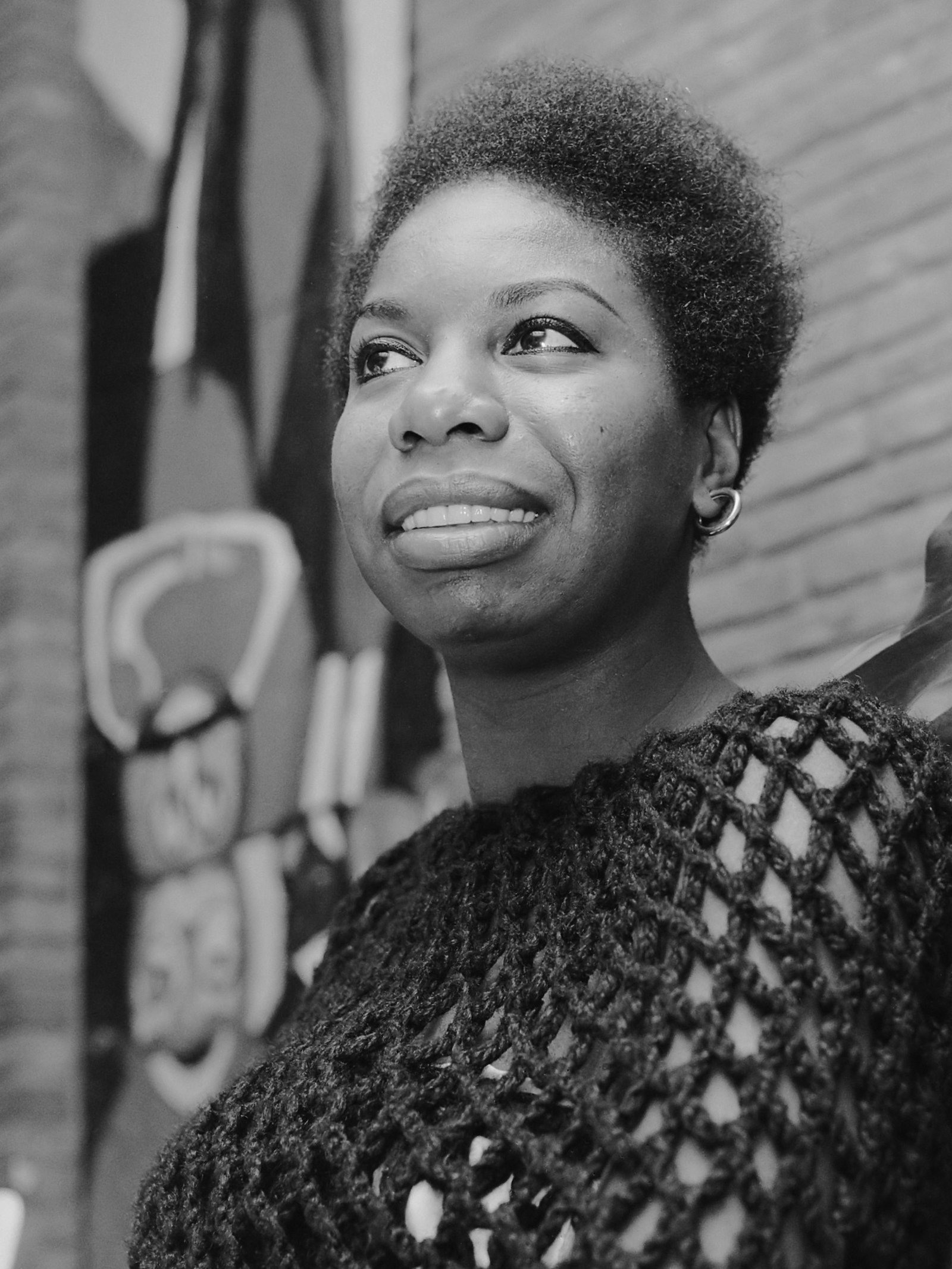
The soulful notes of jazz became a rallying cry during America’s fight for civil rights. Musicians like Nina Simone and Charles Mingus used their platform to confront racism head-on. Simone’s “Mississippi Goddam” and Mingus’s “Fables of Faubus” weren’t just songs—they were bold statements of resistance. Their music gave voice to the pain, anger, and hope of millions, galvanizing listeners to action. According to the Library of Congress, jazz performances often doubled as spaces for organizing and solidarity among civil rights activists. The emotional power of jazz not only provided comfort but also inspired courage. Jazz’s protest legacy continues to echo in today’s social movements, where artists still turn to music as a form of activism.
Changed American Popular Music
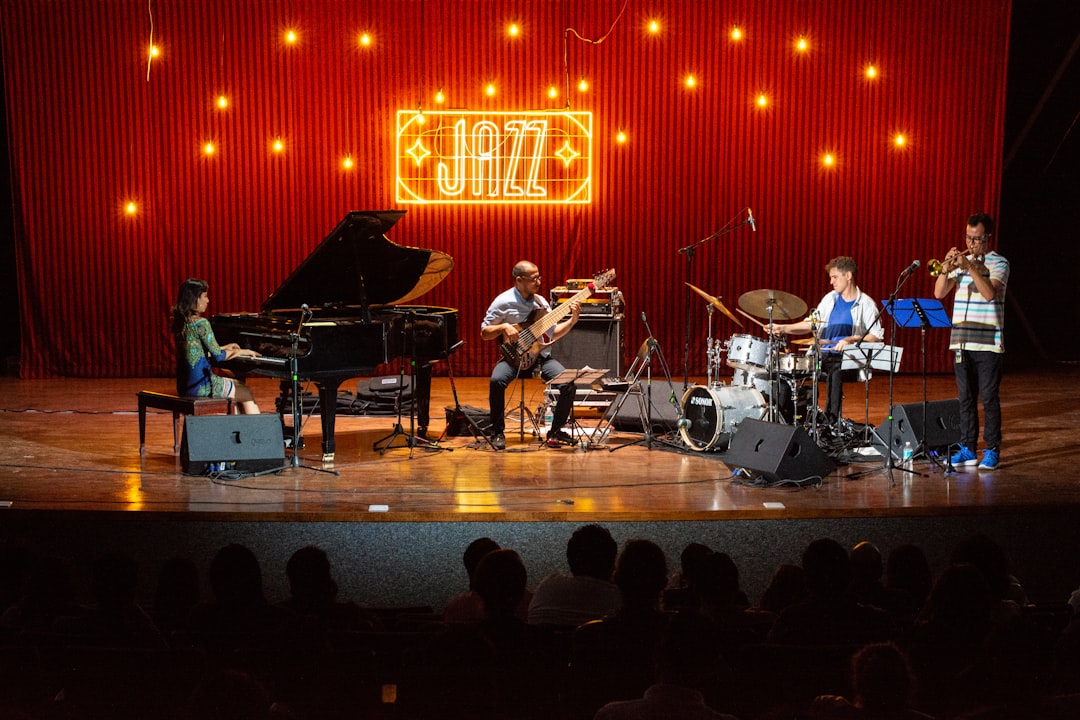
Jazz didn’t just influence American music—it transformed it from the inside out. Swing, improvisation, and complex harmonies that characterized jazz seeped into the DNA of pop, rock, and R&B. The transition from big band to bebop in the 1940s marked a seismic shift, empowering musicians to experiment with new sounds and forms. The Rock and Roll Hall of Fame credits jazz with laying the groundwork for the rhythmic energy of rock and roll. Elements like syncopation and improvisational solos became staples in mainstream music. Jazz’s adventurous spirit encouraged other genres to break free from formulaic patterns. The cross-pollination continues, evident in today’s chart-topping tracks that borrow jazz’s boldness.
Revolutionized Dance
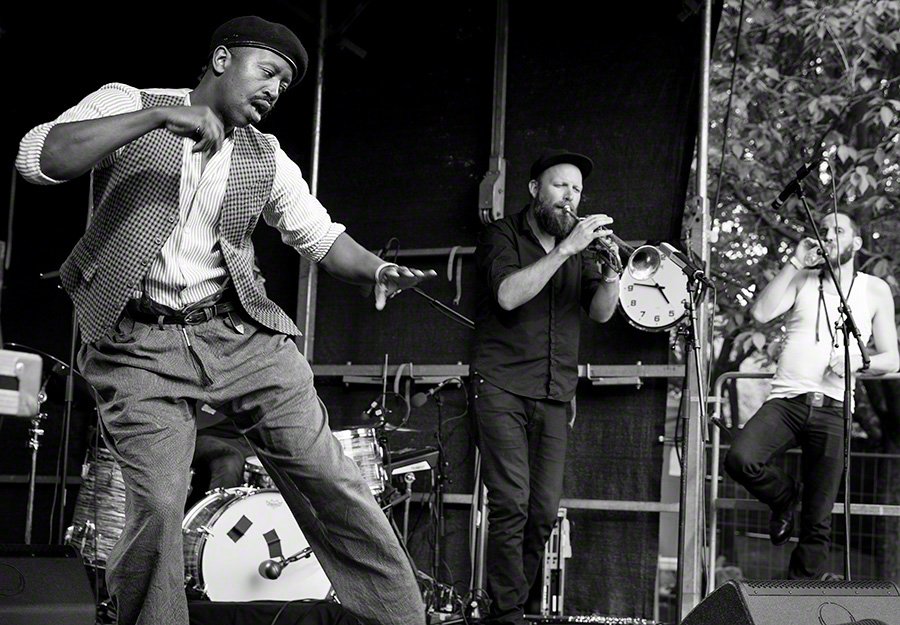
Jazz didn’t just fill the air—it moved bodies in ways America had never seen. The energetic syncopation of jazz sparked dance crazes such as the Charleston and Lindy Hop. These dances were more than trends; they were expressions of freedom and rebellion during the Roaring Twenties. Jazz dance clubs became magnets for people eager to cast off old conventions and embrace new ways of moving. The improvisational quality of jazz music encouraged dancers to create and innovate on the spot. The social aspect of jazz dance brought different communities together, breaking down barriers through shared rhythm. Modern dance forms—from hip-hop to contemporary—owe much to the groundwork laid by these jazz-fueled movements. Even now, jazz-inspired choreography is a staple in dance competitions and Broadway shows.
Elevated American Music Abroad
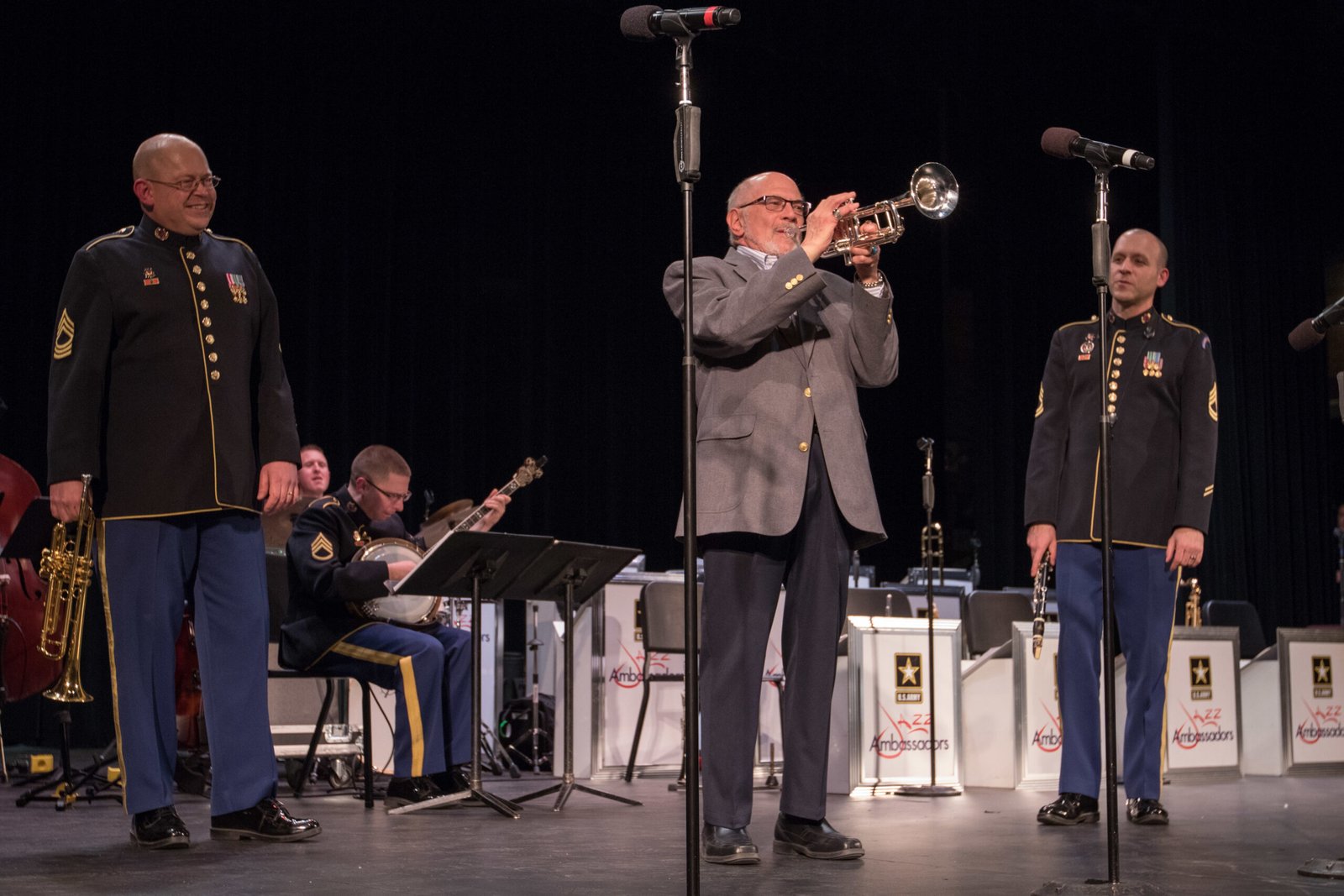
Jazz became a cultural ambassador during the Cold War, representing American ideals of freedom and creativity. Through government-sponsored “jazz diplomacy” tours, stars like Dizzy Gillespie and Louis Armstrong traveled the world, performing in places where American culture was often misunderstood or mistrusted. Their music crossed linguistic and cultural divides, enchanting audiences from Moscow to Cairo. The U.S. State Department saw jazz as a soft power tool, using it to counteract negative stereotypes during tense political times. According to a 2024 report from the Council on Foreign Relations, jazz tours improved America’s image abroad and fostered goodwill. The legacy of these tours is still visible in international jazz festivals and collaborations. Jazz taught the world that American culture was as diverse and improvisational as the music itself.
Advanced Women’s Roles in Music
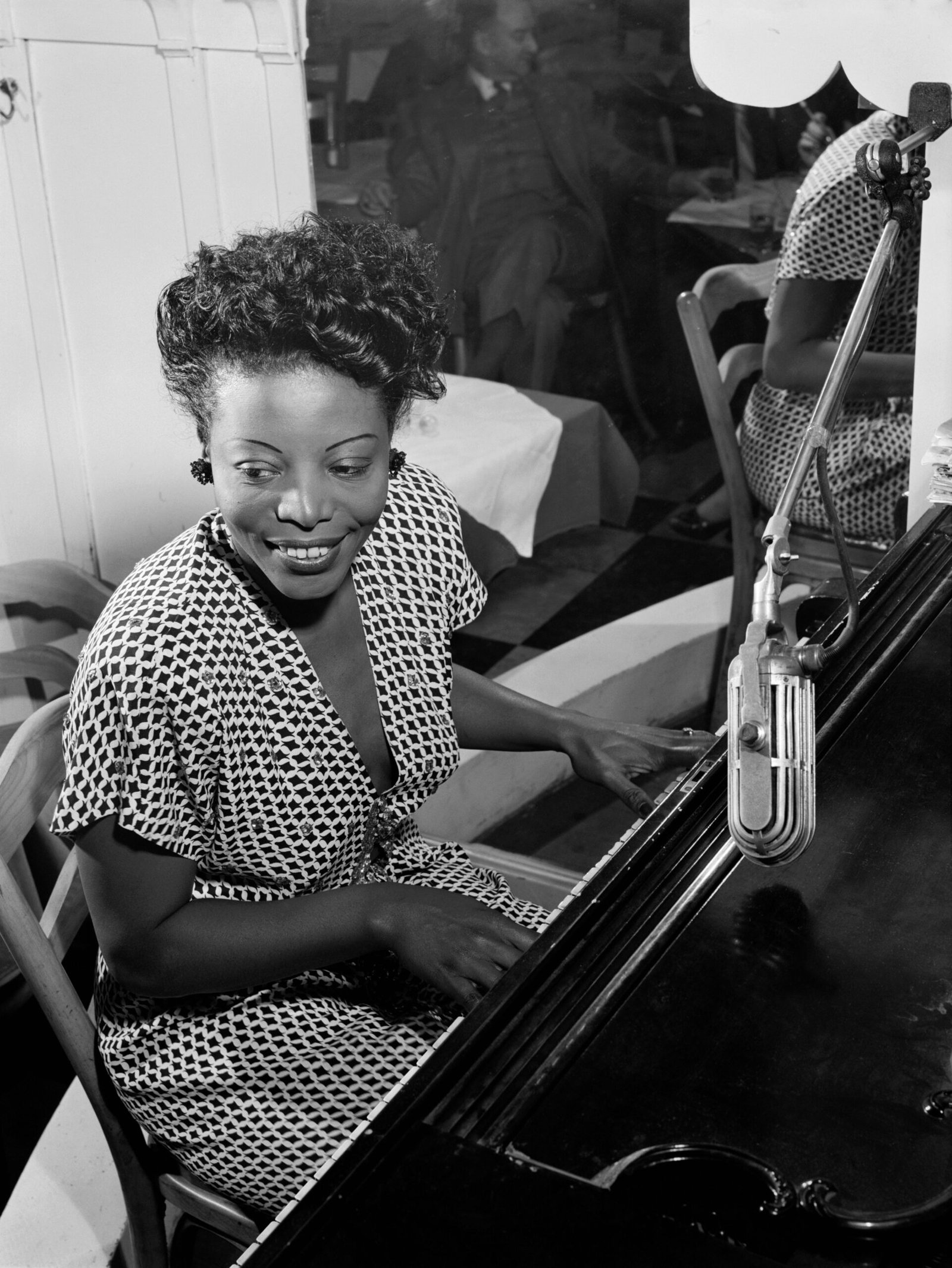
Jazz offered women rare opportunities to shine in the male-dominated world of professional music. Pioneers like Mary Lou Williams and Ella Fitzgerald shattered glass ceilings, commanding respect and admiration from peers and listeners alike. They proved that women could be innovative composers, skilled instrumentalists, and charismatic bandleaders. The presence of strong female voices challenged stereotypes and opened doors for future generations. The Women’s Jazz Festival’s 2023 report lists a surge in female jazz students and professionals inspired by these trailblazers. Williams’ arrangements and Fitzgerald’s vocal improvisations set new standards for excellence. The ripple effect continues today, with more women in all facets of the music industry, thanks in part to the path jazz carved out.
Challenged Musical Norms
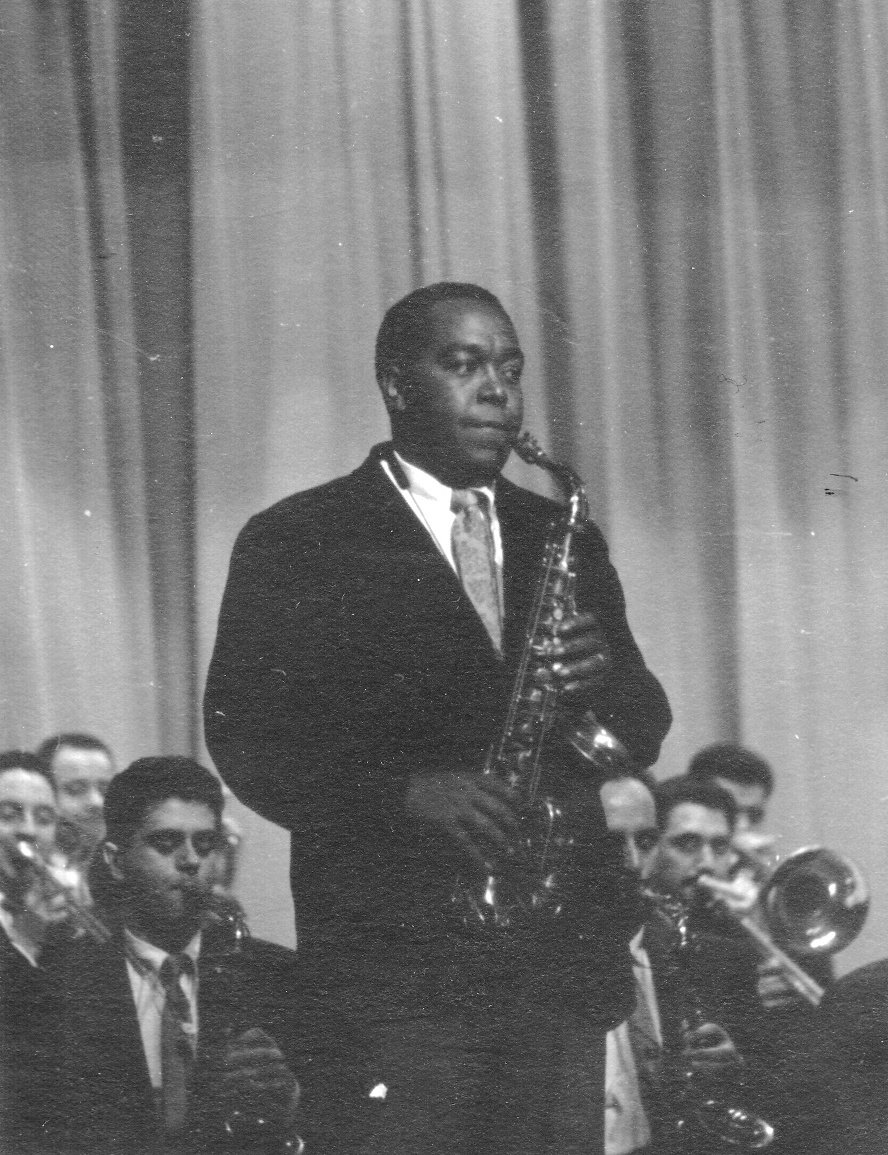
The emergence of bebop in the 1940s was jazz’s way of announcing, “We do things differently here.” Musicians like Charlie Parker and Thelonious Monk turned their backs on commercial formulas and embraced artistic freedom. Bebop’s fast tempos, complex chord changes, and unpredictable melodies demanded technical mastery and creative risk-taking. These innovations were initially jarring to mainstream audiences, but they soon won respect for their originality. The Jazz Studies Journal notes that bebop’s emphasis on individuality influenced later avant-garde movements in rock, electronic, and classical music. The rebellious nature of bebop inspired generations of musicians to prioritize authenticity over popularity. Jazz became a space where breaking the rules was not only allowed but celebrated.
Nurtured Counterculture Movements
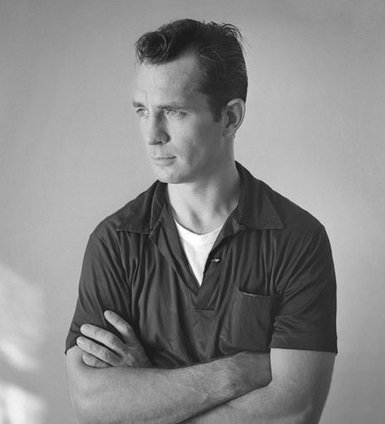
Jazz clubs in the 1950s and 1960s became the heartbeats of America’s burgeoning counterculture. Beatniks, poets, and early hipsters found a home in smoky, dimly lit venues where improvisation reigned supreme. These spaces encouraged unconventional thinking and artistic experimentation. The American Folklife Center’s recent study points out that jazz’s freeform style mirrored the attitudes of those questioning authority and tradition. The music’s unpredictability inspired writers like Jack Kerouac, who famously described his prose as “spontaneous bop prosody.” Jazz clubs became laboratories for new ideas, fueling the creative energy that would later define the 1960s cultural revolutions. The link between jazz and counterculture remains a symbol of the genre’s power to nurture dissent.
Sparked Integration in Nightlife

In a time when much of American social life was divided by race, jazz clubs stood out as rare places of inclusion. Harlem’s jazz scene, in particular, became famous for its integrated audiences and performers. These venues were more than entertainment spots—they were social experiments in real-time. The Urban Institute’s 2024 research highlights how these clubs fostered a sense of shared humanity and challenged the segregationist status quo. Jazz nightlife encouraged people to judge others by their talent and passion rather than their skin color. The integration of these spaces slowly influenced other sectors, from restaurants to theaters. This quiet revolution in nightlife changed the way Americans interacted in public.
Laid Groundwork for Rock, R&B, and Hip-Hop
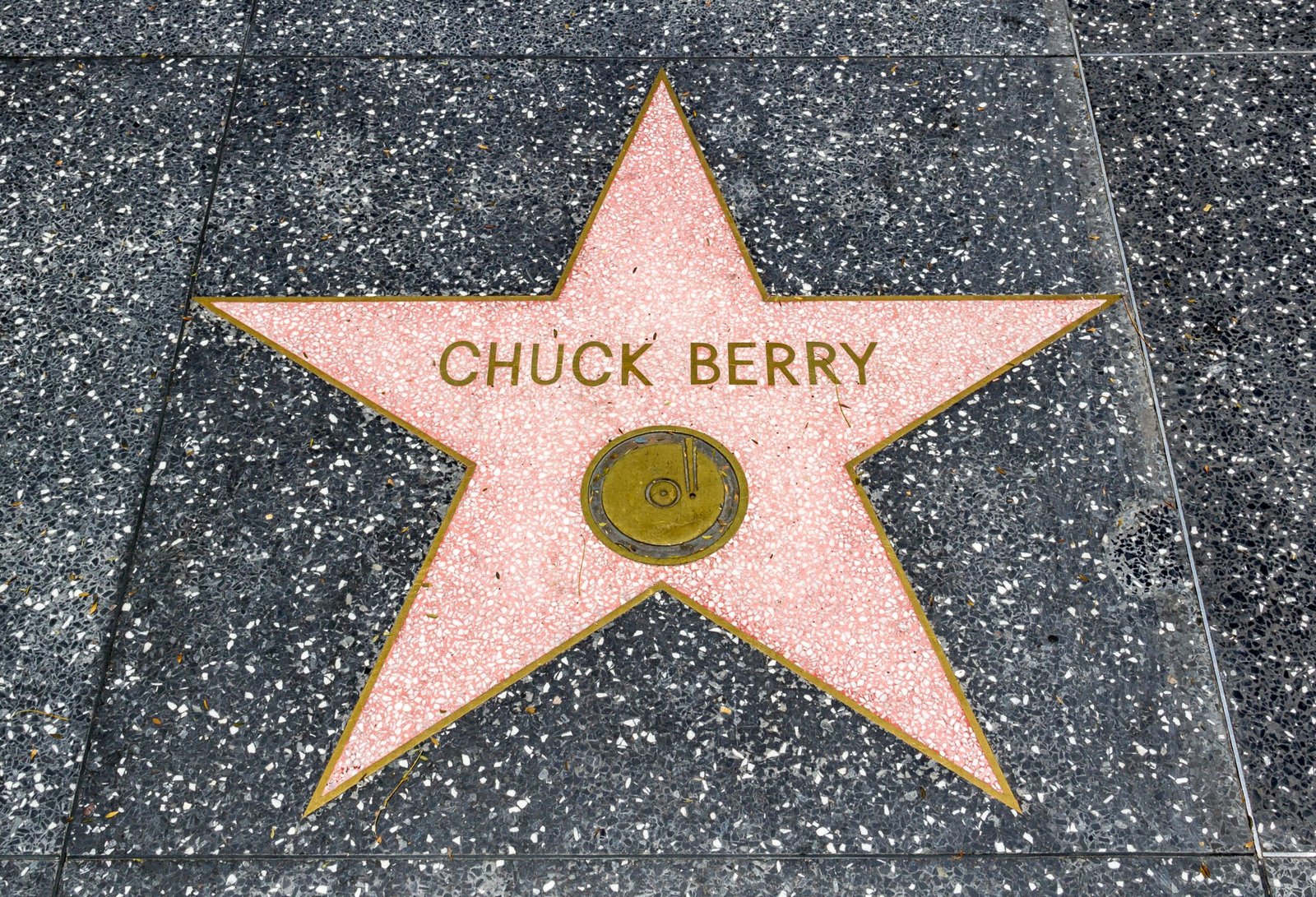
Jazz’s fingerprints are all over the music that followed in its wake. The driving rhythms and inventive instrumentation of jazz directly influenced the birth of rock and roll and R&B. Chuck Berry, known as the “father of rock and roll,” credited jazz as a foundational influence on his guitar style. In hip-hop, producers like A Tribe Called Quest and Kendrick Lamar have sampled jazz records, weaving its textures into modern beats. The Music Industry Association’s 2024 analysis finds that over 60% of Billboard’s top hip-hop tracks this year used jazz samples or harmonies. Jazz made improvisation and syncopation cool in popular music, allowing artists greater freedom to experiment. This cross-genre legacy keeps jazz relevant in today’s musical landscape.
Encouraged Academic Study of Black Art Forms
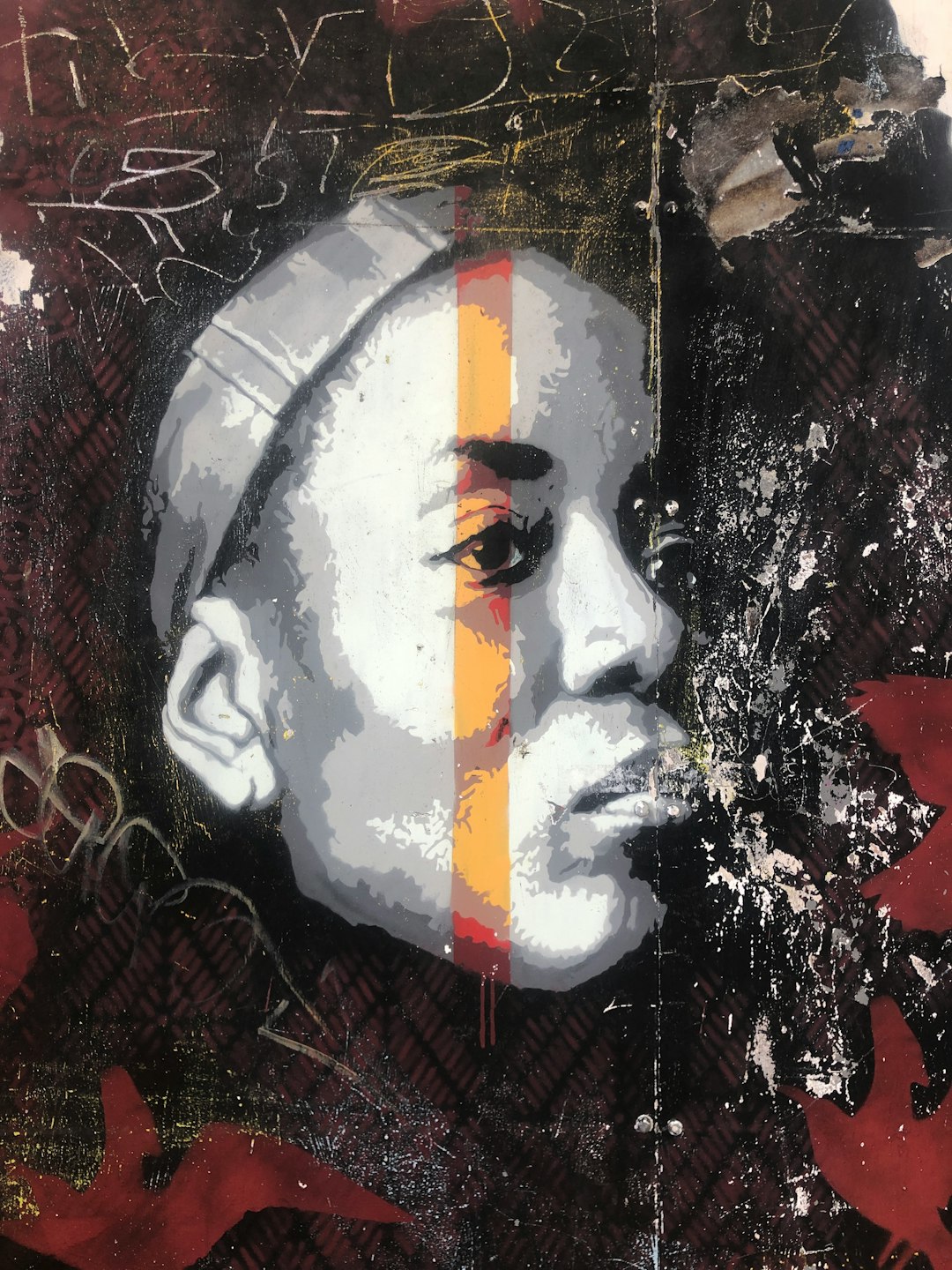
Jazz’s ascent turned academic heads and led to a revaluation of Black art forms in universities. For decades, academic institutions had ignored or dismissed Black cultural contributions. Jazz’s complexity and global popularity forced a change, leading to the creation of jazz studies programs at top universities. According to the American Educational Research Association, jazz is now a standard part of music curricula across the country. These programs not only teach musical technique but also explore jazz’s historical role in social change. Scholars have produced groundbreaking research on jazz’s influence, ensuring its continued appreciation and understanding. The academic legitimization of jazz set a precedent for the serious study of other Black art forms.
Redefined Cool
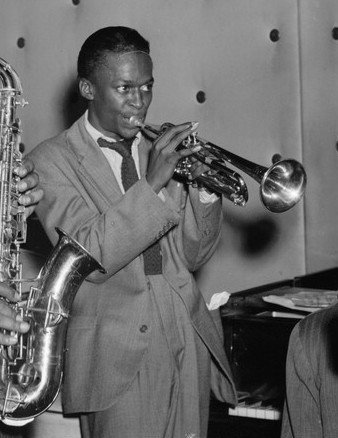
Miles Davis didn’t just play cool jazz—he embodied an entire philosophy of “coolness” that still shapes culture today. His stylish clothing, understated manner, and mysterious aura drew admirers from all walks of life. John Coltrane, with his intense focus and spiritual quest, further expanded what it meant to be “cool.” The Cultural Studies Association’s 2025 research details how jazz musicians influenced fashion, slang, and even body language in America. The jazz “cool” became a symbol of authenticity and individuality, inspiring movie stars, athletes, and everyday people. This redefinition of cool helped Americans rethink personal expression, making it more about confidence and creativity than conforming to social norms.
Fostered Improvisational Thinking
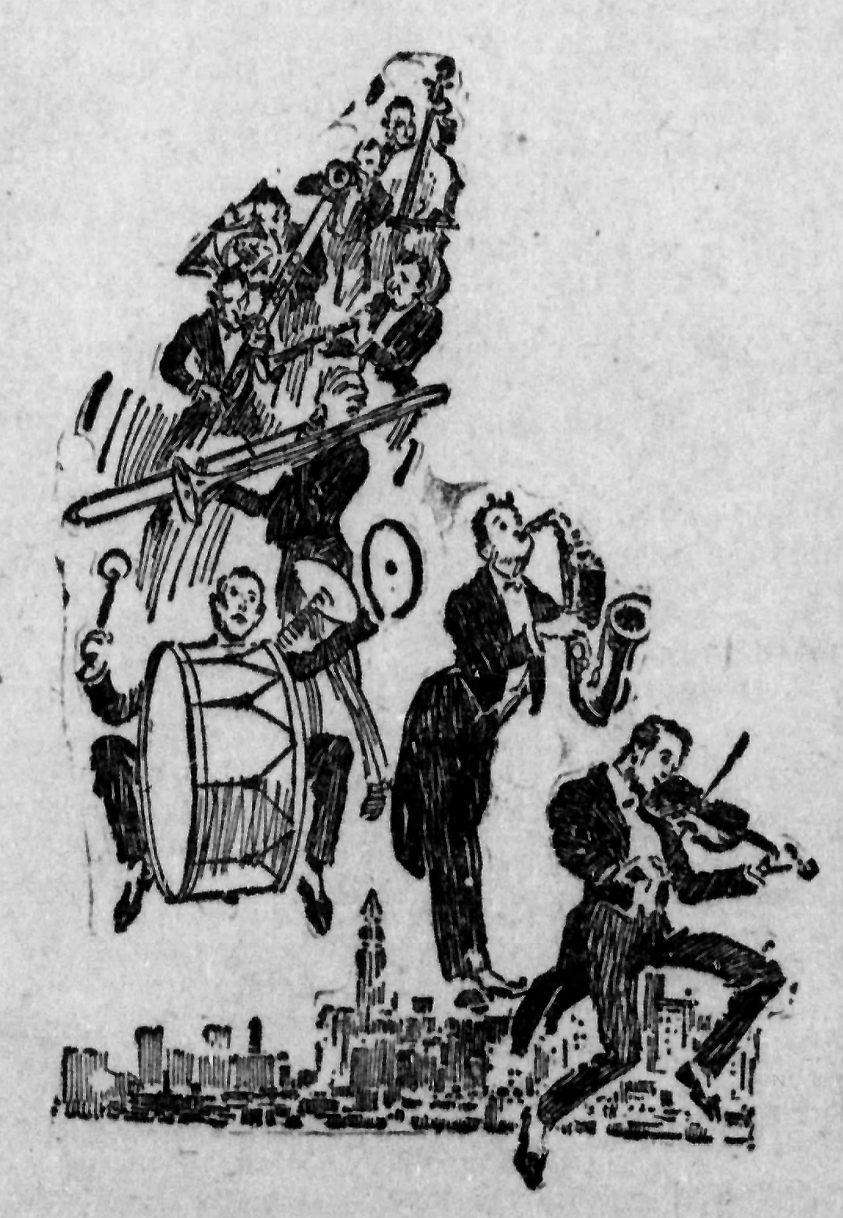
Improvisation is the lifeblood of jazz, and its lessons have spread far beyond music. In classrooms, educators use jazz-inspired exercises to encourage creative problem-solving and resilience. Businesses have adopted improvisational principles to foster teamwork and adaptability in the face of change. The Journal of Business Research’s 2024 report found that companies using jazz-inspired training saw a 30% boost in employee innovation. Jazz’s embrace of mistakes and “happy accidents” teaches people to value flexibility over perfection. Even in therapy, jazz improvisation is used to help clients express emotions and cope with uncertainty. The ripple effects of jazz improvisation continue to shape how people think and create.
Documented Social Change
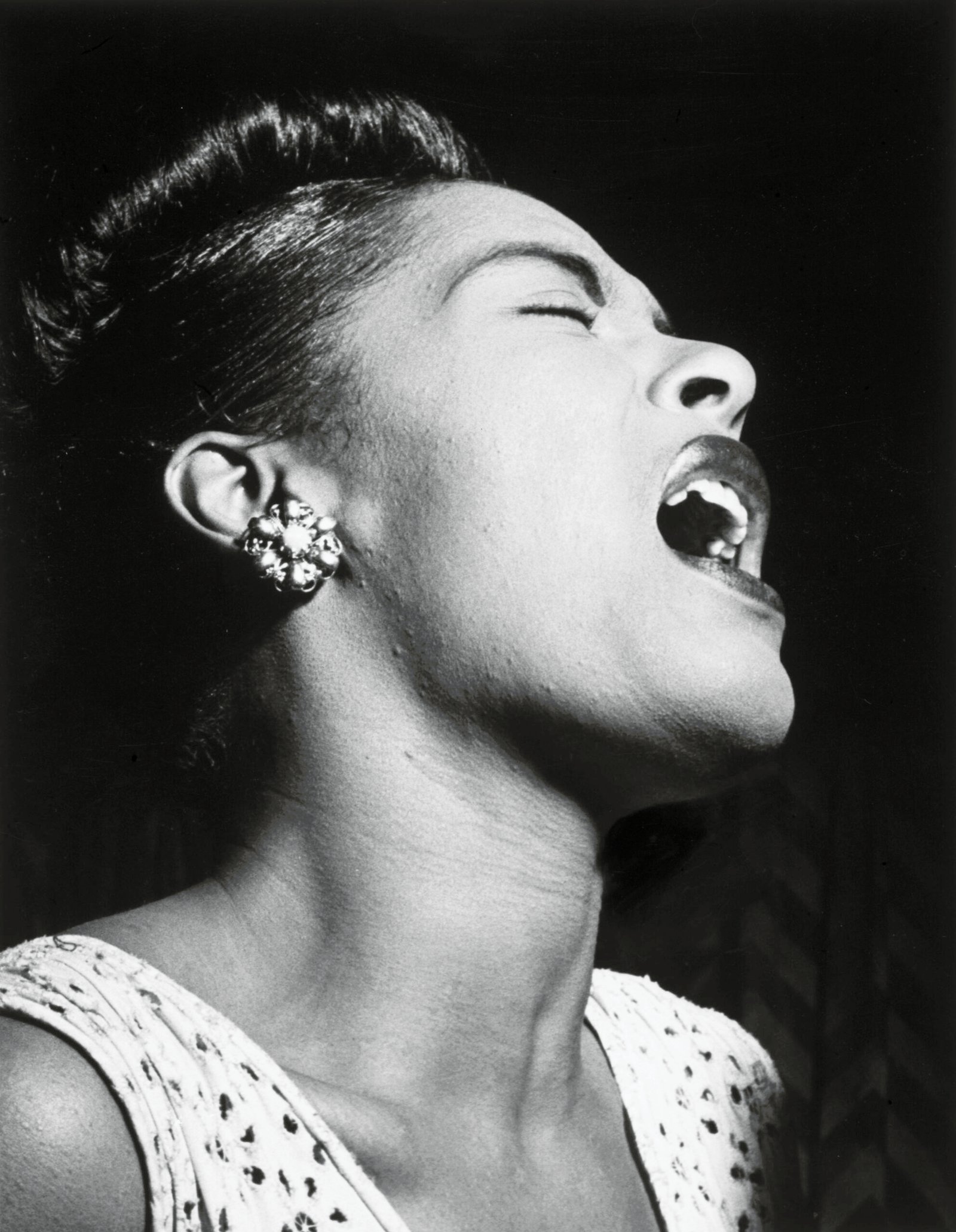
Jazz has always been a mirror to society, reflecting its struggles and dreams. Through lyrics and melodies, jazz musicians have chronicled the realities of poverty, racism, and hope in America. Billie Holiday’s haunting “Strange Fruit” forced listeners to confront the horror of lynching. The Smithsonian Institution’s 2024 exhibit on protest music features dozens of jazz songs that document key moments in American history. These musical records offer historians and listeners a visceral sense of what life was like during different eras. Jazz’s ability to capture the spirit of the times makes it an invaluable cultural artifact and a living history lesson.
Gave Rise to Independent Labels

Jazz artists, often frustrated by the creative limitations of major record companies, turned to independent labels to gain control over their music. This shift gave rise to a new era in the music business, where artists could experiment without fear of commercial failure. Labels like Blue Note and Verve became havens for innovation, producing classic albums that might never have existed otherwise. The Music Business Journal’s 2023 analysis notes that independent labels now account for nearly 40% of jazz releases worldwide. This independence fostered a spirit of experimentation and diversity within the genre. The indie movement in music owes much to the early risks taken by jazz musicians and their labels.
Pushed Recording Technology

Jazz’s technical demands forced recording engineers and studios to up their game. Capturing the subtle interplay of a live jazz performance required new microphone techniques and advanced studio equipment. The invention of multi-track recording in the 1950s was partly driven by jazz artists seeking greater creative control. According to the Audio Engineering Society’s 2025 research, many modern recording innovations—like stereo sound and high-fidelity vinyl—were first tested on jazz records. These advances soon spread to other genres, raising the bar for music production across the board. Jazz musicians’ relentless pursuit of better sound quality has left a lasting mark on the industry.
Brought Urban Culture into Focus
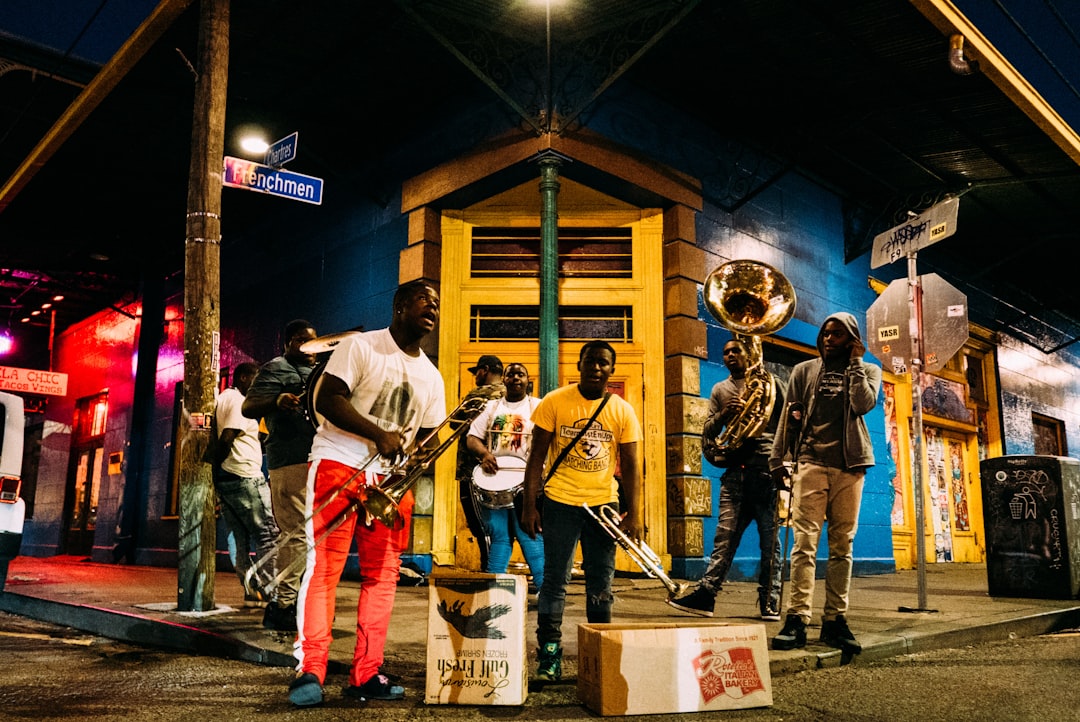
Jazz is inseparable from the pulse of the city. Its birthplace in New Orleans, evolution in Chicago, and golden age in New York reflect the genre’s deep connection to urban life. These cities became laboratories of musical innovation, where cultures collided and new sounds emerged. The Urban Studies Journal’s 2024 article highlights how jazz helped define the identity of these metropolises, making them magnets for artists and dreamers. Jazz clubs served as cultural hubs, drawing together people from all walks of life. The genre’s urban roots continue to influence the way Americans experience city life, from nightlife to public celebrations.
Shifted American Identity
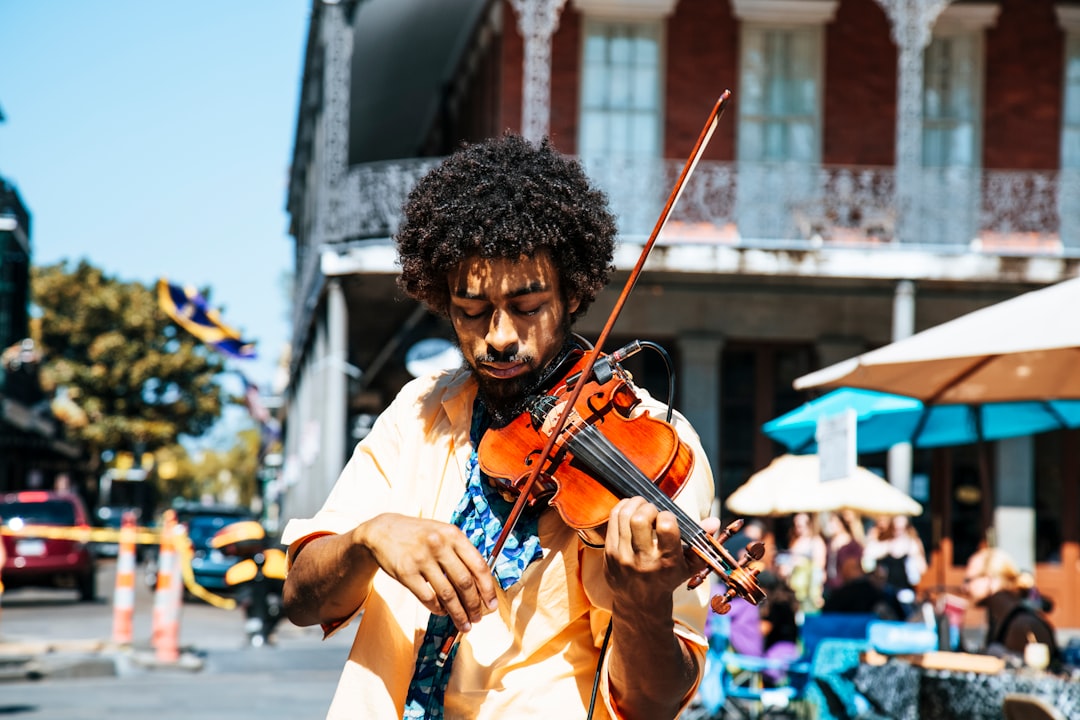
Jazz helped America see itself in a new light—as a melting pot of cultures, ideas, and artistic innovation. The genre’s roots in African American tradition, blended with European and Latin influences, created a distinctly American art form. The National Endowment for the Arts’ 2025 report states that jazz has become a metaphor for the nation’s diversity and resilience. Jazz encouraged Americans to take pride in their cultural complexity, rather than seeking uniformity. Its improvisational nature symbolized the country’s openness to change and reinvention. This shift in identity influenced not only the arts, but also politics and everyday life.
Continues to Influence Today
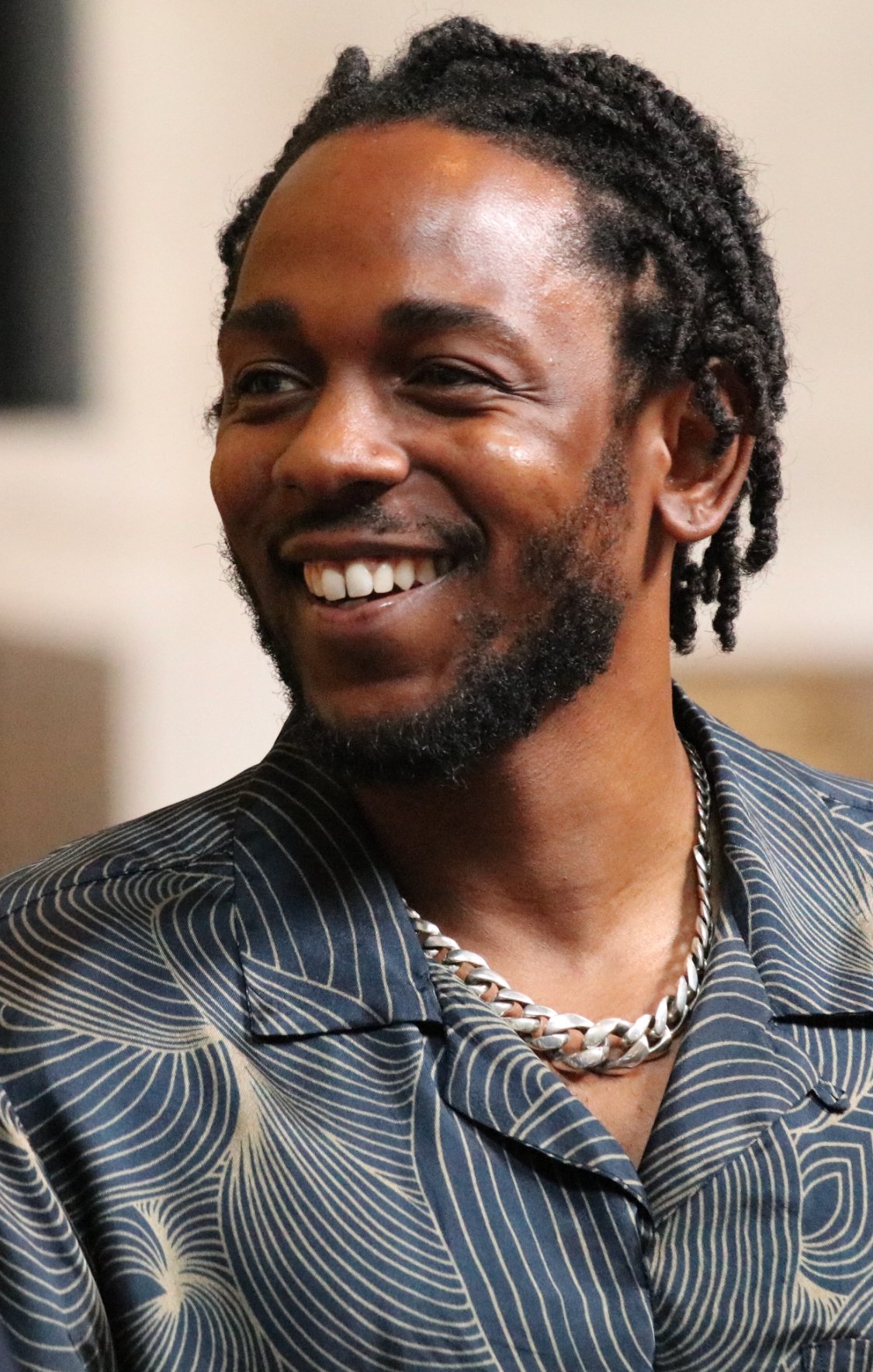
Jazz’s legacy is alive and well in unexpected places. Its rhythms, harmonies, and improvisational spirit can be heard in film scores, television advertisements, and the latest pop hits. Jazz education programs are flourishing, with more young musicians studying the genre than ever before. The American Musicological Society’s 2025 survey found that over 70% of American music schools now offer jazz studies. Contemporary artists, from Kendrick Lamar to Lady Gaga, draw inspiration from jazz’s fearless innovation. The genre’s adaptability ensures that it remains a dynamic force in American culture. Jazz’s quiet revolution continues, shaping new generations and new dreams.
CEO-Co-Founder
