
Most people remember the oldies as simpler times – innocent love songs, sock hops, and harmless fun. But listen closely and you’ll hear something very different buried in those three-minute classics: control, stalking, underage desire, and lines that would detonate on social media before the song even hit the chorus. A lot of what passed as “romantic” back then would trigger content warnings, advertiser pullouts, and outrage threads before the week was out. Radio programmers quietly know this. Most listeners still don’t.
Here are 33 real songs with real lyrics that almost certainly wouldn’t survive the modern airwaves as new releases. Some will confirm what you already suspected. Others will genuinely shock you – especially the ones that everybody still sings along to at weddings.
#1 – “Hey Joe” – Jimi Hendrix (1966)

At the very top of this list sits one of rock’s most revered guitar anthems – and it is literally about murder. Joe announces, flat out, that he’s going to shoot his woman because she’s been running around on him. No metaphors, no poetic distance. He’s on his way to kill her. Then he heads to Mexico to dodge the consequences.
In 2026, radio’s tolerance for glorified intimate-partner homicide is essentially zero. A new track about tracking down and shooting your girlfriend for cheating would never make it out of the label meeting, let alone reach nationwide rotation. Paired with real-world headlines about femicide and domestic violence, this lyric crosses a line that no program director can defend anymore. As a historical artifact, it survives. As a new single, it would be dead on arrival.
Fast Facts
- “Hey Joe” has been recorded by over 1,000 artists, making it one of the most-covered songs in rock history.
- Hendrix’s version peaked at #6 in the UK in early 1967 – but actually failed to chart in the US on its May 1967 release.
- The song was originally written by Billy Roberts, who registered the copyright in 1962.
- Hendrix closed Woodstock with it in August 1969 – the final song of a 3½-day festival.
- Its lyrics are explicitly from the point of view of a man fleeing to Mexico after shooting his unfaithful wife – no ambiguity, no subtext.
#2 – “Delilah” – Tom Jones (1968)

Jealousy turns into explicit murder, and somehow the chorus became a stadium sing-along. He discovers Delilah with another man, hides outside her window, and then stabs her. Crowds still chant her name with their fists in the air – which means millions of people are joyfully repeating the name of a woman who just got killed for cheating.
Today’s standards around depicting gender-based violence are far stricter, and a hook that invites audiences to cheer a homicide confession would be ripped apart in the press. A brand-new single built around this exact narrative – tragic romance framing and all – would never see daylight radio. It survives now only because it’s been grandfathered into nostalgia.
#3 – “Run for Your Life” – The Beatles (1965)
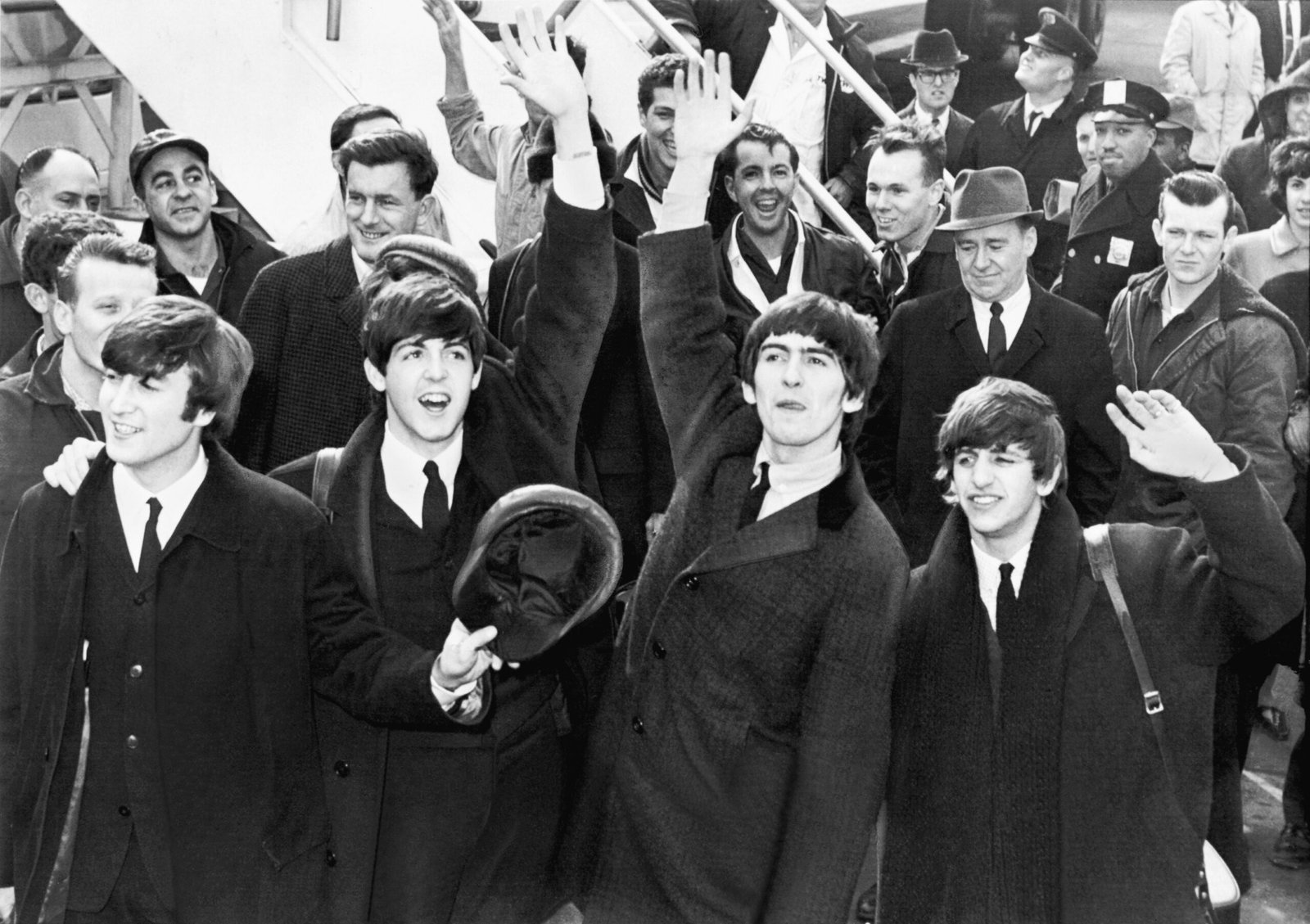
People treat early Beatles as squeaky-clean pop. Then there’s this one. The key line: “I’d rather see you dead, little girl, than to be with another man.” That is not a metaphor. He is threatening to kill her if she cheats. You’d expect that from a true-crime podcast, not the band your parents used to swoon over.
Today, any song where a man tells a “little girl” to fear for her life over jealousy would trigger domestic violence PSAs – not nostalgia playlists. Stations might play a brief clip in a documentary context, but full rotation? Not a chance. It goes from “jealous boyfriend” to openly homicidal obsession in a single verse, and modern programmers simply have no safe way to package that.
#4 – “He Hit Me (And It Felt Like a Kiss)” – The Crystals (1962)

This one barely gets played even on deep-cut stations, and there’s an obvious reason. The title alone – “He hit me (and it felt like a kiss)” – romanticizes physical abuse as proof of love. The verses double down, suggesting that jealousy and violence mean he “really cares.”
Today, this would be career-ending territory. Domestic violence advocates would rightfully demand boycotts, not just edits. Even framing it as “a product of its time” doesn’t change what the lyric is actually teaching. Modern radio standards around harm, audience safety, and advertiser responsibility would make this unairable in its original form – full stop.
#5 – “Under My Thumb” – The Rolling Stones (1966)
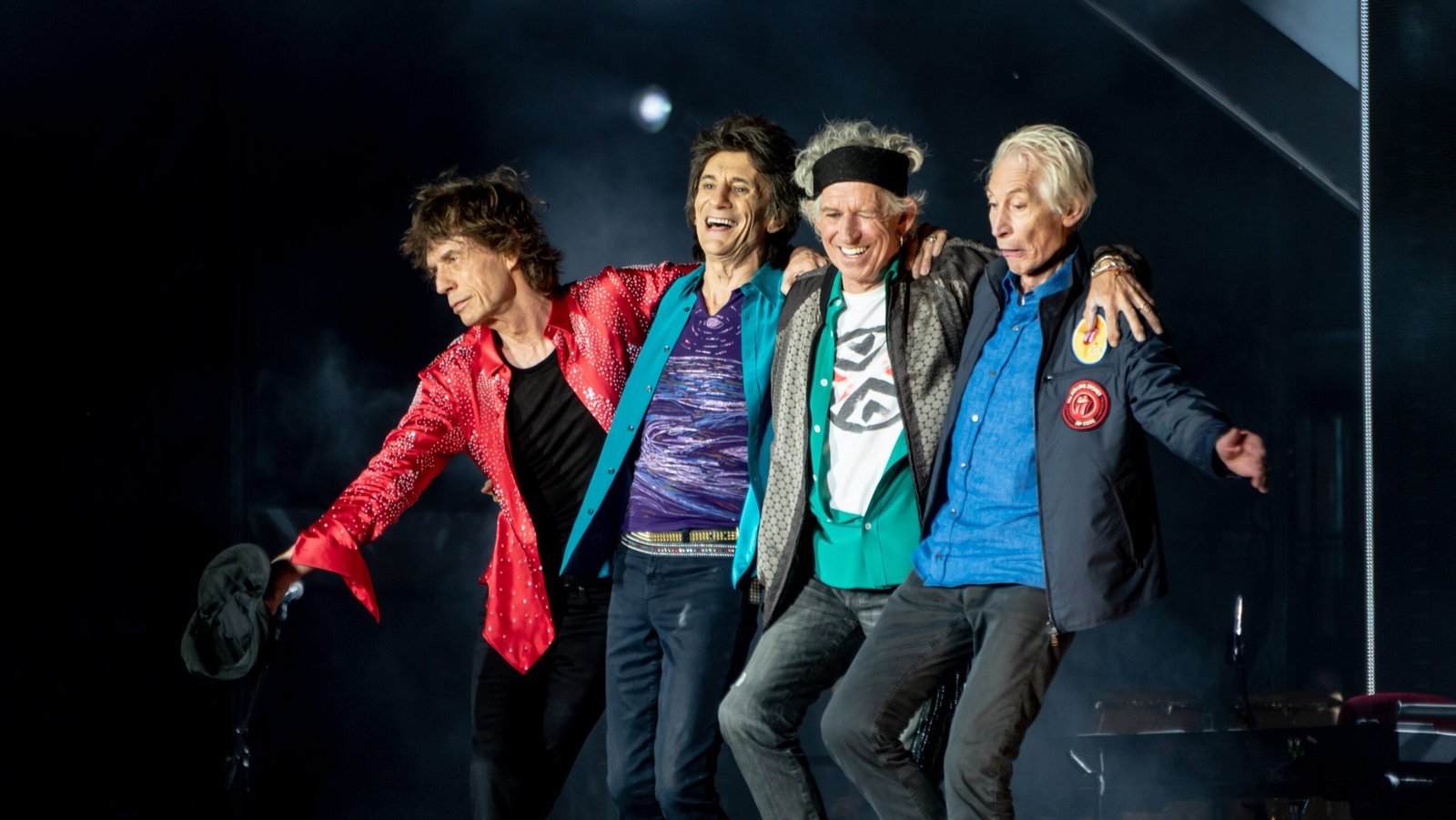
On the surface, it’s a catchy rock staple. Underneath, it’s an unapologetic victory lap about breaking down a woman’s will until she does exactly what she’s told. “She talks when she’s spoken to” – like a pet, not a partner. He frames her compliance as something he earned.
In 2026, a brand-new single using this exact language would be tagged as a textbook portrait of emotional domination within hours of release. What makes it particularly striking is how openly the song frames control as the reward. It’s not ambiguous. It’s basically a swaggering manual for psychological abuse, dressed up in one of rock’s most recognizable guitar riffs.
#6 – “Young Girl” – Gary Puckett & The Union Gap (1968)

At first listen, it sounds like a guilty conscience in song form. Then you realize the entire hook is an adult man singing “Young girl, get out of my mind / My love for you is way out of line” – to a girl he’s only just discovered is underage. He knew she was young. He pursued her anyway. The song just asks her to save him from himself.
Radio in the ’60s treated this as a moral lesson. Today, the setup alone – adult man, underage girl, romantic framing, his desire front and center – lands squarely in statutory red-flag territory. Even with him trying to back out at the end, modern programmers terrified of headlines would never put this in regular rotation as a new release.
#7 – “You’re Sixteen” – Johnny Burnette (1960) / Ringo Starr (1973)

The title does most of the explaining. In the most famous cover, a fully grown Ringo Starr sings “You’re sixteen, you’re beautiful, and you’re mine” with the easy confidence of a man who sees absolutely nothing wrong with that sentence. At the time, it sailed through as puppy love. Today it reads like something you’d hand to a prosecutor.
Age of consent laws vary by state and country, but culturally, a middle-aged man singing possessively about a 16-year-old is now an obvious PR disaster with no spin available. Most contemporary artists wouldn’t go near this framing, and radio would dodge new releases romanticizing underage relationships the way it dodges a live wire. The old version survives in niche nostalgia sets – more out of habit than any conscious editorial choice.
At a Glance: The Underage Problem in Classic Pop
- “You’re Sixteen” – Ringo Starr’s 1973 cover hit #1 in the US; the subject is explicitly 16 years old.
- “Young Girl” – Gary Puckett’s 1968 hit reached #2 in the US while describing an adult’s desire for a minor.
- “Into the Night” – Benny Mardones name-checks a 16-year-old in the opening line and was a hit twice: 1980 and again in 1989.
- “Go Away Little Girl” – A chart-topper in both 1963 and 1971, built entirely around an adult man barely resisting a child.
- All four reached the US Top 10 or higher – none would clear a modern label’s A&R review today.
#8 – “Into the Night” – Benny Mardones (1980)

This one has quietly become infamous, and the opening line is the reason: “She’s just sixteen years old, leave her alone, they say.” He doesn’t leave her alone. Instead, he pledges to take her “into the night” and show her a love like she’s never seen. It’s a detailed, full-on fantasy about running away with a teenager – and it was a genuine radio hit.
Even if defenders argue it’s “just fantasy,” the power dynamic is too obvious to wave away. Radio executives today think in terms of brand safety. Playing a grown man’s romantic fantasy about a 16-year-old – complete with defying the adults trying to protect her – is the opposite of safe. It’s almost tailor-made for modern backlash, and no label would touch it as a new release.
#9 – “Tonight’s the Night (Gonna Be Alright)” – Rod Stewart (1976)
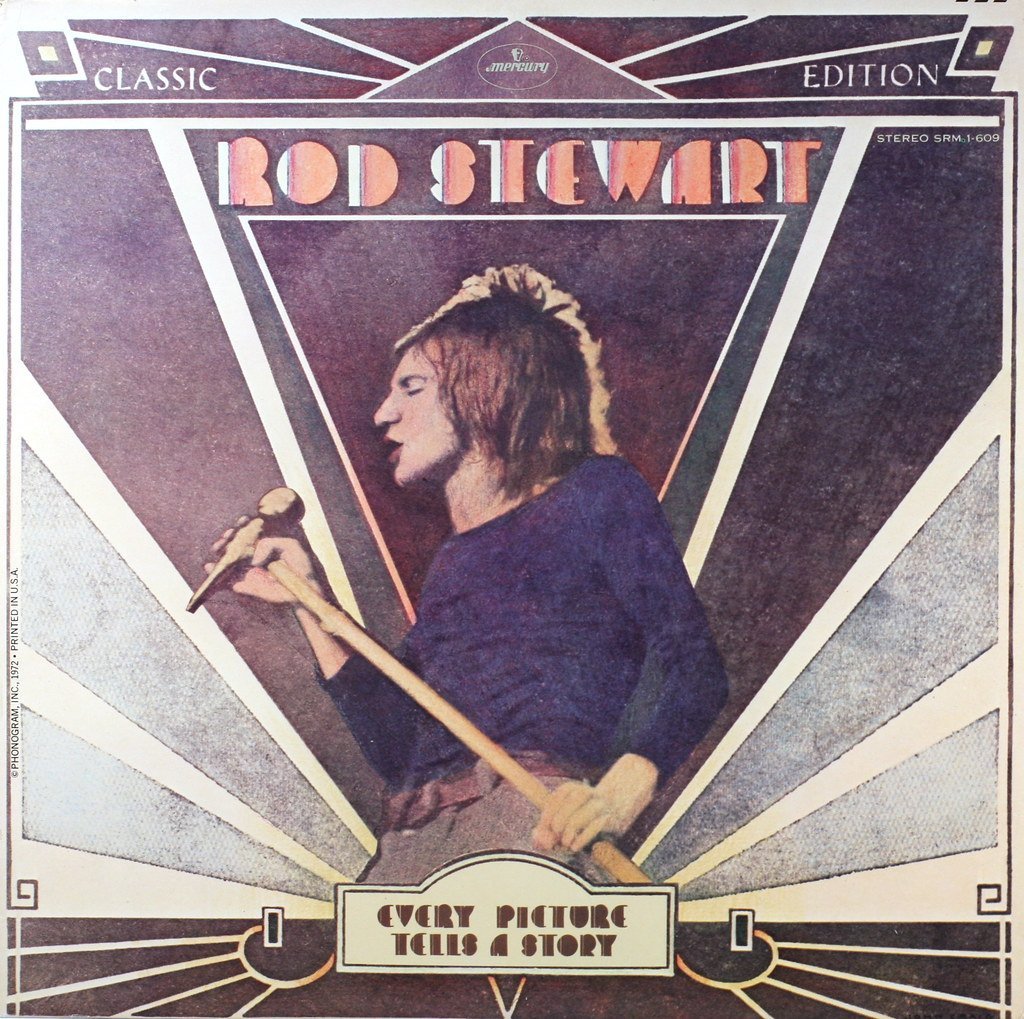
This soft-rock staple is essentially a seduction tutorial built around wearing down resistance. Lines like “Don’t say a word, my virgin child” and “Spread your wings and let me come inside” leave almost no room for generous reinterpretation. He is explicitly, patiently pressuring a virgin to give in – and the song treats that patience as romantic.
Consent today isn’t just about a “yes” – it’s about freedom from pressure, equal power, and clear capacity to choose. None of that is present here. The “virgin child” phrase alone would set off legal and branding alarms at every level of a modern label. Many programmers already quietly skip this track. As a new single, it would never see daylight radio at all.
[article_quiz]
#10 – “Don’t Stand So Close to Me” – The Police (1980)

Yes, it’s technically 1980 – but it lives on oldies and classic-hits formats now. The problem is the entire premise: a male teacher narrating his barely-contained attraction to a teenage student, complete with the line “She’s so close now, this girl is half his age.” He’s fully aware of the age gap and the power dynamic. The song treats this as tension rather than a firing offense.
With schools under constant scrutiny for boundary violations, a pop melody romanticizing educator-student desire would be controversial at minimum and banned at worst. The smooth production hides how normalized the fantasy actually is. In a new release today, there is zero appetite for this framing on daytime radio – and most program directors would know it the moment they read the first verse.
#11 – “Hot Child in the City” – Nick Gilder (1978)

“Hot child in the city, runnin’ wild and lookin’ pretty” – combined with references to “young blood” and a man watching from the sidewalk – paints a picture that is hard to read as anything other than an adult fixating on a minor. He’s the observer. She’s the target. The city provides cover for whatever comes next.
In 2026, any hint of sexualizing minors is radioactive. The title itself says “child.” Radio executives can’t claim they didn’t notice. What passed as seedy urban storytelling in the late ’70s now reads like a glamorized snapshot of exploitation, and new songs with that framing would be shut down before they ever reached a test audience.
#12 – “Brown Sugar” – The Rolling Stones (1971)
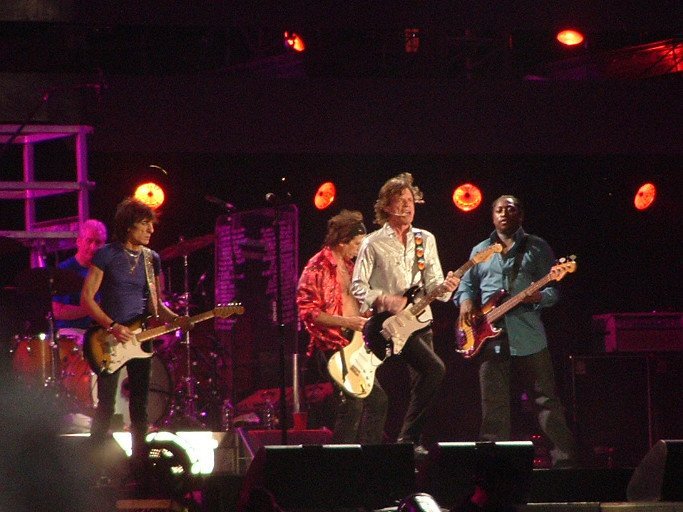
Here the controversy runs several layers deep: slavery, race, and sex collide in under four minutes. The lyrics reference a woman on a slave ship, whipped and used by her masters, then pivot into sexual attraction – framing racial violence as erotic. Even if you argue it’s commentary, the casualness of the delivery makes that defense almost impossible to sustain.
In today’s climate, programmers would be staring down legal and PR departments before even considering a spin. The racialized imagery in a party-rock context would be indefensible to advertisers and audiences alike. Tellingly, the Rolling Stones themselves dropped the song from their live setlist in 2021 – and Jagger has been distancing himself from it since 1995.
“God knows what I’m on about on that song. It’s such a mishmash. All the nasty subjects in one go… I never would write that song now.”
Mick Jagger, Rolling Stone, 1995
#13 – “Baby, It’s Cold Outside” – Various Artists (1940s standard)

For decades it was a Christmas staple. Then people actually read the lyrics. The man keeps brushing off her repeated “I really can’t stay” as playful coyness while she asks, “Say, what’s in this drink?” – a line that has aged like a brick in the era of consent awareness and drink-spiking headlines.
Defenders call it flirtation from a different era. Modern ears hear a textbook coercion scenario, and radio stations in recent years have already pulled or “contextualized” it. A brand-new duet with that exact lyric would get demolished online within hours of release. Program directors now think in terms of liability and optics – and this song’s power imbalance is a nightmare on both counts.
Worth Knowing
- In 2018, US and Canadian radio stations including WDOK Cleveland, CBC Radio, Bell Media, and Rogers Media all pulled the song from rotation citing #MeToo-era concerns.
- Denver’s KOSI polled 15,000 listeners after pulling it – 95% voted to bring it back, and the station reversed its decision within days.
- San Francisco’s KOIT saw hundreds of listener complaints demand its return; the station reinstated it after its own poll showed 77% opposed removal.
- The controversy actually boosted the song commercially: it cracked the Billboard Digital Song Sales Top 10 for the first time ever in December 2018.
- In 2019, John Legend re-recorded it with consent-updated lyrics co-written with Natasha Rothwell – proof that even fans acknowledged the original needed rethinking.
#14 – “Every Breath You Take” – The Police (1983)

People play this at weddings. They probably shouldn’t. “Every breath you take, every move you make, I’ll be watching you” is, word for word, a stalker’s mission statement. Sting himself has described it as a song about obsession and surveillance, not devotion – yet it remains one of the most misread love songs in pop history.
Radio still plays it because it’s iconic and decades old, but if a new artist dropped this as a debut single today, it would be categorized as a controlling-relationship anthem before the first press cycle finished. Combined with rising awareness of digital stalking and location tracking, “I’ll be watching you” doesn’t sound romantic anymore – it sounds like evidence. Modern programmers are already quietly uneasy about it.
Why It Stands Out
- Sting told the NME in 1983: “I think it’s a nasty little song, really rather evil. It’s about jealousy and surveillance and ownership.”
- It was the best-selling single of 1983 in the US, hit #1 in six countries, and won the Grammy for Song of the Year – all while its true meaning went over most listeners’ heads.
- In 2019, it received a BMI Award for becoming the most-played song in radio history – making it perhaps the most-misunderstood hit ever broadcast.
- Sting has recalled couples telling him it was their wedding song; his response: “Well, good luck.”
- The song is now routinely used in film and TV specifically to underscore stalking and dark obsession – the exact opposite of how wedding DJs still deploy it.
#15 – “Run for Your Life” – revisited as #15 spot: “If You Wanna Be Happy” – Jimmy Soul (1963)
This is the one that quietly insults women for two full minutes while disguising itself as comedy. The hook instructs men to “never make a pretty woman your wife” and instead marry an “ugly” one because she’ll be easier to manage. It’s played as a joke – but it’s built entirely on looks-based contempt for women.
In a culture that calls out body-shaming quickly and publicly, a male singer dispensing advice about how a woman’s value drops with her attractiveness would melt the comment section. A station adding this fresh today would be accused of endorsing misogynistic, appearance-based stereotypes with no irony shield to hide behind. The song’s entire punchline depends on mocking women’s looks – and that joke has a very clear expiration date.
#16 – “Young Blood” – The Coasters (1957)
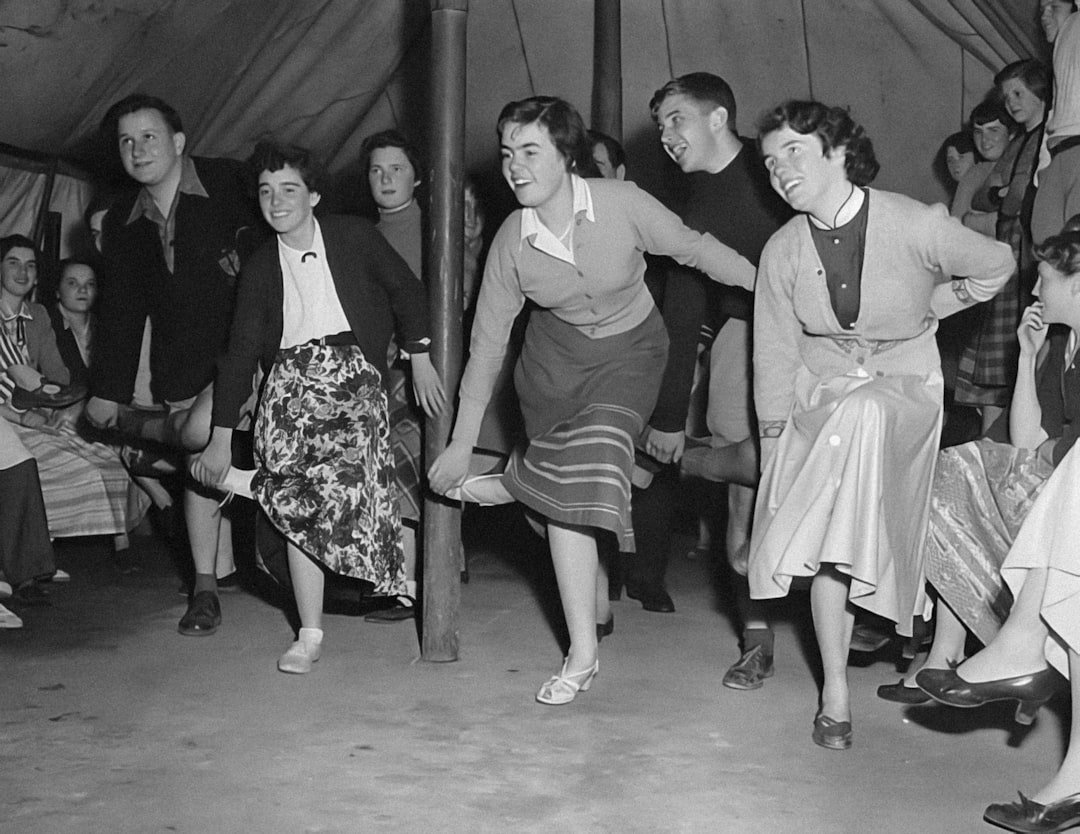
This doo-wop classic sounds breezy until you track what’s actually happening. The narrator is fixated on a schoolgirl – “young blood” – who is visibly protected by her father. He’s persistent, charming, and completely unbothered by every boundary and warning thrown at him. The song treats his relentless pursuit as endearing.
Modern conversations about grooming and harassment reframe that pursuit instantly. A grown man hovering around a heavily guarded young girl, refusing to take no for an answer, now reads like a threat – not a love story. Program directors know they can’t shrug off lyrics that sound like a restraining order in the making, especially when the word “young” is in the title and emphasized throughout.
#17 – “Go Away Little Girl” – Steve Lawrence / Donny Osmond (1960s/1971)
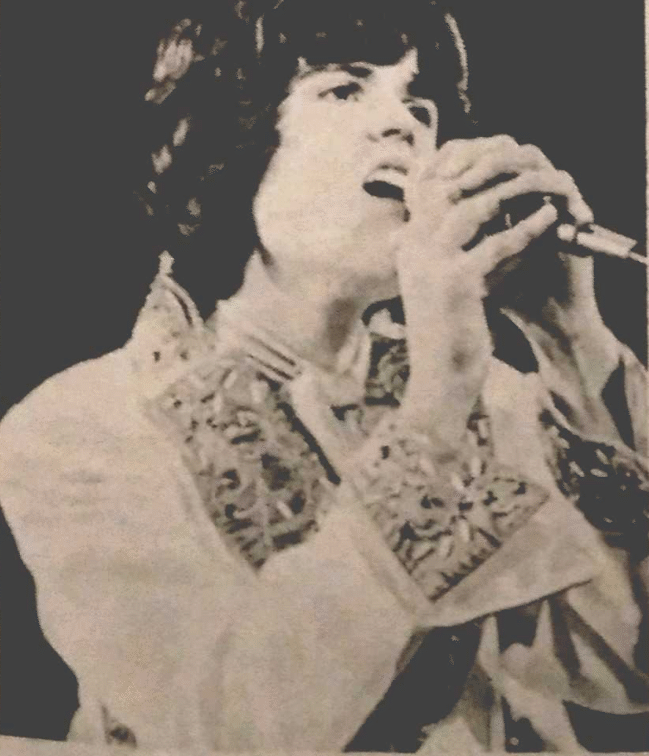
Another “I must resist you” song – except the entire burden of control is placed on her. “Go away, little girl, before I beg you to stay” positions him as helpless in the face of temptation and asks the underage girl to be the responsible one. He’s the adult. She’s explicitly “little.” And somehow this was a chart-topper.
If a current male pop star released this today, TikTok would dismantle it within hours. The idea that a grown man is barely holding himself back from a child while asking her to protect him from himself is exactly what parents and child safety advocates spend their careers warning about. Even oldies stations that still sneak it in are running on pure habit. New radio? Never.
#18 – “Stand by Your Man” – Tammy Wynette (1968)
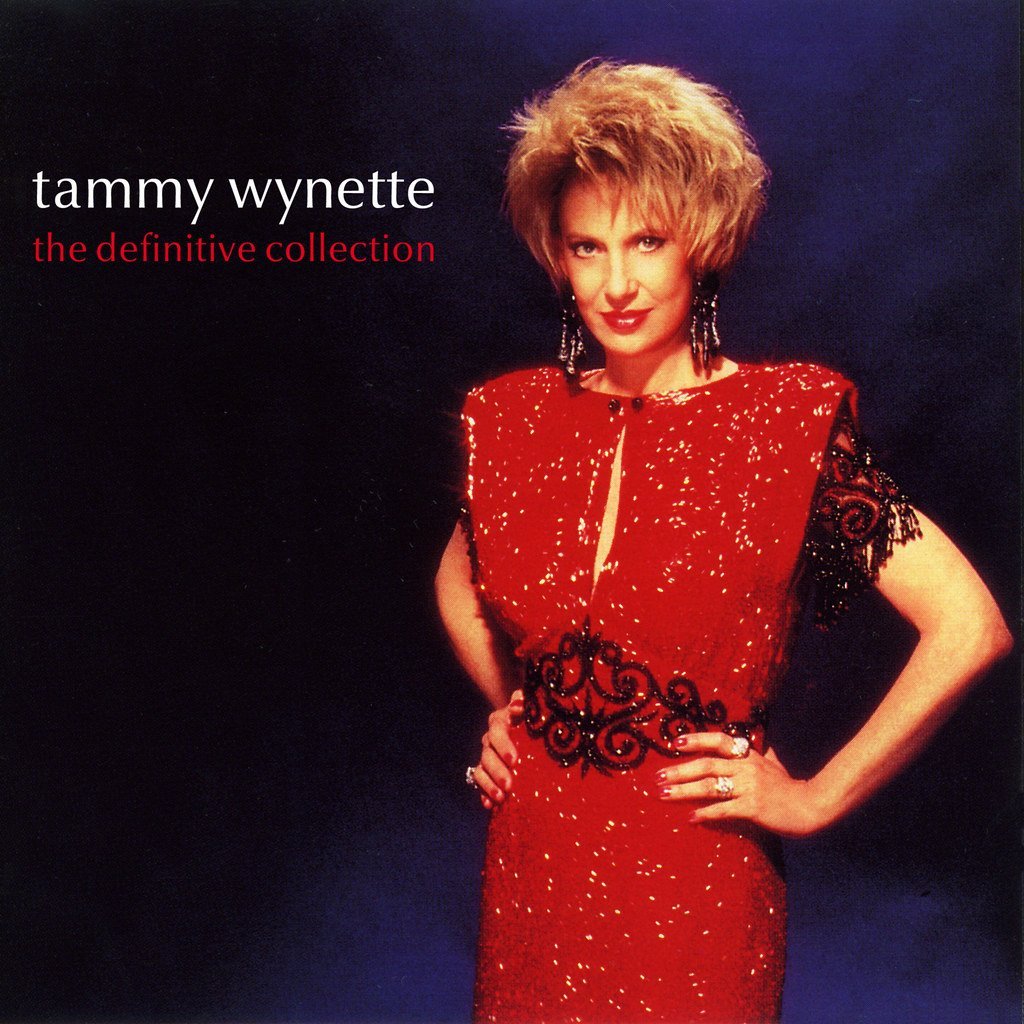
Country fans love this one, but its core message is genuinely troubling by modern standards. It tells women to support a man unconditionally no matter how badly he behaves – chalking his failures up to “he’s just a man” as if that settles it. The song doesn’t advise leaving, growing, or demanding better. It instructs women to forgive and absorb.
In 2026, with conversations about emotional boundaries and self-respect front and center, that advice sounds less like wisdom and more like a warning sign. Advocates would argue it normalizes staying in harmful relationships and frames loyalty as a woman’s highest virtue regardless of cost. It’s still played because it’s a country landmark – but a young female artist debuting with these exact words today would face a brutal reception from a large slice of her potential audience.
#19 – “He’s So Fine” – The Chiffons (1963)
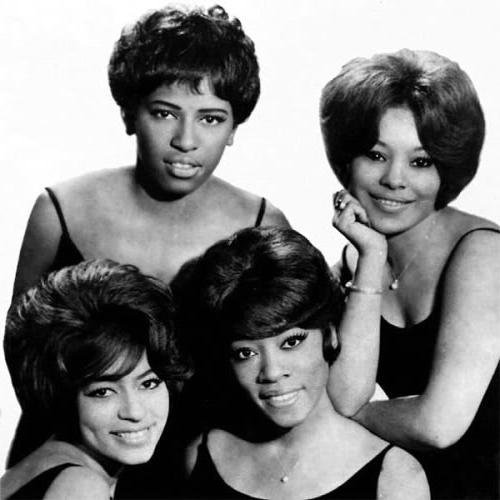
The issue here isn’t violence or age gaps – it’s agency. The lyric is entirely about a girl obsessing over a guy who barely knows she exists. She’s passive, dreaming of being chosen, with her entire happiness wrapped around whether he notices her. There’s no version of her in this song that exists independently of him.
Today’s listeners – especially younger women – are far more likely to push back on that narrative. Modern pop increasingly centers self-worth outside of male attention. A new song that fully equates happiness with being “claimed” by some guy “so fine” would be criticized as regressive in the very market it’s trying to reach. Nostalgia protects the classic; a fresh version would face a social-media teardown before the week was out.
#20 – “Baby, It’s You” – The Shirelles (1961) / The Beatles (1963)
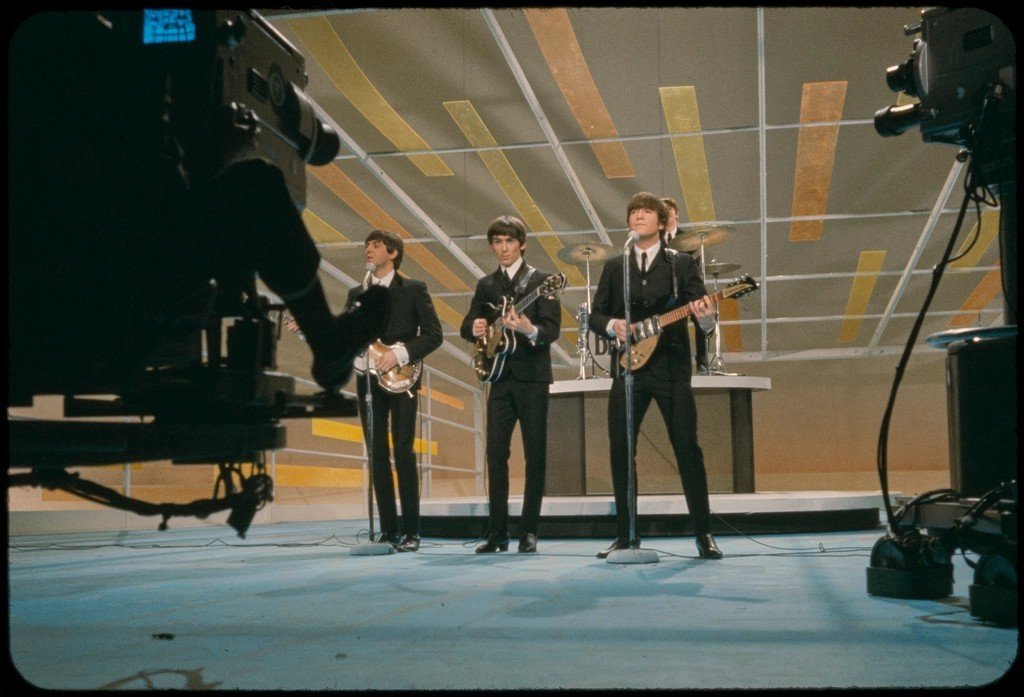
This one flies under the radar because it sounds sweet and devoted. But dig into the message: she stays unconditionally loyal to a man who cheats, lies, and is obviously bad for her. “Many, many, many nights go by / I sit alone at home and cry over you” – and still she comes back. The song frames that as love, not a pattern to break.
Modern mental-health and relationship discourse would flag this as the glorification of trauma bonding with a toxic partner. Songs about complicated relationships still get made – but presenting unconditional devotion to someone who mistreats you as aspirational is far less acceptable now. Radio programmers increasingly think about the messaging they’re putting into rotation, and a new version of this premise would likely get quietly passed over.
#21 – “Don’t Worry Baby” – The Beach Boys (1964)

On the surface, this is a comforting ballad about a girlfriend’s reassurance. Look closer and it’s about a man using his partner’s emotional support as fuel to do something reckless and dangerous – a drag race he knows he might not survive. She exists primarily to manage his anxiety and prop up his risky choices.
Mental health advocates now push hard against the idea of making a partner responsible for regulating your emotional state or enabling unsafe behavior. A new song where a man’s main takeaway is “if she says it’s fine, I’ll risk my life” would be criticized for glorifying emotional dependency and offloading responsibility. Nostalgia saves it on oldies radio. Fresh material built on this dynamic would get serious side-eye.
#22 – “Rave On” – Buddy Holly (1958)
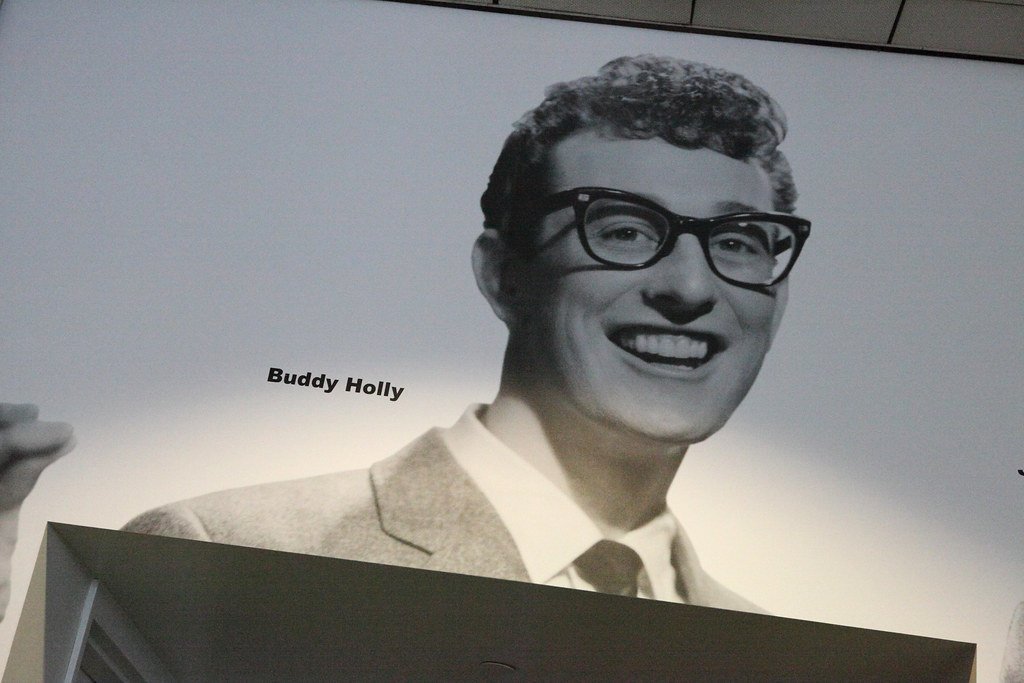
Compared to the darker entries here, this one seems mild – and that’s exactly why it’s worth examining. The intensity of Buddy Holly’s delivery, combined with lines that promise permanent togetherness without any sense of mutual choice, sits in a pattern that early rock normalized constantly: love as insistence, not invitation.
Modern radio is increasingly sensitive to any lyric that frames love as entitlement to someone’s future – especially without a clear shared voice in the song. While this one still slips by on nostalgia stations, a brand-new artist repeating one-sided “always and forever” promises with that kind of urgency could be criticized for framing love as ownership rather than partnership. It’s subtle – but that’s exactly how these patterns stay invisible for decades.
#23 – “One in a Million” – Guns N’ Roses (1988)

Even rock fans who defend the most provocative material on this list tend to go quiet about this one. It’s loaded with racial and homophobic slurs, casually attacking immigrants, Black Americans, and gay people in the span of a few verses. Lines that would never clear any standards-and-practices department anywhere, delivered without apology or framing.
Most mainstream stations already treat it as banned material – not a controversial judgment call, just a quiet removal. If it somehow appeared as a brand-new single in 2026, no major platform would host it without being obliterated by advertisers and audiences simultaneously. It now exists primarily as a historical marker of how far the line has moved – and as proof that some lyrics simply cannot be normalized back into rotation.
#24 – “Blurred Lines” – Robin Thicke (2013)
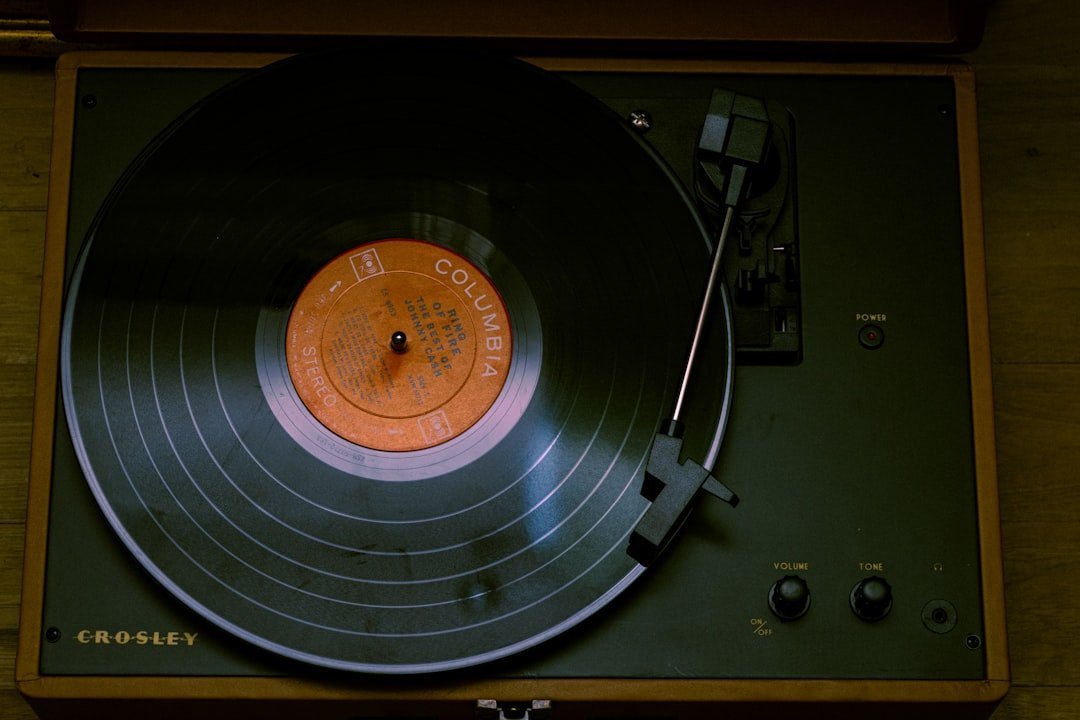
Technically not a ’60s oldie, but it’s already following the same trajectory – and fast. The entire chorus rests on “I know you want it” while she says nothing at all. The dynamic is built on his certainty that he can read her mind, which means consent is implied rather than spoken, assumed rather than asked.
In a post-#MeToo world, this is precisely the narrative being taken apart in courtrooms, classrooms, and comment sections. Many stations reduced or removed it years ago because it sounded like a defense of ignoring verbal boundaries. If it debuted today, there’s very little chance mainstream radio would add it to rotation. It’s a textbook example of how quickly a massive hit can age into “absolutely not” territory.
#25 – “Turning Japanese” – The Vapors (1980)
This one sounds bouncy and throwaway until you dig into what it’s actually referencing. “Turning Japanese” has long been interpreted as a crass euphemism tied to racial caricature and masturbation – and even if the band disputes that reading, the associations have stuck hard enough that the song can’t shake them.
Radio today has a much lower tolerance for casual racialized jokes, especially ones that reduce an entire culture to a punchline or a physical stereotype. An equivalent 2026 single using another nationality the same way would be nuked online as xenophobic before it finished its first chart week. Program directors desperate to avoid “problematic” headlines would never add a new version to a regular playlist.
#26 – “China Girl” – David Bowie (1983)

Musically beloved and lyrically heavy. Bowie leans into caricatured, submissive imagery of an Asian woman – “I’ll stumble into town just like a sacred cow” – playing up exoticism and broken-English stereotypes even if the song was intended, at some level, as cultural commentary. Most casual listeners never caught the nuance. They just heard the imagery.
Today, reducing an Asian woman to “China girl” while playing up submissive, exotic femininity would be called out as orientalist and fetishizing, particularly as awareness of anti-Asian discrimination has sharpened in recent years. A modern equivalent would likely be blasted and quietly withdrawn from rotation to limit damage – and no label would approve it past the first review.
#27 – “Island Girl” – Elton John (1975)

Here, a Jamaican woman – framed as a sex worker – is described in blunt, often demeaning terms and reduced to a tropical curiosity while a white man contemplates taking her to the city. The colonial subtext is unmistakable: she’s an exotic resource to be relocated and used in a new context.
Today’s listeners pick up immediately on that kind of racial and economic power dynamic. Framing a Black Caribbean woman as a fantasy to be “rescued” and consumed would trigger think-pieces and organized pushback before the first week of airplay ended. Even as an oldie, some stations now quietly sidestep it. A new song with this exact framing would face immediate and organized opposition.
#28 – “Lola” – The Kinks (1970)

For years, this was praised as genuinely progressive for addressing gender and sexuality with relative openness. But it’s also built around the revelation that Lola is trans – played as a wacky, disorienting twist that the narrator has to process and shrug off. The surprise is the point. The song gets its energy from the shock of it.
Modern treatment of trans people in media is far more careful – at least publicly. A new song that treats discovering someone is trans as a comedic twist ending would be labeled transphobic and exploitative, even if no overt hatred is intended. Radio programmers know this is culture-war dynamite. A contemporary equivalent would be avoided entirely by any major station that wants to stay out of the headlines.
#29 – “Ain’t No Fun (If the Homies Can’t Have None)” – Snoop Dogg & Tha Dogg Pound (1995)

This one surfaces on classic hip-hop playlists more than traditional oldies formats – but the issue is the same regardless of genre. The entire song is about women being shared among men as sexual property. Consent is never established; the premise is that she belongs to the group. She’s not a person in the song. She’s a resource.
In today’s climate, where sexual consent is a front-page issue and platforms are under pressure to police harmful content, treating a woman’s body as a communal right is a fast way to get dropped from rotation and dropped by advertisers. Even edited versions can’t fully hide the concept. A label trying to push this as a new single in 2026 would be annihilated by critics before the release date arrived.
#30 – “Janie’s Got a Gun” – Aerosmith (1989)
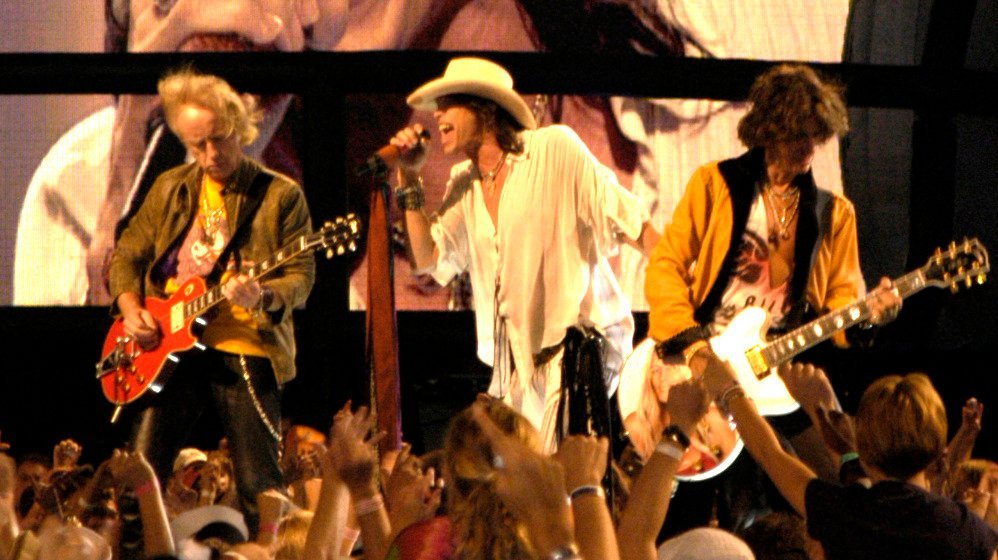
This one cuts differently from the others – it’s not glorifying abuse, it’s depicting it in graphic, unflinching detail. A girl shoots her abuser after being sexually assaulted by her father. The song references what “daddy’s done” in terms specific enough that modern radio would trigger a content warning conversation immediately.
The issue here isn’t glorification – it’s graphic triggering content in a daytime format. Many stations quietly avoid anything that requires listener warnings or detailed explanation, even when the song’s intent is clearly critical of the abuse it describes. If this were a brand-new single today, it might find a home on streaming, but daytime radio would handle it with extreme caution or not at all.
[article_quiz]
#31 – “Polythene Pam” – The Beatles (1969)
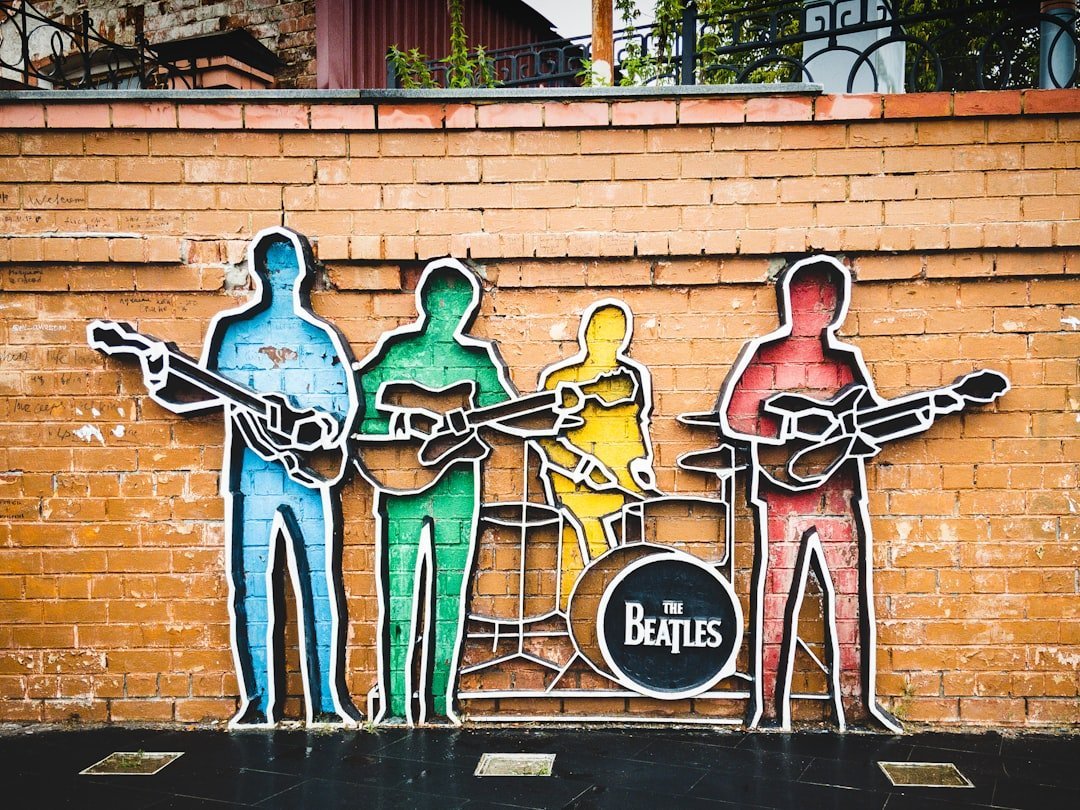
The Beatles appear again, this time with a character described as a “killer-diller” wearing jackboots and kilts – painted as a freak-show spectacle to be gawked at and laughed over. It’s half kink, half mockery, and the woman at the center exists entirely as an object of ridicule and titillation.
In a culture making imperfect but genuine efforts to respect different sexual identities and expressions, reducing a woman to a weirdo attraction in a few quick, sneering lines would draw immediate fire. It’s not the most egregious offender on this list, but it’s another clear example of how female characters were routinely written as punchlines or props rather than people. A 2026 version would be generating think-pieces by day two.
#32 – “Thank God I’m a Country Boy” – John Denver (1974)
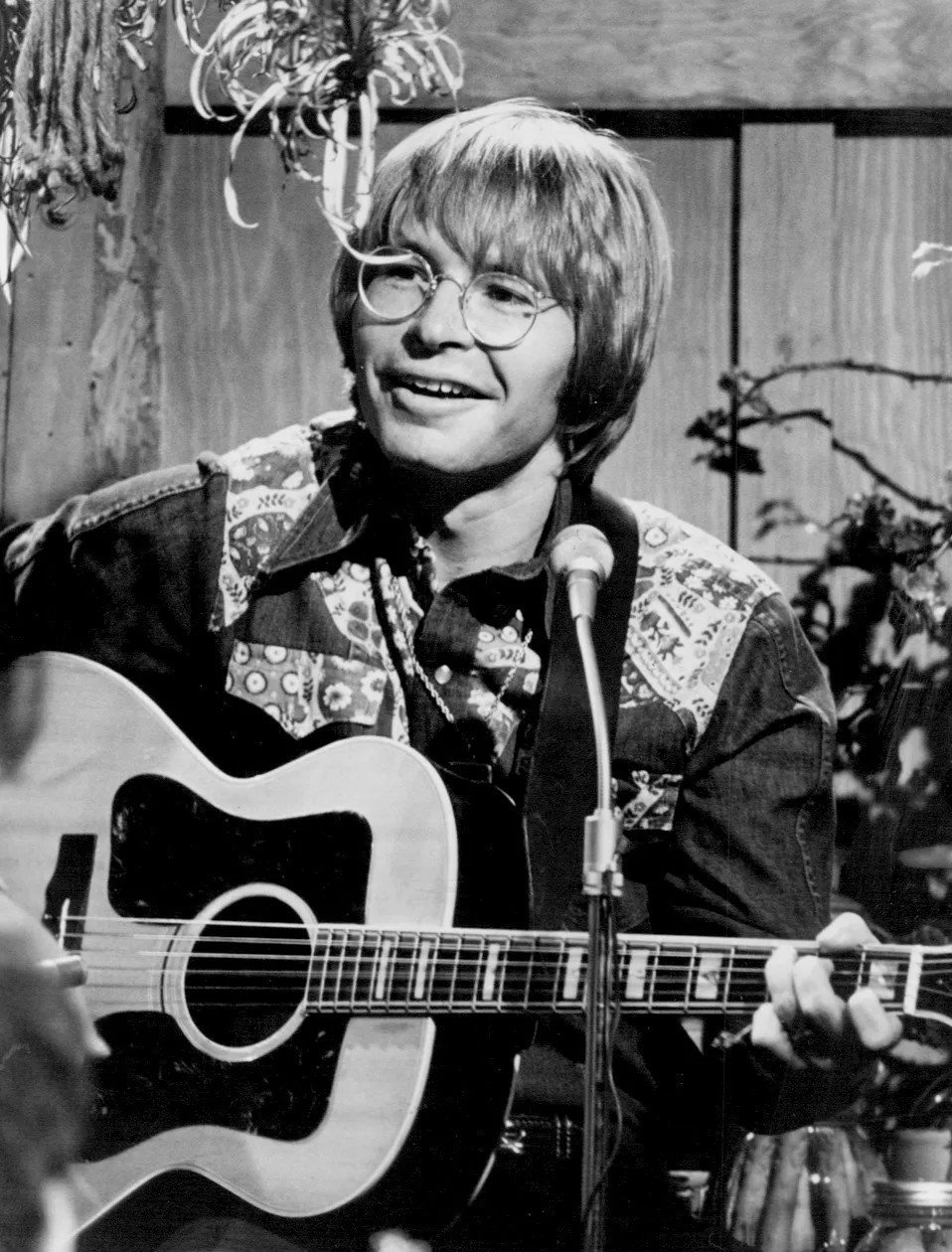
This one catches people off guard because John Denver has one of the most wholesome images in American music. But buried in the feel-good fiddle is a quiet line: “I got me a fine wife, I got me old fiddle.” She’s on the checklist between an instrument and breakfast. No name. No story. Just an item in the inventory of a satisfying rural life.
It’s not the most toxic lyric ever committed to tape, but in an era where objectification gets called out instantly, listing your wife alongside your fiddle and your griddle cakes as proof of a good life would raise immediate eyebrows. Feminist critics would tear into the domestic-appliance framing without mercy. Oldies stations still let this one slide. New music with that exact structure? Very unlikely to make it through unquestioned.
#33 – “It’s Cold Outside of Your Heart” (honorable mention framing) – closing with: “Hey Joe” revisited as the lens for the full list

Actually – let’s close this list where it belongs, with one final song that threads together almost every theme above. “Stand by Your Man,” “Hey Joe,” “Run for Your Life” – they’re not outliers. They’re the rule. Across six decades of popular radio, the same patterns repeat: women as property, persistence as romance, violence as passion, and age gaps as charm rather than red flags.
The uncomfortable truth isn’t that culture got “too sensitive.” It’s that we finally started calling things by their actual names. Harassment was always harassment. Grooming was always grooming. Murder was always murder. We just used to set it to a melody and call it a love song – and then sing it in the car with the windows down.
The Bottom Line
Listening back to these songs is like opening a time capsule of what people quietly accepted – or simply never heard – in the lyrics they were dancing to. These aren’t fringe recordings or obscure B-sides. Many of them are legitimate classics that defined entire eras of radio, beloved by people who never caught what was actually being said.
Some of these tracks could never debut on modern radio without sparking outrage, advertiser pullouts, or genuine legal questions – even though your parents danced to them without a second thought. Culture didn’t suddenly become fragile. We just got better at listening. And once you hear what these songs are actually saying, you can’t quite un-hear it.

- 38 Songs With Different Original Lyrics - August 7, 2026
- 17 Bob Dylan Lyrics That Took Fans 50 Years to Fully Understand - May 10, 2026
- 13 Travel Secrets Experienced Travelers Swear By - May 6, 2026

