

- 10 One-Hit Wonders That Secretly Made Millions. - August 18, 2026
- Great Literature Offers Profound Insights Into the Human Condition, Unchanged by Time. - August 18, 2026
- The Evolution of Pop Culture Reveals a Fascinating, Often Unpredictable, Human Journey - August 18, 2026
Many songs from the 1970s carried political messages, emotional confessions, or layered themes that slipped past casual listeners. The era’s songwriters often worked in metaphors and references that felt personal or abstract at first listen. Over time those layers have become clearer, revealing how much was tucked into the grooves of popular records.
American Woman by The Guess Who

Listeners at the time often took the title at face value and pictured a straightforward tale about a romantic entanglement with an American woman. The chorus line about staying away seemed like simple relationship advice set to a driving rock beat. In reality the song served as a pointed critique of American politics and the Vietnam War, with the “woman” standing in for the United States itself and its military reach. Canadian audiences in particular caught the anti-war undertone more readily, yet the track crossed borders as a hit single before most American radio listeners connected the dots. The band’s own mixed statements about the meaning added to the confusion for years afterward.
The political edge stayed hidden because the melody was so catchy and the lyrics never named specific events or leaders. Radio play focused on the hook rather than the verses that mentioned war machines and ghetto scenes. Only later interviews and reappraisals brought the intended message into wider view.
Born in the U.S.A. by Bruce Springsteen
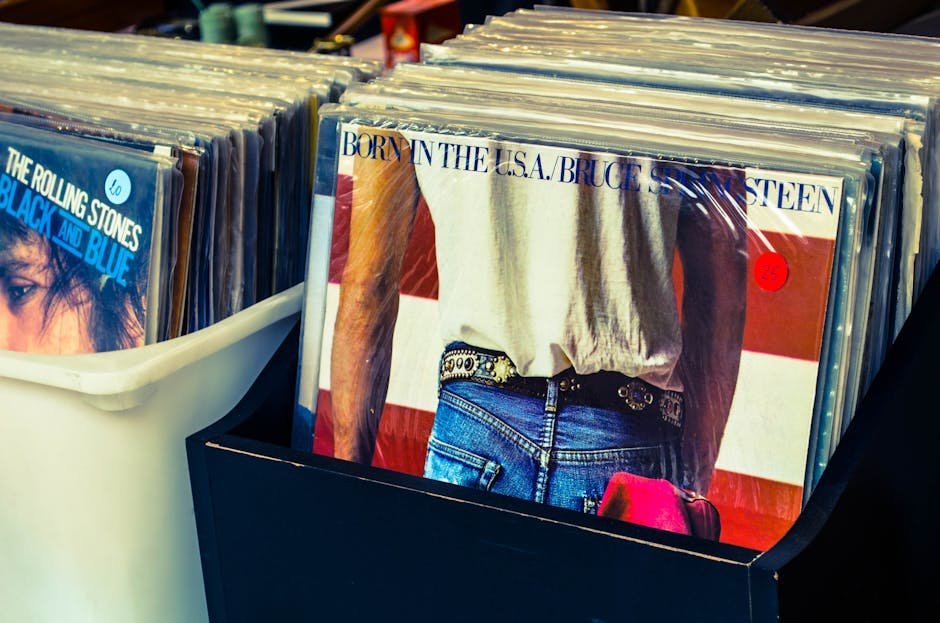
Early audiences heard the anthemic chorus and assumed the song celebrated American pride and military service. The title alone invited flag-waving interpretations at concerts and on airwaves. Springsteen actually wrote it as a stark portrait of a Vietnam veteran’s struggles with unemployment, bureaucracy, and societal neglect after returning home. The verses detail a working-class man drafted into a war he did not choose and then discarded by the system that sent him. That contrast between the rousing refrain and the bleak story kept the true intent under the radar for a long stretch.
Politicians and advertisers later used the track without grasping the irony, which further delayed widespread recognition of its protest roots. Springsteen has repeatedly clarified the song’s purpose in interviews, yet the initial misreading stuck in popular memory for decades.
Hotel California by the Eagles
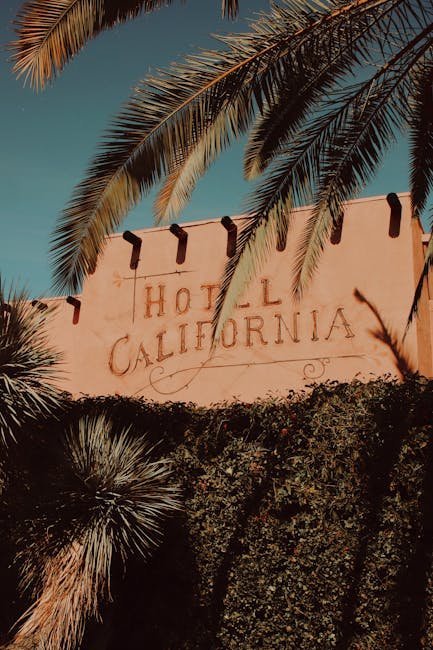
Most people first heard the song as a mysterious story about checking into a strange hotel and never being able to leave. The vivid imagery of luxury and entrapment felt like a spooky travelogue or a drug-fueled nightmare. In truth the lyrics paint a portrait of the hedonistic excess and spiritual emptiness that defined the California rock scene of the mid-1970s. The hotel stands as a metaphor for the music industry’s seductive trap and the personal costs of fame. The band drew from real experiences in Los Angeles without spelling out the critique in plain language.
Audiences missed the deeper commentary because the track arrived during a period when many listeners embraced the very lifestyle it questioned. The smooth production and memorable guitar solo encouraged surface-level enjoyment over close reading of the verses.
Fortunate Son by Creedence Clearwater Revival
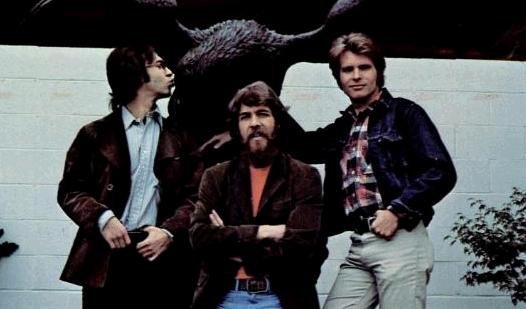
Radio listeners often treated the song as another energetic rock number about personal frustration. The repeated chorus about not being a fortunate son sounded like youthful rebellion without a clear target. John Fogerty wrote it as a direct attack on class privilege during the Vietnam War, highlighting how the sons of senators and wealthy families avoided the draft while working-class kids were sent overseas. The lyrics name the divide between the elite and the poor in blunt terms. That specificity remained underappreciated until later historical context made the protest obvious.
The song’s raw energy and short length helped it blend into the stream of hits rather than stand out as commentary. Many fans simply sang along to the hook without pausing on the verses that named the injustice.
War Pigs by Black Sabbath
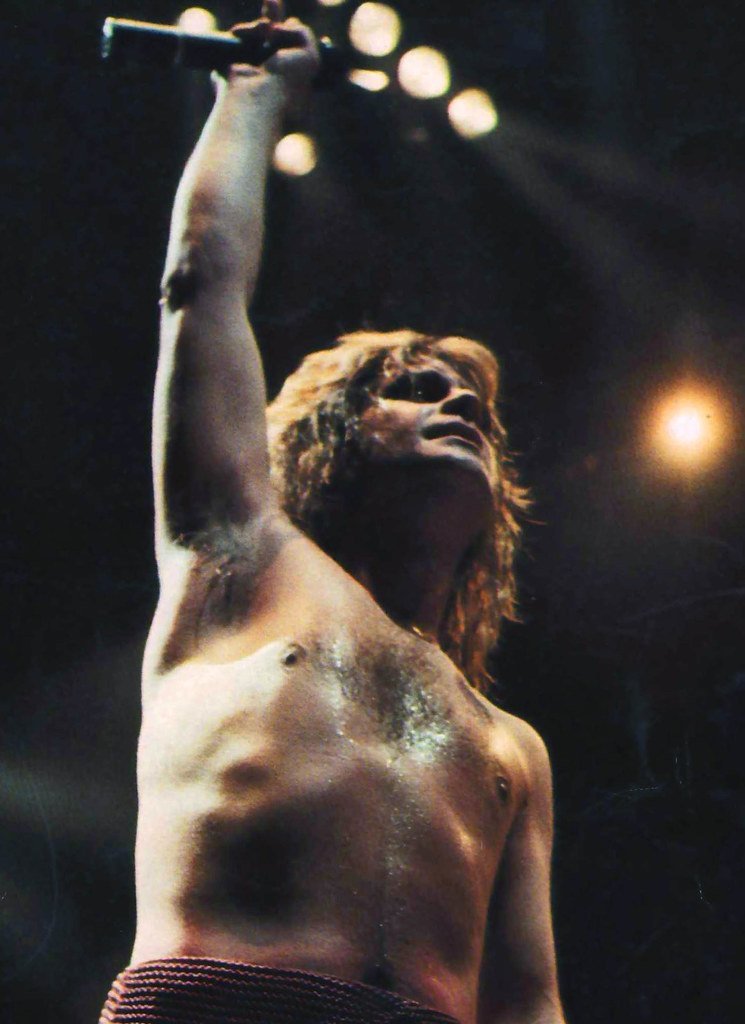
Early fans often viewed the track as a heavy-metal fantasy about generals and battle. The dramatic imagery of sorcerers and pawns fit the band’s dark aesthetic. Ozzy Osbourne and the group actually crafted it as an anti-war statement aimed at the military-industrial complex and the Vietnam conflict. The lyrics condemn politicians who send young men to die while remaining safe themselves. The original title “Walpurgis” was changed partly to make the message more accessible, yet the protest core stayed subtle enough to pass as standard rock fare.
Listeners in the early 1970s focused on the crushing riffs and occult atmosphere rather than the political verses. Only with time and repeated plays did the anti-war message surface for wider audiences.
Brown Sugar by the Rolling Stones

Many heard the song as a playful, upbeat rocker with a catchy riff and little else. The title suggested something sweet and harmless. Mick Jagger later confirmed the lyrics contain a double meaning that references both slavery and heroin use in the American South. The verses describe exploitation and addiction in coded language that avoided direct confrontation. That layered approach let the track chart as a hit while the darker themes remained largely unnoticed at release.
The upbeat tempo and danceable groove encouraged listeners to treat it as party music. Jagger’s own later comments about the song’s mishmash of subjects helped clarify the intent years afterward.
Ohio by Crosby, Stills, Nash & Young
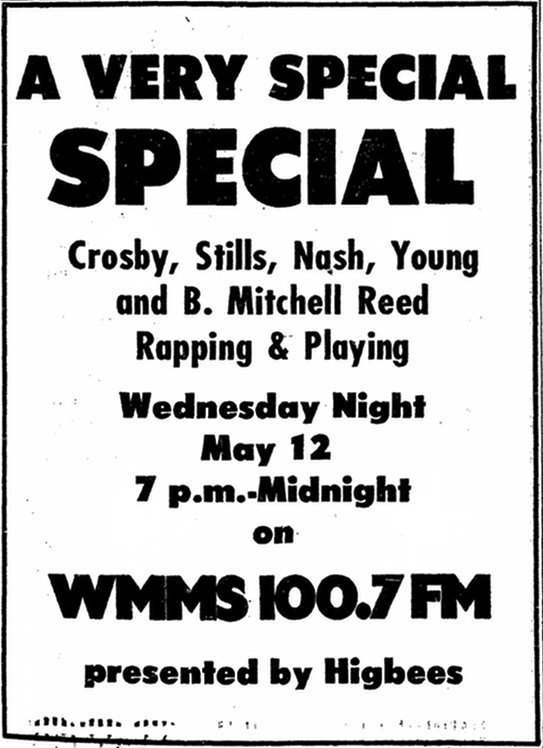
Initial radio play positioned the song as a timely response to current events without deeper scrutiny. The direct naming of the Kent State shootings seemed like straightforward reportage. In fact the track captured the raw anger and disillusionment of a generation watching its peers killed by National Guard troops during a campus protest. Neil Young wrote the lyrics in a single day after seeing the news photographs. The immediacy of the recording kept the emotional weight front and center, yet many listeners absorbed it as another protest single rather than a personal outcry.
The song’s quick release and limited promotion window meant audiences focused on the chorus hook. Only later reflections on the era revealed how precisely it distilled the moment’s shock and grief.
Superstition by Stevie Wonder
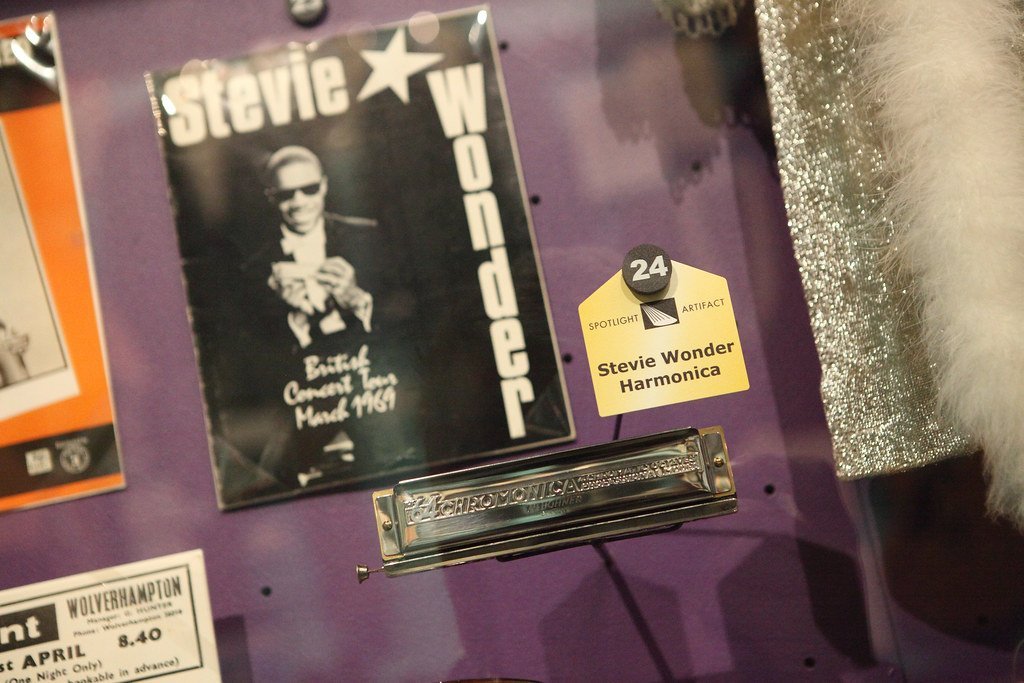
Fans often enjoyed the funky groove and thought the lyrics warned against everyday bad luck. The title and chorus invited a lighthearted reading about avoiding black cats and broken mirrors. Wonder actually used the song to critique blind belief in superstition and how it can trap people in cycles of fear and inaction. The verses point to broader social issues where irrational thinking prevents progress. That social commentary stayed secondary to the infectious rhythm for most listeners at the time.
The track’s massive commercial success came from its dance-floor appeal rather than lyrical analysis. Wonder’s own explanations in later years brought the intended message into sharper focus.
Imagine by John Lennon
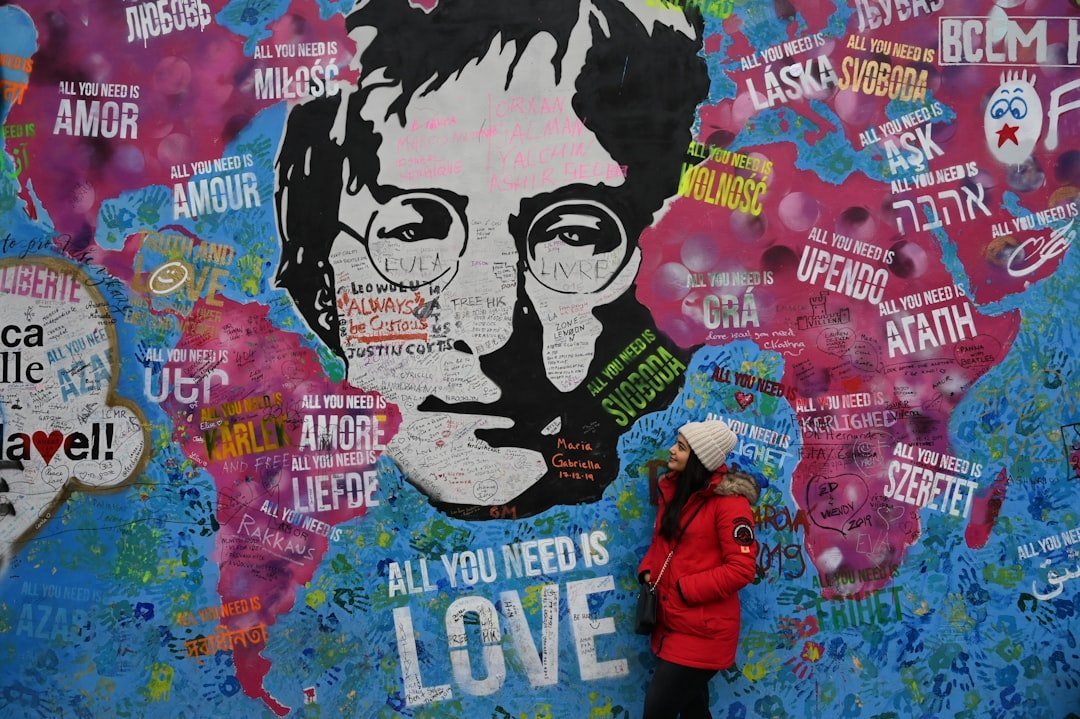
Many took the song as a gentle call for world peace and unity. The piano melody and simple chorus felt uplifting and universal. Lennon wrote it as a pointed challenge to organized religion, nationalism, and private property as barriers to true equality. The lyrics ask listeners to picture a world without those structures, which struck some as radical at the time. The soft delivery masked the revolutionary edge for casual audiences.
Radio stations played it widely as an anthem without always highlighting the verses that question heaven and countries. Lennon’s interviews eventually clarified the song’s deeper political aims.
Me and Bobby McGee by Janis Joplin
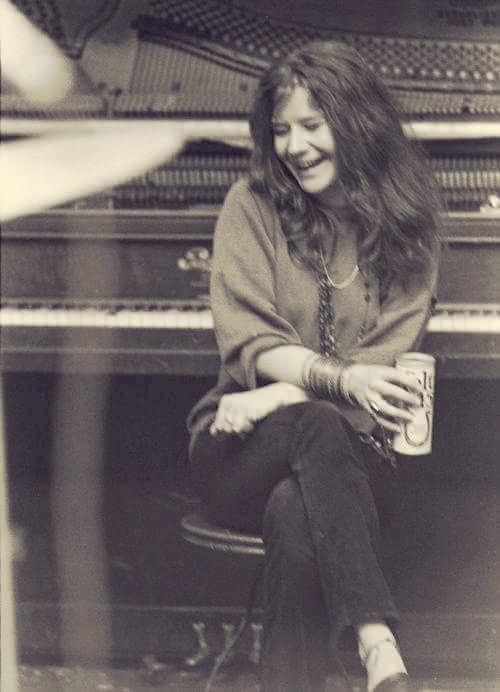
Listeners often heard a bittersweet road story about freedom and lost love. The chorus about freedom being just another word for nothing left to lose sounded like classic hippie philosophy. Kris Kristofferson wrote the song as a meditation on the emptiness that can accompany total freedom and the human need for connection. Joplin’s raw vocal delivery added emotional depth that many interpreted as personal rather than philosophical. The narrative structure kept the larger theme understated.
The song’s chart success came after Joplin’s death, when focus stayed on her performance rather than the lyricist’s intent. Only repeated listens revealed the quiet resignation beneath the surface.
Stairway to Heaven by Led Zeppelin
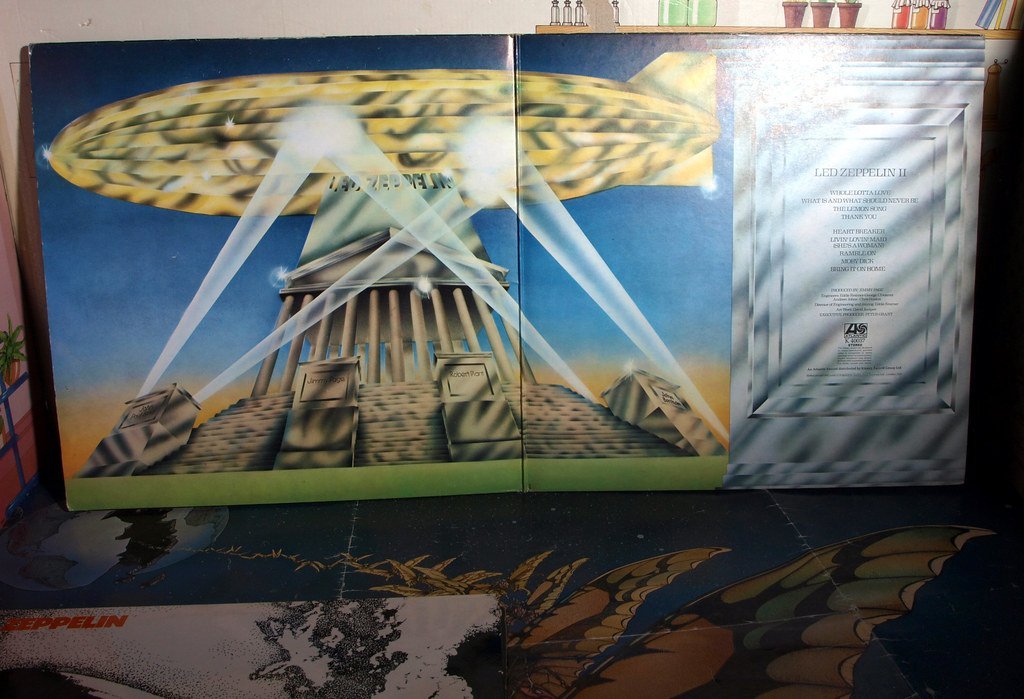
Early fans treated the song as an epic rock journey with mystical imagery. The long build and guitar solo invited interpretations ranging from fantasy to spiritual quest. Robert Plant has described the lyrics as a cautionary tale about materialism and the false promise of buying one’s way to enlightenment. The references to the piper and the lady buying a stairway point to greed and illusion. That critique remained buried under the song’s grandeur for most listeners.
The track’s length and radio edits focused attention on the musical climax rather than the opening verses. Plant’s later comments helped surface the intended warning.
American Pie by Don McLean

Many listeners enjoyed the sing-along chorus without unpacking every reference. The song felt like a nostalgic look back at the 1950s and early rock era. McLean wrote it as an elegy for Buddy Holly and a chronicle of how American music and culture changed after his death. The verses reference specific events, artists, and the loss of innocence in the 1960s. That dense storytelling kept the full meaning opaque on first hearing.
The eight-minute length meant most radio versions cut verses, removing key clues. Only dedicated fans who studied the lyrics later connected all the historical dots.
Smoke on the Water by Deep Purple
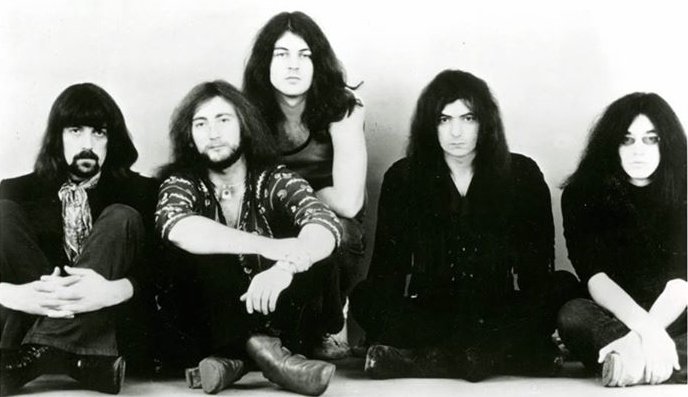
Audiences often heard a straightforward rock song about a fire. The title and riff suggested a dramatic but simple story. The lyrics recount the real 1971 fire that destroyed the Montreux Casino during a Frank Zappa concert. The band turned the event into a tale of resilience and the music community’s spirit. That factual basis stayed hidden behind the catchy hook for casual listeners.
The song’s massive popularity came from the riff rather than the narrative. Only later retellings of the Montreux story revealed the song’s documentary quality.
Let’s Stay Together by Al Green
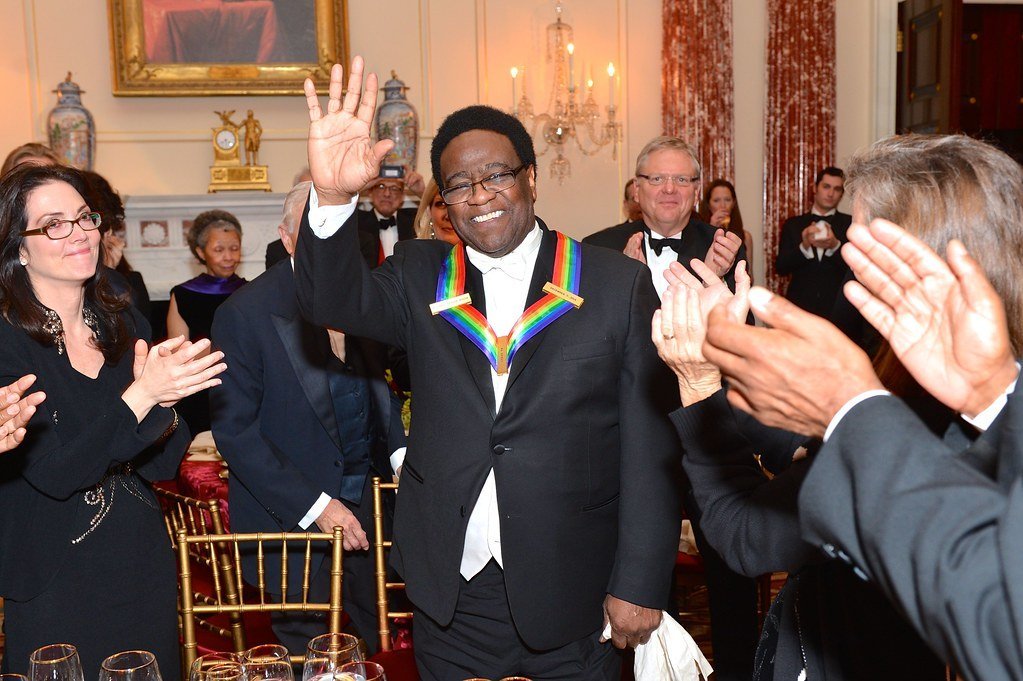
Many heard a classic soul ballad about romantic commitment. The smooth delivery invited couples to claim it as their song. Green actually infused the lyrics with a plea for stability amid personal and social turmoil of the early 1970s. The song reflects his own life struggles and a desire for lasting connection beyond fleeting passion. That deeper emotional layer remained secondary to the romantic surface.
Radio play emphasized the melody and Green’s voice over close lyrical reading. Later biographies highlighted how the track mirrored his search for personal peace.
Rock the Boat by The Hues Corporation

Listeners treated it as a light disco track about sailing and fun. The title suggested a carefree party anthem. The lyrics actually use the boat as a metaphor for a relationship that needs rocking to stay alive and avoid stagnation. The song encourages taking risks in love rather than playing it safe. That relational advice stayed under the surface of the upbeat groove.
The track’s dance-floor success kept focus on the rhythm section. Only attentive listeners caught the gentle push toward emotional honesty in the verses.
Killing Me Softly with His Song by Roberta Flack
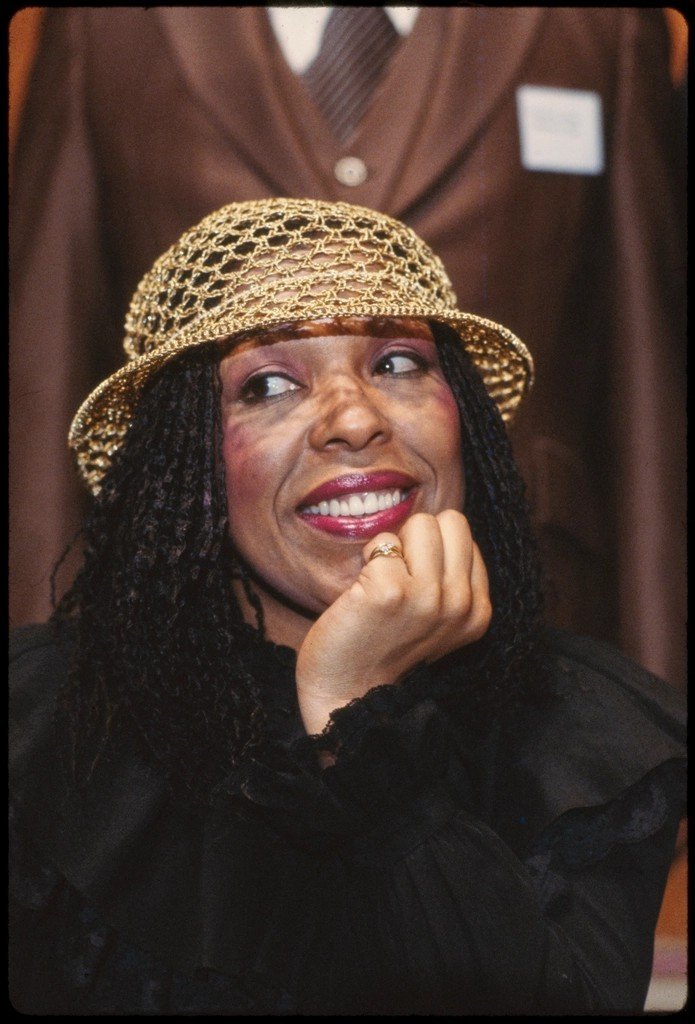
Many assumed the song described a literal performance that moved the singer deeply. The title and melody felt like a tribute to a talented artist. Flack’s version actually captures the experience of hearing a song that seems to know one’s private pain and secrets. The lyrics explore vulnerability and the power of music to expose inner truths. That introspective quality remained subtle beneath the beautiful arrangement.
The song’s chart run came during a time when listeners embraced its emotional delivery without dissecting the verses. Flack’s own reflections later emphasized the theme of artistic connection.
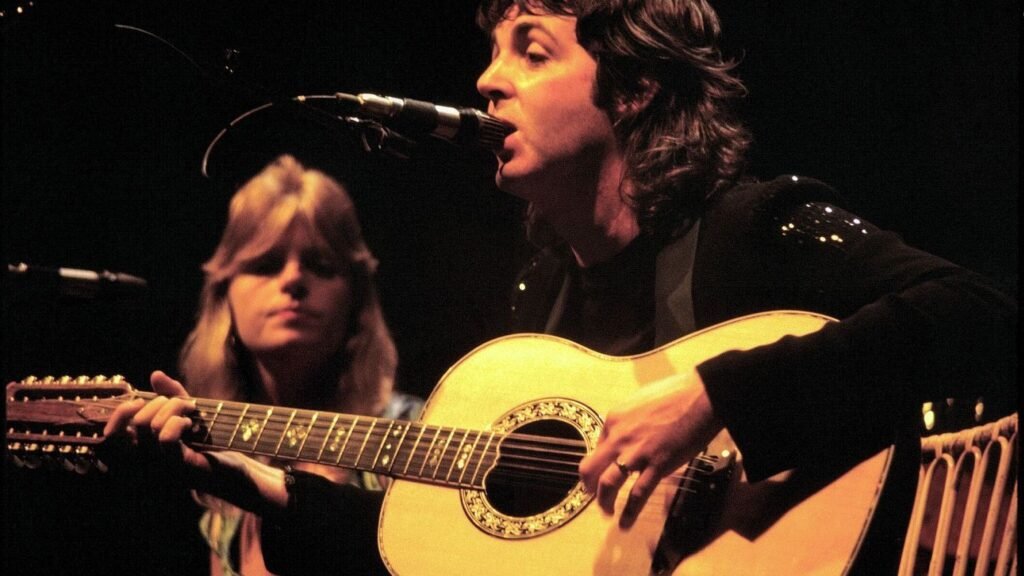
Band on the Run by Paul McCartney and Wings
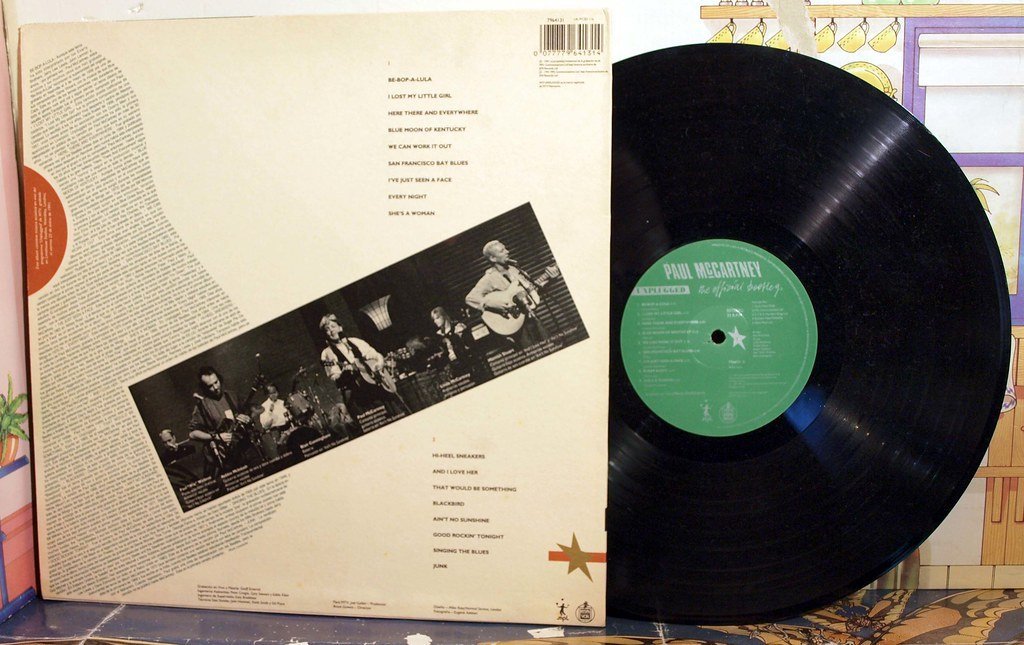
Early listeners heard an adventurous escape story with a driving beat. The title suggested a chase or getaway. McCartney wrote the song as a metaphor for leaving the Beatles and the pressures of fame behind. The verses describe breaking free from constraints and starting anew. That autobiographical layer stayed hidden behind the cinematic imagery for most fans.
The album context and McCartney’s post-Beatles image encouraged surface readings. Only later interviews connected the dots to his personal transition.
Goodbye Yellow Brick Road by Elton John

Many heard a nostalgic farewell to fame and excess. The title evoked the Wizard of Oz and a return to simpler times. Bernie Taupin wrote the lyrics as a reflection on leaving behind the glamour of rock stardom for a more grounded life. The song questions whether the yellow brick road of success was worth the cost. That cautionary tone remained secondary to the sweeping melody.
Elton’s flamboyant stage persona at the time reinforced the idea of the song as pure showmanship. Taupin’s later comments clarified the personal disillusionment behind the words.
Reelin’ in the Years by Steely Dan

Listeners often enjoyed the jazzy rock groove without focusing on the lyrics. The title suggested a look back at past experiences. The song actually critiques a shallow, materialistic relationship and the passage of time that reveals its emptiness. The verses contrast youthful idealism with later cynicism. That sharp social observation stayed buried under the sophisticated arrangement.
Steely Dan’s reputation for cryptic lyrics meant many fans treated the track as mood music. Only repeated plays and lyric sheets revealed the pointed commentary.
Do It Again by Steely Dan
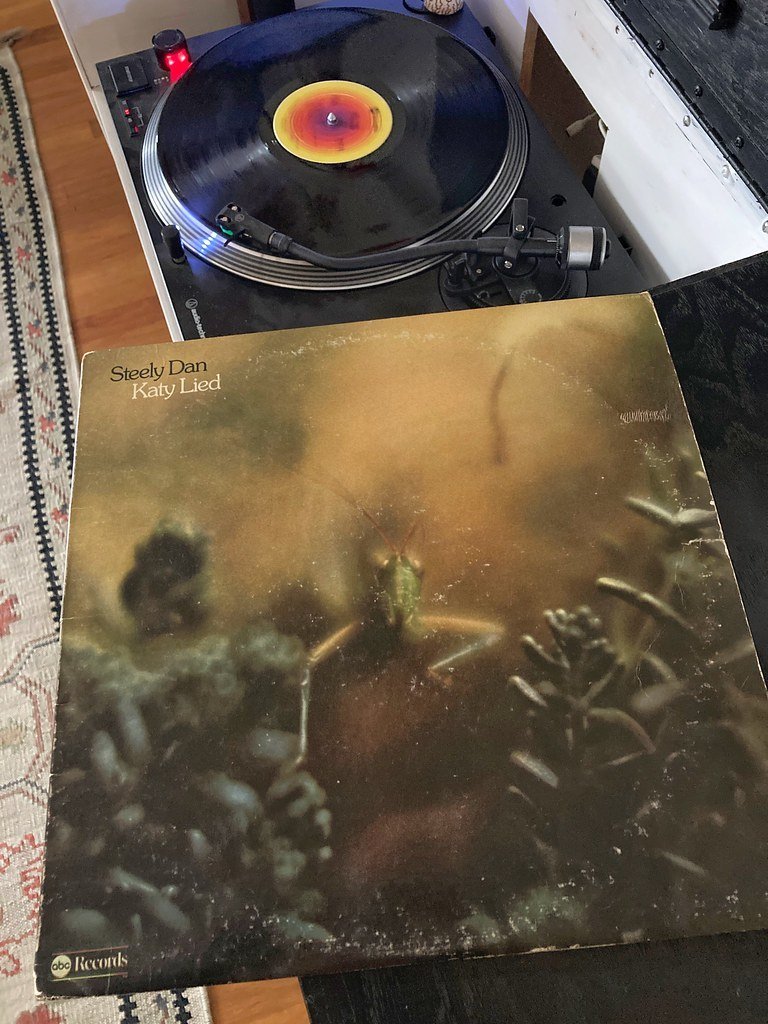
Many heard a cool, laid-back track about repeating cycles. The title invited a casual reading about life’s routines. The lyrics actually explore themes of addiction, crime, and the inability to escape destructive patterns. The verses reference gambling, theft, and moral compromise in understated terms. That darker undercurrent remained hidden behind the smooth production.
The song’s radio-friendly sound encouraged listeners to focus on the groove rather than the narrative. Steely Dan’s style of veiled storytelling kept the full meaning elusive at first.
Long Train Runnin’ by the Doobie Brothers

Audiences often treated the song as a simple rocker about movement and freedom. The title and riff suggested travel and escape. The lyrics actually use the train as a metaphor for a relationship that keeps rolling despite problems. The singer pleads for the partner to stay while acknowledging the inevitable departure. That relational tension stayed secondary to the infectious rhythm.
The track’s popularity came from its danceable energy. Only closer attention to the verses revealed the emotional push and pull at the core.
China Grove by the Doobie Brothers
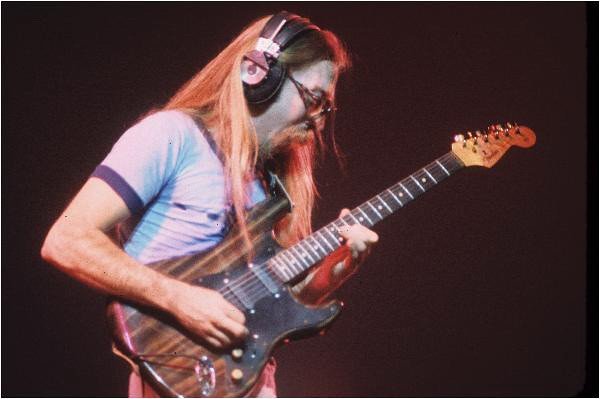
Many heard a upbeat song about a small town. The title suggested a pleasant locale. The lyrics actually paint a portrait of a quirky, somewhat lawless community with references to real places and characters. The song blends observation with a touch of satire about rural life. That light commentary remained under the surface of the driving beat.
The track’s chart success focused attention on the melody and guitar work. Later explanations from the band highlighted the real-life inspirations behind the words.
Takin’ Care of Business by Bachman-Turner Overdrive

Listeners often took the song as an anthem for hard work and self-reliance. The title and chorus sounded motivational. The lyrics actually celebrate the freedom of the working musician’s life and the ability to set one’s own schedule. The verses contrast the nine-to-five grind with the rock-and-roll alternative. That subtle class commentary stayed hidden behind the straightforward hook.
The song’s massive radio play came from its feel-good energy. Only later reflections connected it to the band’s own experiences on the road.
Sweet Home Alabama by Lynyrd Skynyrd
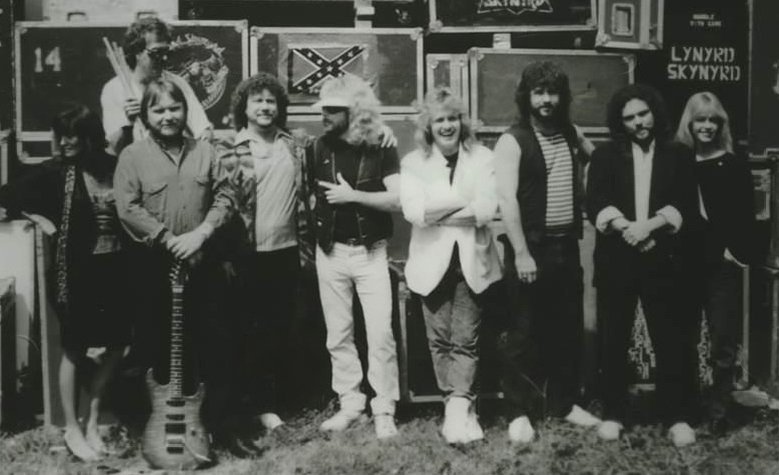
Many heard a proud regional anthem. The title and chorus invited sing-alongs about Southern identity. The song actually responds to Neil Young’s critiques of the South and addresses the complexities of regional pride amid social change. The verses defend the state while acknowledging its flaws. That nuanced stance remained secondary to the celebratory surface for most listeners.
The track’s popularity as a party song kept focus on the riff and hook. Band members later clarified the song’s intent as a conversation rather than blind defense.
Free Bird by Lynyrd Skynyrd
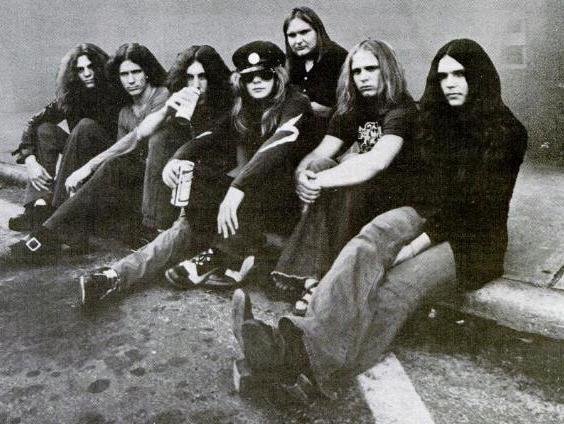
Early audiences heard an epic ballad about independence. The title suggested a desire for freedom. The lyrics actually explore the tension between wanting to roam and the pull of commitment. The song balances the wish to stay free with the acknowledgment of emotional ties. That internal conflict stayed understated beneath the soaring guitar solo.
The track’s length and live versions emphasized the instrumental section. Only attentive listening to the verses revealed the relational push and pull.
Radar Love by Golden Earring
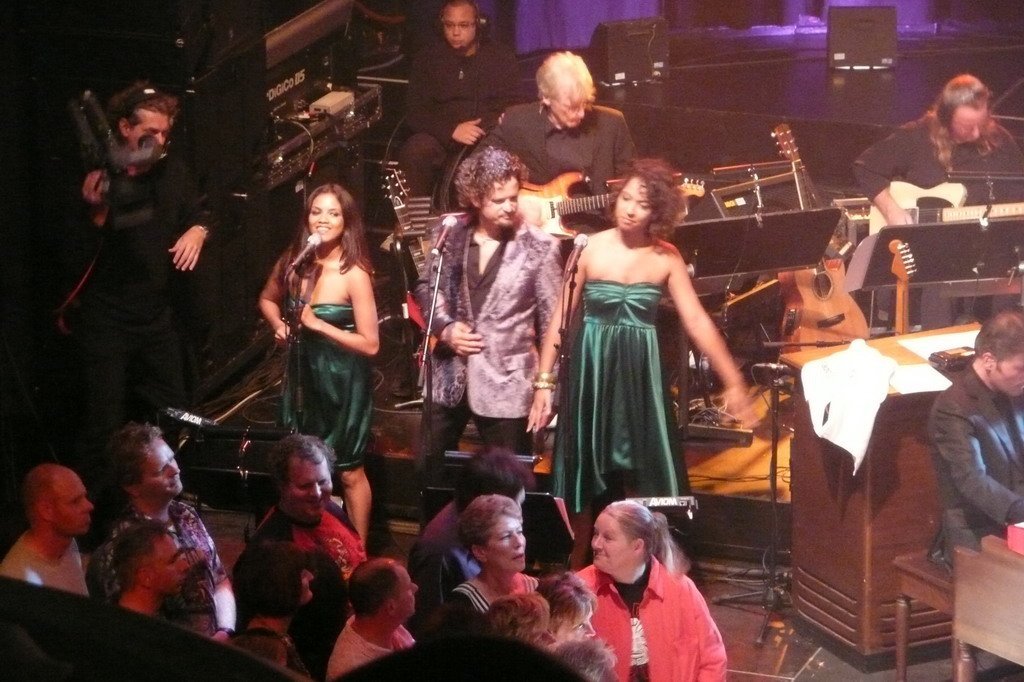
Many heard a driving rock song about a long-distance relationship. The title suggested communication across miles. The lyrics actually use the car radio and radar as metaphors for the intuitive connection between lovers separated by distance. The song captures the longing and the almost supernatural bond. That romantic mysticism remained secondary to the energetic delivery.
The track’s chart run came from its road-trip vibe. Later appreciation highlighted the clever use of technology imagery for emotional themes.
The Joker by Steve Miller Band
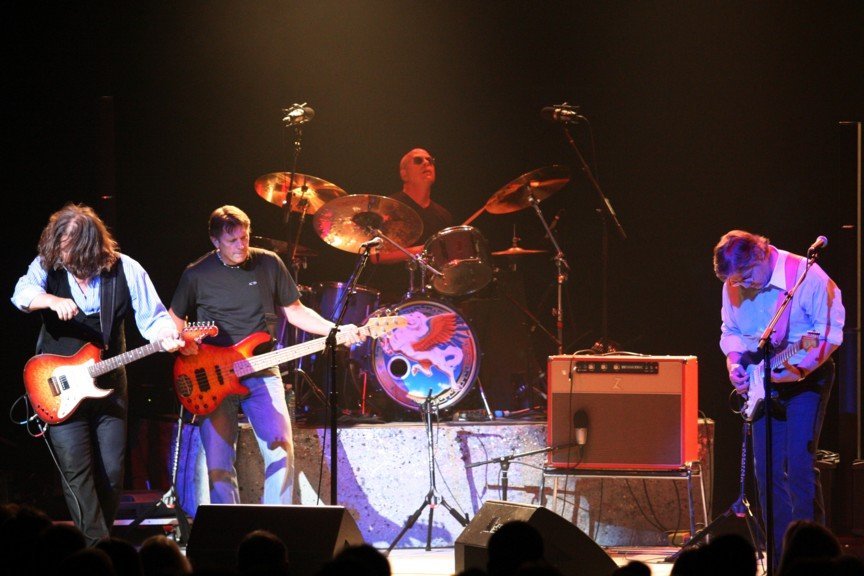
Listeners often enjoyed the playful, spacey vibe without deep analysis. The title suggested a fun, lighthearted character. The lyrics actually weave together references to the singer’s own persona, past hits, and a sense of playful mischief. The song celebrates being a trickster figure in music and life. That self-referential layer stayed hidden behind the catchy chorus.
The track’s success came from its relaxed groove. Only later did fans connect the scattered references to Miller’s career.
Jet by Paul McCartney and Wings
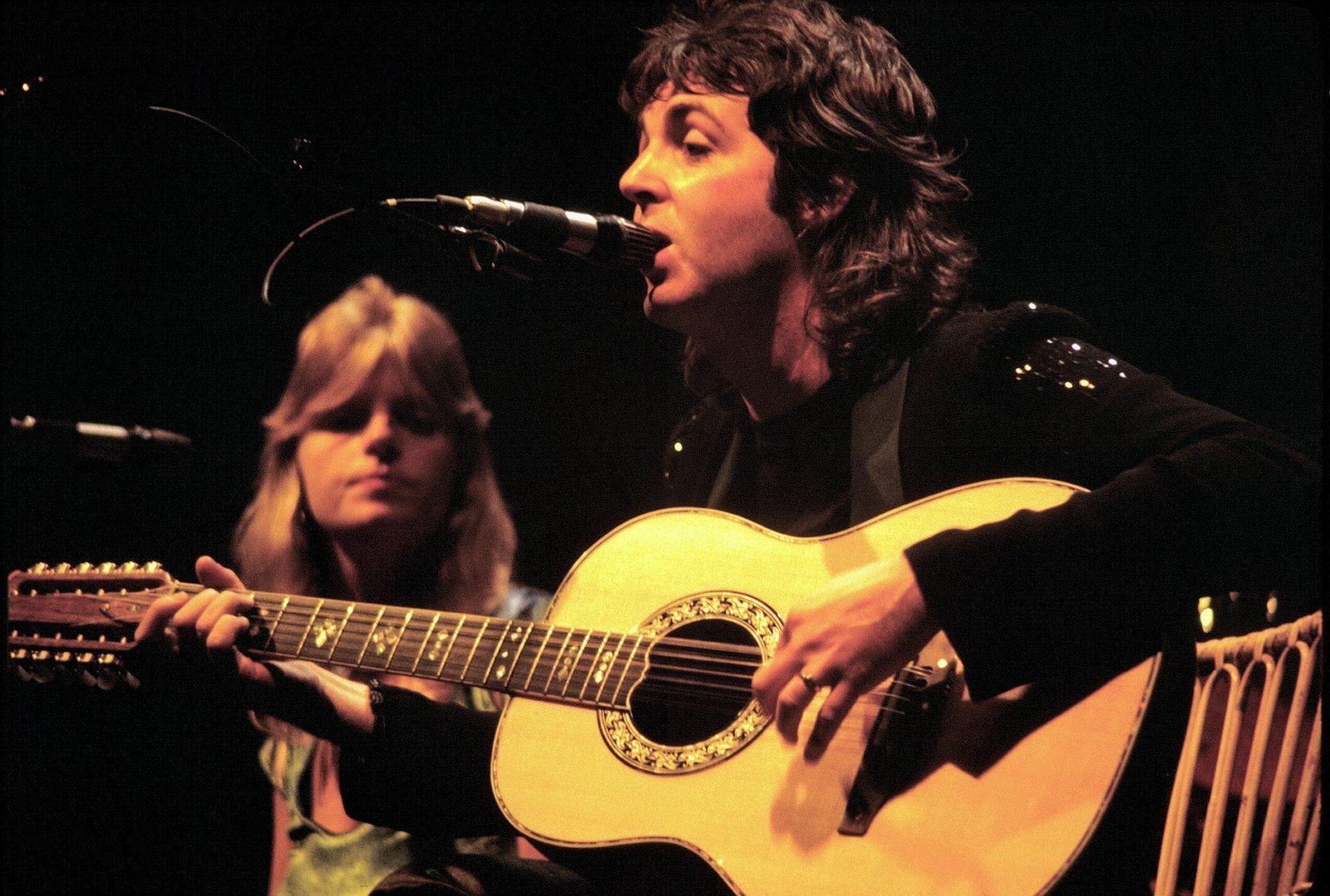
Many heard an upbeat rocker with an intriguing title. The word “jet” suggested speed and escape. McCartney wrote the song partly about his dog and partly as a metaphor for breaking free from constraints. The lyrics blend personal anecdote with a broader sense of movement and change. That mix kept the exact inspiration elusive for listeners.
The song’s energetic production focused attention on the band’s performance. McCartney’s later comments helped clarify the dual meanings.
Rock On by David Essex

Audiences often treated the song as a nostalgic look at 1950s rock and roll. The title invited a celebration of the genre’s roots. The lyrics actually reflect on the passage of time and the way music evokes memories of youth and lost innocence. The verses mix admiration for the past with a sense of melancholy. That reflective quality remained under the surface of the glam-rock production.
The track’s chart success came from its catchy refrain. Only closer listening revealed the wistful undertone about growing older.
Seasons in the Sun by Terry Jacks

Many heard a sentimental farewell song about leaving loved ones. The title suggested the end of a life cycle. The lyrics actually come from a French original about a man facing death and reflecting on his relationships and regrets. Jacks adapted it into a pop hit that masked the darker theme with bright production. That contrast kept the mortality angle hidden for casual listeners.
The song’s massive popularity came from its emotional delivery rather than lyrical scrutiny. Later awareness of the original source brought the true weight into view.
Conclusion
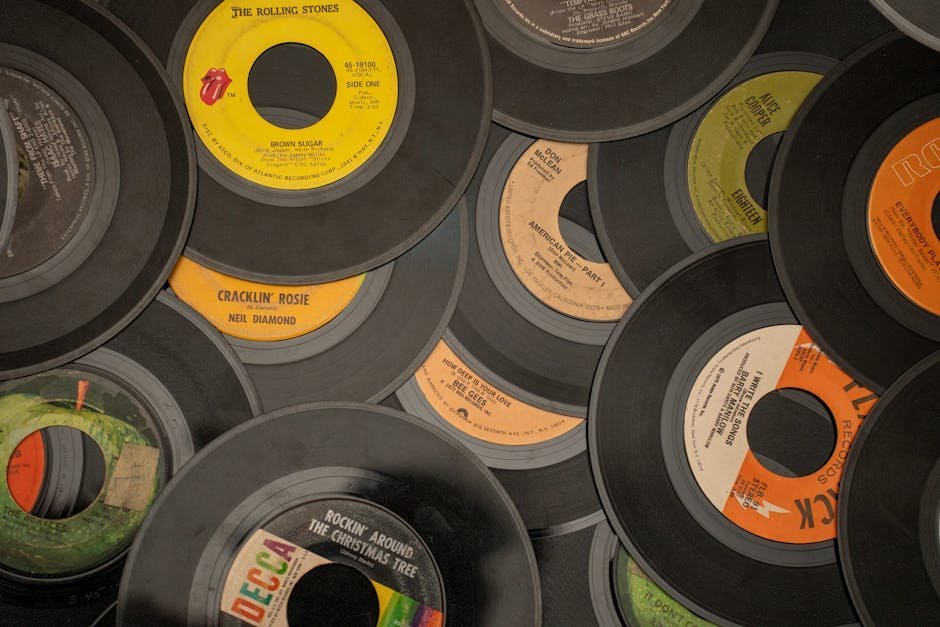
The 1970s produced songwriters who mastered the art of embedding meaning beneath accessible surfaces. Those hidden layers rewarded repeated listens and rewarded curiosity. The era’s records continue to reveal new dimensions because the craft of suggestion was so finely tuned. That quiet complexity remains one of the decade’s lasting gifts to listeners willing to look past the obvious.
CEO-Co-Founder
