

- Iconic Cultural Moments Are Not Planned; They Simply Erupt and Resonate. - August 31, 2026
- 10 Classic TV Commercials That Are More Memorable Than the Products They Sold - August 31, 2026
- The Echoes of Past Eras Resurface in Our Modern World in Surprising Ways. - August 30, 2026
Some songs from the 1970s slipped into daily life so completely that they became part of how people marked time. Radio stations played them on repeat, family car rides turned them into group sing alongs, and school dances gave them a permanent place in memory.
Those tracks still surface at gatherings decades later, pulling listeners back to a specific stretch of years when music felt both personal and shared.
Bohemian Rhapsody by Queen
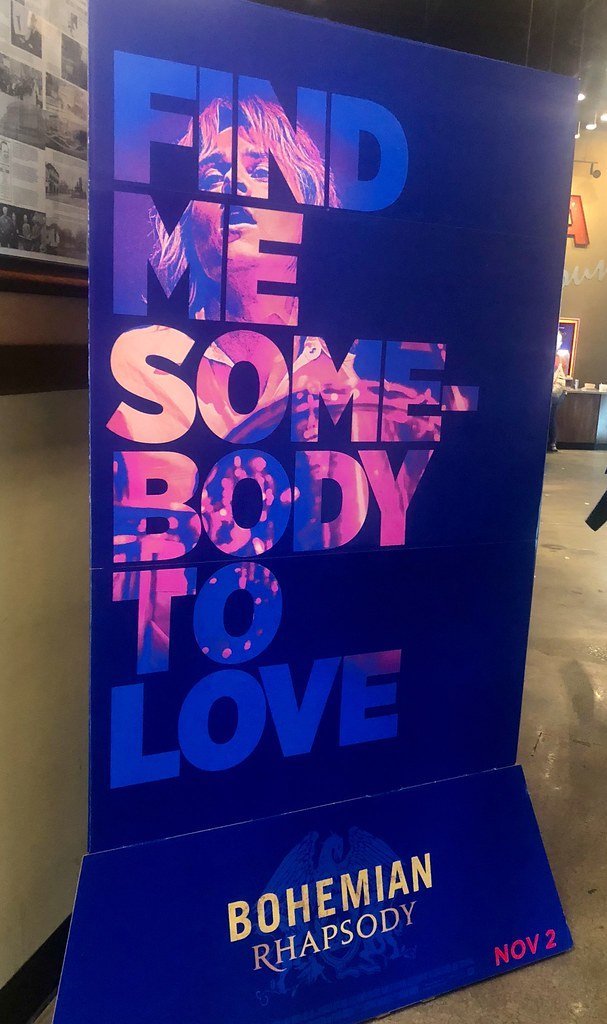
The track stood out right away for its bold mix of rock energy and operatic sections that no other hit attempted at the time. Listeners learned the shifting verses and choruses through constant airplay and live performances that made the structure feel familiar. Over the years the song kept its hold because the lyrics invited full participation from start to finish.
People who grew up with it often recall the way it filled living rooms during weekend evenings or car trips across town. The dramatic build and release created a sense of shared excitement that still surfaces whenever the opening piano notes play. That feeling ties directly to the freedom and discovery many associate with their younger years.
Hotel California by Eagles
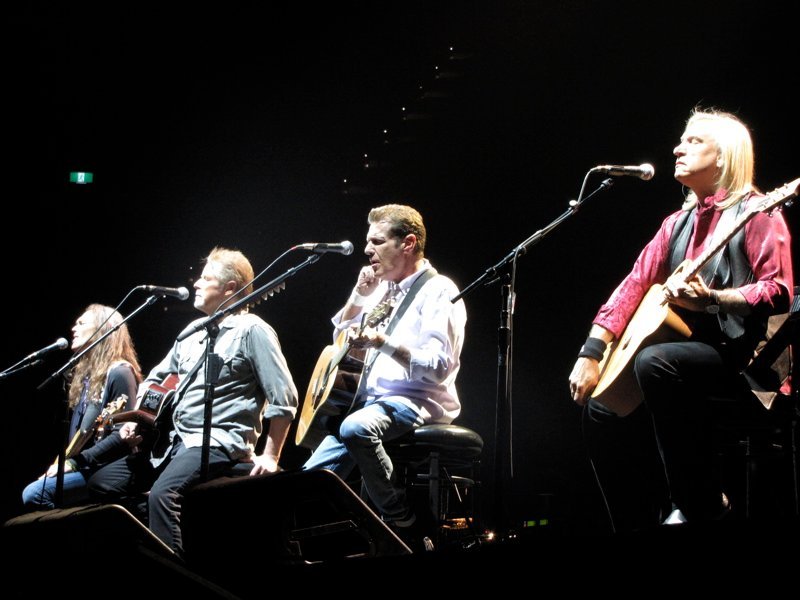
Its storytelling about a mysterious place captured attention through vivid imagery and a guitar solo that became instantly recognizable. Radio rotation and album sales turned the song into a staple that listeners absorbed line by line. The steady rhythm and repeating chorus made it easy to follow along even after long breaks between hearings.
Those who remember it often connect the lyrics to late night drives or quiet moments reflecting on the decade itself. The song carries a lingering sense of both adventure and caution that matches the mixed emotions of coming of age then. Decades later the melody still brings back the warmth of summer evenings spent with friends.
Stairway to Heaven by Led Zeppelin
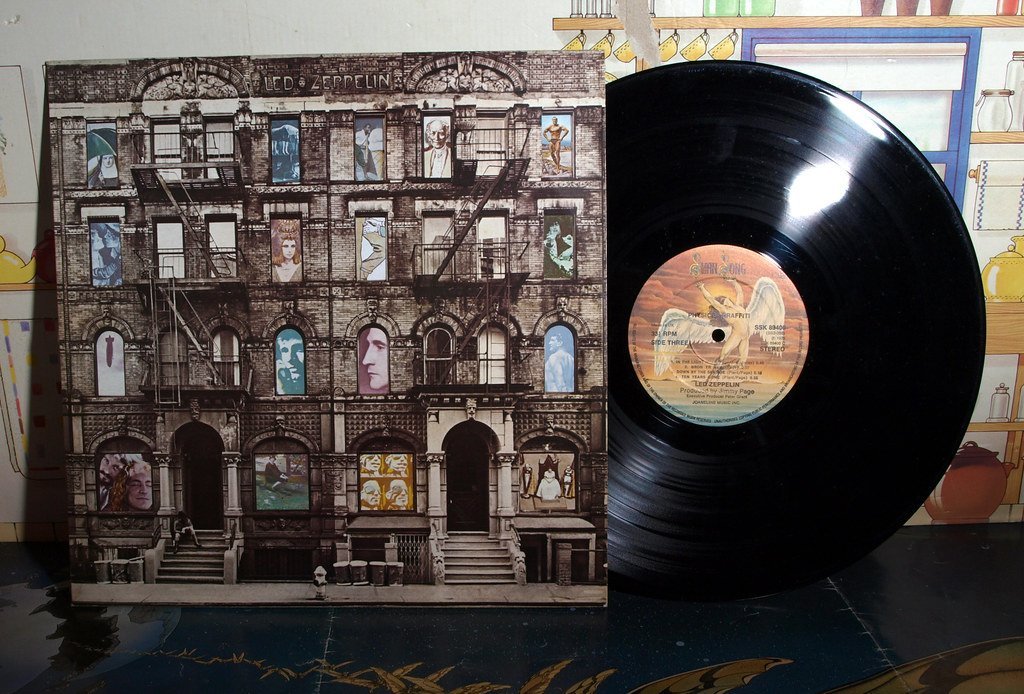
The gradual build from gentle acoustic guitar to full band power gave the song a journey like quality that held attention across its length. Fans absorbed the poetic lines through repeated listens on turntables and early FM stations. Its reputation as a concert closer helped cement the words in memory for anyone who attended shows or heard recordings.
Many recall the track as background to first experiences with independence or late night talks about dreams. The soaring final section created an emotional peak that felt personal even in a crowd. That combination keeps the lyrics close for those who associate the song with their own path forward.
Imagine by John Lennon
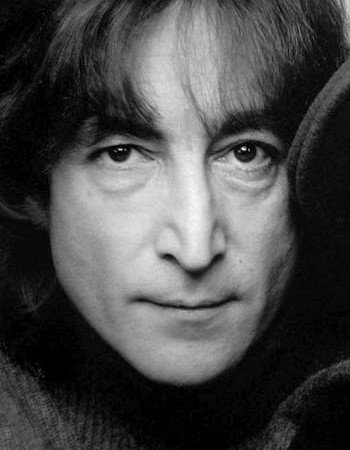
The simple piano arrangement and direct message about peace made the song feel approachable from the first listen. It gained traction through widespread radio play and its connection to broader cultural conversations of the era. The straightforward chorus invited everyone to join in without needing any special skill.
Listeners from that time often link the words to school assemblies or family discussions about the world outside their neighborhoods. The hopeful tone still evokes a quiet optimism that many carried into adulthood. Hearing it now brings back the sense of possibility that marked those years.
American Pie by Don McLean
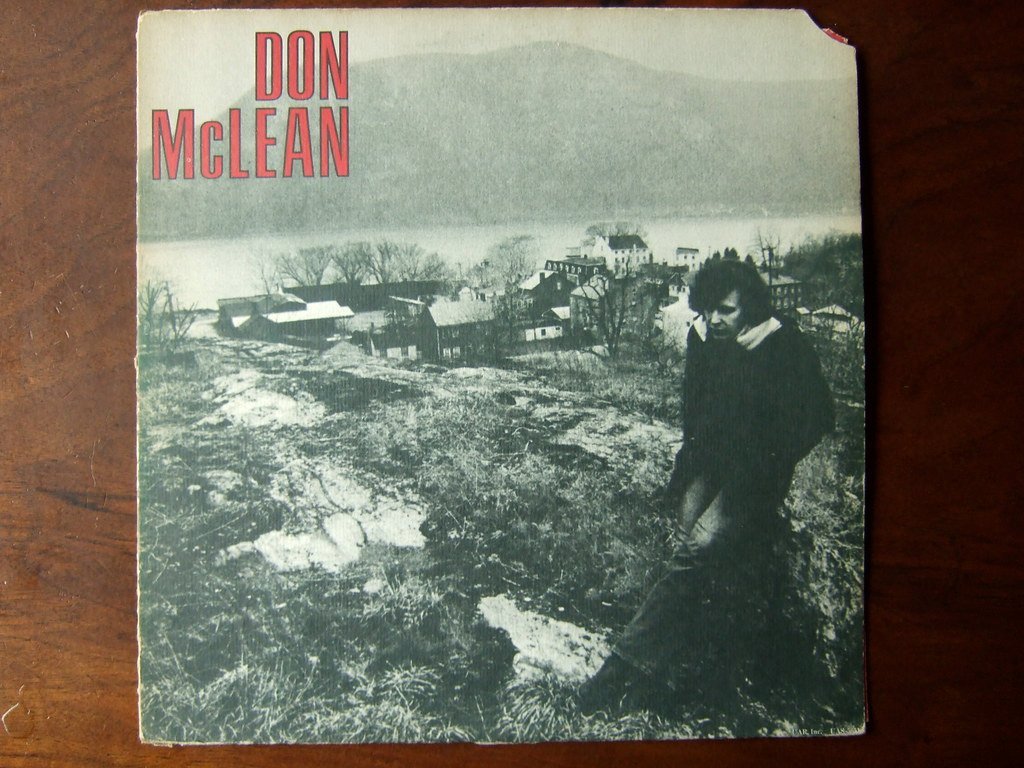
The long narrative about music history and loss drew people in with its storytelling style and references that sparked curiosity. Extended airplay and word of mouth helped listeners memorize the verses over time. The chorus provided an easy anchor that kept the whole piece memorable.
Those who grew up with it remember singing along during road trips or at parties where the song stretched into the night. The reflective mood connects to the way many processed changes happening around them in the 1970s. The track continues to surface as a reminder of shared cultural touchstones.
Superstition by Stevie Wonder
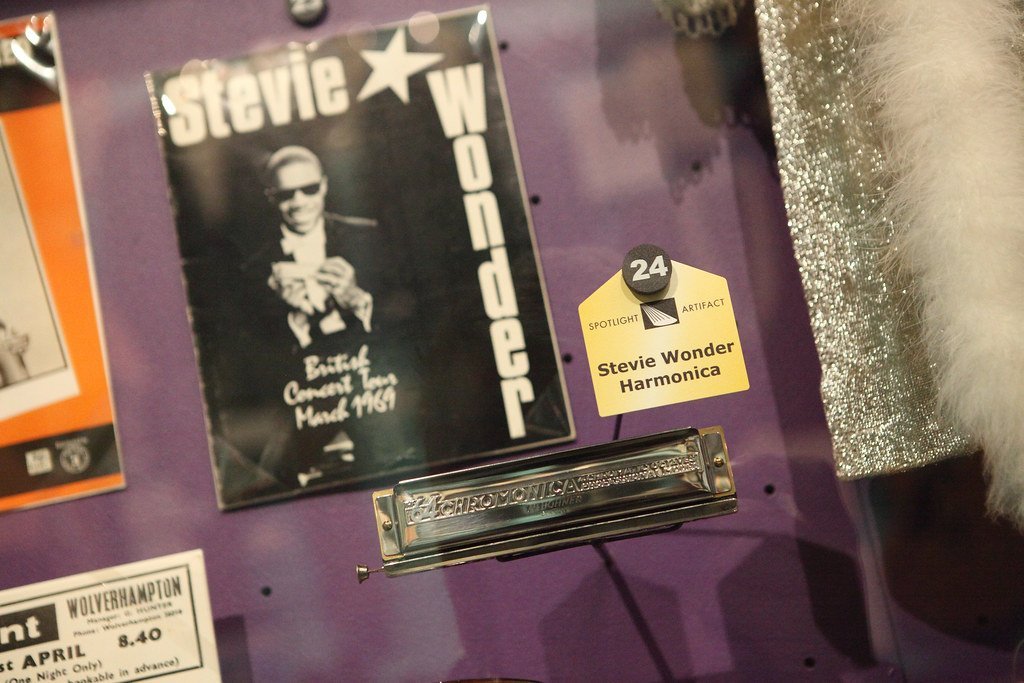
The funky clavinet riff and warning about bad luck created an immediate groove that pulled listeners into the lyrics. Frequent radio spins and live shows helped the words stick through repetition and dance floor energy. The call and response sections made participation feel natural.
People often tie the song to school dances or family celebrations where movement and music mixed freely. Its upbeat warning still carries a playful edge that matches the lighter side of growing up then. The rhythm brings back the energy of those moments whenever it plays.
Dancing Queen by ABBA
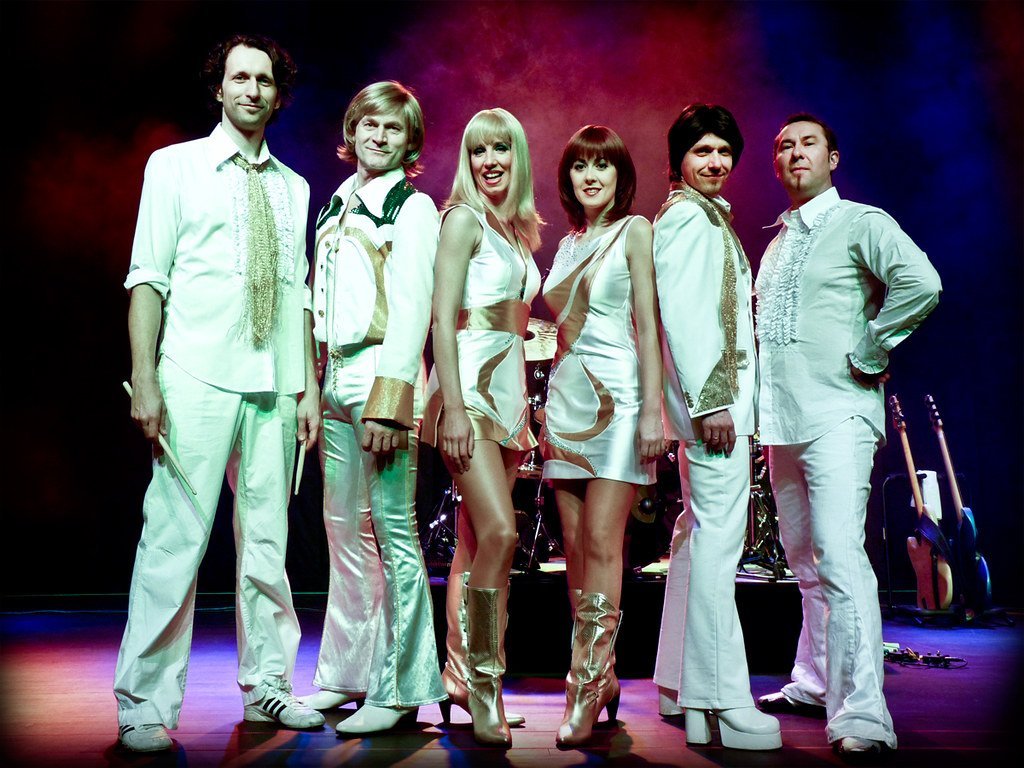
The bright disco beat and celebration of youth made the song a radio favorite that crossed age groups. Album success and international tours spread the lyrics widely enough for repeated exposure. The catchy chorus invited quick memorization even on first hearing.
Many connect it to summer nights out or family events where dancing felt carefree. The joyful tone evokes the social side of the decade for those who lived through it. Hearing the track now revives that sense of lighthearted connection.
Stayin’ Alive by Bee Gees
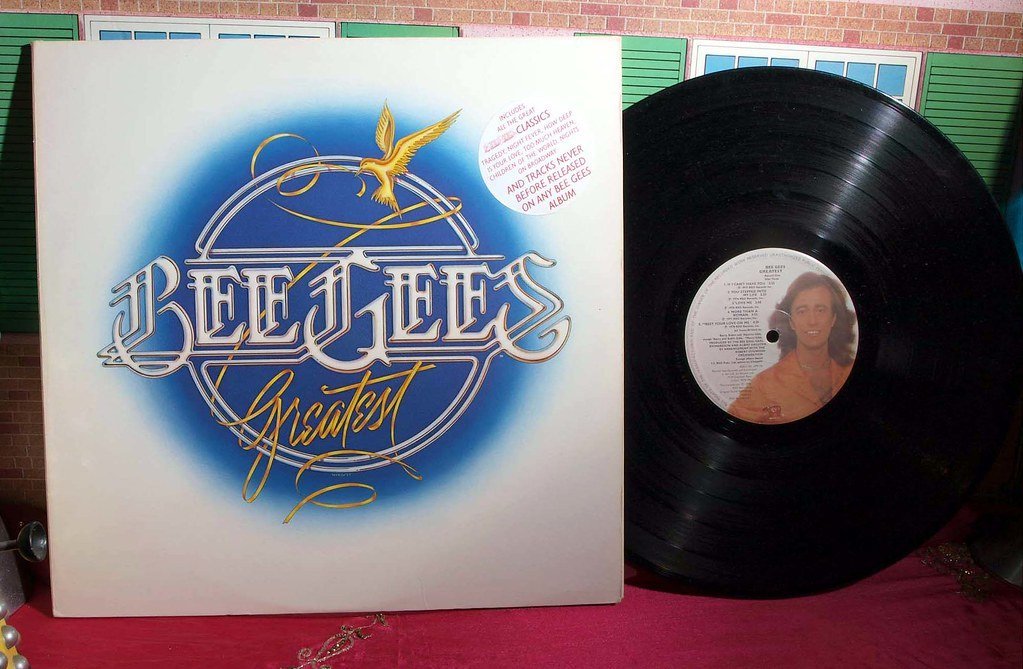
The steady beat and urban survival theme fit perfectly with the rise of disco culture on screen and in clubs. Radio dominance and movie tie ins helped listeners absorb the verses through constant play. The falsetto hooks provided memorable anchors throughout.
Listeners recall the song as part of weekend outings or workouts that defined the era’s active spirit. Its resilient message still resonates with the determination many felt during those years. The groove continues to spark movement and nostalgia in equal measure.
Don’t Stop by Fleetwood Mac
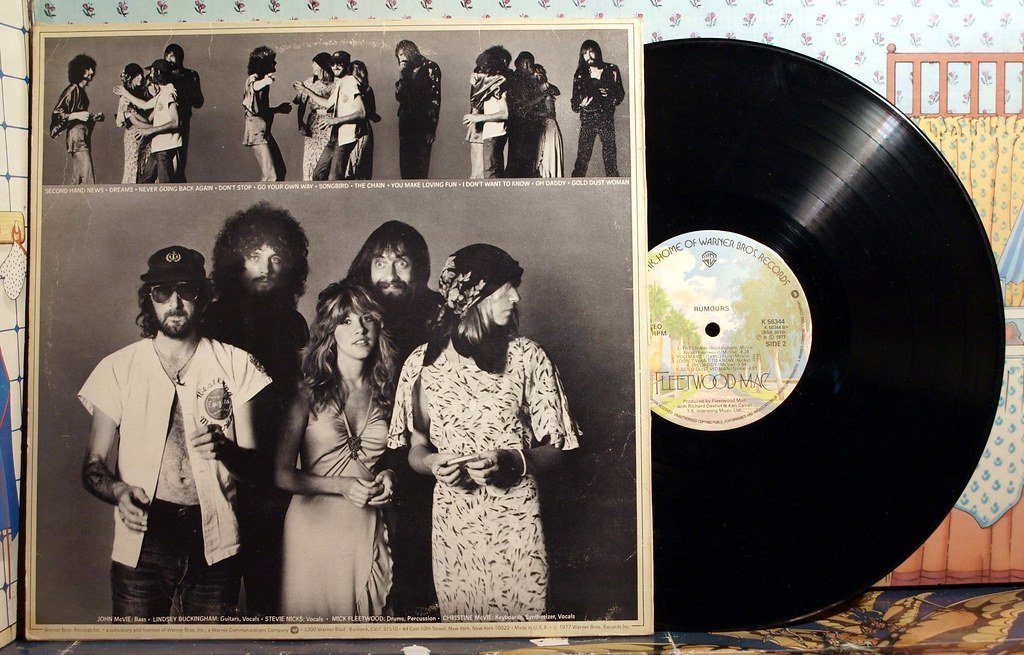
The optimistic message and driving rhythm emerged during a time when the band faced personal challenges yet kept creating. Radio airplay turned the chorus into a daily soundtrack for many households. The layered vocals made the words easy to follow and repeat.
Those who remember it often link the track to moments of encouragement or fresh starts in their own lives. The forward looking feel matches the hope that carried people through the decade. The song still offers that same lift when it comes on today.
Sweet Home Alabama by Lynyrd Skynyrd
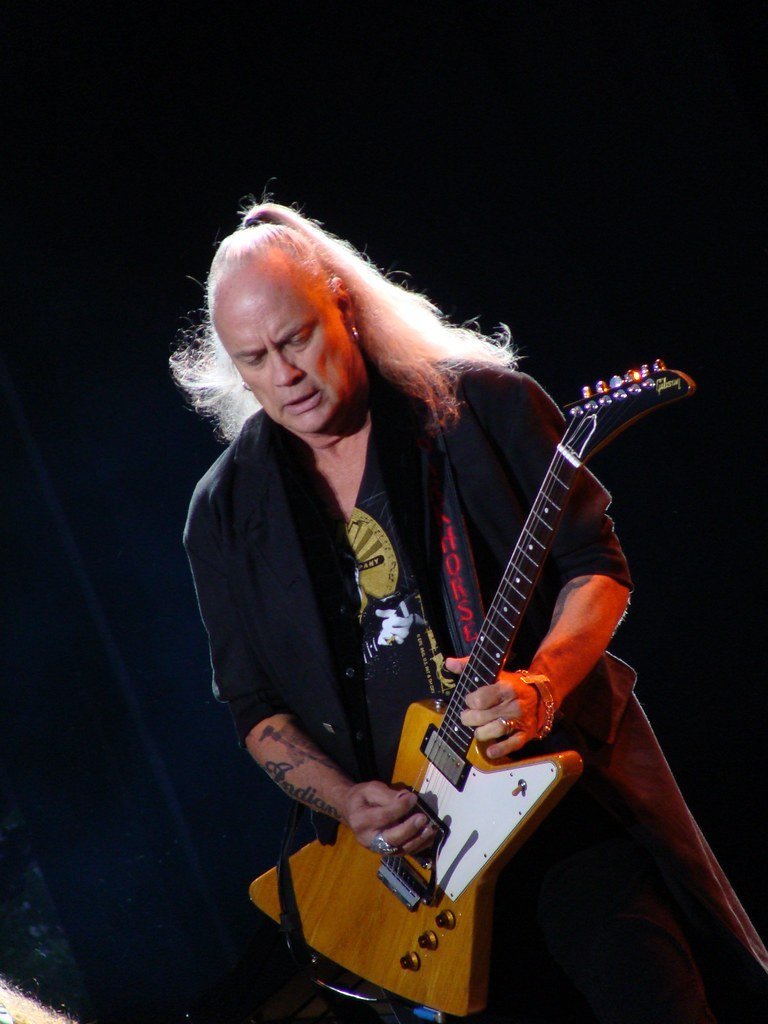
The guitar driven sound and regional pride created an anthem that traveled far beyond its origins. Concert performances and album sales helped spread the lyrics through repeated exposure. The call out to places and people made the verses feel personal to a wide audience.
Many associate the track with road trips or gatherings where regional identity came to the surface. Its energetic delivery evokes the pride and community spirit of the time. The song keeps that connection alive for listeners who grew up hearing it everywhere.
Piano Man by Billy Joel
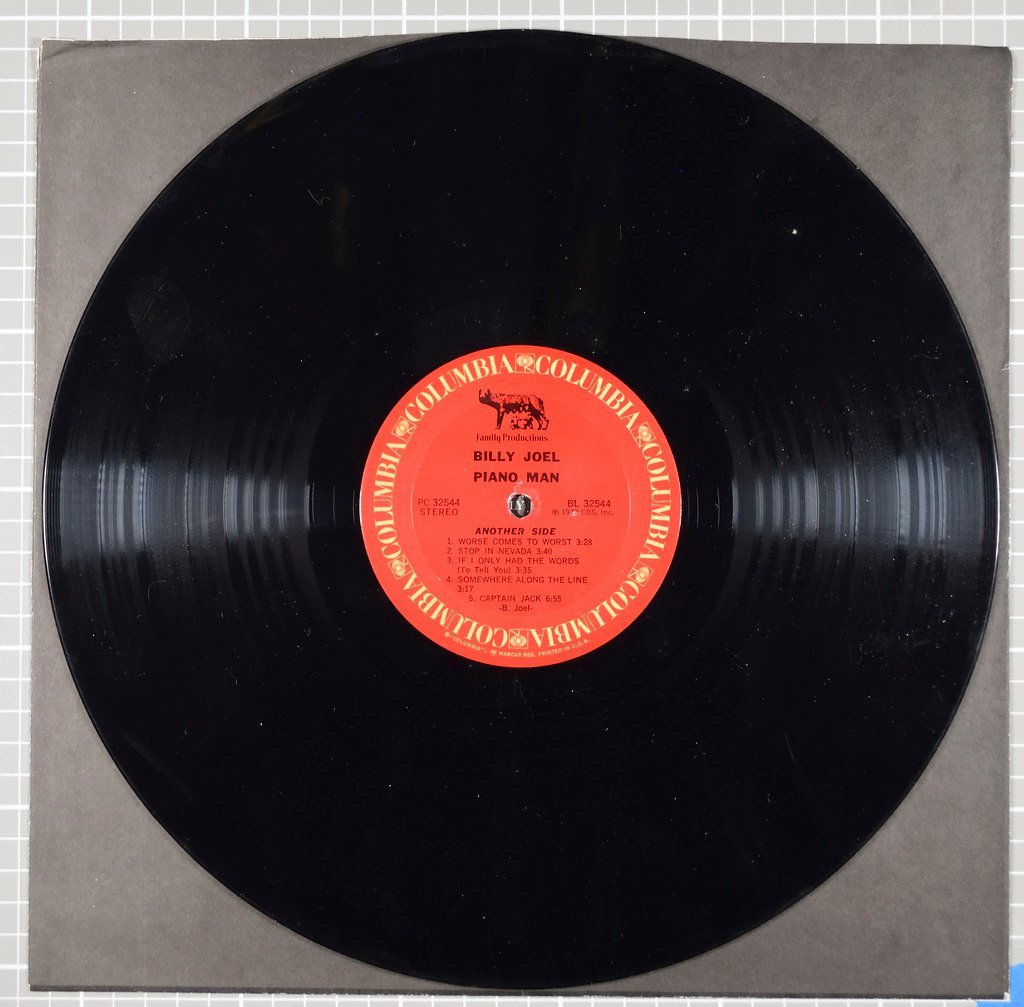
The barroom storytelling and relatable characters drew listeners into the verses through vivid detail. Steady radio play and live performances allowed the words to settle in over time. The sing along chorus provided a natural release at the end of each section.
People often recall the song during quiet evenings or social nights that mirrored the setting it described. The reflective tone captures the everyday observations many made during their younger years. Hearing it brings back those ordinary yet meaningful moments.
Rocket Man by Elton John
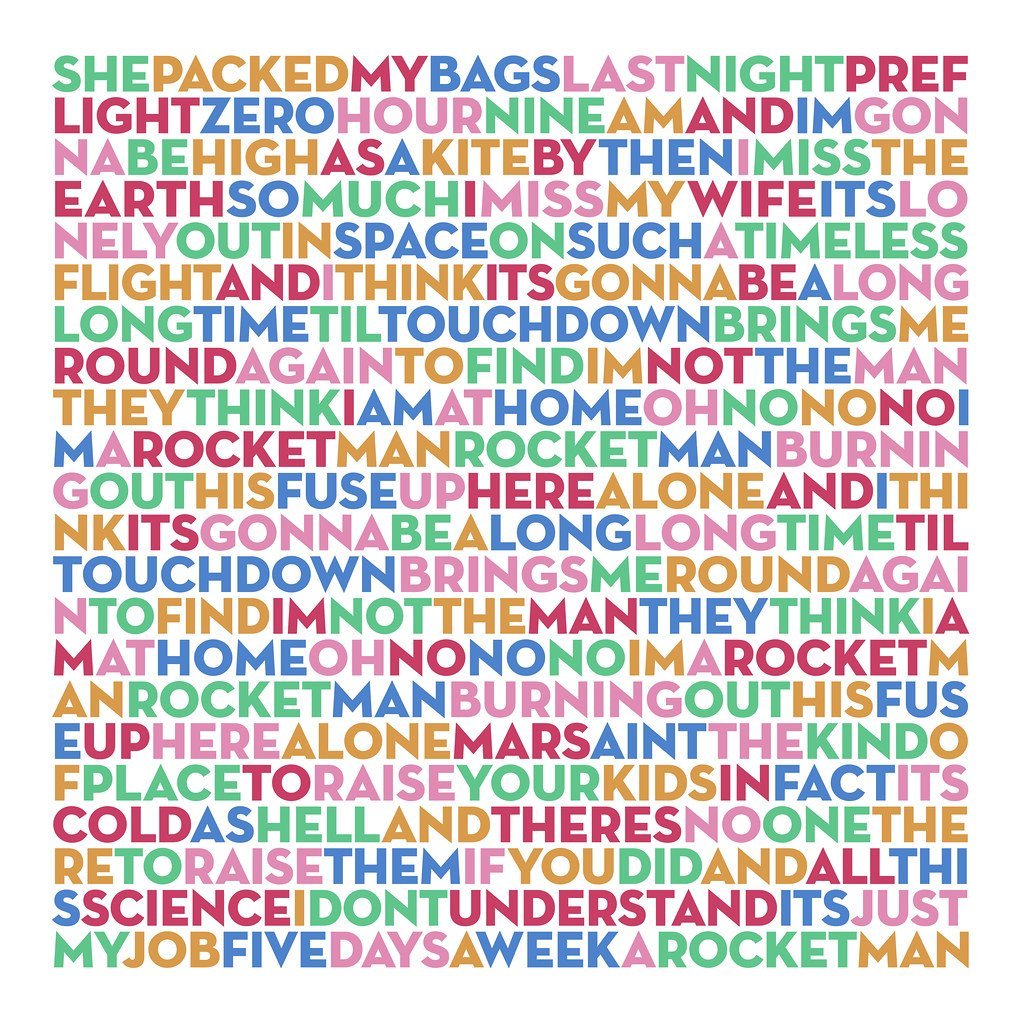
The space themed imagery and emotional delivery stood out amid the era’s fascination with exploration. Album success and tours helped listeners learn the lyrics through repeated plays. The soaring chorus made the words stick even after long gaps between hearings.
Those who grew up with it connect the track to dreams of adventure or quiet nights looking at the sky. The mix of wonder and longing matches feelings many experienced then. The melody still carries that sense of reaching outward.
Tiny Dancer by Elton John
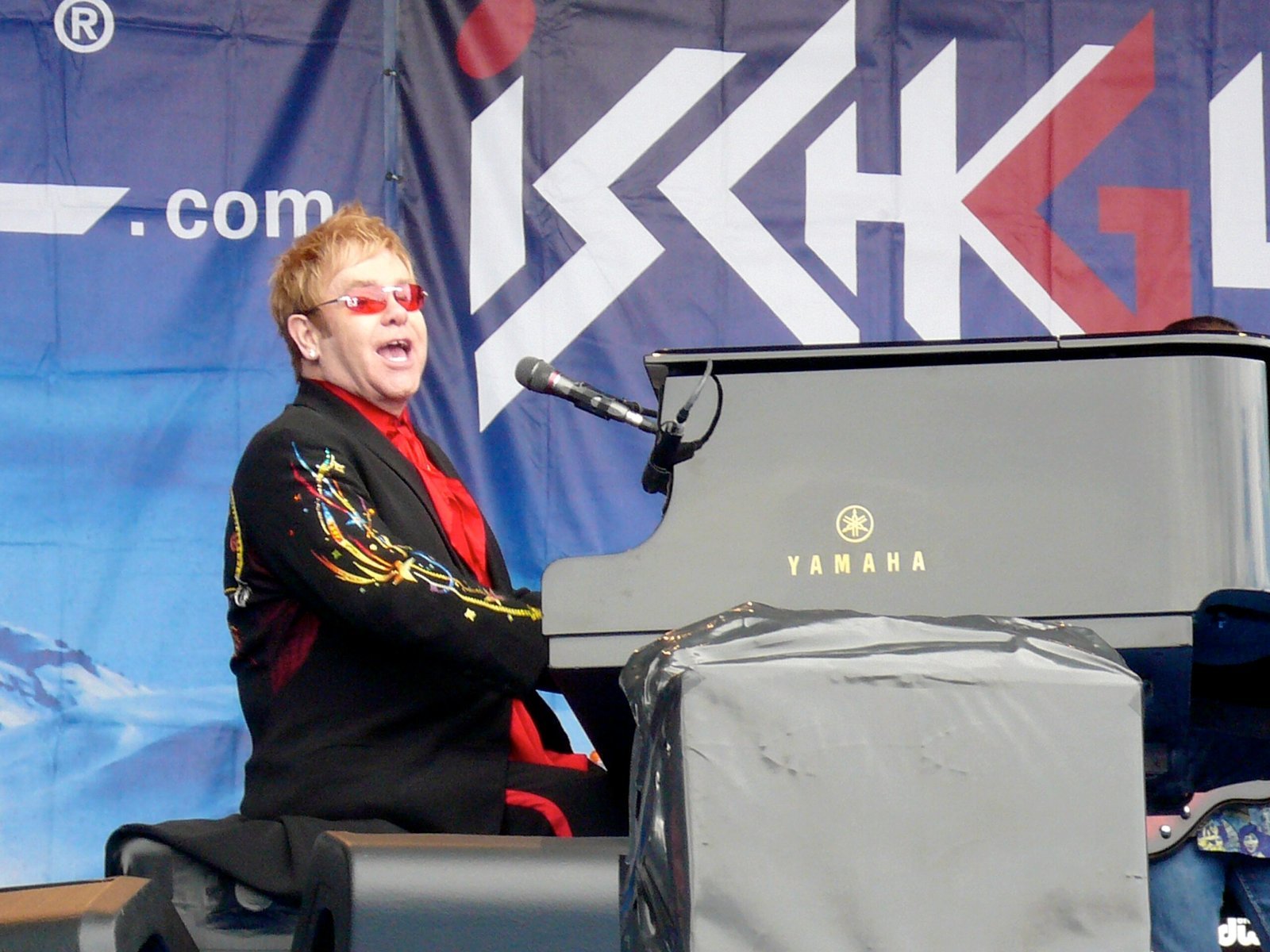
The gentle piano and tribute to a specific person created an intimate feel within a larger album. Radio rotation allowed the verses to become familiar through steady exposure. The building arrangement invited listeners to follow along with the story.
Many remember the song as part of road trips or personal reflections on relationships from that time. Its tender quality evokes the closeness people sought amid busy lives. The track continues to surface as a reminder of those quieter connections.
Bennie and the Jets by Elton John
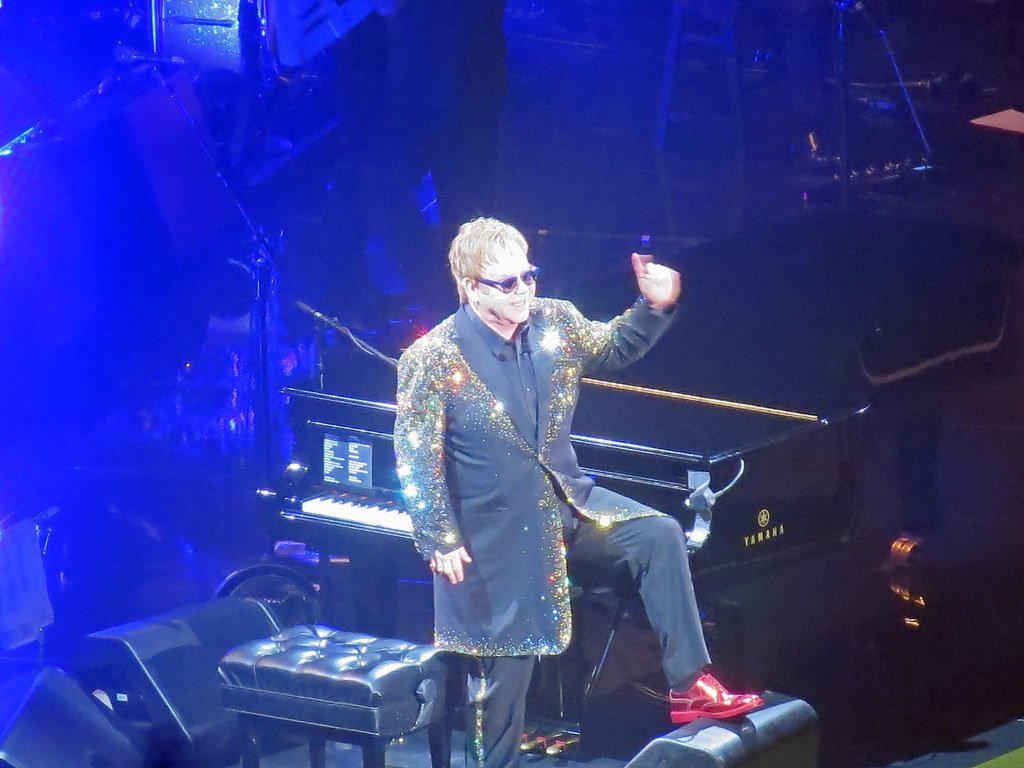
The playful description of a fictional band and its fans gave the song a fun, larger than life quality. Frequent airplay and live shows helped the lyrics take hold through repetition and audience participation. The energetic delivery made the chorus easy to join.
Listeners often link it to parties or events where music created instant community. The lighthearted tone matches the social excitement of the decade. Hearing the track revives that shared enthusiasm.
Crocodile Rock by Elton John
The upbeat tribute to earlier rock styles blended nostalgia with fresh energy right from the start. Radio success and album charts kept the words in circulation for months. The simple chorus invited quick memorization across age groups.
Those who recall it connect the song to school events or family outings filled with dancing. Its joyful bounce evokes the fun side of growing up in the 1970s. The melody still brings back that carefree spirit.
We Will Rock You by Queen
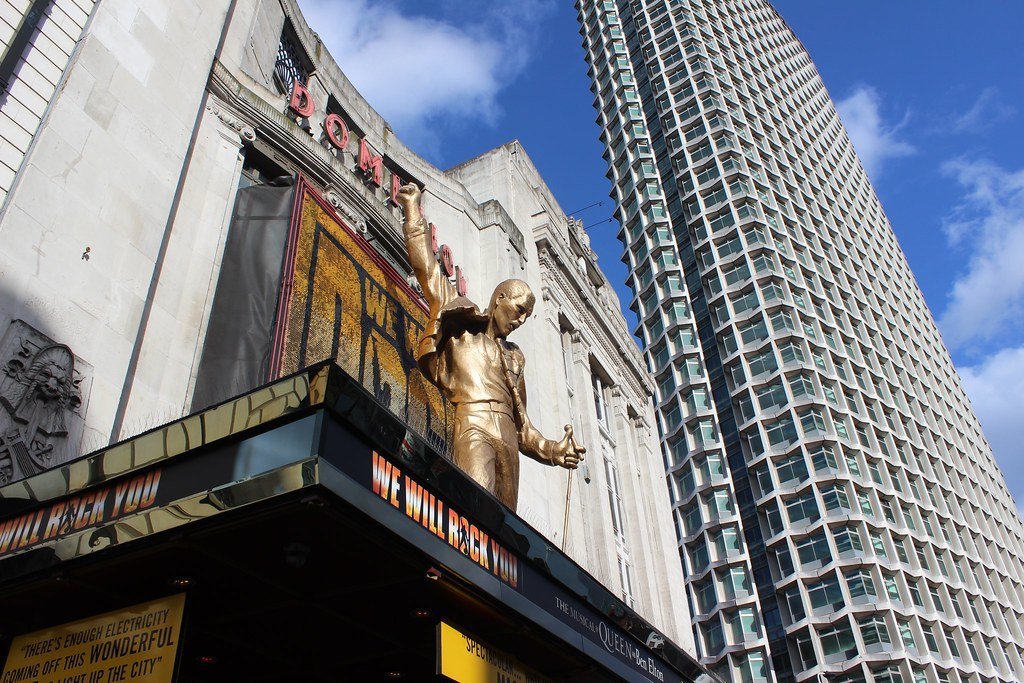
The stomping rhythm and chant like chorus turned the track into an instant crowd favorite at events. Radio play and sports use helped spread the lyrics widely. The minimal verses made participation feel immediate and powerful.
Many remember the song from games or gatherings where everyone joined in together. Its rallying quality matches the group energy of the era. The beat continues to spark that same collective response today.
Another Brick in the Wall, Part 2 by Pink Floyd
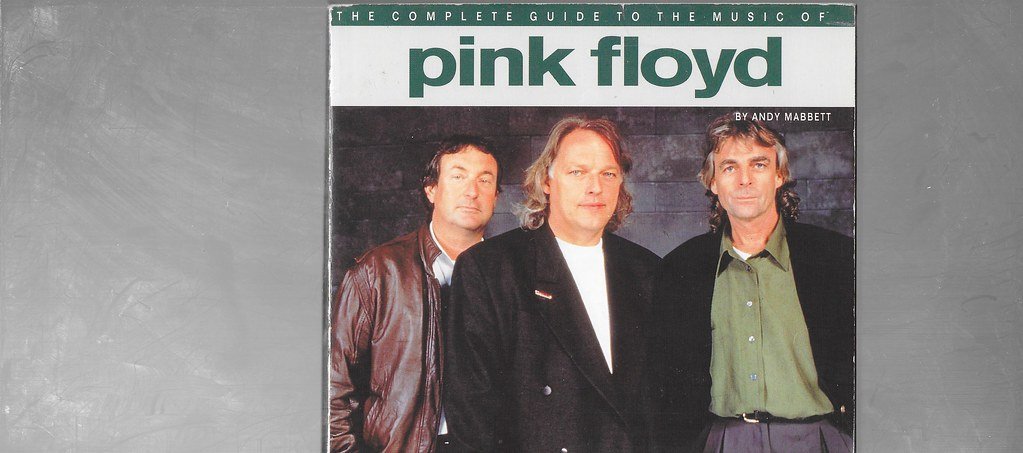
The school themed message and marching beat captured attention during a period of social questioning. Album impact and radio spins allowed listeners to absorb the repeated chorus. The simple structure made the words easy to recall long after first hearing.
People often tie the track to classroom experiences or conversations about authority from their youth. Its defiant tone reflects the independent streak many developed then. The song still carries that sense of standing together.
Born to Run by Bruce Springsteen

The driving beat and story of escape captured the restless spirit of the time. Concert tours and album sales helped listeners learn the verses through repeated exposure. The anthemic chorus invited full voiced participation.
Those who grew up with it connect the lyrics to dreams of leaving home or chasing bigger horizons. The urgent energy matches the forward momentum many felt. Hearing it revives that drive and possibility.
Margaritaville by Jimmy Buffett
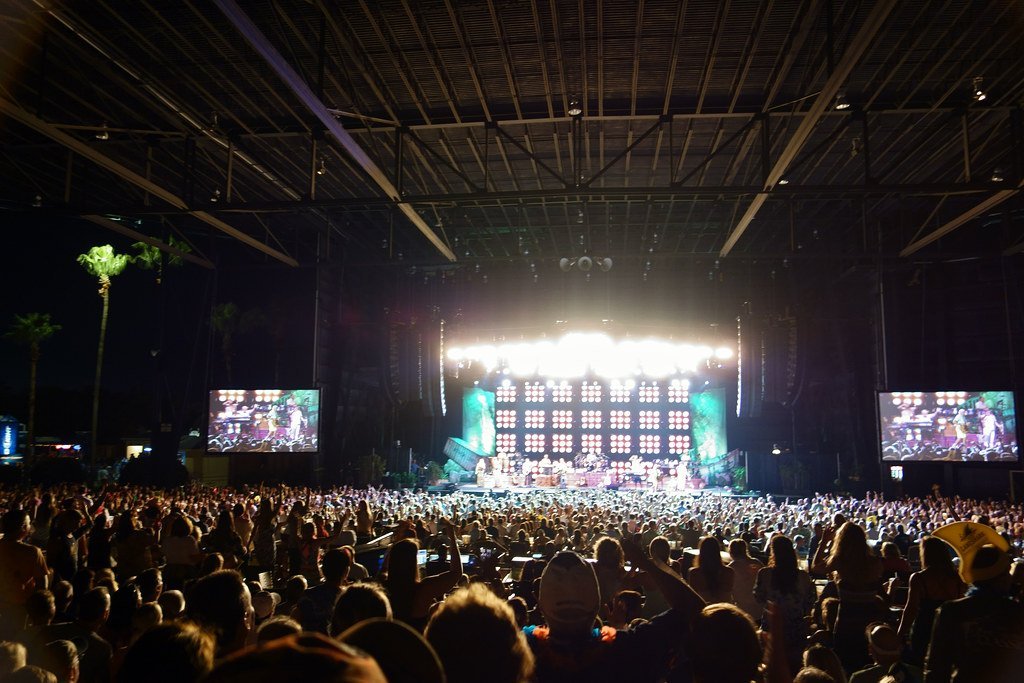
The laid back tale of island life and small regrets offered an escape that fit the era’s desire for simpler pleasures. Radio play and live shows spread the words through casual listening. The easy going chorus made it simple to sing along.
Listeners recall the song during vacations or relaxed weekends that captured that carefree mood. Its humorous take on everyday troubles still resonates with the lighter side of the decade. The melody brings back that sense of unwinding.
Take It Easy by Eagles
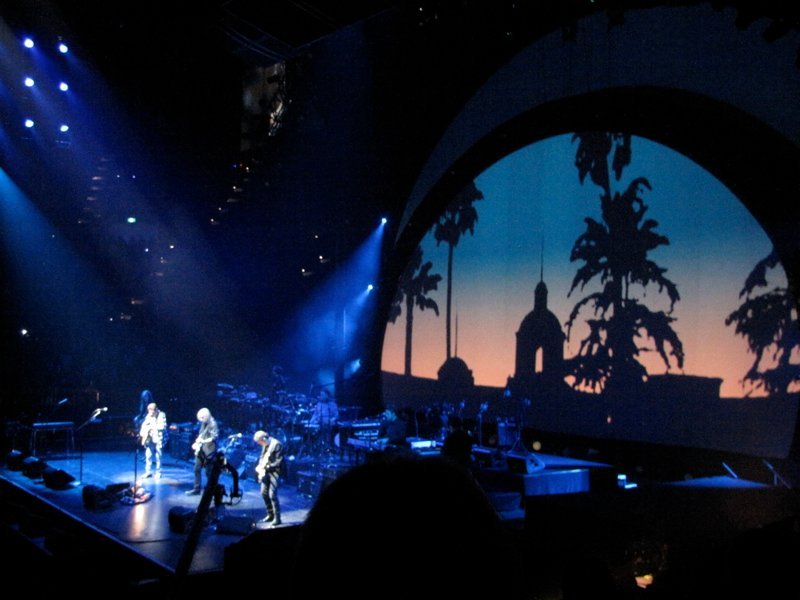
The breezy advice and country rock blend created a soundtrack for road travel and easy days. Album success and radio rotation helped the lyrics settle in over time. The harmonious chorus provided a natural sing along moment.
Many associate the track with drives or gatherings where the pace slowed down. Its relaxed message matches the balance people sought amid busy lives. The song continues to offer that same calm reminder.
The Joker by Steve Miller Band

The playful self description and catchy riff made the song a radio staple that listeners absorbed quickly. Live performances and album play kept the verses in circulation. The lighthearted tone invited easy repetition.
Those who remember it link the words to social nights or moments of self expression from their youth. The fun attitude evokes the playful side of the 1970s. Hearing it revives that easygoing confidence.
Black Betty by Ram Jam
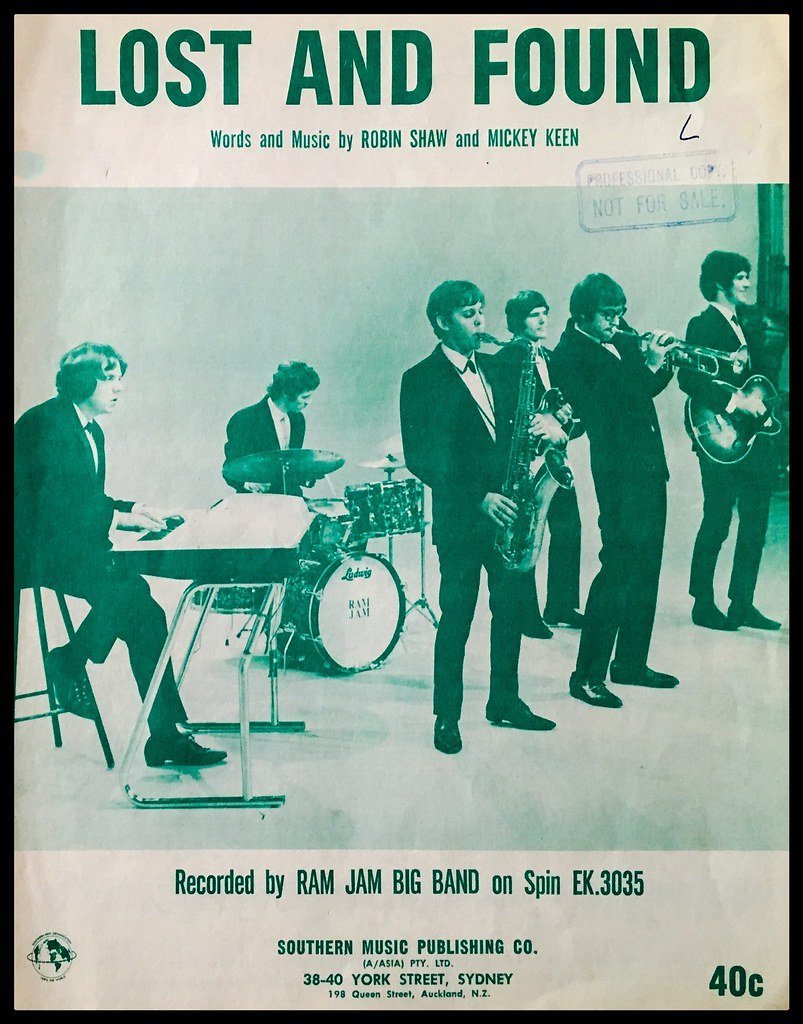
The pounding rhythm and folk tale roots gave the track an energetic edge that stood out on airwaves. Radio success helped listeners pick up the repeated lines through constant play. The driving beat made participation feel instinctive.
People often connect the song to parties or workouts that defined active moments then. Its raw power matches the intensity many experienced during those years. The track still sparks movement and memory together.
Y.M.C.A. by Village People
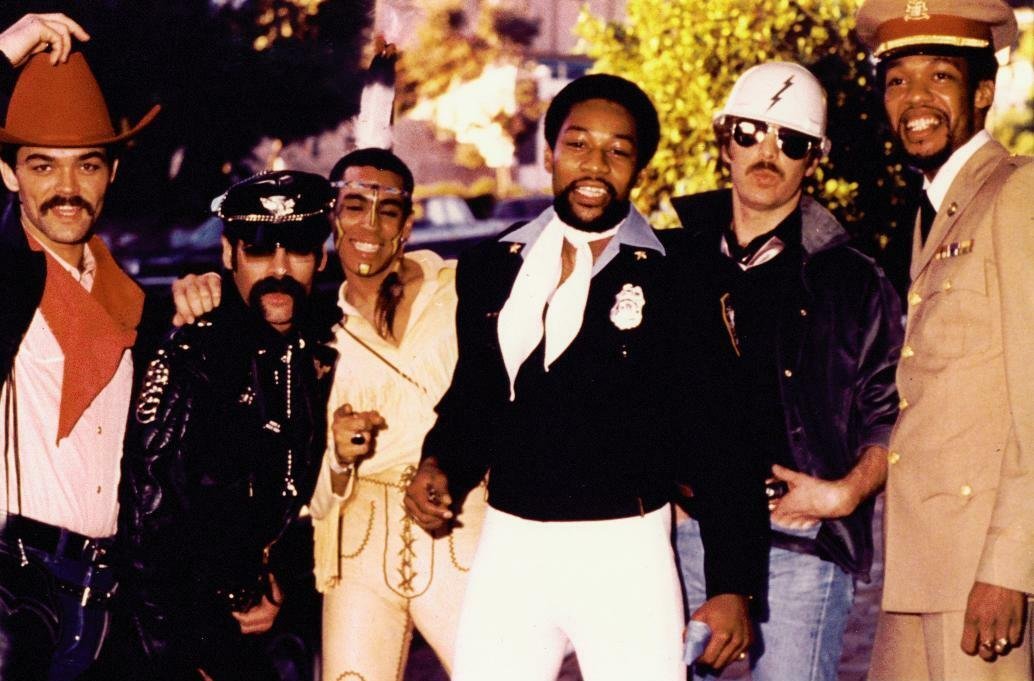
The disco beat and group choreography turned the song into a dance floor standard across the country. Radio dominance and public events spread the letters and chorus widely. The simple structure invited everyone to join without hesitation.
Listeners recall it from community events or nights out where movement created instant connection. The upbeat message matches the social openness of the decade. Hearing the track brings back that shared sense of fun and belonging.
Music from those years continues to link people across time through melodies that once filled their daily lives. The words and rhythms carry forward the experiences that shaped a generation, offering quiet reminders of where it all began.

Besides founding Festivaltopia, Luca is the co founder of trib, an art and fashion collectiv you find on several regional events and online. Also he is part of the management board at HORiZONTE, a group travel provider in Germany.
