

- 10 Legendary Summer Anthems That Defined a Generation of Festival-Goers - August 31, 2026
- True Art Transcends Generations, Speaking to Every Soul That Encounters It. - August 31, 2026
- 10 Fashion Trends From the Past That Deserve a Dramatic Comeback - August 31, 2026
Throughout history certain artists lived in ways that clashed sharply with the expectations of their eras. Their choices in love, politics, and creative expression often drew scorn or outright rejection from the societies around them.
These figures did not simply paint or sculpt. They tested limits that most people at the time considered fixed and unchangeable.
Caravaggio
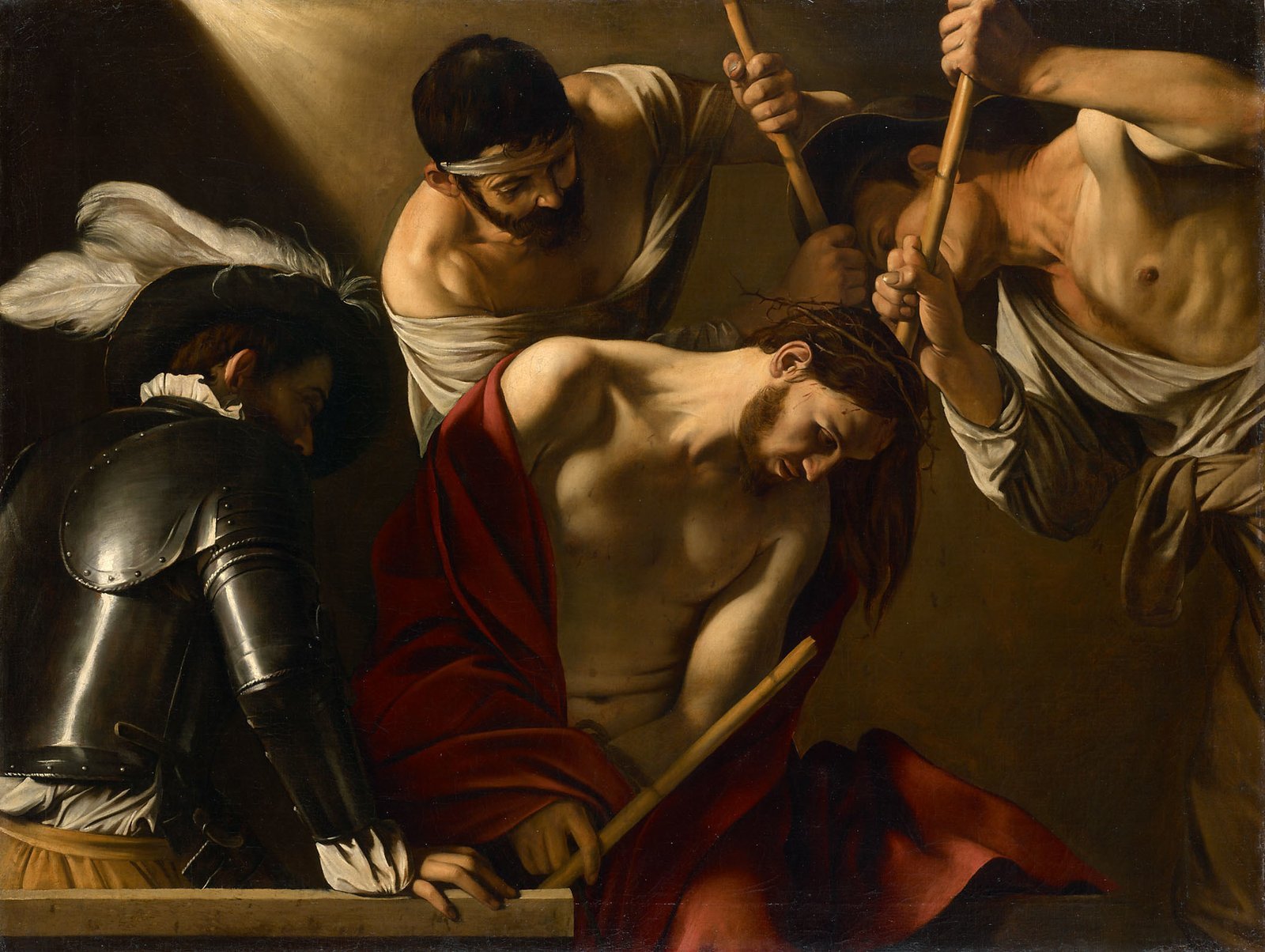
Caravaggio built a reputation for brawling and quick tempers that landed him in trouble across Italy. He killed a man during a street fight and spent years on the run while still producing paintings that used real people from the streets as models for religious scenes.
His dramatic use of light and shadow broke from the polished ideals of the day. Few painters before him had shown saints and biblical figures with the dirt and bruises of ordinary life. That raw honesty felt too close to everyday reality for many church patrons who preferred distant perfection.
Frida Kahlo
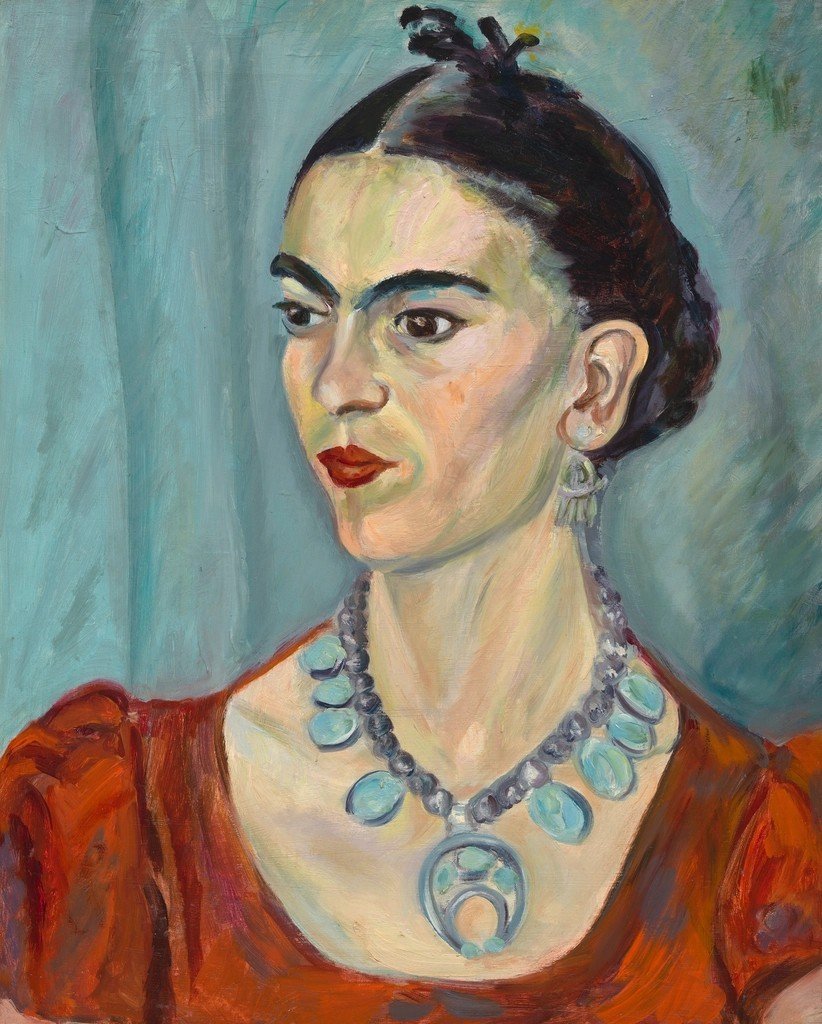
Frida Kahlo turned her own physical pain and complicated marriage into the central subject of her work. She painted herself with unflinching detail, including her unibrow and mustache, at a time when women were expected to hide such features.
Her open bisexuality and communist politics also set her apart in mid twentieth century Mexico. Kahlo refused to soften her image for public approval. Instead she placed her private struggles on canvas for everyone to see.
Salvador Dalí
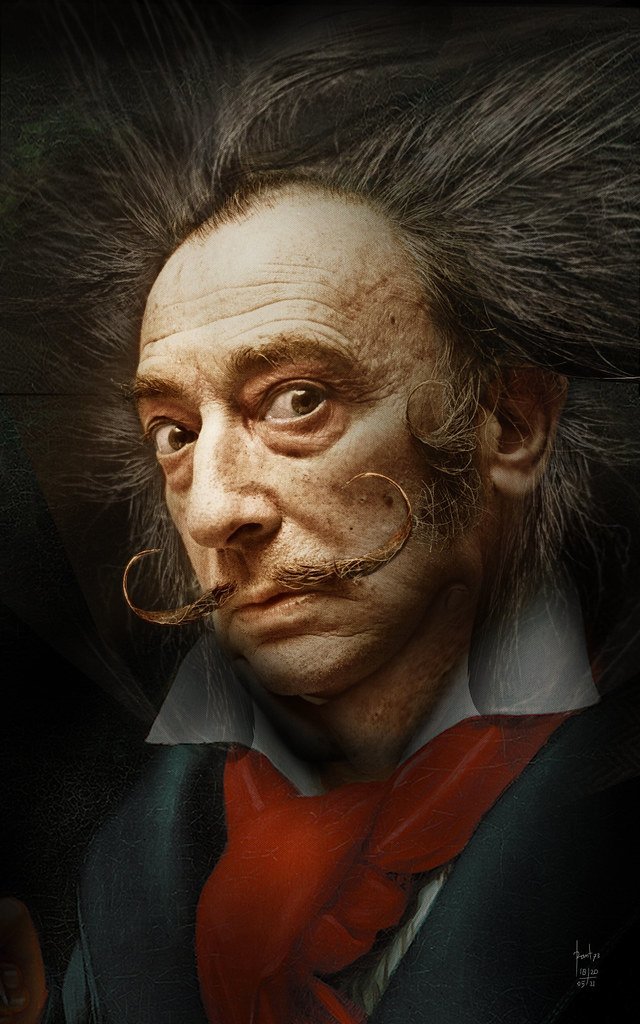
Salvador Dalí cultivated an eccentric public image that included wild clothing and theatrical statements. He once declared himself a genius in ways that made fellow artists roll their eyes.
His paintings mixed dream imagery with precise technique long before surrealism gained wide acceptance. Dalí challenged the idea that art had to follow logical rules or serve a clear message. His approach treated the subconscious as a valid source of inspiration decades ahead of mainstream psychology.
Pablo Picasso
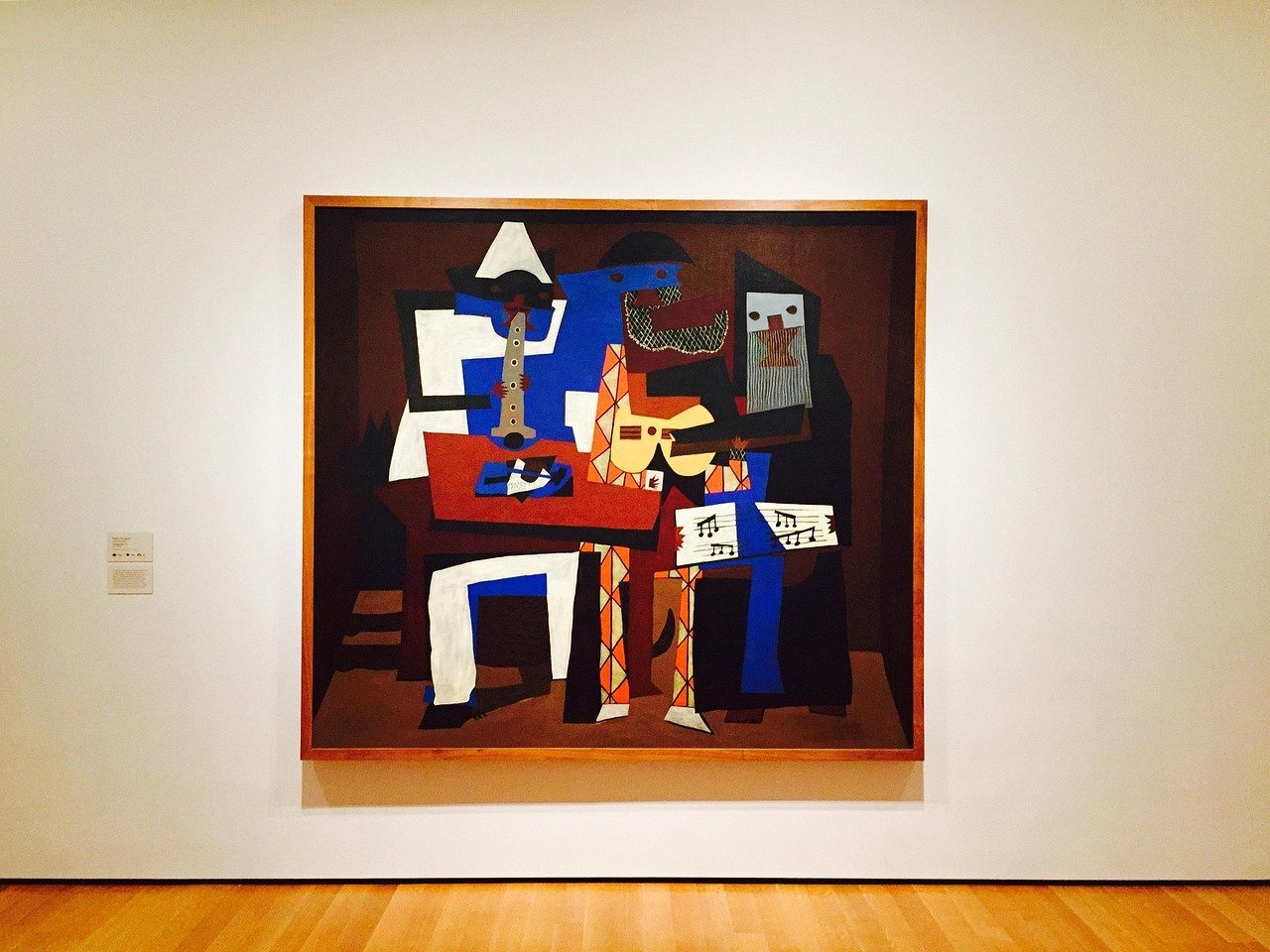
Pablo Picasso moved through multiple styles and relationships with little regard for public opinion. He painted works that distorted the human form in ways that shocked viewers accustomed to realistic portraits.
His political statements against war and his refusal to settle into one artistic identity kept critics guessing. Picasso treated painting as an ongoing experiment rather than a finished product. That restless attitude influenced generations who came after him.
Marcel Duchamp

Marcel Duchamp presented everyday objects like a urinal as finished art pieces. This move questioned the very definition of what counted as creative work.
His readymades arrived at a moment when most people still expected art to require obvious skill and beauty. Duchamp forced conversations about intention and context that later movements would build upon. Few artists before him had so directly challenged the authority of museums and critics.
Andy Warhol
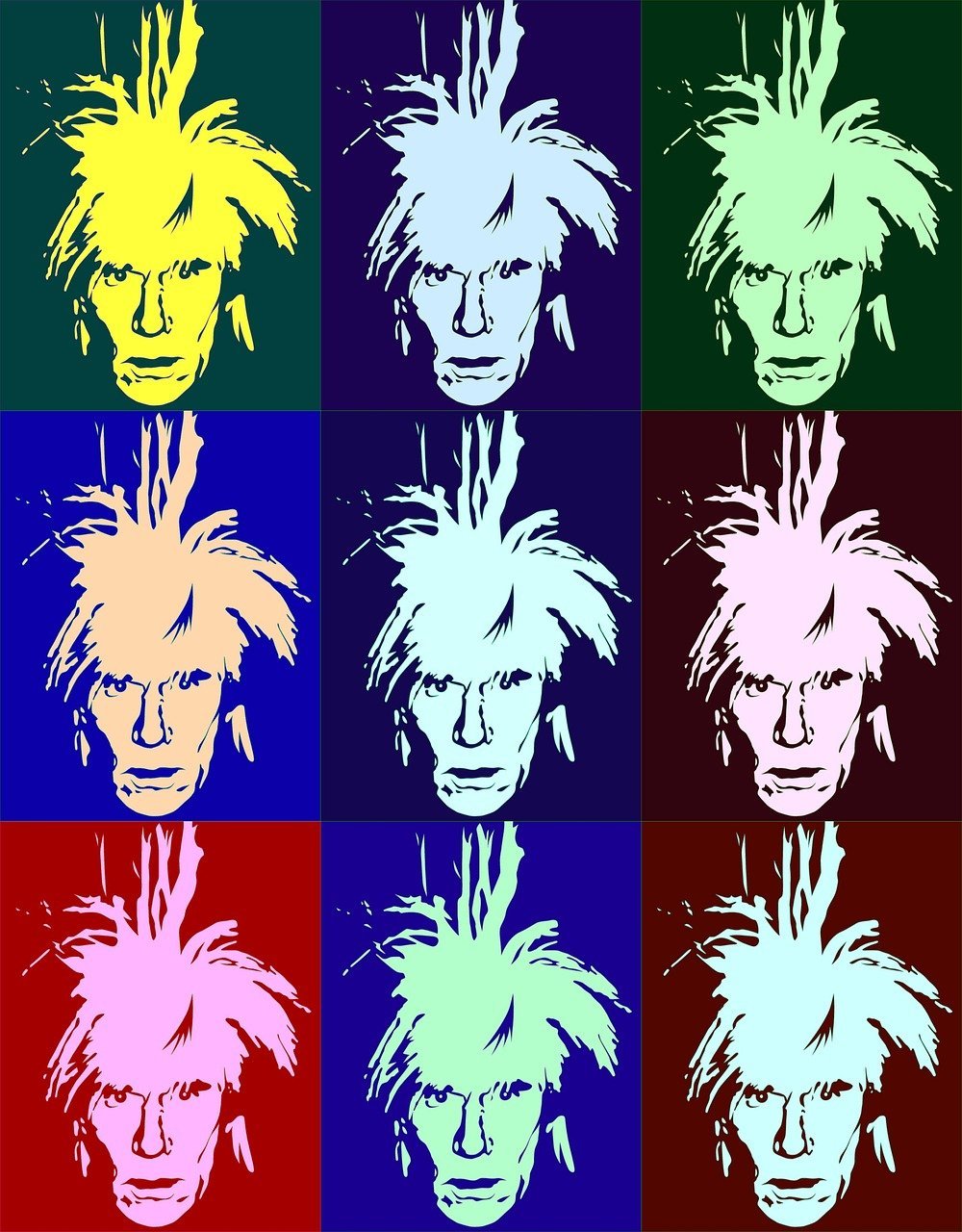
Andy Warhol turned soup cans and celebrities into repeated images that blurred the line between fine art and commercial design. He openly embraced fame and money at a time when many artists claimed to reject both.
His studio became a gathering place for people outside mainstream society. Warhol documented drag queens and outsiders with the same attention once reserved for traditional subjects. This focus on popular culture and marginal lives felt radical in the 1960s.
Jackson Pollock
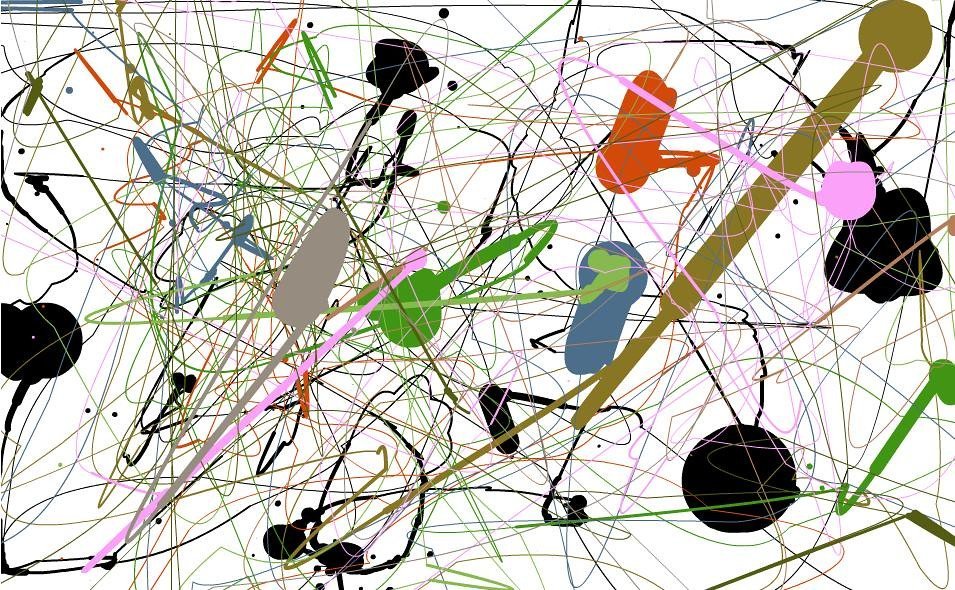
Jackson Pollock dripped and flung paint across large canvases while moving around them on the floor. The method looked chaotic to viewers used to careful brushwork.
His personal struggles with alcohol added to the sense that his process was uncontrolled. Yet the resulting works captured energy and movement in ways that later became central to abstract expressionism. Pollock helped shift attention from the finished image to the act of creation itself.
Georgia O’Keeffe
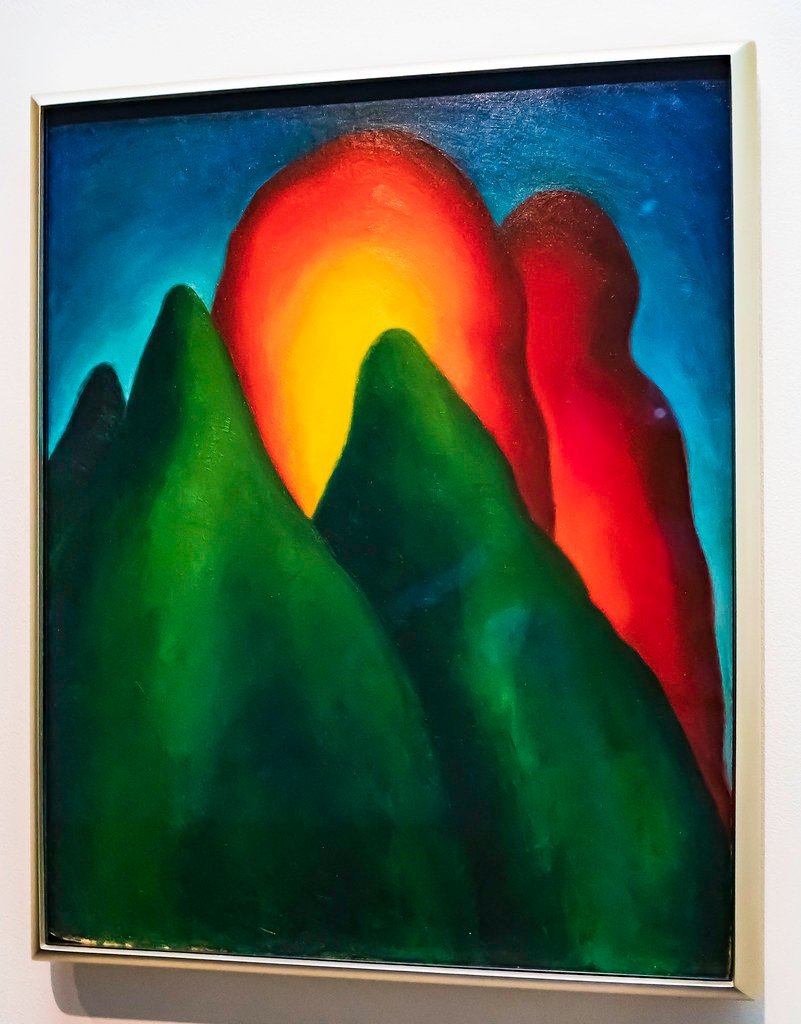
Georgia O’Keeffe painted enlarged flowers and desert landscapes that some critics read as overtly sexual. She rejected those interpretations and insisted on seeing the forms for themselves.
O’Keeffe lived independently in New Mexico long before it became common for women artists to do so. She controlled her own career and image at a time when male dealers often managed female painters. Her quiet defiance of expectations opened space for later women artists.
Yayoi Kusama
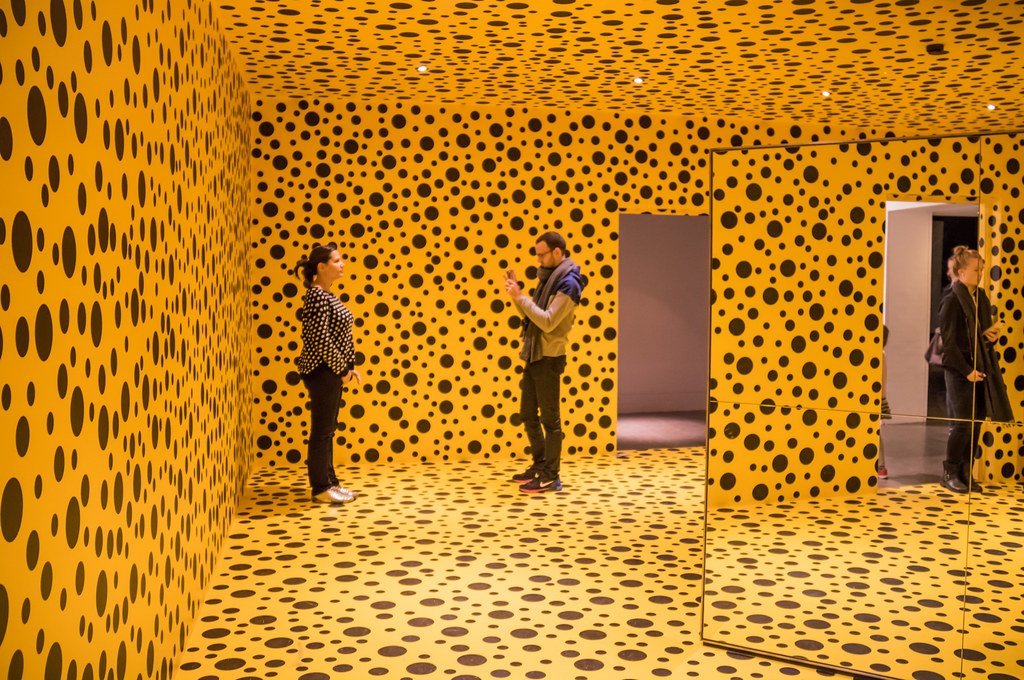
Yayoi Kusama covered entire rooms and objects with repeating dots and patterns that reflected her personal experiences with mental health. She chose to live in a psychiatric hospital while continuing to produce large scale installations.
Her work explored infinity and self obliteration decades before such themes entered widespread discussion. Kusama turned private visions into public environments that invited viewers to step inside. That immersive approach felt new to audiences accustomed to paintings on walls.
Ai Weiwei
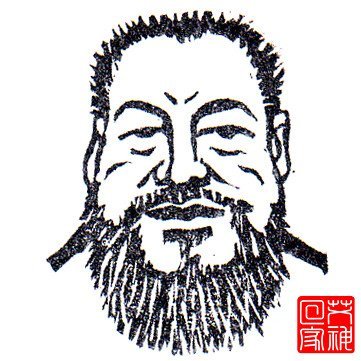
Ai Weiwei used his art to document government actions and human rights issues in China. He faced surveillance, detention, and restrictions on travel for years.
His installations often incorporated materials from demolished buildings or records of citizen protests. Ai treated art as a form of evidence rather than decoration. This direct engagement with politics set him apart from artists who avoided controversy.
Marina Abramović
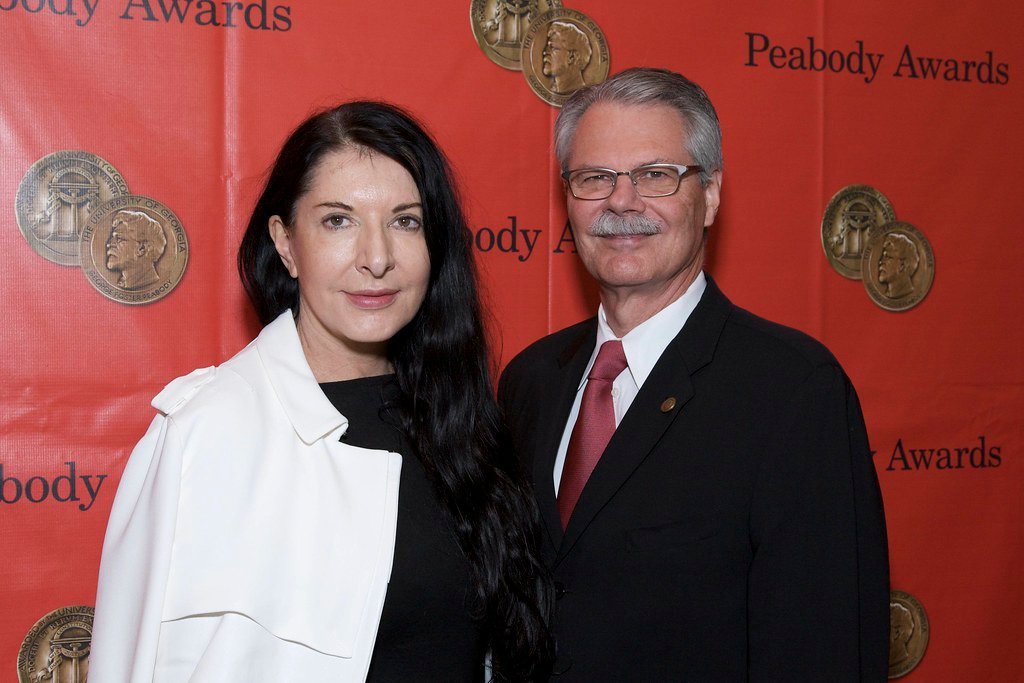
Marina Abramović performed pieces that involved physical endurance and direct interaction with audiences. She once stood still for hours while viewers approached her with objects that could harm or comfort.
Her work examined vulnerability and presence at a time when performance art was still emerging. Abramović treated her own body as both subject and material. That choice pushed boundaries around what counted as acceptable artistic risk.
Tracey Emin
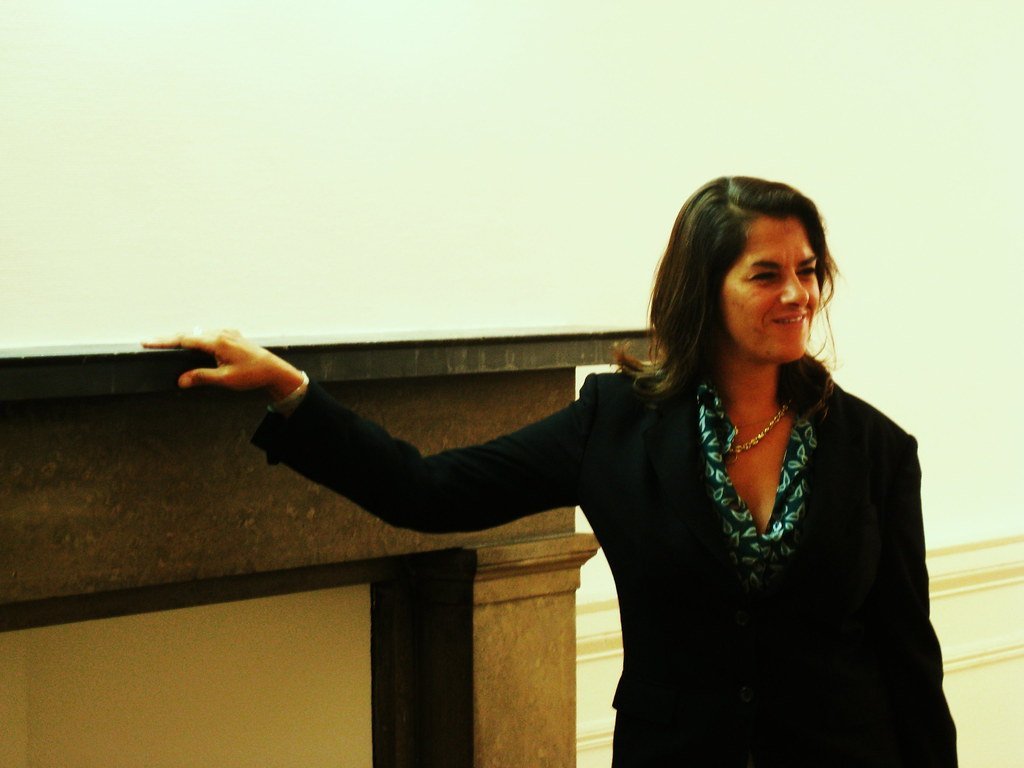
Tracey Emin displayed her own unmade bed complete with personal items as a major artwork. The piece revealed intimate details of her life that many found too private for public display.
She also created neon texts and drawings that addressed sexuality and trauma without apology. Emin refused to separate her personal story from her professional output. This openness challenged the expectation that artists should maintain distance from their subjects.
Damien Hirst
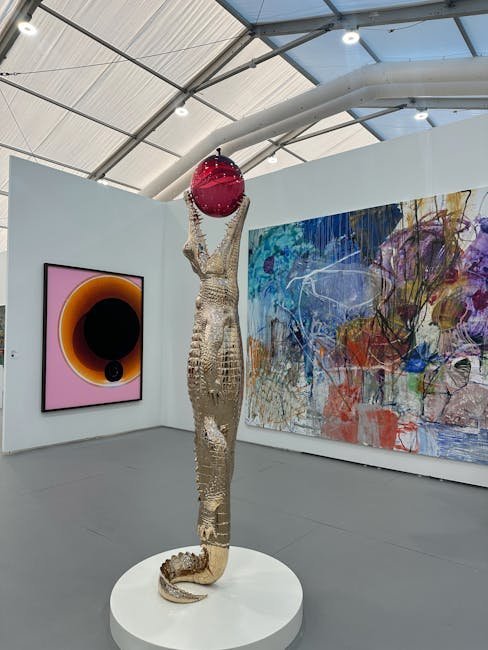
Damien Hirst preserved animals in formaldehyde and arranged them in striking displays. The works raised questions about life, death, and the value of art itself.
He embraced high prices and media attention in ways that some traditionalists found distasteful. Hirst treated the art market as part of the artwork rather than something separate. His approach reflected a changing relationship between creativity and commerce.
Jean-Michel Basquiat
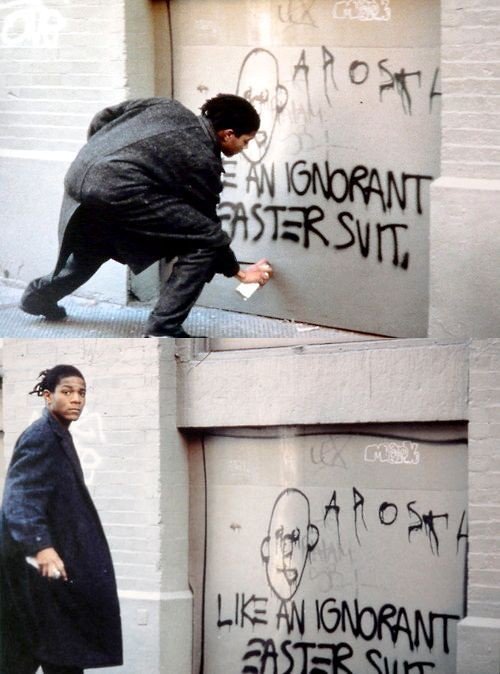
Jean-Michel Basquiat combined street art influences with gallery paintings that addressed race, power, and history. He rose quickly from graffiti to international recognition while still in his early twenties.
His raw style and references to African American experience stood out in a mostly white art world. Basquiat refused to fit neatly into expected categories. That independence helped expand ideas about who could speak through contemporary art.
Banksy
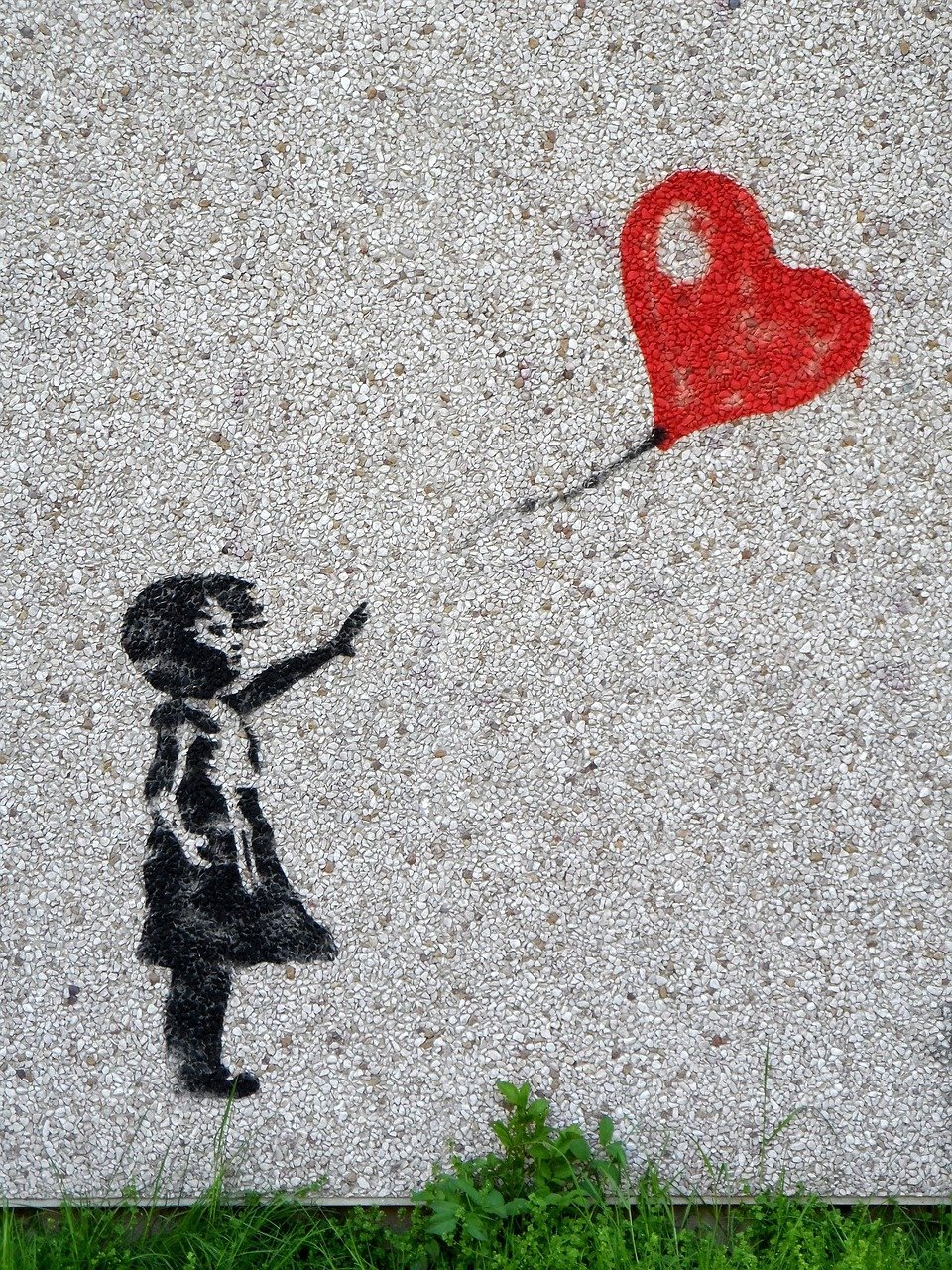
Banksy creates stenciled images in public spaces that comment on politics and consumerism. The artist maintains anonymity to avoid legal consequences and to keep focus on the messages.
Works have appeared on walls in conflict zones and near corporate sites without permission. Banksy uses surprise and accessibility to reach audiences outside museums. This method keeps the work tied to everyday environments rather than elite spaces.
Art Challenging Social Norms
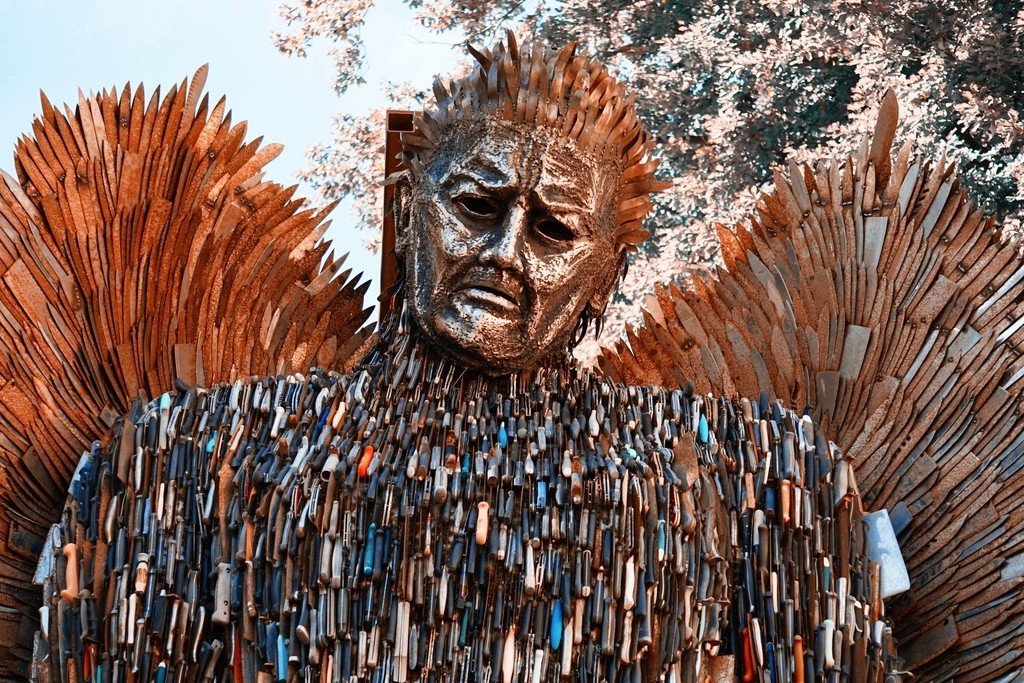
These artists showed that personal conduct and creative choices can shift what society accepts over time. Their willingness to live differently often preceded broader changes in attitudes toward identity, politics, and expression.
Their examples remind us that art does more than decorate. It can quietly or loudly test the edges of what feels possible in any given moment. That testing continues to shape how later generations see the world around them.
CEO-Co-Founder
