

Most people pack for every possible disaster, print color-coded itineraries, and still end up paying $100 bag fees, missing trains, and eating sad airport sandwiches. They come home exhausted and wonder why travel feels like a second job. The people having the best trips? They look half as prepared and somehow have twice as much fun.
Seasoned travelers have quietly built a different playbook – one that cuts costs, kills stress, and opens up the kind of unplanned moments you actually tell stories about later. These aren’t tricks you find in a glossy brochure. They’re the habits that separate people who travel from people who really travel. Here are the 13 secrets they .
13. Flying Midweek Can Slash Your Fare by 25%
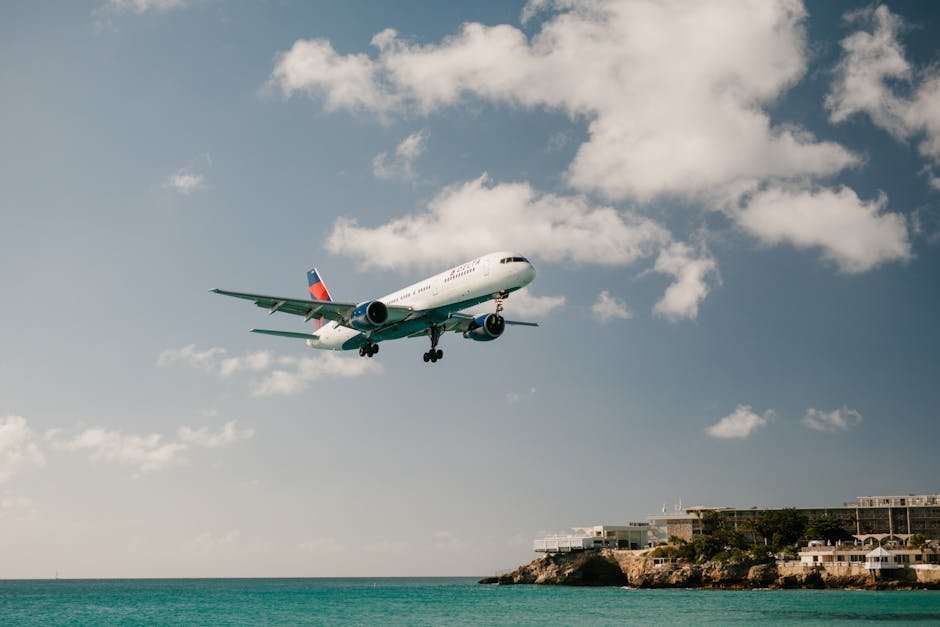
Airlines aren’t hiding this – they’re just counting on you not to care. Weekends fill fast with leisure travelers and business fliers closing the week, so carriers charge accordingly. Shift your departure to Tuesday, Wednesday, or Thursday, and you’re suddenly invisible to the surge.
Experienced travelers use Google Flights’ calendar grid view to find these dips without guessing. The savings on domestic routes are real, and on international flights they can be staggering – the difference between a trip that breaks the budget and one that doesn’t. Flexibility is the entire unlock here. One extra day of wiggle room is worth hundreds of dollars.
Fast Facts
- Tuesday is the cheapest day to fly domestically – about 13% less than Sunday, per a 2025 Google report.
- Flying midweek can save nearly $100 per ticket on average, with holiday-period savings topping $100 or more.
- Tuesday and Wednesday flights run 10-20% cheaper than Friday, Sunday, and Monday departures, especially internationally.
- For international flights, book 2-8 months out; for domestic, 1-3 months is the sweet spot.
- Shifting even 1-3 days off your original dates can save hundreds on transatlantic fares.
12. A $10 Digital Luggage Scale Pays for Itself Instantly

Budget carriers like Ryanair and Spirit have turned overweight bag fees into a reliable revenue stream, and they count on you not knowing how heavy your bag actually is until you’re already at the check-in desk. That moment of dread – watching an agent reach for the fee schedule – is 100% avoidable.
Veterans pack a pocket-sized digital scale, weigh everything at home, and make hard cuts before they leave. Ten-dollar models accurate to 0.1 lbs are everywhere on Amazon. The scale costs less than a single checked bag fee and eliminates the surprise entirely. It’s the smallest item in an experienced traveler’s kit and one of the most useful.
11. A Pashmina Shawl Is the Most Underrated Item You’re Not Packing

Laugh if you want – seasoned travelers stopped caring about looking overprepared years ago. A lightweight pashmina does the work of three separate items: plane blanket, sun shield, sarong for entering temples or mosques, even an impromptu picnic layer. It weighs almost nothing and compresses to the size of a paperback.
Silk-cashmere blends under $30 pack the smallest and feel the best. On overnight flights where the cabin temperature drops, or at sacred sites where bare shoulders aren’t welcome, it’s the quiet problem-solver in the bag. Travelers who mock it pack it on their second trip.
[article_quiz]
10. Download Everything Offline Before You Even Board

Roaming charges and spotty international data have ended more good days abroad than any missed connection. The fix takes twenty minutes at home and costs nothing. Google Maps offline saves your destination city entirely. Google Translate downloads the language pack. Spotify loads your playlists. Screenshots capture every booking confirmation and train schedule.
In rural Southeast Asia, on mountain passes, inside European train tunnels – these downloads become a lifeline. While other travelers are frantically hunting for café WiFi to figure out where they’re going, you already know. Solo travelers especially call this one non-negotiable. It’s not a backup plan. It’s the plan.
At a Glance: The Essential Offline Download Checklist
- Google Maps – Download the full city or region before you leave home Wi-Fi.
- Google Translate – Offline language packs work without any data signal.
- Screenshots – Every confirmation, train timetable, and hotel address saved to your camera roll.
- Spotify / Podcasts – Download playlists and episodes for long hauls and dead zones.
- XE Currency – Saves last-known exchange rates for use without a connection.
9. Stay Just Outside the Tourist Zone and Save 40%

The hotels in the heart of every famous city have one thing in common: they know exactly what you’ll pay for the address. Twenty minutes out – a metro stop or a short Uber – and the math changes completely. Rooms cost less, restaurants are for actual locals, and nobody is trying to sell you a hop-on hop-off bus tour at breakfast.
Experienced travelers filter Booking.com by neighborhood and look for residential areas adjacent to the center. In Rome, Paris, Bangkok – the edges have their own life, often more interesting than the postcard center. You still get everywhere easily. You just stop paying the tourist tax to sleep.
8. Incognito Mode Fights Back Against Dynamic Pricing

Airlines and booking sites use complex, real-time pricing algorithms that adjust fares based on seat inventory, demand, and market conditions – sometimes many times a day. Whether cookies directly inflate prices for repeat searchers is genuinely debated, but one thing is clear: searching across multiple tools, devices, and browsers gives you a more complete picture of what fares actually exist.
Pros open incognito tabs, clear their cache, and sometimes switch to mobile data for final searches to avoid seeing stale cached results. Some go further with a VPN, checking prices from different country servers where fares are priced differently for local markets. It’s a low-effort habit that takes thirty seconds and has saved travelers real money on a single booking – even if the mechanism isn’t always what the myth claims.
Quick Compare: Smarter Flight Search Habits
- Incognito mode – Clears cached data so you see live prices, not stored results from earlier searches.
- Multiple platforms – Check Google Flights, Kayak, and the airline’s own site; prices vary by channel.
- VPN / different device – Can surface regional fare differences; results vary by airline and route.
- Price alerts – Google Flights and Hopper track routes over time and notify you of drops.
- Flexible dates grid – The single most reliable tool for finding the actual cheapest window.
7. Split Your Cash and Cards Across Multiple Hiding Spots

A pickpocket in Barcelona or a bag snatch in a crowded market doesn’t have to end your trip – unless everything valuable was in the same place. Experienced travelers treat their money like a distributed system. Main wallet, secondary card tucked in a different bag, emergency cash folded inside a shoe or sewn into a jacket lining.
The goal isn’t paranoia – it’s redundancy. Notify your bank before you leave so legitimate transactions don’t get flagged and frozen. Add RFID-blocking sleeves for cards in your main wallet. If the worst happens, you lose one layer, not everything. That distinction is the difference between a bad afternoon and a ruined trip.
6. Scout the Airport Before You Ever Arrive
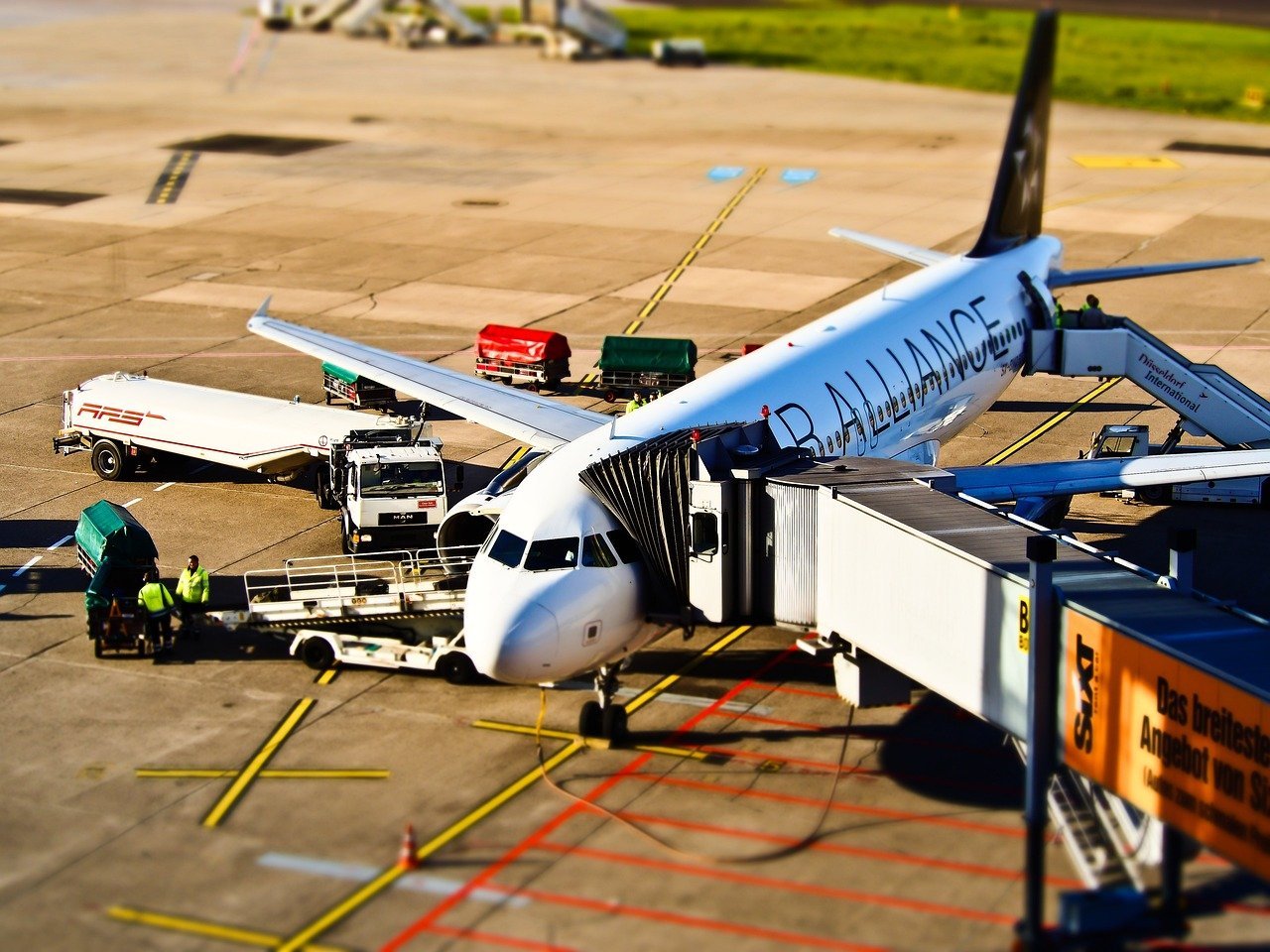
Heathrow, Charles de Gaulle, LAX – these airports are intentionally confusing, and the stress of navigating them while carrying bags and watching a departure clock is real. Veterans eliminate it entirely by watching YouTube walkthroughs of the airport weeks before they fly. They know where the fast security lanes are, where the lounges sit, how long the terminal transfer actually takes.
Apps like MiFlight give live security wait times. Knowing in advance where your gate will likely be, where food is, and where trains connect to the terminal turns a stressful hub into a known quantity. Travelers who do this move through airports differently – calm, purposeful, coffee in hand while everyone else is jogging.
5. Use the Google Flights Grid to Find the Cheapest Window

Booking a flight for a fixed date because that’s when you planned to go is one of the most expensive habits in travel. The Google Flights date grid shows you a full matrix of prices – every combination of departure and return across weeks. The cheapest option is often just one or two days off from what you originally planned.
Pair that flexibility with the nearby airports filter and the savings stack fast. Flying into a smaller airport 45 minutes from your actual destination can cut a transatlantic fare by $200 or more. Experienced travelers build the trip around the price first and the exact dates second. Rigidity is expensive. Flexibility pays.
4. Never Book the Last Flight of the Day

The last departure of the day looks appealing – it maximizes your time at the destination. It also means that if anything goes wrong, anything at all, you’re sleeping in an airport hotel at your own expense. Airlines have no later flight to rebook you onto. You’re stuck until morning.
Experienced travelers book midday flights whenever the schedule allows. Earlier departures have the lowest delay rates because the planes haven’t been bouncing across the country all day accumulating problems. A seasoned traveler once described it simply: the last flight of the day is a bet on everything going right. Pros don’t make that bet.
3. Packing Cubes Plus a Capsule Wardrobe Is the Real Minimalism
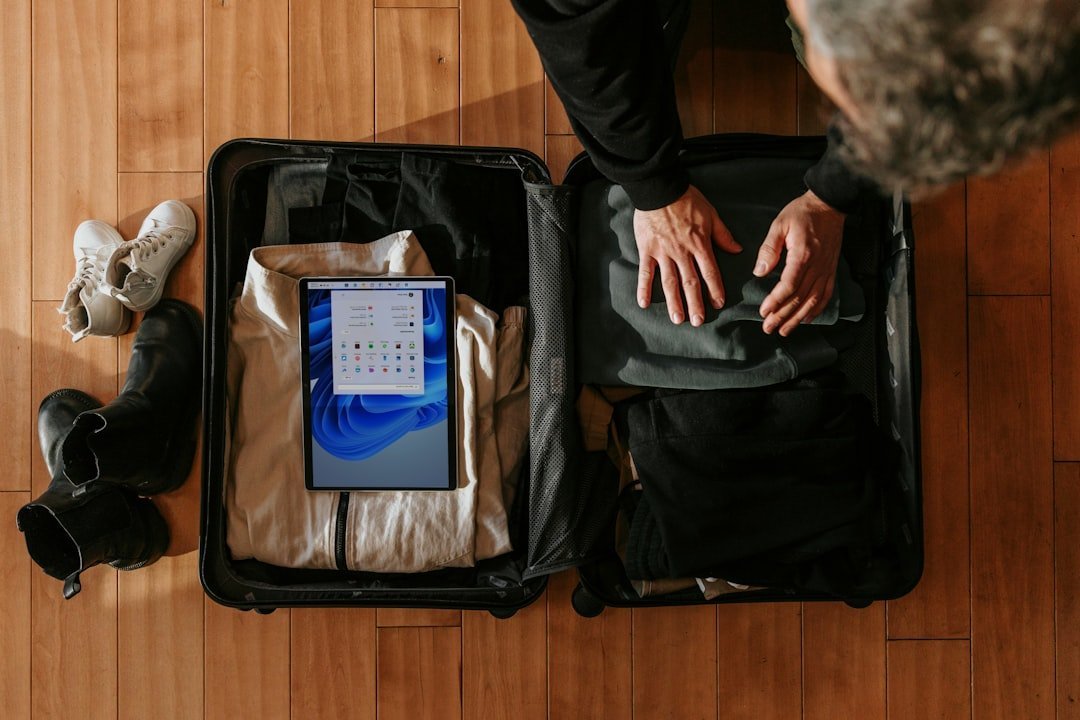
Packing cubes alone won’t save you if you’re still bringing eight shirts for a five-day trip. The real unlock is combining the organizational structure of cubes with the discipline of a capsule wardrobe – ten neutral, layerable pieces that mix into thirty combinations. You stop thinking about what to wear and start thinking about where to go.
Roll everything instead of folding – it compresses further and wrinkles less. Neutrals layer across any weather or occasion. Laundromats exist everywhere and cost almost nothing abroad. Travelers who master this move through airports faster, avoid checked bags entirely, and feel noticeably lighter – physically and mentally – from day one.
The secret of getting ahead is getting started. Pack light, move fast, stay curious.
Mark Twain
2. TSA PreCheck or Global Entry Is Worth Every Dollar
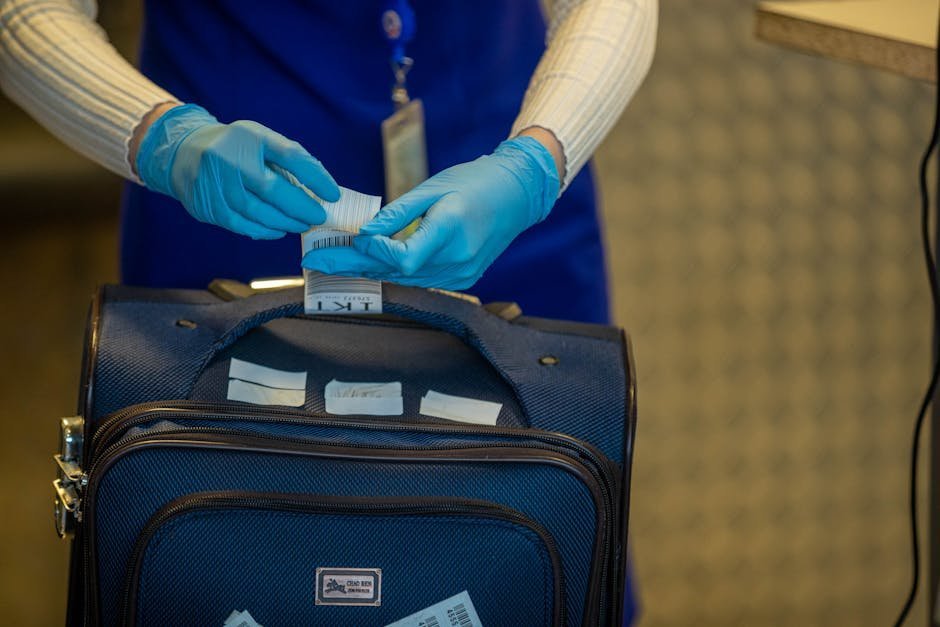
Standing in a regular security line after you’ve watched the PreCheck lane empty three times is a particular kind of frustration. TSA PreCheck costs $76.95 to $85 for five years depending on the enrollment provider – and 99% of PreCheck passengers wait less than 10 minutes in the security line. Frequent travelers say it pays for itself on the very first flight – not in money, but in time and sanity.
Global Entry adds expedited customs re-entry for international travelers and includes PreCheck automatically – all for $120 for a five-year membership. The application involves a brief in-person interview, and most people receive their Known Traveler Number within 3 to 5 days of approval. Many travel credit cards reimburse the fee entirely. For anyone flying more than twice a year, there is genuinely no good reason not to have this. The people sipping coffee past the PreCheck sign know something the long line hasn’t figured out yet.
Worth Knowing: PreCheck vs. Global Entry
- TSA PreCheck – $76.95–$85 for 5 years; expedited domestic security at 200+ U.S. airports; no shoes, laptop, or liquids bag required.
- Global Entry – $120 for 5 years; includes full PreCheck benefits plus expedited U.S. customs re-entry after international flights.
- Kids travel free – Children 12 and under can use PreCheck lanes with an enrolled adult at no charge.
- Card reimbursement – Many premium travel credit cards cover the full application fee for either program.
- TSA recommends enrolling if you fly three or more times a year – the time savings compound fast.
[article_quiz]
1. Pack Half as Much, Carry Twice the Budget, and Slow Down

Every experienced traveler arrives at this eventually, usually after one trip where they lugged a heavy suitcase up four flights of cobblestone stairs and another where they said no to a spontaneous boat tour because they’d already spent the money on stuff they didn’t need. The formula isn’t complicated: fewer things, more financial breathing room, and actual time to be somewhere instead of racing through it.
Laundry is cheap abroad and takes thirty minutes. Money buys the upgrade, the detour, the meal you didn’t plan, the extra night in the place you didn’t want to leave. Slow travelers aren’t behind – they’re the ones who come home with the real stories. This isn’t a hack. It’s the entire mindset, and every other secret on this list is just a detail inside it.
The Bottom Line

None of these secrets require a travel agent, a platinum card, or years of experience to use. They require deciding, once, that the way most people travel isn’t the only way. Midweek flights, offline downloads, split cash, incognito searches, a ten-dollar scale – these are small decisions that compound into a completely different kind of trip.
The travelers who seem effortlessly good at this didn’t start that way. They learned one thing, then another, and eventually stopped white-knuckling every itinerary. The best version of any trip lives somewhere between the plan and the detour you didn’t see coming. Give yourself room to find it.

- 33 Oldies Lyrics That Wouldn’t Be Allowed on the Radio Today - August 31, 2026
- 23 Number-One Hits That Were Secretly About Something Dark - August 30, 2026
- 29 Beatles Lyrics Fans Misunderstood for 50 Years - August 30, 2026

