


For any feedback please reach out to info@festivalinside.com
- 15 Famous Authors Whose Real Lives Were Dramatically Stranger Than Fiction - September 8, 2026
- 12 Classic Rock Album Covers With Hidden Meanings That Dramatically Alter Perception - September 8, 2026
- 21 Eagles Lyrics That Sound Different Once You Know the Backstory - September 7, 2026
Many Bruce Springsteen songs carry an upbeat or anthemic surface that draws listeners in quickly. The choruses often ring with energy and familiarity, leading casual fans to hear straightforward celebrations of American life or simple romance. Yet beneath those layers sit stories rooted in personal struggle, social critique, and quiet disillusionment that Springsteen has refined over decades of performance and reflection.
These tracks reward closer attention because the gap between first impression and deeper intent reveals how his writing works. What sounds like one thing on the radio often turns out to be something more complicated once the verses unfold.
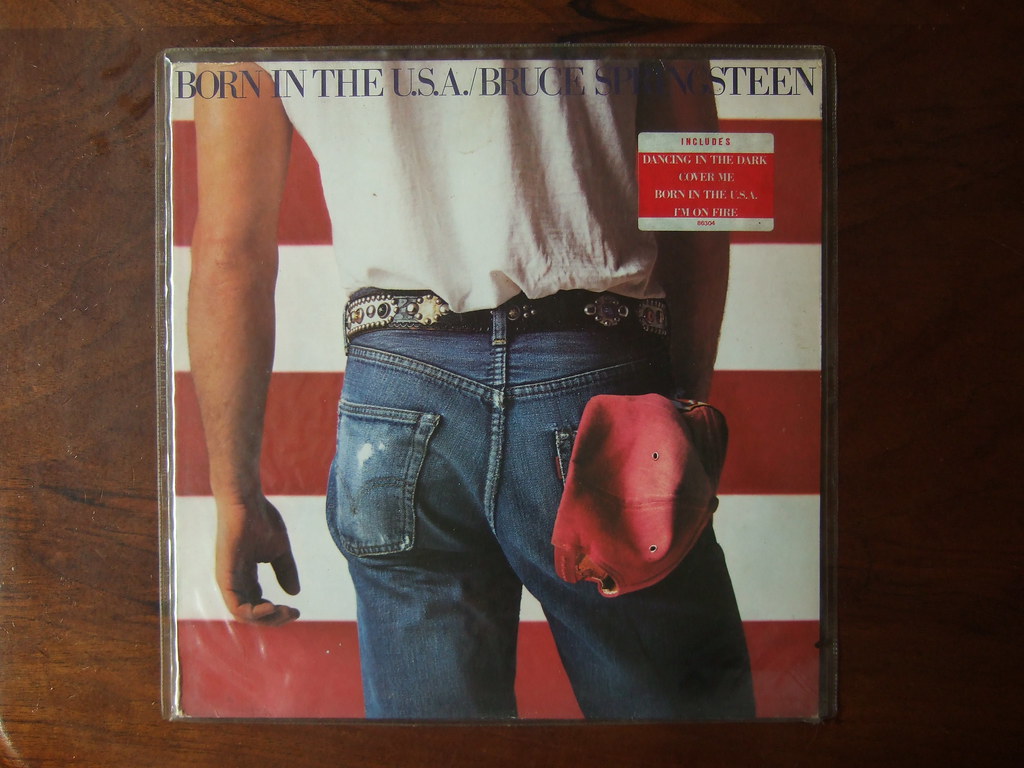
Born in the U.S.A.
Listeners often took the pounding chorus as a proud declaration of national identity and used it at rallies or sporting events. The verses actually follow a working class man who returns from Vietnam to face unemployment, lost opportunities, and a hometown that offers no welcome. Springsteen drew from real accounts of veterans and his own observations of economic hardship in the early 1980s.
Fans and politicians alike focused on the title and the fist pumping delivery during live shows. That emphasis overshadowed the narrative of betrayal and quiet rage that runs through every stanza. The song stayed misunderstood for years because the music invited celebration while the words described defeat.
Glory Days
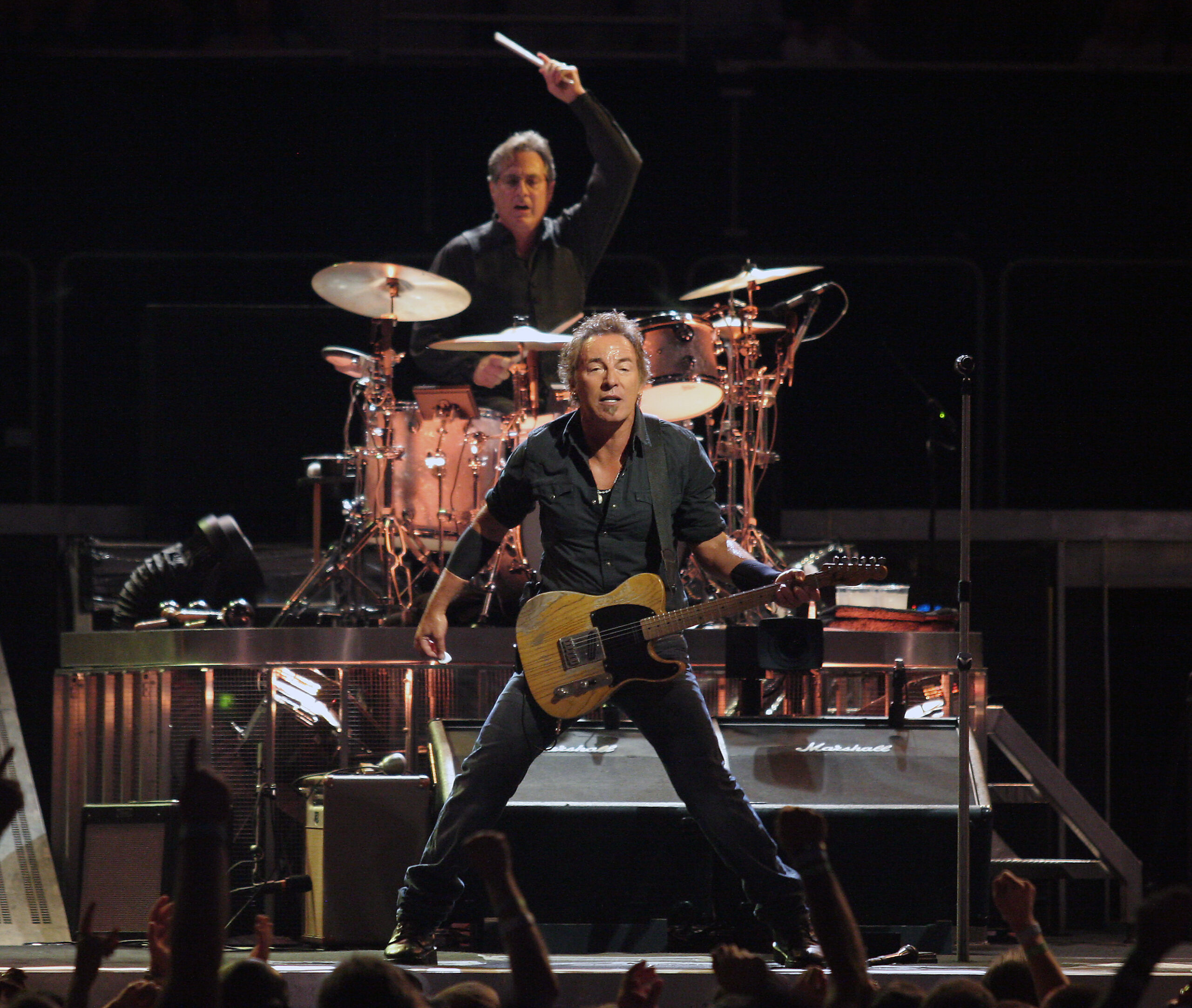
Many heard this track as a warm look back at high school triumphs and the fun of reminiscing with old friends. The lyrics instead portray two people stuck in the past, unable to move forward because they keep replaying faded glories. Springsteen based the characters on people he knew who never escaped their teenage years.
The upbeat melody and sing along hook made the song feel nostalgic rather than cautionary. Listeners missed the undercurrent of regret that grows stronger with each verse. It took repeated listens and Springsteen’s own comments for the warning to become clear to a wider audience.
I’m on Fire
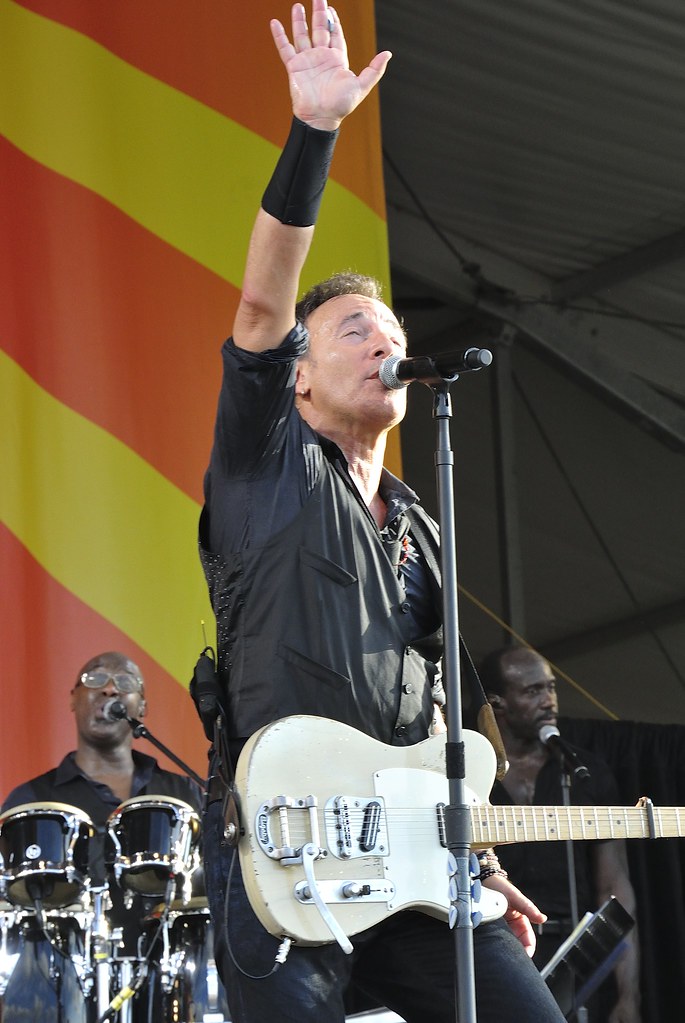
At first the song registers as a straightforward expression of desire between two adults. The story actually centers on a working class mechanic who watches a wealthy customer from afar and wrestles with class barriers and forbidden longing. Springsteen used the fire imagery to show restraint rather than fulfillment.
The spare arrangement and intimate vocal led many to treat it as pure seduction. That reading persisted because the surface tension feels romantic until the final lines reveal distance and impossibility. Years passed before interviews clarified the social divide at the heart of the track.
The River

People often viewed the song as a simple tale of young love that ends in marriage and routine. It actually draws from Springsteen’s sister’s life and expands into a broader look at economic pressure that forces dreams to dry up. The dried river becomes a symbol for lost possibilities.
The gentle acoustic opening and family story made the track feel personal and universal at once. Listeners focused on the romance and missed the quiet indictment of a system that leaves little room for second chances. Springsteen has spoken about the real events that shaped the verses, yet the surface warmth kept the deeper critique hidden for many.
Brilliant Disguise
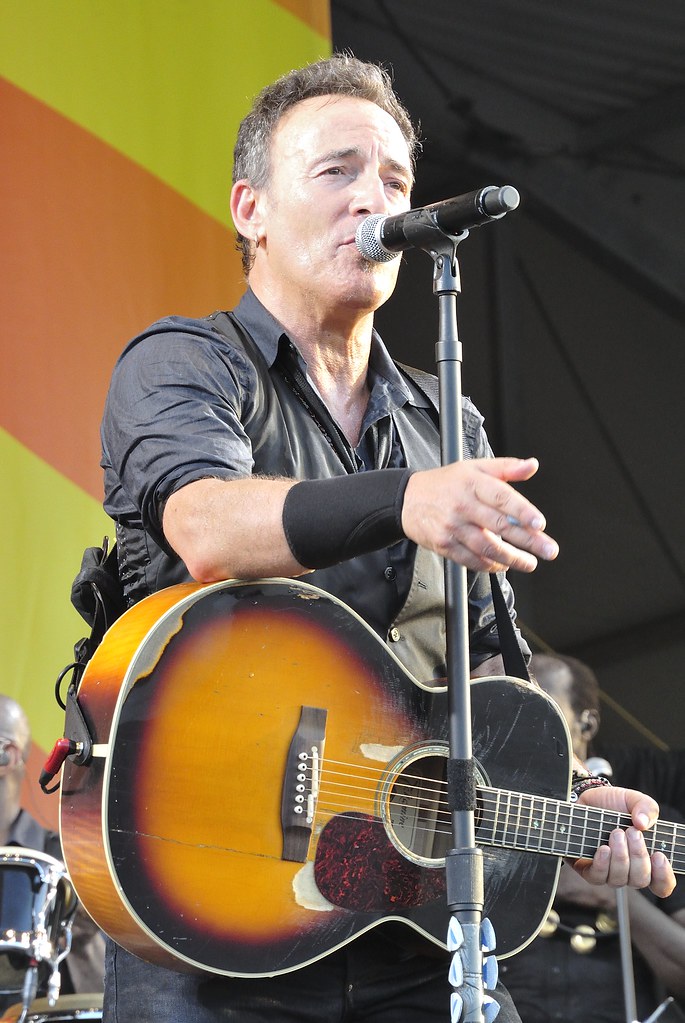
The song first sounds like a marital argument or a plea for honesty between partners. It explores the masks people wear even in close relationships and the fear that true knowledge of another person may be impossible. Springsteen has described it as an examination of identity and self deception.
The driving rhythm and direct address gave the impression of a conventional relationship song. That surface kept the psychological depth from registering immediately. Only after multiple listens or reading Springsteen’s reflections did the paranoia and uncertainty stand out clearly.
Dancing in the Dark

Many treated the track as an invitation to dance and enjoy the moment. It actually grew out of Springsteen’s frustration with writer’s block and the pressure to produce another hit album. The lyrics capture the exhaustion of trying to connect while feeling creatively empty.
The synth driven energy and stadium ready chorus masked the personal struggle behind the words. Fans danced along without noticing the self doubt that runs through the verses. Springsteen later explained the song’s origin, yet the upbeat sound continued to shape how most people heard it.
Thunder Road
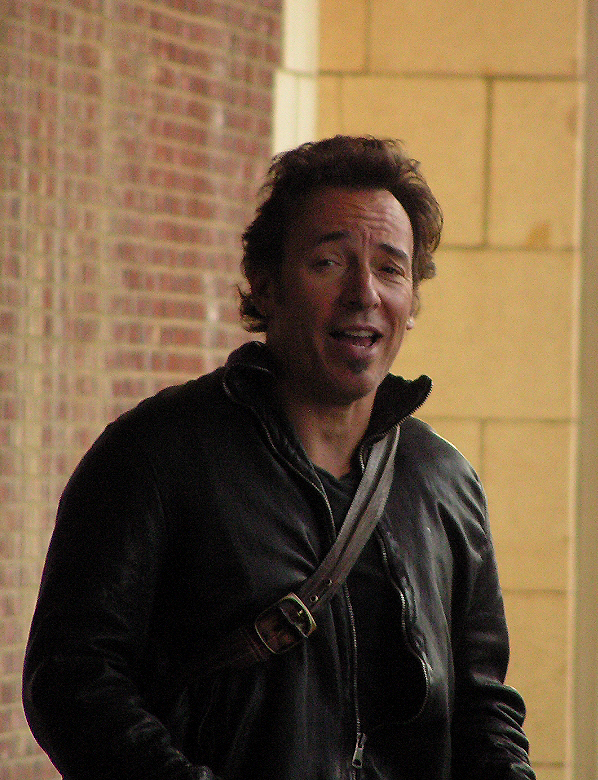
Listeners often heard an optimistic call to escape a small town and chase freedom. The song instead presents a hesitant offer that carries doubts about whether the escape will succeed or simply repeat old patterns. Springsteen has noted the mixed emotions in the narrator’s voice.
The piano and harmonica create a sense of open road possibility. That musical lift overshadowed the lines that question whether the characters can truly leave their past behind. The track remained a feel good anthem for years until closer readings highlighted the uncertainty.
Born to Run

The song registers as a high energy declaration of youthful rebellion and the desire to leave everything behind. It actually balances that urge with the recognition that running away may not solve deeper problems of isolation and longing. Springsteen wrote it during a period when he felt trapped by his own rising fame.
The wall of sound production and urgent pace invited listeners to treat it as pure exhilaration. The verses that reveal vulnerability and the need for connection often went unnoticed. It took time and Springsteen’s later comments for the song’s internal tension to become widely appreciated.
Hungry Heart
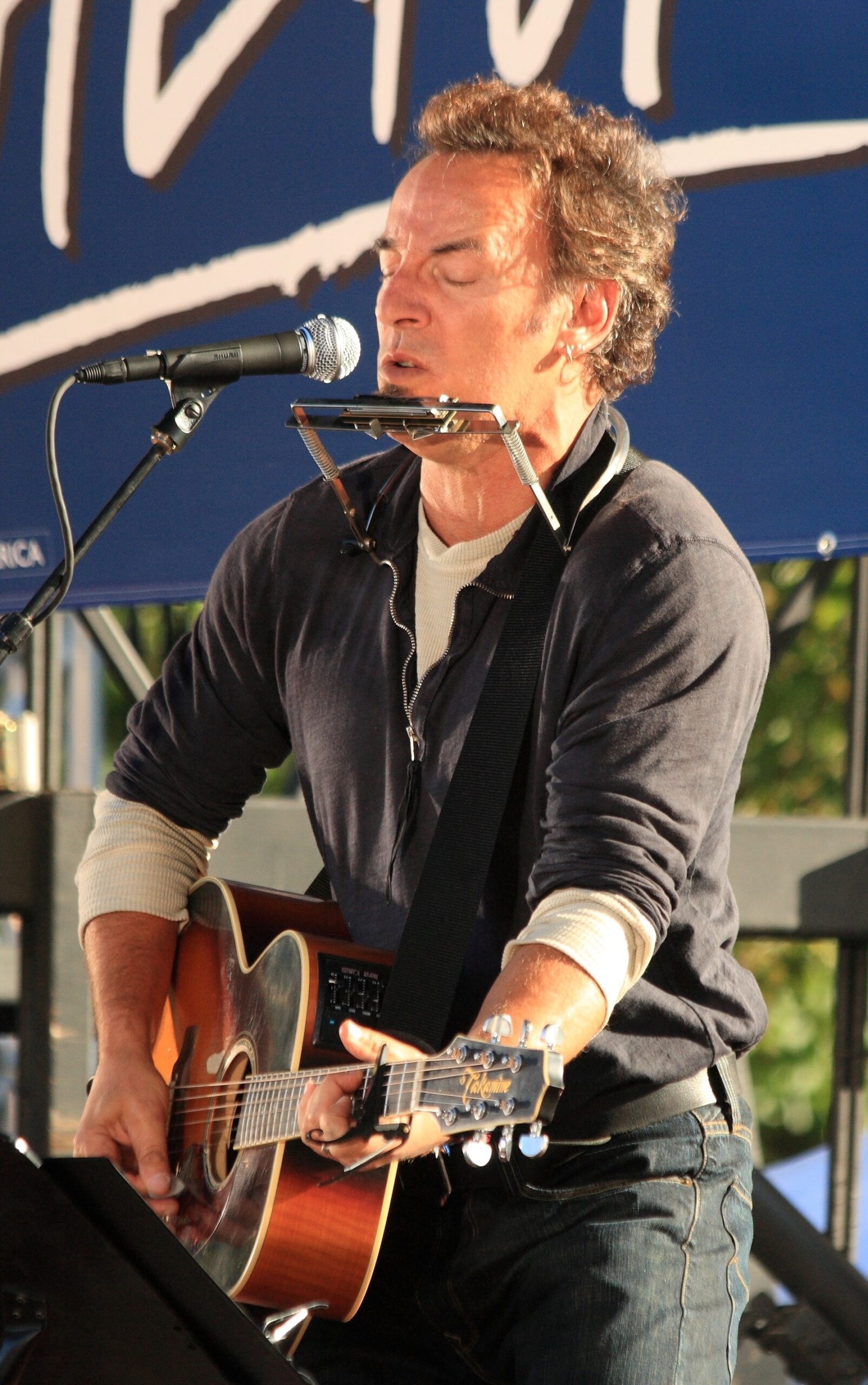
Many heard a classic tale of romantic longing and the search for connection. The lyrics actually describe a man who walks out on his family and later regrets the choice, showing the cost of chasing personal freedom. Springsteen drew from observations of working class life and its pressures.
The catchy melody and sing along chorus made the track feel light and universal. That surface hid the regret and the acknowledgment that leaving does not erase responsibility. The song stayed popular as a love anthem long after its more complicated story became clear.
The Rising

Listeners often took the song as a general anthem of hope and renewal after tragedy. It specifically addresses the aftermath of the September 11 attacks through the eyes of a firefighter and the families left behind. Springsteen wrote it after meeting with survivors and first responders.
The uplifting chorus and gospel style arrangement suggested broad inspiration. That framing kept the specific references to loss and the daily struggle of grief from standing out immediately. Over time the song’s roots in real events became better known, yet the surface optimism continued to shape initial reactions.
Devils and Dust
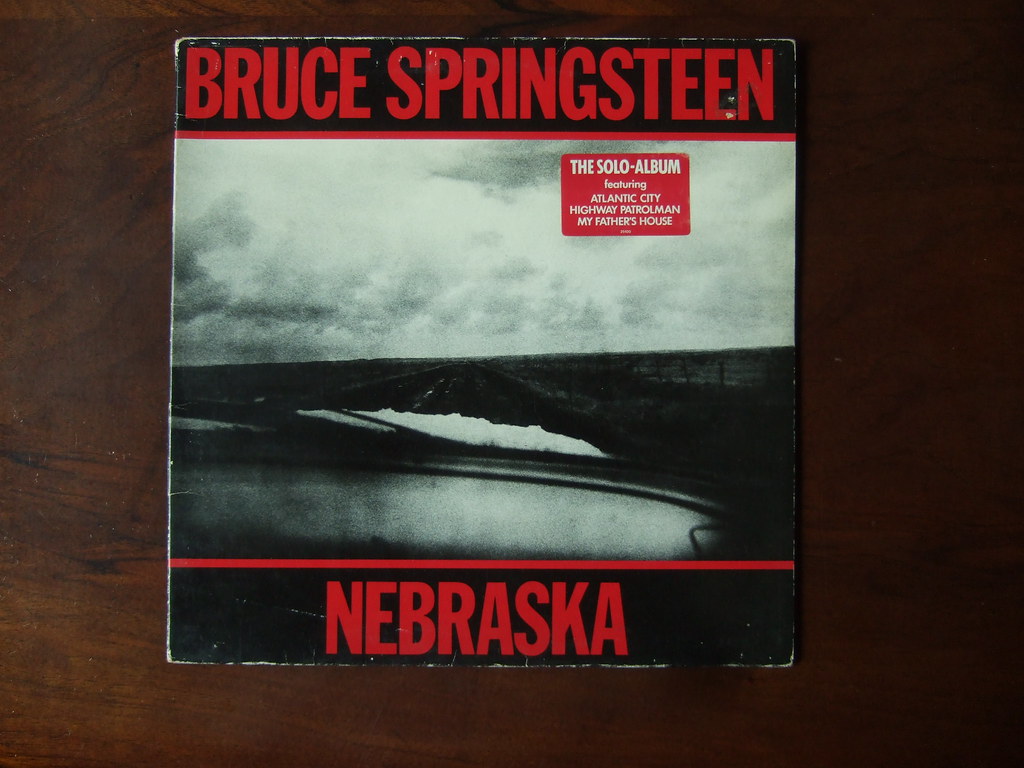
The track first sounds like a soldier’s reflection on war and its moral costs. It also examines the personal toll on families and the way violence changes everyone involved. Springsteen has linked the song to both the Iraq conflict and broader questions of conscience.
The stark arrangement invited listeners to focus on the battlefield imagery. That emphasis sometimes overshadowed the domestic scenes that show how war reaches home. The song’s dual perspective took years to register fully with many fans.
Reason to Believe
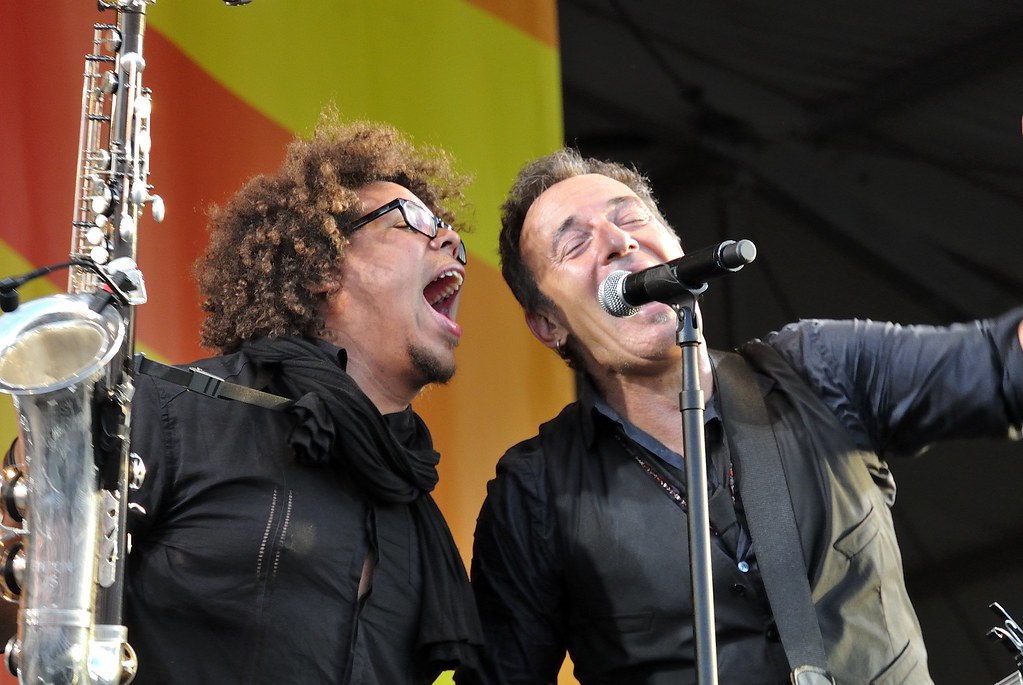
People often heard a song about faith and the small moments that keep hope alive. The lyrics instead present a series of vignettes that illustrate how people cling to illusions even when evidence points the other way. Springsteen has described it as a meditation on human stubbornness.
The gentle melody and repeated chorus gave the impression of quiet affirmation. That tone masked the darker observation that belief often survives without reason. The song remained open to optimistic readings until Springsteen’s own explanations highlighted its skepticism.
Badlands
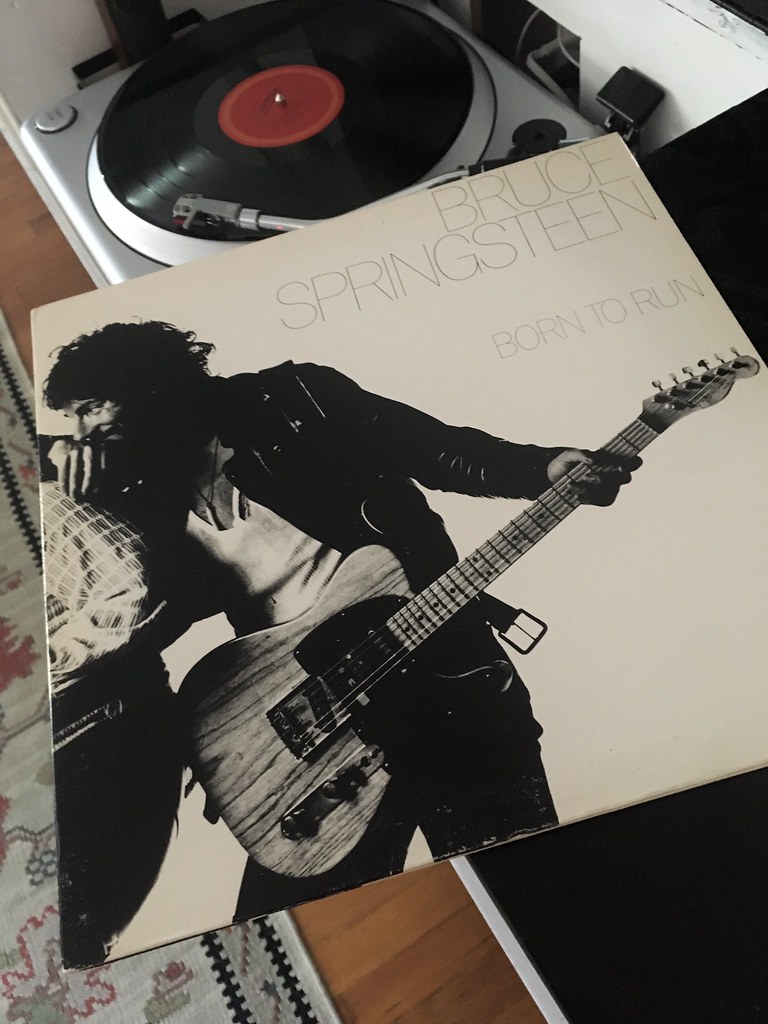
The song registers as a call to fight against hardship and claim a better life. It actually portrays a character who recognizes that the struggle itself may be endless and that hope requires constant effort. Springsteen drew from his own working class background and observations of economic inequality.
The driving beat and anthemic chorus invited listeners to treat it as pure motivation. That energy kept the lines about repeated failure and the need to keep pushing from registering as central. The song’s balance of defiance and realism emerged more clearly over repeated listens.
Atlantic City
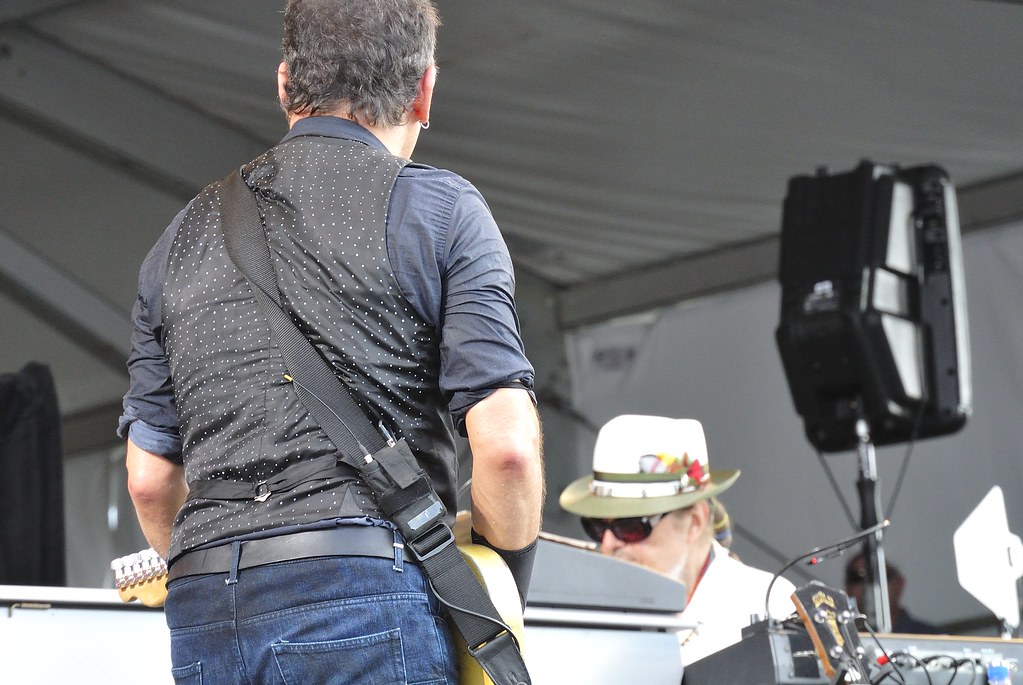
Many heard a story of a couple trying to start over in a new place. The lyrics actually follow a man drawn into crime to escape debt, showing how desperation leads to moral compromise. Springsteen based the narrative on real economic decline in the city during the early 1980s.
The acoustic guitar and narrative style made the track feel like a classic tale of reinvention. That surface hid the inevitability of failure and the cost of quick fixes. The song stayed popular as a road story long after its darker elements became widely discussed.
My Hometown
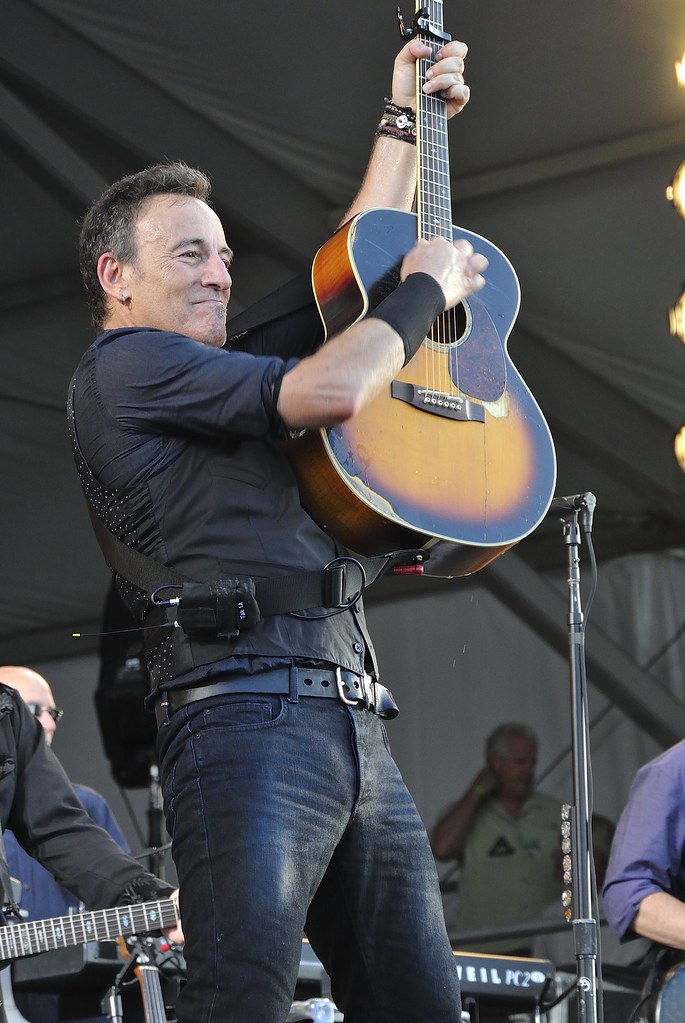
Listeners often took the song as a nostalgic portrait of growing up in a familiar place. It instead traces the decline of a factory town and the way economic changes erode community and opportunity. Springsteen drew from his own observations of New Jersey towns facing plant closures.
The gentle piano and reflective tone suggested fond remembrance. That mood kept the verses about boarded up stores and lost jobs from standing out as the core message. The song’s critique of industrial loss took time to register with many fans.
No Surrender
The track first sounds like a straightforward pledge of loyalty between friends. It actually explores the personal cost of commitment and the way ideals can both sustain and trap people. Springsteen has noted that the song reflects his own experiences with loyalty and change.
The upbeat rock arrangement invited listeners to treat it as an uncomplicated anthem. That energy masked the lines that acknowledge doubt and the difficulty of holding on. The song remained a feel good statement for years before its internal tension became more widely appreciated.
The Promised Land
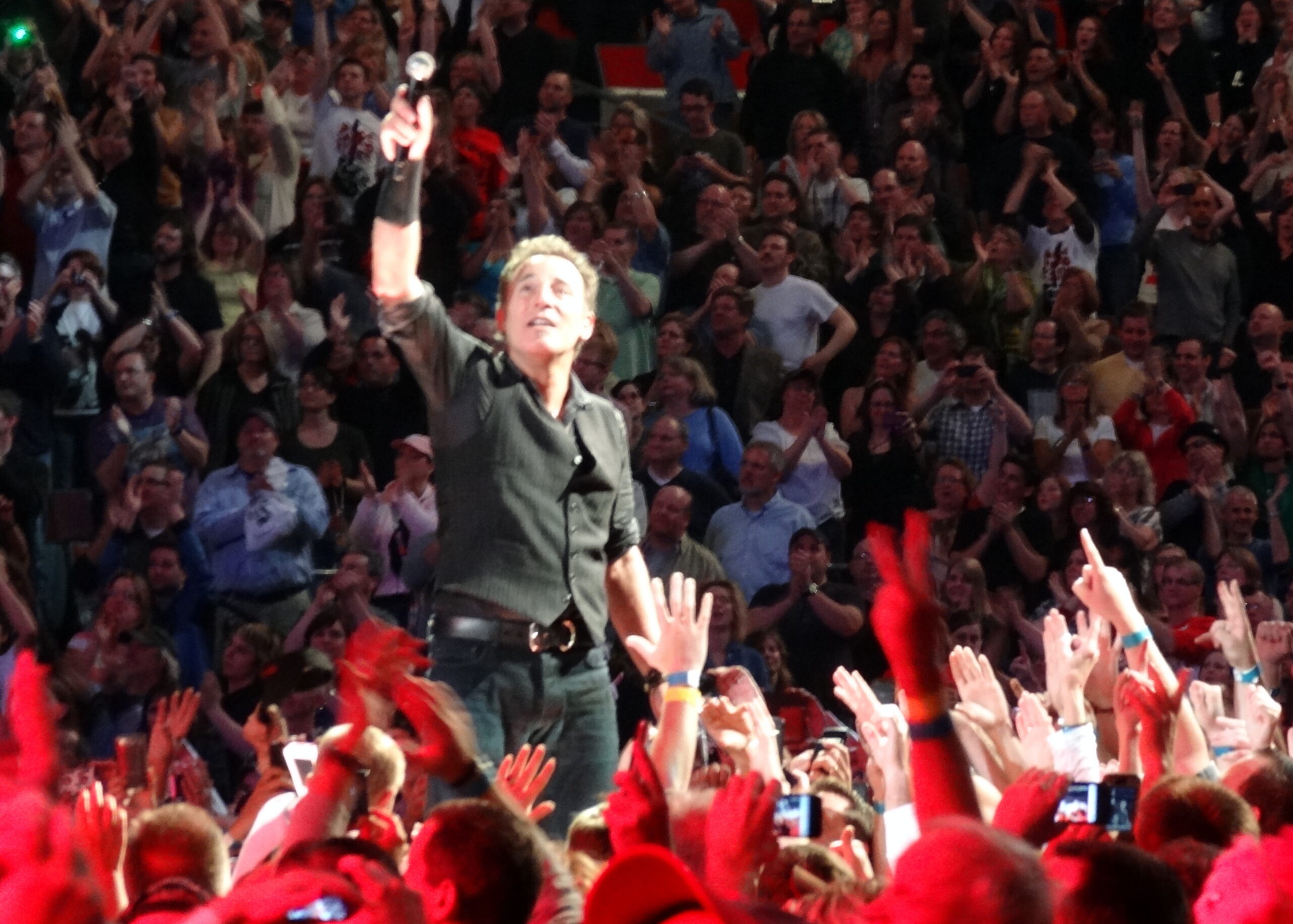
Many heard an expression of hope and the belief that better days lie ahead. The lyrics instead show a character who keeps moving forward even while recognizing that the promised land may never arrive. Springsteen wrote it during a period of personal and professional uncertainty.
The driving rhythm and repeated chorus gave the impression of steady progress. That musical push kept the undercurrent of exhaustion and repeated disappointment from registering immediately. The song’s realism emerged more clearly through live performances and later reflections.
Darkness on the Edge of Town
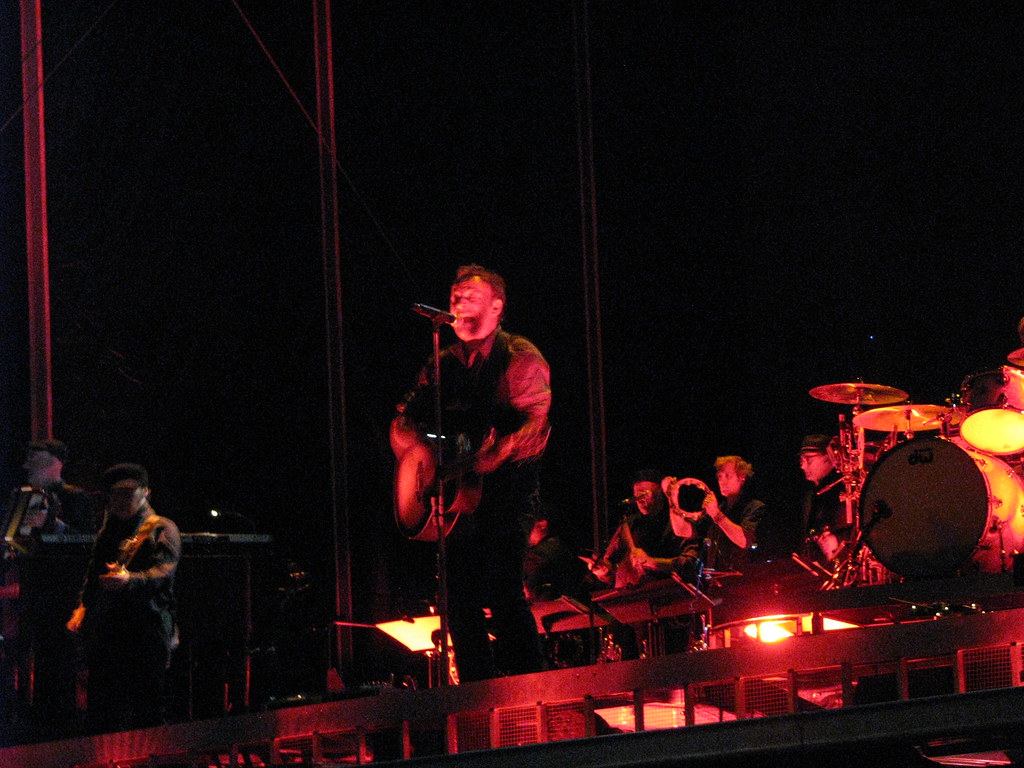
The song registers as a portrait of a man facing hard choices after personal loss. It actually examines the tension between staying true to one’s roots and the pull of escape. Springsteen has described it as a response to his own rise to fame and the distance it created.
The stark production and direct vocal invited listeners to focus on the immediate struggle. That focus sometimes overshadowed the broader questions about identity and belonging. The song’s layered meaning took years to unfold for many fans.
The Ghost of Tom Joad

Listeners often heard a modern update of Steinbeck’s story about migration and hardship. The lyrics also address contemporary issues of immigration, poverty, and the failure of the American dream to reach everyone. Springsteen has connected the song to both historical and current events.
The acoustic arrangement and narrative style made the track feel like a timeless folk tale. That framing kept the specific references to modern border struggles from standing out at first. The song’s relevance to ongoing social issues became clearer over time.
American Skin (41 Shots)
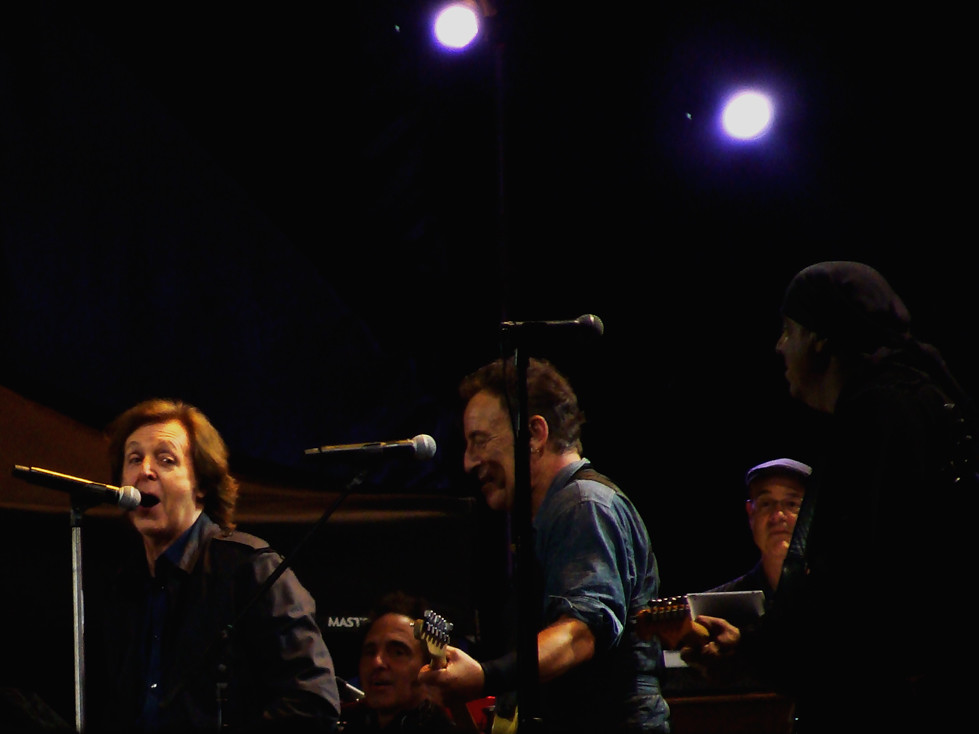
The song first sounds like a direct response to a specific incident of police violence. It actually explores the broader cycle of fear, misunderstanding, and loss that affects families on all sides. Springsteen wrote it after the shooting of Amadou Diallo and performed it despite controversy.
The spare arrangement invited listeners to focus on the immediate tragedy. That emphasis sometimes overshadowed the song’s call for empathy across divides. The track remained polarizing for years before its call for understanding gained wider recognition.
Wrecking Ball
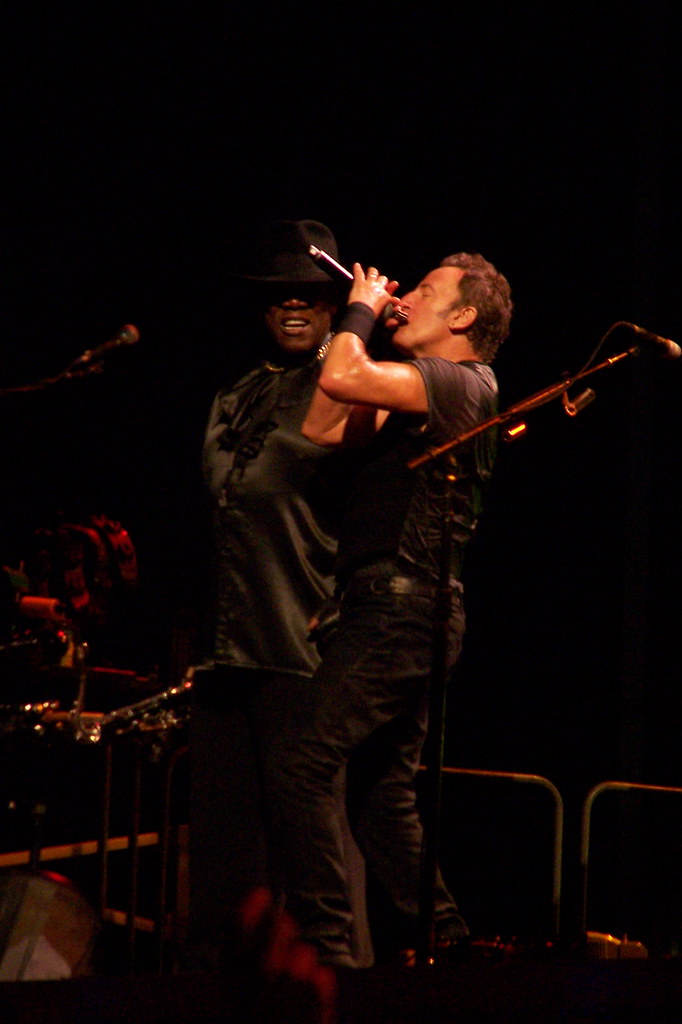
Many heard the song as a tribute to a sports arena and its history. It actually uses the demolition as a metaphor for economic change and the loss of community spaces. Springsteen drew from the real closure of Giants Stadium and the wider impact on working people.
The anthemic chorus and live energy made the track feel celebratory. That surface hid the verses that mourn the disappearance of places where ordinary lives unfold. The song’s deeper commentary on change emerged more clearly after the arena’s actual demolition.
We Take Care of Our Own
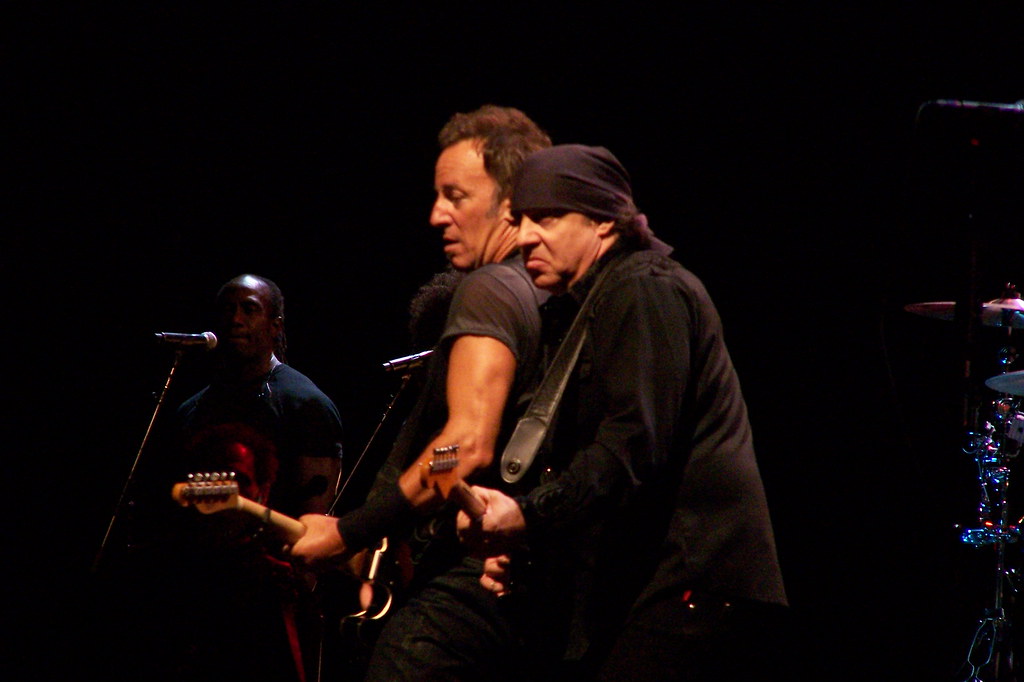
The track registers as a proud statement of national solidarity. It actually questions whether that promise holds true for everyone, especially those left behind by economic shifts. Springsteen has linked the song to both post 9/11 rhetoric and ongoing inequality.
The driving beat and repeated chorus invited listeners to treat it as uncomplicated affirmation. That energy kept the skeptical verses from registering as central at first. The song’s tension between ideal and reality became more apparent through live performances and interviews.
Springsteen’s gift lies in the way he lets ordinary voices carry large truths. His songs invite listeners to hear what they need while quietly offering something more layered. That balance keeps the work alive long after the first listen fades. The stories stay open because they reflect real lives rather than tidy resolutions. In the end the music rewards those who stay with it.

Christian Wiedeck, all the way from Germany, loves music festivals, especially in the USA. His articles bring the excitement of these events to readers worldwide.
For any feedback please reach out to info@festivalinside.com
