
Some films reach a level where every choice feels deliberate and nothing seems out of place. Critics and viewers often point to a rare harmony between story, performance, and craft that leaves little room for complaint. These works stand apart because they deliver on multiple levels at once, whether through tight plotting or deep emotional resonance.
The result is a viewing experience that holds up across decades. Audiences return to them not just for entertainment but for the sense of completeness they provide. What follows are fifteen examples that frequently earn this kind of near-universal respect.
1. Casablanca (1942)

Critics praise Casablanca for its sharp dialogue and perfectly balanced romance against the backdrop of war. The story moves with precision, never wasting a scene or line. Humphrey Bogart and Ingrid Bergman create a chemistry that feels both timeless and grounded in real human conflict.
Technically the film excels through its economical direction and memorable score. Emotionally it captures sacrifice and longing without excess sentiment. Viewers still connect with its central dilemma because the stakes feel personal rather than abstract.
2. The Godfather (1972)
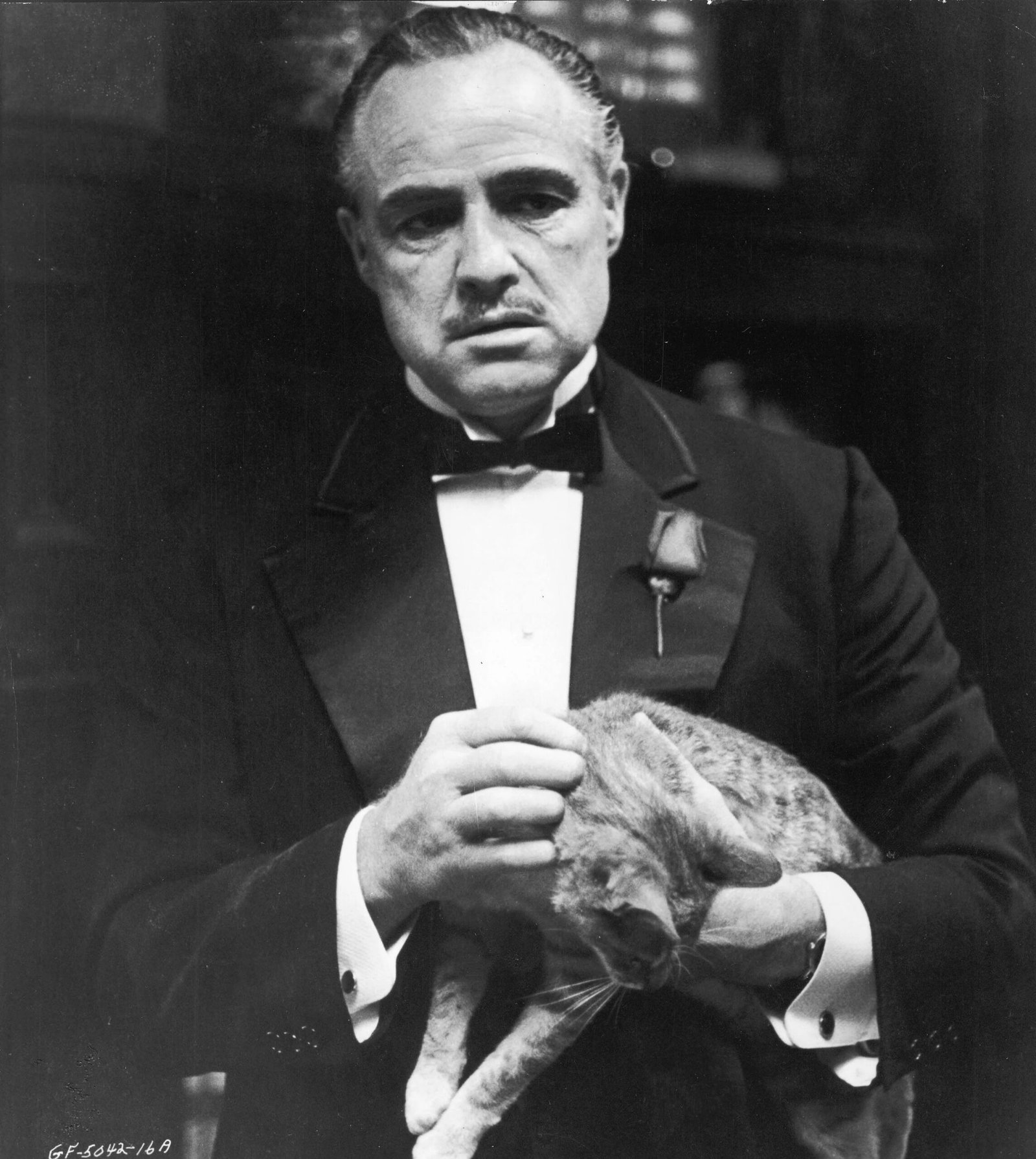
The Godfather earns acclaim for its layered portrayal of family loyalty and power. Francis Ford Coppola builds tension through quiet moments rather than constant action. Marlon Brando and Al Pacino deliver performances that anchor the entire saga.
Its technical strengths include masterful cinematography and editing that heighten every confrontation. On an emotional level the film explores ambition and loss with unusual depth. Few movies manage to feel both epic and intimate at the same time.
3. 2001: A Space Odyssey (1968)
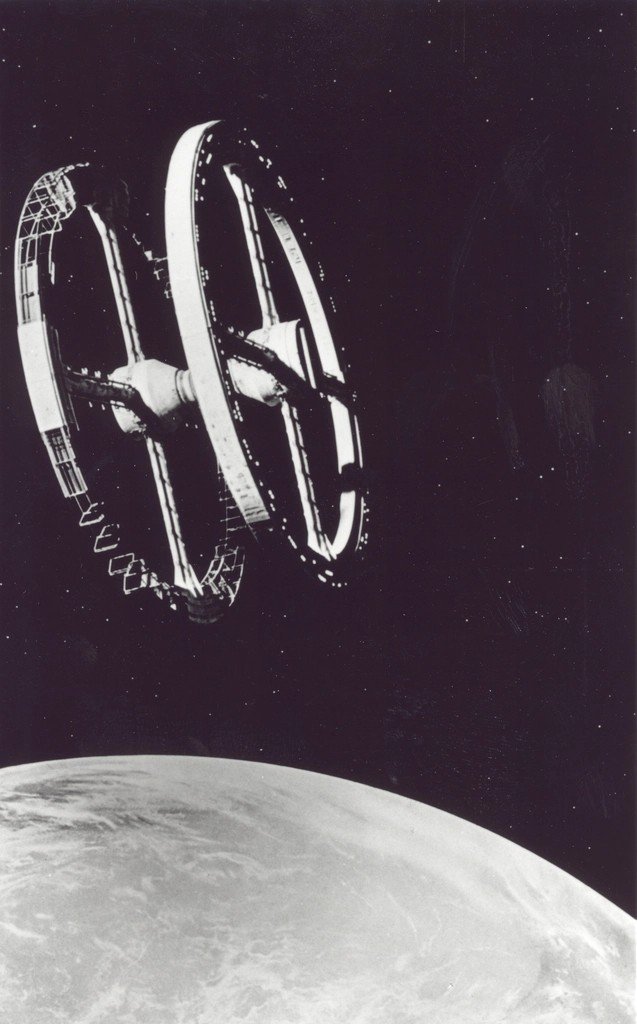
Stanley Kubrick’s 2001 stands out for its groundbreaking visual effects and deliberate pacing. The film asks big questions about humanity and technology without relying on conventional plot devices. Its minimal dialogue forces viewers to engage with the imagery directly.
Technically the production design and special effects remain impressive even today. Emotionally it evokes awe and unease through its cosmic scale. The result is a work that rewards repeated viewings with new layers of meaning.
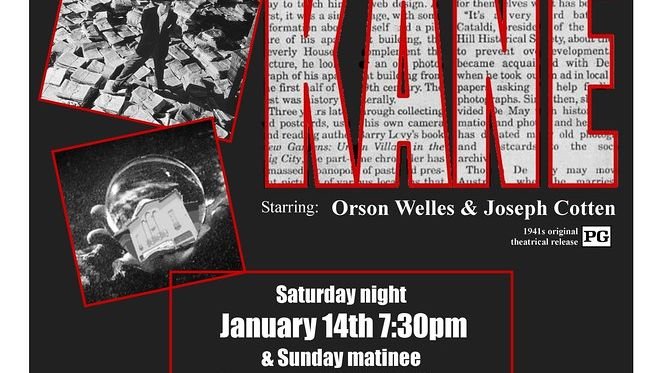
4. Citizen Kane (1941)

Orson Welles crafted Citizen Kane as a technical marvel that redefined storytelling structure. The nonlinear narrative and deep-focus photography still influence filmmakers. The central mystery of a man’s life unfolds with remarkable economy.
Critics highlight its innovative use of sound and editing to reveal character. Emotionally the film examines ambition and isolation in ways that feel personal. Its influence persists because it treats cinema as a serious artistic medium.
5. Schindler’s List (1993)

Steven Spielberg’s Schindler’s List receives praise for its restrained approach to a devastating subject. The black-and-white cinematography adds a documentary-like gravity. Liam Neeson’s performance conveys quiet moral transformation without melodrama.
Technically the film uses handheld camerawork and natural lighting to heighten realism. Emotionally it balances horror with moments of unexpected humanity. Viewers often describe it as both harrowing and ultimately redemptive.
6. The Shawshank Redemption (1994)

The Shawshank Redemption builds its reputation on themes of hope and friendship within a prison setting. Frank Darabont directs with steady control that lets the story breathe. Tim Robbins and Morgan Freeman create a believable bond that drives the narrative.
Its technical craft shows in the careful framing and lighting that mirror the characters’ inner states. Emotionally the film offers quiet resilience rather than easy triumph. Audiences return to it for the sense of earned catharsis it provides.
7. Pulp Fiction (1994)

Quentin Tarantino’s Pulp Fiction stands out for its inventive structure and sharp dialogue. The nonlinear timeline keeps viewers engaged while revealing character through action. The ensemble cast brings distinct energy to each segment.
Technically the film uses bold editing and music choices to enhance its rhythm. Emotionally it mixes violence with unexpected tenderness. Its influence on independent cinema remains strong because it treats genre conventions with fresh wit.
8. Lawrence of Arabia (1962)
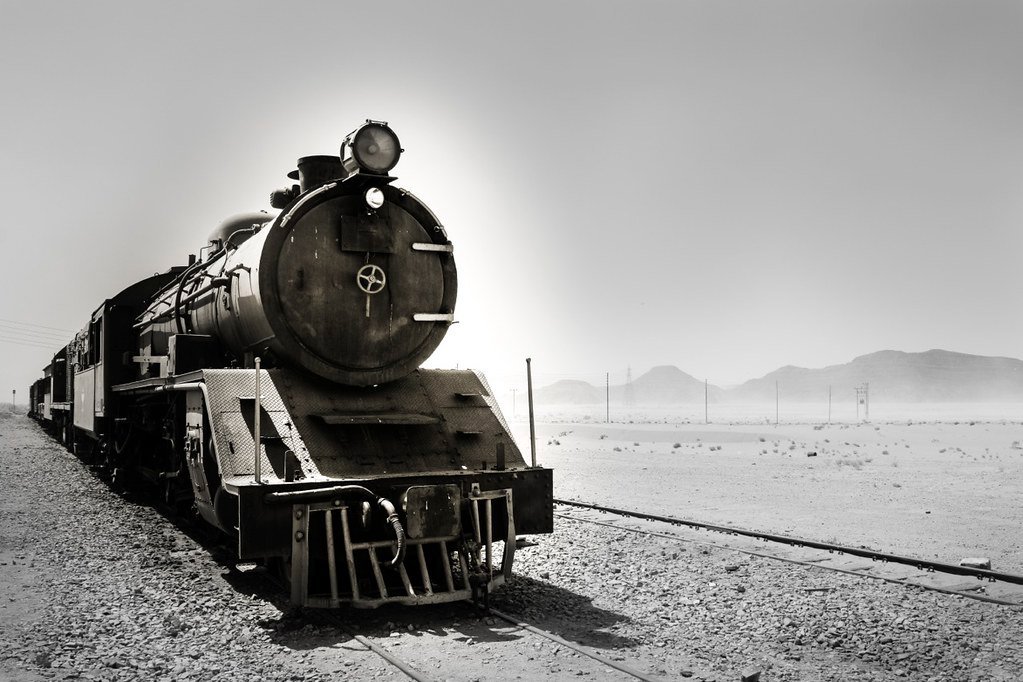
David Lean’s Lawrence of Arabia earns respect for its sweeping desert visuals and complex lead character. The film explores identity and imperialism through Peter O’Toole’s nuanced performance. Its length allows for gradual character development that feels earned.
Technically the cinematography captures scale and detail in ways that still impress. Emotionally it examines the cost of heroism without romanticizing it. The result is an epic that feels both grand and introspective.
9. Seven Samurai (1954)

Akira Kurosawa’s Seven Samurai is celebrated for its dynamic action and deep character work. The story of villagers hiring warriors unfolds with clear purpose and emotional weight. Each samurai receives distinct personality and motivation.
Technically the film uses innovative camera movement and editing during battle sequences. Emotionally it balances camaraderie with the harsh realities of sacrifice. Its influence on later action films stems from this careful blend of spectacle and humanity.
10. Psycho (1960)
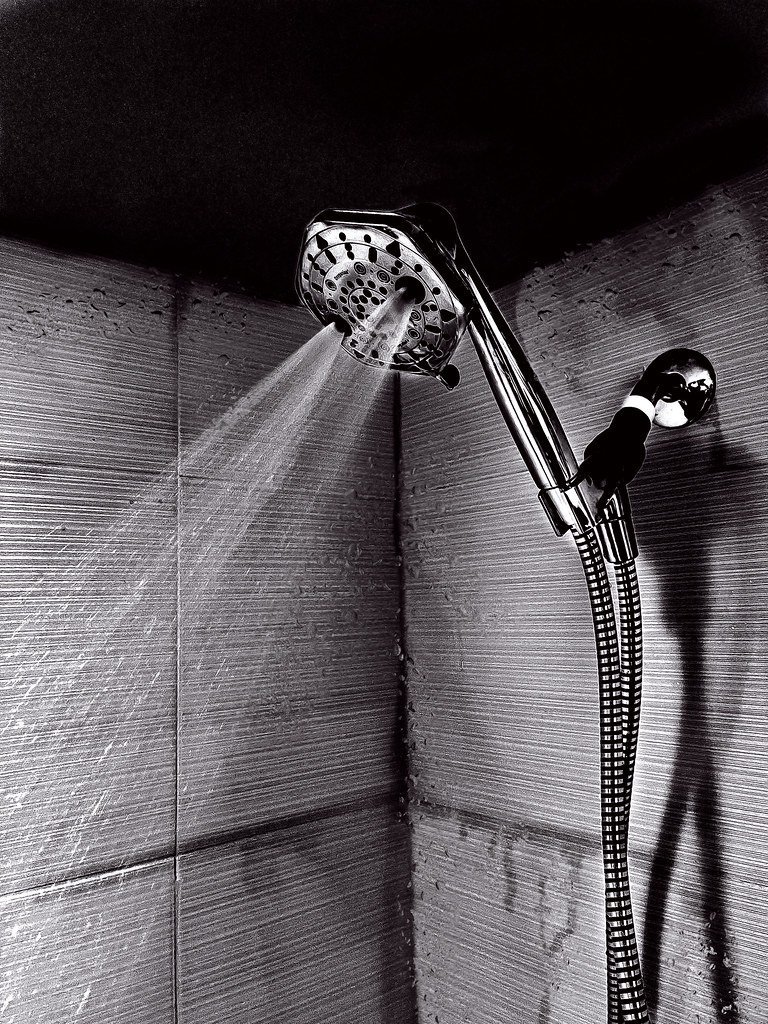
Alfred Hitchcock’s Psycho remains a benchmark for suspense and psychological tension. The shower scene and twist structure continue to surprise new viewers. Anthony Perkins delivers a performance that shifts from charming to unsettling with precision.
Technically the film employs clever editing and sound design to build dread. Emotionally it probes themes of identity and madness without overt explanation. Its lasting impact comes from how it redefined audience expectations.
11. Vertigo (1958)
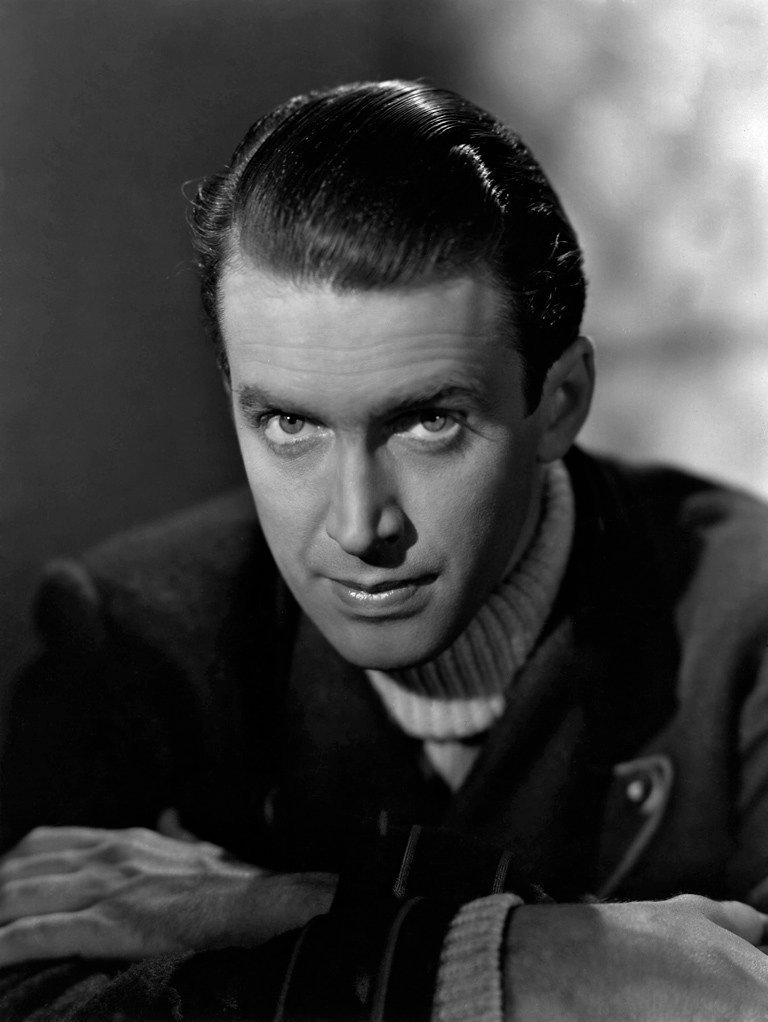
Hitchcock’s Vertigo receives ongoing praise for its exploration of obsession and identity. James Stewart’s portrayal of a man unraveling feels both sympathetic and disturbing. The film’s visual motifs reinforce its central themes with subtlety.
Technically the use of color and camera techniques creates a dreamlike atmosphere. Emotionally it captures longing and self-deception in ways that resonate across generations. Critics often rank it among the director’s most personal works.
12. Singin’ in the Rain (1952)
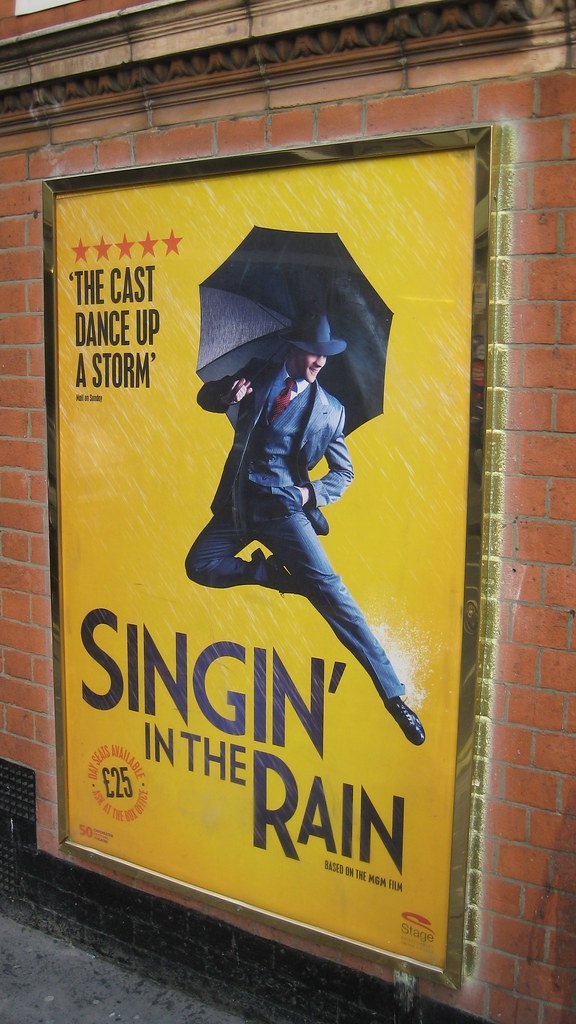
Singin’ in the Rain stands out for its joyful energy and technical brilliance in musical sequences. Gene Kelly’s choreography and performance anchor the film’s charm. The story pokes fun at Hollywood’s transition to sound while celebrating the medium.
Technically the dance numbers use innovative camera work and editing to feel spontaneous. Emotionally it delivers pure delight without descending into sentimentality. Its enduring appeal lies in how effortlessly it combines humor and spectacle.
13. Dr. Strangelove (1964)
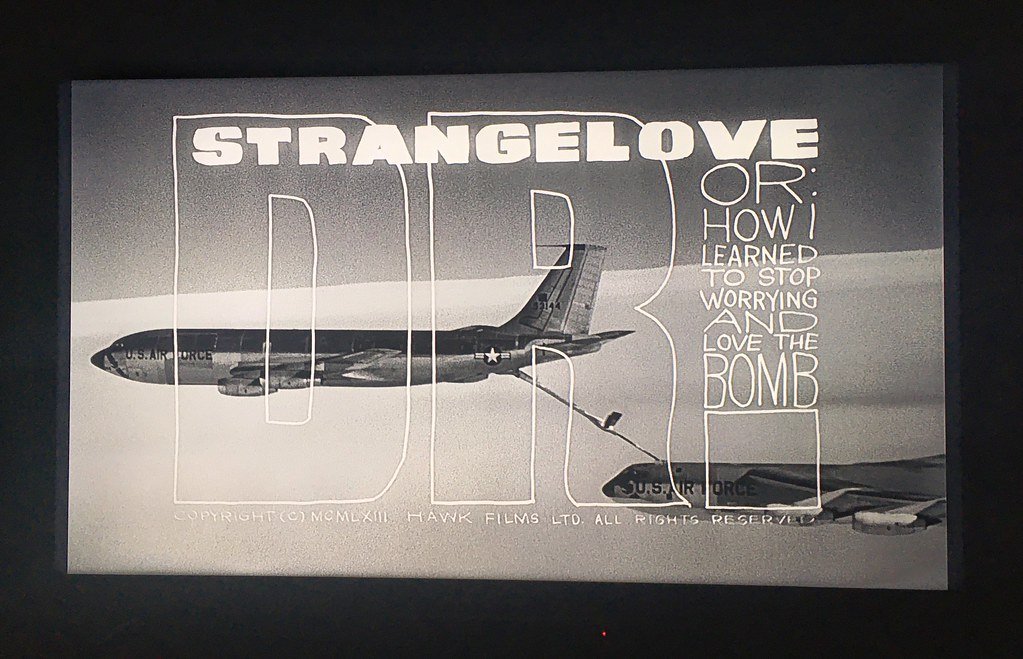
Stanley Kubrick’s Dr. Strangelove earns acclaim for its dark satire on nuclear war. Peter Sellers plays multiple roles with sharp comic timing. The film balances absurdity with genuine tension throughout its runtime.
Technically the production design and performances heighten the satirical edge. Emotionally it provokes laughter that quickly turns uneasy. Its relevance persists because it treats serious topics with unflinching wit.
14. To Kill a Mockingbird (1962)
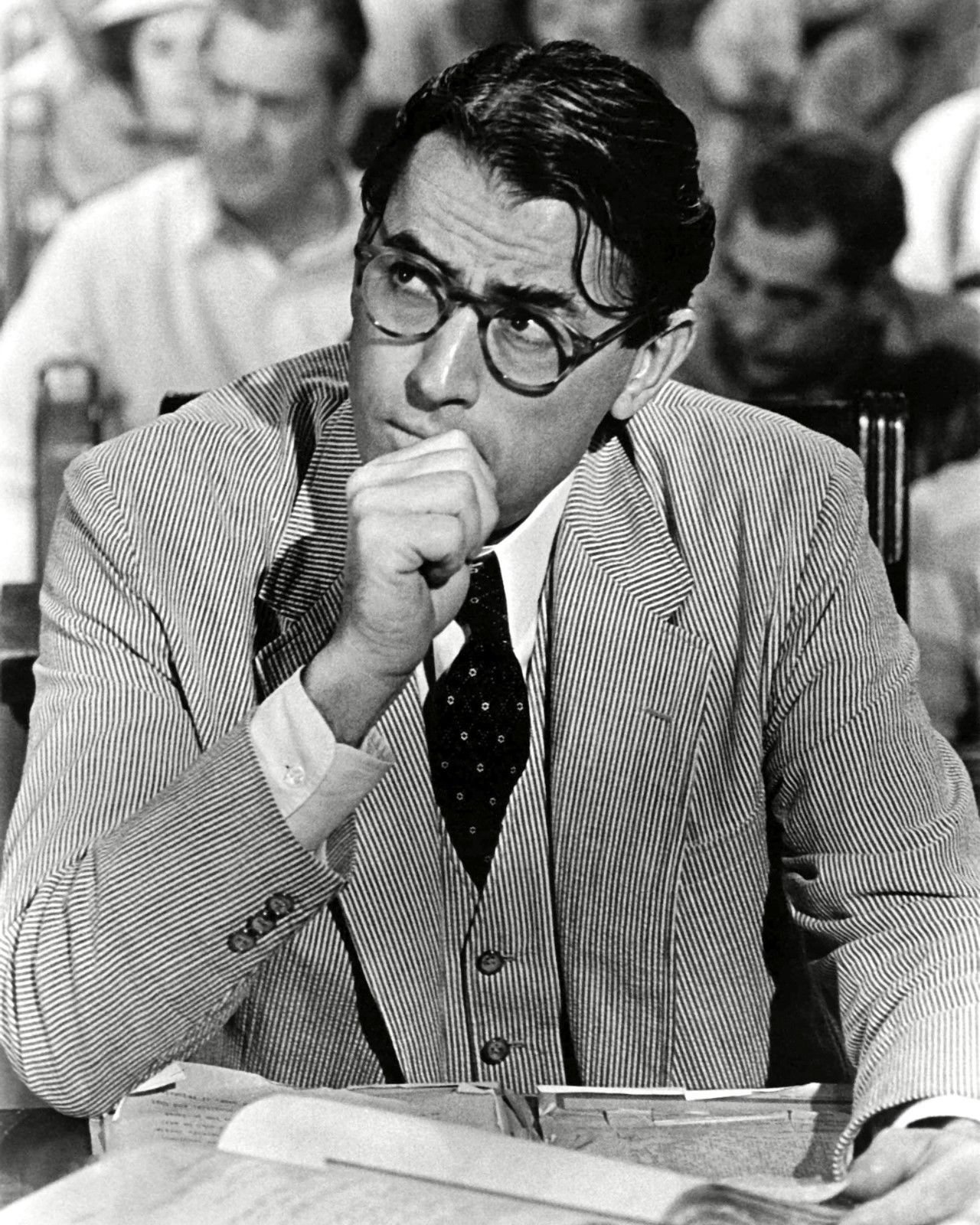
The film adaptation of To Kill a Mockingbird is praised for its sensitive handling of justice and prejudice. Gregory Peck’s portrayal of Atticus Finch provides a moral center. The story unfolds through a child’s perspective that adds innocence and clarity.
Technically the black-and-white cinematography and measured pacing enhance its emotional weight. Emotionally it confronts difficult truths while maintaining hope. Viewers often cite its quiet power as the source of its lasting respect.
15. The Apartment (1960)
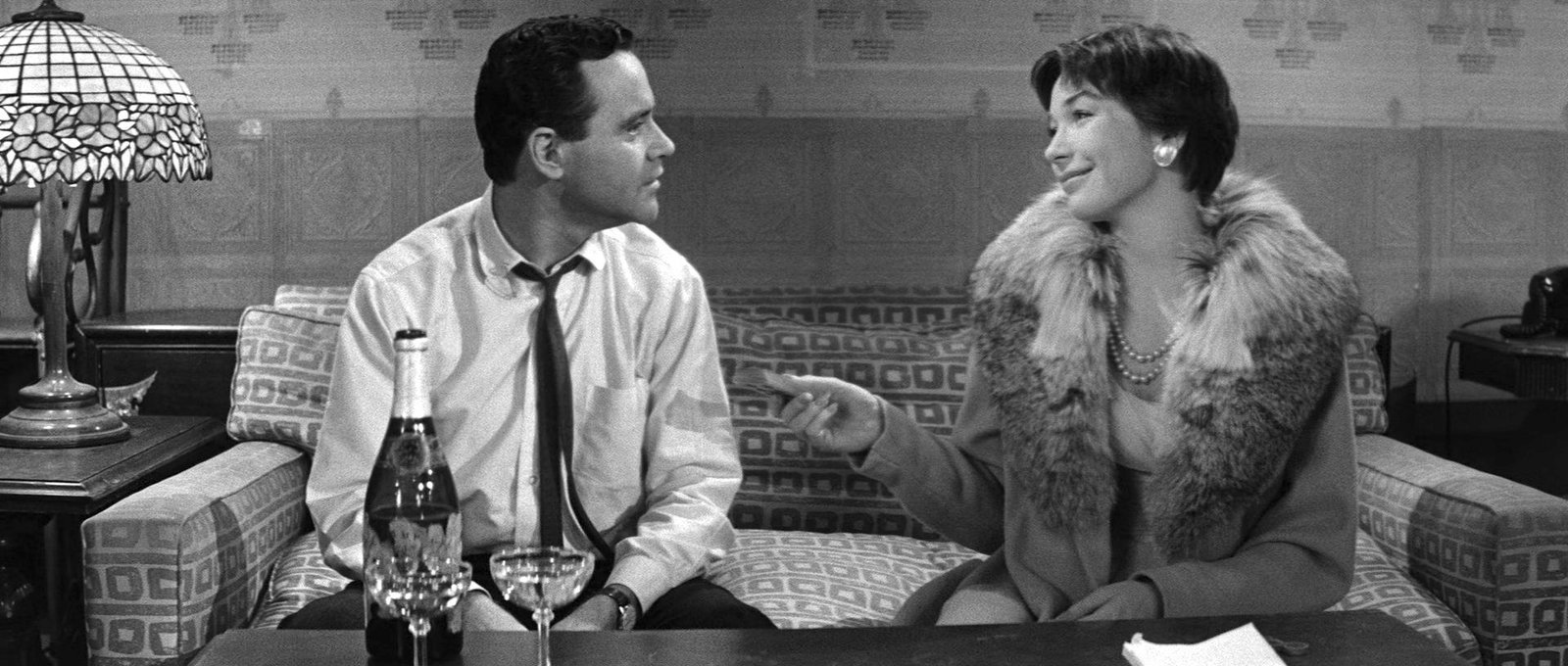
Billy Wilder’s The Apartment blends comedy and drama with remarkable balance. Jack Lemmon and Shirley MacLaine create a believable connection amid corporate cynicism. The script moves efficiently while revealing character through small details.
Technically the film uses precise framing and lighting to reflect emotional isolation. Emotionally it explores loneliness and redemption without heavy-handedness. Its craft lies in how it finds warmth in a seemingly cold world.
Timeless Filmmaking Excellence
These films share a commitment to craft that transcends their original eras. Each one demonstrates how careful choices in writing, direction, and performance can create lasting impact. Their reputations rest on consistent excellence rather than fleeting trends.
Viewers continue to discover new details with every watch because the work feels complete. In an industry often driven by spectacle, these examples remind us that restraint and precision still matter. Their influence appears in later works that strive for similar harmony. Ultimately they show that true quality in cinema comes from attention to every element working together.

- 37 Songs From the ’60s and ’70s With Meanings No One Caught the First Time - August 31, 2026
- 12 Legendary Concert Venues That Witnessed Unforgettable Musical Moments - August 31, 2026
- 10 Iconic Speeches That Dramatically Shaped Modern History - August 31, 2026

