

- Iconic Cultural Moments Are Not Planned; They Simply Erupt and Resonate. - August 31, 2026
- 10 Classic TV Commercials That Are More Memorable Than the Products They Sold - August 31, 2026
- The Echoes of Past Eras Resurface in Our Modern World in Surprising Ways. - August 30, 2026
Rock music has always thrived on intense personal connections. Those same bonds often turn volatile when fame, creative differences, and private lives intersect under constant pressure.
Bandmates share stages, studios, and tour buses for years, which can blur the line between friendship and professional necessity. The result is a string of splits that reshape careers and leave lasting marks on the music itself.
The Beatles
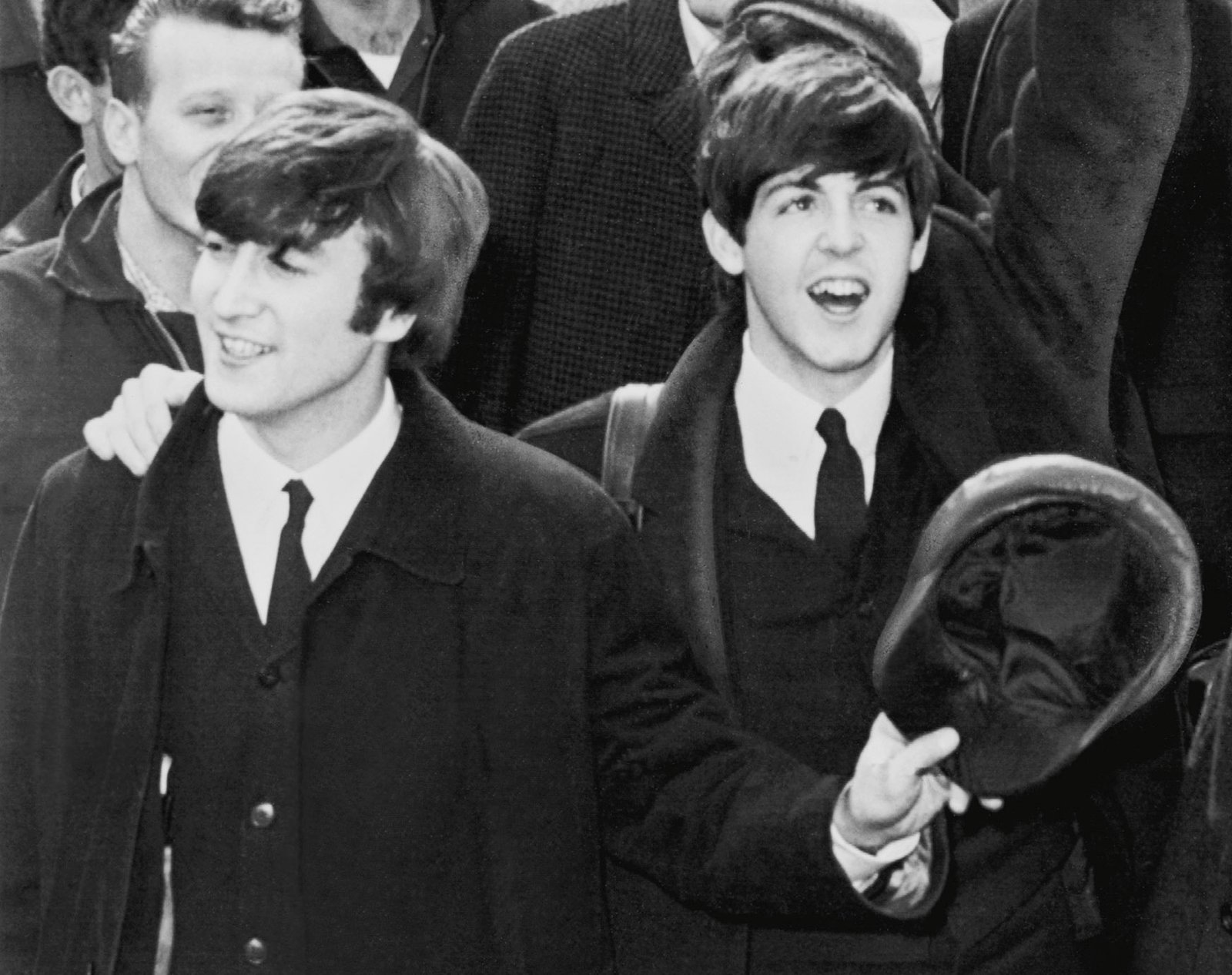
John Lennon and Paul McCartney formed the core of The Beatles, yet their partnership unraveled after years of shared success and growing individual ambitions. Creative control became a flashpoint once each pursued solo projects and external influences pulled them in different directions.
Their public exchanges through songs and interviews turned personal grievances into cultural talking points. The breakup scattered the group into separate paths that defined much of the 1970s rock landscape and still fuels debates about what might have been.
Fleetwood Mac
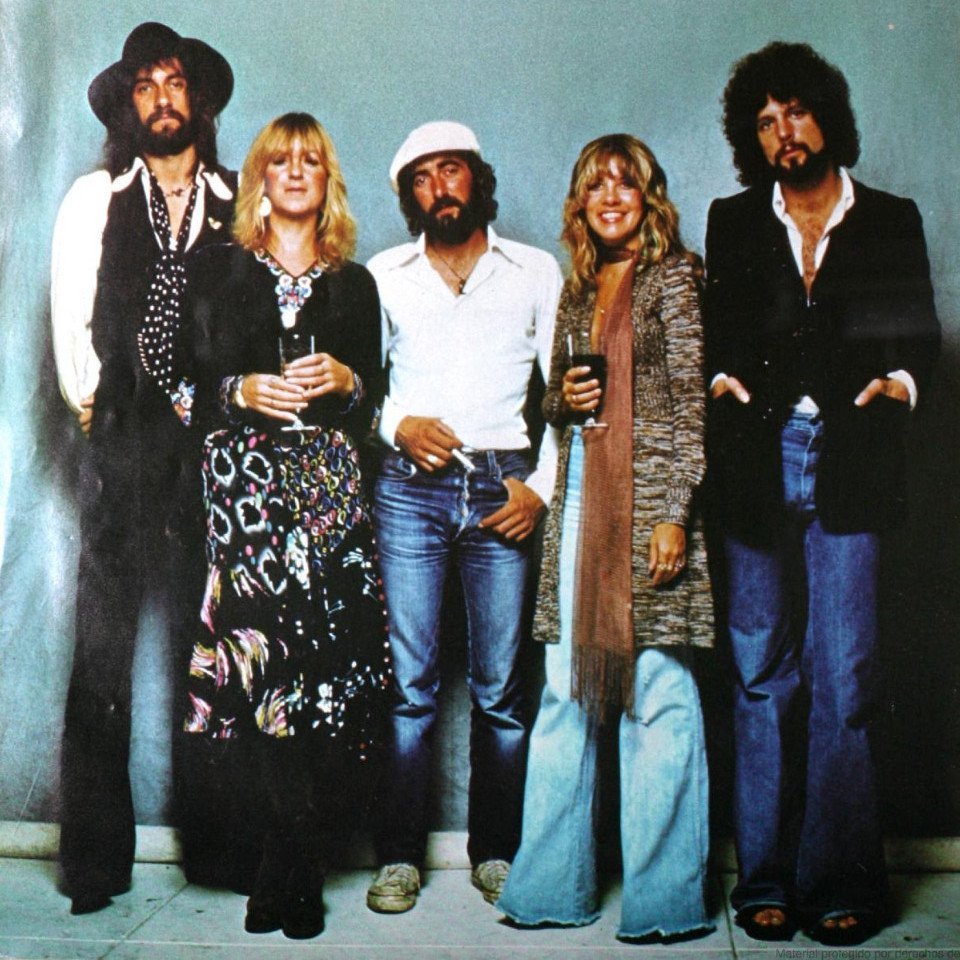
Stevie Nicks and Lindsey Buckingham brought romantic tension into Fleetwood Mac during the recording of their landmark album. Affairs, jealousy, and substance issues among multiple members created an atmosphere thick with unresolved conflict.
The resulting music captured those raw emotions and became a commercial triumph. The split reshaped the band’s lineup and cemented their story as a cautionary tale about mixing love and work in the spotlight.
Oasis
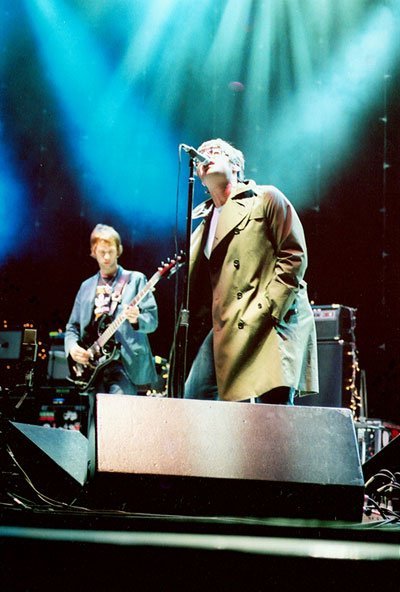
Noel and Liam Gallagher clashed repeatedly over songwriting credit, stage presence, and personal habits throughout Oasis’s rise. Their arguments often spilled into public view through interviews and backstage incidents.
The final rupture ended one of Britain’s biggest rock exports of the era. Fans still debate which brother carried the creative weight, and the brothers’ separate projects continue to draw comparisons to their joint legacy.
Guns N’ Roses
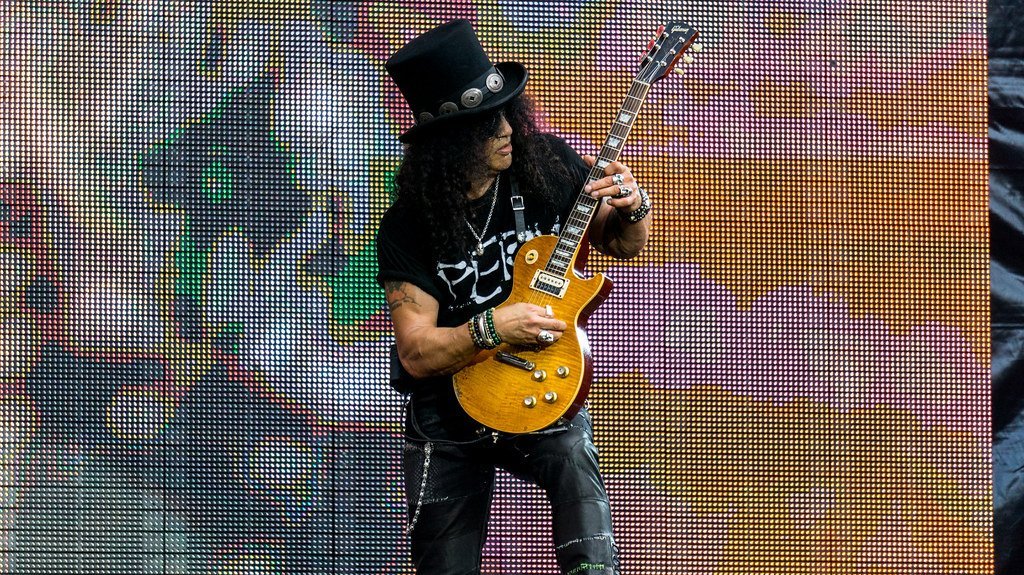
Axl Rose and Slash navigated years of excess and power struggles inside Guns N’ Roses. Differing visions for the band’s sound and direction eventually made collaboration impossible.
The departure of key members slowed momentum and altered the group’s trajectory for decades. Their later reunion attempts highlighted how deep the original fractures ran and how audiences still crave the original chemistry.
Pink Floyd
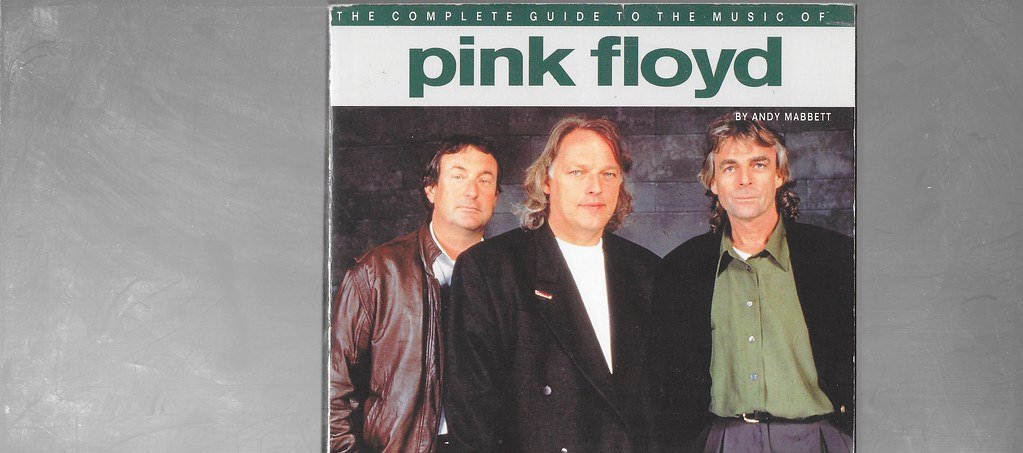
Roger Waters and David Gilmour steered Pink Floyd through ambitious concept albums until creative ownership disputes took over. Waters sought tighter thematic control while Gilmour favored a more collaborative approach.
The split produced competing solo releases and legal battles over the band name. Their later tours and reissues keep the divide alive in fan discussions about authorship and artistic direction.
The Police
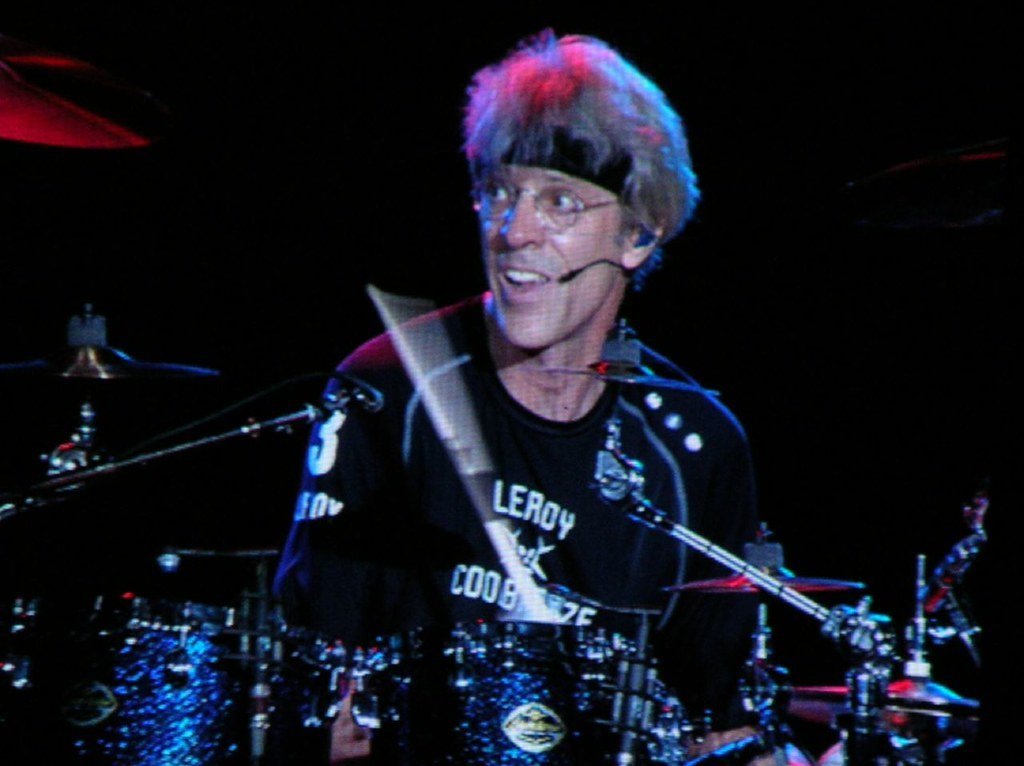
Sting, Stewart Copeland, and Andy Summers built The Police on tight rhythms and sharp songcraft. Tensions over song selection and touring schedules grew as individual egos expanded.
The breakup arrived at the height of their popularity and left each member to explore solo avenues. Their occasional reunions remind listeners how distinctive their combined sound once was.
Simon & Garfunkel

Paul Simon and Art Garfunkel shared a childhood friendship that carried into their folk rock success. Disagreements over production choices and solo opportunities created distance.
Their split interrupted a string of hits and sent both artists down separate roads. Occasional joint appearances since then underscore the enduring appeal of their harmonies despite the long separation.
The Smiths

Morrissey and Johnny Marr shaped The Smiths with literate lyrics and jangly guitars. Creative differences and management issues eventually drove them apart.
The breakup cut short a brief but influential run that inspired countless later bands. Their catalog remains a touchstone for indie rock, even as the two principals pursued markedly different paths afterward.
Van Halen
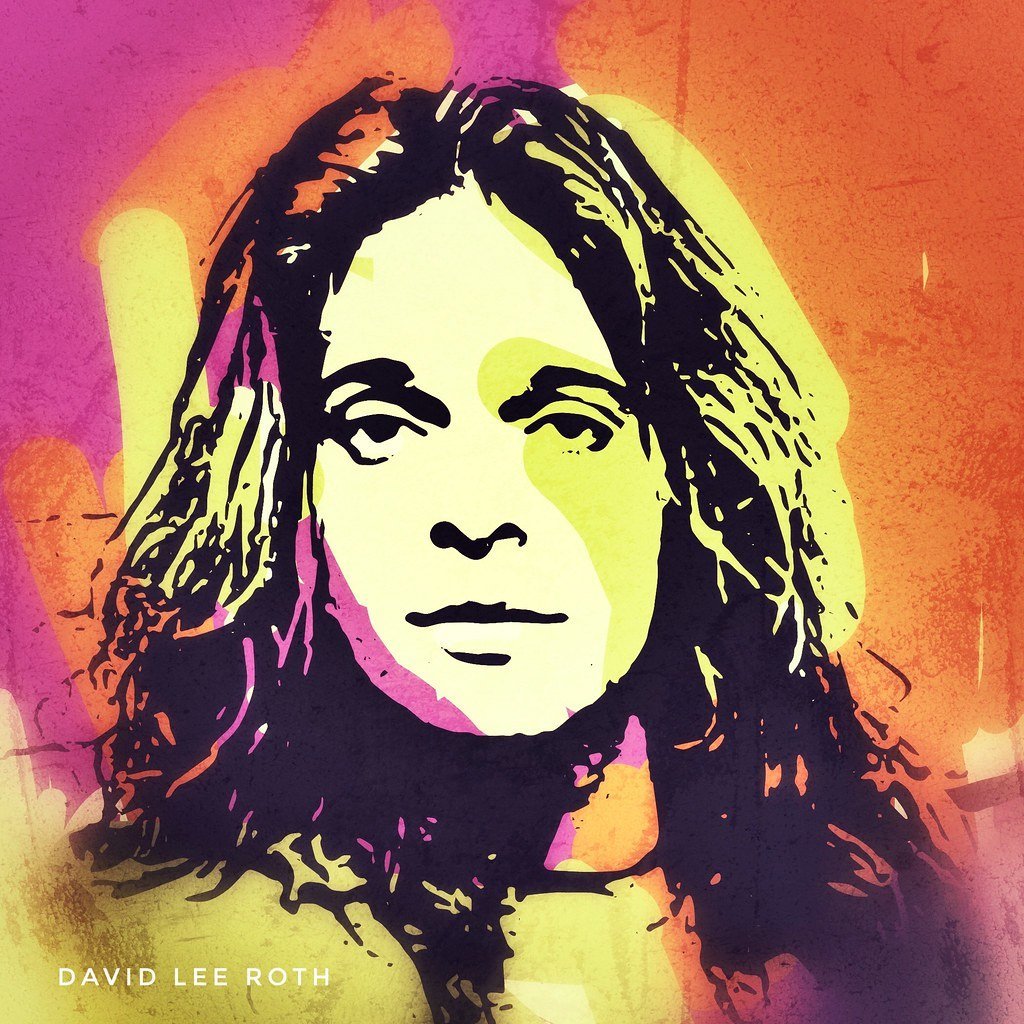
Eddie Van Halen and David Lee Roth defined Van Halen’s early sound through guitar innovation and charismatic frontmanship. Clashes over musical direction and personal styles intensified over time.
The departure of Roth shifted the band’s tone and sparked years of lineup changes. Later returns by both parties showed how central their original dynamic remained to the group’s identity.
Creedence Clearwater Revival
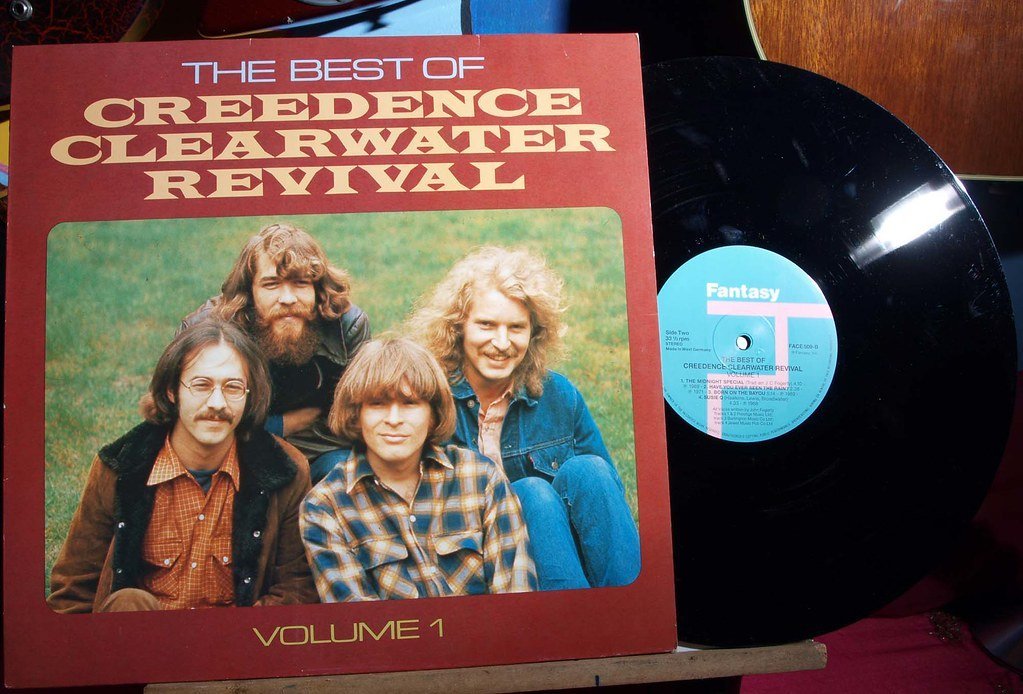
John Fogerty led Creedence Clearwater Revival while his bandmates sought greater input on decisions. Contract disputes and uneven recognition fueled resentment.
The split left Fogerty to carry the songwriting torch alone in his solo work. The band’s swamp rock classics continue to resonate, though the internal fractures limited further output under the original name.
The Kinks
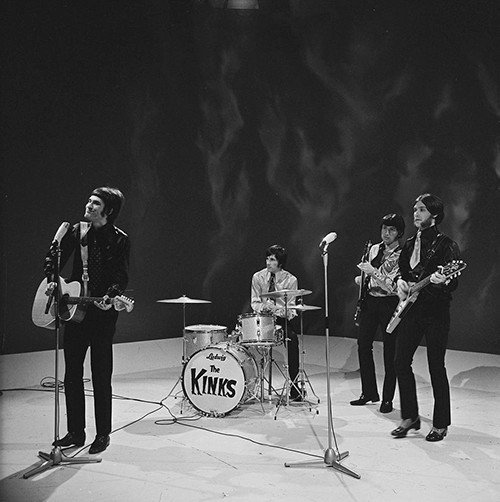
Ray and Dave Davies guided The Kinks through decades of British rock evolution. Sibling rivalry and differing artistic priorities created repeated friction.
Their on again, off again relationship produced both classic songs and extended periods of separation. The brothers’ story illustrates how family ties can both sustain and strain a long running band.
Black Sabbath
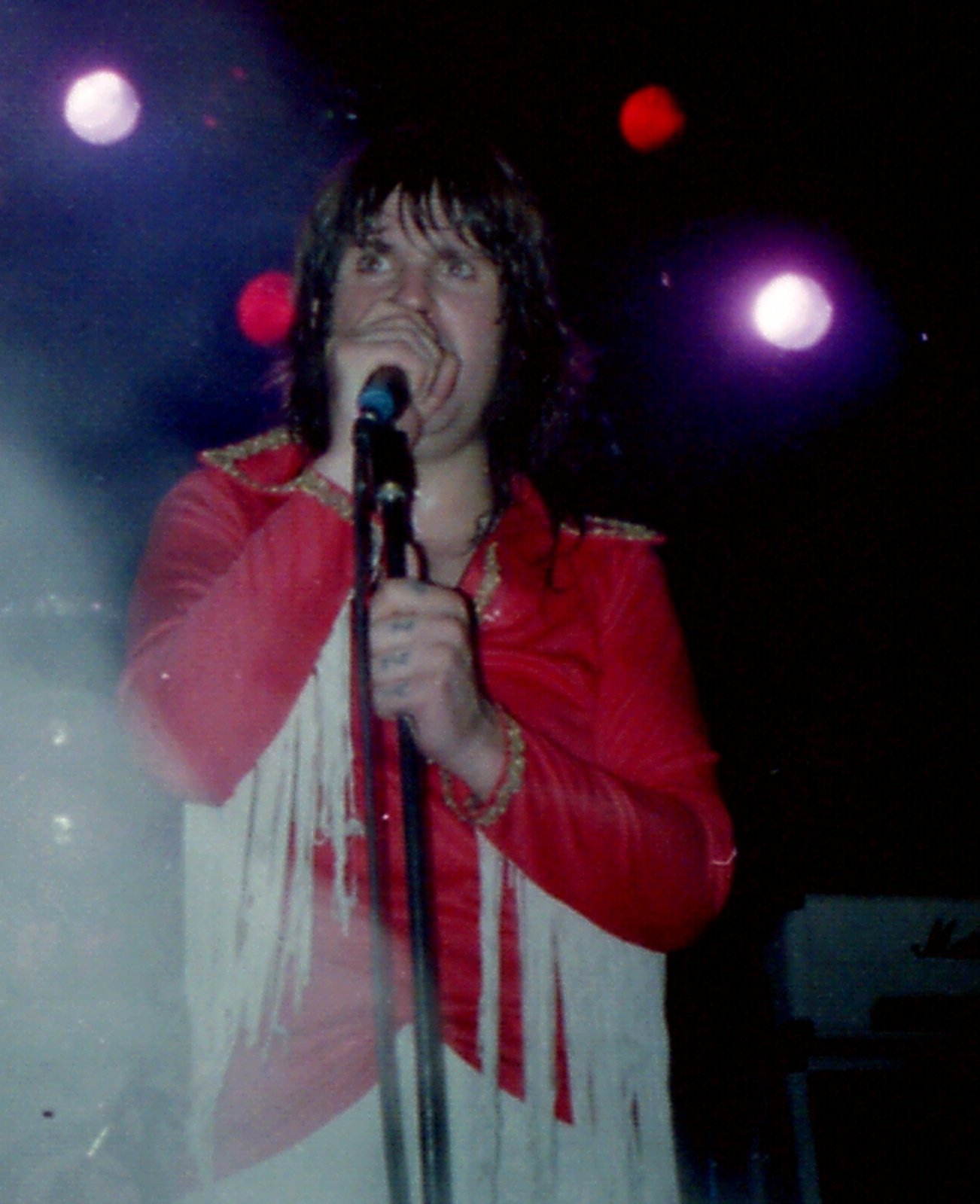
Ozzy Osbourne and the rest of Black Sabbath built heavy metal foundations together. Substance problems and creative disagreements eventually forced a change in leadership.
The departure of Osbourne opened the door for new vocalists and shifted the band’s direction. Their later reunions and farewell tours highlighted the lasting power of the original lineup’s chemistry.
Mötley Crüe
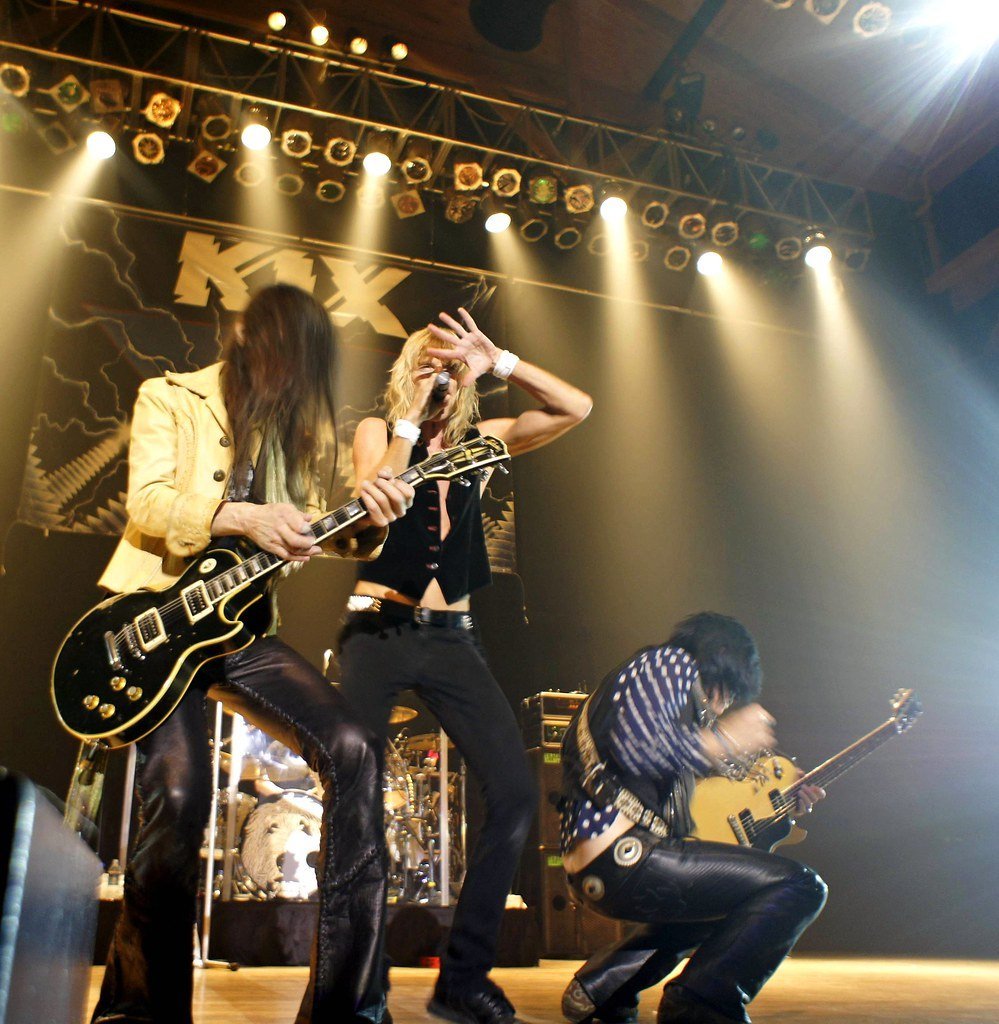
Vince Neil, Nikki Sixx, and the other members of Mötley Crüe lived through excess that tested every relationship. Legal troubles and personal betrayals added layers of strain.
The group cycled through departures and returns that mirrored their turbulent lifestyle. Their story became a template for rock excess, with each split feeding into memoirs and renewed interest in their catalog.
Blur

Damon Albarn and Graham Coxon steered Blur through Britpop success and beyond. Artistic differences and personal burnout created distance during the late 1990s.
Their split allowed each to explore new projects while the band’s earlier hits retained strong cultural resonance. Occasional collaborations since then show how time can soften old rivalries.
The Stone Roses

Ian Brown and John Squire led The Stone Roses through a rapid rise and long silence. Legal battles with their label and internal creative blocks stalled progress.
The eventual breakup left fans waiting years for any new material. Their debut album’s influence endures, even as the members pursued separate endeavors afterward.
The Chaos and Emotion Behind

These breakups reveal how tightly personal lives and creative output intertwine in rock. The resulting music often carries the weight of those fractures long after the bands dissolve.
Listeners continue to revisit the songs because they capture real tension and release. The stories remind us that rock’s most memorable moments frequently emerge from the same human messiness that ends careers and starts new chapters.

Besides founding Festivaltopia, Luca is the co founder of trib, an art and fashion collectiv you find on several regional events and online. Also he is part of the management board at HORiZONTE, a group travel provider in Germany.
