
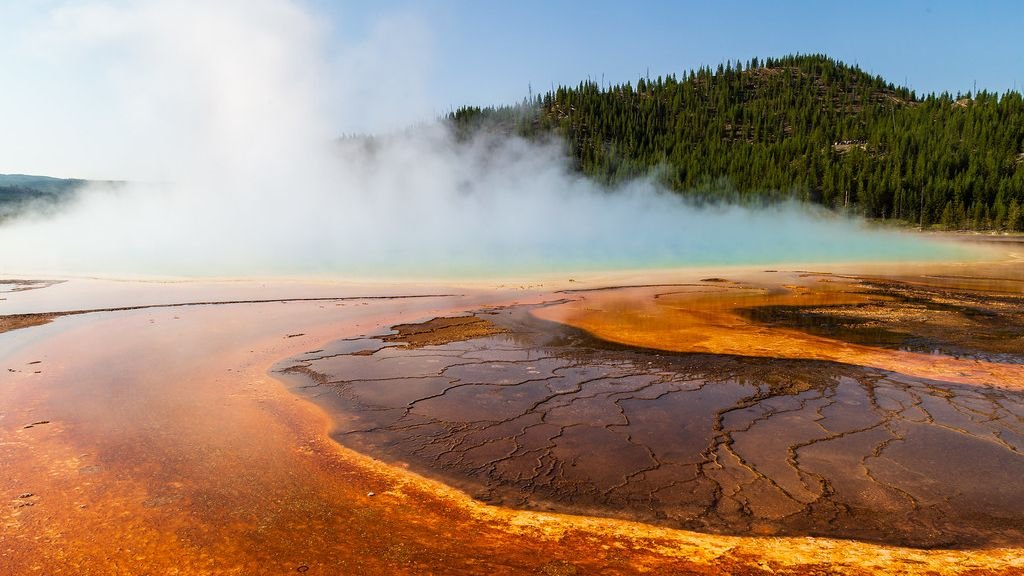
National parks often appear as timeless slices of wilderness, places where nature stands untouched by human hands. Yet many of these landscapes carry deep layers of conflict, displacement, and resilience that stretch back centuries. These stories rarely surface in standard lessons about American history, even though they directly shaped the very ground visitors walk today.
Yosemite National Park
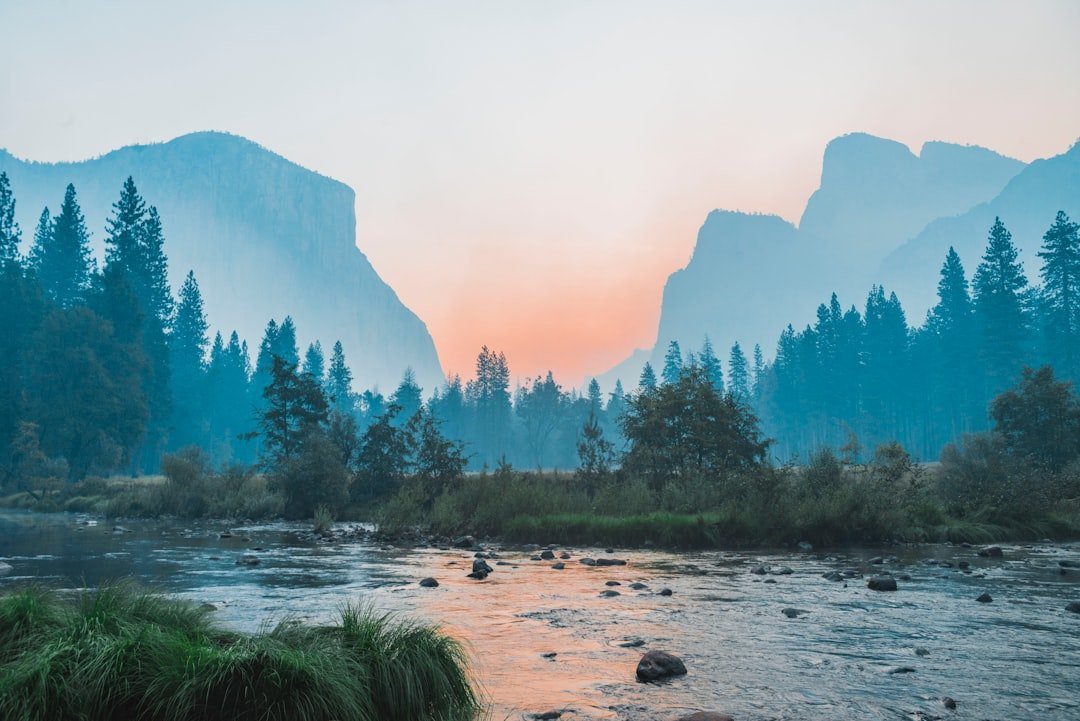
The Mariposa Battalion entered the Yosemite Valley in 1851 during the California Gold Rush era. Soldiers clashed with the Ahwahneechee people who had lived there for generations. The campaign forced many residents out of their homes and into reservations farther away.
Today the park works with descendants of those tribes on cultural programs and land stewardship projects. Visitors can learn about traditional practices that still influence how the valley is managed. This history reminds people that the scenic views rest on earlier struggles for survival and belonging.
Glacier National Park
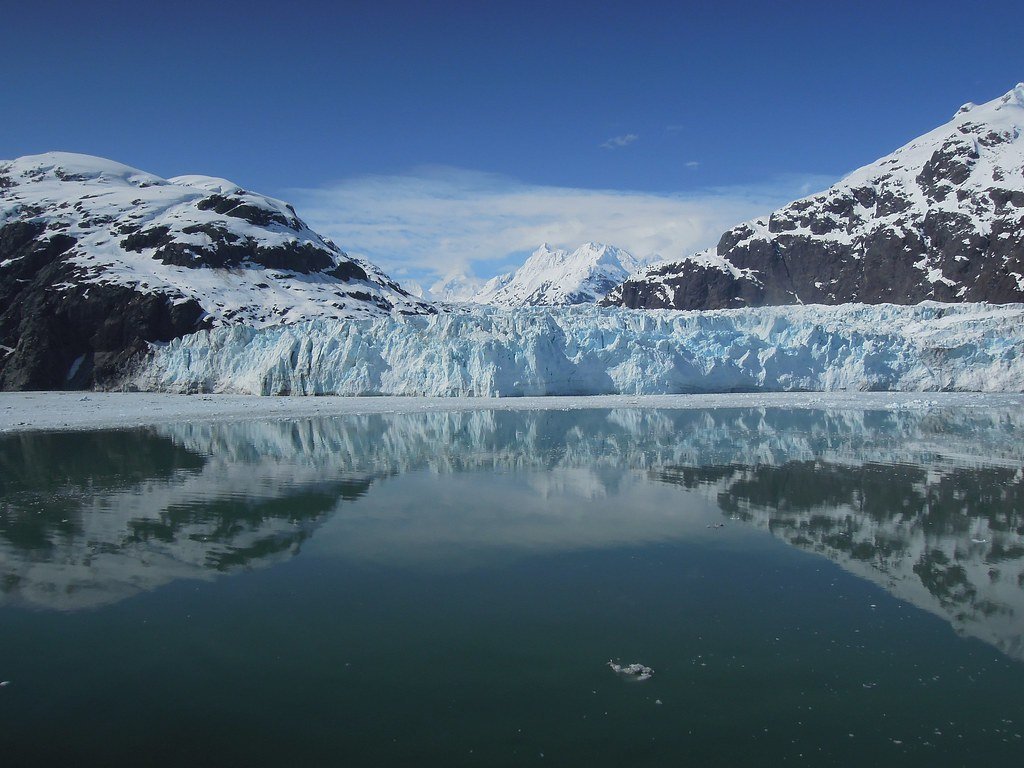
The Blackfeet Nation held the mountains as sacred territory for thousands of years before settlers arrived. In 1895 the tribe sold part of its reservation under pressure, and the 1910 park creation further restricted their access to hunting and gathering grounds. Promises made during the land transfer were not fully honored.
Modern partnerships now allow limited tribal use and joint educational efforts inside the park boundaries. These steps help correct earlier exclusions while supporting Blackfeet cultural continuity. The arrangement shows how protected areas can begin to acknowledge their complicated origins.
Everglades National Park
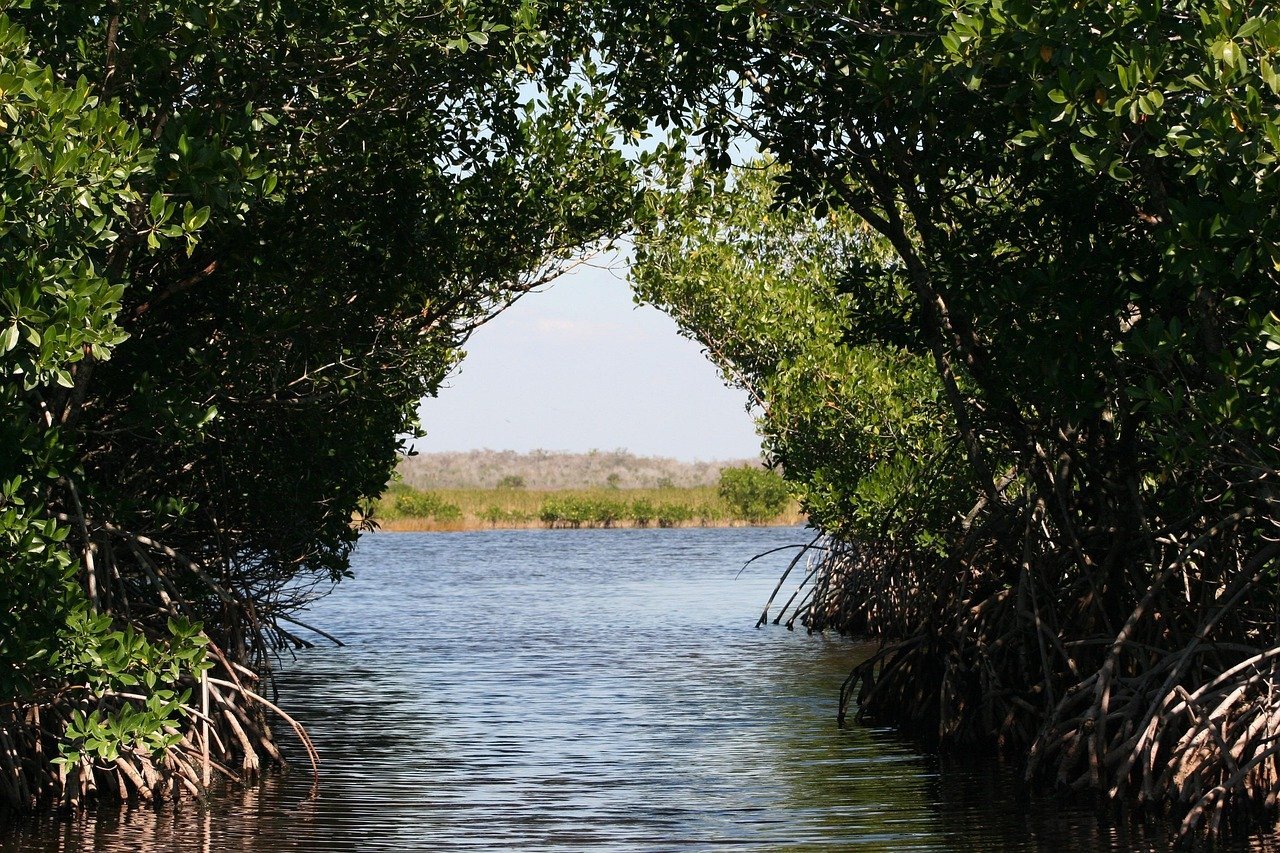
Seminole people resisted removal from Florida during a series of wars in the 1800s. Hundreds retreated into the wetlands rather than accept forced relocation to distant territories. Their presence in the swamps continued long after the conflicts ended.
Today the park borders active Seminole and Miccosukee communities that maintain villages and cultural sites nearby. Joint conservation work highlights traditional knowledge about water and wildlife. The landscape itself carries evidence of this enduring connection to the land.
Grand Canyon National Park
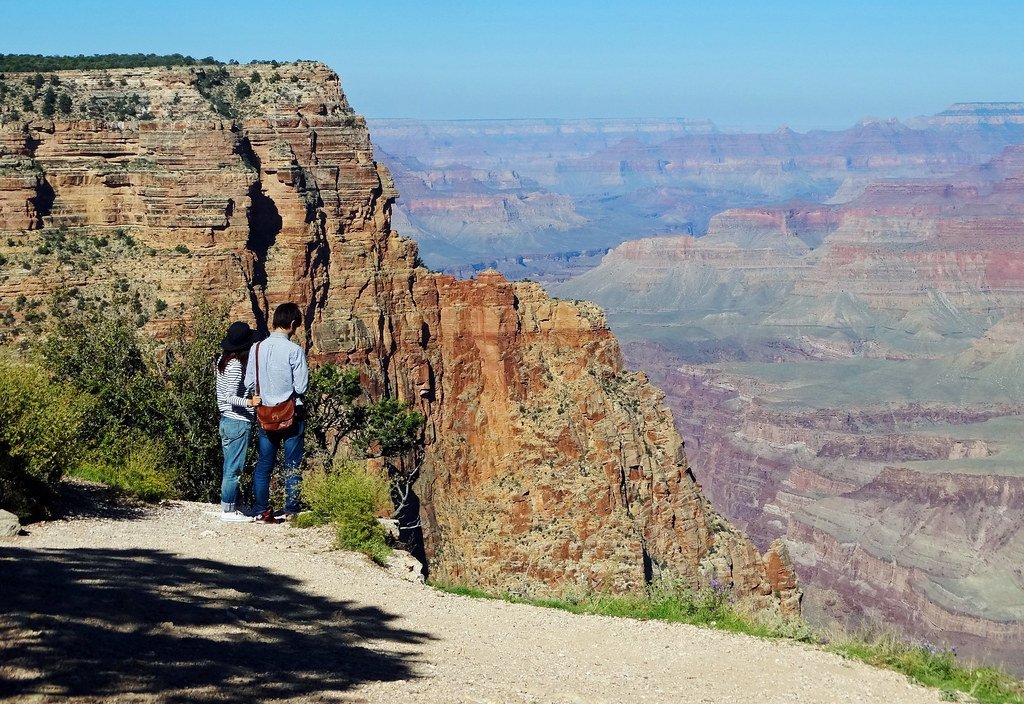
The Havasupai and Hualapai tribes lived along the canyon rims and inner trails for centuries. Federal policies in the early 1900s pushed many families off traditional lands to create the national park. Access to water sources and grazing areas became tightly controlled.
Recent agreements have returned some management roles to the tribes and supported cultural preservation inside the park. These changes affect how trails and viewpoints are interpreted for the public. The canyon now serves as a place where both natural beauty and human history receive attention.
Mesa Verde National Park
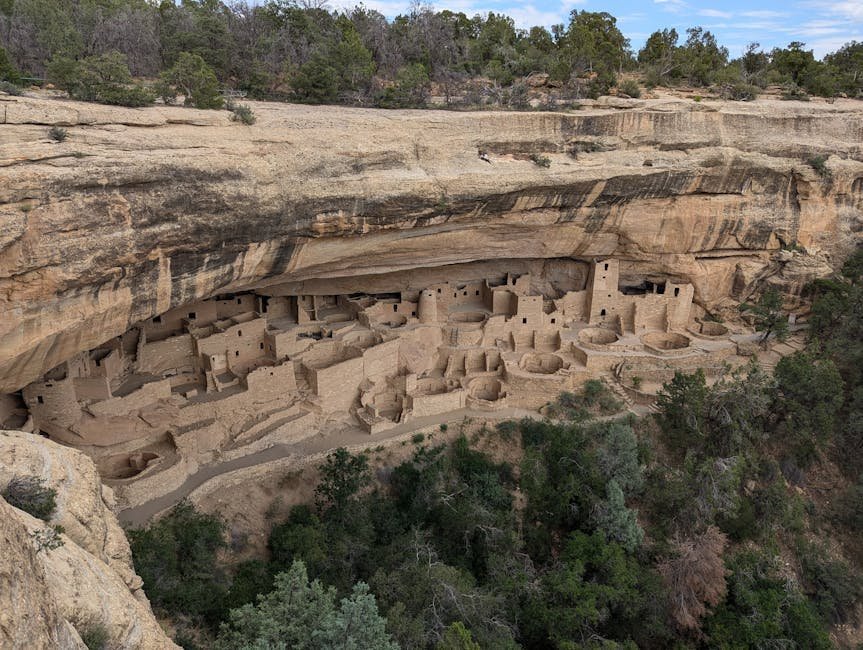
Ancestral Puebloans built elaborate cliff dwellings and villages across the mesa tops more than seven hundred years ago. They abandoned the sites around 1300 for reasons that still spark debate among researchers. Drought, resource strain, and social shifts likely played roles in the departure.
The park preserves thousands of archaeological sites that reveal sophisticated farming and building techniques. Modern Pueblo tribes maintain strong ties to the area through ceremonies and research collaboration. These connections keep the story of the builders alive for new generations of visitors.
Badlands National Park
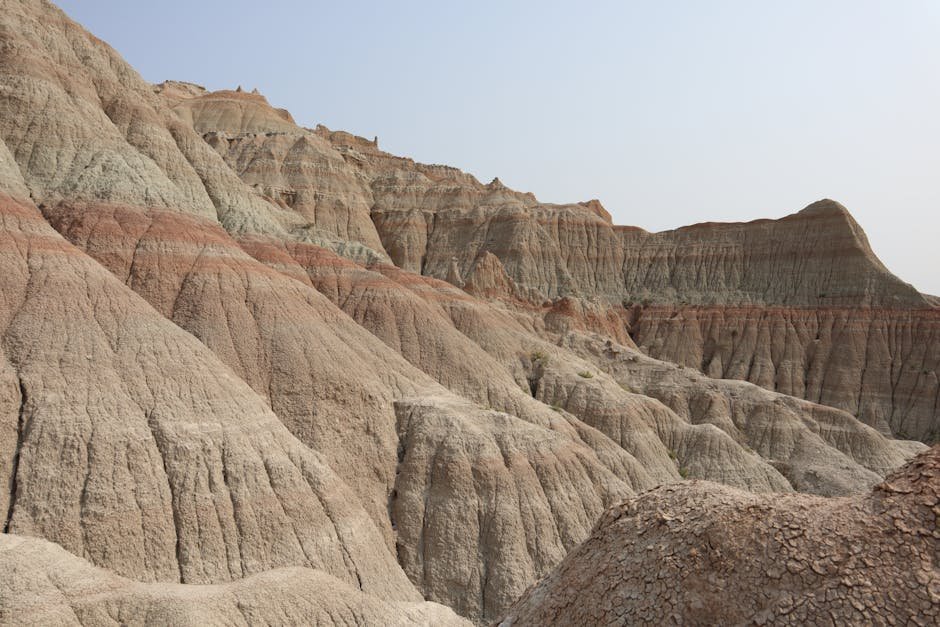
Lakota Sioux and other Plains tribes used the rugged terrain for hunting and spiritual practices long before European contact. The 1868 Fort Laramie Treaty set aside much of the region, yet later government actions opened it to settlement and resource extraction. Conflicts over land use continued into the twentieth century.
Current management includes tribal input on interpretation and occasional co-stewardship of fossil sites. The park now highlights both geological drama and the human stories tied to the same ground. This dual focus gives visitors a fuller picture of the landscape’s past.
Rocky Mountain National Park
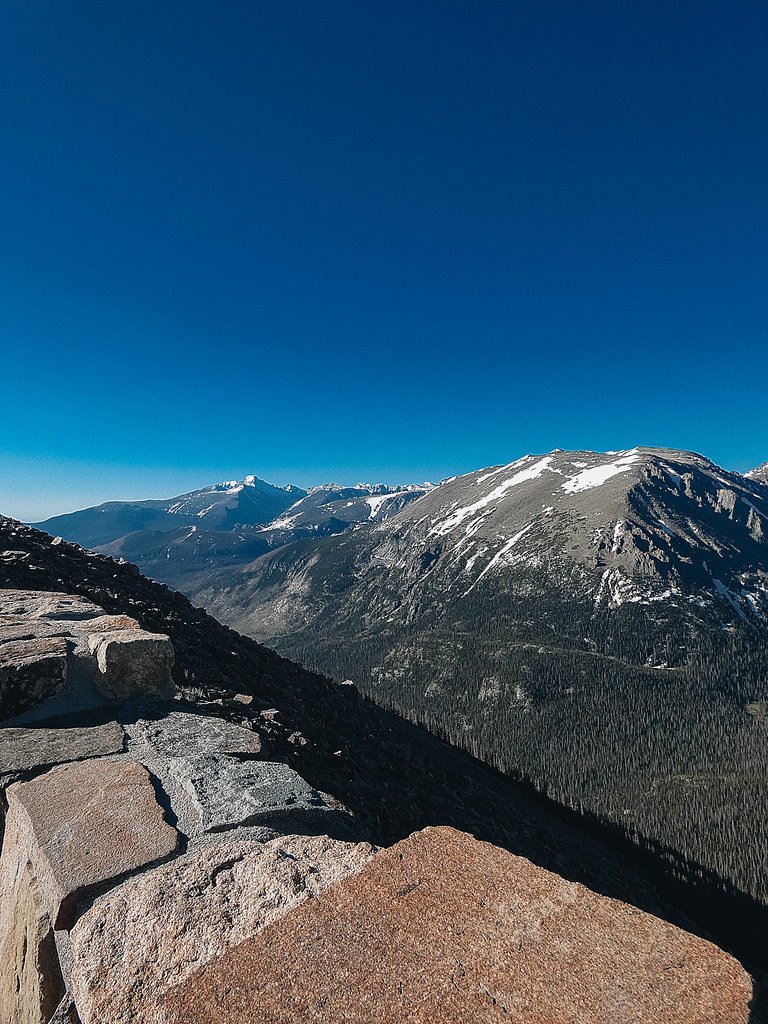
Ute and Arapaho people occupied the high valleys and passes for generations before gold discoveries drew miners in the 1850s. Treaties quickly reduced their territories, and by the 1880s most had been moved to distant reservations. The rush for resources erased earlier patterns of seasonal movement across the mountains.
Today the park collaborates with descendant communities on exhibits that share these earlier land relationships. Educational programs cover both the natural features and the human history that preceded them. Such efforts help balance the narrative of wilderness with one of continuous occupation.
Yellowstone National Park
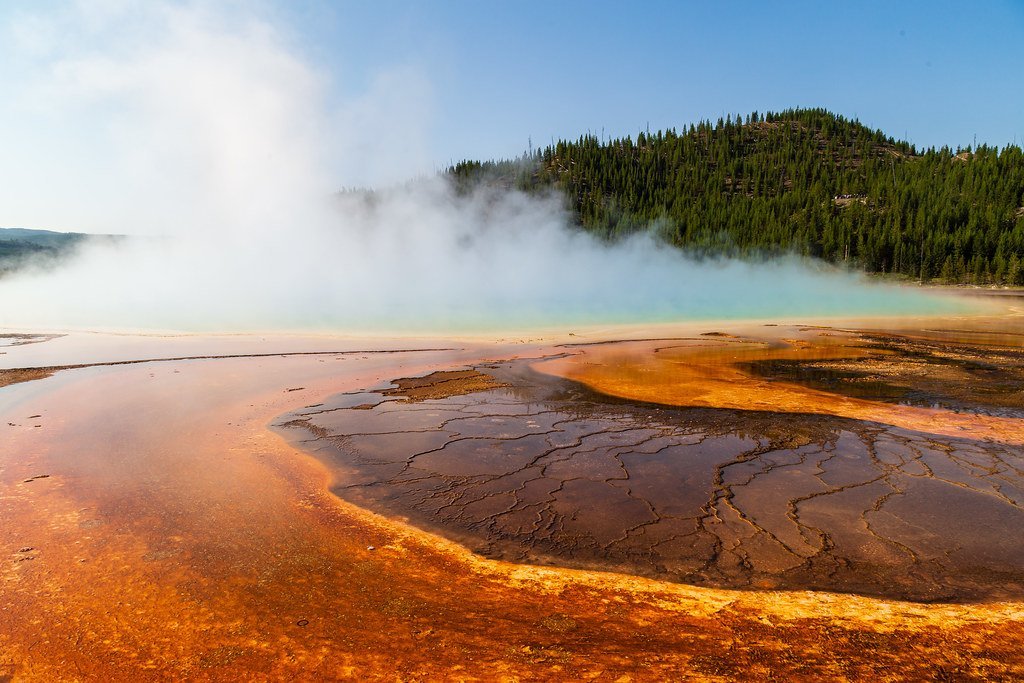
Nez Perce and Bannock groups traveled through the area during their own forced journeys in the late 1800s. Army campaigns and park rules soon limited Native presence to protect the image of an empty wilderness. Early enforcement sometimes involved violence against traditional users.
Contemporary agreements allow certain ceremonial activities and support tribal involvement in resource decisions. The park’s story now includes recognition of these earlier passages and conflicts. Visitors encounter a place shaped by both volcanic forces and human endurance.
Joshua Tree National Park
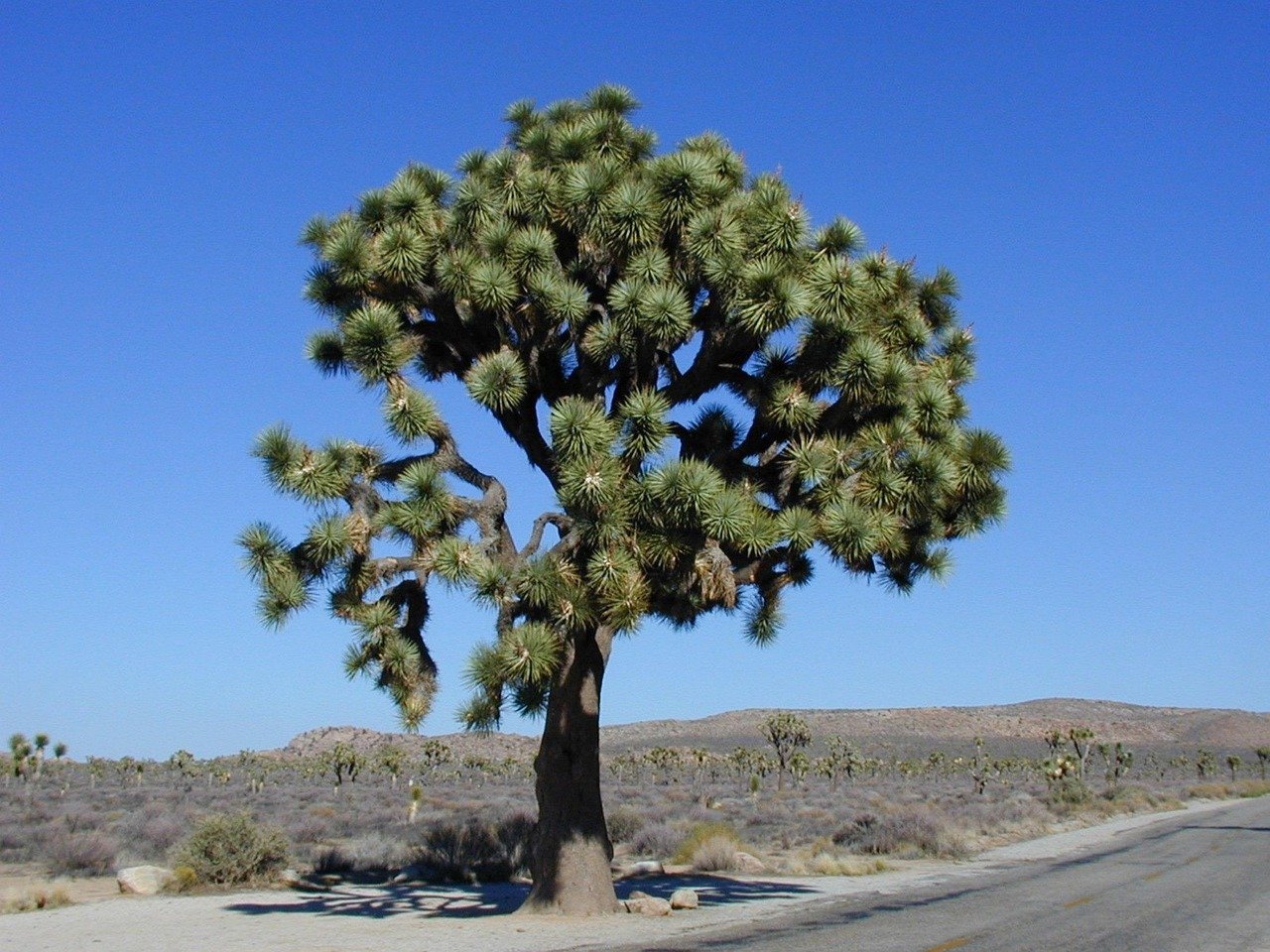
Chemehuevi and Serrano people relied on the desert’s springs and plant life for survival over many centuries. Government policies and park establishment in the 1930s displaced families from long-used sites. Homes and gathering areas were cleared to fit the vision of untouched desert.
Recent years have brought renewed tribal consultation on land use and cultural site protection. These dialogues influence how the park presents its human history alongside its famous rock formations. The result is a more complete account of who shaped the landscape first.
Glacier Bay National Park
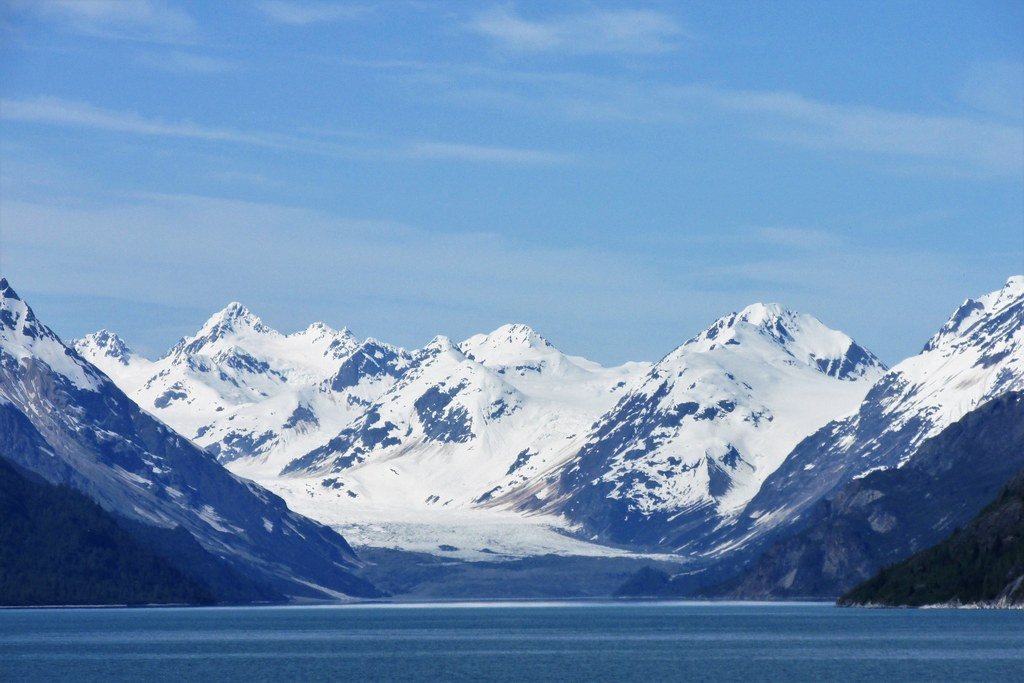
Tlingit communities lived along the fjords and shores for thousands of years until advancing glaciers forced relocation in the 1700s. Later park boundaries further separated people from traditional fishing and hunting grounds. The dramatic ice retreat itself became part of the official narrative while earlier residents faded from view.
Today the park works with Tlingit groups on oral history projects and resource management. These partnerships restore visibility to the human timeline that predates the glaciers’ most recent surge. The bay stands as both a geological wonder and a reminder of shifting relationships with the land.
Behind every sweeping vista and quiet trail lies a record of people who lived, fought, and adapted long before fences or visitor centers appeared. These hidden chapters continue to influence how the parks are cared for and understood. Recognizing them adds depth to the experience of standing in these places today.

- 37 Songs From the ’60s and ’70s With Meanings No One Caught the First Time - August 31, 2026
- 12 Legendary Concert Venues That Witnessed Unforgettable Musical Moments - August 31, 2026
- 10 Iconic Speeches That Dramatically Shaped Modern History - August 31, 2026

