

- 10 Legendary Summer Anthems That Defined a Generation of Festival-Goers - August 31, 2026
- True Art Transcends Generations, Speaking to Every Soul That Encounters It. - August 31, 2026
- 10 Fashion Trends From the Past That Deserve a Dramatic Comeback - August 31, 2026
Song lyrics capture moments in time, often reflecting the personal or social currents of their creation. Yet cultural context evolves, leading fans to layer their own assumptions onto the words. A phrase born from one experience might echo differently through generations, turning intended nuance into widespread misconception.[1]
This shift happens naturally. Listeners fill gaps with what fits their world, sometimes overlooking the artist’s original spark.
“Born in the U.S.A.” by Bruce Springsteen
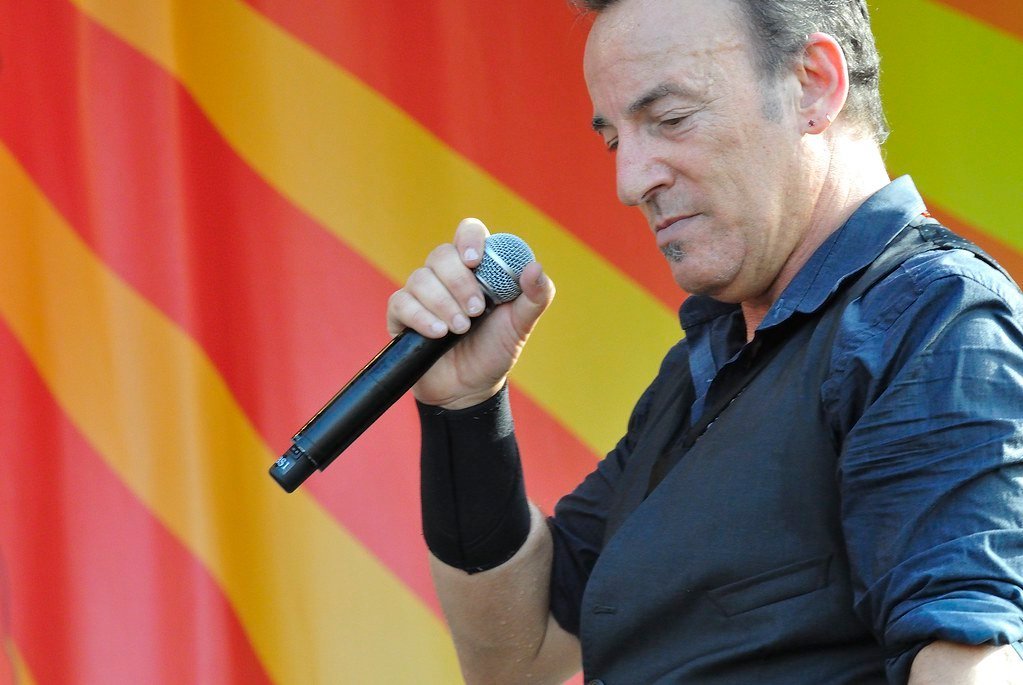
Fans often embrace this as a fist-pumping celebration of American pride, its chorus booming at rallies and sports events. The upbeat tempo and Springsteen’s working-class hero image reinforce that view.
In truth, the song chronicles a Vietnam veteran’s raw frustration, from forced conscription to postwar neglect and dead-end jobs. Springsteen crafted it from stories of forgotten soldiers, highlighting systemic failures rather than glory.[1][2][3]
“Every Breath You Take” by The Police
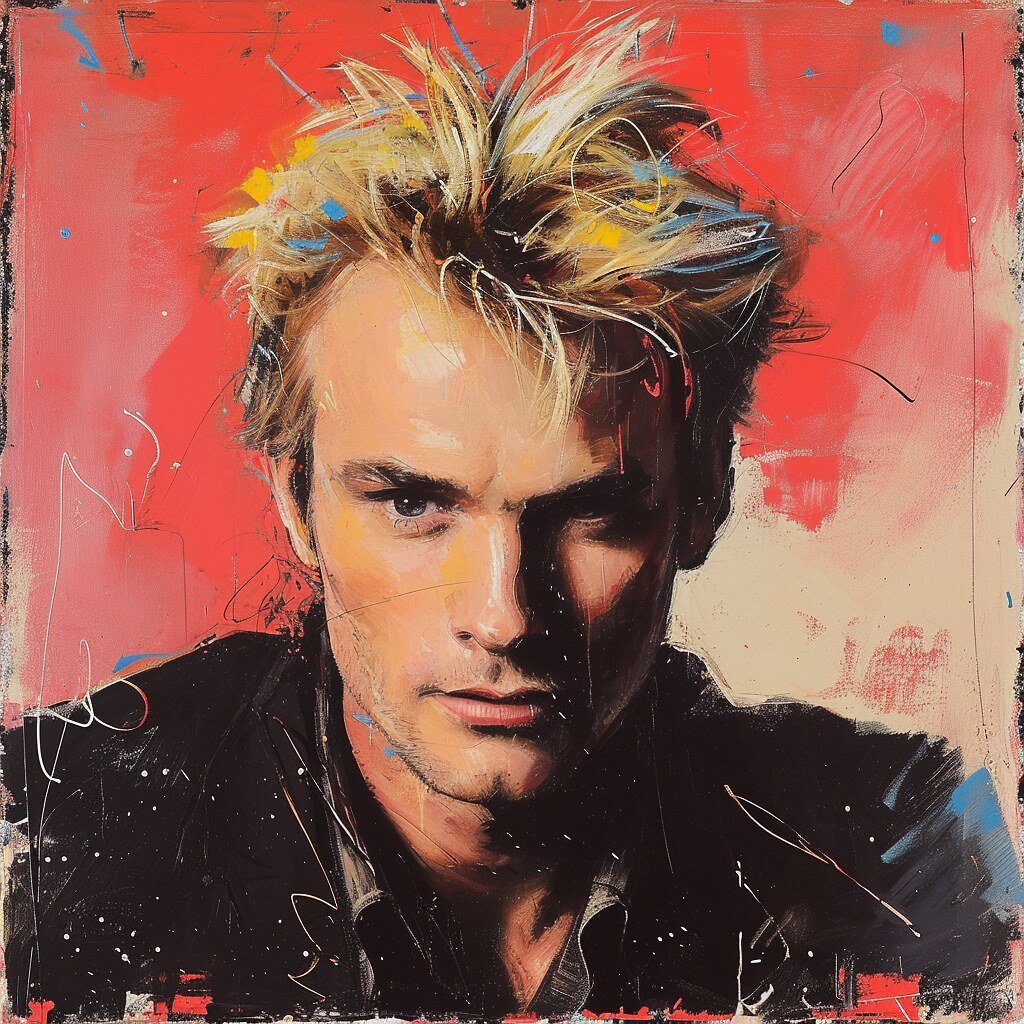
This slow-burning track gets played at weddings as a tender vow of devotion, its watchful lyrics seeming like sweet devotion.
Sting actually penned it as a dark tale of obsession, surveillance, and possessive jealousy, more stalker anthem than romance. The song’s chilling intent stems from personal turmoil, underscoring control rather than care.[1][3]
That contrast reveals how melody can mask menace.
“You’re Beautiful” by James Blunt
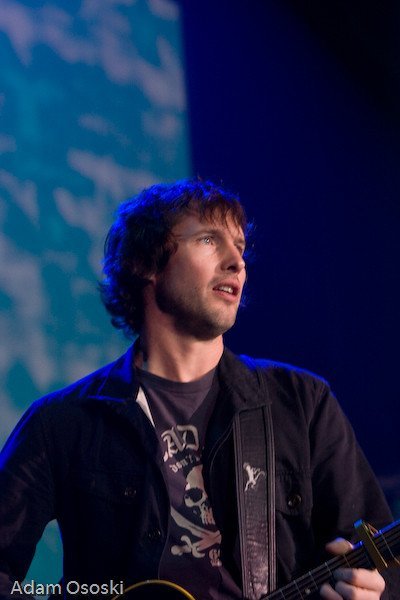
Listeners hear a dreamy ode to instant love, its soaring chorus evoking perfect encounters and longing gazes.
Blunt drew from a hazy memory of spotting a woman on drugs with her boyfriend, fueling a fleeting, intrusive fantasy. Far from pure romance, it captures awkward intrusion and altered reality.[1]
“Angel” by Sarah McLachlan

The gentle piano and ethereal voice make it a staple for memorials or pet rescues, suggesting heavenly comfort or gentle loss.
McLachlan wrote it amid the grip of heroin addiction’s despair, portraying a user’s final escape into numbness. The song confronts the pull of oblivion, not soft solace.[1]
Its placement in ads softened that edge over time.
“Let’s Go Crazy” by Prince & the Revolution
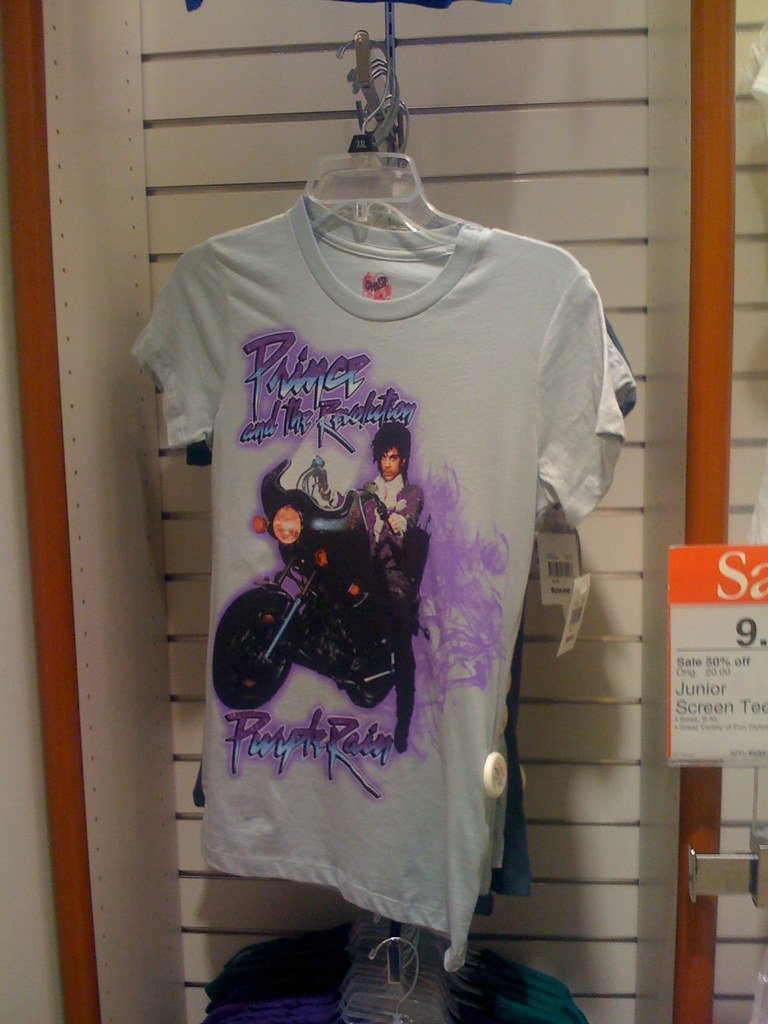
The funky groove screams party invitation, urging wild abandon and carefree thrills.
Prince infused it with religious undertones from his faith, warning against “the elevator” to hellish temptation. It calls for spiritual defiance over earthly chaos.[1]
“Revolution” by The Beatles
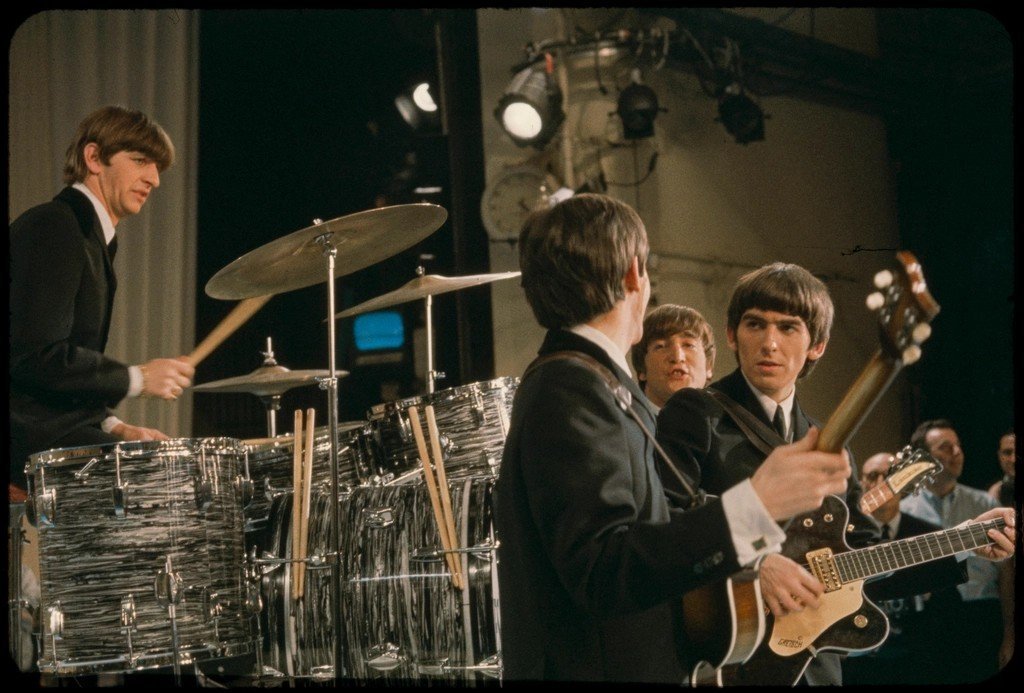
Some see it as a fiery call to arms, matching the turbulent late ’60s protests.
Lennon expressed skepticism toward violent change, advocating mental liberation over destruction. The track questions radical upheaval, preferring inner peace.[1]
Its raw energy muddied that hesitation for many.
“Mr. Jones” by Counting Crows
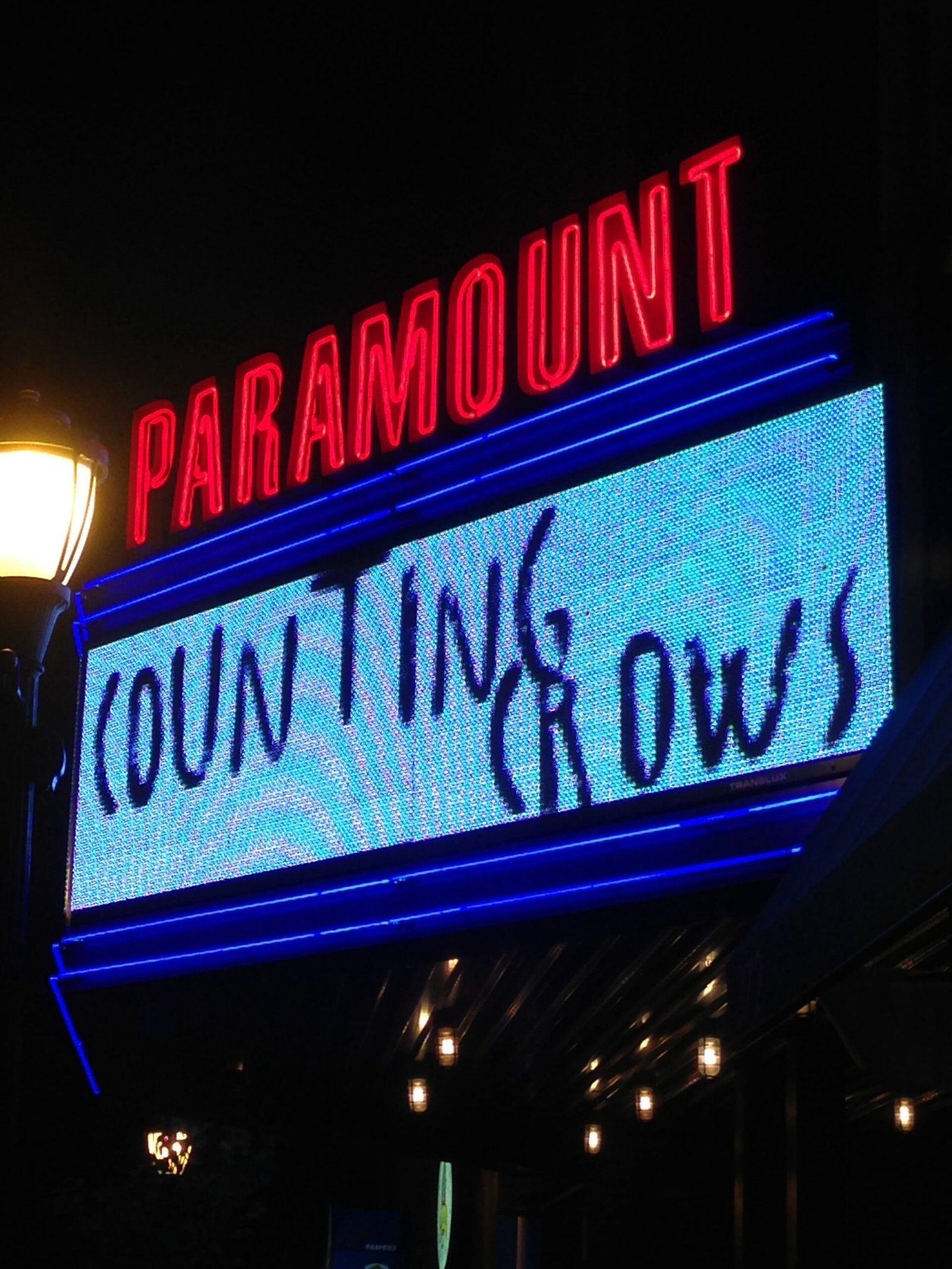
Fans interpret it as a fame-hungry plea, chasing spotlight fixes for loneliness.
Duritz aimed to critique shallow popularity contests, showing they solve nothing deep. The narrator’s woes persist beyond any stage lights.[1]
“Short People” by Randy Newman
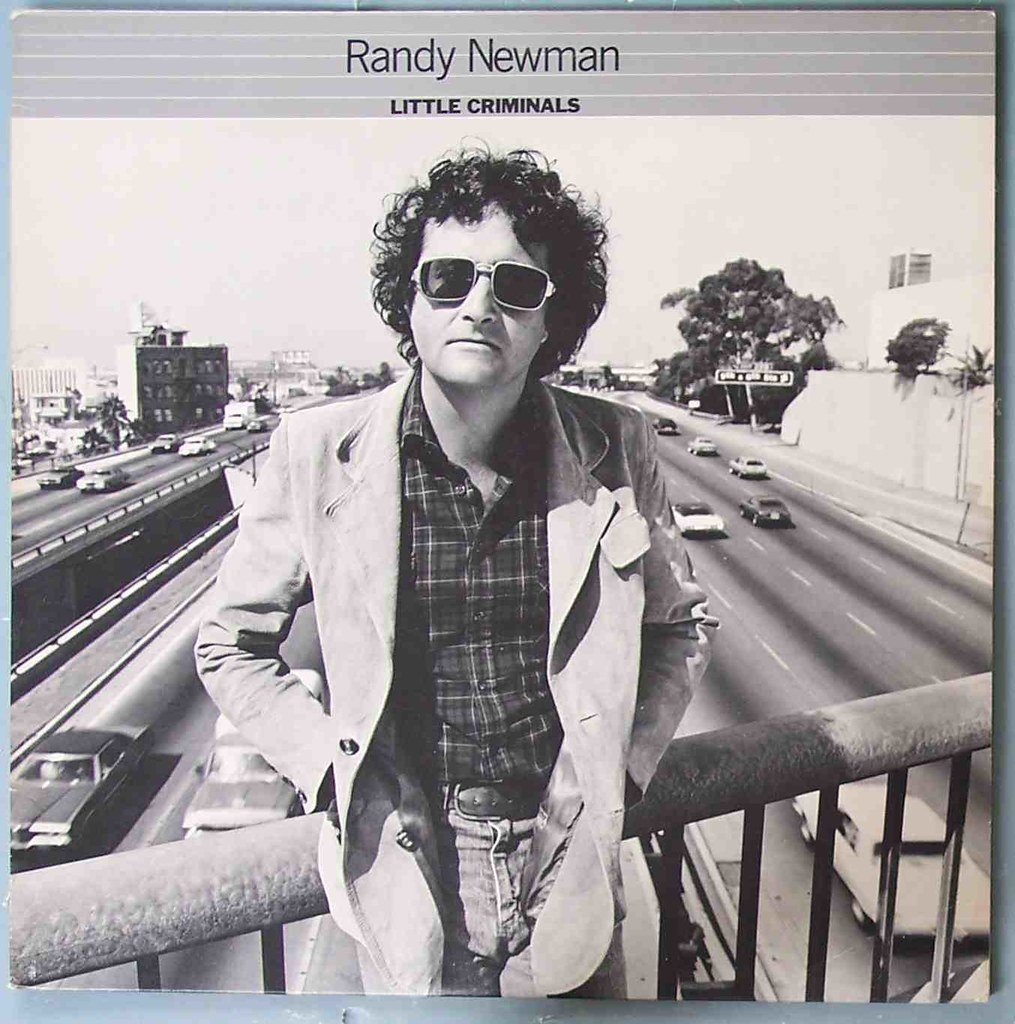
Angry listeners branded it hate speech, protesting its jabs at height.
Newman wielded satire through an unreliable bigot’s voice, flipping to affirm equality in the bridge. It mocks prejudice itself, not endorses it.[1]
Outrage overlooked the punchline.
“Closing Time” by Semisonic
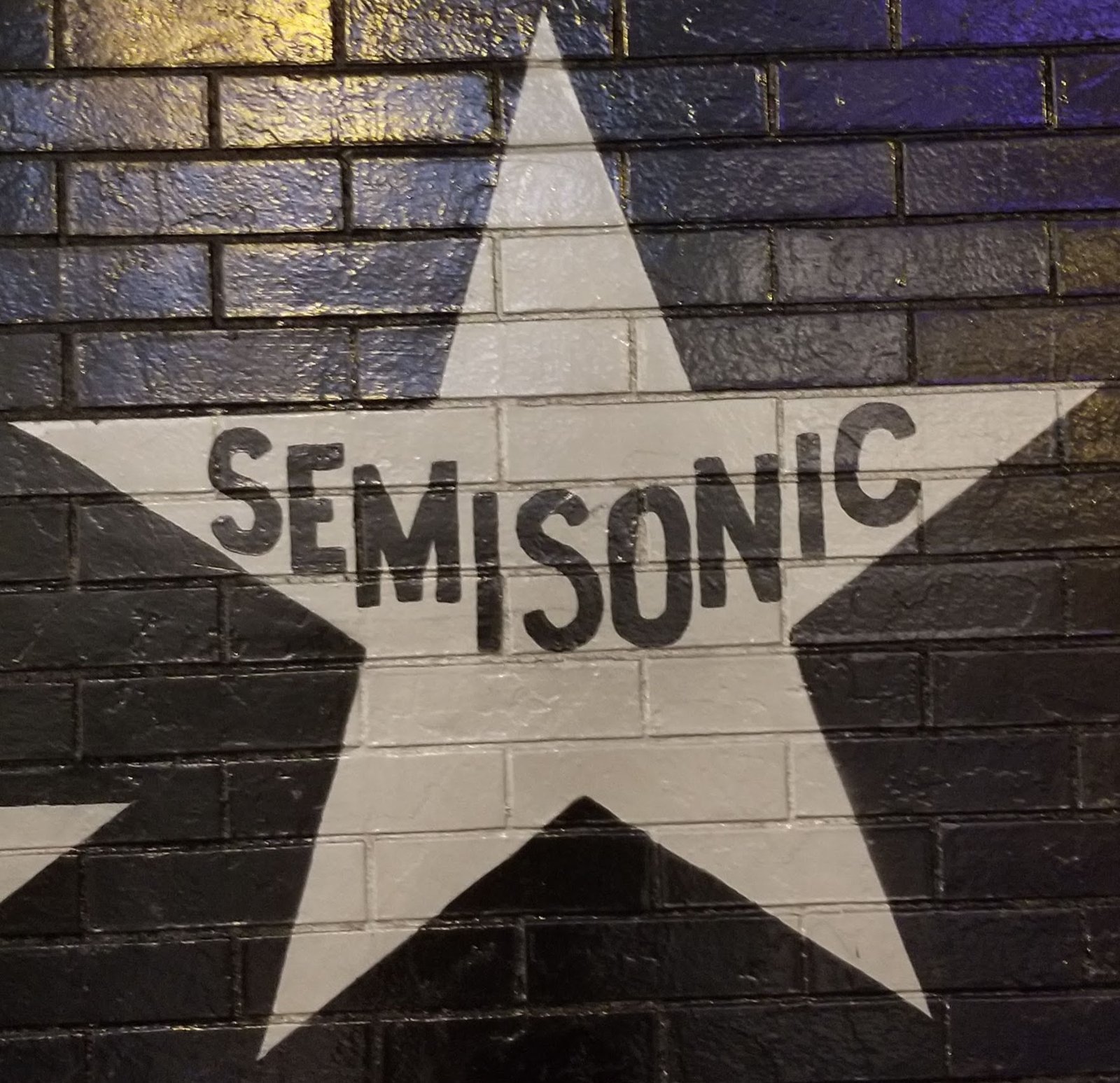
Bar crowds sing it as last-call lament, evoking stumbling nights out.
The band wrote it for childbirth’s wonder, marking womb’s end and new life’s start. That dual layer nods to cycles closing and opening.[2]
“Good Riddance (Time of Your Life)” by Green Day
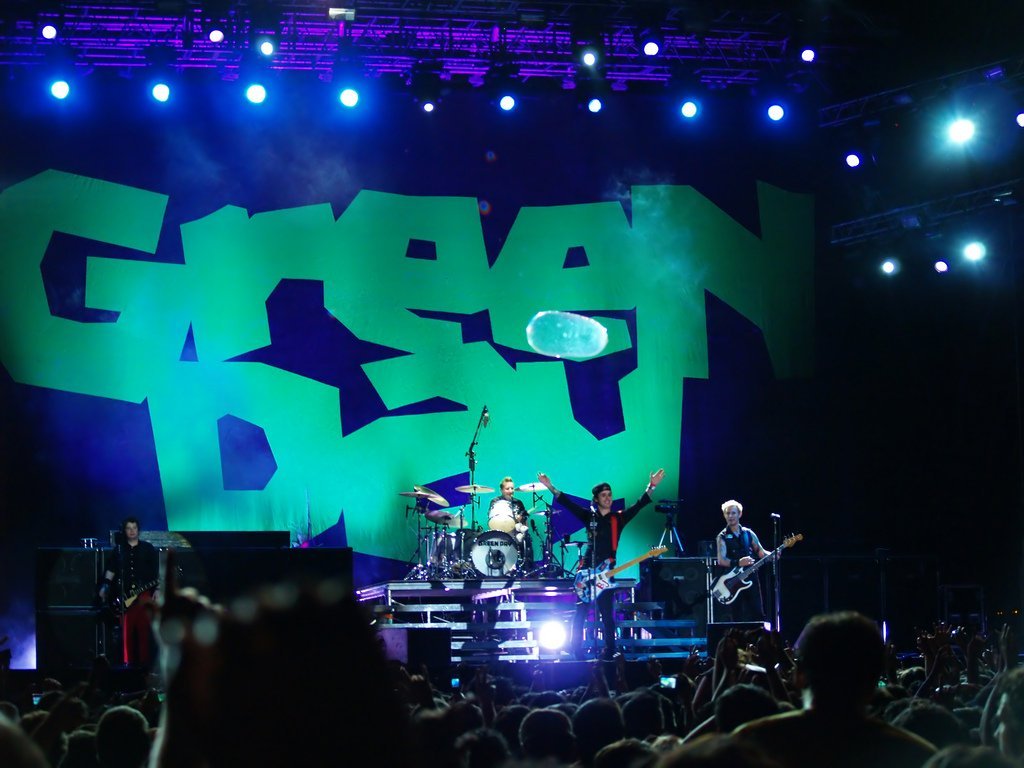
Graduations claim it as wistful goodbye to youth’s highlights.
Armstrong vented sarcasm over a girlfriend’s Ecuador move, the title dripping disdain. No fond memories, just bitter parting.[2]
“Semi-Charmed Life” by Third Eye Blind
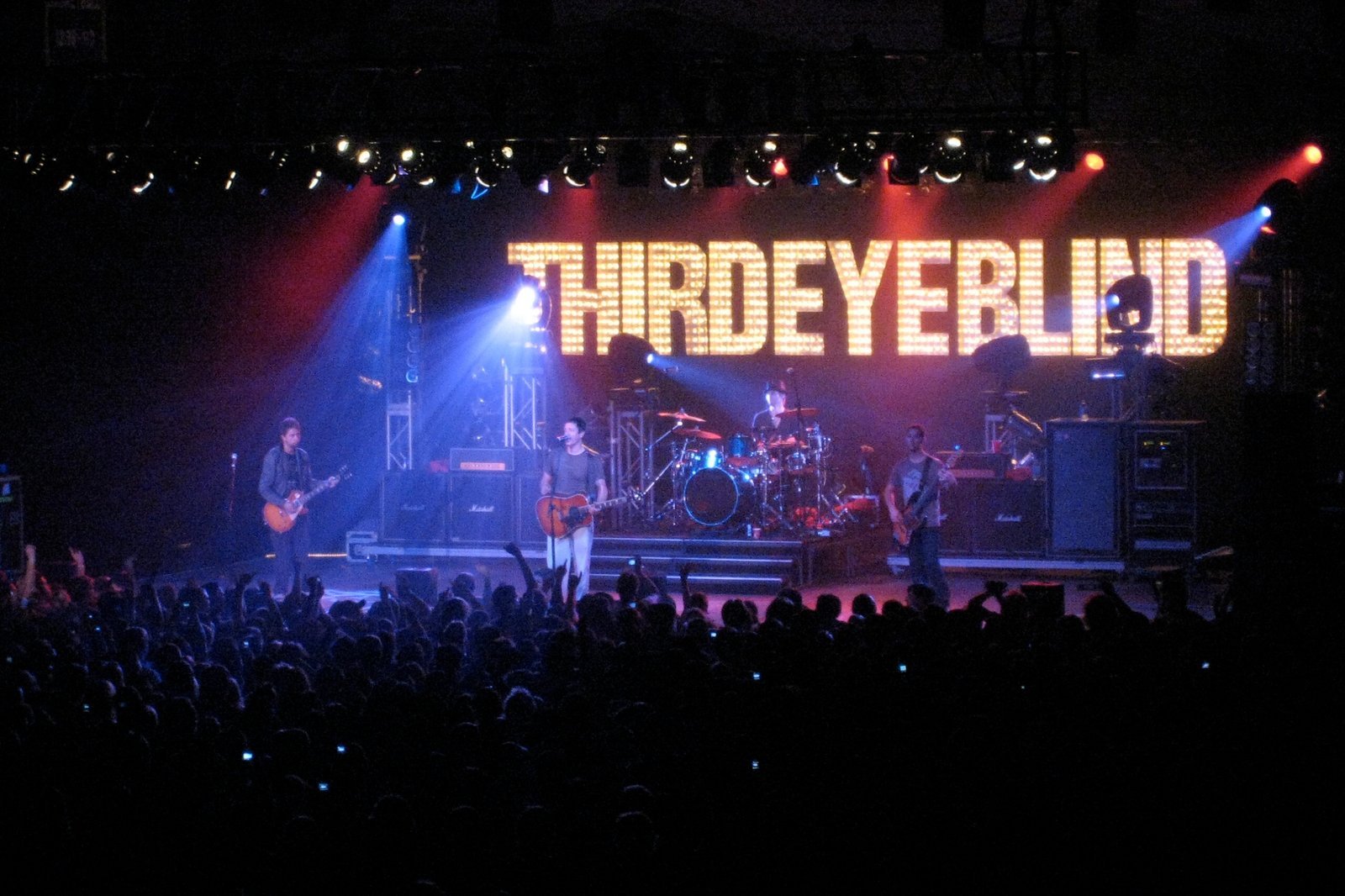
Its sunny riff suggests carefree adventures and bright vibes.
Stephan Jenkins hid crystal meth’s spiral, the cheer mimicking a high’s rush. Lyrics whisper addiction’s grip beneath the gloss.[2][3]
“Summer of ’69” by Bryan Adams
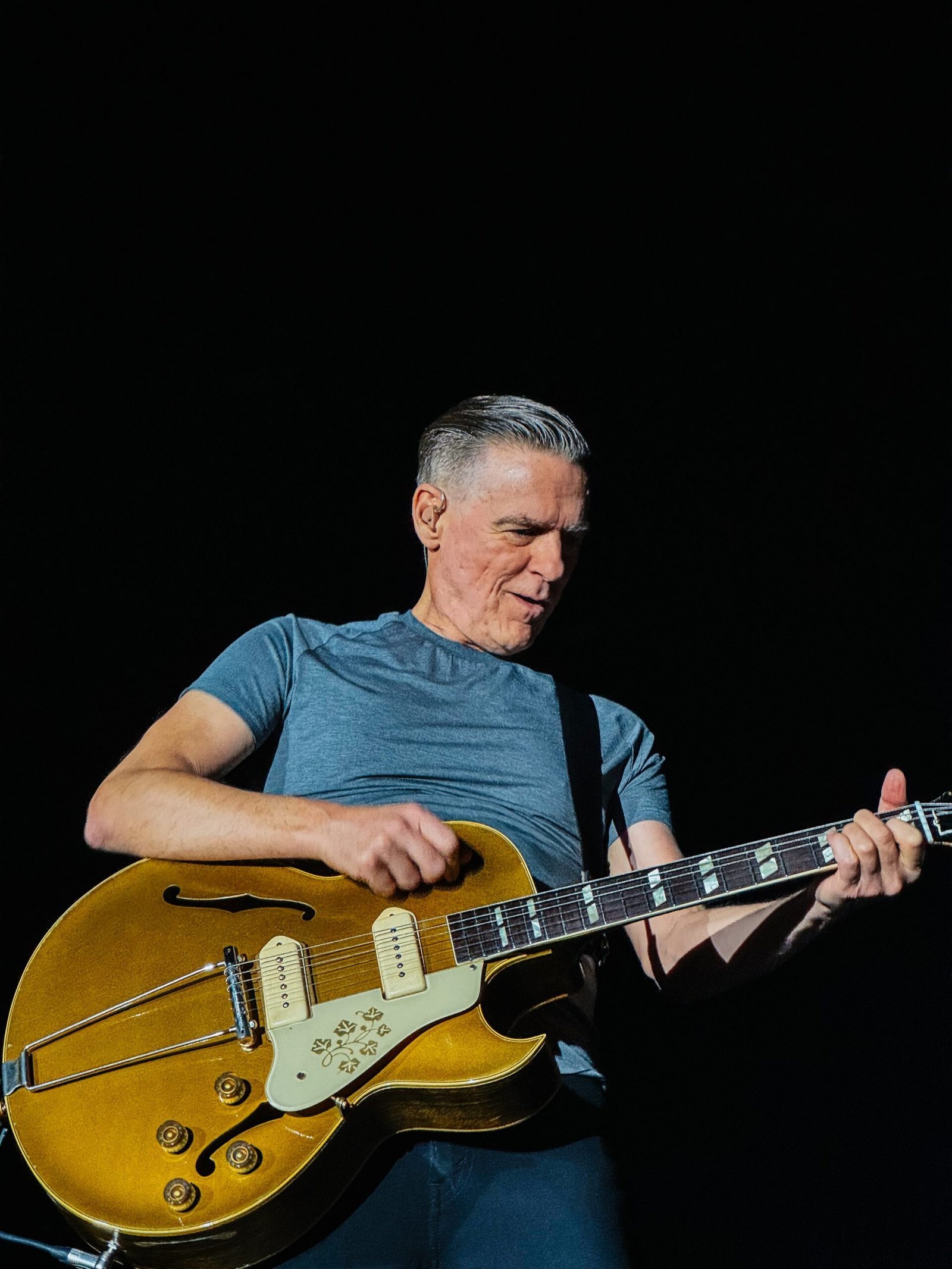
Nostalgia pegs it to 1969’s historic highs, like moon landings.
Adams evoked a steamy youthful romance, the year symbolizing peak thrills. Real guitars and bands fill the backdrop, but passion drives it.[2][3]
“Hotel California” by Eagles
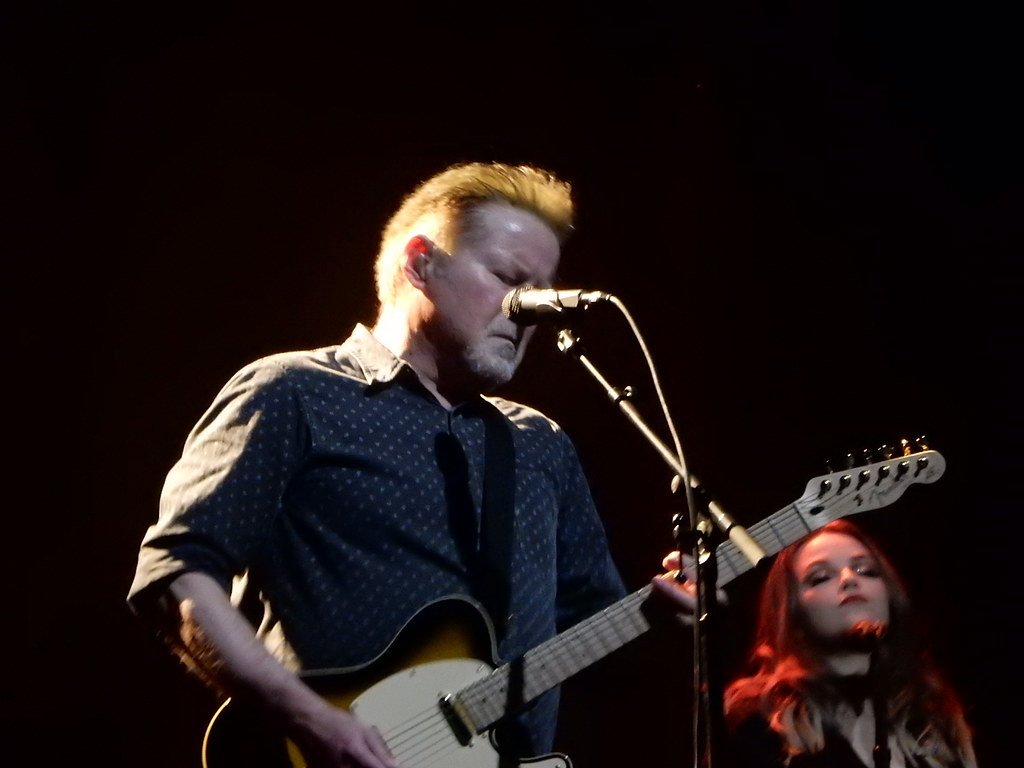
Conspiracy fans claim satanic rituals or inescapable drug dens.
It skewers LA’s lavish excess, the music industry’s seductive trap. Metaphors paint self-indulgence’s hollow core.[3]
Reinterpretation Over Time
Lyrics bend with listeners’ lives, gaining fresh skins across decades. What starts as personal confession becomes communal myth.
This fluidity keeps songs alive, inviting endless discovery. Yet revisiting origins sharpens the original intent, enriching the echo.[1]
CEO-Co-Founder
