

- 10 Legendary Summer Anthems That Defined a Generation of Festival-Goers - August 31, 2026
- True Art Transcends Generations, Speaking to Every Soul That Encounters It. - August 31, 2026
- 10 Fashion Trends From the Past That Deserve a Dramatic Comeback - August 31, 2026
Rock stars command arenas with raw energy and thunderous riffs. Yet many channel that intensity into pursuits requiring meticulous focus and deep knowledge, worlds away from spotlights and screaming crowds.
These hobbies reveal layers beneath the leather and distortion. They demand time, skill, and a quiet obsession that fuels the music in unexpected ways.[1][2]
Rod Stewart: Model Railroading Empires
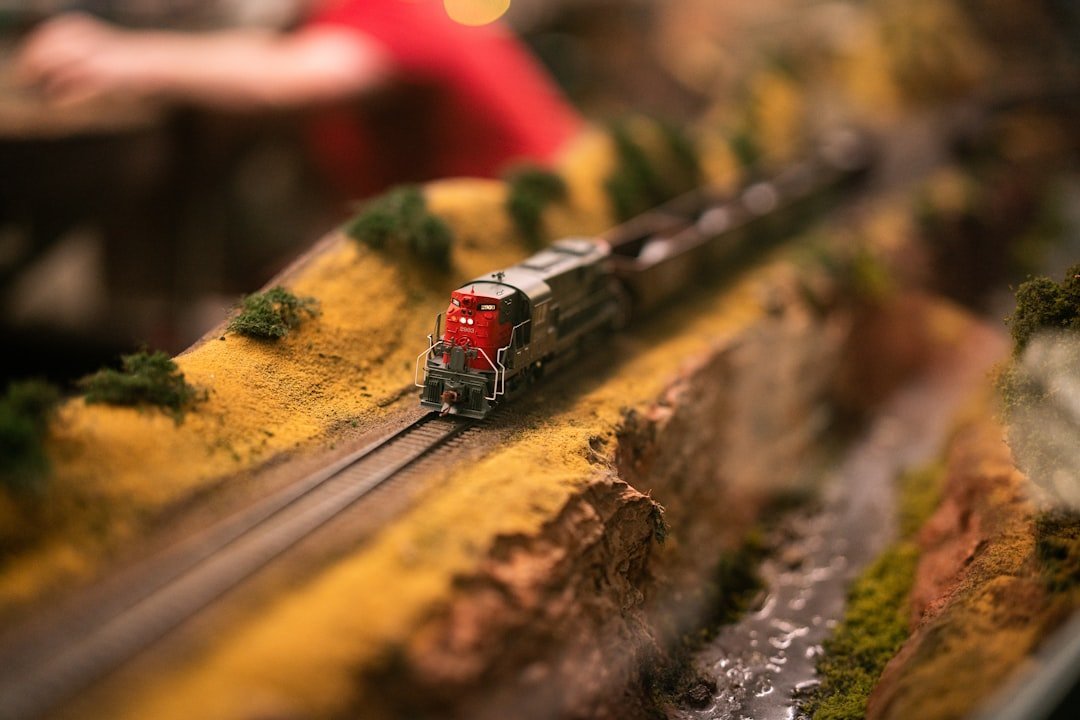
Rod Stewart crafts sprawling model train layouts that rival professional displays. His Three Rivers City setup recreates 1940s New York railroads with tiny passengers, buildings, and skylines in stunning detail. This lifelong passion even graced the cover of Model Railroader magazine, a bigger thrill for him than Rolling Stone.[2][3]
It’s surprising for a raspy-voiced party king known for hits like “Maggie May.” The hobby’s intricacy lies in wiring tracks, hand-painting scenery, and syncing lights, hours of solitude amid his rock life. Stewart connects it to creativity, saying it mirrors the patience needed for perfecting songs, building tiny worlds much like crafting anthems.[2]
Neil Young: Lionel Train Obsession
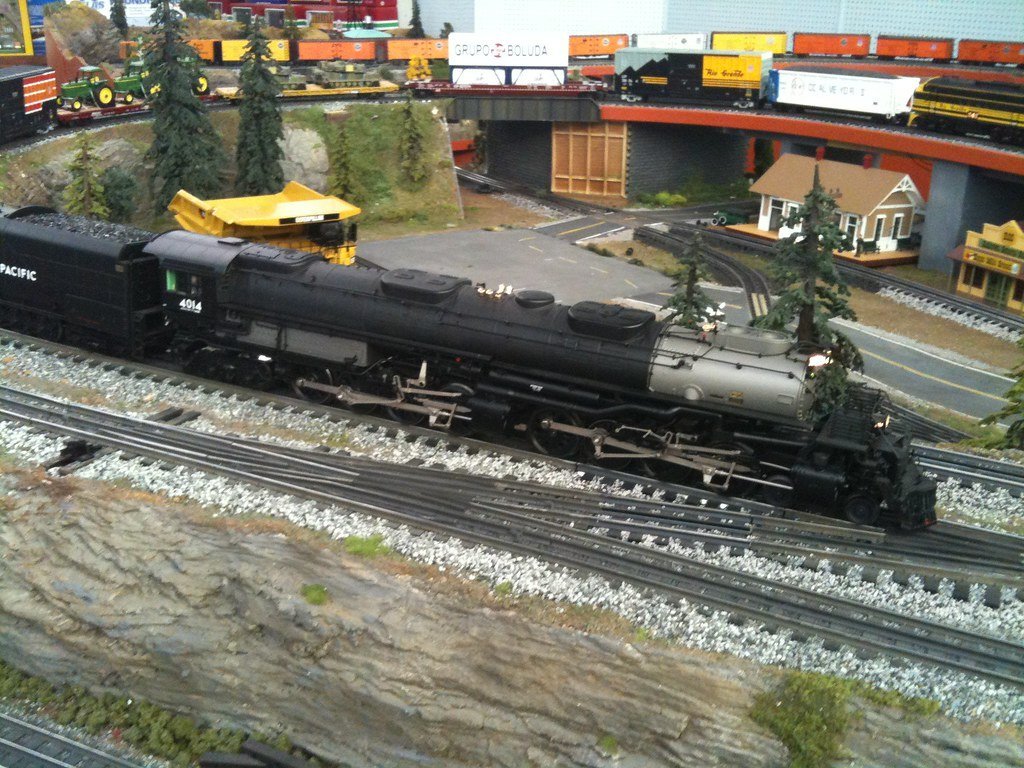
Neil Young’s ranch houses a 1,000-square-foot O-gauge train layout that spills outdoors. He co-designed Lionel trains and holds company stock, turning fandom into innovation. Classic Toy Trains magazine hailed it as one of the greatest setups ever.[2]
Few expect this from the protest folk-rock icon behind “Heart of Gold.” The surprise hits in the technical depth: custom electronics, sound systems, and scale-perfect landscapes demand engineering chops. It ties to his inventive songwriting, where tinkering with guitars parallels perfecting rail mechanisms for that seamless run.[3]
Roger Daltrey: Trout Farming Empire
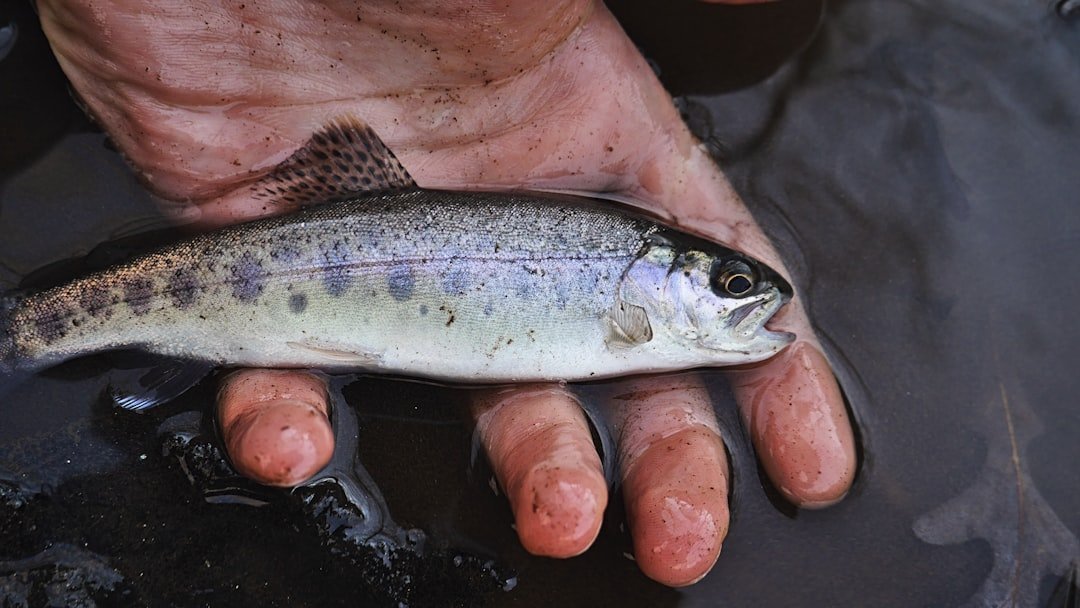
The Who’s frontman runs Lakedown Fishery, a four-lake trout haven he designed in East Sussex. He manages stocking, water flow, and habitats for optimal fish health, creating a peaceful retreat. A documentary even spotlighted his breeding expertise.[2][3]
Hard to picture the windmill-smashing screamer tending fish ponds. Its intricacy involves ecology, feeding cycles, and landscape engineering, far from stadium chaos. Daltrey links it to vocal stamina, the calm focus sharpening his stage power much like nurturing life underwater.[2]
Bruce Dickinson: Elite Fencing
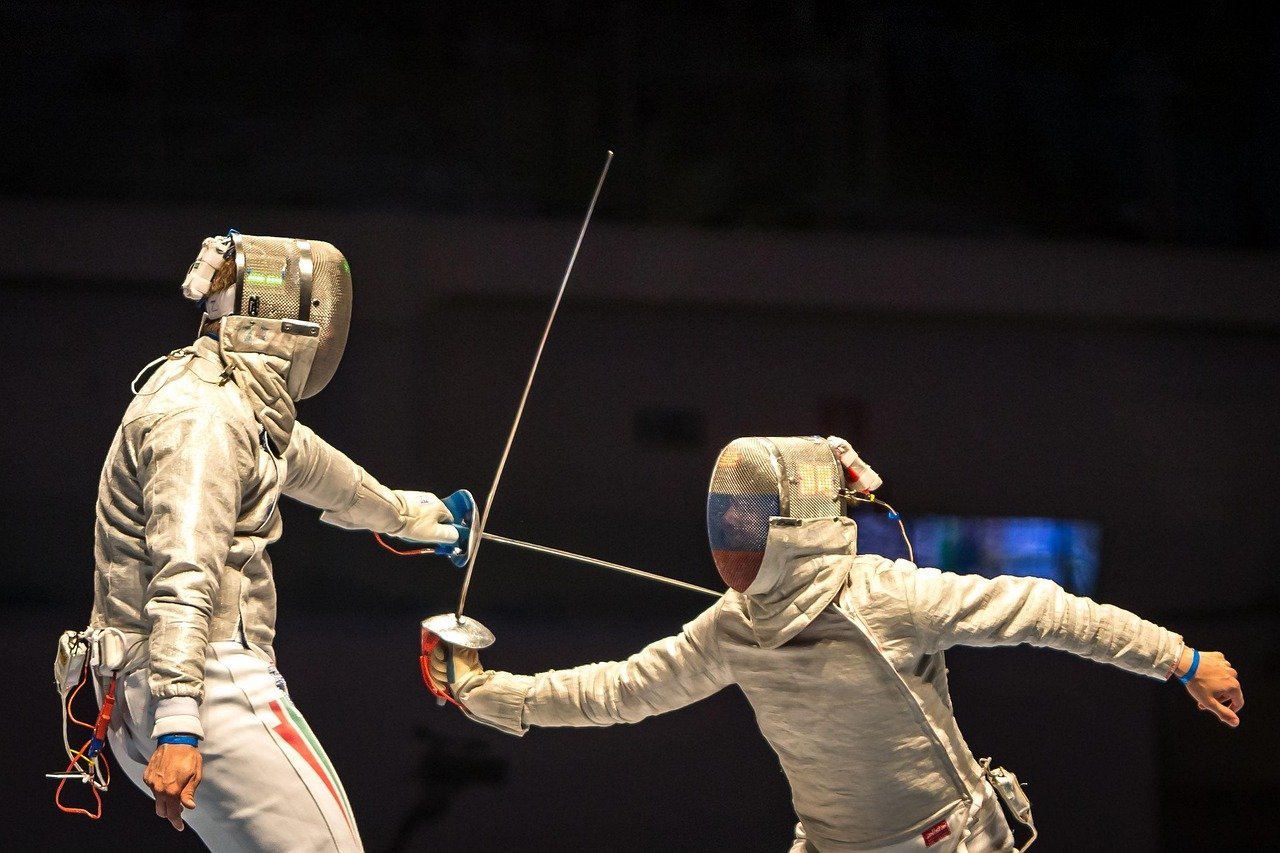
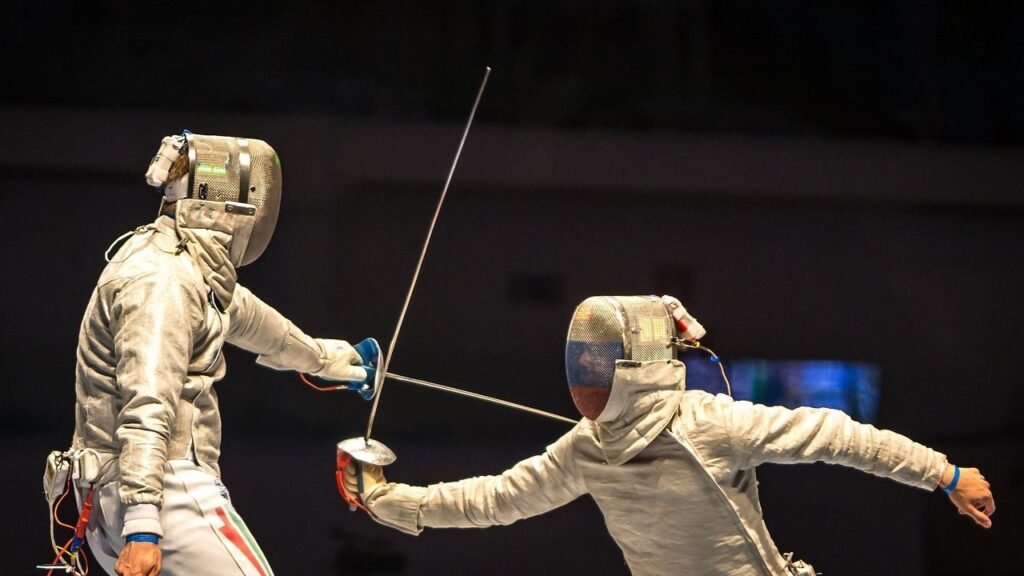
Iron Maiden’s singer holds a UK ranking of number seven in fencing. He trains rigorously, competing at champion levels with precise footwork and blade control. This pairs with his piloting, but fencing stands out for its discipline.[2]
Shocking for the operatic metal howler in corpse paint tours. The sport’s finesse – parries, lunges, split-second reads – contrasts his soaring vocals. It hones his creativity, the strategic mind fueling epic lyrics and Ed Force One flights alike.[1]
Dickinson approaches it with total dedication, blending athleticism and intellect.
Brian May: Astrophysics and Stereoscopy

Queen’s guitarist earned a PhD in astrophysics, studying zodiacal dust. He collects vintage stereo cards and invented the OWL stereoscope for 3D viewing. His work spans science papers to telescope designs.[2]
Astrophysics from the “Bohemian Rhapsody” shredder? Vastly intricate, involving math models and cosmic data far beyond stadiums. May sees parallels in creativity: layering guitar harmonies mirrors mapping stars, both quests for hidden depths.[2]
Steve Vai: Beekeeping Expertise
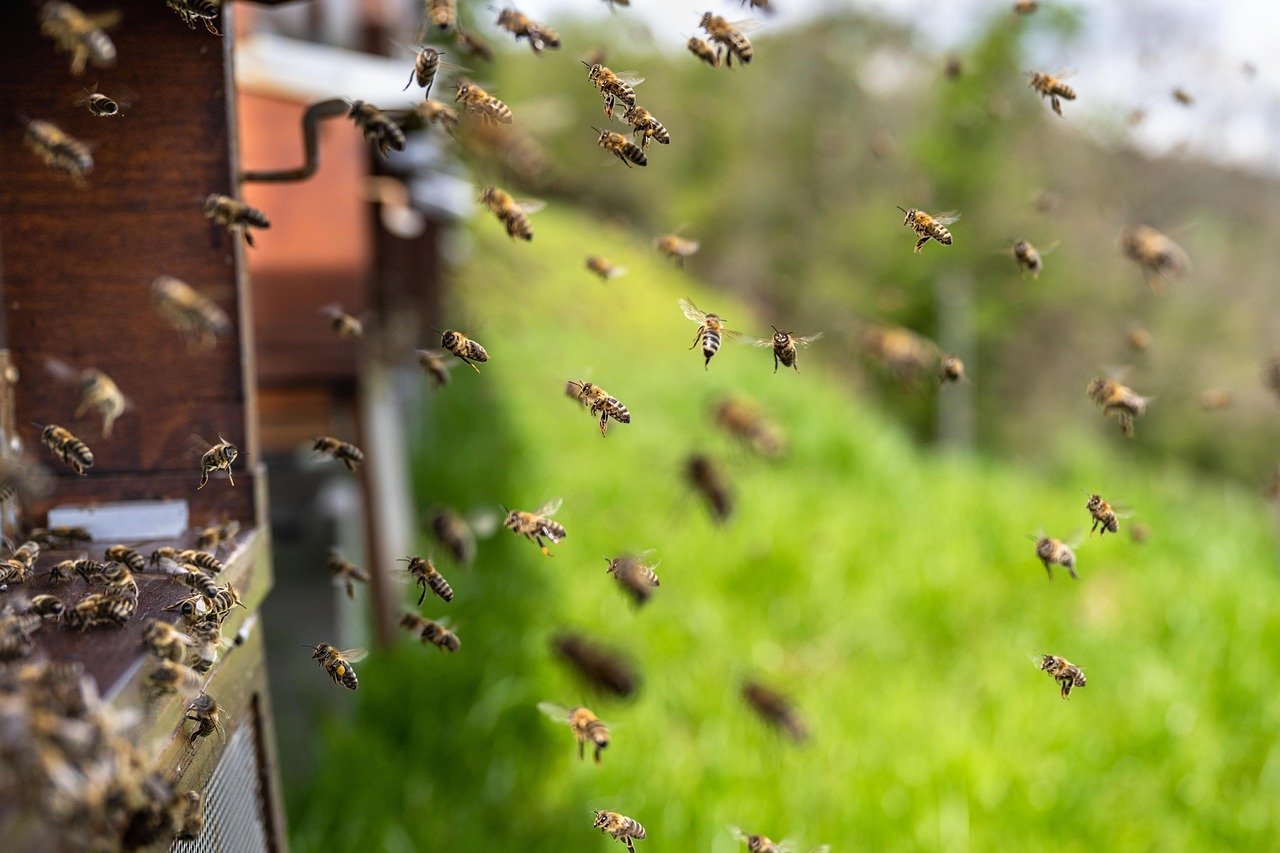
Virtuoso guitarist Steve Vai tends five hives after rescuing a neighbor’s swarm. He studies bee behavior, bottles honey for gifts, and shares insights on pollination cycles. It’s a hands-on apiary operation.[3]
Unexpected for the alien-finger tapping wizard. Intricacy shines in hive management, queen rearing, and swarm prevention, a delicate ecosystem balance. Vai connects it to music’s flow, harmonies in hives echoing his complex compositions.[1]
Maynard James Keenan: Winemaking Craft
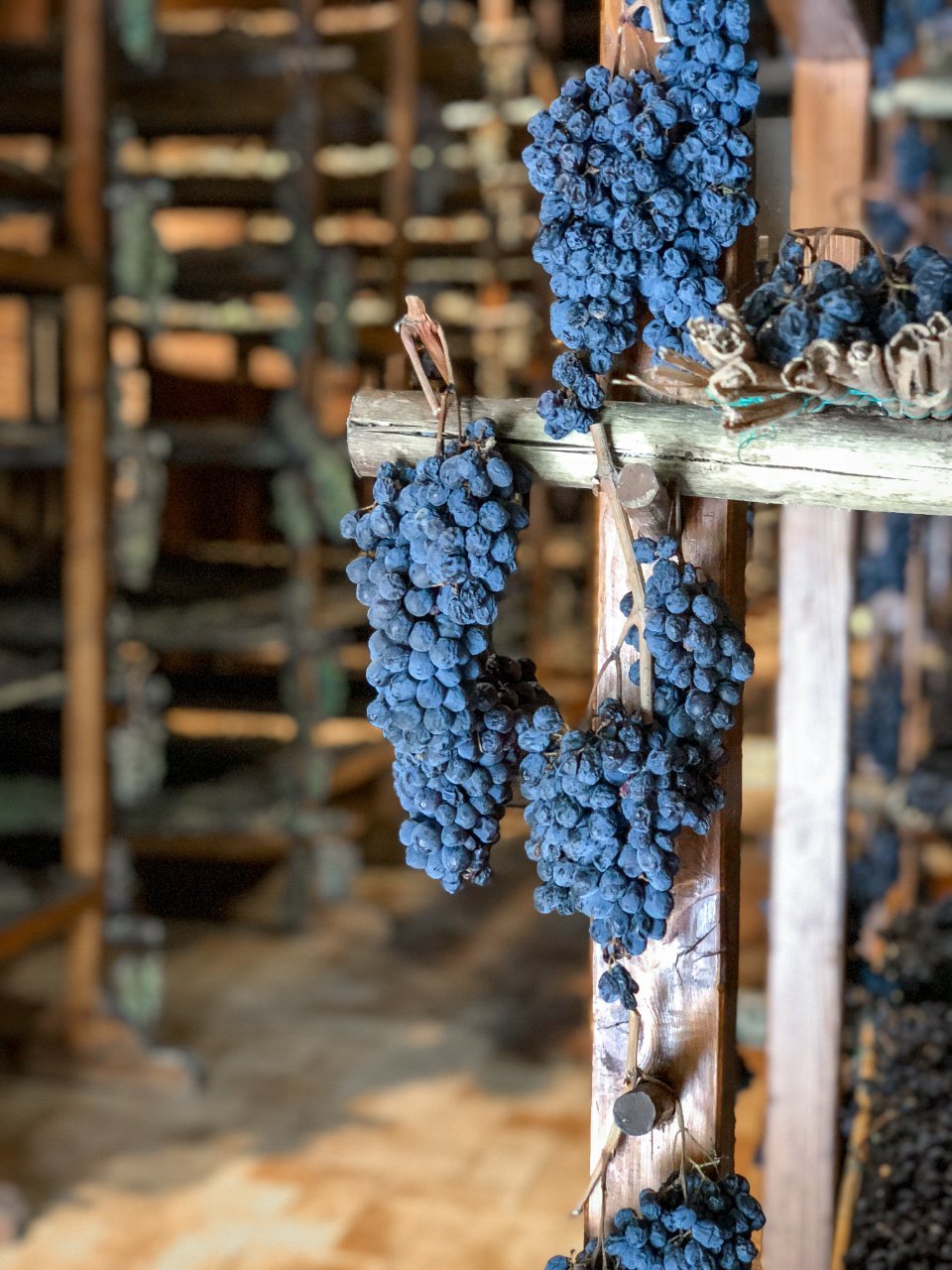
Tool’s enigmatic frontman owns Caduceus Cellars, laboring through harvests for award-winning wines like Nagual del Marzo. His 6,000-bottle collection reflects years of blending and aging expertise in Arizona.[1][2]
Prog-metal mystery man as vintner? The process – vine tending, fermentation tweaks, barrel choices – is profoundly detailed. It mirrors his lyrics’ layered mysticism, sensory art translating to soundscapes on stage.
James Hetfield: Apiary Mastery
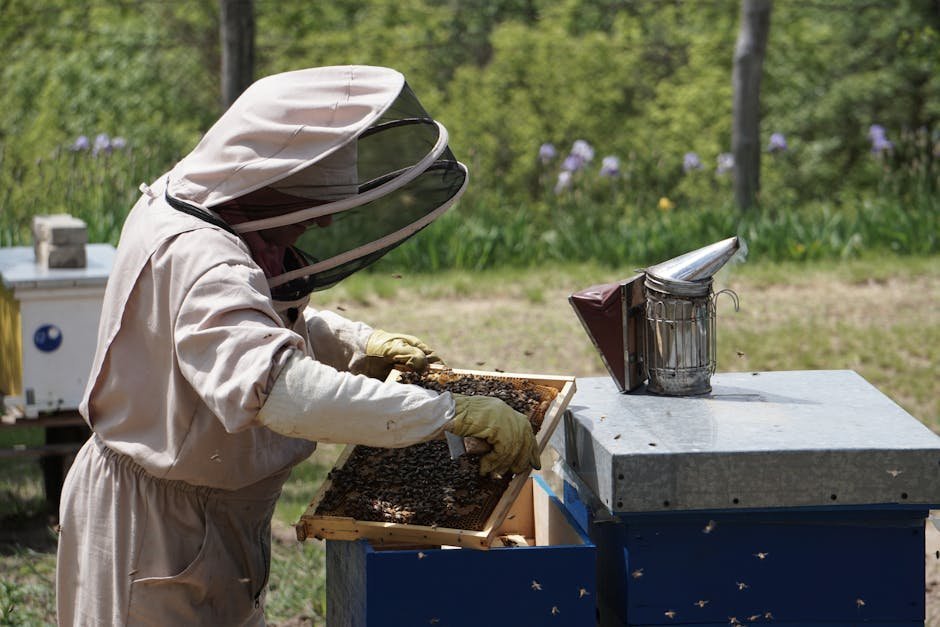
Metallica’s thrash king keeps bees, gifting honey to crew and detailing defenses like banana pheromones mimicking attacks. He learned hive specifics on Joe Rogan, avoiding black suits to dodge bear mix-ups.[1]
Wild contrast to “Master of Puppets” fury. Beekeeping’s nuance – wax capping, varroa mite control – builds quiet precision. Hetfield nods to creativity, bee societies inspiring riffs like “The Thing That Should Not Bee.”[2]
Ronnie Wood: Prolific Painting

Rolling Stones guitarist Ronnie Wood, Ealing Art College alum, paints oil portraits of bandmates and rock scenes. His sketches capture raw energy in vivid strokes, sold as serious art.[2]
Party axeman as fine artist? Technique demands composition, shading, and emotion, intricate like guitar solos. Wood uses it for reflection, visual riffs extending his stage expression into canvas life.[2]
Ian Anderson: Salmon Farming

Jethro Tull’s flautist ran a salmon farm on Scotland’s Isle of Skye, overseeing pens, feeds, and harvests until the 1990s. It involved marine biology and business savvy.[2]
Folk-prog pioneer farming fish? The operation’s complexity – water quality, smolt rearing, disease watch – stuns. Anderson ties it to progressive creativity, sustainable cycles echoing Tull’s conceptual albums.[2]
Nick Mason: Vintage Car Racing
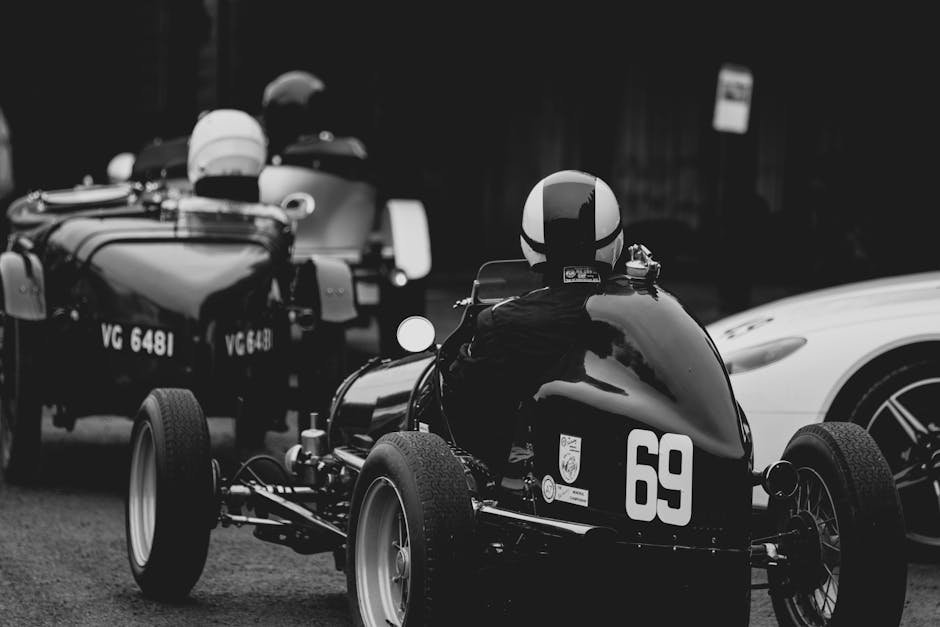
Pink Floyd’s drummer owns over 40 rare cars through Ten Tenths, racing Ferraris like the 250 GTO. He tackled Le Mans 24 Hours five times, mastering mechanics and tracks.[2]
Psychedelic beat keeper as racer? Intricacies include engine tuning, aerodynamics, and endurance strategy. Mason links it to rhythm, pulse of engines fueling drum patterns in the studio.[2]
Lives Beyond the Music
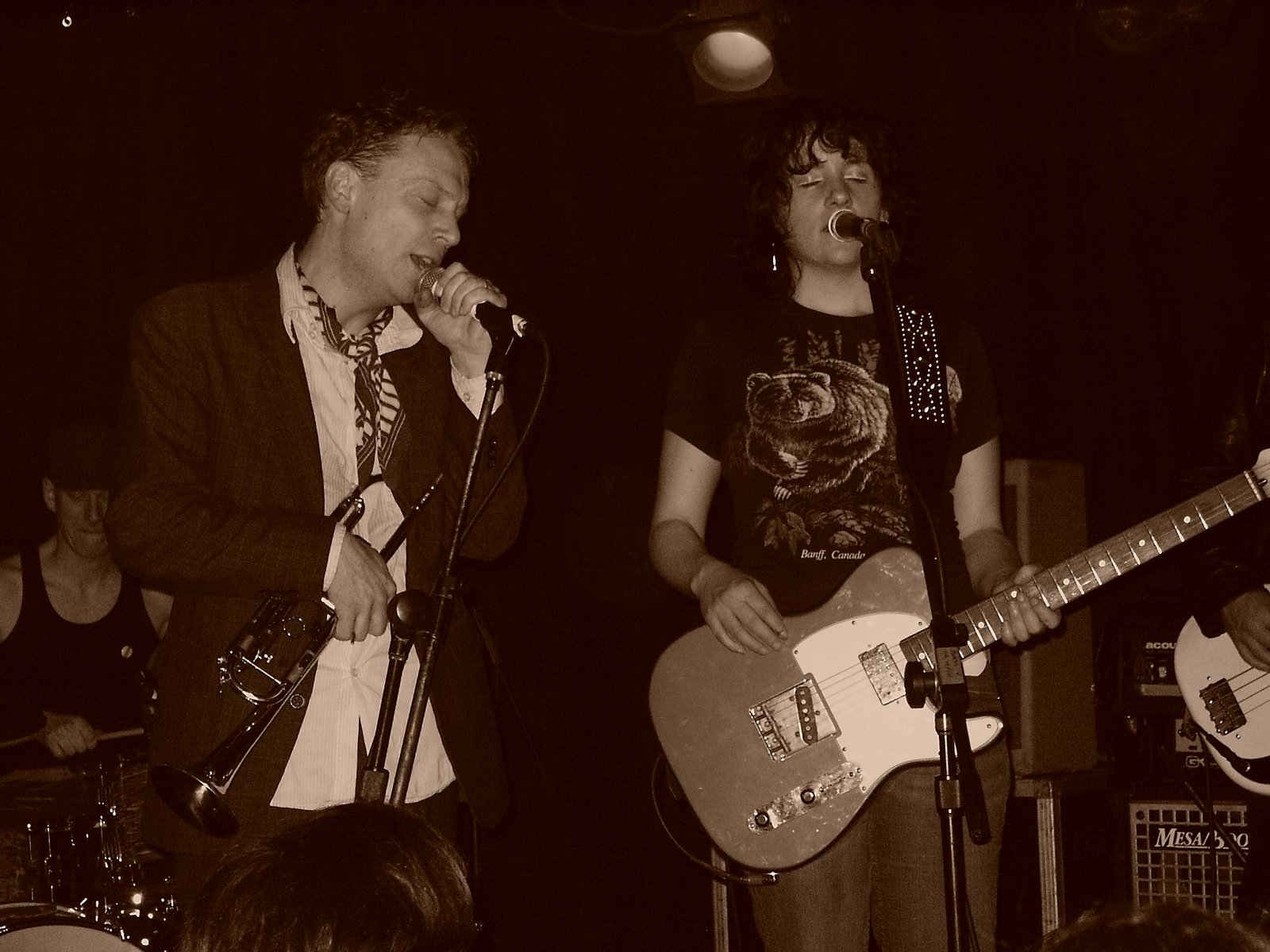
These rock stars prove creativity thrives in hidden corners. Hobbies like rail building or bee tending sharpen the edge that powers their sound.
Far from amplifiers, they craft with hands and minds. That depth keeps the music alive, long after the encores fade.[3][1][2]
CEO-Co-Founder
