

For any feedback please reach out to info@festivalinside.com
- 15 Forgotten TV Show Theme Songs That Are Still Incredibly Catchy - August 31, 2026
- Every Masterpiece Holds a Secret Story of Its Creation Within Its Depths. - August 31, 2026
- 10 Groundbreaking Scientific Discoveries That Revolutionized Daily Life - August 31, 2026
Many picture writers as solitary figures hunched over desks in quiet rooms. The reality often proved far more unsettled, with personal upheavals that rivaled anything they put on the page.
These thirteen figures lived through events that tested their endurance and reshaped their creative output in lasting ways.
Edgar Allan Poe
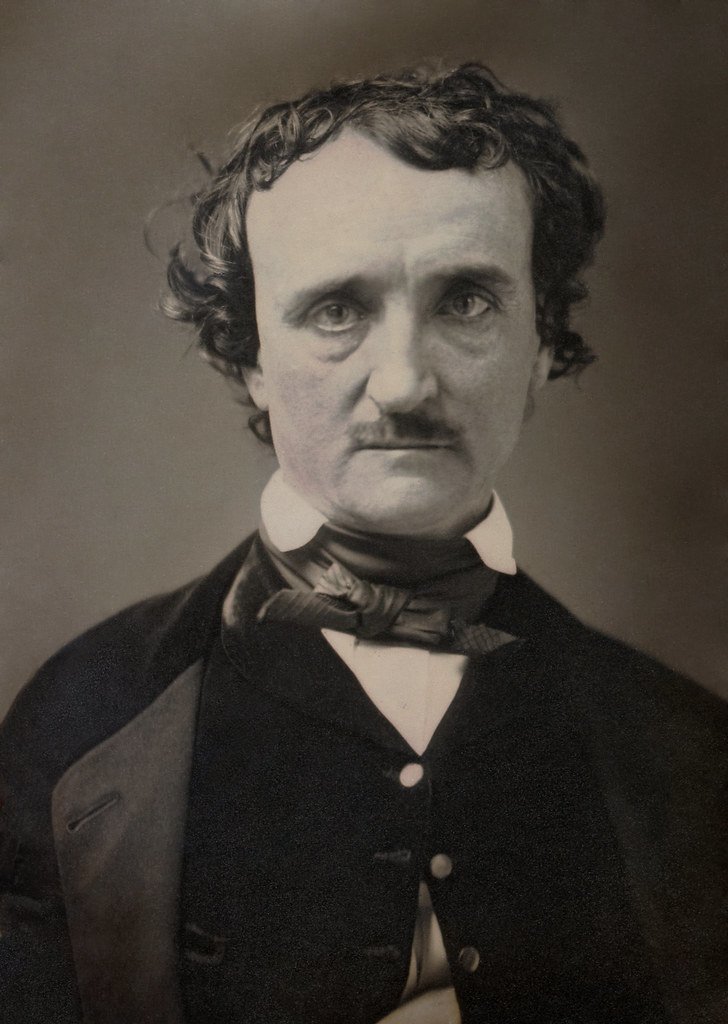
Edgar Allan Poe endured chronic poverty and repeated family tragedies from an early age. His mother died when he was two, and he later married his thirteen year old cousin who succumbed to tuberculosis after a long illness. Gambling debts and unstable employment added constant pressure during his adult years.
These hardships colored his fiction with recurring motifs of loss, madness, and premature death. Stories such as The Fall of the House of Usher and poems like The Raven draw on the atmosphere of grief and isolation he knew firsthand. His work gained its haunting intensity from the very circumstances that made daily life precarious.
Mary Shelley
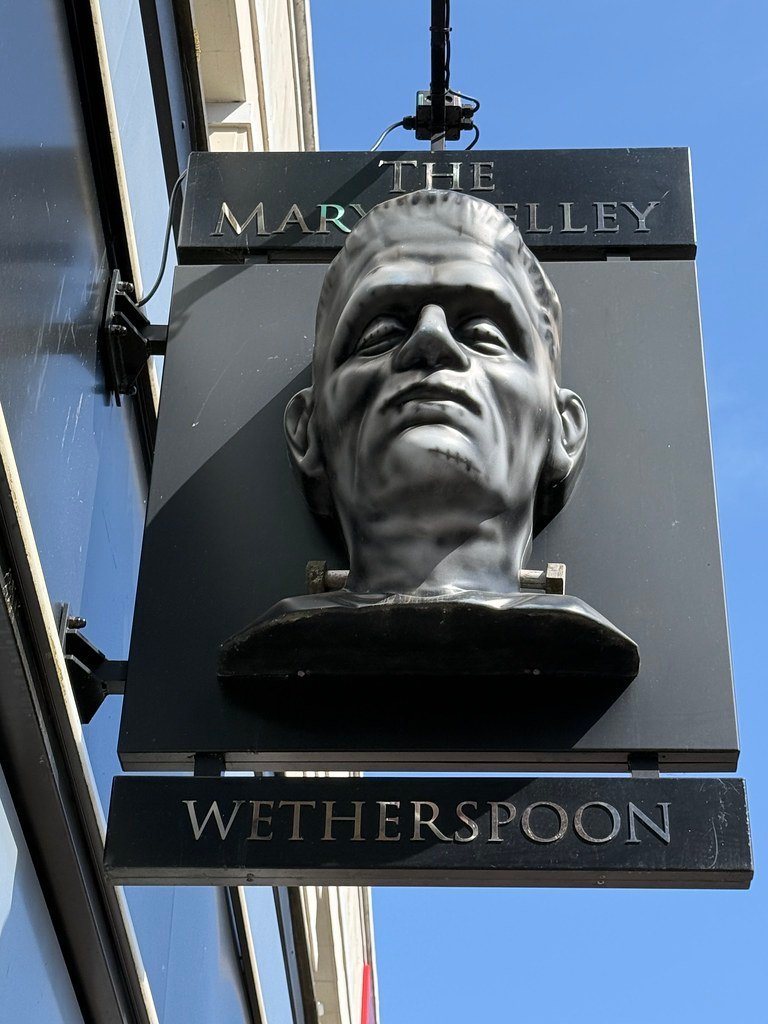
Mary Shelley eloped with the married poet Percy Bysshe Shelley at seventeen and faced the deaths of three of their children in infancy. Her husband drowned in a boating accident when she was twenty four, leaving her to raise their surviving son alone. She also navigated financial strain and social ostracism after the scandal of their relationship.
These losses surface in Frankenstein through themes of creation, abandonment, and irreversible consequences. The novel explores the pain of parental rejection and the isolation of its creature, mirroring Shelley’s own experiences of grief and outsider status. Her later writings continued to reflect the emotional weight of those early years.
Fyodor Dostoevsky
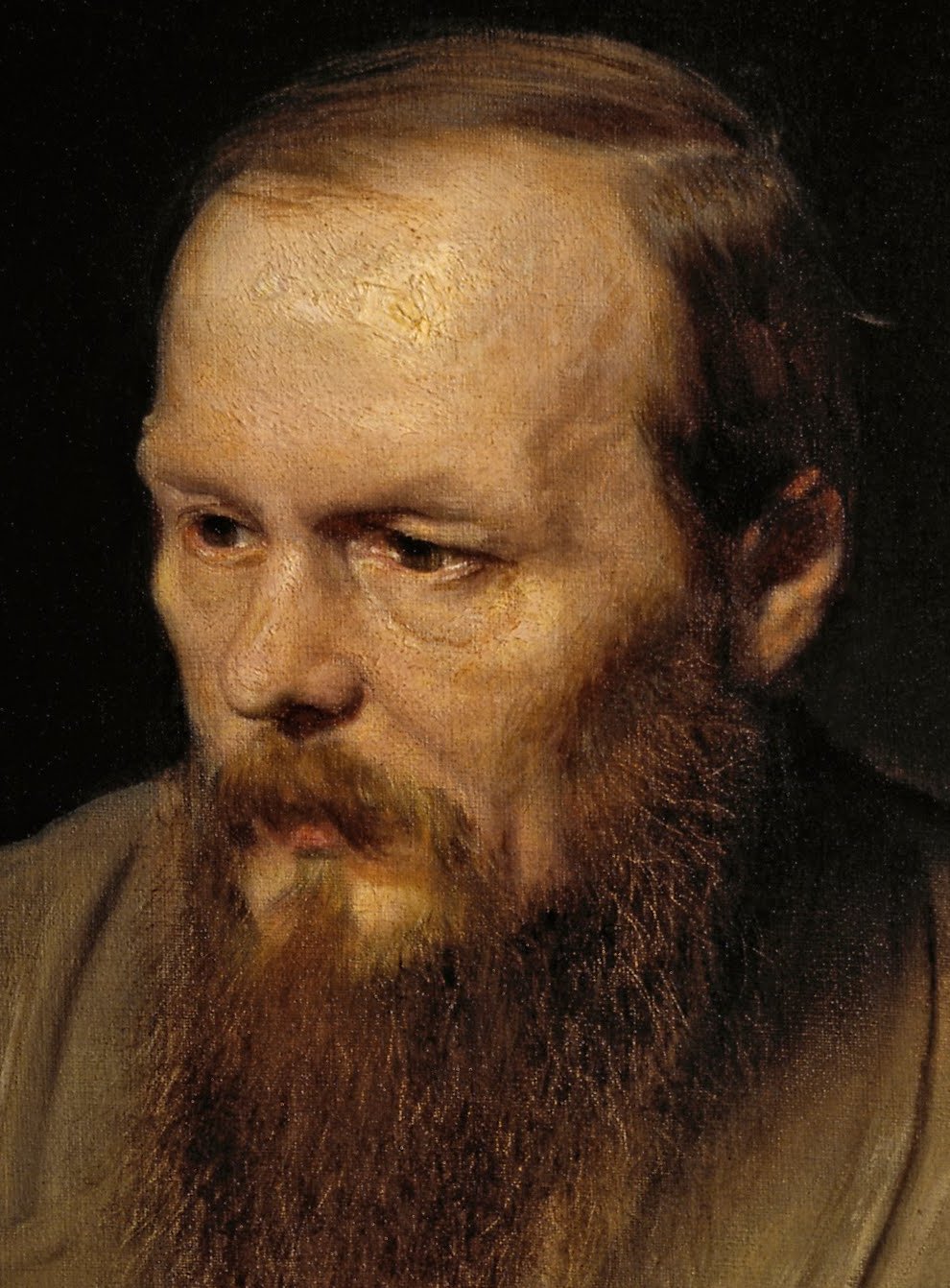
Fyodor Dostoevsky was arrested for political activities and sentenced to death by firing squad, only to receive a last minute reprieve. He then spent four years in a Siberian labor camp where harsh conditions triggered lifelong epilepsy. Family conflicts and gambling addiction further complicated his later decades.
The near execution and prison ordeal deepened his interest in suffering, redemption, and moral extremes. Novels such as Crime and Punishment and The Brothers Karamazov examine guilt, faith, and human resilience in ways that echo his own brushes with mortality and injustice. His characters often confront the same psychological depths he had navigated in real life.
Ernest Hemingway
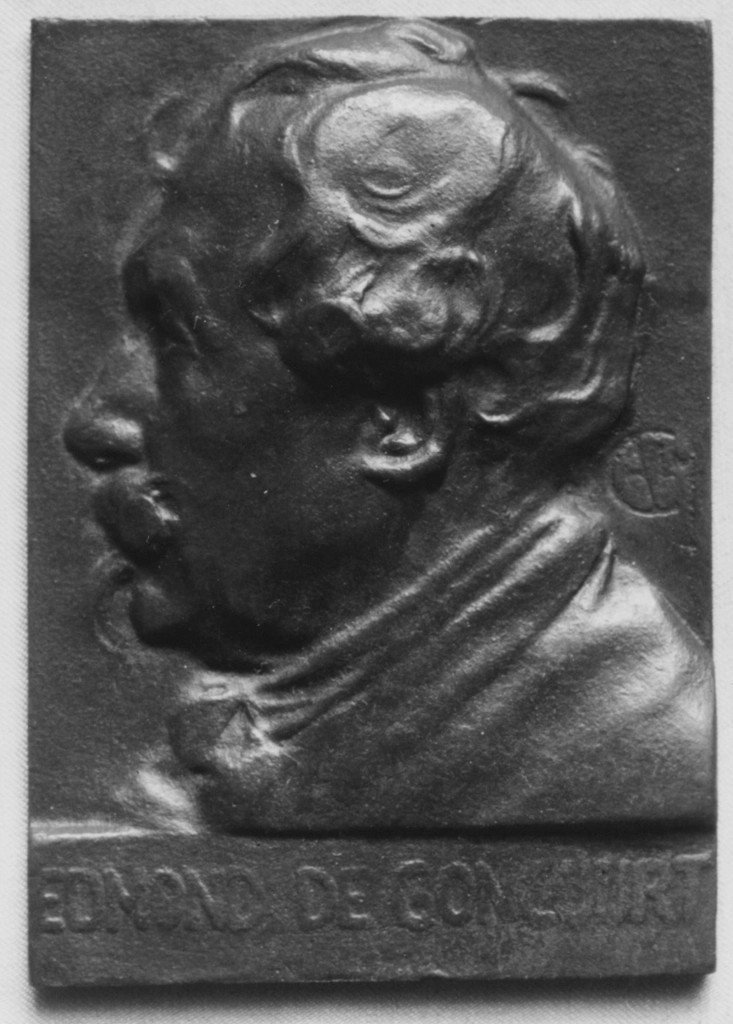
Ernest Hemingway served as an ambulance driver in World War I and was seriously wounded, then covered multiple wars as a journalist. He survived two plane crashes in Africa that left him with lasting injuries, endured four marriages, and struggled with depression in his final years before taking his own life.
These experiences shaped his spare prose and focus on courage under pressure. Works like A Farewell to Arms and The Old Man and the Sea capture the physical and emotional toll of conflict and personal defeat. His writing often distilled the stoic endurance he practiced amid repeated brushes with danger.
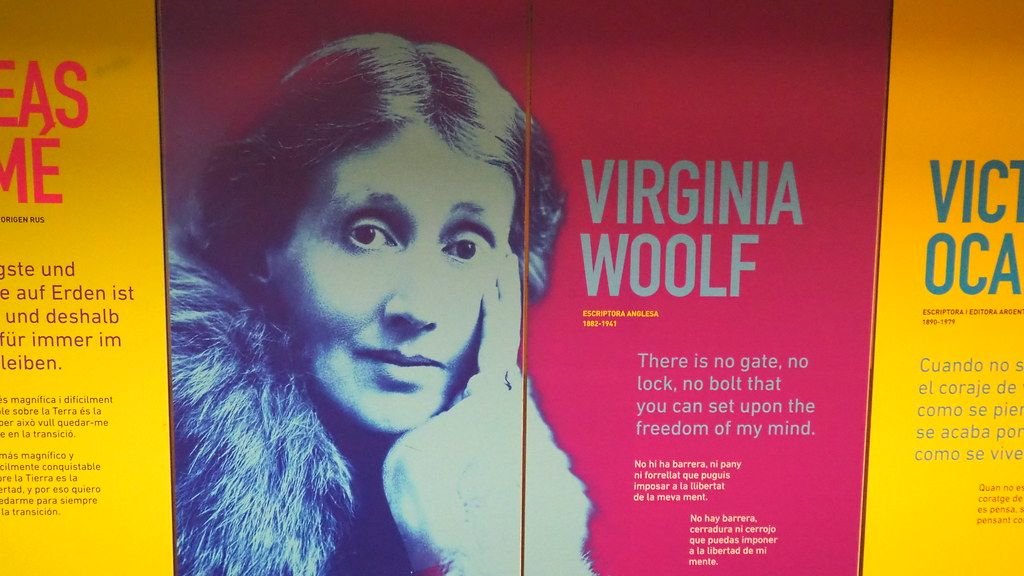
Virginia Woolf
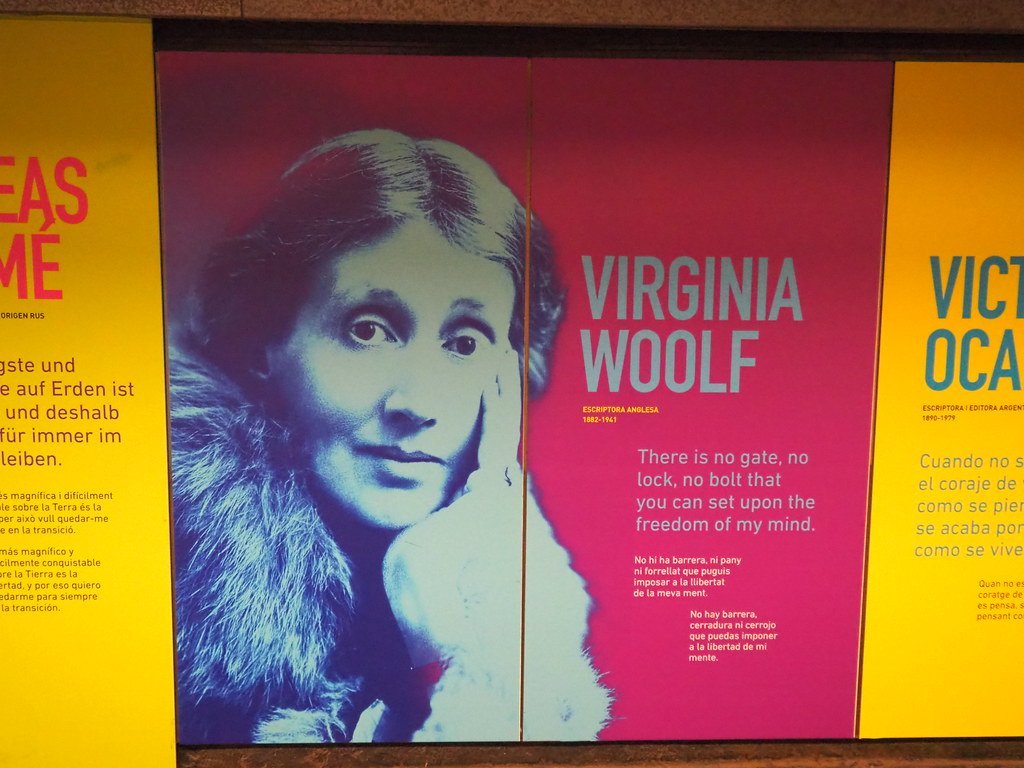
Virginia Woolf suffered repeated mental breakdowns triggered by the deaths of her mother and half sister during her teenage years. She endured institutionalizations and the constant threat of relapse throughout her life, culminating in her suicide by drowning in 1941. Domestic tensions and the pressures of the literary world added further strain.
Her novels explore consciousness, time, and the fragility of the self in ways that reflect these inner struggles. To the Lighthouse and Mrs. Dalloway use stream of consciousness techniques to convey the weight of memory and emotional turbulence. The personal intensity of her experiences lent her fiction its distinctive psychological depth.
Oscar Wilde
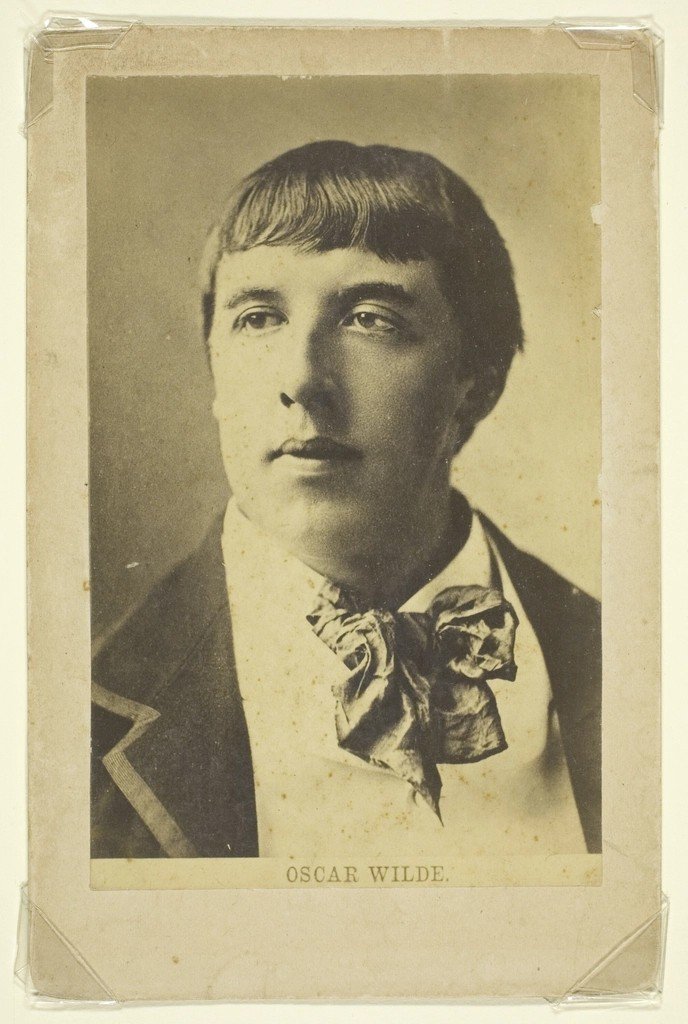
Oscar Wilde faced public trial and imprisonment for gross indecency after a failed libel suit against the Marquess of Queensberry. He served two years of hard labor that damaged his health and reputation, then lived in exile under an assumed name until his death. Earlier scandals involving his personal relationships had already drawn intense scrutiny.
The prison experience informed his later writings on suffering and forgiveness. The Ballad of Reading Gaol and De Profundis convey the dehumanizing effects of incarceration and the search for meaning amid disgrace. His earlier comedies of manners gained an added layer of irony from the contrast with his own downfall.
Franz Kafka
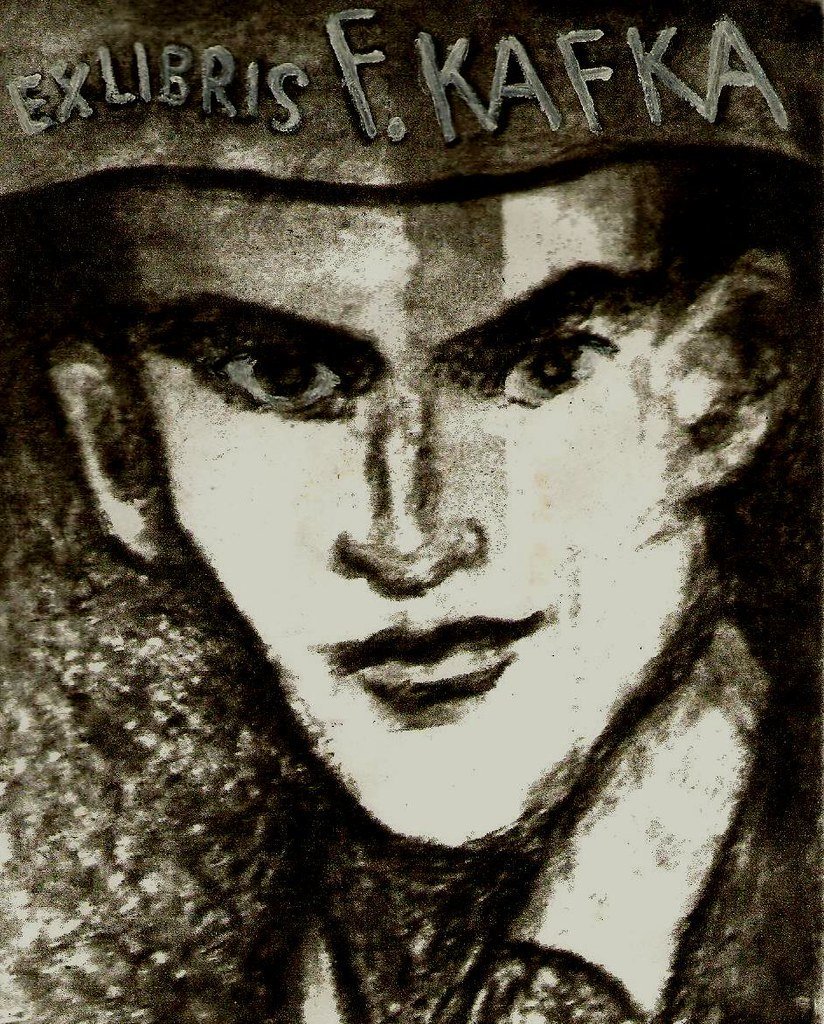
Franz Kafka maintained a strained relationship with his domineering father and worked in an insurance office that left little time for writing. He battled tuberculosis for years, which eventually forced him to stop working and led to his early death at forty. He also destroyed much of his own work and instructed that the rest be burned after he died.
These tensions appear in his fiction through themes of alienation, authority, and the absurdity of existence. The Trial and The Metamorphosis portray protagonists trapped by incomprehensible systems and family expectations. His spare, nightmarish style grew directly from the sense of powerlessness he felt in daily life.
Sylvia Plath

Sylvia Plath lost her father at age eight and battled severe depression that led to multiple suicide attempts, including one at twenty that required hospitalization. Her marriage to Ted Hughes ended amid infidelity and emotional turmoil, and she raised two young children alone in the months before her death by suicide in 1963.
These events fueled the raw intensity of her poetry and novel. The Bell Jar draws on her own experiences of mental illness and institutionalization, while collections like Ariel confront rage, identity, and mortality with unflinching honesty. Her work transformed personal anguish into a powerful exploration of inner conflict.
Lord Byron
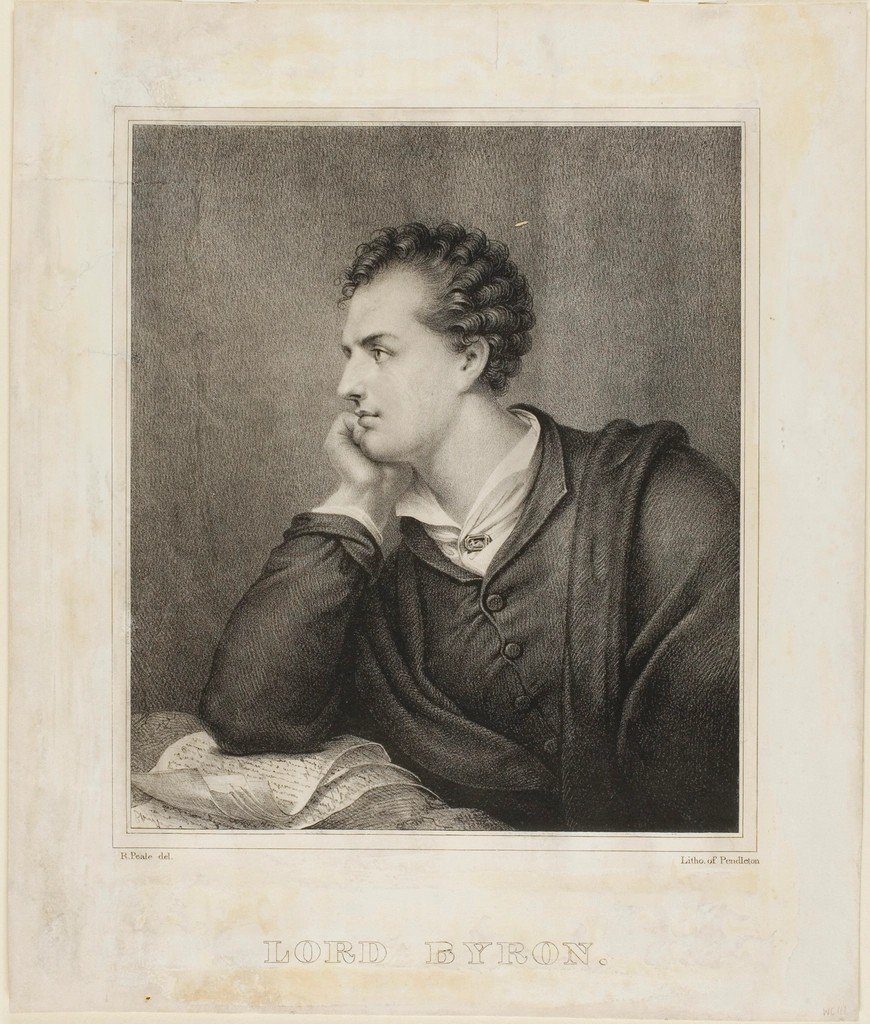
Lord Byron conducted numerous scandalous affairs, including one with his half sister that forced him into exile from England. He fought for Greek independence, contracted a fatal fever during the campaign, and left behind a trail of debts and broken relationships throughout his short life.
His adventurous and defiant existence infused his poetry with themes of rebellion and passionate excess. Works such as Don Juan and Childe Harold’s Pilgrimage celebrate freedom and critique society in ways that mirrored his own rejection of convention. The romantic intensity of his verse reflected the dramatic choices he made in reality.
Percy Bysshe Shelley
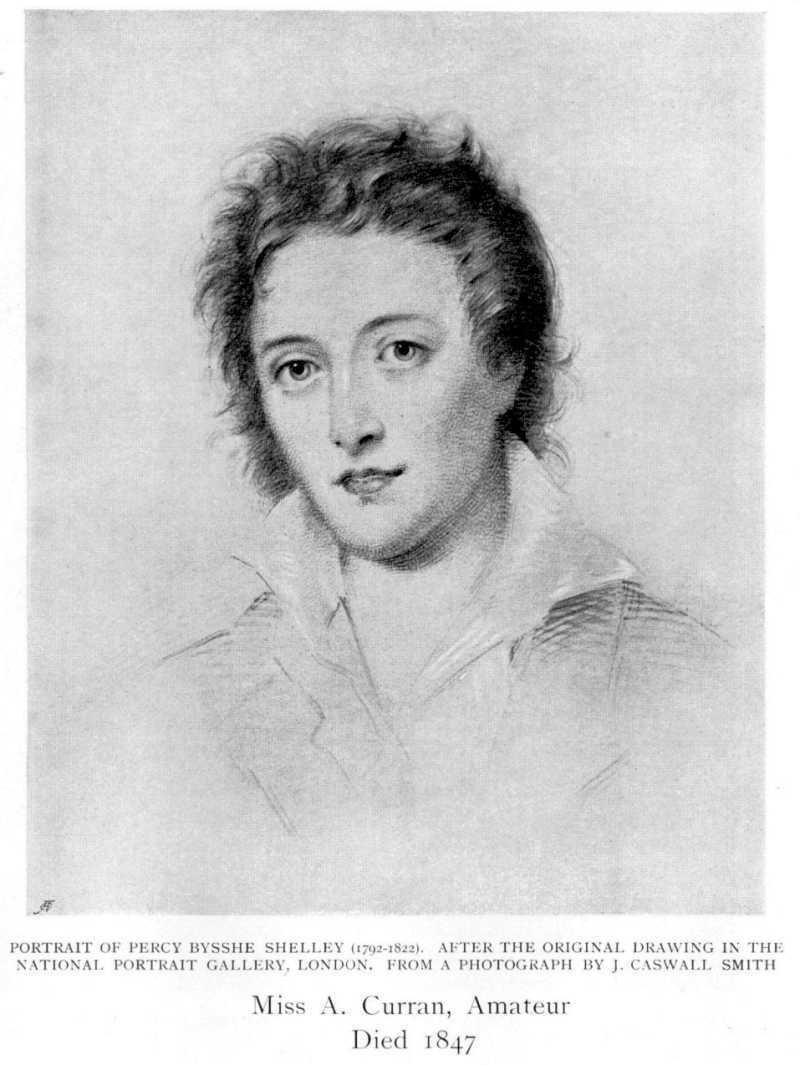
Percy Bysshe Shelley eloped with a sixteen year old, faced the suicide of his first wife, and later drowned at twenty nine during a storm at sea. He endured political persecution for his radical views and lost custody of his children from his first marriage due to his unconventional lifestyle.
These upheavals appear in his poetry through calls for social change and meditations on mortality. Prometheus Unbound and Ode to the West Wind blend personal defiance with broader visions of renewal. His work carries the urgency of someone who lived on the edge of both scandal and early death.
Leo Tolstoy
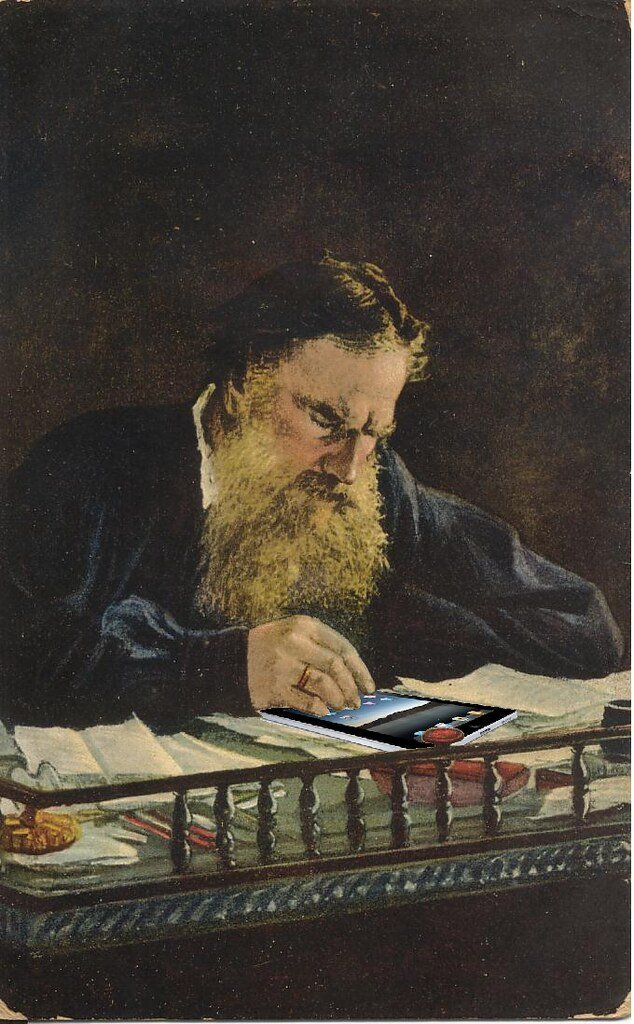
Leo Tolstoy participated in the Crimean War, witnessed brutal combat, and later renounced his aristocratic wealth and writings in favor of a simple peasant life. Family conflicts over his new beliefs led to estrangement from his wife and children in his final years.
These shifts influenced his later novels and essays on morality and nonviolence. War and Peace and Anna Karenina examine the search for meaning amid war, society, and personal crisis. His fiction gained philosophical weight from the spiritual crisis he endured in middle age.
F. Scott Fitzgerald
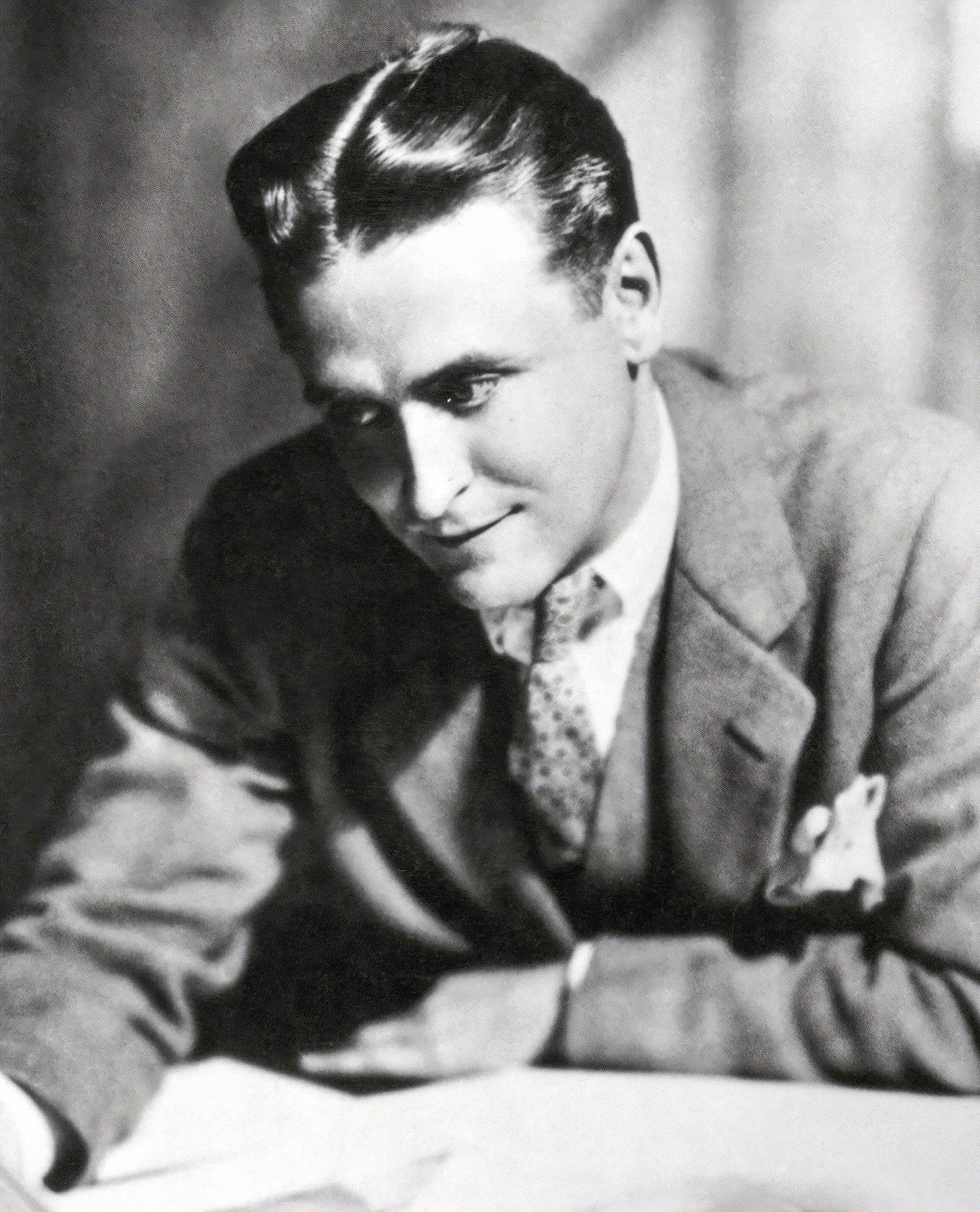
F. Scott Fitzgerald struggled with alcoholism and watched his wife Zelda descend into mental illness that required repeated institutionalization. Financial pressures forced him into Hollywood screenwriting, and he died of a heart attack at forty four while working on his final novel.
These strains surface in his portrayals of ambition, excess, and disillusionment. The Great Gatsby and Tender Is the Night capture the glamour and emptiness of the Jazz Age through characters whose lives unravel under personal and social pressures. His prose often reflected the fragility he observed in his own circle.
Herman Melville
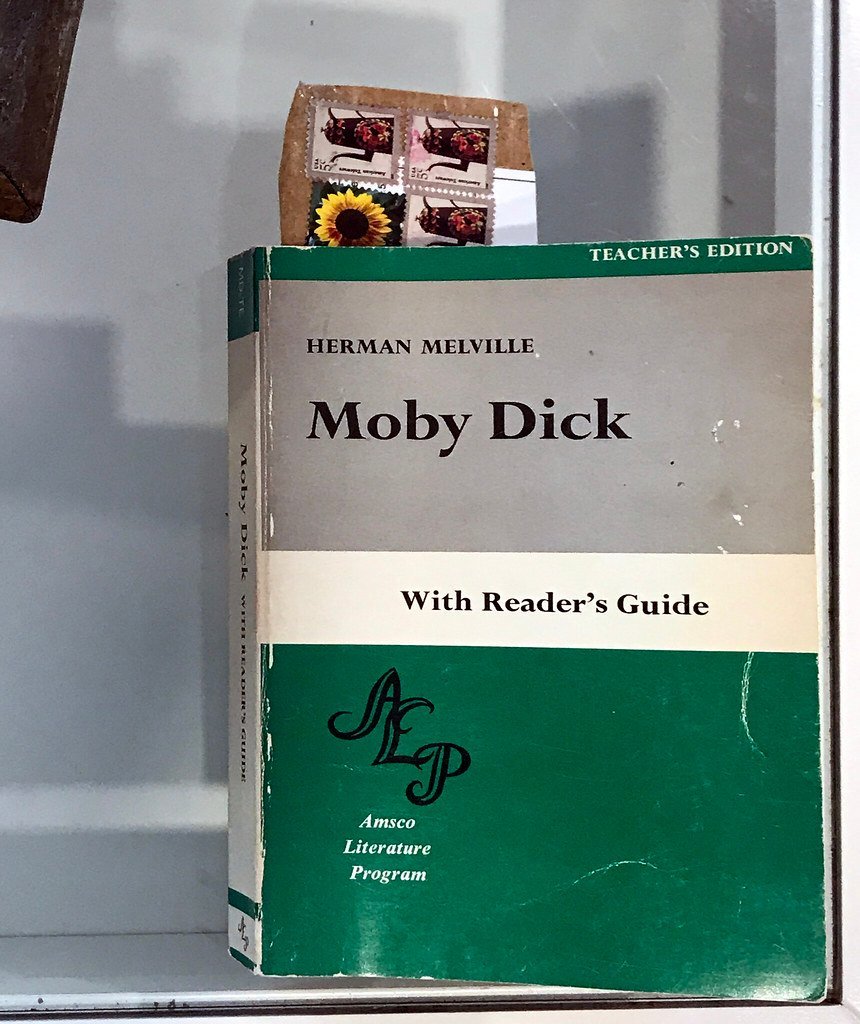
Herman Melville spent years at sea on whaling ships and endured family tragedies, including the suicide of his son and the early death of his brother. He faced critical and commercial failure after Moby Dick and worked as a customs inspector for decades before his death in obscurity.
His maritime adventures and later disappointments shaped the epic scope and philosophical depth of his writing. Moby Dick explores obsession, fate, and the unknown through the lens of a sailor’s harsh existence. The novel’s intensity grew from Melville’s firsthand knowledge of isolation and struggle at sea.
Life Shaping Literature
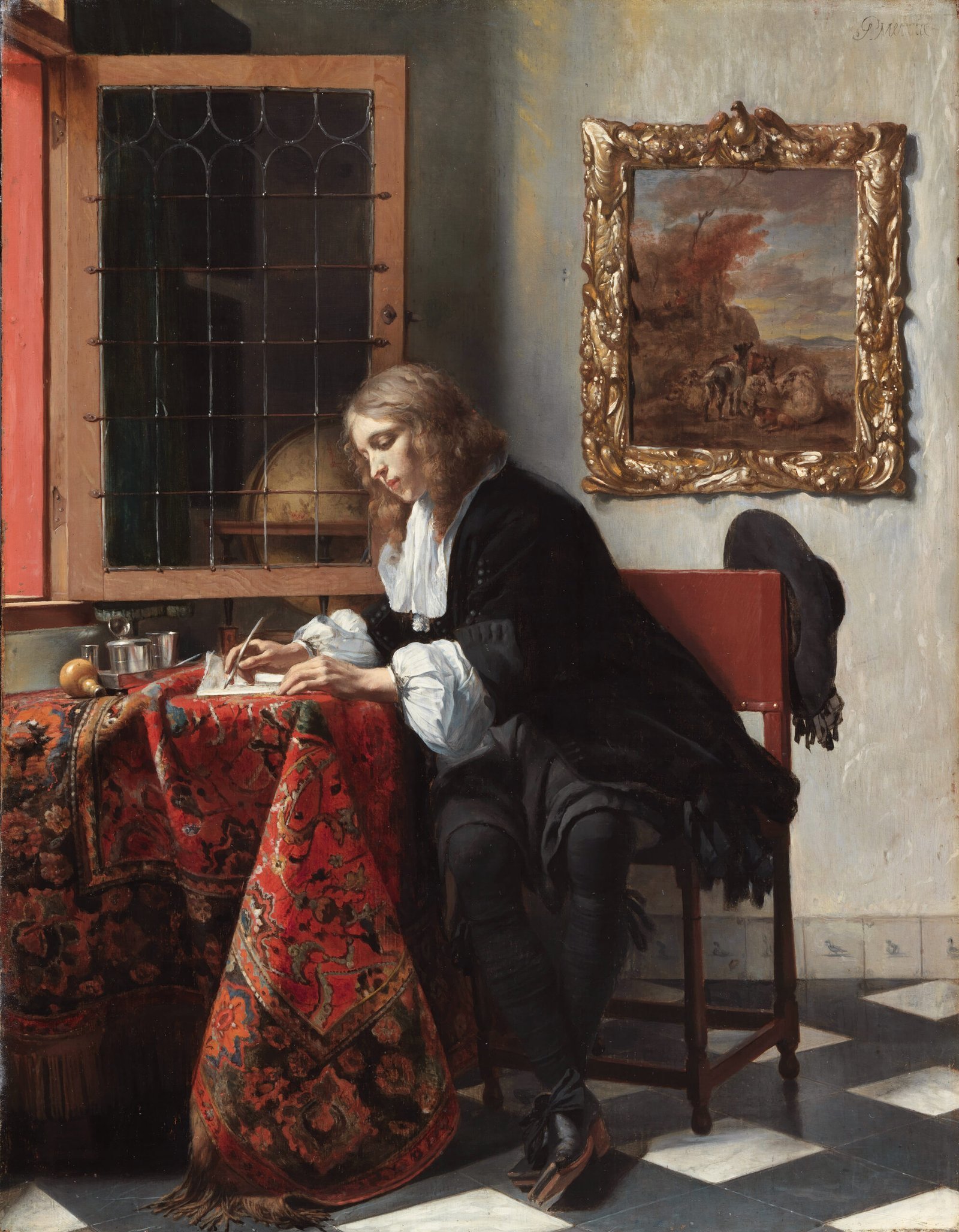
The turbulence these writers faced did not merely interrupt their work. It supplied the raw material that gave their stories lasting power and emotional truth. Personal crises often forced them to confront universal questions of loss, identity, and resilience in ways that resonate across generations.
Readers continue to find in these lives a reminder that great literature rarely emerges from comfort alone. The dramas endured by these authors remind us how experience can sharpen insight and transform private pain into shared understanding. Their stories endure because they grew from lives lived at full intensity.

Christian Wiedeck, all the way from Germany, loves music festivals, especially in the USA. His articles bring the excitement of these events to readers worldwide.
For any feedback please reach out to info@festivalinside.com
