

- 21 Songs That Became Symbols of American Freedom - October 1, 2026
- 14 Books That Exposed America’s Deepest Secrets - October 1, 2026
- 15 Forgotten American Writers Who Won Nobel Prizes - October 1, 2026
Acting in film has evolved through moments that push boundaries. Certain turns capture raw humanity in ways that linger long after the credits roll. These standout efforts redefine what audiences expect from performers on screen.
They introduce fresh techniques or emotional depths that inspire generations. Directors and actors alike study them for clues to authenticity. What follows spotlights several that reshaped the craft.
Marlon Brando in On the Waterfront
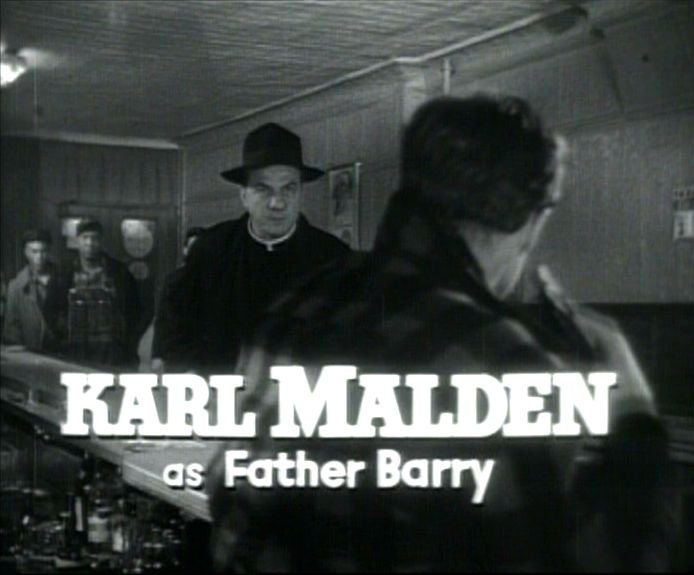
Marlon Brando portrayed Terry Malloy, a dockworker torn between loyalty and conscience, in this 1954 classic directed by Elia Kazan. His subtle gestures and mumbled intensity brought psychological realism to Hollywood, a stark shift from the polished styles of the era.[1]
Brando drew from Method acting, channeling personal emotions into the role for unprecedented vulnerability. This approach won him an Oscar and transformed screen acting. Performers like Robert De Niro and Al Pacino later built careers emulating that immersive depth.[2][3]
Robert De Niro in Raging Bull
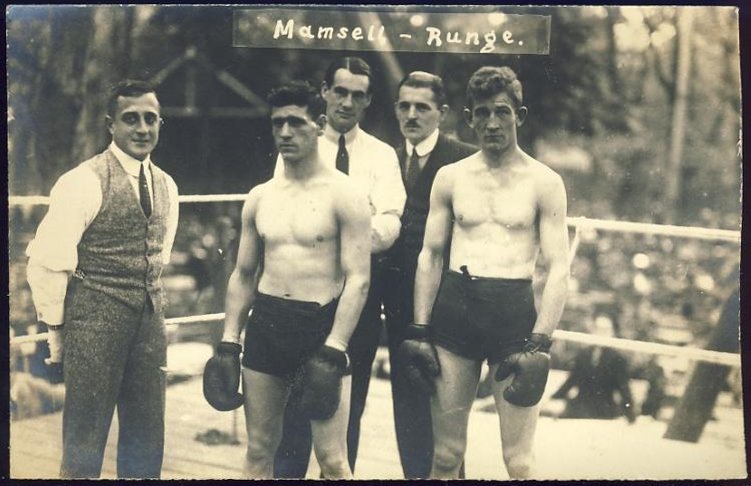
Robert De Niro embodied boxer Jake LaMotta in Martin Scorsese’s 1980 biopic, gaining over sixty pounds to capture the fighter’s physical and mental decline. Every snarl and slump conveyed rage intertwined with self-destruction. His transformation set a new bar for commitment to character.[4]
The black-and-white visuals amplified De Niro’s primal energy in the ring. This visceral style influenced actors tackling physical roles, from Christian Bale to Jared Leto. De Niro’s work earned a Best Actor Oscar and remains a blueprint for dramatic intensity.[1]
Daniel Day-Lewis in There Will Be Blood
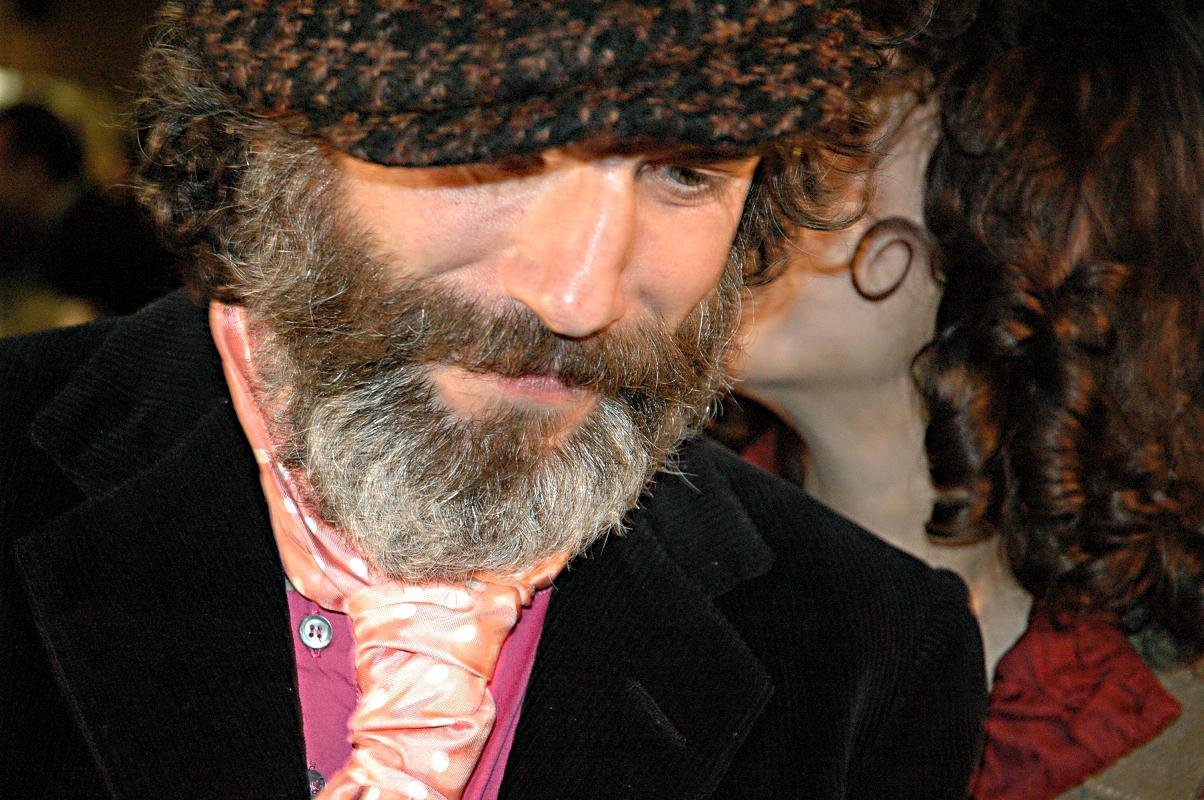
Daniel Day-Lewis played oil tycoon Daniel Plainview in Paul Thomas Anderson’s 2007 epic, staying in character for months on set. His chilling monologue about family and milkshakes drips with manipulative glee. The performance blends charisma and menace like few others.[4]
Day-Lewis’s method immersion redefined solitary obsession on screen. It inspired actors to vanish into roles completely, pushing boundaries of endurance. His third Oscar win cemented him as a once-in-a-generation talent.[5]
Modern performers cite his precision as a gold standard for historical figures.
Heath Ledger in The Dark Knight
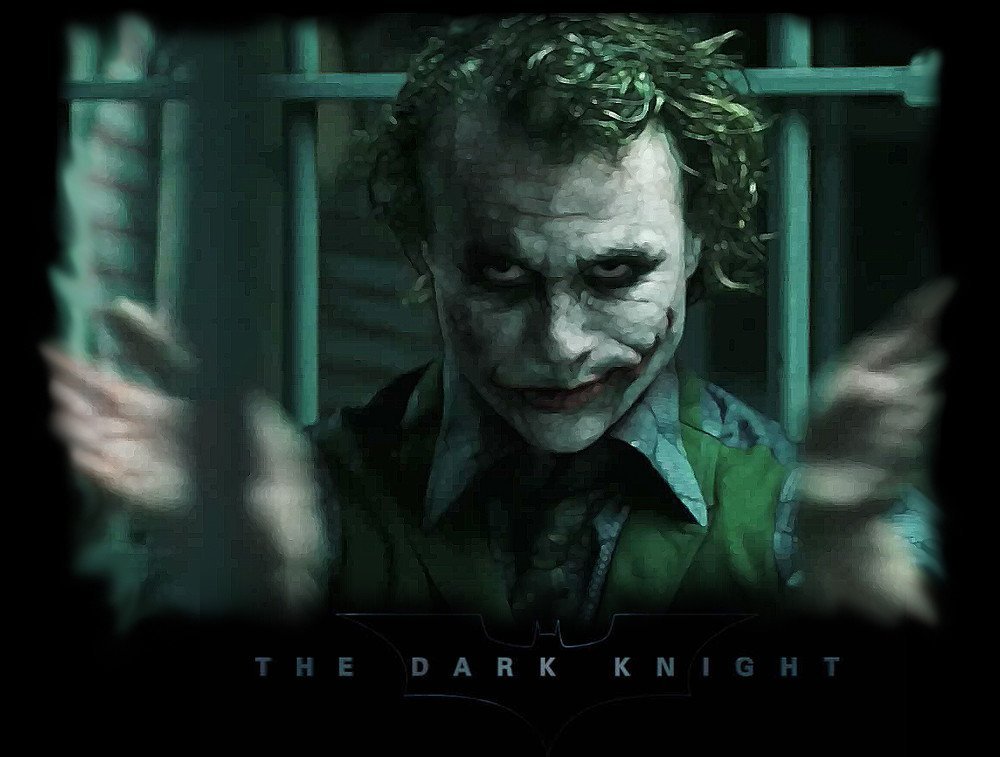
Heath Ledger vanished into the Joker for Christopher Nolan’s 2008 Batman film, crafting a chaotic philosopher of anarchy. The licking of scarred lips and pencil trick scene unnerve with unpredictable glee. Ledger improvised much of it, drawing from diverse inspirations like punk rock.[6]
His portrayal elevated comic villains to Oscar-worthy complexity. It influenced chaotic antiheroes in films like Joaquin Phoenix’s Joker. Though posthumous, Ledger’s Best Supporting Actor win reshaped blockbuster expectations.[7]
Vivien Leigh in Gone with the Wind
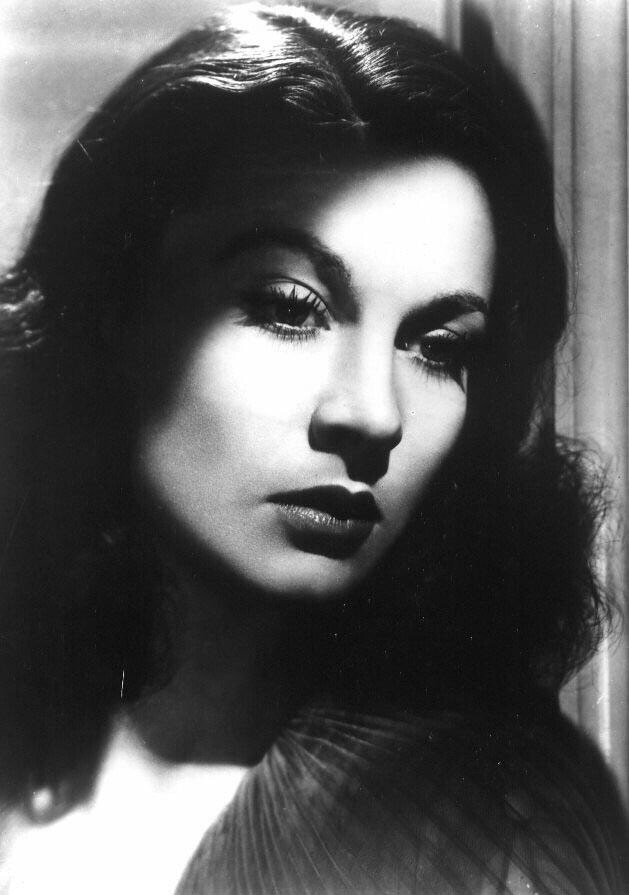
Vivien Leigh brought Scarlett O’Hara to life in the 1939 epic, capturing a Southern belle’s fiery survival amid Civil War ruin. Her “Tomorrow is another day” defiance mixes steel and fragility. Leigh’s poise under producer pressure made the role iconic.[3]
The performance set standards for strong female leads in sweeping dramas. Actresses like Scarlett Johansson echoed her blend of glamour and grit. Leigh’s Best Actress Oscar highlighted her command of epic scale.[8]
Peter O’Toole in Lawrence of Arabia
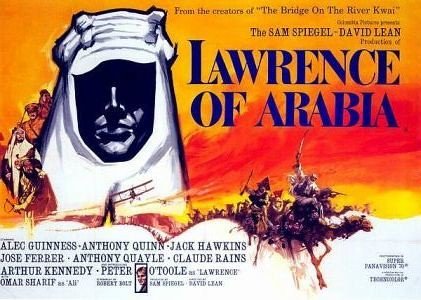
Peter O’Toole starred as T.E. Lawrence in David Lean’s 1962 desert odyssey, embodying a British officer’s enigmatic heroism. His piercing blue eyes and subtle tics convey inner turmoil amid vast sands. The role demanded endurance in harsh conditions.[9]
O’Toole’s nuanced take on ambition and isolation influenced epic portrayals. Actors like Russell Crowe drew from his physical and emotional range. Nominated seven times without a win, it defined his legacy.[7]
Anthony Hopkins in The Silence of the Lambs
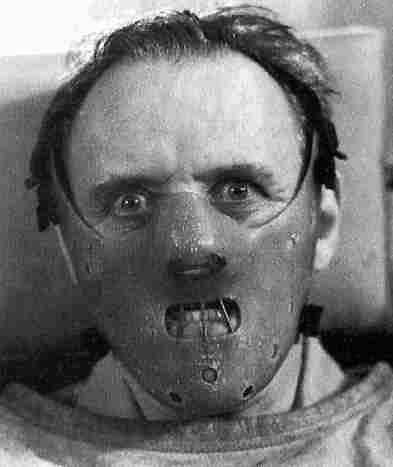
Anthony Hopkins chilled as Hannibal Lecter in Jonathan Demme’s 1991 thriller, with just sixteen minutes of screen time. His unblinking stare and fava beans line sear into memory. Hopkins layered intellect over savagery flawlessly.[7]
The economy of his menace redefined screen villains. It paved the way for cerebral antagonists in prestige horror. Hopkins’s Best Actor Oscar proved less can achieve more.[1]
Lasting Impact of Great Performances
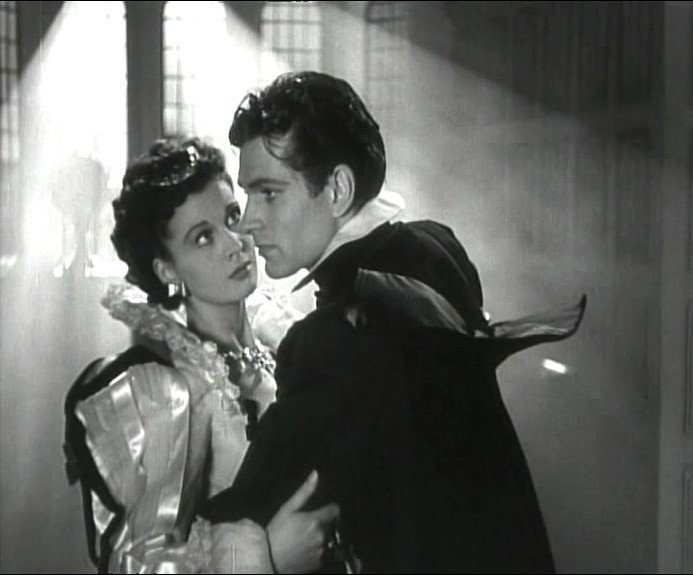
These turns endure because they expand acting’s toolkit. From Brando’s Method breakthrough to Ledger’s raw chaos, each sparked imitation and innovation. They remind us cinema thrives on bold risks.
Actors today still dissect them in workshops and on set. Such greatness elevates films into cultural touchstones. In a crowded landscape, they stand as quiet beacons of what’s possible.[1]
CEO-Co-Founder
