


- 10 World’s Most Beautiful Libraries That Are Marvels of Architecture. - August 12, 2026
- The True Stories Behind 8 Famous Movie Scenes You Thought Were Fiction - August 12, 2026
- 15 Rock Anthems That Defined a Generation and Still Sound Amazing Today - August 11, 2026
When we picture a writer, we tend to imagine someone hunched over a desk, wrestling with words in solitude, probably surrounded by overflowing bookshelves and cold cups of tea. That image is comforting. It’s also wildly incomplete.
Some of the most celebrated literary minds in history were living double lives that would make your jaw drop. They weren’t just crafting stories about adventure and intrigue. They were living them. Undercover operatives mingling with presidents. Fighter pilots becoming spies. Beloved children’s authors seducing senators to gather state secrets. Honestly, the truth here is stranger than most fiction.
The relationship between writing and espionage runs surprisingly deep, and the authors on this list prove it in spectacular fashion. Prepare to look at some of your favorite books with entirely new eyes. Let’s dive in.
1. Ernest Hemingway: Papa Was Watching
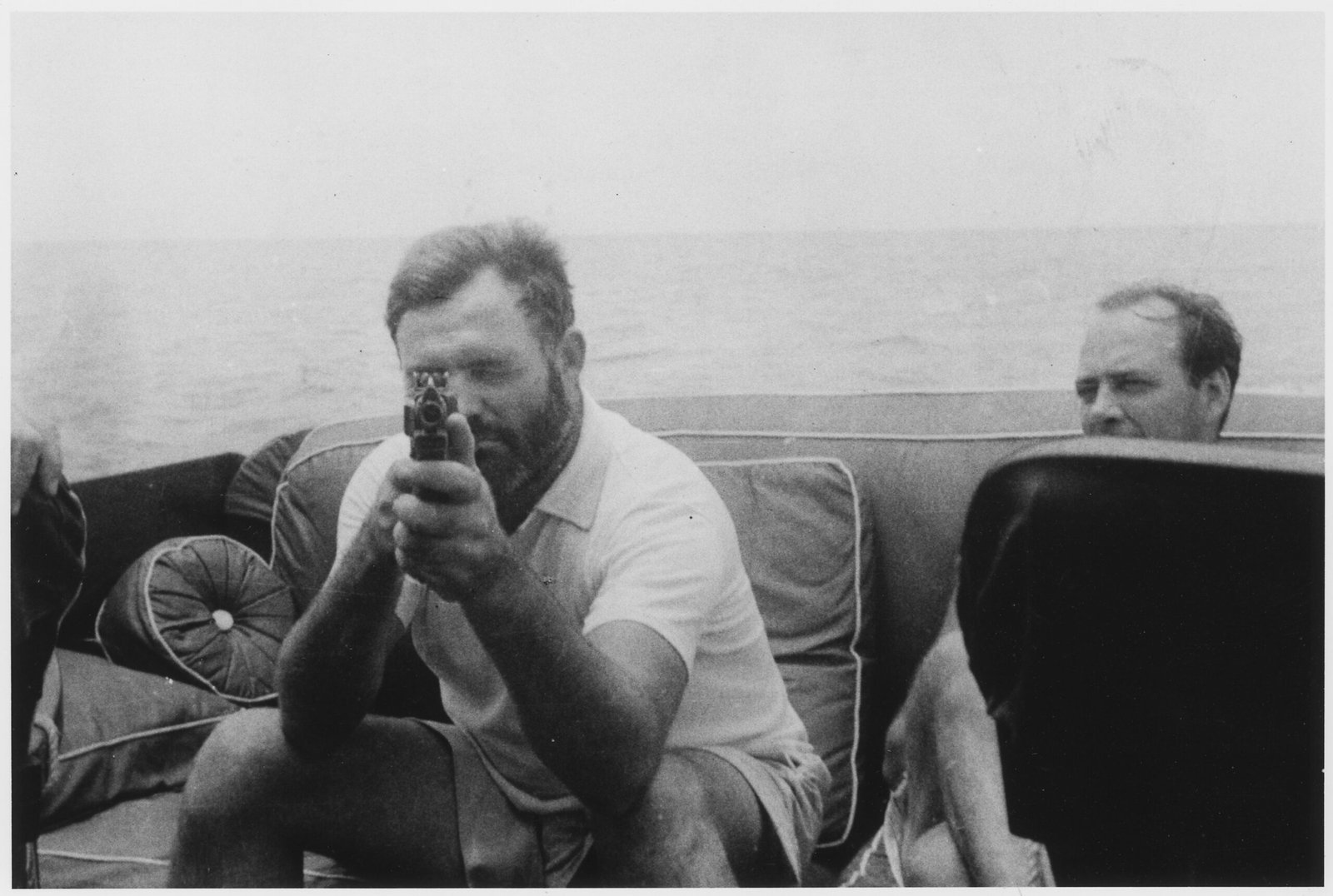
Ernest Hemingway was already a legend before anyone discovered his deepest secret. A former CIA officer and curator of the CIA Museum unveiled the shocking, untold story of Nobel Prize-winning author Ernest Hemingway’s secret life as a spy for both the Americans and the Soviets before and during World War II. The man who wrote about war with such brutal honesty was actually inside it, in ways far darker and more complicated than readers ever suspected.
Hemingway commanded an informant ring in Cuba called the “Crook Factory” that reported to the American embassy in Havana, hunted Nazi submarines with ONI-supplied munitions in the Caribbean on his boat, Pilar, and played an on-the-ground role in Europe, where he helped OSS gain key tactical intelligence for the liberation of Paris. That is extraordinary. The man wasn’t just reporting on the war. He was running covert operations in it. KGB files state that Hemingway was given the codename “Argo” and tasked with collecting political information, though he provided nothing useful and was dropped as an agent by 1950.
His secret adventures played a role in some of Hemingway’s greatest works, including “For Whom the Bell Tolls” and “The Old Man and the Sea,” while also adding to the burden he carried at the end of his life, perhaps contributing to his suicide. I think that’s the most haunting detail of all. The very secrets that inspired genius may have ultimately destroyed him.
2. Ian Fleming: The Man Who Actually Lived Like Bond
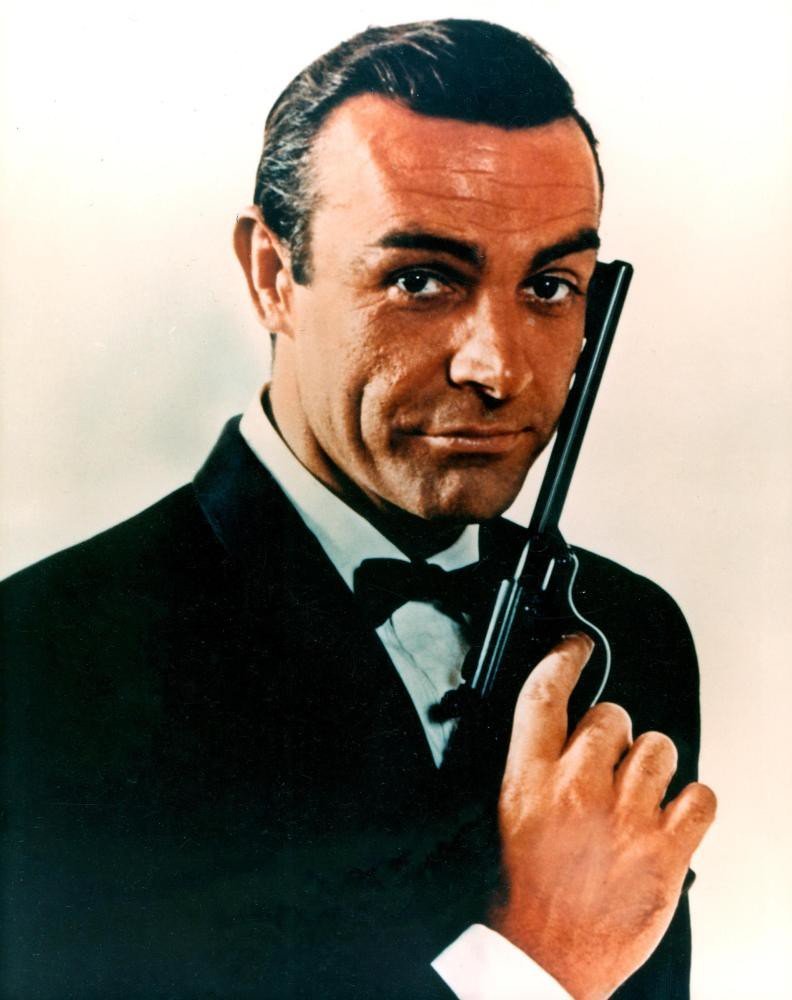
Before he was Ian Fleming, author of the James Bond novels, he was Commander Fleming, an intelligence officer in the Royal Navy and right-hand man to Admiral John Godfrey, Director of British Naval Intelligence. As such, Fleming was responsible for the creation of what came to be known as Assault Unit 30, a top-secret British commando unit specifically formed to gather intelligence. Let’s be real. There is poetic perfection in the fact that the man who invented the world’s most famous spy was himself running commando operations during World War II.
One of his suggestions involved putting false information on a corpse and allowing it to be discovered by the Germans. This idea was later refined into the highly successful Operation MINCEMEAT, in which a corpse dressed as a Royal Marine officer was floated ashore to technically neutral but fascist-friendly Spain. It worked. The troop orders landed on Hitler’s desk and the Germans were unprepared when the Allies invaded Sicily in 1943.
While working for Britain’s Naval Intelligence Division during the Second World War, Fleming was involved in planning Operation Goldeneye and in the planning and oversight of two intelligence units. He drew from his wartime service and his career as a journalist for much of the background, detail, and depth of his James Bond novels. Every gadget, every mission, every impossible scheme Bond pulls off traces back to something Fleming himself conceived in a real war room.
3. Graham Greene: The Novelist Who Spied for Real
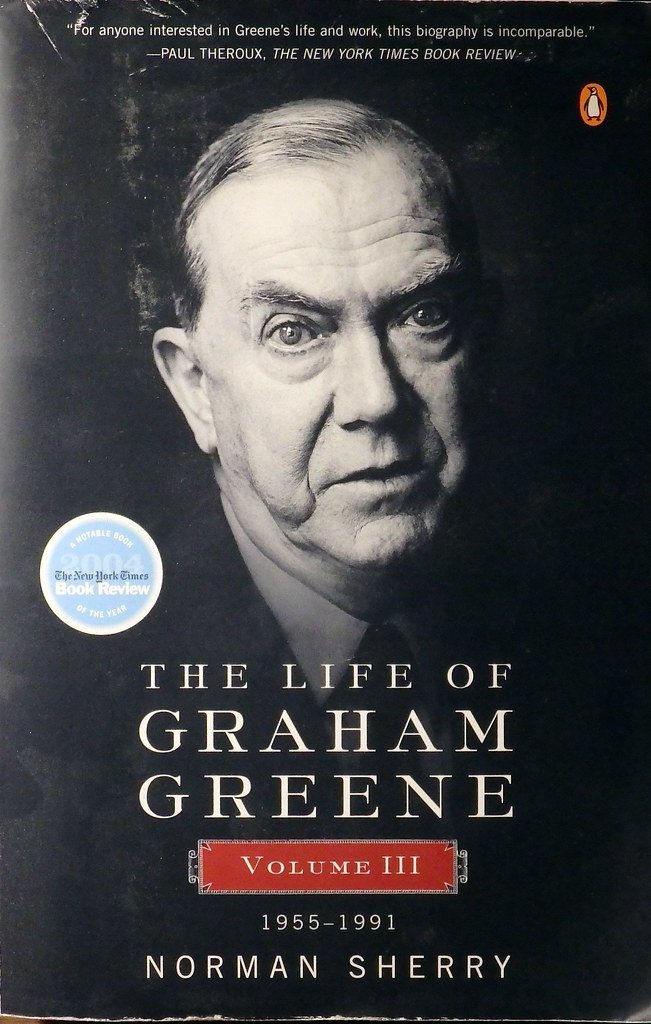
Graham Greene’s long and varied intelligence career took place alongside his successful one as a writer. He had murky connections with possible pre-war intelligence groups in Ireland and Europe, and in 1941, his sister Elizabeth, station head for the British Secret Intelligence Service in Cairo, decided to bring Graham into the fold. Family connections to MI6. It sounds like something straight out of a thriller. Except it wasn’t fiction.
In 1941, Greene was sent to Sierra Leone by MI6, for what turned out to be another excitement-free endeavor. But in 1943, he was moved to Portugal to spy on the German Abwehr. It was there that Greene discovered that the majority of the German spies were simply making up information to send home, and thus the concept for “Our Man in Havana” was born. The irony is rich. A real spy uncovering fake spies, which then inspired one of the greatest satirical spy novels ever written.
Greene also parlayed his experience of the secret world into two of the finest spy novels of the 20th century: “The Quiet American” in 1955 and “The Human Factor” in 1978. His time in the shadows gave his fiction a lived-in authenticity that no amount of research could replicate.
4. Roald Dahl: Charlie and the Chocolate Spy
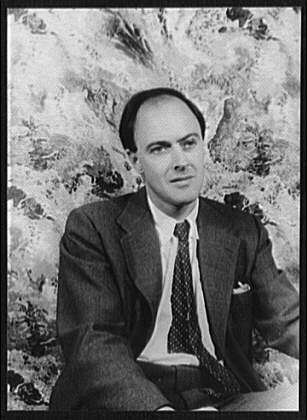
Catalog: http://lccn.loc.gov/2004662760
Image download: http://cdn.loc.gov/master/pnp/van/5a51000/5a51800/5a51869r.jpg
Original url: https://www.loc.gov/pictures/item/2004662760/, Public domain)
Most people know Roald Dahl as the magical, slightly dark genius behind Matilda, Charlie and the Chocolate Factory, and James and the Giant Peach. What far fewer people know is that before all of that, he was a genuine spy operating in the heart of wartime Washington. After blinding headaches cut short his distinguished career as a Royal Air Force fighter pilot, Dahl became part of an elite group of British spies working against the United States’ neutrality at the onset of World War II.
Recruited as an undercover agent with the British Security Coordination, Dahl arrived on the scene in 1942 – mere months after the Japanese attack on Pearl Harbor – and more or less immediately, his life was a swirl of cocktail parties, surreptitious flirtations with wealthy and powerful women, and political hobnobbing. His charm was his primary weapon. In 1943 he spent a weekend with President Franklin D. Roosevelt at his home in Hyde Park and submitted a ten-page report with his insights on the American leader. Of particular concern to the British were the anti-imperialist views of Vice President Henry Wallace, with whom Dahl socialized and played tennis.
Along with authoring some of the most popular books of the 20th century, the former spy put his experience to work on a most appropriate project, adapting Ian Fleming’s novel “You Only Live Twice” into a screenplay for the 1967 James Bond movie. One spy writing about another spy. Fiction really does loop back to life.
5. John le Carré: The Cold War Insider
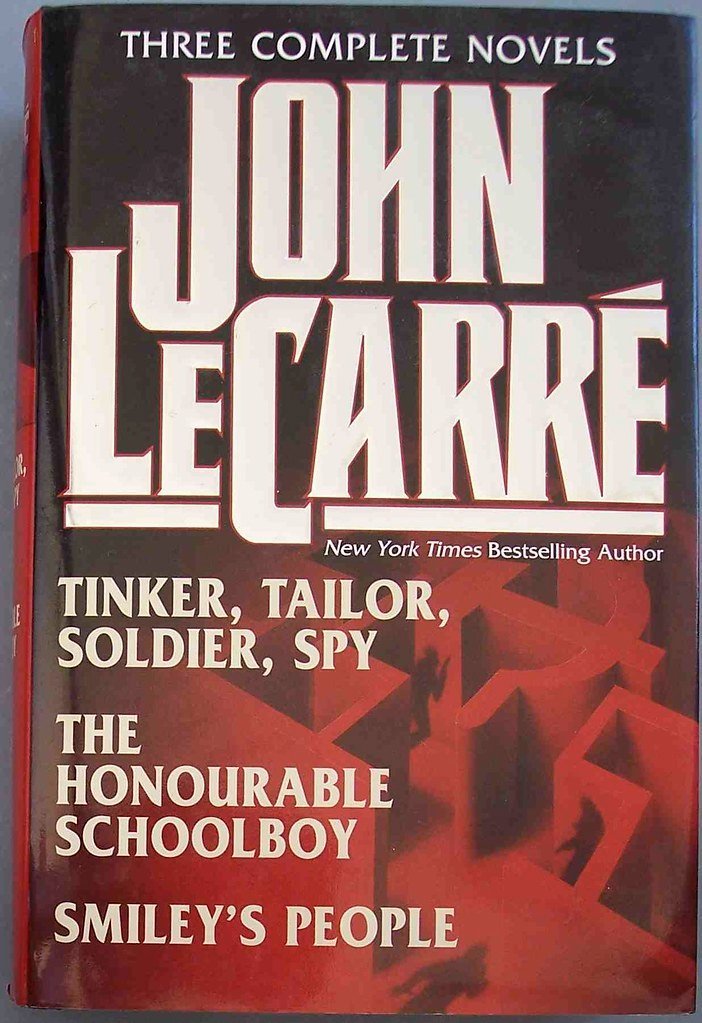
The most famous spy-turned-author is undoubtedly John le Carré, who worked for both MI5 and MI6 while writing his first three books. His real name was David John Moore Cornwell, and what he experienced inside the machinery of Cold War British intelligence gave his fiction an almost unbearable weight of authenticity. Le Carré worked for British Intelligence during the Cold War. Unlike Fleming’s glamorous Bond universe, le Carré’s world was grey, morally compromised, and relentlessly human.
His proximity to real intelligence work meant that when he wrote about betrayal, institutional rot, and the loneliness of the spy, he wasn’t guessing. Authors like John le Carré shifted the tone of spy fiction towards psychological realism and political skepticism, reflecting the intricate realities of Cold War espionage. It’s hard to say for sure whether le Carré ever personally undertook the kinds of dangerous missions his characters do, but the moral weight in his writing suggests a man shaped by things he could never fully discuss.
6. W. Somerset Maugham: The Gentleman Spy
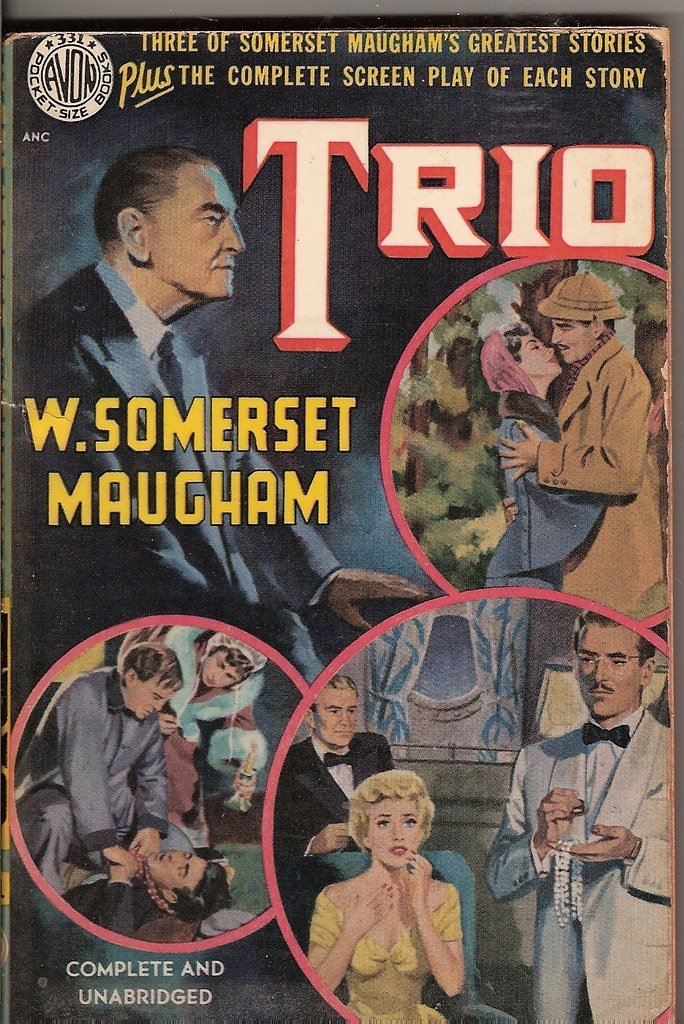
According to the biography “The Secret Lives of Somerset Maugham,” Maugham worked for Britain’s Secret Intelligence Service in Switzerland in 1915 to 1916, and later during World War II. Maugham was already a celebrated playwright and novelist when he slipped into the world of intelligence. He was recruited because writers, as it turns out, make excellent spies. They are trained observers. They understand human motivation. They can blend into any room.
From his experience he wrote a prototypical spy novel, “Ashenden, or the British Agent,” about a gentlemanly, sophisticated, aloof spy. This work is considered the precursor of the works of his younger friend, Ian Fleming. Think about that lineage. Without Maugham’s real-world espionage, there may never have been a James Bond. John le Carré described Ashenden stories as a major influence on his novels and praised Maugham as “the first person to write anything about espionage in a mood of disenchantment and almost prosaic reality.”
7. Frederick Forsyth: Two Decades as a Support Agent
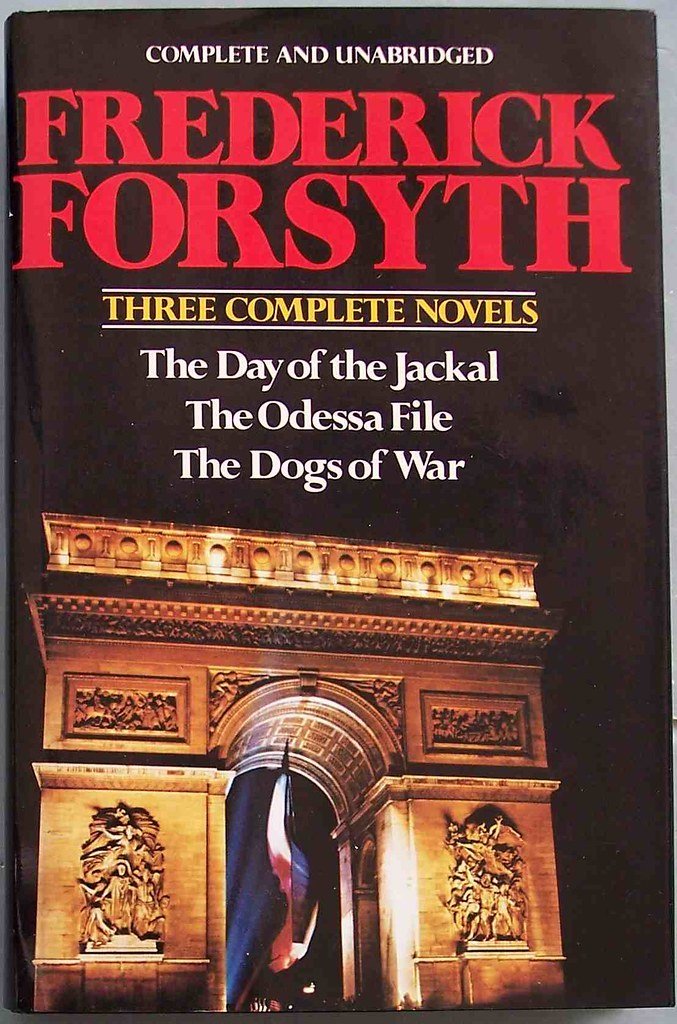
In his 2016 memoir, “The Outsider,” the author of “The Day of the Jackal” revealed that he had worked as a support agent for MI6 for more than two decades. Forsyth is one of those figures whose fiction always felt uncomfortably real. Now we know why. The thrillers were barely disguised versions of things he had actually done or witnessed from close range.
On one occasion during the Cold War, Forsyth agreed to have sensitive documents hidden in the panelling of his car, which he then drove across the border into Communist East Germany. At an agreed time, he met a contact in the men’s lavatory of a prestigious Dresden museum and passed the documents from one locked cubicle to another. That scene reads like a chapter from one of his own novels. Later, in the 1980s, he flew to apartheid-era South Africa for what MI6 euphemistically described as “enhanced tourism,” his mission being to find out what the government intended to do with South Africa’s nuclear weapons once they handed power to the ANC. Incredible.
8. Compton Mackenzie: Master of the Aegean
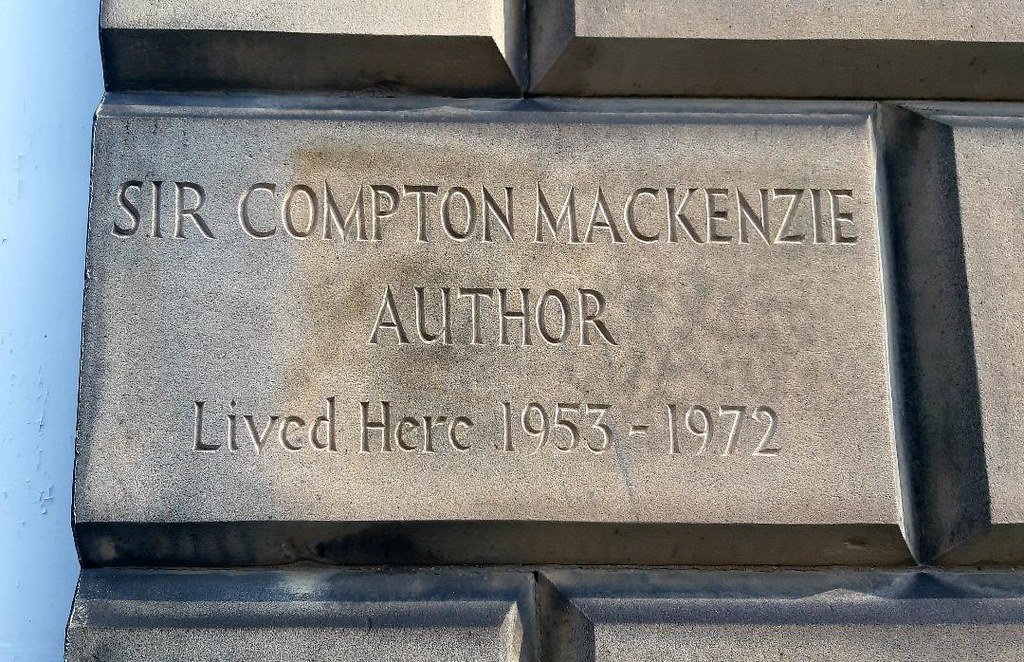
Compton Mackenzie wrote over a hundred books and was the founder of the influential music magazine Gramophone. Starting as a file clerk in counter-intelligence, he became the head of British counter-espionage in the Aegean during World War I, and some of his books are about that experience. Counter-espionage chief during a world war. Most people have never even heard of Mackenzie, which makes this all the more remarkable.
Already an established author, Mackenzie had been given charge of counterespionage activities in the Aegean region of Greece during World War I. At one point, he took control of the Cyclades Islands on behalf of Greece’s pro-Allied prime minister, patrolling the waters in his own yacht. The man was sailing his own yacht around contested Greek islands during a world war, running counterintelligence. He was later prosecuted under Britain’s Official Secrets Act for his frank memoir “Greek Memories” in 1932, but retaliated with an even more biting spy novel, “Water on the Brain,” in 1933.
9. Peter Matthiessen: CIA Operative and Literary Giant
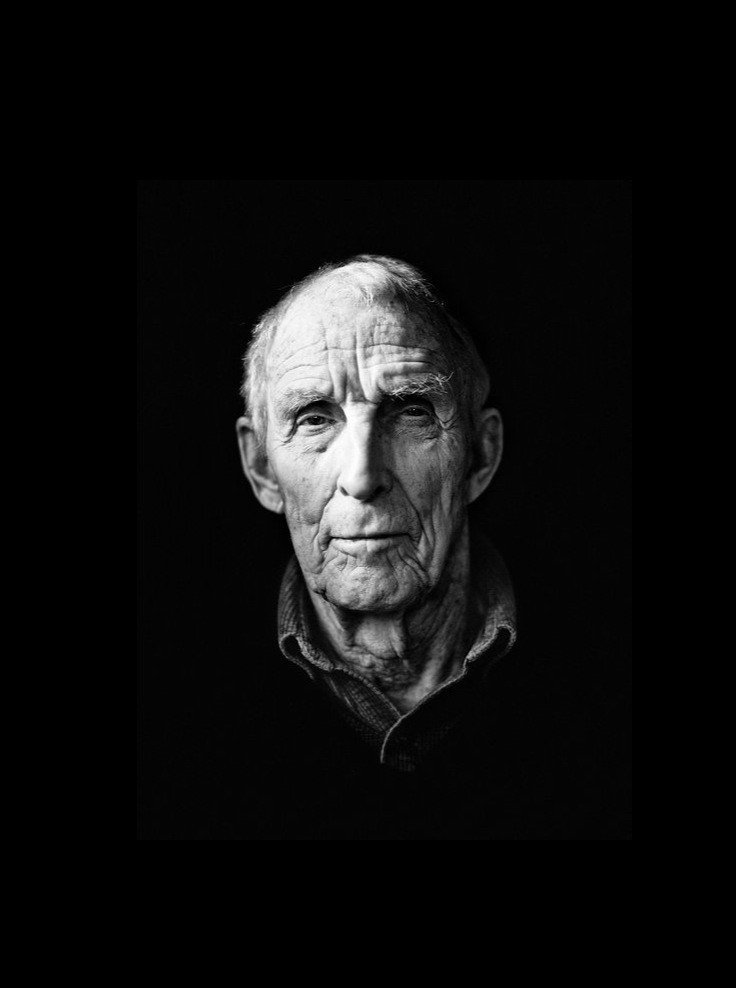
Peter Matthiessen is revered in literary circles for his nature writing, his National Book Award wins, and his deep commitment to environmental causes. What fewer people know is that he founded one of the most prestigious literary magazines in history as a cover for intelligence work. His co-founder Harold L. Humes was unaware of this fact. By the time Matthiessen had come clean about his espionage to his friends and to the subsequent editors of “The Paris Review,” they were equally unaware of its intelligence roots.
Humes felt that Matthiessen was “properly ashamed” of his actions, and Matthiessen himself stressed that the magazine’s content was never used as a tool of the CIA and that he had never received money to that effect. It’s a strange, uncomfortable story. The Paris Review became genuinely one of the great literary institutions of the twentieth century, entirely independent of its murky origins. Still, the revelation reframes everything about how the magazine came to exist.
10. Anthony Burgess: Cipher Work in Gibraltar
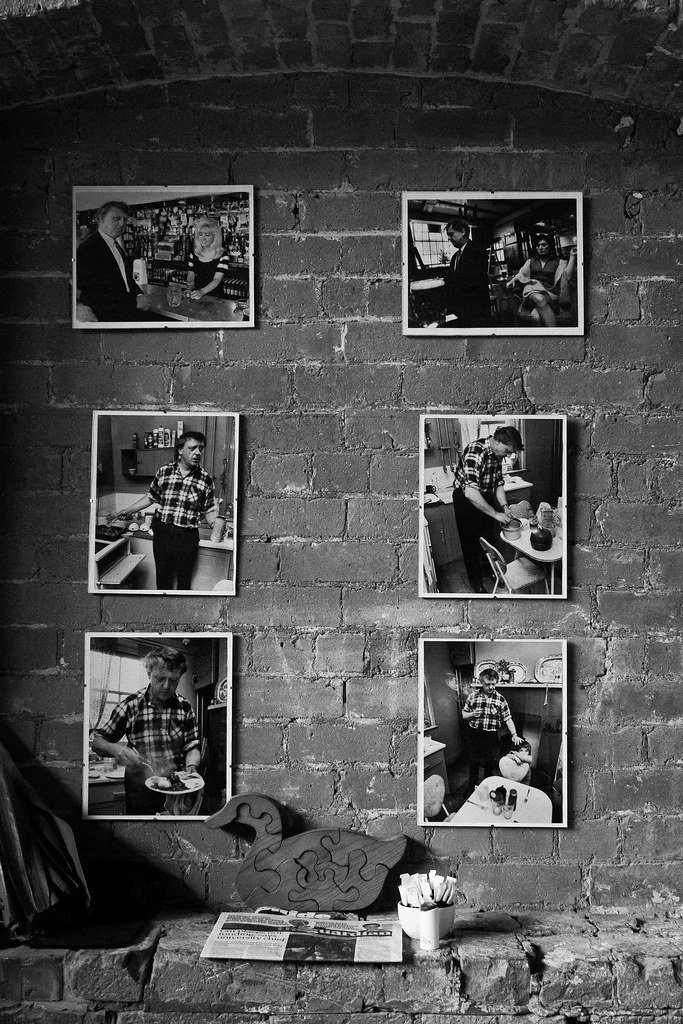
Anthony Burgess apparently did “cipher work” for British Army intelligence in Gibraltar during World War II, according to the Dictionary of Literary Biography. The author of “A Clockwork Orange,” one of the most unsettling and philosophically complex novels of the twentieth century, spent part of his war decoding and encoding military communications on the edge of Europe. It suits him, somehow. Burgess was always a man drawn to the hidden mechanics of things, whether language, power, or moral collapse.
His 1966 novel “Tremor of Intent” might be described as a high-concept parody of the James Bond adventures. Burgess knew the genre from the inside out, not just because he was a brilliant literary craftsman but because he had genuinely touched the edges of that world himself. The spy thriller he wrote wasn’t homage. It was something closer to dark autobiography filtered through satire.
11. John Buchan: From Government Service to Richard Hannay
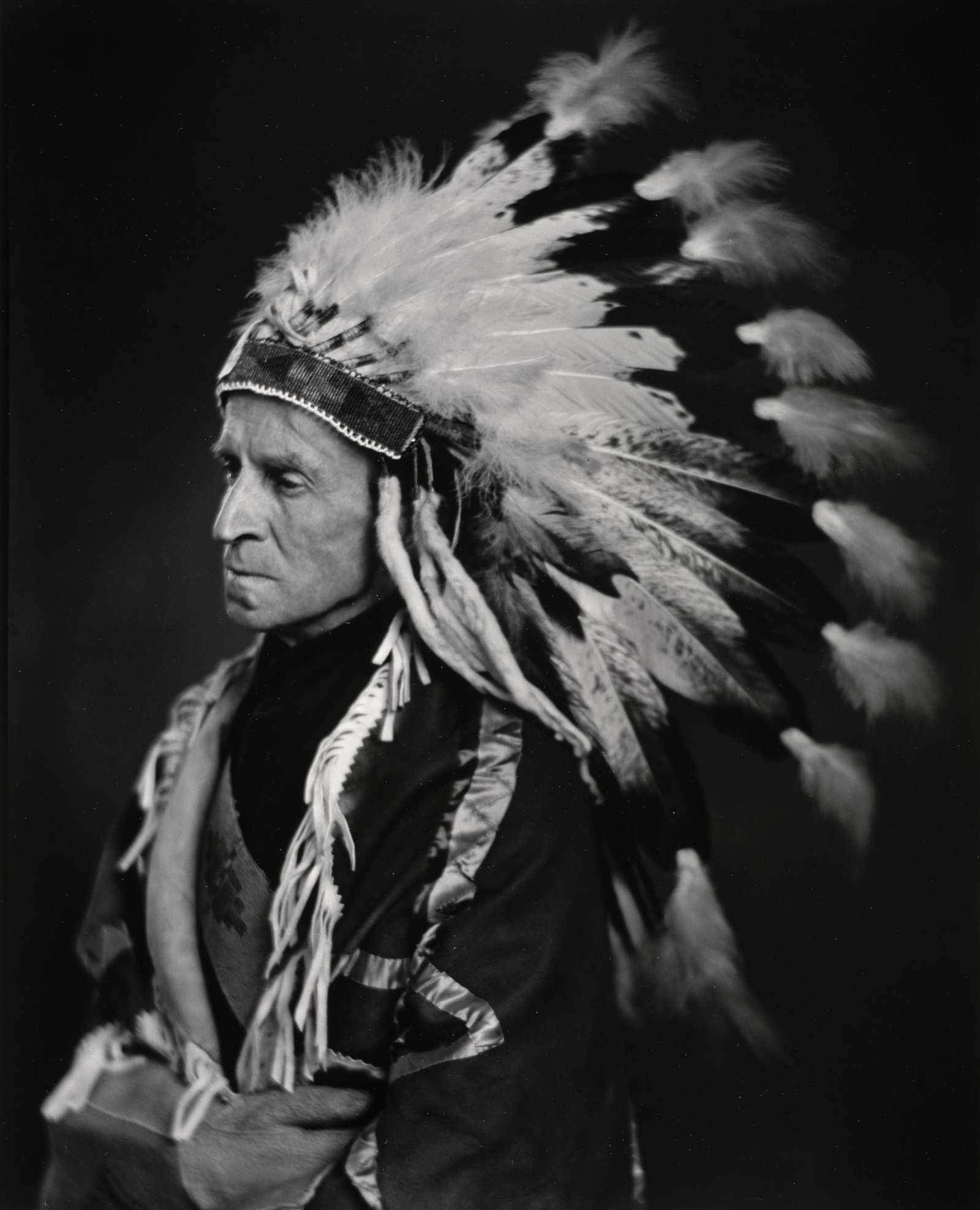
Buchan began working for the British government in South Africa at the end of the South African, or Boer, War in 1902. He later drew on his Southern African experience to write his adventure novel “Prester John” in 1910. Buchan’s career arc is one of the most fascinating in literary history, moving seamlessly between colonial administration, wartime propaganda work, and thriller writing, with the lines between all three constantly blurring.
“The Thirty-nine Steps” of 1915 remains the favorite of readers and critics. The book involves a plot to steal Britain’s naval secrets and provoke a war between Germany and Russia, most notable for the breathless, headlong flight its protagonist Richard Hannay must make across the Scottish countryside to escape both enemies and suspicious authorities. Hannay’s paranoid energy, his sense that the world is made of hidden threats and false surfaces, almost certainly came from Buchan’s own time operating within the machinery of government secrecy. Director Alfred Hitchcock filmed the book in 1935.
12. Erskine Childers: The Sailor Who Wrote the First Spy Novel
The term “spy novel” was arguably defined by “The Riddle of the Sands” in 1903 by Irish author Erskine Childers. The book described a British yachtsman and his friend cruising off the North Sea coast of Germany who turned amateur spies when they discovered a secret German plan to invade Britain. The audacity of the premise was equaled only by the fact that Childers had actually sailed those waters himself and drawn the novel’s geography from direct personal experience.
Childers was genuinely concerned with Great Britain’s lack of coastal defenses and dramatized that concern through a suspenseful narrative. He added a touch of romance, but wisely subordinated it to his larger story. Later generations have read the book not only as an adventurous spy novel but also as a classic of sailing fiction. Childers later ran guns for Irish nationalists during World War I, was captured, tried, and executed by the Irish Free State in 1922. His life ended not at a desk but in the crossfire of history itself.
A Final Reflection: Writers Beyond the Page
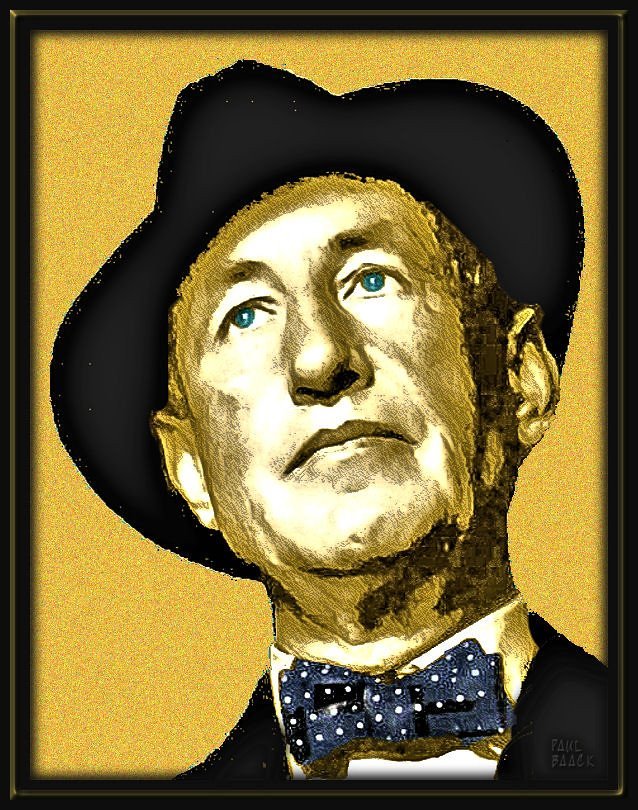
There is something deeply satisfying about discovering that the writers who shaped our imagination were themselves shaped by lives of genuine danger, moral complexity, and clandestine action. There is an obvious affinity between writing and spying, not just in the attention to detail and emphasis on studying those around you, but in the integral shifting of roles, from insider to outsider and back again. That is precisely it. Spies and writers share the same fundamental skill: watching the world more carefully than anyone else.
These twelve authors didn’t just write about the human capacity for courage and deception. They lived it. Their books carry a weight that most literary analysis has never fully accounted for, a weight that comes from real risk, real consequence, and real secrets kept across entire lifetimes.
The next time you sit down with a novel of espionage and adventure, consider who might have actually been there. The author staring back at you from the back cover might know far more than the biography admits. What do you think – does knowing these secrets change how you read their books? Tell us in the comments.
CEO-Co-Founder
