


Music has always moved in cycles. What fades eventually returns, though rarely in the same form it left. Think of it like fashion – bell-bottoms come back, but they come back slightly reinvented, worn by a new generation who has no memory of the first time around. The same principle has shaped pop culture since the earliest days of recorded sound, and it’s happening again right now, across nearly every corner of the musical landscape.
One of the most remarkable patterns we’ve seen in recent years is the widespread success of genre-blurring, where pop no longer operates in isolation but increasingly borrows from hip-hop, R&B, alternative rock, and electronic dance music. The result is a kind of beautiful chaos where old genres never truly die. They just hibernate, waiting for their moment. And right now, quite a few of them are waking up at the same time. Get ready to be surprised by what’s making a comeback.
1. Disco: The Genre They Tried to Kill Twice
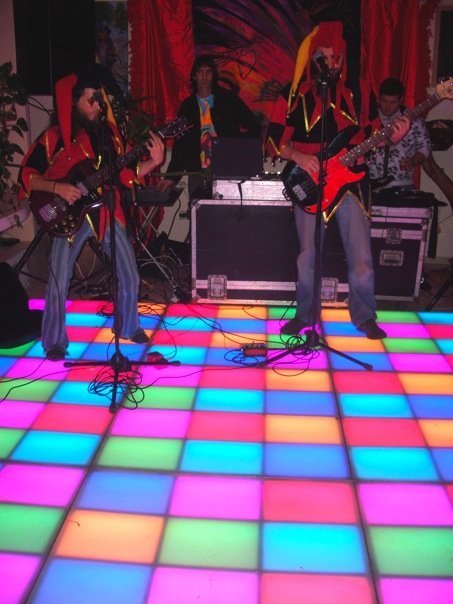
Disco was perhaps the most publicly humiliated genre in music history. The infamous Disco Demolition Night of 1979, where Chicago fans literally blew up disco records at a baseball stadium, seemed to bury the genre for good. In the 1970s, disco’s grip on culture inspired both devotion and demolition – originating from the French word “discothèque,” it was not only a genre of music but a space embodying joy, dance, and self-expression. It was never just a sound. It was a community.
Despite the genre’s polarizing reputation and the perceived death of disco, the sounds of sparkling synthesizers and four-on-the-floor rhythms have slowly crept back into mainstream music. Dua Lipa’s “Don’t Start Now” is widely considered the beginning of the 2020s disco revival, receiving critical praise for its use of 80s and disco-inspired instrumentals. From there, it snowballed fast.
Sabrina Carpenter’s “Tears,” one of the biggest songs of 2025, interpolates disco duo Baccara’s 1977 hit “Yes Sir, I Can Boogie,” and also draws influence from Diana Ross’s “Upside Down,” a classic disco track that found renewed popularity after being featured in the fifth season of Stranger Things. Throughout the 2020s, some listeners began to tire of the stripped-back singer-songwriter sound, and dance music slowly regained its popularity. Honestly, the pendulum swings. It always does.
2. Shoegaze: The Genre That Stared at Its Shoes and Never Stopped
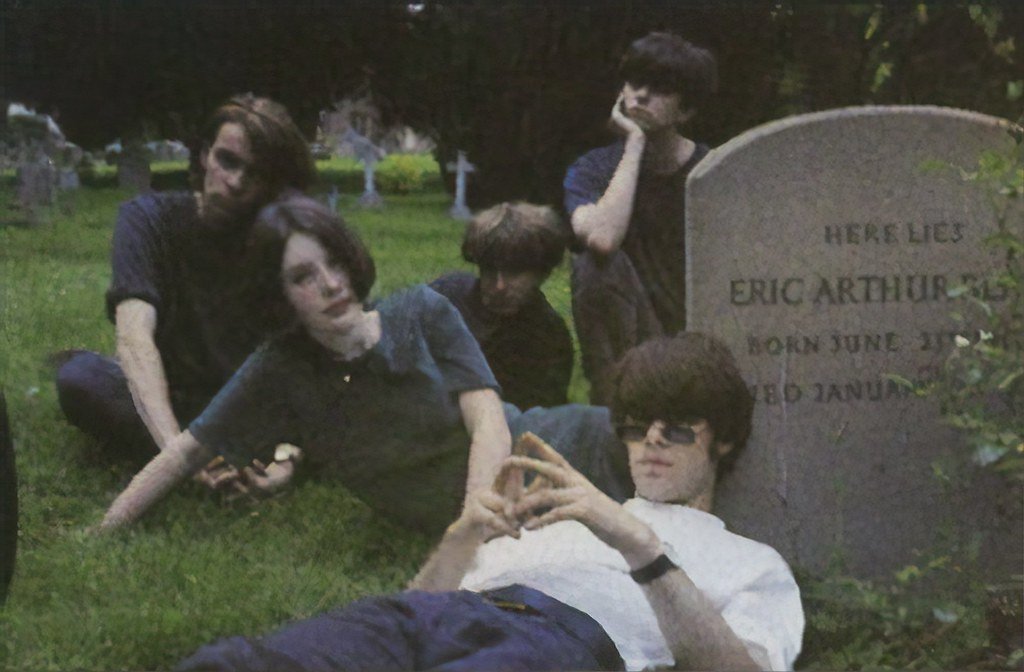
If you weren’t deep in the indie rock world in the early 1990s, you might have missed shoegaze entirely. The genre was notoriously hard to explain to outsiders, characterized by walls of distorted, effects-heavy guitar washed in reverb, with vocals almost deliberately buried beneath the noise. Shoegaze reached its peak in 1991 with the release of My Bloody Valentine’s second album, Loveless, but was overshadowed by the rise of the American grunge scene and the following Britpop movement. Grunge ate everything for a while.
In the 2020s, the shoegaze revival was spearheaded by Gen Z artists, sometimes referred to as “zoomergaze,” and a fusion genre known as “grungegaze,” blending grunge with shoegaze, also emerged. This iconic late-80s and 90s genre has been trending for at least a year, and it seems to have maintained its momentum, with shoegaze trending both among new emerging artists and through the rediscovery of classic groups like My Bloody Valentine and Slowdive.
By the end of 2023, zoomergaze artists Flyingfish and Wisp had garnered viral followings on TikTok, and in 2025, Dork noted that Wisp was labelled as “the face of zoomergaze” and described her as a leading artist in Gen Z’s shoegaze revival. By the beginning of 2026, Wisp had surpassed 2.5 million monthly listeners on Spotify. Not bad for a genre that was supposedly dead.
3. Grunge: Seattle’s Angry Ghost Refuses to Rest
What happened in Seattle in the late ’80s and early ’90s was the collision point of about a decade’s worth of noise, frustration, and influence – hardcore punk, Neil Young, the Pixies, the entire American underground – hitting a small, isolated city at exactly the right moment. What happened next completely transformed rock music and eventually mutated into half a dozen genres still very much alive today. Grunge was never just a genre. It was an emotional event.
Who really knows what defines the world of grunge in 2025? Fans are still divided on countless questions, but grunge continues to seep into all kinds of rock subgenres, most recently spilling heavily into shoegaze. If any band helped reignite the modern grunge-meets-shoegaze movement, it’s Superheaven, whose word-of-mouth resurgence led to a 2022 comeback after originally forming in 2008.
2024 saw a new album from Green Day and a new chapter begin for Linkin Park, while blink-182 – who returned to its original form with 2023’s One More Time – toured the globe and headlined major festivals. I think there’s something deeply human about the grunge revival. It taps into a kind of raw, unpolished honesty that hyper-produced pop simply can’t replicate.
4. Synth-Pop and New Wave: The 80s Are Absolutely Back
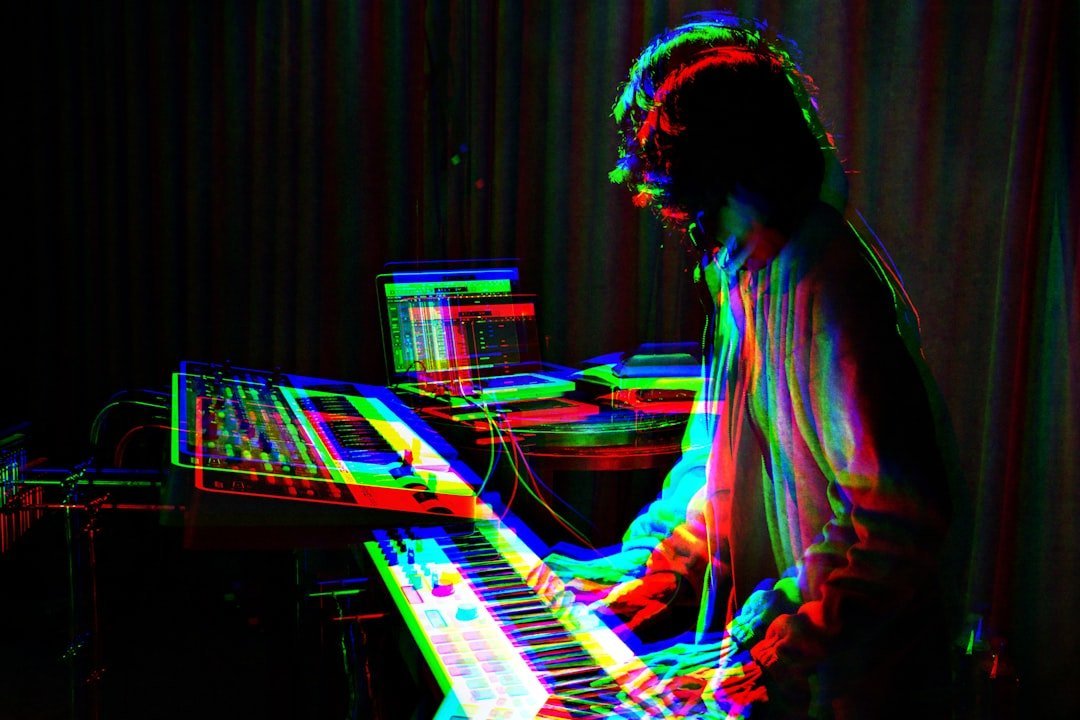
Let’s be real – the 1980s never really left. The decade’s aesthetic has been bubbling beneath the surface of pop culture for years, from retro fashion to neon color palettes. But the actual music of that era, the cold, pulsing synths and detached vocals of synth-pop and new wave, is now front and center again. Possibly due to the cultural phenomenon of Stranger Things, there’s been a fresh surge in popularity of synth-pop and other 80s-influenced styles, with artists like Conan Gray and Chappell Roan leaning into sawtooth synth lines, old-school electronic drum kit sounds, upbeat energy, and an overall retro aesthetic.
In 2026, alternative rock, post-punk revival, and experimental hybrid styles are experiencing renewed attention, with the aesthetic drawing from vintage influences but merging them with AI-modulated synths and digital arrangements. The result feels both nostalgic and completely new. It’s the musical equivalent of taking your grandfather’s record player and plugging it into a supercomputer.
Nostalgia plays a powerful role in music trends, and the years since 2024 have seen a revival of early 2000s pop music, with artists blending catchy hooks and upbeat tempos of earlier eras with modern production techniques, creating a fresh yet familiar sound that resonates with both old and new listeners. The lines between decades keep blurring, and honestly, it makes for some fascinating music.
5. Drum and Bass: The Underground Genre That Won’t Stay Underground
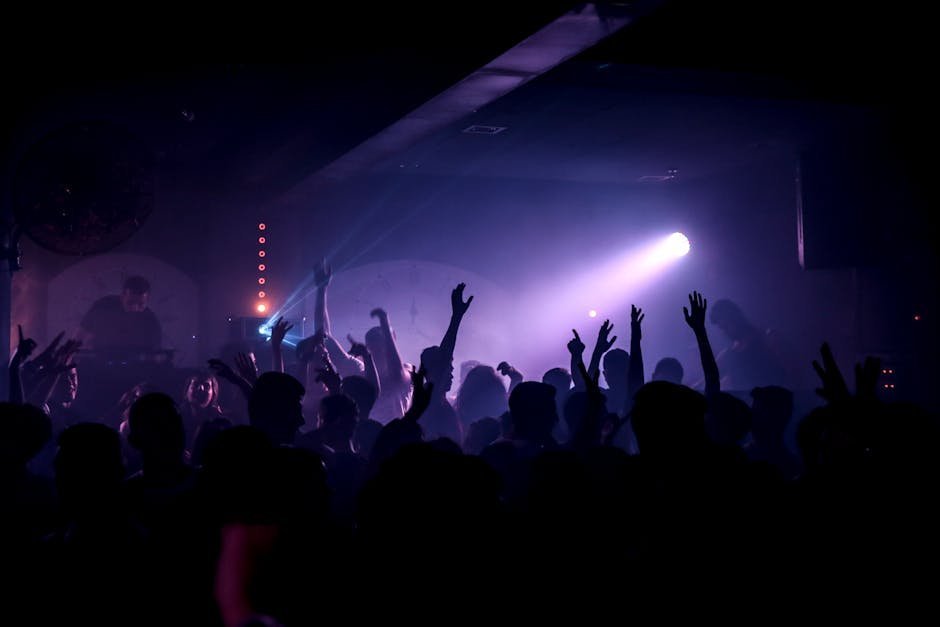
Drum and bass has always had a complicated relationship with mainstream success. Born in the early 1990s from the UK’s jungle and rave scenes, it was too fast, too aggressive, too complex for most radio formats. It thrived in dark clubs and underground raves, building a ferociously loyal following that kept it alive through decades of commercial neglect. Think of it as the musical equivalent of a plant that grows through concrete. Unstoppable, but on its own terms.
Drum and bass, characterized by its fast breakbeats and heavy basslines, is experiencing a significant resurgence, with artists like Sub Focus, Wilkinson, and Netsky releasing tracks that blend traditional drum and bass elements with modern production techniques. This revival is not just confined to underground scenes but is also making its way into mainstream festivals and radio playlists.
Artists like Charli XCX are creating club-friendly tracks that resonate on TikTok, with fusions of techno and drum and bass making it a favorite for short-form content creators, and its chaotic energy defining the Gen Z aesthetic. The renewed interest in drum and bass highlights its enduring appeal and adaptability within the electronic music genre. It’s hard to say for sure, but drum and bass might be having its biggest cultural moment yet.
6. Jazz: Cool Again, But Not Like Your Grandfather Remembers
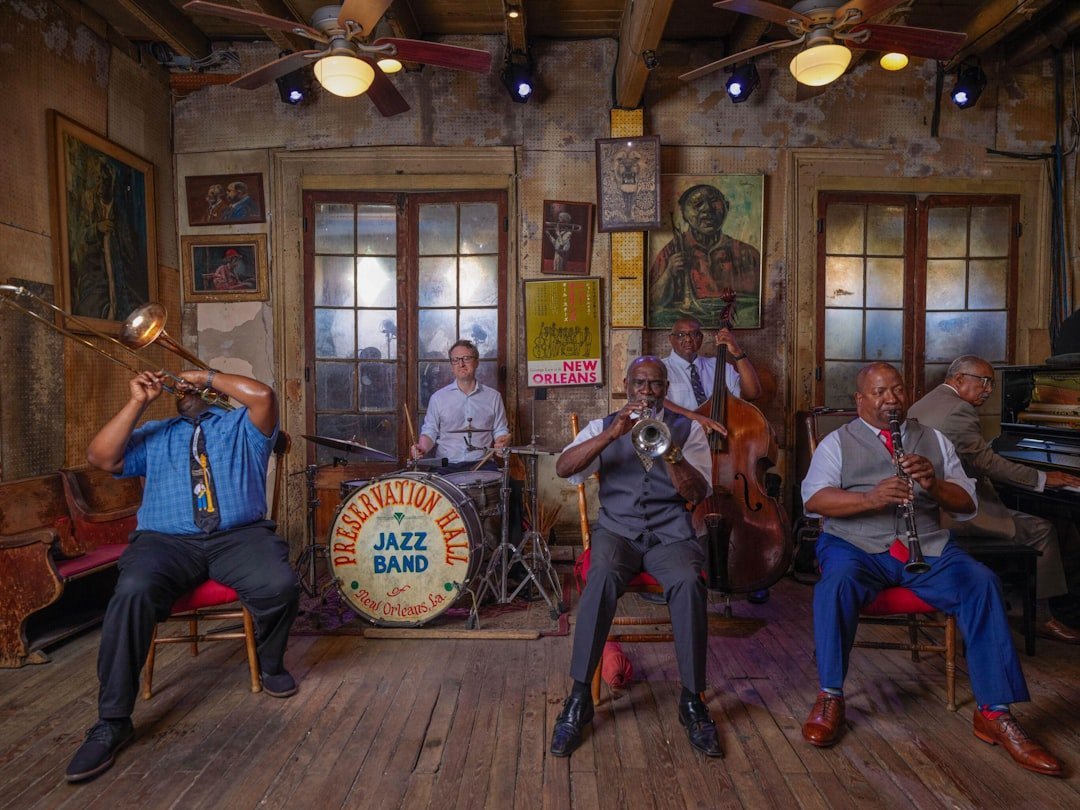
Jazz has always occupied a strange position in popular culture – respected by critics, beloved in theory, but often dismissed as too intellectual or inaccessible for everyday listening. That reputation is changing fast. Jazz is cool again, but not in the way your grandpa remembers it. This new wave is fusing jazz with hip-hop, R&B, and electronica – music for the deep listeners – with neo-jazz fusing hip-hop, funk, electronic, and soul to create a modern, unpredictable sound.
Jazz is making a surprising comeback, fueled by its fusion with neo-soul and electronica, with artists bringing fresh energy to the genre by blending improvisation with modern production. Its smooth, emotive vibes appeal to listeners seeking depth and creativity, with streaming platforms amplifying its reach through curated playlists. There’s something almost rebellious about jazz thriving in the age of three-minute TikTok hooks.
Jazz has always represented musical sophistication, and in 2026, it is thriving in fusion formats, with artists integrating electronic effects, cinematic transitions, and world music tones while preserving improvisational character. In 2026, jazz compositions are influencing lo-fi and cinematic scoring genres, reflecting timeless artistry’s comeback amid AI advancements. The genre has essentially found a back door into the mainstream, and it’s working brilliantly.
7. Country and Folk: From Regional to Global Phenomenon
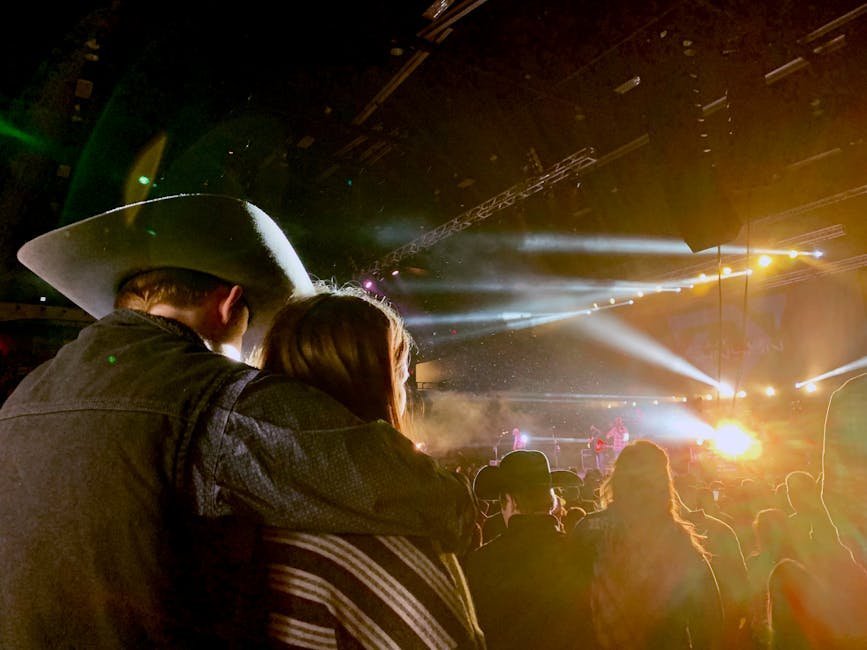
For decades, country music carried an unfair stigma outside of its American heartland base. International audiences largely ignored it. Urban listeners turned their noses up at it. That story has completely changed. Country music is no longer just a regional American genre – it’s a global phenomenon driven by a new generation of listeners. In the first half of 2025, it even claimed the top spot in the Billboard Hot 100, surpassing hip-hop and pop. The genre’s newfound worldwide appeal is rooted in its ability to connect with diverse audiences through authenticity and storytelling.
The past two years witnessed an unexpected resurgence of country and folk music, and in 2026 these genres are evolving through modern storytelling infused with pop polish and electronic elements, with artists combining heartfelt lyrics with crisp sound design to attract both traditional listeners and urban audiences. Folk-inspired pop artists like Noah Kahan, Zach Bryan, and Phoebe Bridgers saw massive commercial success, with Noah Kahan’s “Stick Season” emerging as an anthem of relatability, leaning into storytelling and organic instrumentation.
Gen Z is driving the global boom, consuming more country music than ever before, especially in metropolitan areas. After years dominated by pop-urban influences, country and folk have re-emerged as symbols of authenticity and storytelling, with modern country merging acoustic elements with pop clarity and appealing beyond regional boundaries. No one saw this coming. Well, almost no one.
8. R&B: A Deep Emotional Comeback With Global Reach
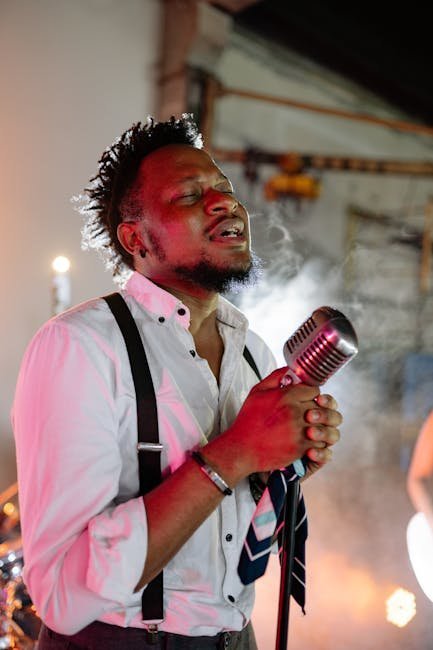
R&B never truly disappeared, but there were years where it felt squeezed into a narrow commercial lane – overproduced, formula-driven, stripped of the raw soul that originally made it so powerful. Something shifted around 2024 and 2025. The industry’s pulse in 2025 centered on R&B as the emotional and creative anchor of music, with the year emphasizing authenticity, originality, and intention over the chase for streams or trends.
Producers embraced a late-90s to early-2000s sensibility with a modern twist, signaling a return to the core sounds that defined a generation while pushing new ideas forward. Afro-R&B, UK garage-infused soul, and Latin-R&B collaborations are dominating the Billboard Global 200, reflecting a multilingual listener base. The genre’s global expansion is, I think, one of the most exciting stories in music right now.
Limited-edition vinyl pressings from artists in this space have driven increases in physical sales, reinforcing the genre’s collectibility factor. Projects featuring ambitious young artists are signaling a wave of new R&B voices ready to push the genre forward, with industry veterans highlighting how these collaborations point to broader growth in the music ecosystem. The genre has soul again, in every sense of the word.
9. EDM and Electronic Dance Music: Post-Pandemic Euphoria on the Dancefloor
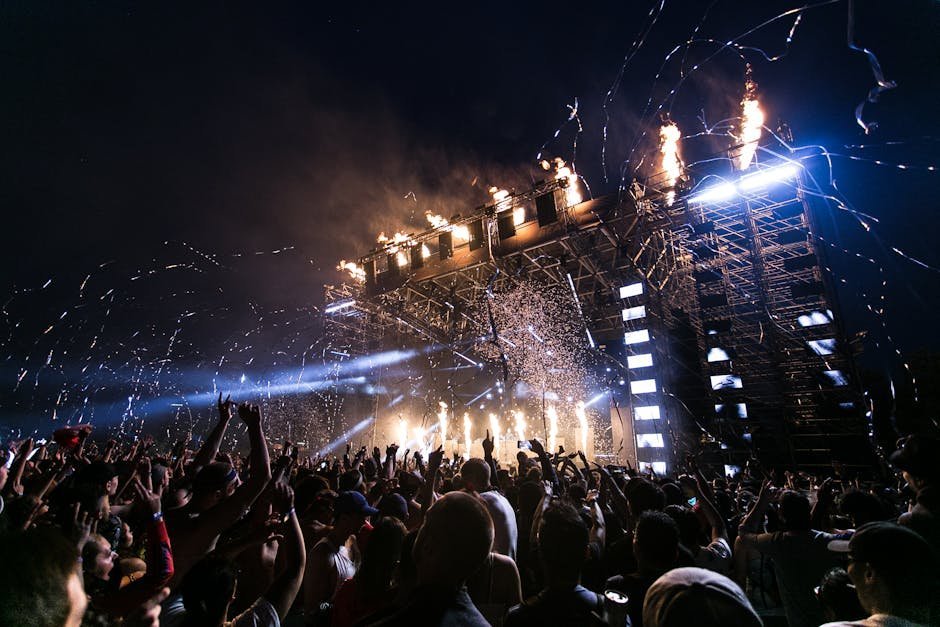
There’s a theory that people reach for euphoric, communal music when they’ve been through collective trauma. After the social isolation of the pandemic years, it makes a certain emotional sense that a genre built around crowds dancing together would experience a powerful resurgence. EDM is experiencing explosive growth in sample pack usage and is asserting itself as a major cultural force. This isn’t just a rehash of the 2010s – it’s a nostalgic, chaotic, and authentic evolution, with the core of the EDM revival being a hunger for high-energy, fast-paced music that resonates with a post-pandemic craving for communal, authentic experiences.
The explosion of nostalgia for early-2010s dance anthems means that progressive house, festival drops, and club-ready anthems feel fresh again, with big emotional builds and euphoric drops returning with a more polished, modern twist. In the wake of 2024’s resurgence of festivals, EDM regained its cultural dominance, combining deep house, future bass, and melodic techno influences.
EDM remains one of the top music genres for live events, and in 2026 the boundaries between EDM subgenres – house, techno, trance, and drum and bass – have blurred, creating complex textures and sonic experiences, with immersive VR concerts and digital festivals becoming mainstream. The dancefloor has been reclaimed, and it sounds better than ever.
10. Emo: Feelings Are Back, Louder Than Ever
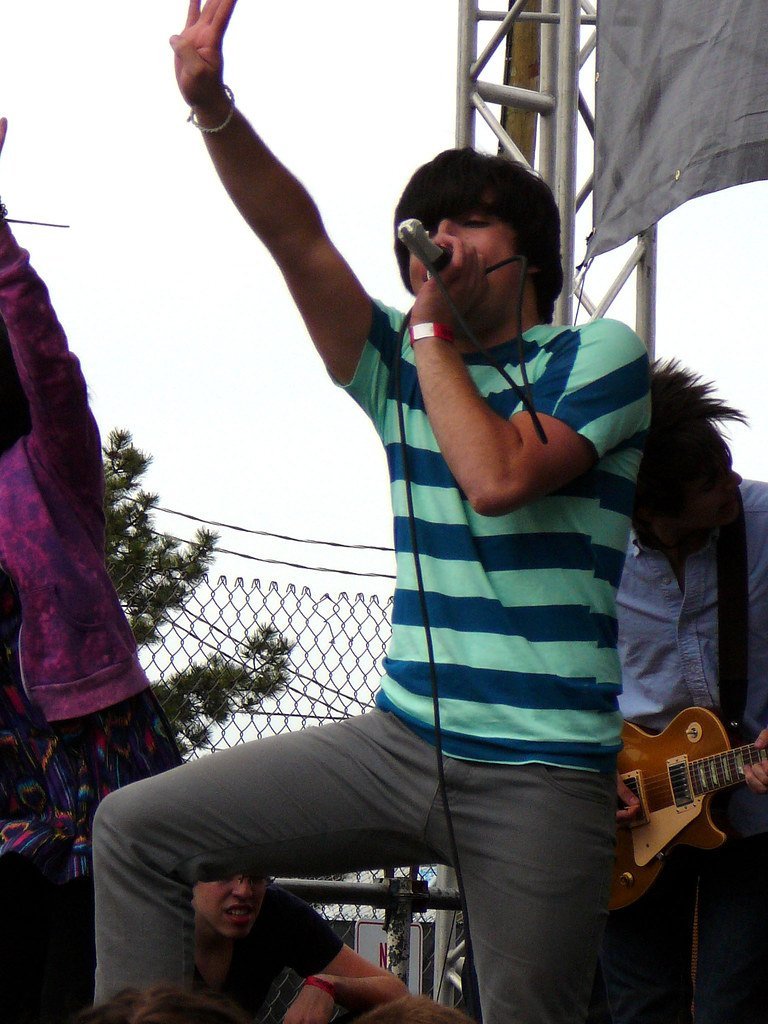
Emo has always been an easy target. Critics mocked it. Radio largely ignored it after its mid-2000s peak. Its association with teenage angst and dramatic eyeliner made it an almost irresistible punchline. Here’s the thing, though: the emotional rawness at the core of emo never went away. It just went underground, waiting for a generation that needed it again.
We will be unable to discuss the 2020s retrospectively without relentless words spilled on the modern emo revival. Countless bands have had banner years since surviving the pandemic, with Arm’s Length and Ben Quad releasing sensational 2025 albums. Rising acts like pop-punk trio Meet Me @ The Altar embody rock’s well-documented edginess, and as these artists suggest, the genre’s revival is also bringing a fusion of styles, from gritty punk riffs to electrifying indie anthems, reflecting the multifaceted frustrations of today’s world.
In 2025, My Chemical Romance headlined stadiums to celebrate their seminal 2006 album, The Black Parade, while the When We Were Young Festival reunited Panic! at the Disco fans. New acts like Blush Puppy are showcasing their fusion of emo, post-hardcore, shoegaze elements, and grunge – proving this emotional genre still has enormous creative range. Turns out, people still want music that makes them feel something big. Who knew?
The Bigger Picture: Why Old Genres Never Really Die
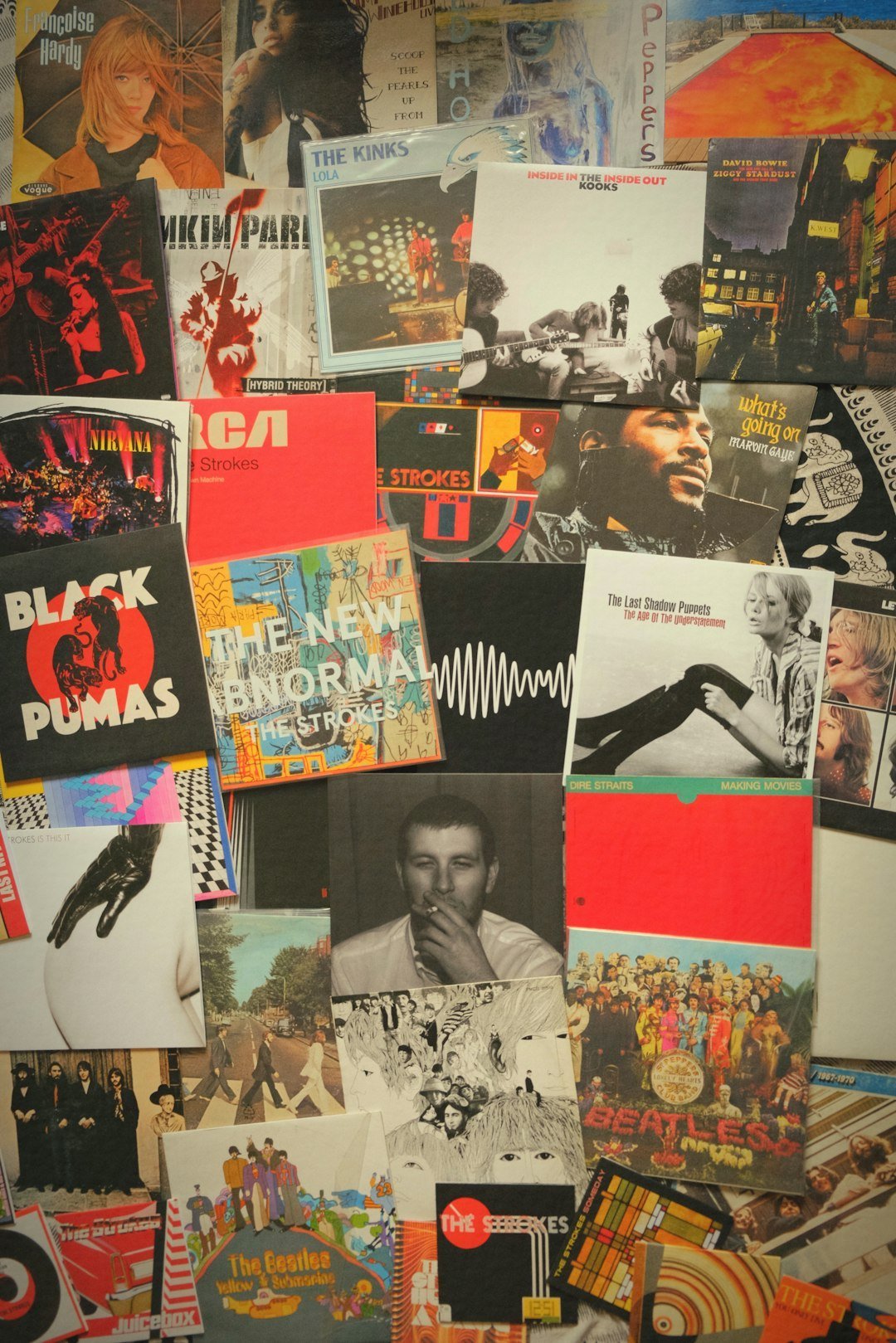
What all ten of these genres share is something fascinating. They each carry an emotional identity that transcends time. Disco says “come together and celebrate.” Grunge says “I’m angry and you should be too.” Emo says “my feelings are so enormous I can barely contain them.” These aren’t just musical styles – they’re emotional archetypes. The pendulum swings between these musical poles every few years, creating a cycle that feels almost inevitable in retrospect.
As we step into 2026, the global music landscape has transformed significantly compared to 2024 and 2025, with streaming platforms, social media, and artificial intelligence reshaping how listeners discover and interact with music. Acoustic authenticity will likely coexist with the rise of AI in music production, and genre fluidity will expand further, with more collaborations between artists from different cultural and musical backgrounds.
Perhaps the most honest takeaway is this: musical taste has never been as linear as critics once suggested. People don’t simply move forward in a straight line from one genre to the next. They circle back, rediscover, reinterpret. The future of popular music is full of innovation and diversity, and the era of strict genre boundaries is fading, giving way to a dynamic and fluid musical world. The genres we thought were gone were never really gone. They were just waiting for the right moment, and the right generation, to remember why they mattered in the first place.
Which of these revivals surprised you most? Drop your thoughts in the comments below.
CEO-Co-Founder
