
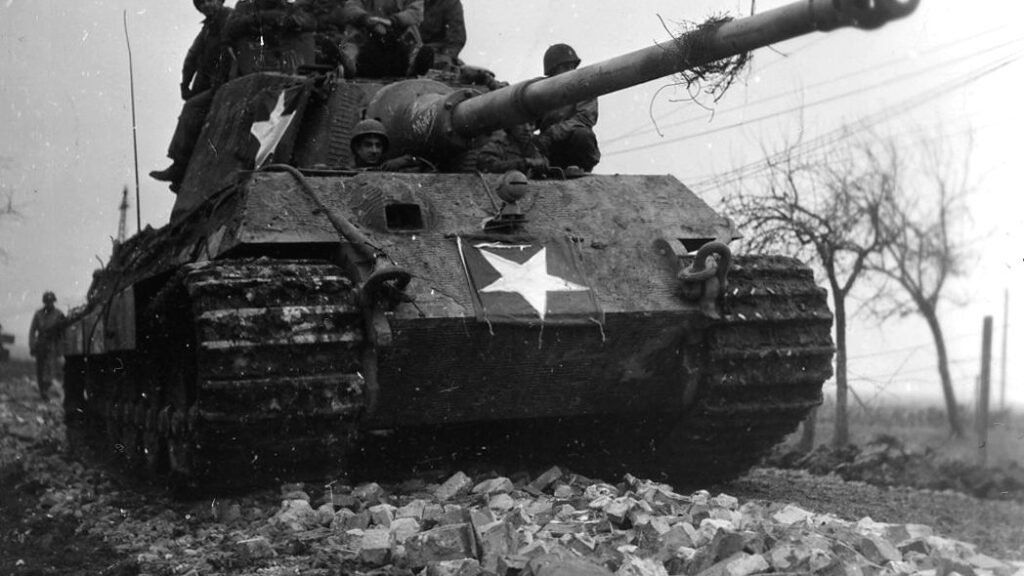
War films pull us into the chaos of battle with gripping stories of courage and sacrifice. Directors often reshape real events to build tension or spotlight certain heroes. These alterations serve the screen but can blur the line between fact and fiction.
Such tweaks make for compelling cinema. Still, they sometimes rewrite history in ways that historians still debate decades later.[1][2]
U-571 (2000)
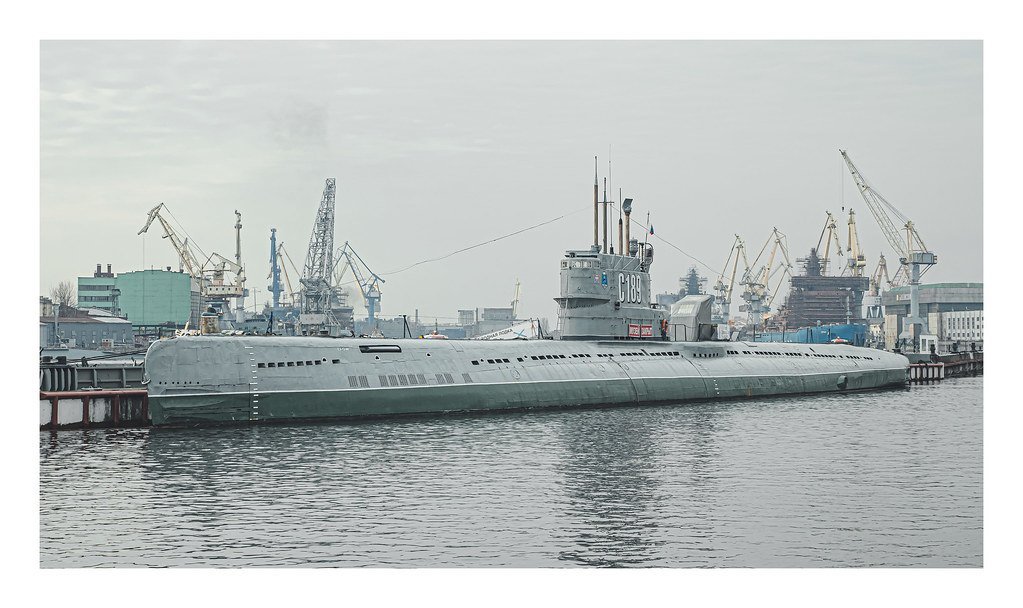
The film centers on a U.S. Navy crew boarding a German U-boat to seize an Enigma encoding machine. This daring raid supposedly marks the first capture of the device, turning the tide against Nazi U-boats early in the war. Explosive action unfolds as Americans outwit the Germans at sea. The story paints the U.S. as the lone force cracking the code.
Reality differed sharply. British forces captured the first Enigma machine in 1941, well before Pearl Harbor, with Polish cryptologists aiding the code-breaking effort.[1][3] The Americans only secured one late in 1944, as the Nazi regime crumbled. This shift credits the U.S. unfairly while downplaying Allied teamwork.
Pearl Harbor (2001)
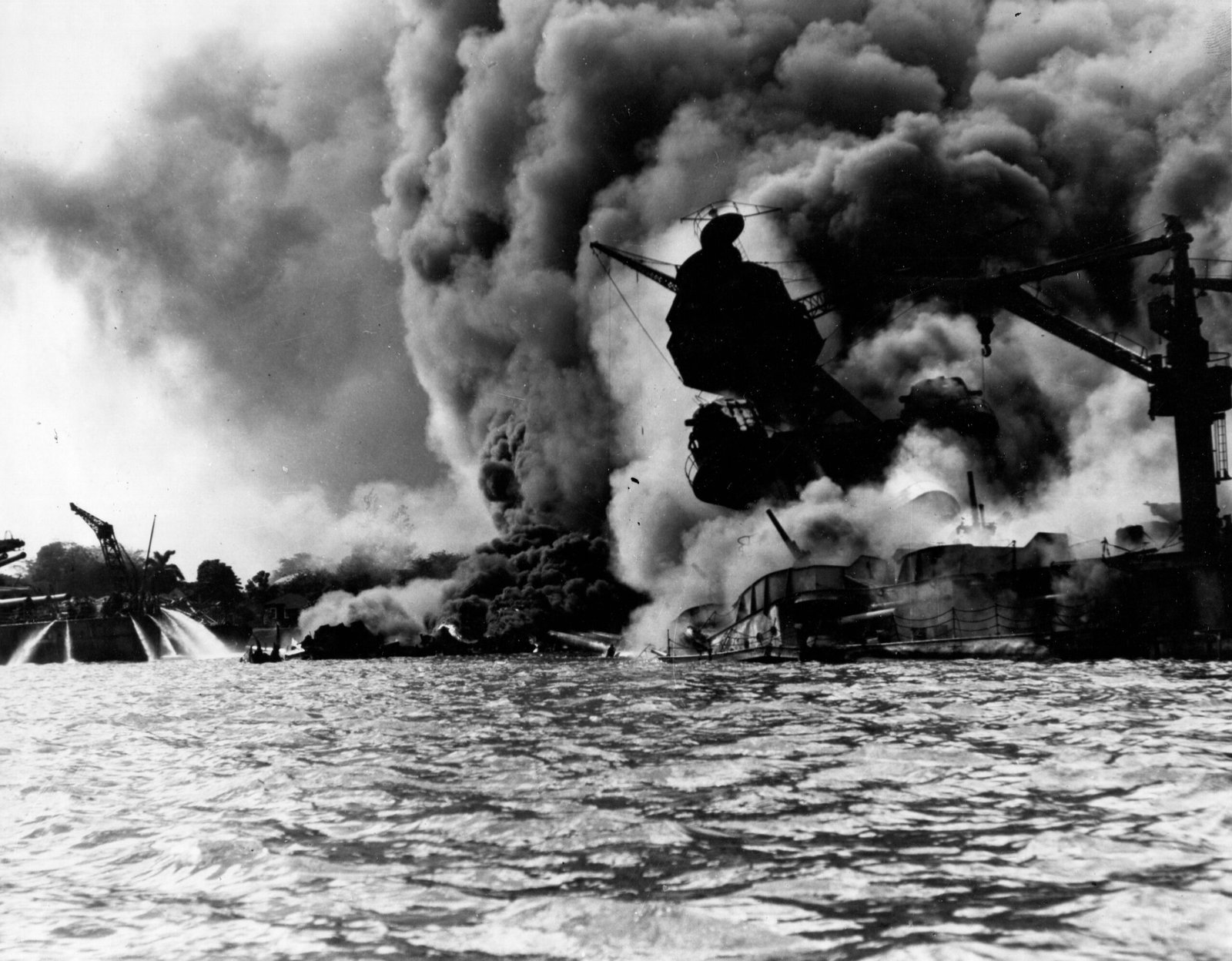
Two pilots navigate love and loss amid the Japanese attack on Hawaii. One flies with the RAF before America enters the war, gets shot down, and returns for revenge. The base commander golfs casually as planes approach, ignoring warnings. A dramatic Doolittle Raid caps the heroics with pinpoint bombing runs.
No American volunteered for RAF combat pre-Pearl Harbor. The commander never golfed during the assault, and records show no such foreknowledge.[1] The film compresses timelines and invents pilot backstories for romance. Historians note the raid’s real planning ignored many movie flourishes.
Equipment details also falter, like aircraft models not matching the era.
Enemy at the Gates (2001)
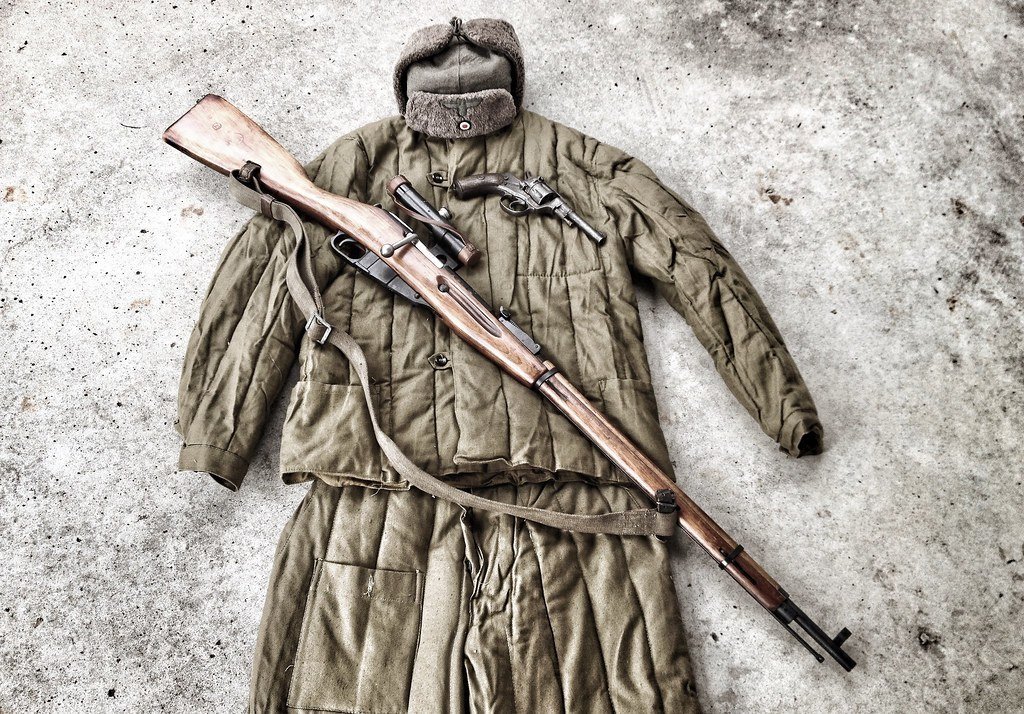
A Soviet sniper, Vasily Zaytsev, faces off in a tense duel with a German master marksman during Stalingrad. The film shows him as an unbeatable hero leading charges with top gear. Red Army troops wield superior weapons against ragged Nazis. Their standoff defines the battle’s turning point.
Zaytsev’s feats got exaggerated; no evidence supports the personal rivalry.[1] Soviets often shared single rifles due to shortages, not the film’s well-armed force. Uniforms and maps reflect postwar inventions. The movie overlooks the brutal, chaotic reality of the siege.
Battle of the Bulge (1965)
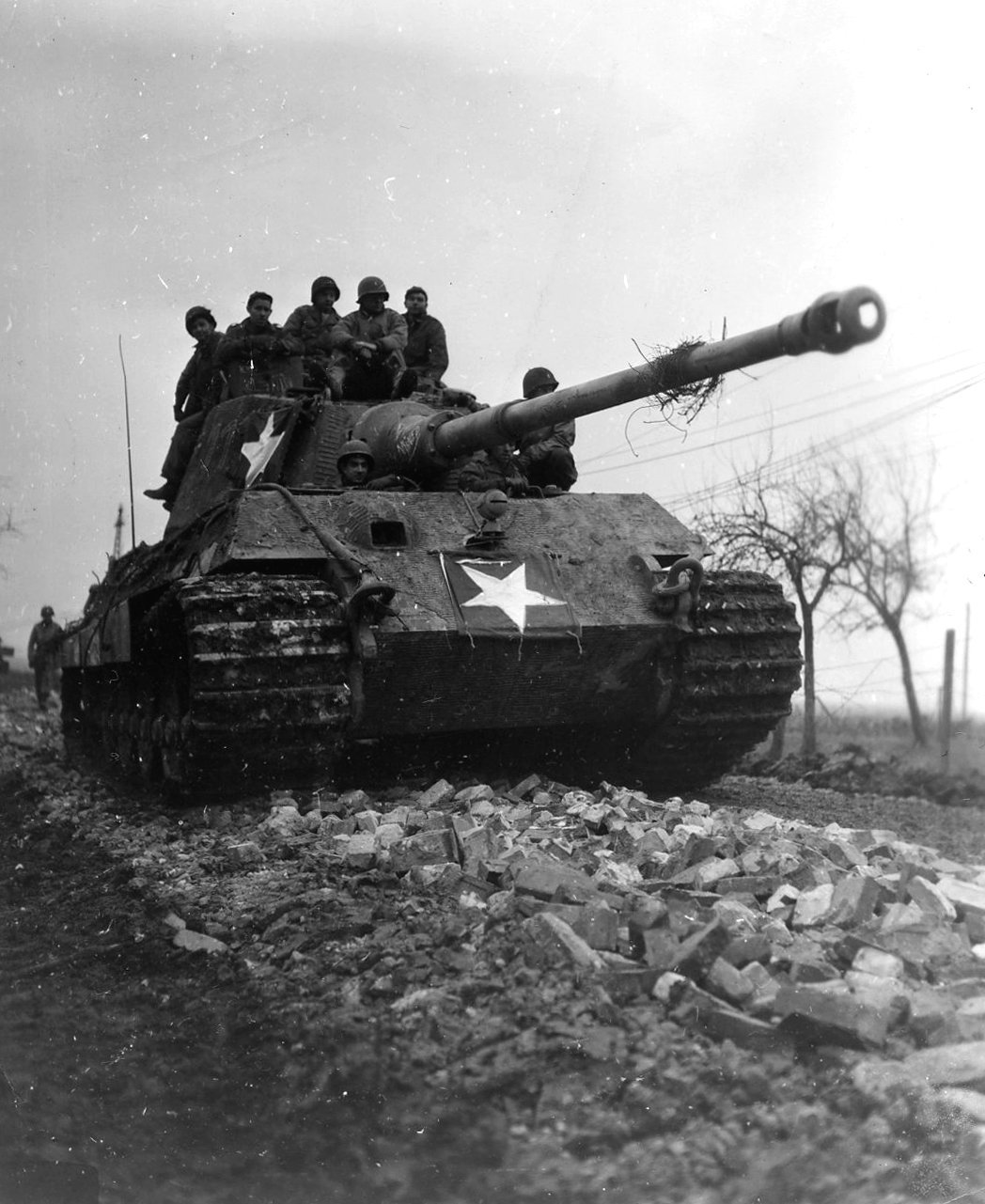
German forces launch a surprise offensive with massive Tiger tanks crushing American lines. Battles rage across open fields under clear skies. U.S. troops scramble with post-war jeeps and tanks mimicking German ones. A fictional general schemes fuel shortages for victory.
The Ardennes fight occurred in deep snow and fog, grounding Allied planes.[1] Vehicles were era-specific, not 1960s models. Dwight Eisenhower publicly criticized the film’s distortions on troop movements and tactics. Even tank designs mismatched historical records.
These changes simplified a complex, weather-driven campaign.
The Patriot (2000)
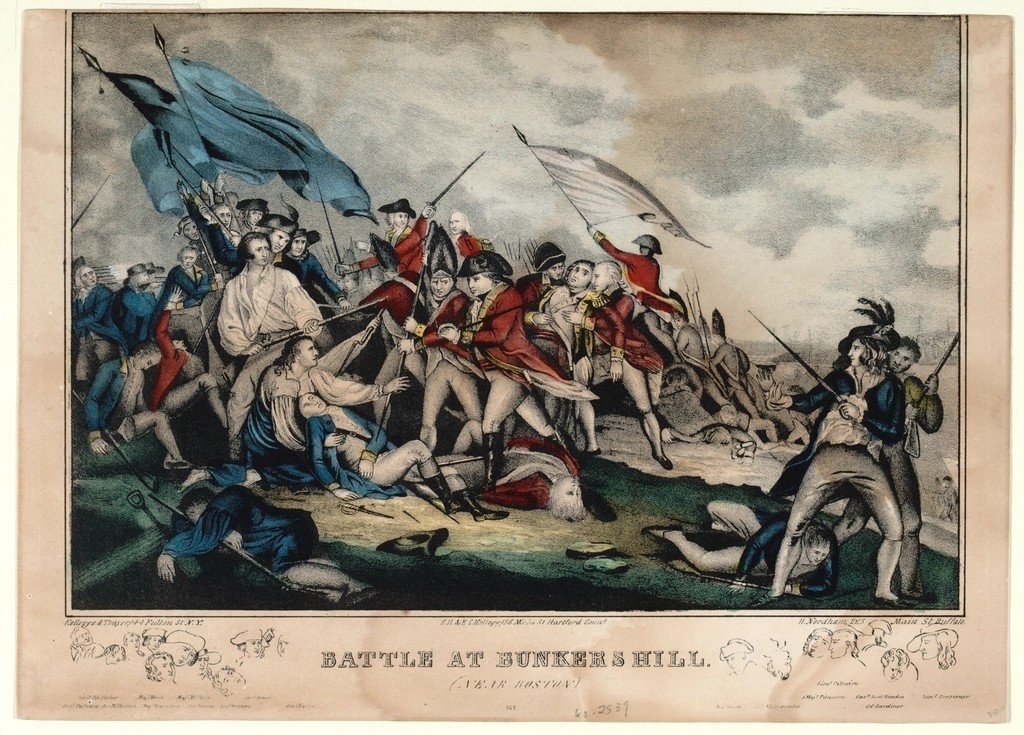
A colonial militia leader avenges his son against brutal British officers who burn churches full of people. Savage redcoats torch villages indiscriminately. The hero wields future rifles and leads charges like later wars. Independence hinges on his personal vendetta.
British atrocities like church burnings never happened there.[3] Both sides committed harsh acts, but the film vilifies one unfairly. Weapons and tactics appear decades early. It glosses over slavery ties for the protagonist’s family.
Red Tails (2012)
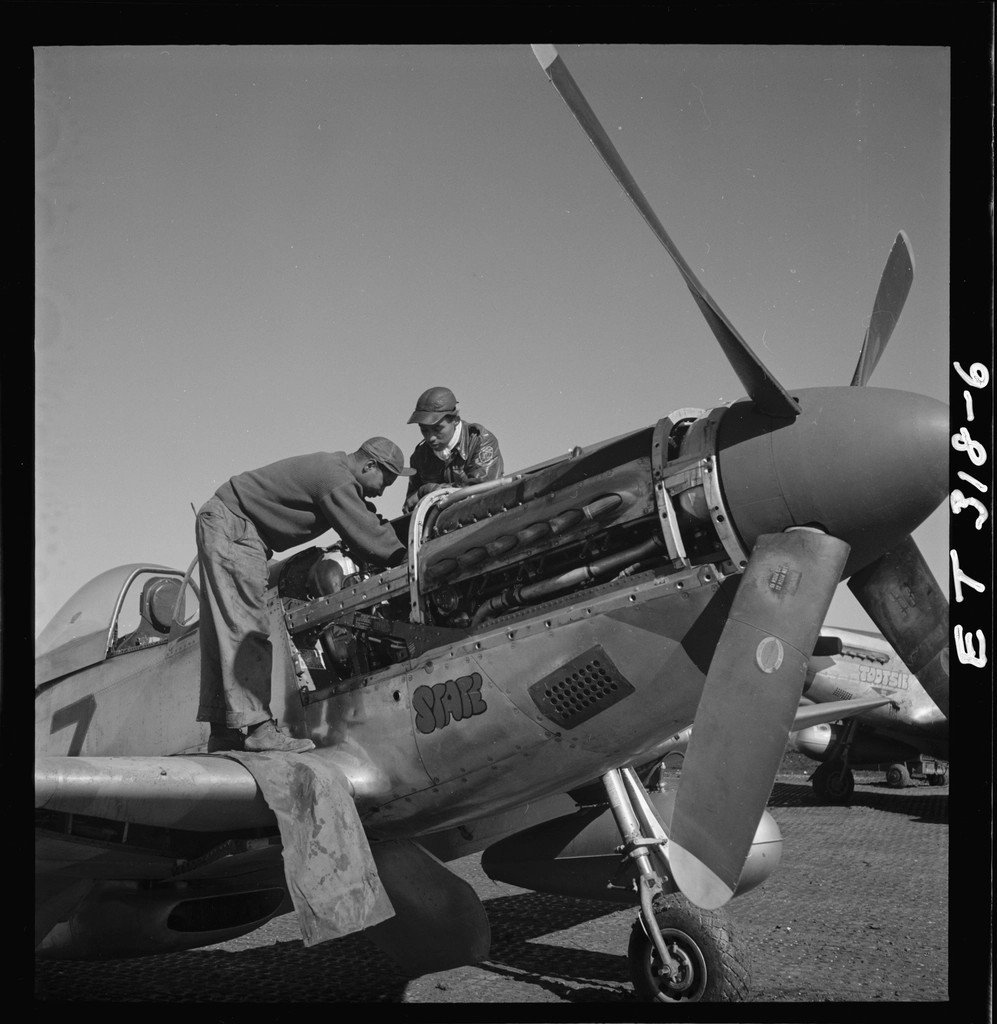
Tuskegee Airmen dominate skies, escorting bombers without a single loss. They rack up unmatched kill scores against Luftwaffe aces. Segregation fades into heroic unity. Berlin raids showcase their flawless protection.
Archives record over 25 bombers lost under their watch.[1] Their record impressed but didn’t top all squadrons. The film skips women’s roles and deepens racial barriers lightly. Real missions involved tense risks, not total invincibility.
Still, it honors their trailblazing amid compromises.
Windtalkers (2002)
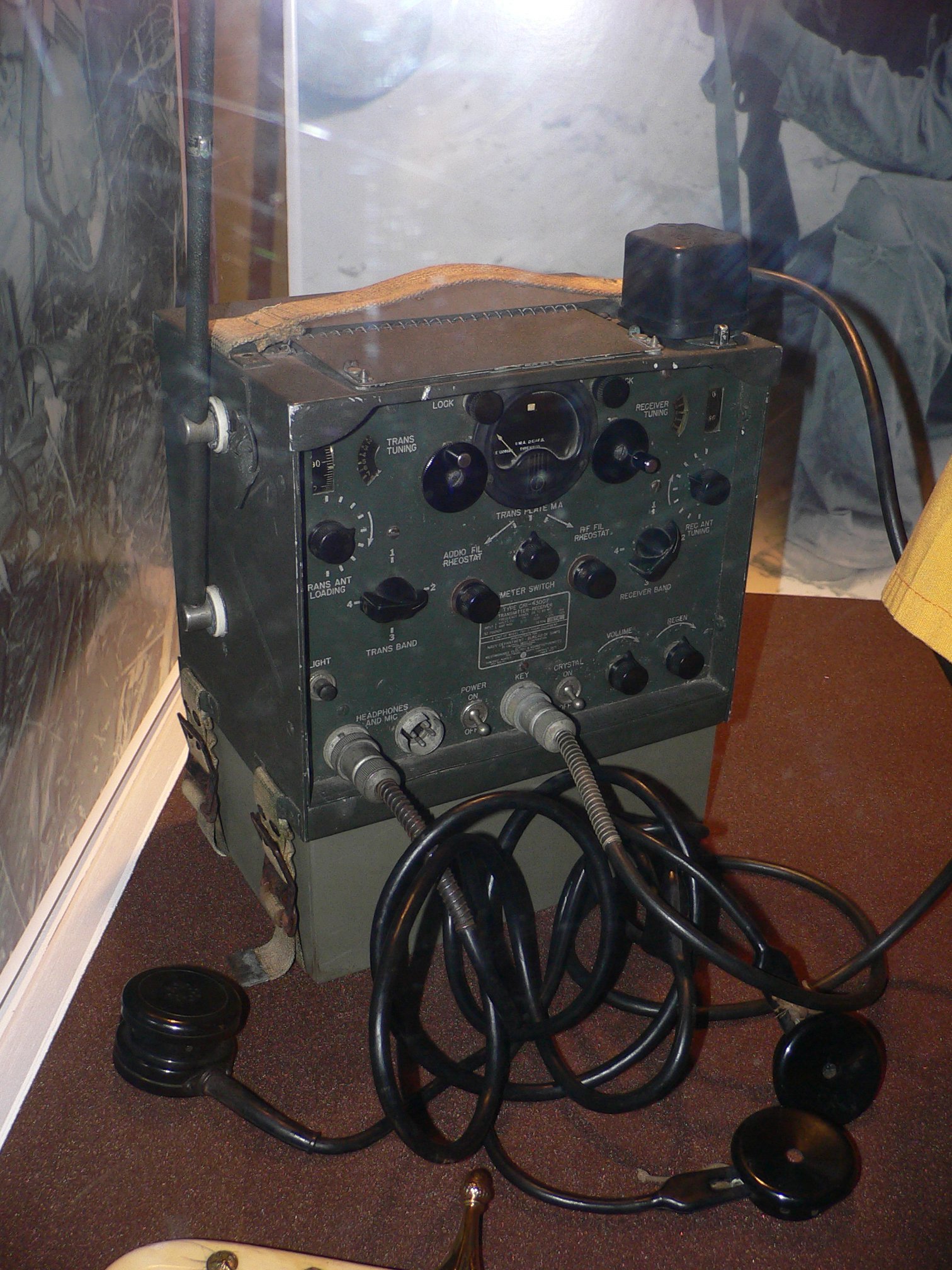
Marines guard Navajo code talkers with orders to kill them if captured. Intense Pacific fights protect the unbreakable code. Bodyguards sacrifice everything for secrecy. The code wins battles single-handedly.
Protection was the only directive; no kill orders existed.[1] Code talkers fought alongside, not just transmitted. Their language baffled Japanese decoders throughout the war. The plot amps personal drama over team efforts.
Flyboys (2006)
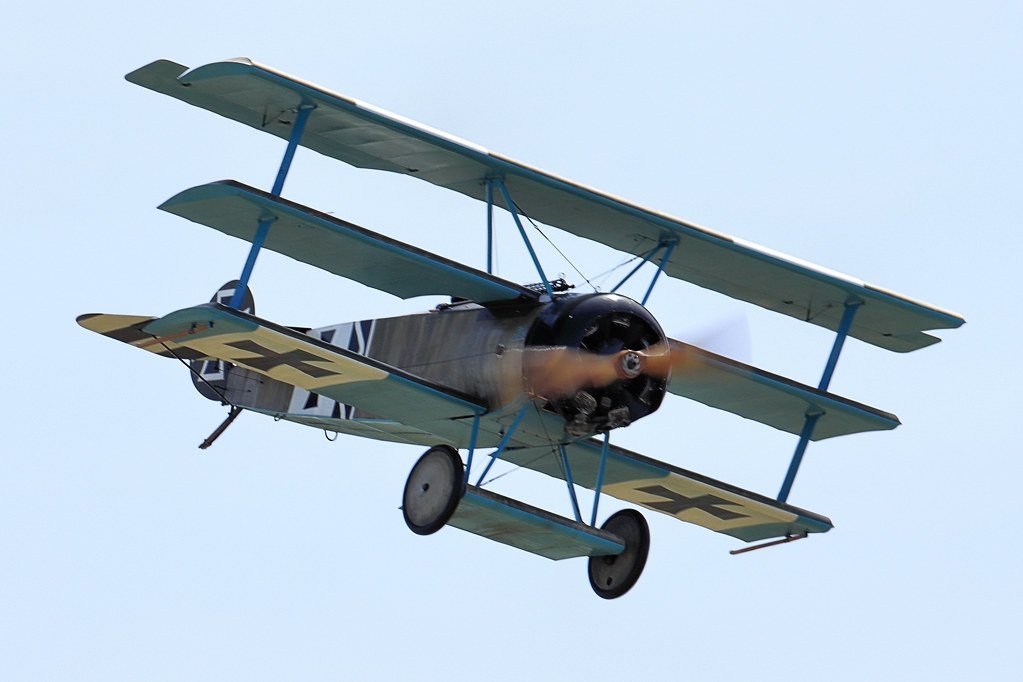
American volunteers in France’s Lafayette Escadrille down red Fokker triplanes. Dogfights blend two squadrons into one epic tale. Pilots wear mismatched uniforms and fly anachronistic craft. Heroic crashes and rescues define WWI air war.
Fokkers weren’t standard issue then. Uniforms and planes mix eras wrongly.[3] The advisor faked credentials. Real Escadrille faced grueling, less glamorous flights. Colors and vessels stray from logs.
Mechanics of early aviation got simplified too.
The Hurt Locker (2008)
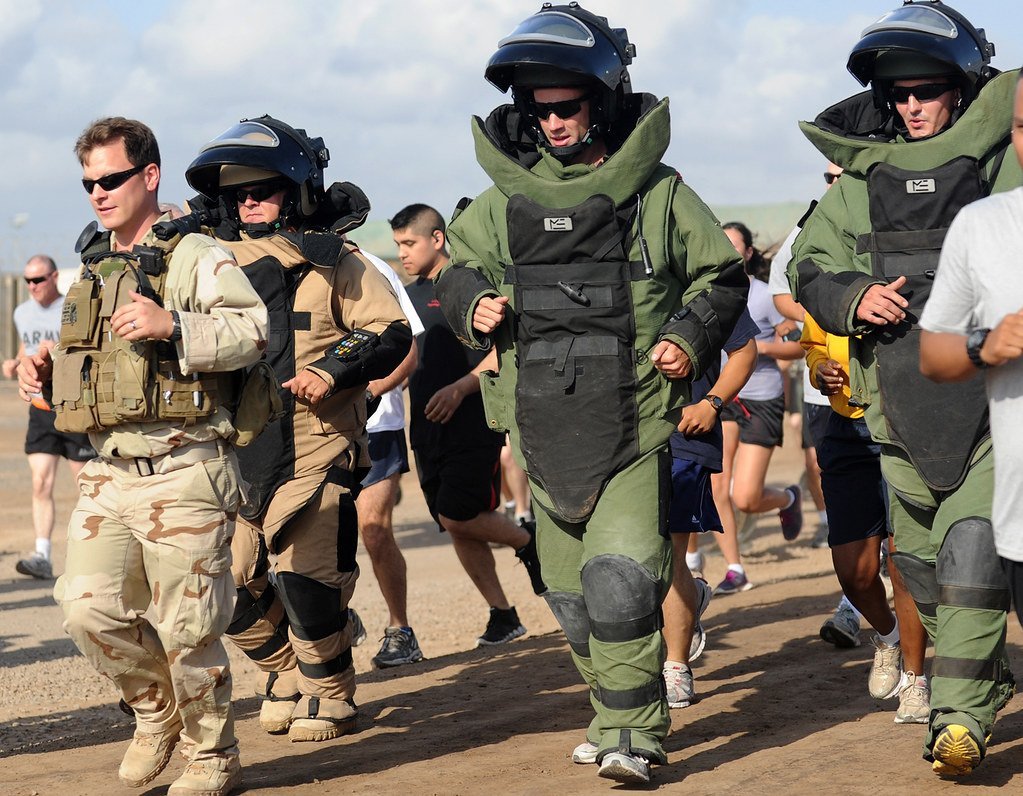
A reckless bomb tech thrives on solo risks in Iraq. Squads dash unprotected into danger zones. Soldiers act impulsive, chasing thrills over protocol. Endless disarms highlight personal chaos.
Teams used heavy security for every op. Small groups avoided hot spots alone.[1] Discipline ruled, not the film’s wild antics. Real EOD followed strict convoys. Portrayals fueled debates on Army image.
The Last Samurai (2003)
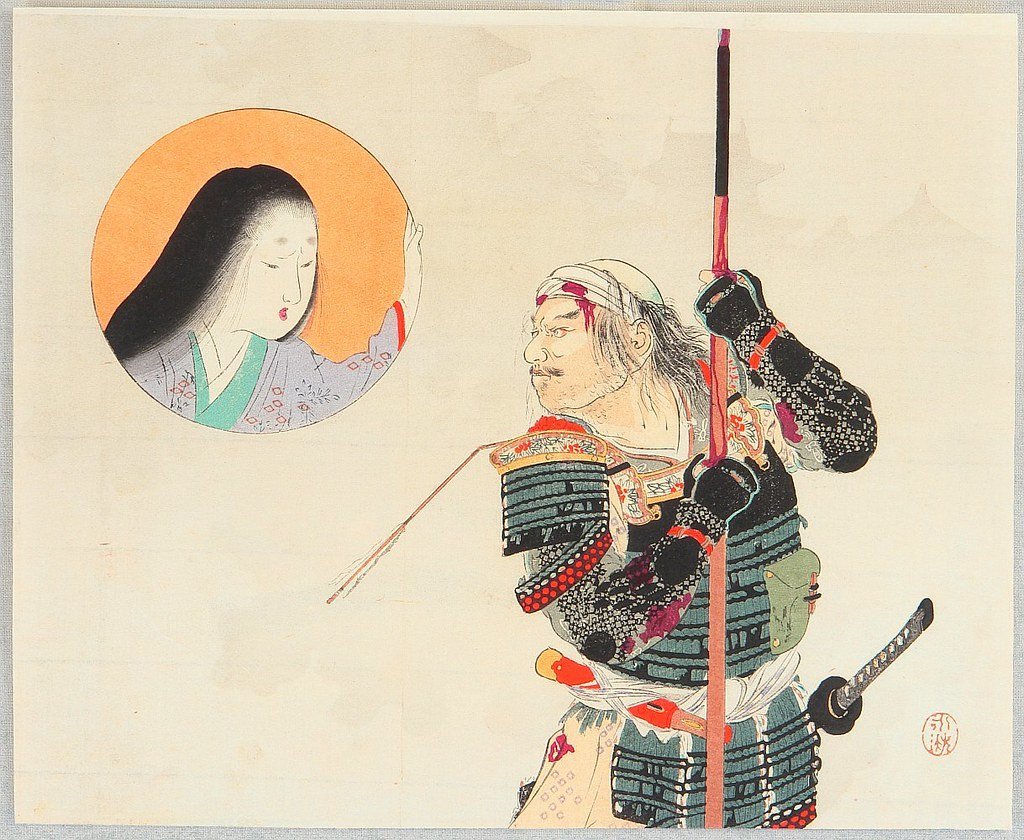
An American officer trains imperial troops, defects to samurai rebels. He masters their ways, leads charges against modern guns. The last stand preserves ancient honor. White savior turns the tide.
No such Westerner joined the samurai rebellion.[2] Meiji forces crushed them swiftly. The character blends fiction loosely from advisors. Real clashes mixed tradition with rapid change, sans Hollywood arc.
Entertainment vs. History
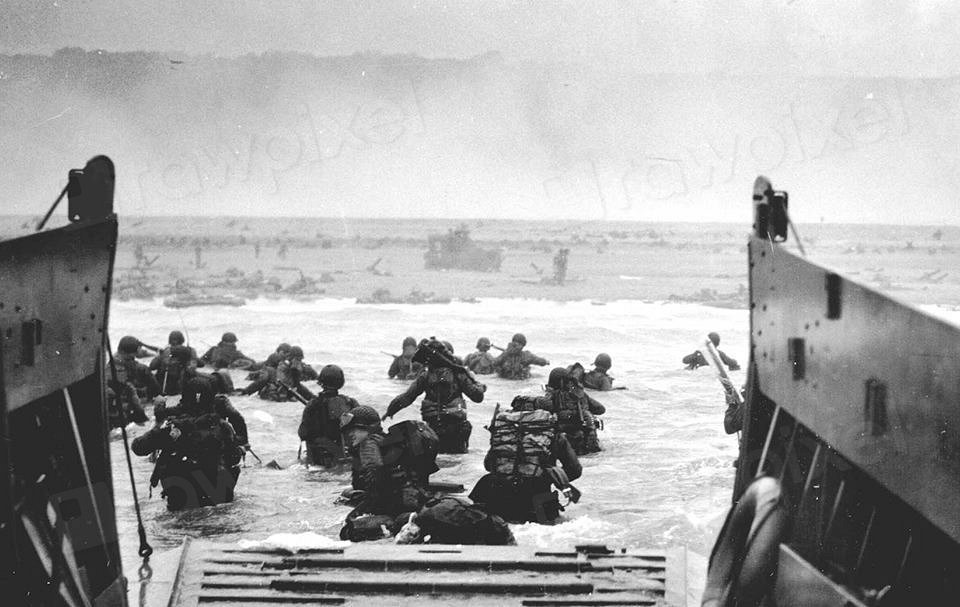
These films thrill with streamlined heroism and clear villains. History unfolds messier, shared across nations and flawed people. Entertainment prioritizes pace over precision.
Yet both inform if we spot the gaps. War’s true lessons lie in records, not reels alone. Next screening, enjoy the spectacle, then dig deeper for the real story.


