

- Iconic Cultural Moments Are Not Planned; They Simply Erupt and Resonate. - August 31, 2026
- 10 Classic TV Commercials That Are More Memorable Than the Products They Sold - August 31, 2026
- The Echoes of Past Eras Resurface in Our Modern World in Surprising Ways. - August 30, 2026
One-hit wonders burst onto the charts with infectious hooks that stick around for decades. People dance to them at weddings or hum them absentmindedly, rarely pausing to unpack the words.
Yet these fleeting smashes often hide layers of personal pain, social commentary, or cultural critique beneath their glossy surfaces. Digging deeper reveals how songwriters weave complexity into earworms meant for mass appeal.[1]
Macarena by Los del Río
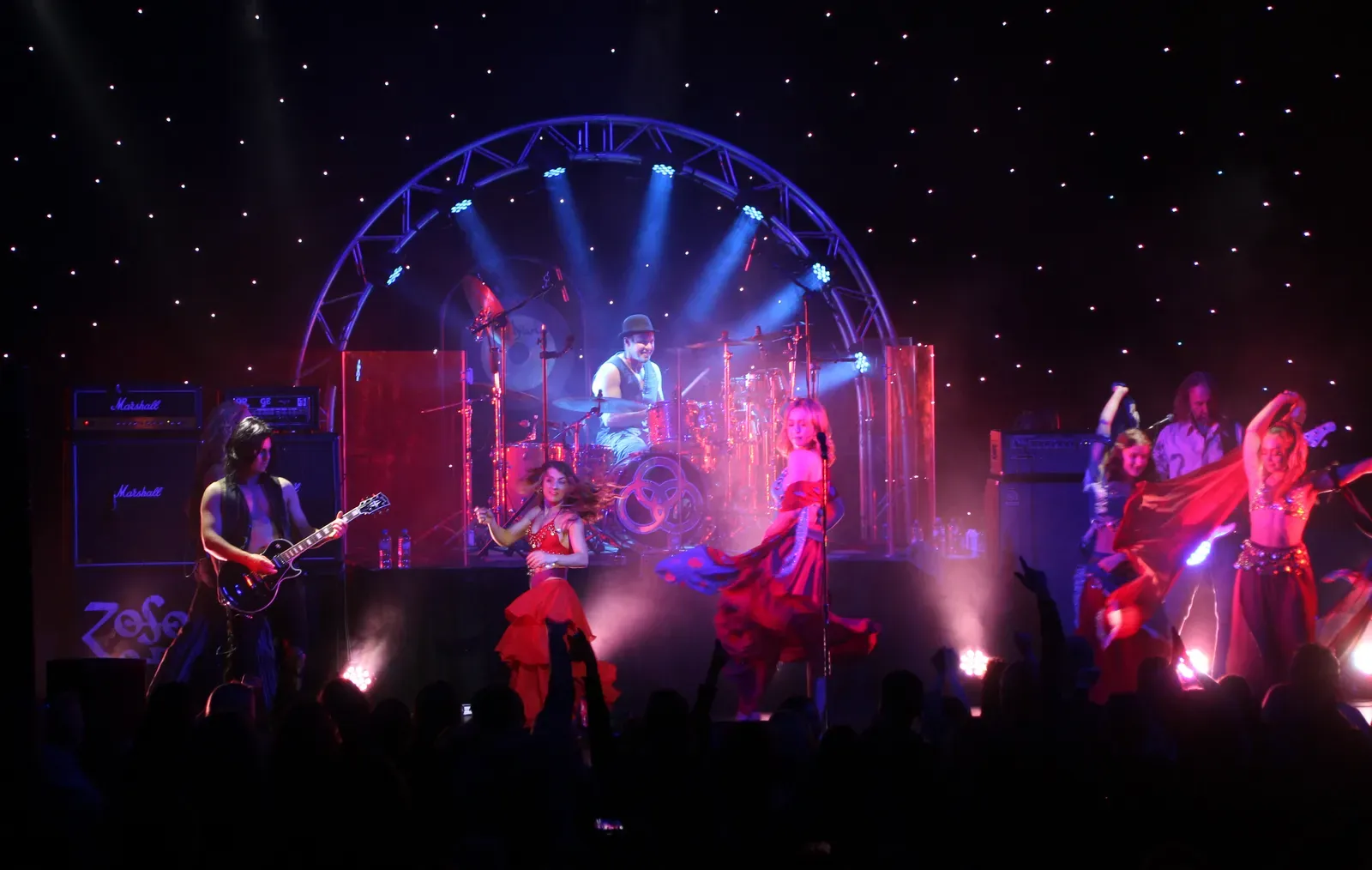
The track exploded in the mid-90s as the ultimate party anthem. Its simple, repetitive chorus invited everyone to mimic the signature dance moves at clubs and school events. Listeners saw it as pure, carefree fun with no strings attached.[2]
Reality paints a sharper picture. Macarena cheats on her boyfriend, a soldier shipped off to war, first with one friend and then another. The lyrics detail her flaunting new outfits and shaking off her ring while he serves. This tale of infidelity turns the upbeat rhythm into something cheekier, almost mocking loyalty amid absence.[2]
Come On Eileen by Dexys Midnight Runners
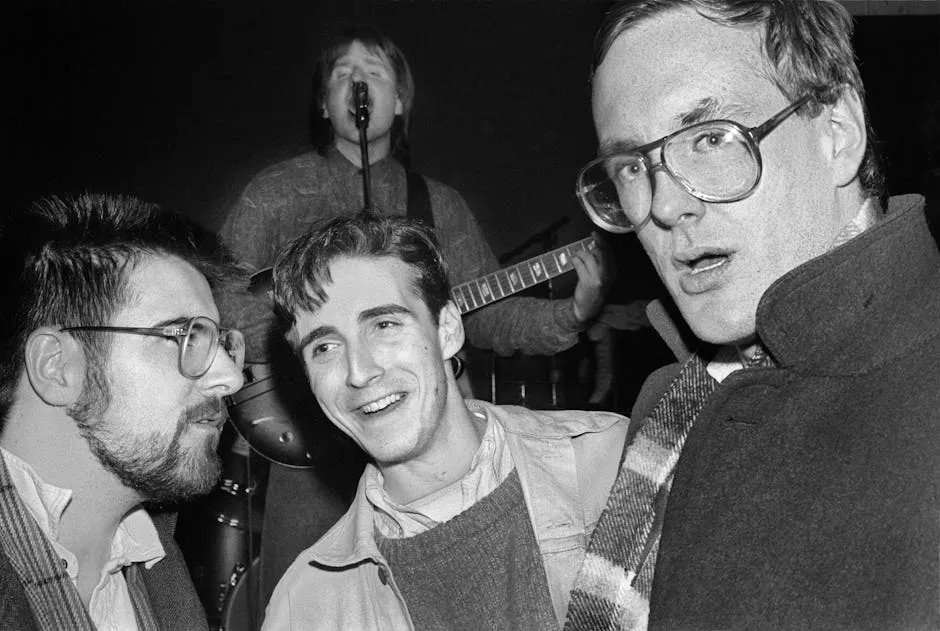
Fans cherish this 1982 earworm for its rollicking energy and plea to a girl named Eileen. It feels like a straightforward celebration of young romance, complete with bagpipes and soaring vocals that demand a sing-along.
Frontman Kevin Rowland clarified no real Eileen existed. She represents a composite figure symbolizing Catholic repression and the clash between rigid upbringing and youthful desire. The song critiques how strict traditions stifle natural urges, transforming its joy into a subtle rebellion against conformity.[1]
Context from the band’s working-class roots adds weight. Those scrubbed floors and too-hot nights evoke stifled lives yearning for release.
Nothing Compares 2 U by Sinéad O’Connor

This 1990 ballad became synonymous with raw heartbreak. The sparse arrangement and O’Connor’s piercing video tears suggest a lover’s desperate isolation after abandonment. It dominated airwaves as the ultimate breakup lament.
O’Connor channeled grief for her late mother, killed in a car crash years earlier. Those real tears in the video stemmed from that personal loss, shifting the narrative from romantic woe to profound familial mourning. The song’s intimacy deepened through this unintended layer, making its universality hit harder.[1]
Lovin’ You by Minnie Riperton

Released in 1975, the song floats on ethereal whistles and gentle grooves. It reads as a tender declaration of unconditional romance, praising a partner’s essence without need for change. That signature high note sealed its dreamy appeal.
Riperton crafted the melody as a lullaby for her infant daughter, Maya Rudolph. Whispers of “Maya” close the album version, revealing parental devotion over passion. This origin turns the track into a soothing bedtime ritual, far from its perceived sultry vibe.[1]
The personal touch humanizes Riperton’s vocal wizardry, born from everyday motherhood.
99 Luftballons by Nena

The 1983 new wave hit pulses with synths and a story of red balloons floating away. It captured Cold War-era whimsy, with its German lyrics and English version sparking global sing-alongs at parties.
Balloons get mistaken for enemy aircraft, sparking a chain reaction toward nuclear war. Nena wrote it as anti-militarism satire, highlighting how fear and miscommunication escalate to catastrophe. The playful tone masks a stark warning about global tensions.[3]
Pumped Up Kicks by Foster the People
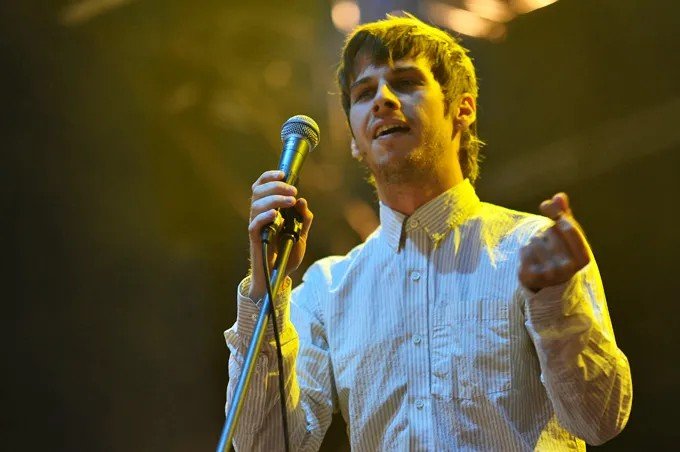
This 2010 indie pop tune bounces with sunny guitars and a whistling hook. Casual listeners peg it as a lighthearted jam about restless energy or teen antics. It soundtracked summer playlists effortlessly.
Mark Foster penned it from a school shooter’s viewpoint to spotlight gun violence. Lyrics like “all the other kids with the pumped up kicks” reference designer shoes coveted amid dark plans. The contrast amplifies its call for awareness on youth mental health crises.[4]
Foster aimed to provoke discussion through deception, proving pop’s power to unsettle.
Deeper Layers in Pop’s Flashiest Moments
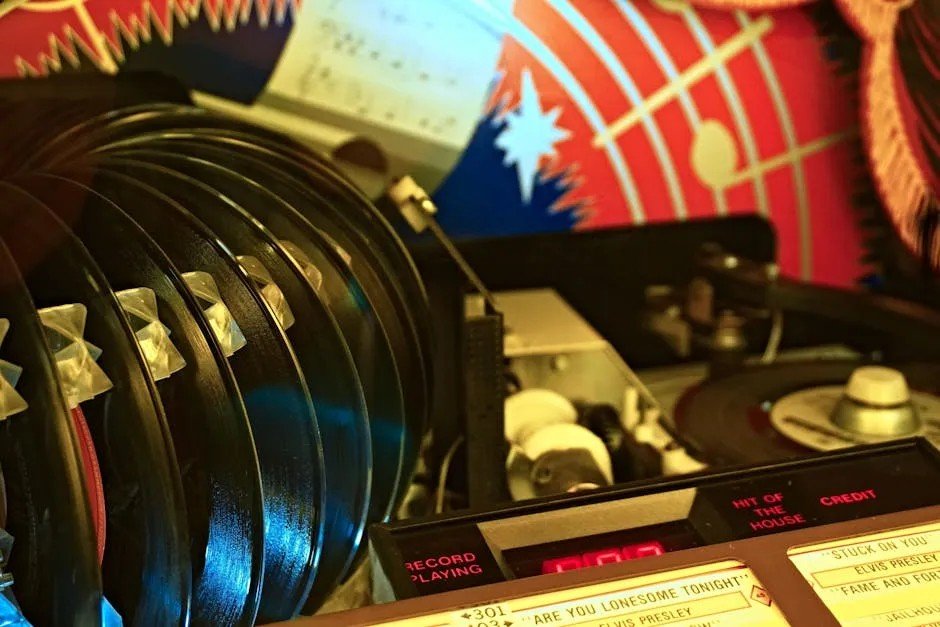
These tracks prove one-hit wonders pack more than hooks. Songwriters embed real struggles or warnings, trusting fans might one day notice.
Pop music thrives on this duality, turning disposable hits into enduring puzzles. Next time a chorus catches you, the story beneath might surprise.[1]

Besides founding Festivaltopia, Luca is the co founder of trib, an art and fashion collectiv you find on several regional events and online. Also he is part of the management board at HORiZONTE, a group travel provider in Germany.
