

For any feedback please reach out to info@festivalinside.com
- 12 Literary Feuds So Intense, They Changed the Course of Literature - August 11, 2026
- 10 Mysterious Disappearances of Famous Figures That Still Puzzle Experts - August 11, 2026
- 10 Foods We Thought Were American But Were Actually Invented Somewhere Else. - August 11, 2026
Speculative fiction has long served as a mirror to society’s deepest anxieties and aspirations. Writers imagine worlds shaped by emerging technologies and shifting politics, often capturing trends before they fully emerge.
These stories do more than entertain. They probe the logical extensions of current paths, highlighting risks and possibilities in ways that resonate decades later.[1][2]
Nineteen Eighty-Four by George Orwell
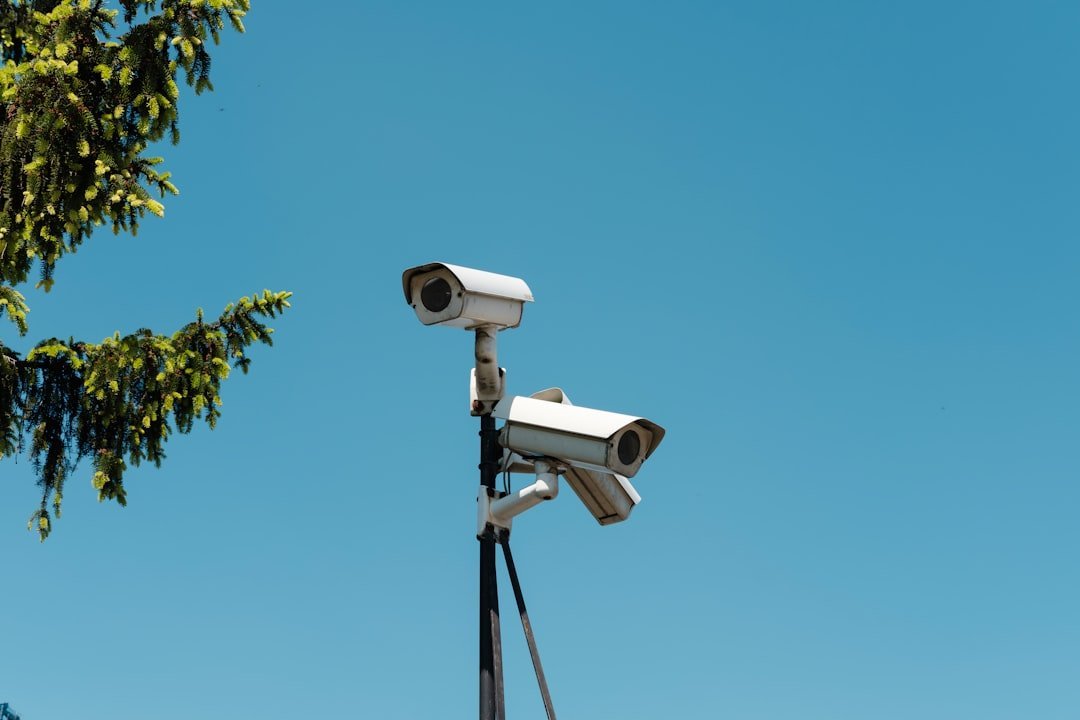
Published in 1949, this dystopian classic depicts a world under constant surveillance. Telescreens watch citizens’ every move, capturing facial expressions and even heart rates. The government manipulates truth through Newspeak, a language designed to limit thought. Propaganda machines churn out endless content to control the population.
Modern surveillance echoes these ideas closely. Facial recognition software and smart devices track behaviors in public and private spaces. Governments expanded monitoring powers after events like 9/11. AI now generates text and media, blurring lines between fact and fabrication.[3][1]
Brave New World by Aldous Huxley
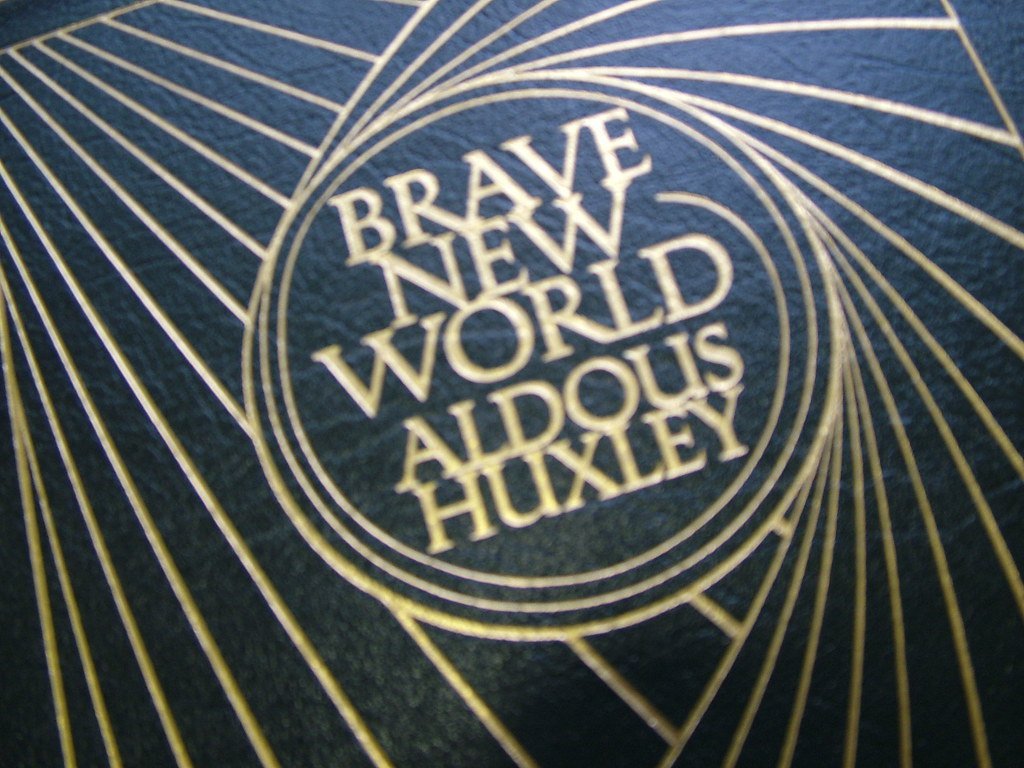
Aldous Huxley’s 1932 novel envisions a society engineered for stability through genetics and drugs. Babies are mass-produced in hatcheries, conditioned for specific roles. Soma provides instant happiness, dulling any discontent. Consumerism reigns, with citizens chasing shallow pleasures over deep connections.
Genetic editing tools like CRISPR now make designer babies feasible. Pharmaceutical escapes mirror soma in widespread antidepressant use. Hedonistic culture dominates media and advertising. Privacy erodes as people share lives online voluntarily.[1]
Fahrenheit 451 by Ray Bradbury
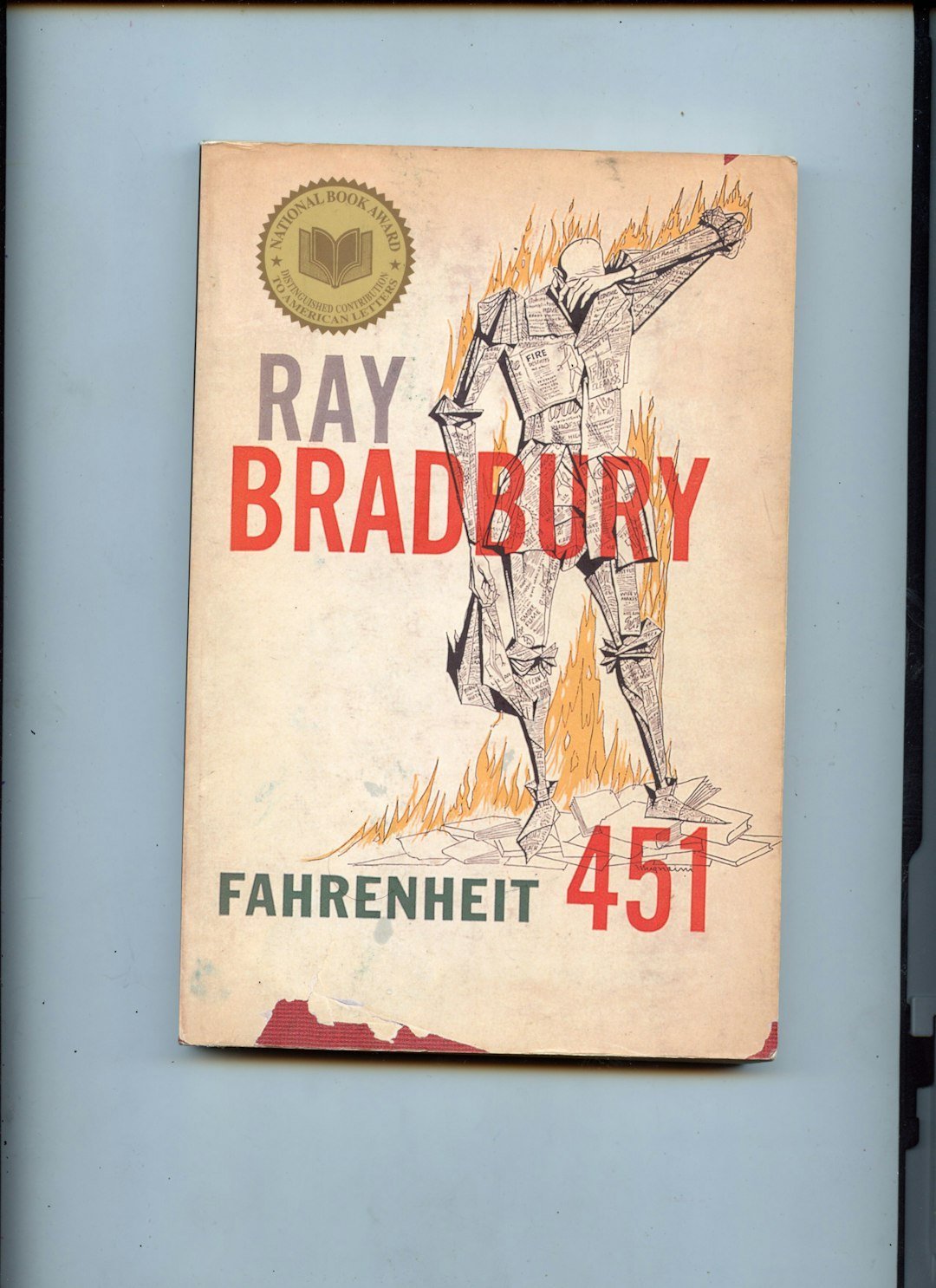
Ray Bradbury’s 1953 tale shows firemen burning books in a distracted society. Massive wall-sized TVs immerse families in interactive shows. Tiny earpieces called Seashells deliver constant audio entertainment. Intellectual pursuits fade amid shallow media consumption.
Reality TV and streaming services command daily hours, often sidelining real interactions. Wireless earbuds pipe in podcasts and music nonstop. Social isolation grows despite connectivity. Book challenges in schools and libraries recall the novel’s censorship fears.[3][1]
Neuromancer by William Gibson
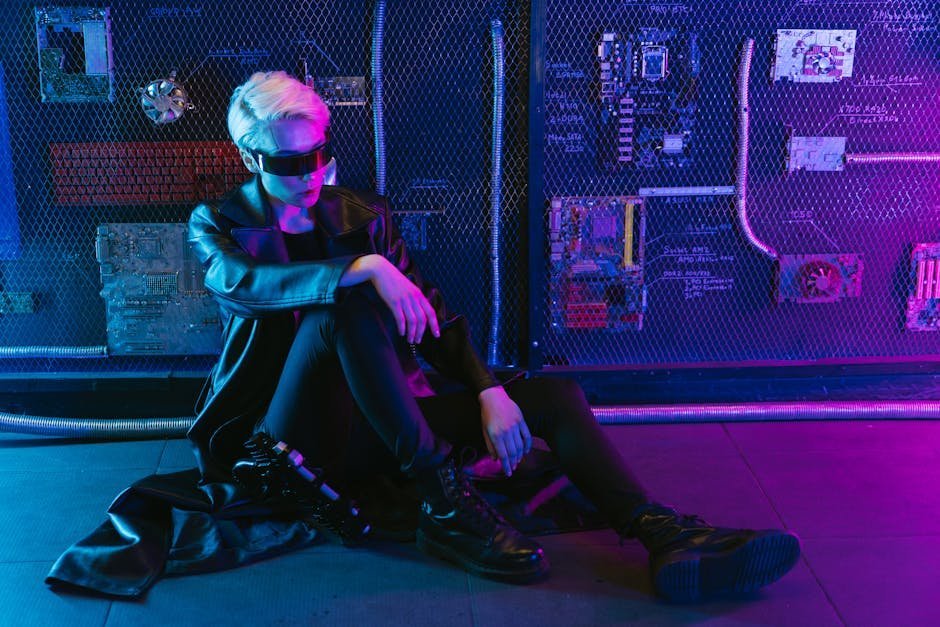
William Gibson’s 1984 cyberpunk novel introduces cyberspace, a virtual realm for hacking and data theft. Corporations wield immense power over digital networks. AI entities operate independently in the matrix. Global connectivity binds economies and spies alike.
The internet exploded soon after, with hacking scandals and cyberattacks routine. Tech giants like Google shape information flows. Virtual realities gain traction through VR headsets. Cyber threats disrupt nations, from elections to infrastructure.[1]
Parable of the Sower by Octavia E. Butler

Octavia E. Butler’s 1993 story unfolds amid climate collapse and inequality. Wildfires ravage California. Gated communities protect the wealthy from chaos. Populism surges with promises to restore past glories.
Intensifying wildfires and heat waves match predictions, per climate reports. Wealth gaps widen, fueling unrest. Political slogans echo the book’s demagogues. Migration surges as environments degrade.[3][1]
Stand on Zanzibar by John Brunner
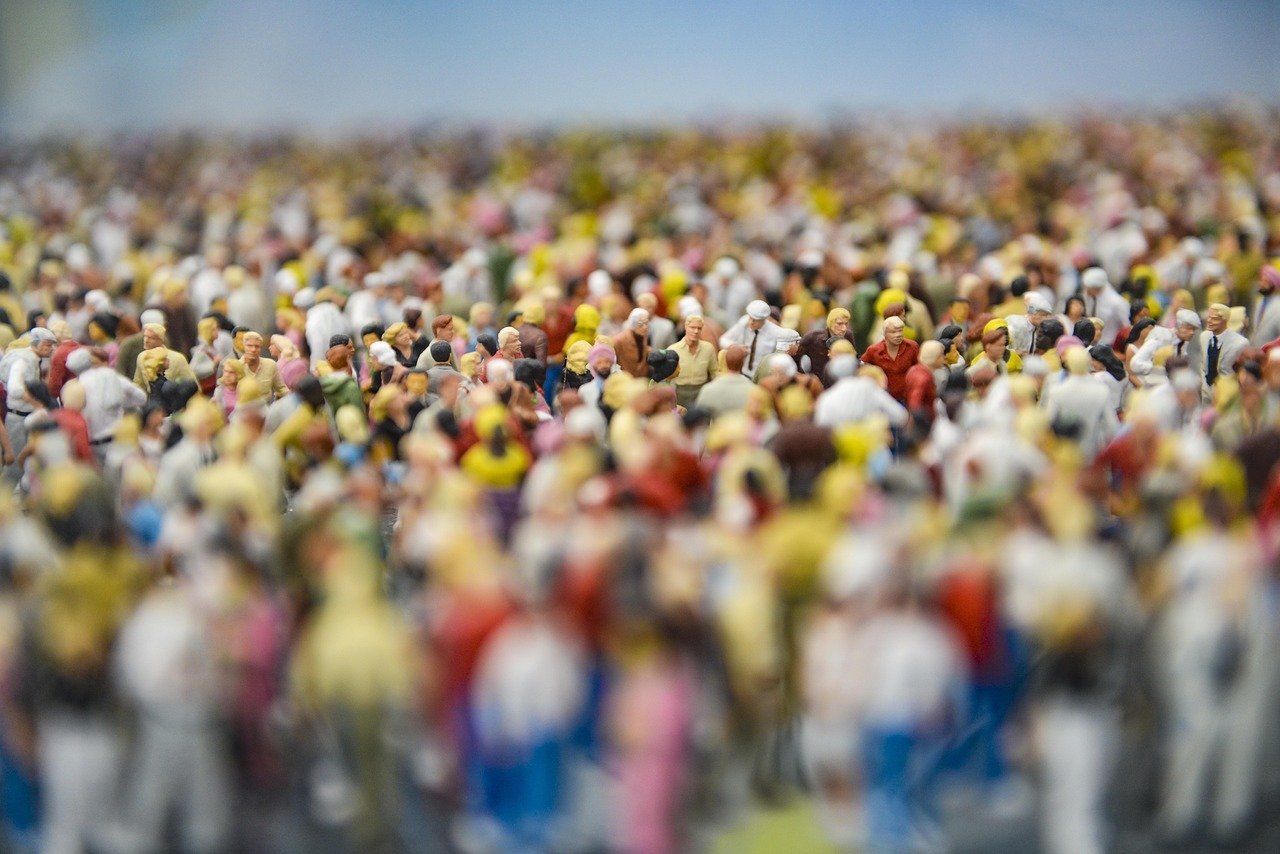
John Brunner’s 1968 novel portrays overpopulation and information overload in 2010. Corporations run governments. Surveillance profiles citizens via data. Terrorism and mass violence plague cities. China emerges as a superpower.
Big data tracks behaviors today through apps and cameras. Corporate lobbying sways policy. Urban violence and terror attacks persist. Global powers shift eastward.[1][2]
The Handmaid’s Tale by Margaret Atwood
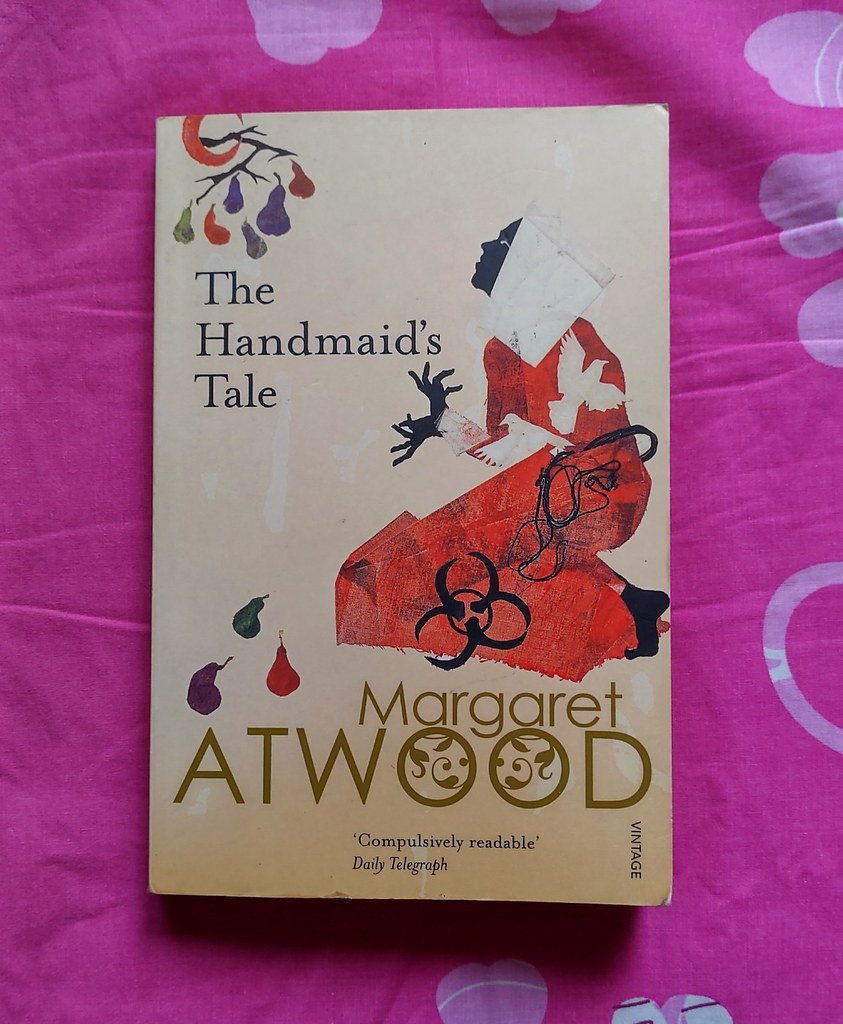
Margaret Atwood’s 1985 novel imagines a theocratic regime stripping women’s rights. Fertile women become vessels for elites. Environmental toxins cause infertility. Dissenters face brutal control.
Debates over reproductive rights intensify post-Roe v. Wade overturn. Pollution links to fertility declines in studies. Authoritarian trends test democratic norms. Protests highlight gender regressions.[4]
Foundation by Isaac Asimov
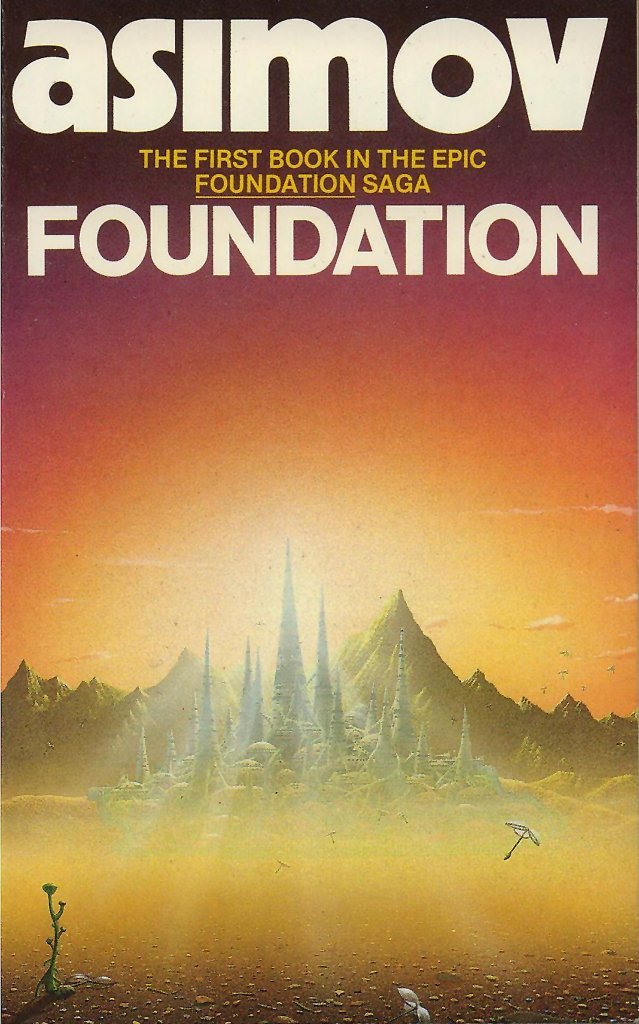
Isaac Asimov’s 1951 series introduces psychohistory, math predicting societal trends. Vast data models forecast collapses. Elites use it to shorten dark ages. Human behavior becomes quantifiable.
Big data and AI now predict elections and pandemics. Algorithms forecast consumer habits. Statistical models guide policy. Machine learning advances echo the concept.[3]
Paris in the Twentieth Century by Jules Verne
Jules Verne wrote this in 1863, depicting 1960s Paris with combustion engines, skyscrapers, and fax machines. Asphalt roads and gas stations dot the landscape. Networks link computers citywide. Education shifts to technical skills.
Internal combustion cars transformed travel by 1900. High-rises and elevators redefined cities. Early networks prefigured the internet. STEM emphasis dominates curricula.[1]
When the Sleeper Wakes by H.G. Wells
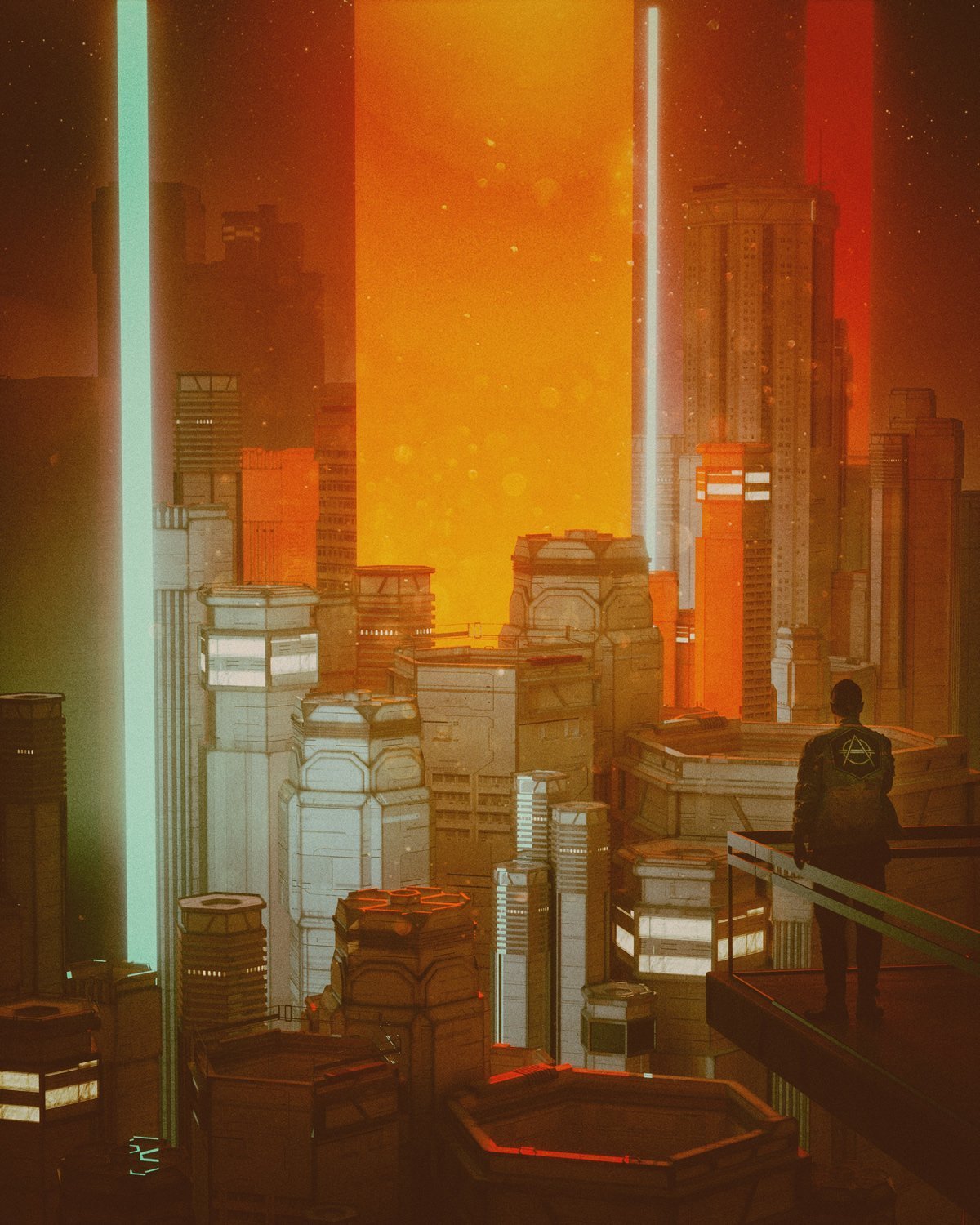
H.G. Wells’s 1899 novel features moving sidewalks, omnipresent ads, and aircraft in war. Cities pulse with electric transport. Billboards bombard senses. Air power shifts battles.
Airports and drones employ flight in conflicts. Escalators and people-movers ease crowds. Digital ads track and target relentlessly. Aviation changed warfare forever.[3]
Literature’s Foresight in an Uncertain World
These novels remind us that imagination often outpaces reality. Authors extrapolated from their eras’ science and politics, spotting patterns others missed.
Yet foresight carries warnings, not inevitabilities. Society can steer toward better paths by heeding these visions. The future remains ours to shape.[2][1]

Christian Wiedeck, all the way from Germany, loves music festivals, especially in the USA. His articles bring the excitement of these events to readers worldwide.
For any feedback please reach out to info@festivalinside.com
