

- How 16 American Protest Songs Changed World History - October 2, 2026
- 18 Books That Influenced U.S. Foreign Policy - October 2, 2026
- 15 Authors Who Revolutionized Political Writing - October 2, 2026
Everyone flocks to places like Yosemite or the Grand Canyon, chasing those postcard-perfect views amid massive crowds. Yet the United States holds quieter treasures that match the drama and beauty of the big names, often with solitude to match. These underrated spots deliver raw wilderness, unique geology, and deep history without the lines or reservations.[1][2]
From jagged Alaskan peaks to ancient dunes, they remind us that America’s natural diversity runs far deeper than the headliners. Exploring them feels like uncovering secrets long overlooked by the mainstream travel rush.
Lake Clark National Park, Alaska
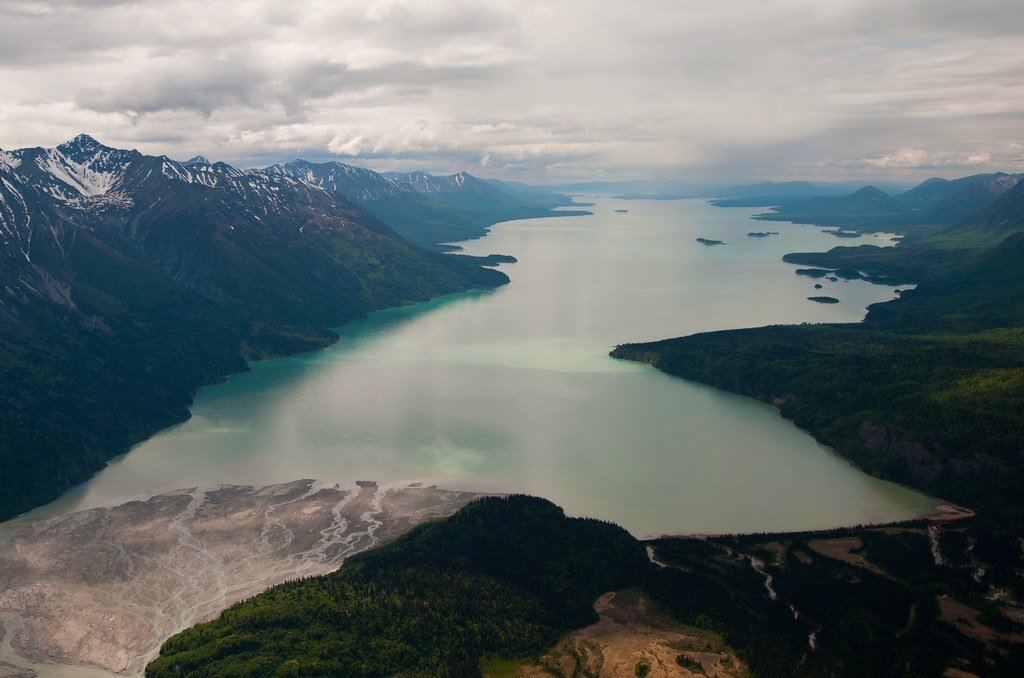
Mountains soar alongside jagged granite spires, glaciers, and active volcanoes in this vast wilderness. Waterfalls tumble into the largest lake fully within Alaska, while a lively coastline teems with wildlife like brown bears numbering up to 219 in just 54 square miles. The terrain shifts from rugged interiors to serene waters, offering a glimpse of untouched Pacific Ring of Fire drama.[1]
Reaching it means a flight 100 miles southwest from Anchorage, with no roads leading in. Fly-in tours or bush planes provide access to remote spots. Culturally, it preserves Richard Proenneke’s historic cabin on Upper Twin Lake, complete with exhibits that honor his solitary life in nature.[1]
North Cascades National Park, Washington
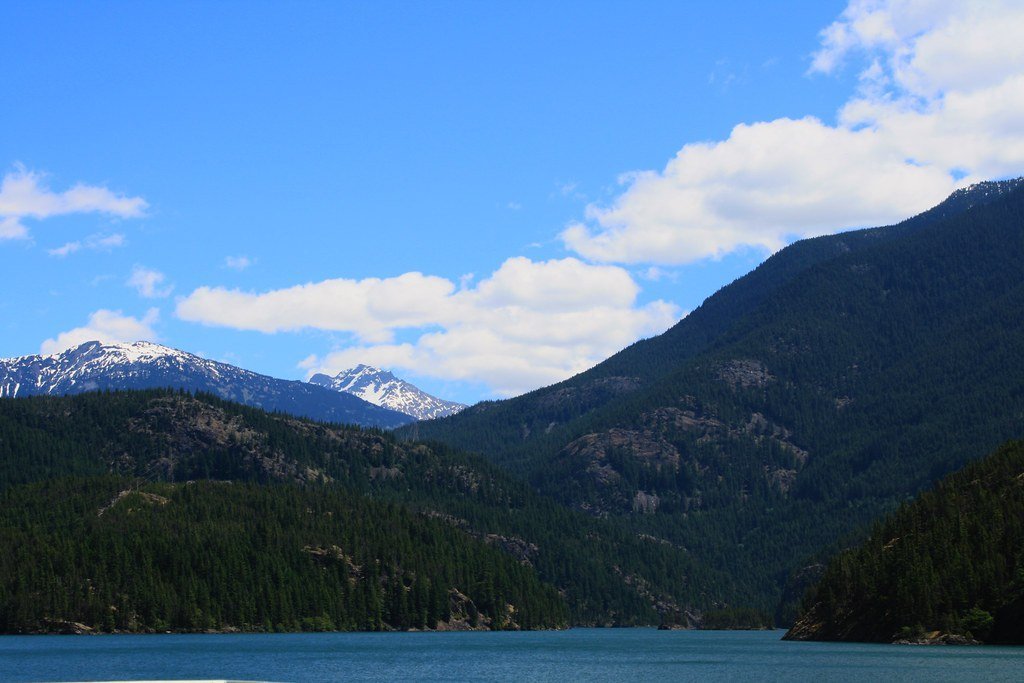
Over 300 glaciers crown sharp peaks in what locals call the American Alps, surrounded by deep lakes and forested valleys. The North and South units blend with Ross Lake and Lake Chelan areas for a mosaic of alpine splendor. Trails wind through this glacier-rich haven, the most extensive outside Alaska.[1][2]
A three-hour drive from Seattle opens up scenic overlooks like Artist Point and Washington Pass. Mountaineering and hiking draw adventurers to its challenging paths. The park’s legacy as a climbing mecca underscores its pull for those seeking raw, high-country thrills.[1]
Theodore Roosevelt National Park, North Dakota
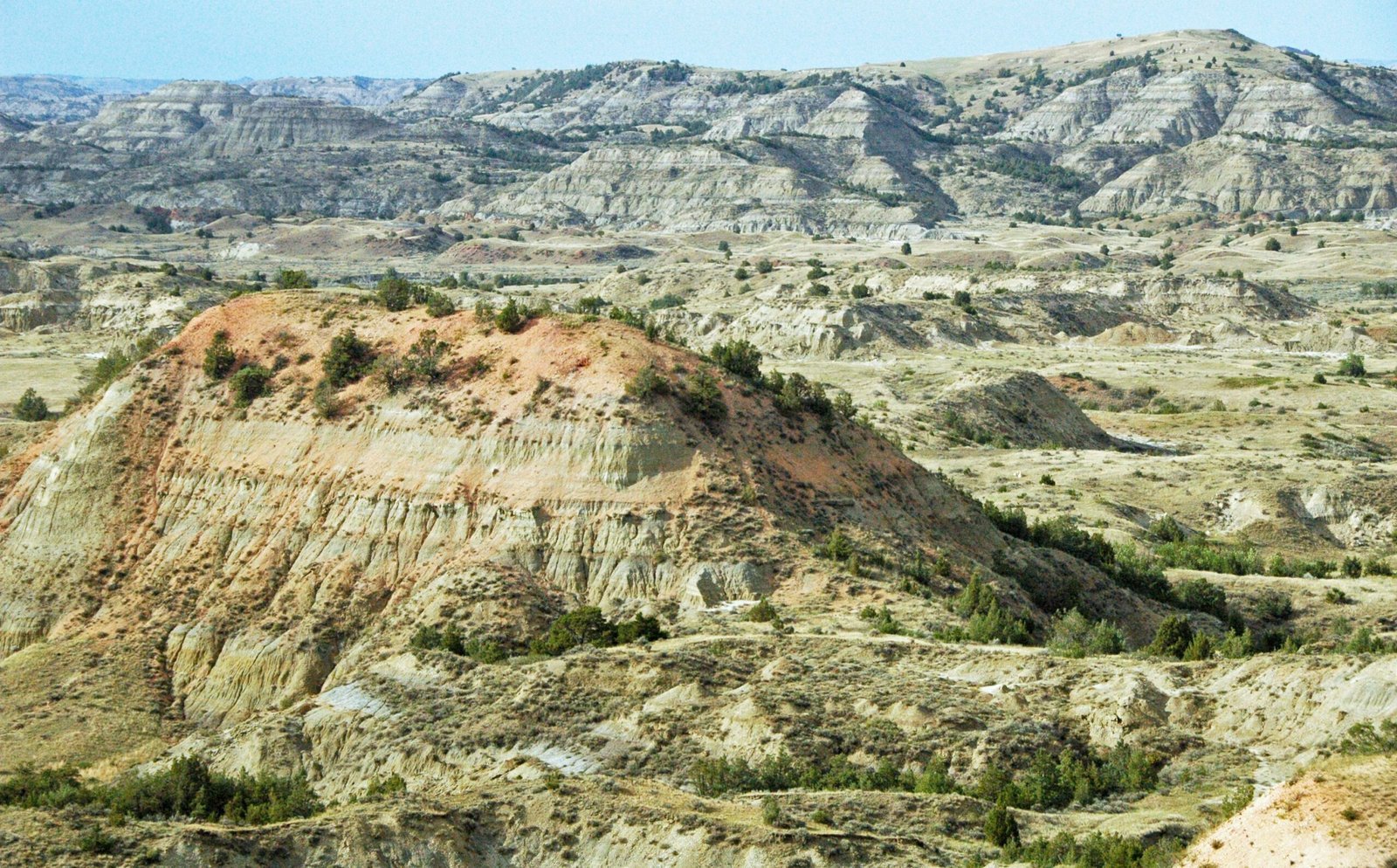
Colorful badlands dominate the landscape, with overlooks like Painted Canyon in the South Unit revealing layered rock formations. The North Unit’s River Bend Overlook captures winding rivers against prairie horizons. Short nature trails make the dramatic erosions easy to explore up close.
Scenic drives provide straightforward access, though it sits overshadowed by nearby Badlands National Park. The site’s cultural weight comes from Theodore Roosevelt’s ranching days here, which sparked his conservation passion and led to protecting over 230 million acres nationwide.[1]
Black Canyon of the Gunnison National Park, Colorado
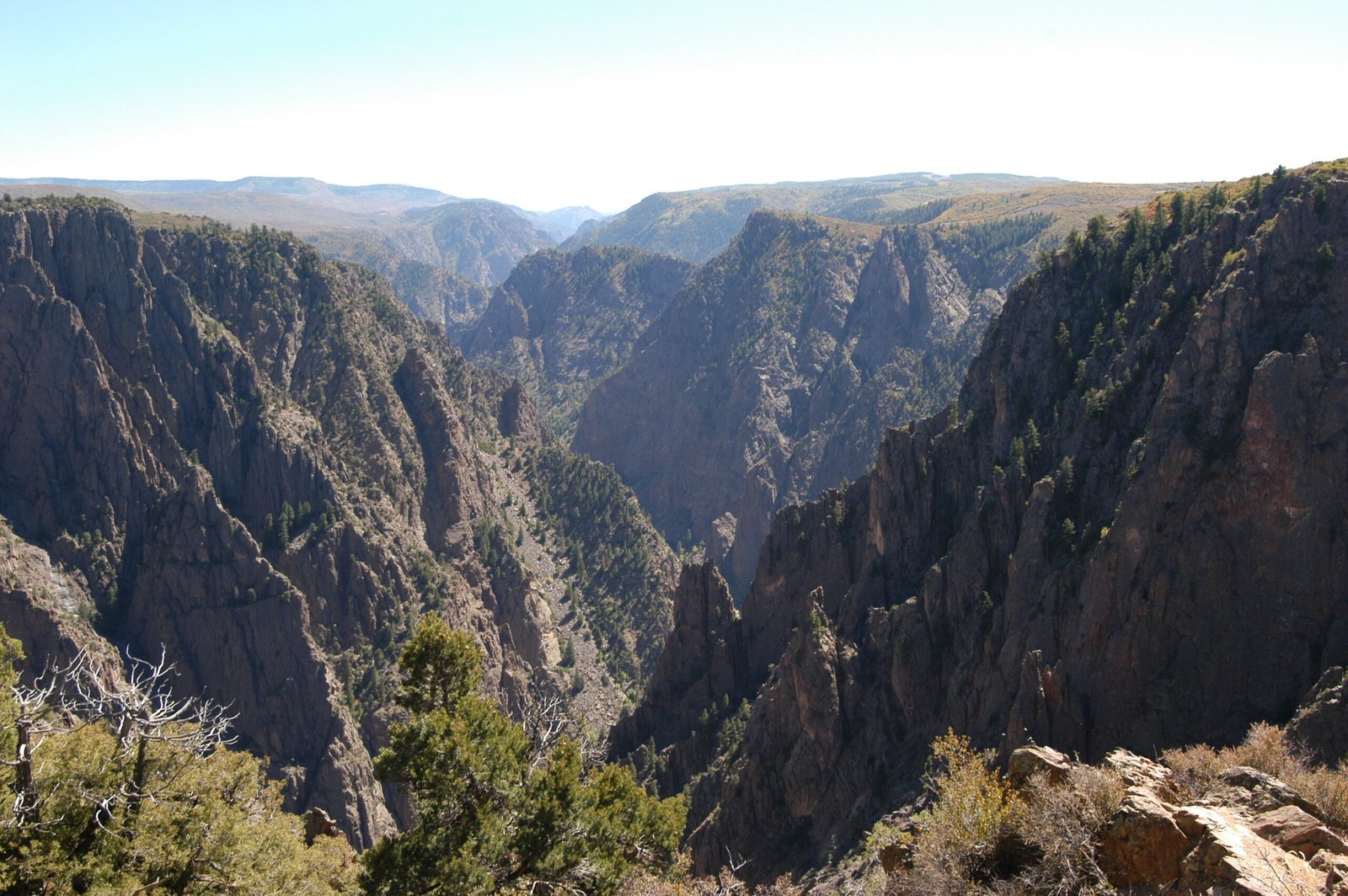
The Gunnison River carves one of North America’s deepest canyons, narrow enough to stack two Empire State Buildings inside. Steep walls block sunlight, keeping much of it in shadow. Viewpoints reveal sheer drops and twisting waters below.[1]
The South Rim drive hits spots like Gunnison Point and Dragon Point for easy panoramas. Hiking down demands permits due to the rugged descent. Its name reflects the perpetual dimness, a geological marvel shaped over millions of years.
National Park of American Samoa
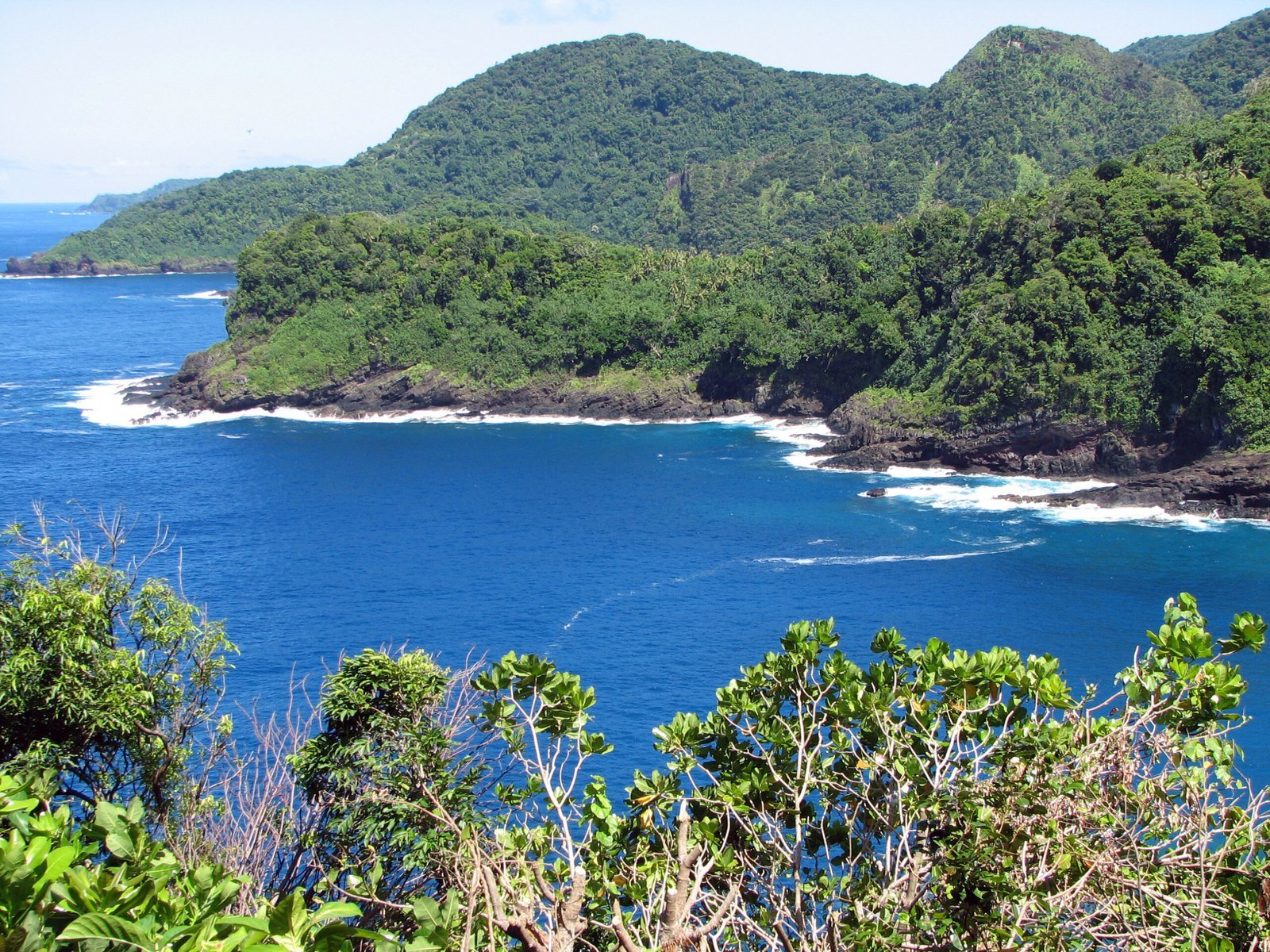
Volcanic islands like Tutuila, Ta’ū, and Ofu boast coral reefs, rainforests, and rare species from Southeast Asian origins. Pago Pago Harbor anchors dramatic cliffs and beaches. Over 975 fish species swim amid 250 corals, with fruit bats key to pollination.[1][2]
It’s the only U.S. national park south of the equator, reachable via flights to Tutuila then local transport. Afono Pass lookout offers sweeping views. Samoan culture thrives here, blending ancient traditions with this biodiverse paradise.
Guadalupe Mountains National Park, Texas
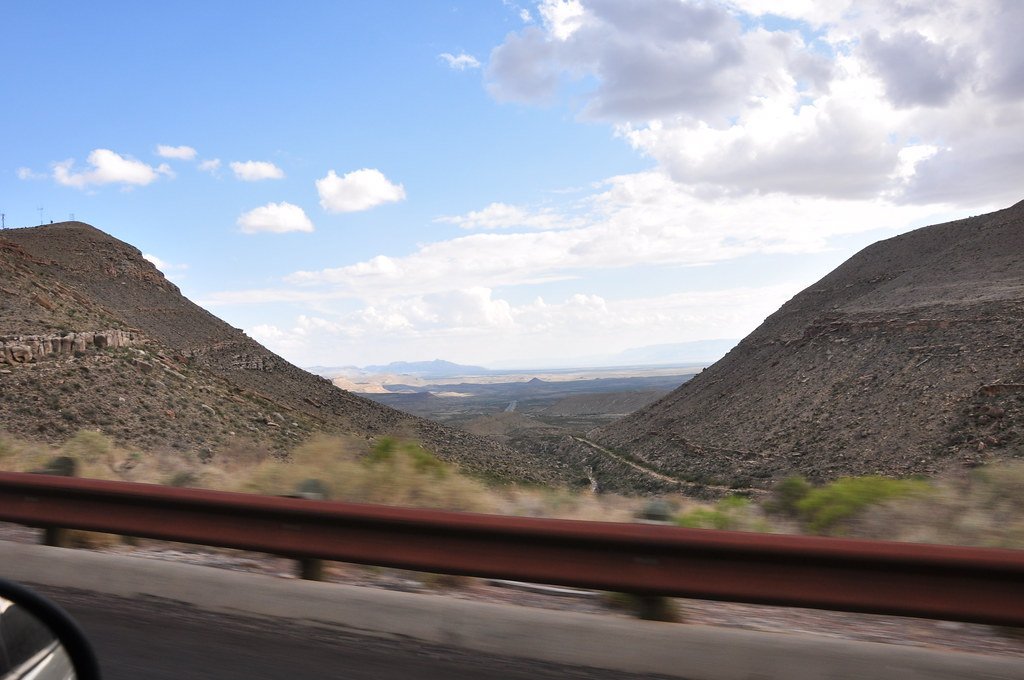
Guadalupe Peak rises to 8,751 feet amid fossilized reefs from an ancient sea. Secluded canyons and ridges hide diverse ecosystems. The Capitan Reef formation stands as a testament to prehistoric oceans.
Day hikes or overnights lead to the summit, with trails keeping crowds minimal. Its obscurity stems from remoteness near the Texas-New Mexico line. Human history ties to Permian fossils, drawing paleontologists to its layers.[1]
Big Bend National Park, Texas
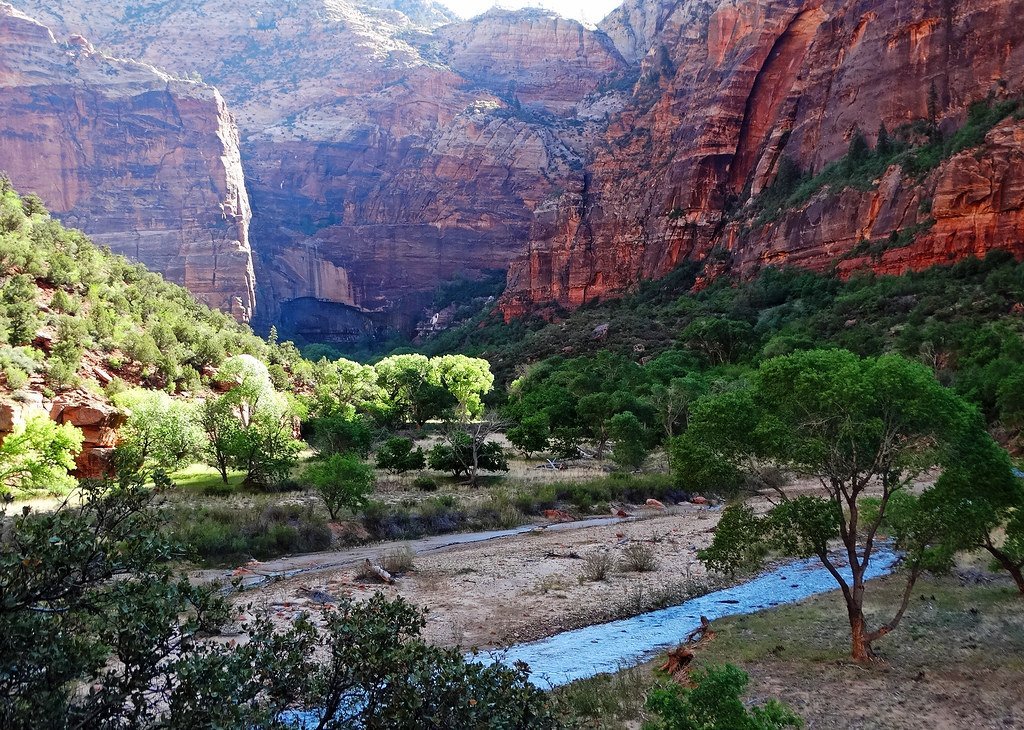
The Chisos Mountains fill the park entirely, alongside the Rio Grande and Santa Elena Canyon. Deserts meet rivers in a biodiversity hotspot. Rafting reveals towering walls along the border waters.[1]
Access comes via highways into West Texas, with hot springs and trails aplenty. Canoeing the river offers intimate views. As a natural U.S.-Mexico frontier, it holds stories of cross-border ecology and history.
Great Basin National Park, Nevada
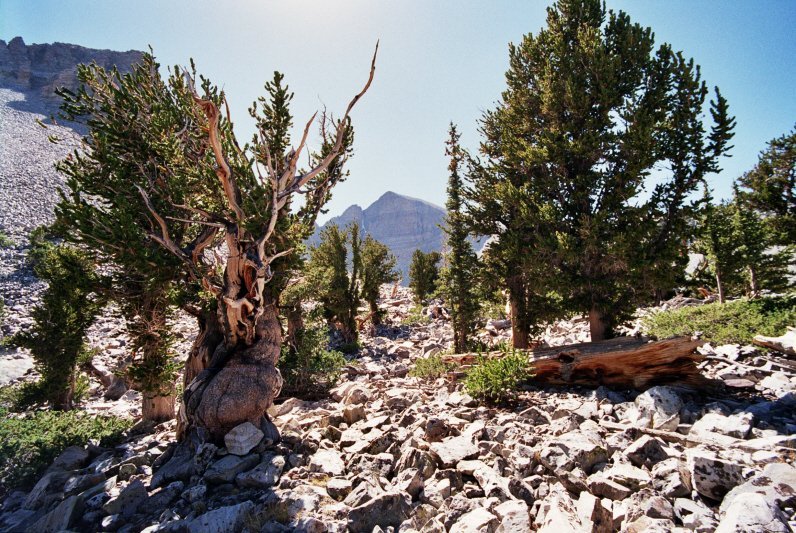
Bristlecone pines, some over 5,000 years old, cling to rugged slopes near Lehman Caves. Wheeler Peak hosts Nevada’s lone glacier. Dark skies amplify the isolation.[1][2]
Highway 50, the Loneliest Road, leads in; the 2.8-mile Bristlecone Trail is straightforward. Evidence of 12,000-year-old inhabitants adds depth. Stargazing thrives without city lights.
Great Sand Dunes National Park, Colorado
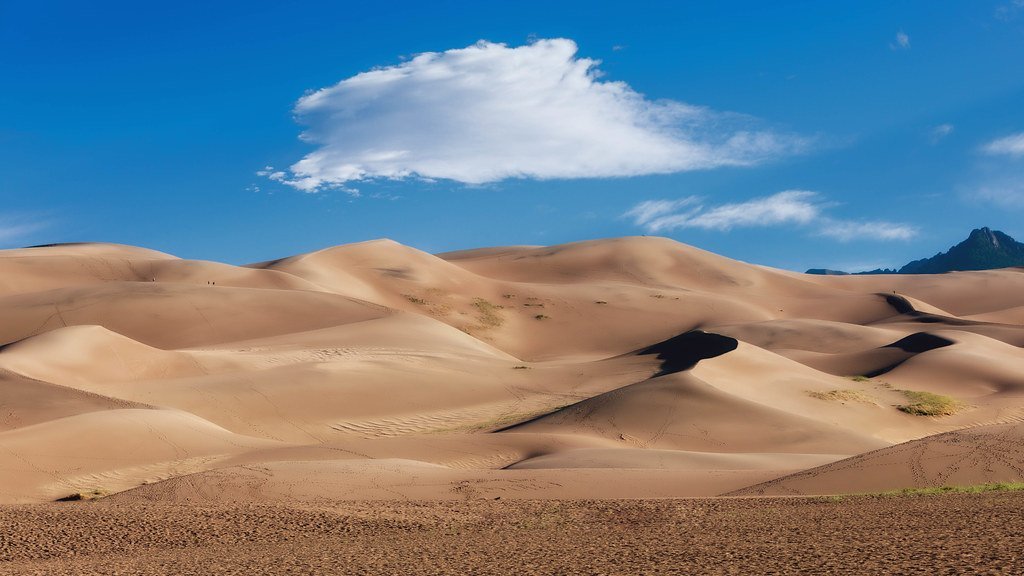
North America’s tallest dunes, up to 755 feet, tower against the Sangre de Cristo Mountains. Star Dune demands a five-hour hike. Medano Creek adds seasonal flow play.
Park from the Visitor Center or Dunes Lot for easy entry. Lowest noise pollution in the lower 48 enhances serenity. Ancient winds shaped these against mountain backdrops.[1]
Gates of the Arctic National Park, Alaska
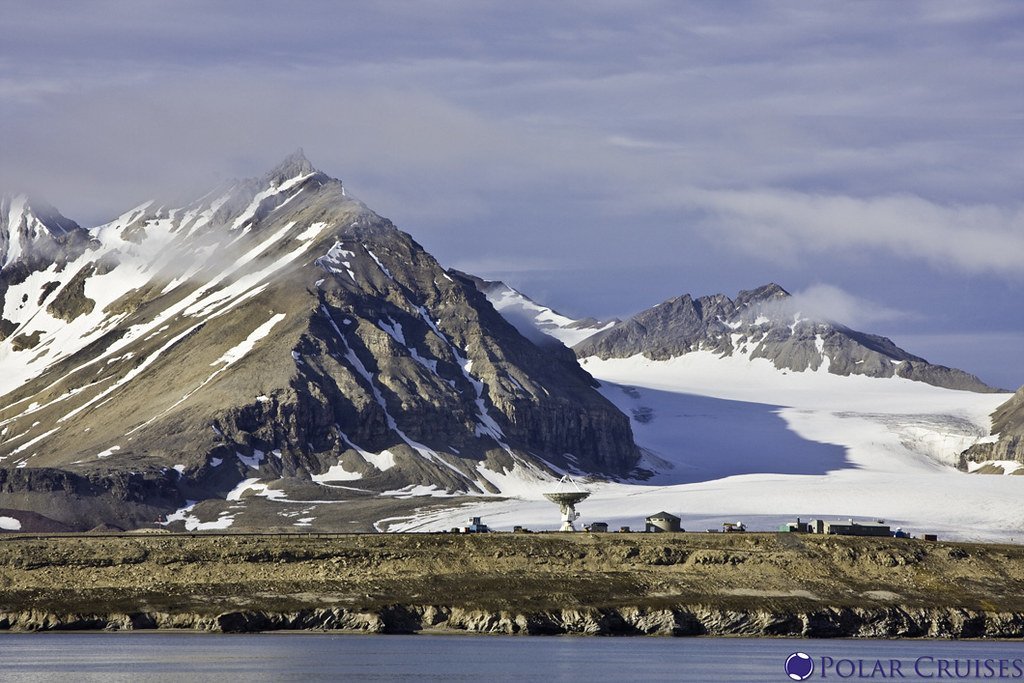
Brooks Range peaks like Arrigetch spires define roadless Arctic wilds. Granite towers overlook valleys in the northern Rockies’ edge. Rivers carve through tundra.[1][2]
Planes or foot provide the only entry, suiting backcountry treks. Subsistence by Eskimo and Koyukan communities persists. It embodies pure, untrammeled frontier.
Voyageurs National Park, Minnesota
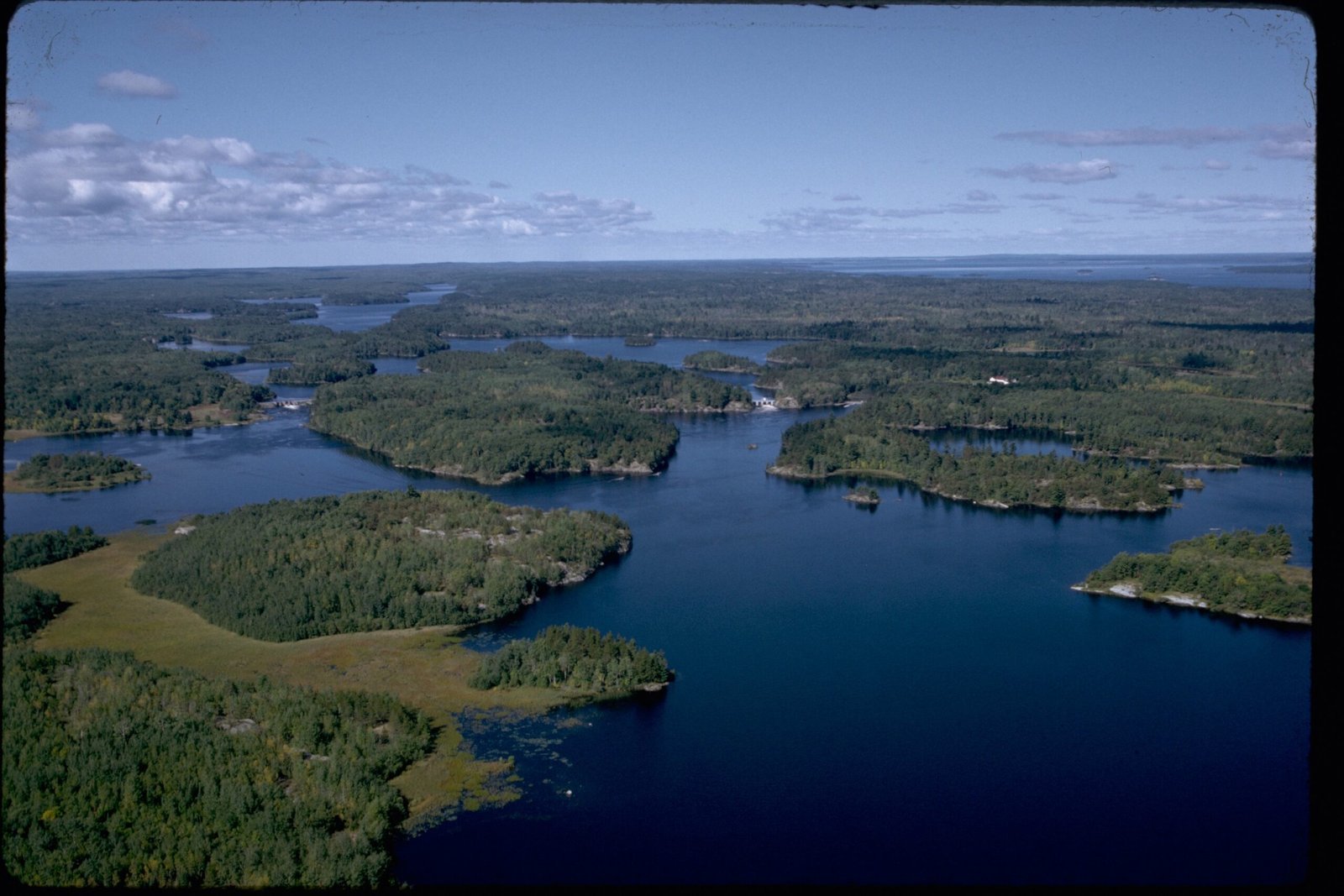
Over 500 islands dot wild lakes with 655 miles of shoreline on rocks half Earth’s age. Lush foliage hides rocky shores. Ellsworth Rock Gardens add whimsy.
Boats or kayaks navigate; trails pierce forests. Water focus ensures seclusion. Its watery vastness evokes ancient glacial sculpting.[1]
Kings Canyon National Park, California
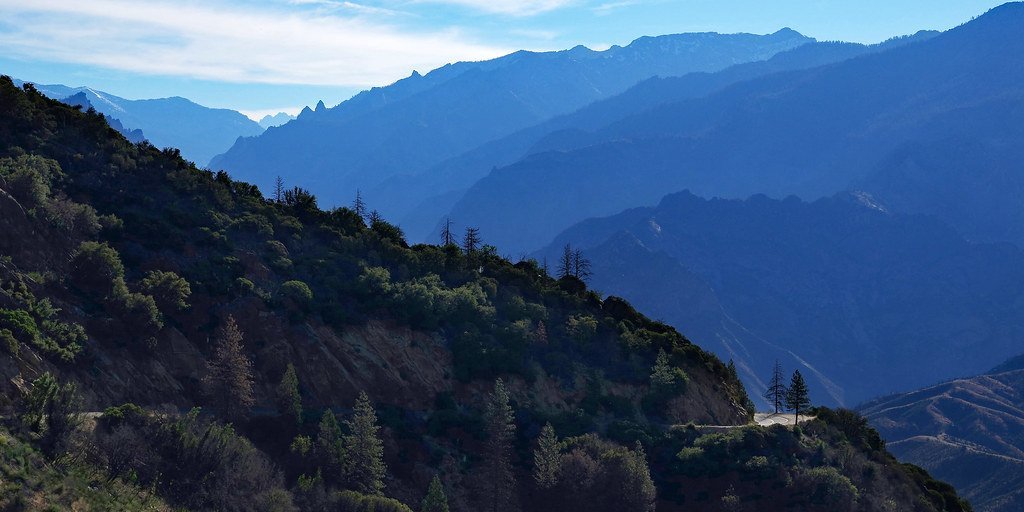
Kings Canyon plunges 8,200 feet, deeper than the Grand Canyon, amid 14,000-foot peaks and sequoias. Grant Grove features the General Grant Tree. Rivers and meadows fill the frame.
The 50-mile Scenic Byway drops 2,700 feet for drives. John Muir likened it to Yosemite’s equal. Giant trees anchor its timeless appeal.[1]
Lassen Volcanic National Park, California
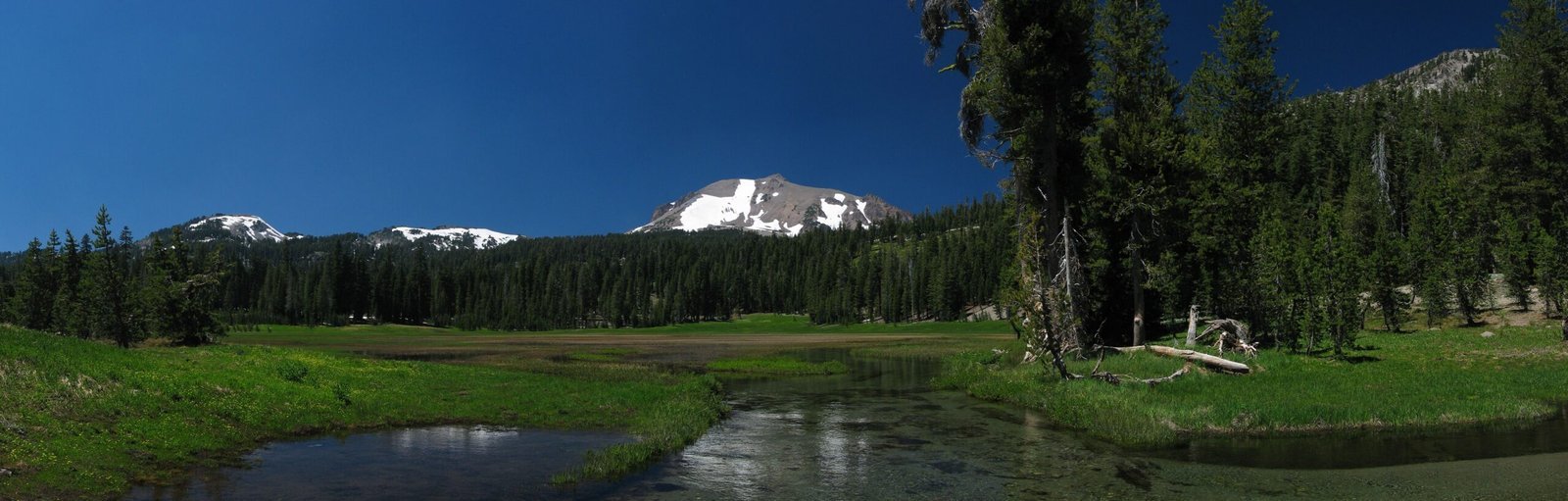
Lassen Peak at 10,457 feet overlooks geothermal pools, colorful hills, and lakes like Manzanita. Conifers frame wildlife hotspots. The 1915 eruption left scars.
Easy loops like the 1.5-mile Manzanita trail start access; Butte Lake offers quiet. Volcanic activity bubbles on. It showcases living geology.[1]
Mammoth Cave National Park, Kentucky
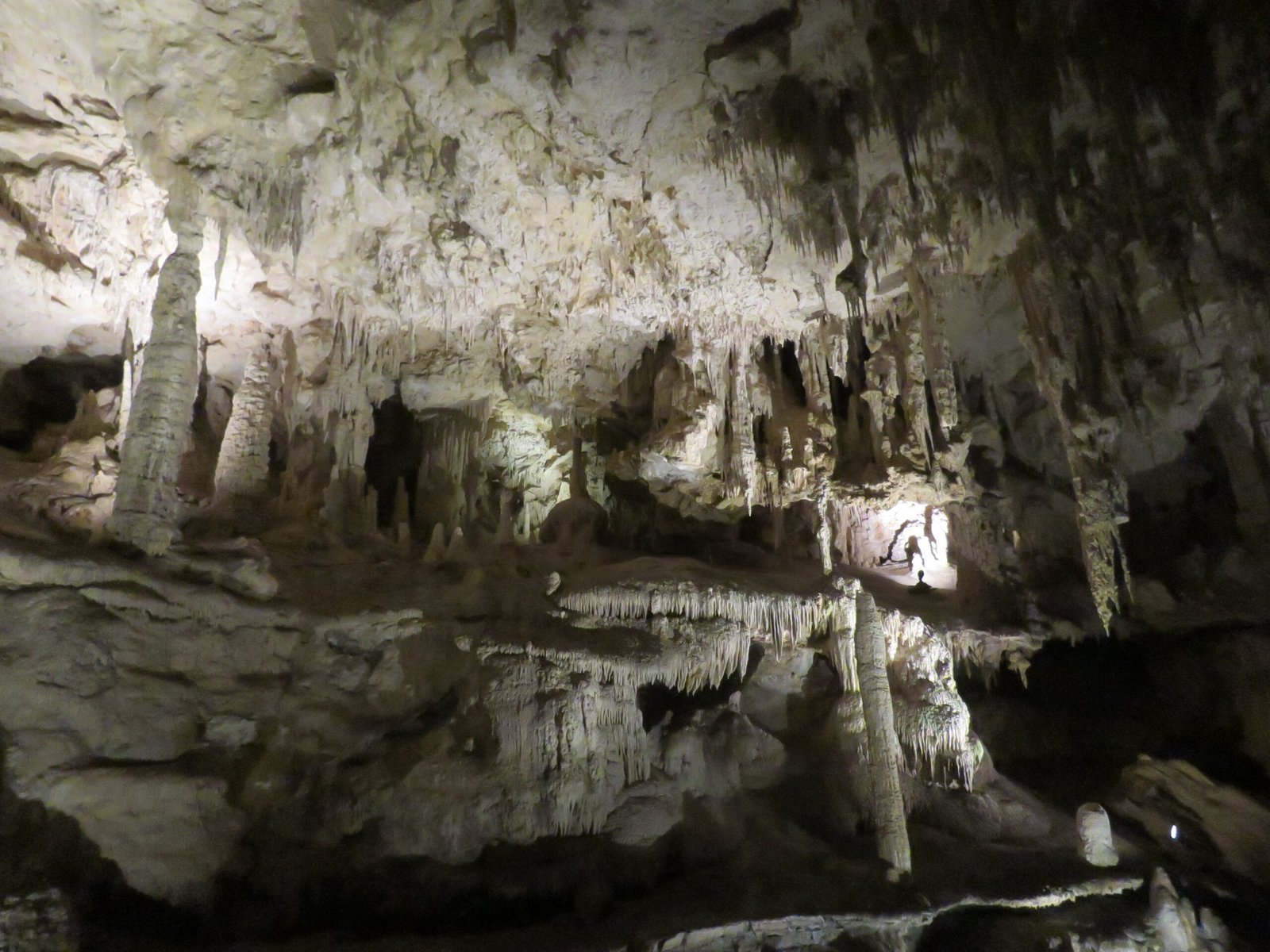
The world’s longest cave system stretches over 400 miles with formations like Frozen Niagara. Surface trails complement the underground. Rivers feed the karst wonders.
Ranger-led tours delve in; hikes stay hushed above. Holiday events once filled caves with music. Its scale dwarfs expectations.[1]
Kobuk Valley National Park, Alaska
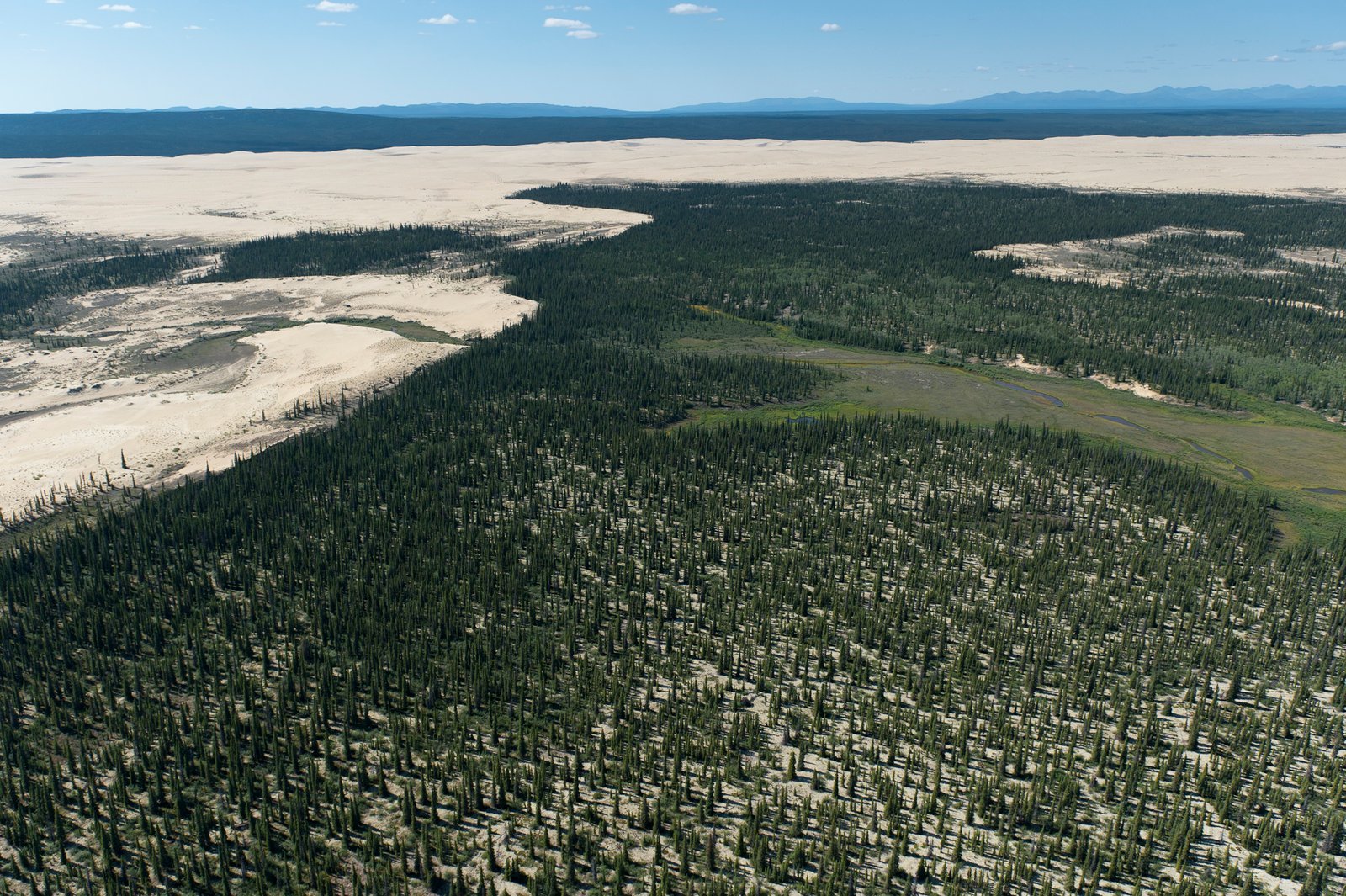
Great Kobuk Sand Dunes cover 25 square miles north of the Arctic Circle, relics of Ice Age winds. Caribou migrate across open tundra.
Planes, boats, or snowmobiles reach this facility-free zone. Inupiat hunters sustain traditions here for over 12,500 years. Remoteness defines its allure.[1][2]
Rediscovering Overlooked Landscapes
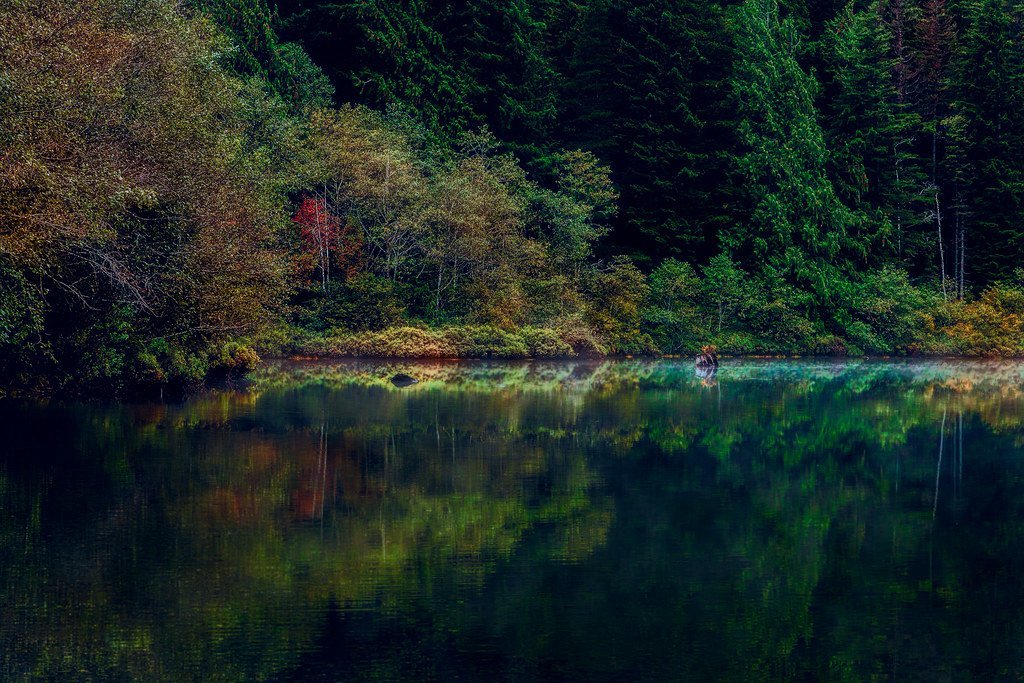
These spots prove America’s wild heart beats strongest away from the crowds. They invite slower paces, deeper connections to earth and history. Venturing beyond the famous names reveals layers of beauty waiting patiently.
In a packed world, their quiet stands as the real wonder. A trip here might just redefine what natural awe truly means.
CEO-Co-Founder
