

- Iconic Cultural Moments Are Not Planned; They Simply Erupt and Resonate. - August 31, 2026
- 10 Classic TV Commercials That Are More Memorable Than the Products They Sold - August 31, 2026
- The Echoes of Past Eras Resurface in Our Modern World in Surprising Ways. - August 30, 2026
Rock music emerged as a powerful force in the 1960s and 1970s, mirroring the era’s turbulent social shifts. Young people embraced it to voice rebellion against authority, war, and rigid norms. Bands amplified calls for peace, freedom, and self-expression through electrifying riffs and raw lyrics.
This period saw rock evolve from garage bands to stadium spectacles. It became the soundtrack for protests, festivals like Woodstock, and cultural awakenings. These anthems captured a generation’s restless energy and dreams.[1][2]
1. (I Can’t Get No) Satisfaction by The Rolling Stones (1965)
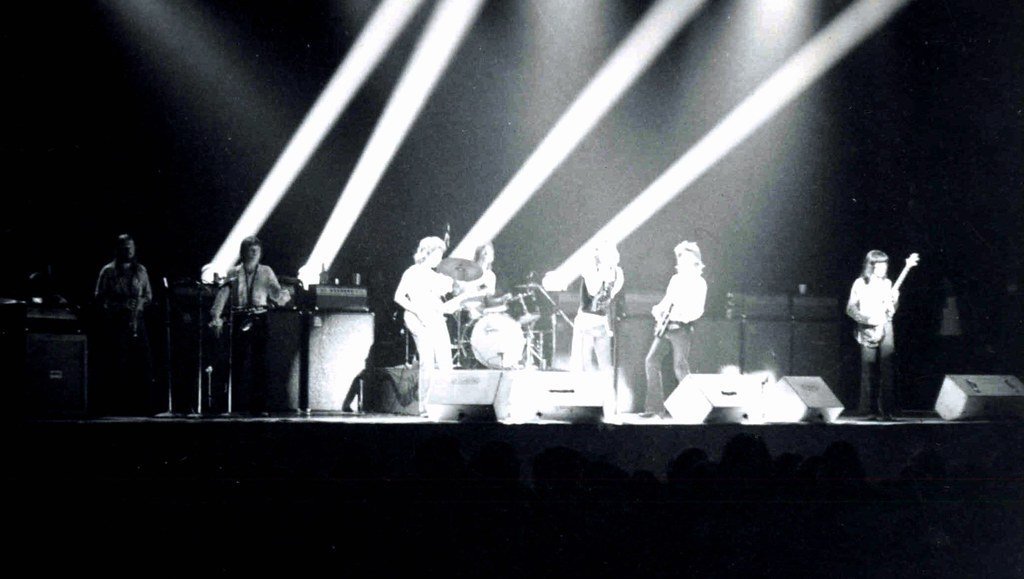
The Rolling Stones captured widespread frustration with consumerism and societal expectations in this track. Keith Richards’ iconic riff symbolized raw discontent, striking a chord with youth tired of the status quo. It represented the growing rift between generations, fueling the counterculture movement.
Topping charts worldwide, the song influenced fashion and attitudes, embodying rock’s defiant edge. Performances amplified its rebellious spirit at live shows. Its enduring riff remains a staple in rock history, echoing the era’s push for change.[3]
2. My Generation by The Who (1965)
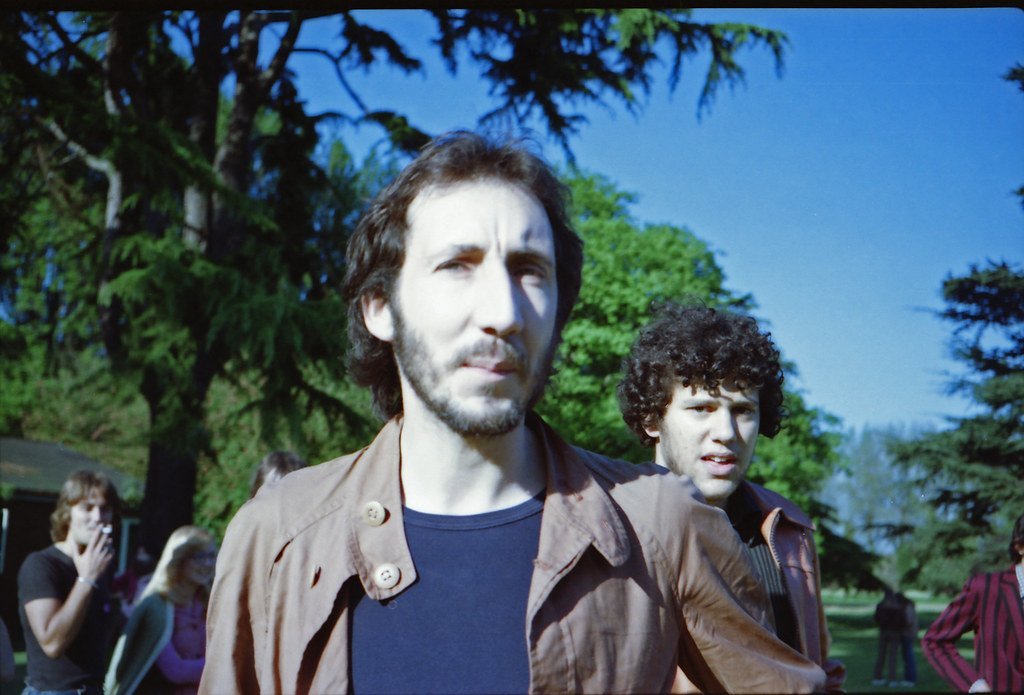
The Who’s explosive track became a battle cry for teenagers rejecting adult hypocrisy. Pete Townshend’s stuttering vocals mirrored youthful stammering under pressure, highlighting generational clashes. It stood for breaking free from outdated values amid rapid social change.
Its aggressive energy inspired mod culture in Britain and beyond. Live versions with smashed instruments epitomized rock’s chaotic vitality. The song still rallies crowds, underscoring timeless youth angst.[4]
3. Purple Haze by Jimi Hendrix (1967)
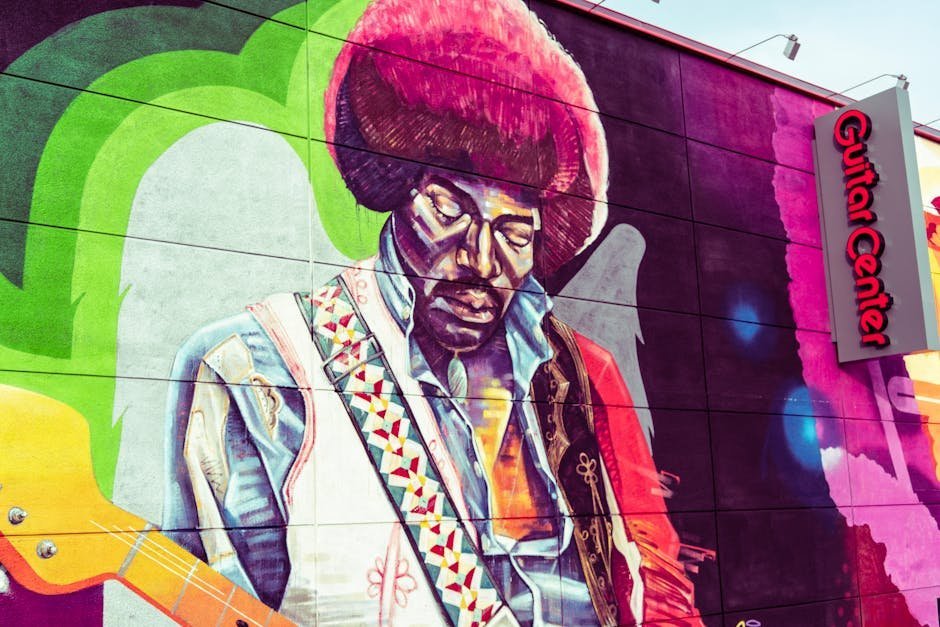
Jimi Hendrix’s psychedelic masterpiece explored confusion and altered states, blending blues with innovative guitar effects. The swirling sounds evoked the haze of mind-expanding experiences central to the era. It represented rock’s leap into experimental frontiers.
Hendrix’s virtuosity redefined guitar playing, influencing countless musicians. Performed at Monterey Pop, it propelled him to stardom and symbolized the Summer of Love. Its legacy endures in festivals and covers today.[5]
4. Born to Be Wild by Steppenwolf (1968)
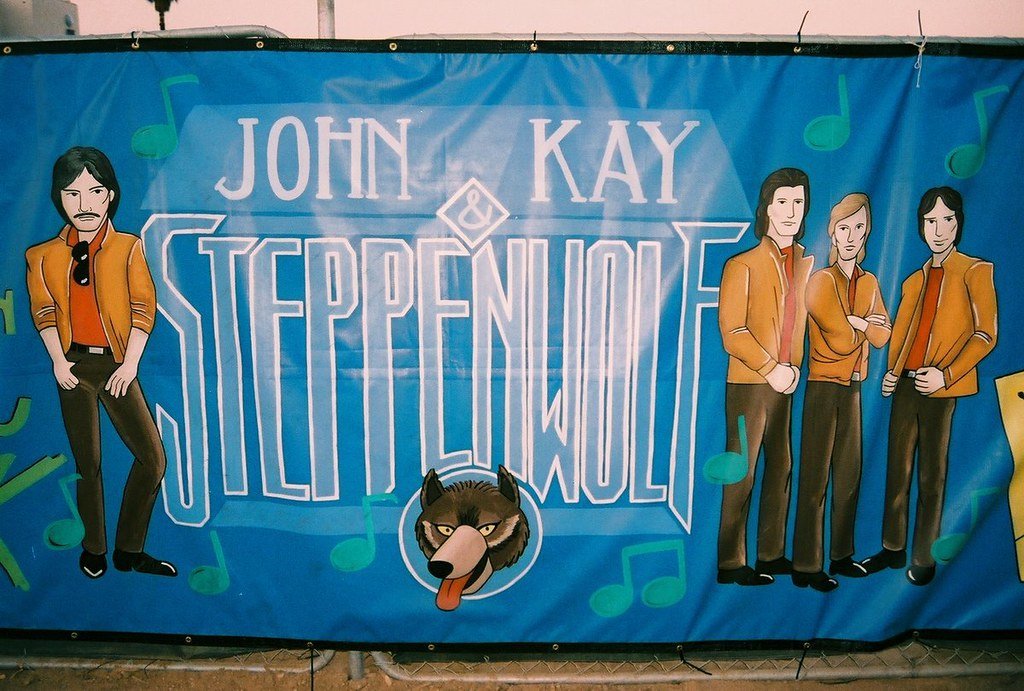
Steppenwolf’s gritty anthem celebrated freedom on the open road, coining “heavy metal thunder.” It captured the biker ethos and wanderlust of a restless generation. Motorcycles and highways became metaphors for escaping conformity.
Featured in Easy Rider, it soundtracked the counterculture’s nomadic spirit. The phrase “born to be wild” entered everyday language. Its raw power still fuels road trips and adrenaline rushes.[5]
5. Fortunate Son by Creedence Clearwater Revival (1969)
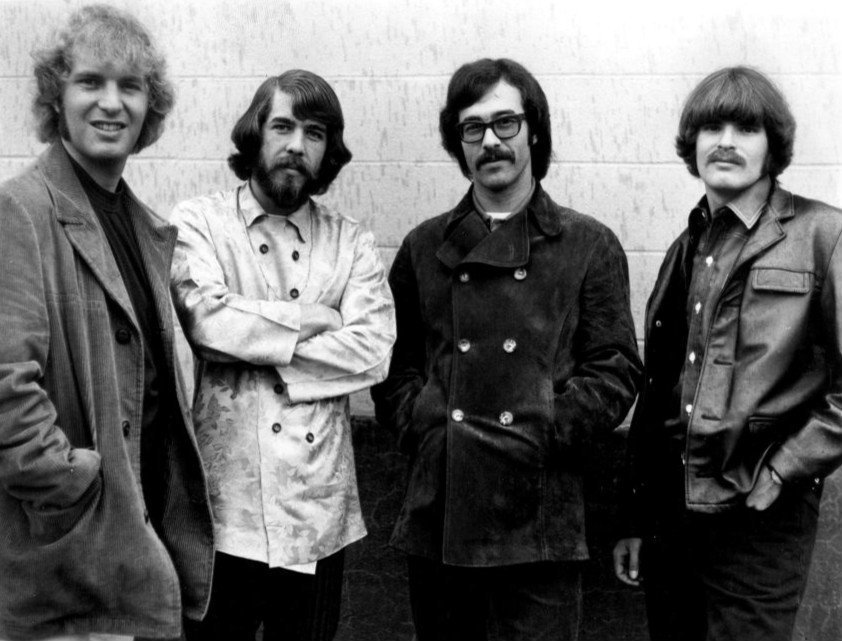
Creedence Clearwater Revival lashed out at class inequality and the Vietnam draft dodging of the elite. John Fogerty’s snarling delivery exposed hypocrisy in wartime America. It represented working-class rage against unfair burdens.
A staple at protests, it amplified anti-war sentiments. Despite no chart-topping success, its message resonated deeply. The song’s urgency continues to highlight social divides.[6]
6. Stairway to Heaven by Led Zeppelin (1971)
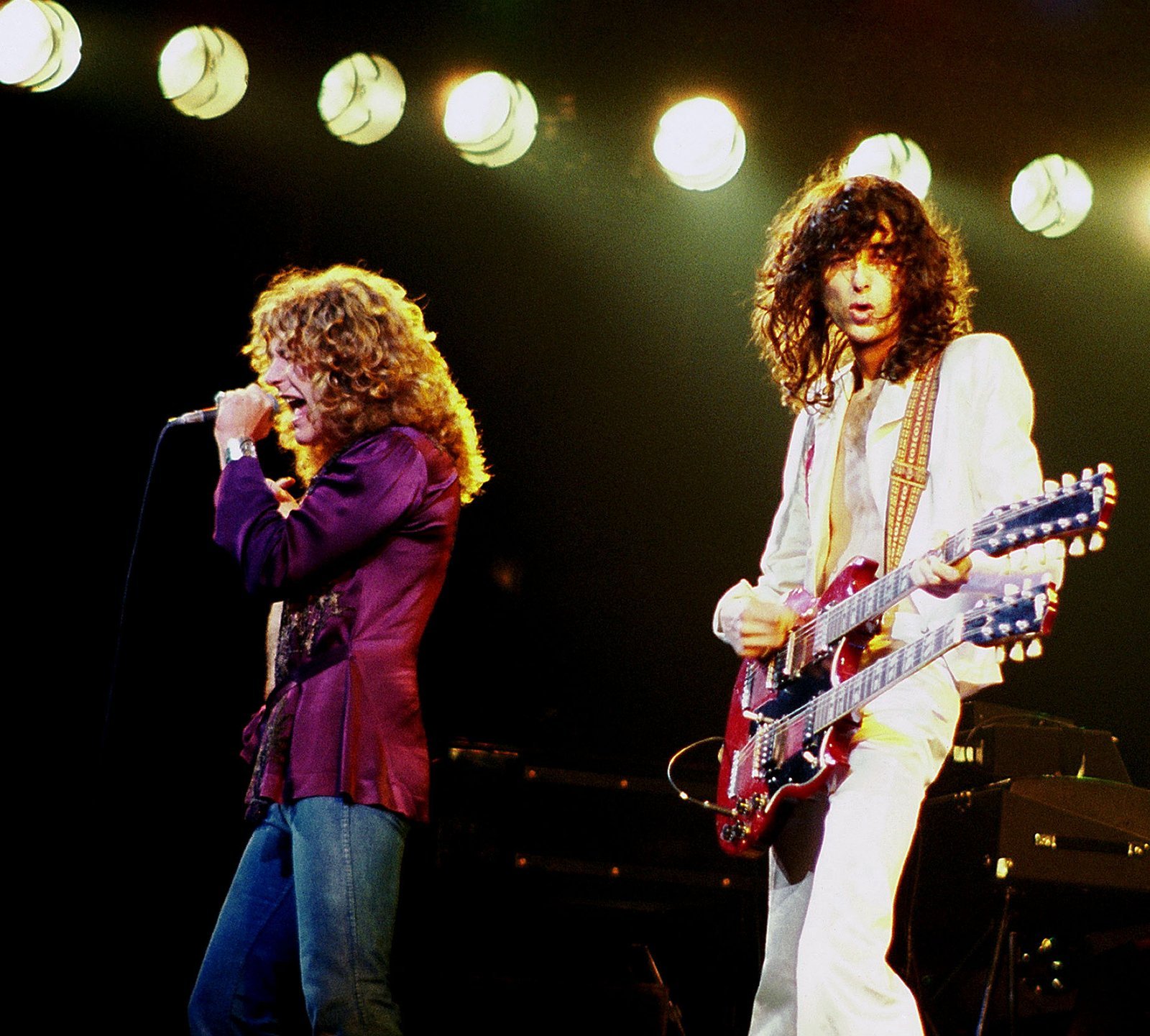
Led Zeppelin’s epic built from acoustic folk to thunderous rock, pondering life’s mysteries and excess. Robert Plant’s mystical lyrics reflected the era’s spiritual quests. It embodied progressive rock’s ambition and depth.
Never a single yet radio dominant, it became a concert ritual. Mystique around backward messages added allure. Its structure influences songwriting to this day.[2]
7. Baba O’Riley by The Who (1971)

The Who’s synth-driven opener to Who’s Next evoked teenage wasteland and rural escape. It blended synthesizer with violin frenzy, capturing isolation amid fame. The track symbolized searching for purity in chaos.
“Teenage wasteland” chant became a generational lament. Stadium closers worldwide cement its anthem status. It captures the Who’s explosive live prowess perfectly.[7]
8. Bohemian Rhapsody by Queen (1975)
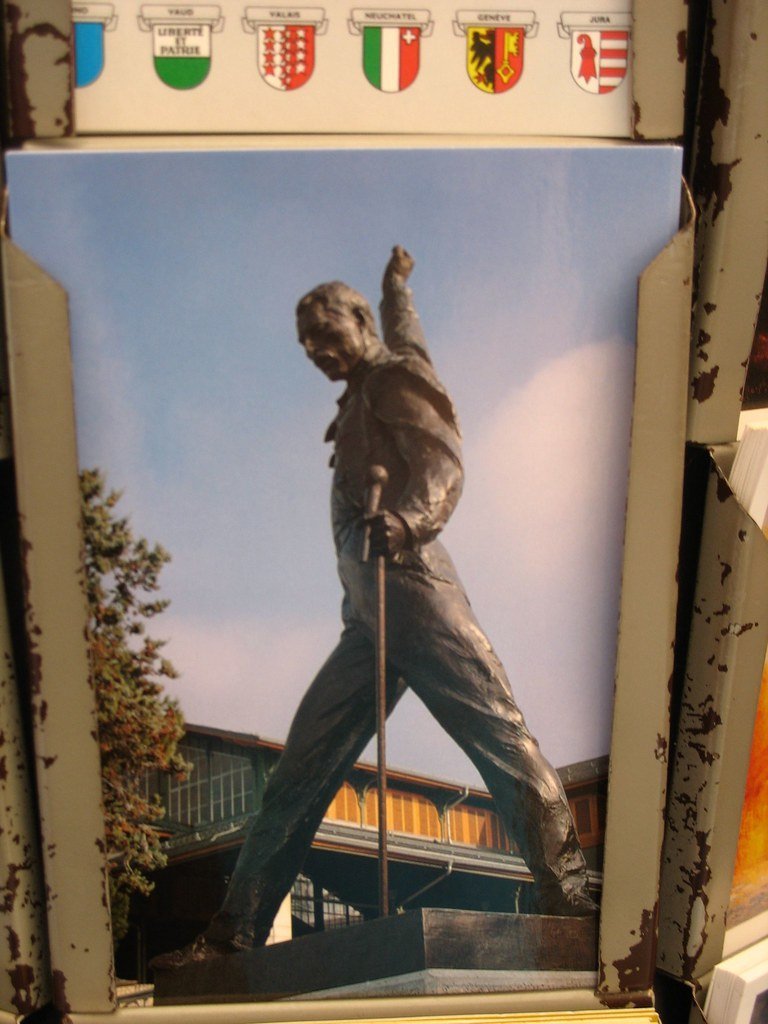
Queen’s operatic epic defied conventions with ballads, rock, and headbanging sections. Freddie Mercury’s theatrical vocals explored guilt and identity. It represented rock’s bold theatrical evolution.
Topping UK charts twice, it proved complex songs could dominate. Wayne’s World revival introduced it to new fans. Its innovation challenges radio formats still.[8]
9. Hotel California by Eagles (1976)
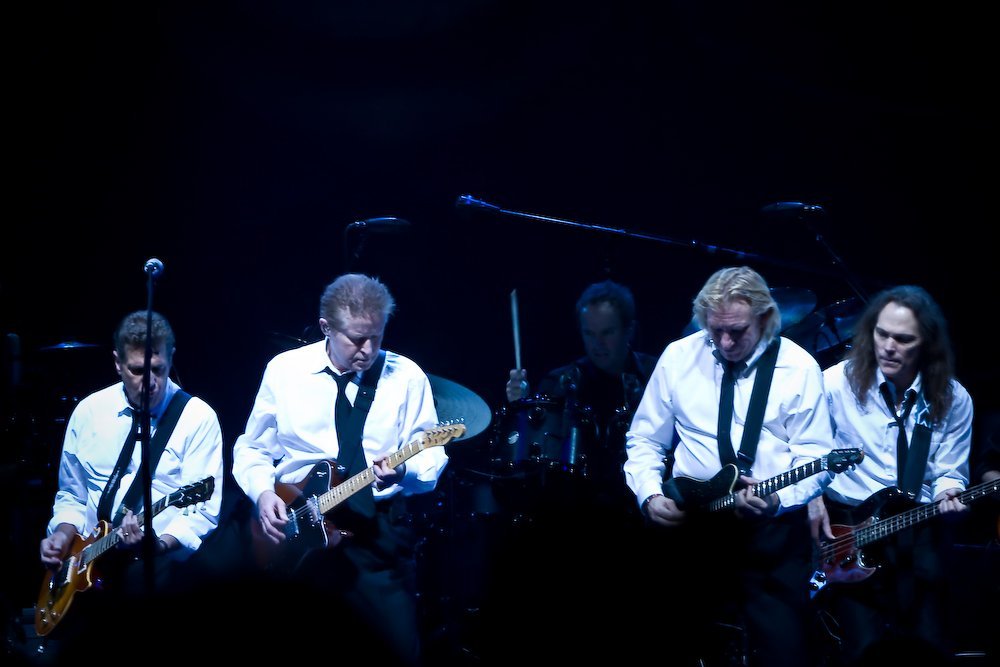
The Eagles painted a dark tale of hedonism and entrapment in LA’s rock scene. Don Henley’s lyrics critiqued excess and lost innocence. The signature solo duel evoked inescapable allure.
A massive hit, it defined yacht rock’s storytelling. Misunderstood as satanic, it sparked myths. Its themes of decadence ring true across eras.[2]
10. Gimme Shelter by The Rolling Stones (1969)
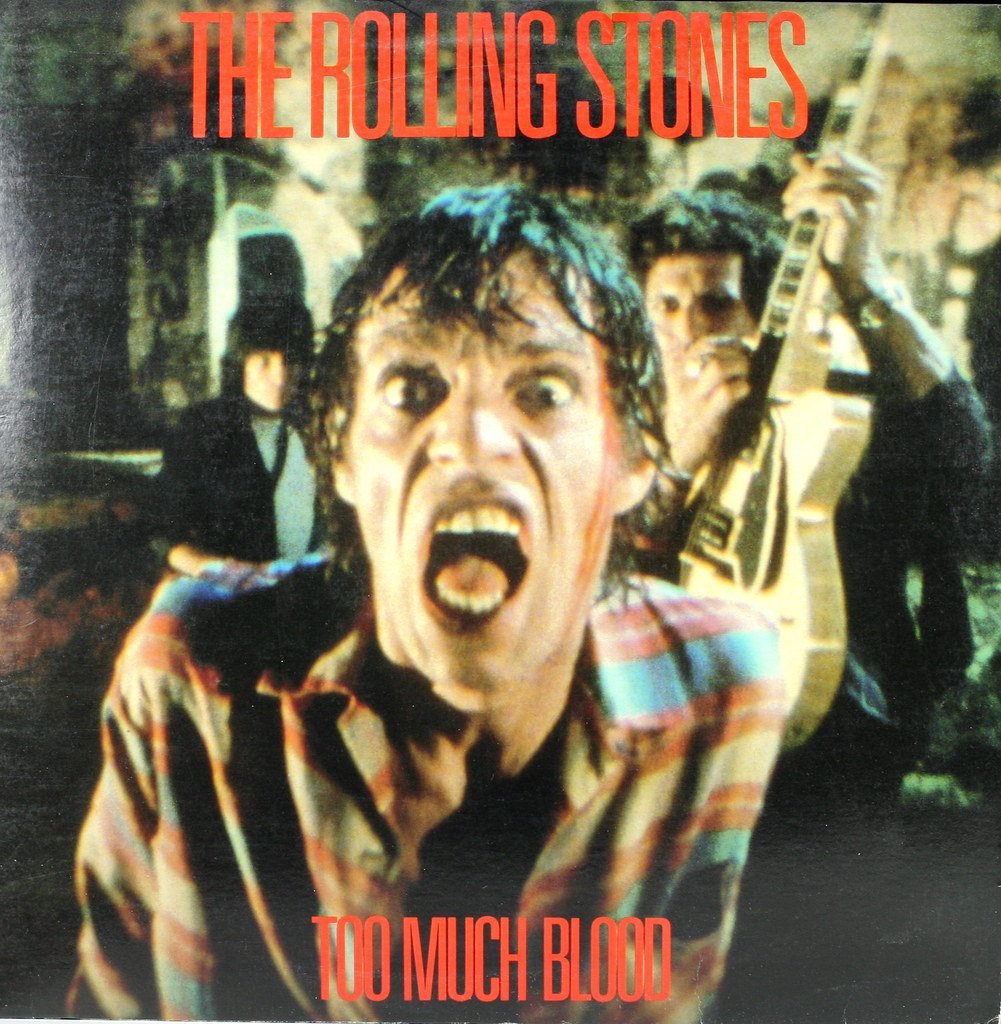
The Stones’ apocalyptic groove with Merry Clayton’s soaring backup confronted war’s horrors. It distilled Vietnam-era dread into primal blues-rock. The song embodied rock’s gritty social conscience.
Opening Altamont footage immortalized its tension. Covered widely, it underscores turmoil. Its raw emotion keeps it relevant in crises.[9]
Conclusion: Rock as a Generational Voice
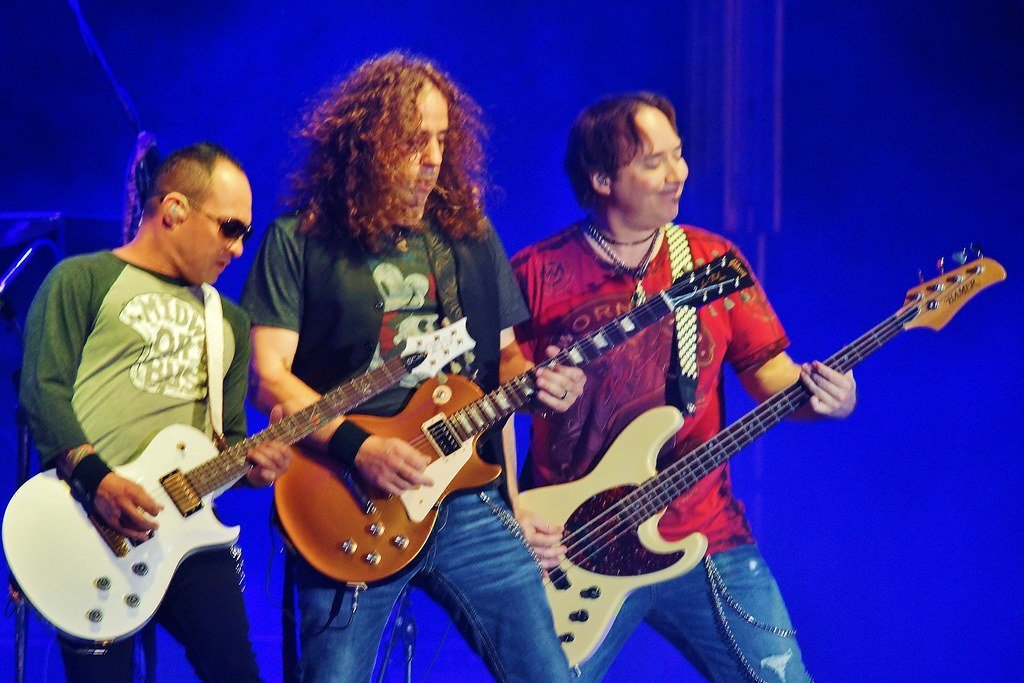
These anthems wove into the fabric of two transformative decades. They rallied crowds, sparked debates, and immortalized feelings of defiance and hope.
Rock spoke for those reshaping society, proving music’s power to unite and inspire. Its echoes remind us how songs can define eras and outlive them.

Besides founding Festivaltopia, Luca is the co founder of trib, an art and fashion collectiv you find on several regional events and online. Also he is part of the management board at HORiZONTE, a group travel provider in Germany.
