


- 12 Rock Bands Whose Side Projects Were Even Better Than Their Main Acts - August 12, 2026
- 10 World’s Most Beautiful Libraries That Are Marvels of Architecture. - August 12, 2026
- The True Stories Behind 8 Famous Movie Scenes You Thought Were Fiction - August 12, 2026
There is something almost magical about the way a single television performance, a film, or a viral moment can reach into millions of living rooms simultaneously and leave everyone feeling like they shared the same dream. In the ever-evolving tapestry of our lives, there are certain vivid threads that stand out – moments so iconic and unforgettable that they etch themselves into the collective consciousness, defining eras and bridging generations. Honestly, it’s one of the most fascinating things about being human. We are tied together not just by geography or blood, but by the things we watched, heard, and felt all at once.
Remembering is an eminently social act. Societies elaborate representations of the past that are fundamental to the constitution of their identity. Generations and media technologies are involved in a process of co-construction, where technologies and users mutually construct each other – and media representations, repertoires, and technologies contribute to defining generational identity and the sense of belonging to a generation. What that really means, in plain language, is this: the moments you remember most clearly are also the moments that made you who you are. Let’s dive in.
The Beatles on The Ed Sullivan Show (1964): The Night Everything Changed
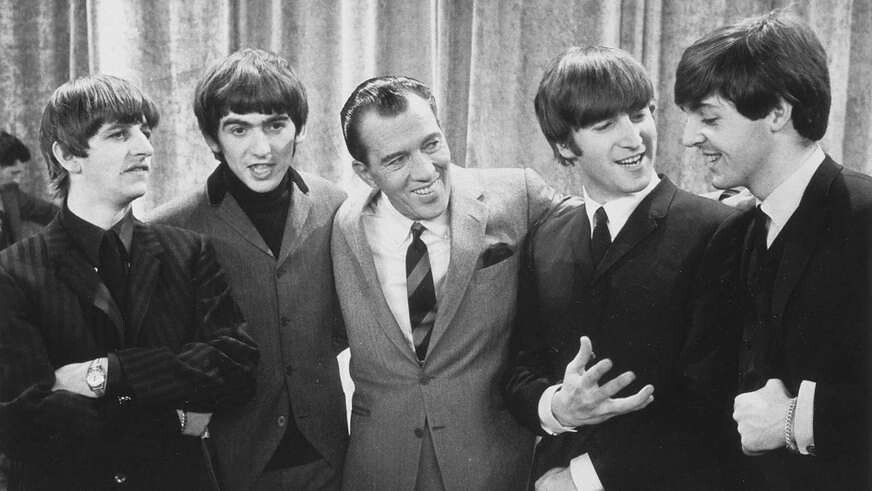
Few moments in entertainment history carry the weight of February 9, 1964. Sixty years ago, four lads from Liverpool took to the stage for their first televised performance in America, forever altering the course of music history. The Beatles’ appearance on The Ed Sullivan Show was a cultural earthquake that rippled throughout America. Think about what that meant in a country still grieving. It should be remembered that while this hullabaloo was happening, there was still an air of gloom in America. Just 77 days prior to The Beatles’ appearance on Sullivan, President Kennedy had been assassinated. By now, the country was ready for some much-needed diversion, and it came in the form of four young lads from Liverpool.
Their first appearance, on February 9, was seen by over 73 million viewers and came to be regarded as a cultural watershed that launched American Beatlemania – as well as the wider British Invasion of American pop music – and inspired many young viewers to become rock musicians. The ripple effect was staggering. When the Beatles performed on The Ed Sullivan Show on Feb. 9, 1964, they completely changed the trajectory of music and culture as we know it. More than 73 million Americans watched the Beatles that night, roughly 38% of the country’s population at the time. Among the legions of adoring viewers were future rock stars, many of whom were significantly impacted by the legendary performance. It’s the kind of moment you only truly understand when you hear how many careers it quietly launched that very night.
Michael Jackson’s Moonwalk at Motown 25 (1983): A Move That Defied Gravity
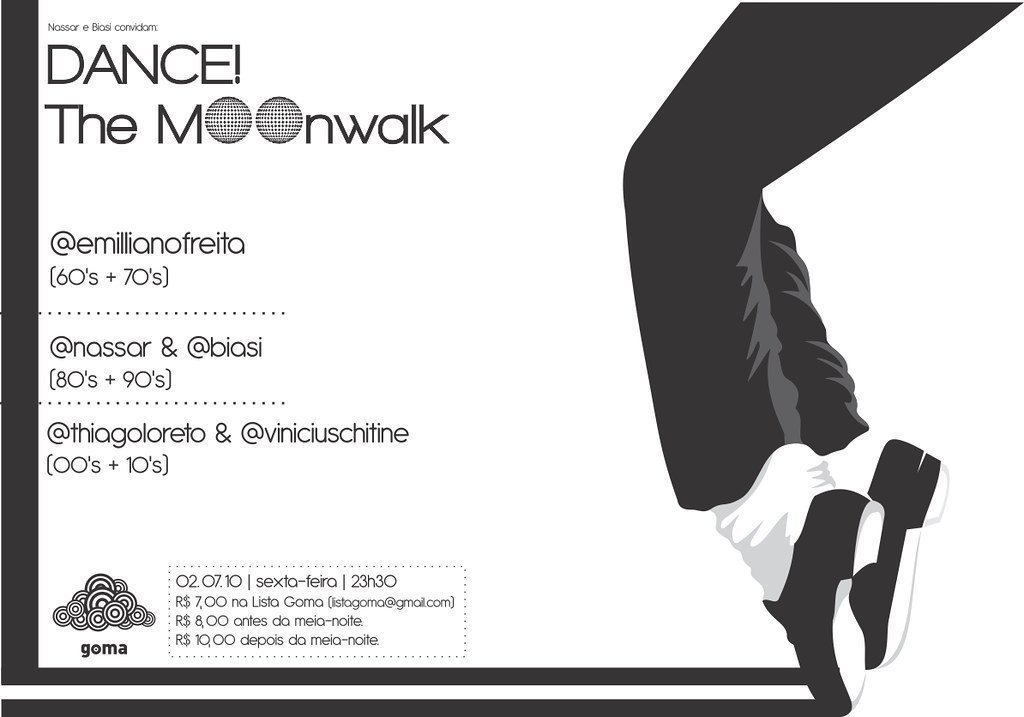
If you want to understand a single moment that redefined what a performer could be, look no further than March 25, 1983. When Michael Jackson took the stage at the Motown 25: Yesterday, Today, Forever television special, the world didn’t just witness a performance – they witnessed the birth of an iconic moment in music and dance history. That night, Michael Jackson did the impossible: he moonwalked. With that move, the King of Pop didn’t just change the world of music – he changed the way we dance, perform, and even view stardom. It was a magic trick in motion. A physics lesson disguised as entertainment.
The performance debuted the rhinestone glove, the fedora, and the iconic moonwalk, and was viewed by 47 million people when it aired in May 1983, catapulting Thriller to unprecedented heights. The long-term consequences were enormous. The moonwalk elevated dance as a critical component of pop music. Before Jackson, dance was often secondary to music in terms of importance. After the moonwalk, dance became an integral part of a performer’s identity. Michael Jackson is widely regarded as one of the most culturally significant figures of the 20th century. Often considered the greatest entertainer of all time, Jackson broke racial barriers in the United States and profoundly influenced the evolution of pop music.
The Launch of MTV (1981): When Music Got a Face
On August 1, 1981, a new era in music and television began with the launch of MTV. This groundbreaking channel revolutionized the way we consumed music by bringing it directly into our living rooms. Before MTV, you had to imagine what an artist looked like on stage. Suddenly, music had faces, outfits, and storylines. It was genuinely disorienting in the best possible way. The first video ever played on MTV was “Video Killed the Radio Star” by The Buggles, setting the stage for a new generation of music videos that would become an integral part of pop culture.
Cable television expanded access, introducing iconic programs that shaped viewer habits. MTV revolutionized music consumption, prioritizing videos and creating cultural phenomena. The artists who thrived in this new world had to think visually, not just sonically. It changed what being a pop star meant entirely. MTV had an enormous impact on the music industry; in particular, the music videos from Michael Jackson’s Thriller album are credited with transforming music videos into a serious art form. Without MTV, the entire blueprint of modern pop celebrity collapses. It’s hard to overstate just how profoundly that single cable channel rewired everything.
Star Wars (1977): The Movie That Built a Universe Inside Our Heads
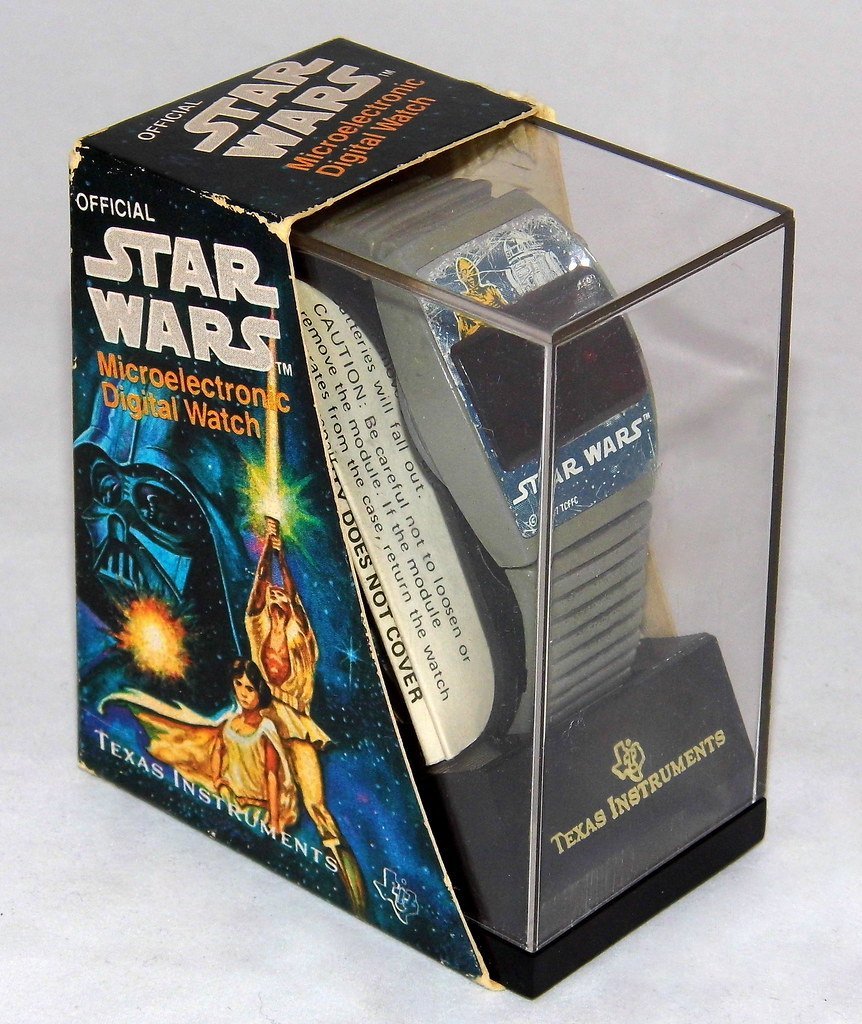
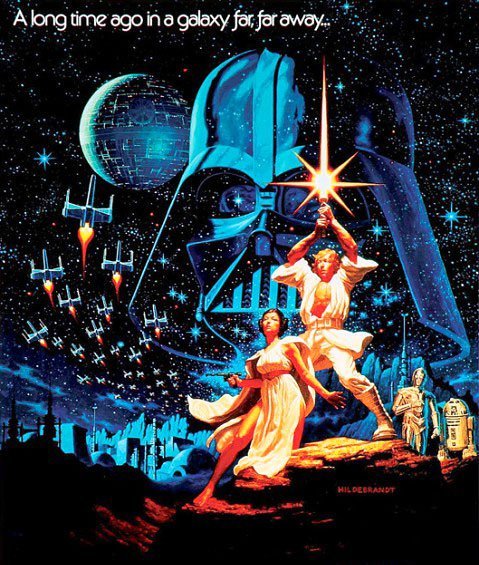
When George Lucas released Star Wars in 1977, nobody in Hollywood expected it to become anything more than a quirky science fiction film. They were spectacularly wrong. Star Wars was a science fiction movie that was released in 1977, and it was a game-changer in the world of cinema. The movie was directed by George Lucas and it introduced audiences to a new world of possibilities. The movie was a massive commercial success, and it spawned a franchise that has become a cultural phenomenon.
Think of it like this: before Star Wars, the idea of a movie “universe” with its own mythology, merchandise, and multi-decade storytelling arc simply did not exist in the way we know it today. Star Wars has become a part of our collective consciousness, and its impact has been felt across generations. The film redefined what blockbuster cinema could look like, and the reverberations are still felt in every superhero saga, every fantasy franchise, and every cinematic universe that has followed. It essentially invented the template. Every major franchise today is, in some sense, a child of Star Wars.
Michael Jackson’s Thriller Album and Music Video (1982): Art That Stopped the World
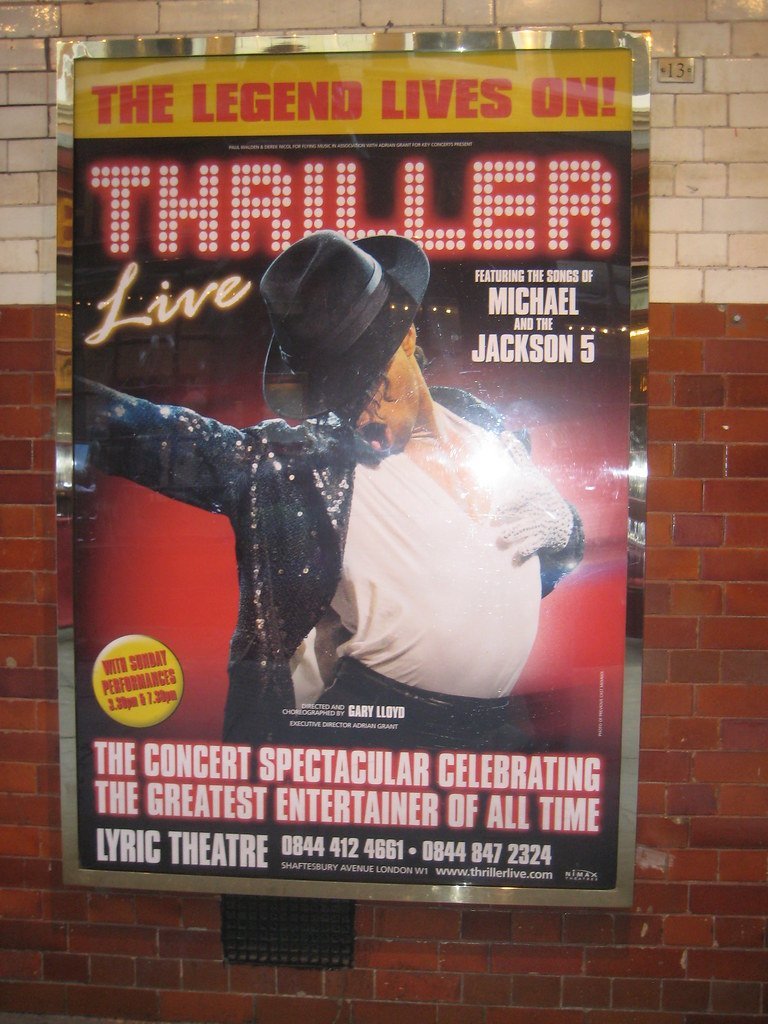
Let’s be real: no album in the history of recorded music has done what Thriller did. It won a record-breaking eight Grammy Awards, including Album of the Year and Record of the Year for “Beat It,” and was the best-selling album of 1983 worldwide. In 1984 it became the first album to be the best-selling in the United States for two years. That kind of commercial dominance is almost incomprehensible by modern standards. Thriller’s position in American culture was described by biographer J. Randy Taraborrelli: “At some point, Thriller stopped selling like a leisure item… and started selling like a household staple.”
When the 14-minute-long “Thriller” video aired, MTV ran it twice an hour to meet demand. The video marked an increase in scale for music videos and has been routinely named the best music video ever. The video is credited with transforming music videos into a serious art form, breaking down racial barriers in popular entertainment, and popularizing the making-of documentary format. The cultural legacy of Thriller stretches far beyond music. Beat It and Billie Jean had an added impact that went beyond the music industry – they were the first two videos by a Black artist to enter heavy rotation on MTV. Jackson’s music had broken through the color lines of pop music.
Woodstock (1969): Half a Million Strangers Who Became One
https://web.archive.org/web/20180920173114/https://ricmanning.blogspot.com/2009/08/remembering-woodstock.html
https://archive.ph/jeKD7
https://web.archive.org/web/20200212121812/http://ricmanning.blogspot.com/2019/08/heres-my-blockbuster-video-that-only.html
https://archive.ph/u53fo
https://web.archive.org/web/20190811080854/https://www.tribstar.com/features/valley_life/peace-music-rain-mud/article_b5daf3df-b4d7-5182-ba9f-e2f3635b4791.html
Ric Manning narrates the story of eight friends from Indiana University who went to the Woodstock music festival in 1969 youtube
https://www.legacy.com/us/obituaries/louisville/name/jeannene-manning-obituary?id=8086656, CC BY 3.0)
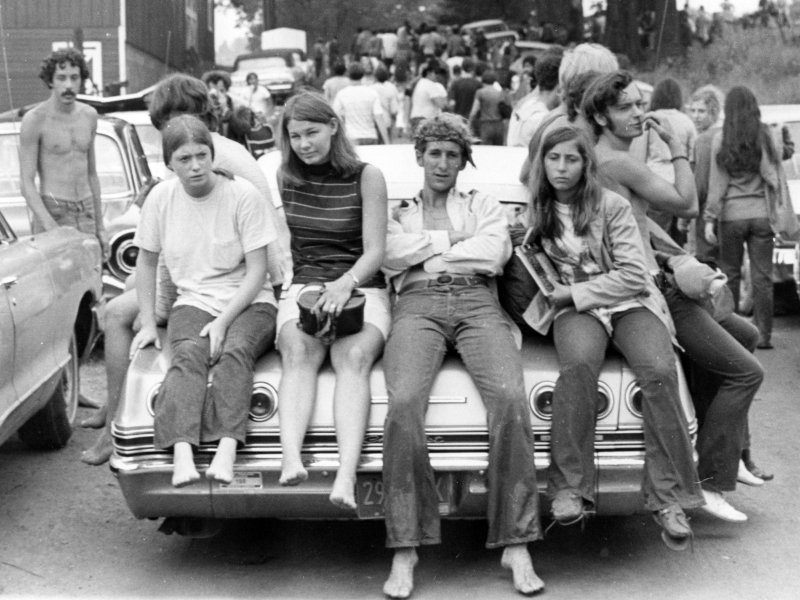
In August 1969, something happened that has never truly been replicated. Woodstock, for instance, represented a cultural revolution and the peace movement, gathering nearly 500,000 attendees. Nearly half a million people descended on a farm in upstate New York, endured rain and mud, and somehow created one of the most enduring symbols of an entire generation’s values. No app, no ticket platform, no social media blast. Just word of mouth and collective will.
Half a million people gathered for three muddy, chaotic days that defined peace, love, and rebellion. What’s remarkable is that Woodstock did not just define the hippie movement – it gave an entire generation a shared reference point that has outlasted the decade it was born in. Even people born decades later know what Woodstock means. I think that’s the real measure of a cultural moment: when its meaning travels forward in time, far beyond the people who lived it firsthand.
The Birth of the Internet and Social Media: The Moment Culture Fragmented and Reunified
Social media has become a defining aspect of modern culture, and its impact can be felt across generations. Platforms like Facebook, Twitter, and Instagram have changed the way we communicate, connect, and share information. Social media has become a powerful tool for activism, social change, and cultural expression. It’s strange to think there was a time when you couldn’t just tap your phone and watch a video of a historical performance. Now you can. The internet collapsed the distance between moments past and present.
Social media has introduced theoretical reconceptualizations of collective memory to concepts like connective memory and memory of the multitude, showing how platformization reshapes remembering and forgetting through algorithmic curation. New mnemonic practices enabled by social media – hashtag commemoration, memetic memory, and digital memory activism – demonstrate how platform features both democratize and manipulate historical narratives. That is a genuinely complex development. What began as a site for sharing random clips became the stage where an entire generation learned, laughed, and built fame from pixels. The internet didn’t just change how we make pop culture – it fundamentally changed how we remember it.
The Thriller of Reality TV: When Ordinary Life Became the Show
It’s hard to say for sure exactly when reality television crossed from novelty to cultural institution, but it happened fast. Shows like “The Sopranos” brought complex characters to the forefront, changing perceptions of television artistry. “Game of Thrones” captivated audiences with its intricate storylines and epic battles, marking a shift in high-budget productions. “Friends” contributed to a cultural phenomenon with memorable catchphrases and relatable scenarios, further embedding its influence in everyday conversations. Television stopped being background noise and became the primary arena for cultural debate.
Each of these series sparked discussions on societal issues, illustrating how television reflects and shapes cultural narratives. Their impact continues, inspiring new generations of filmmakers and creators. Think about how many people around the world once watched the same finale of a beloved series on the same night, then talked about nothing else the following morning. That collective synchrony is a rare and precious thing. In the streaming era, we have more content than ever – but fewer moments where everyone is watching the same thing at the same time. The loss of that shared timing is something we rarely stop to mourn.
Lady Gaga’s Meat Dress (2010): The Art of Shocking With Purpose
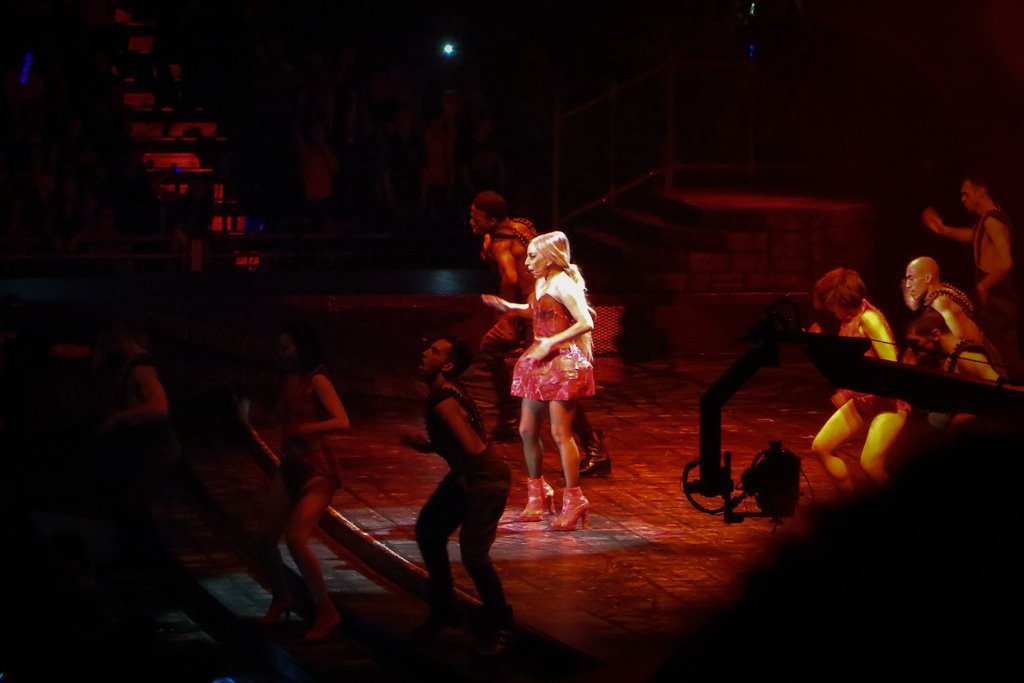
Not every iconic pop culture moment is quiet or tender. Some announce themselves loudly, deliberately, and unforgettably. Lady Gaga arrived at the 2010 VMAs in a carnivorous creation and people’s minds exploded. Could the cowl-neck Franc Fernandez design really be made of meat? Yes, the high-low dress was made of raw beef, and Gaga said she wore it as a form of protest. Whether you found it brilliant or baffling, you could not ignore it.
Today it lives at the Rock and Roll Hall of Fame in Cleveland and resembles beef jerky. That single detail is somehow both hilarious and perfect. The meat dress was not just fashion outrage for its own sake – it was a statement about identity, protest, and the performative nature of celebrity in the social media age. Pop culture moments like this provide us with a shared language of reference. From timeless music performances and groundbreaking movie scenes to unforgettable TV show episodes and viral internet sensations, these moments are the cultural touchstones that help us connect and reminisce.
The Moon Landing Broadcast (1969): When Humanity Watched Itself Make History
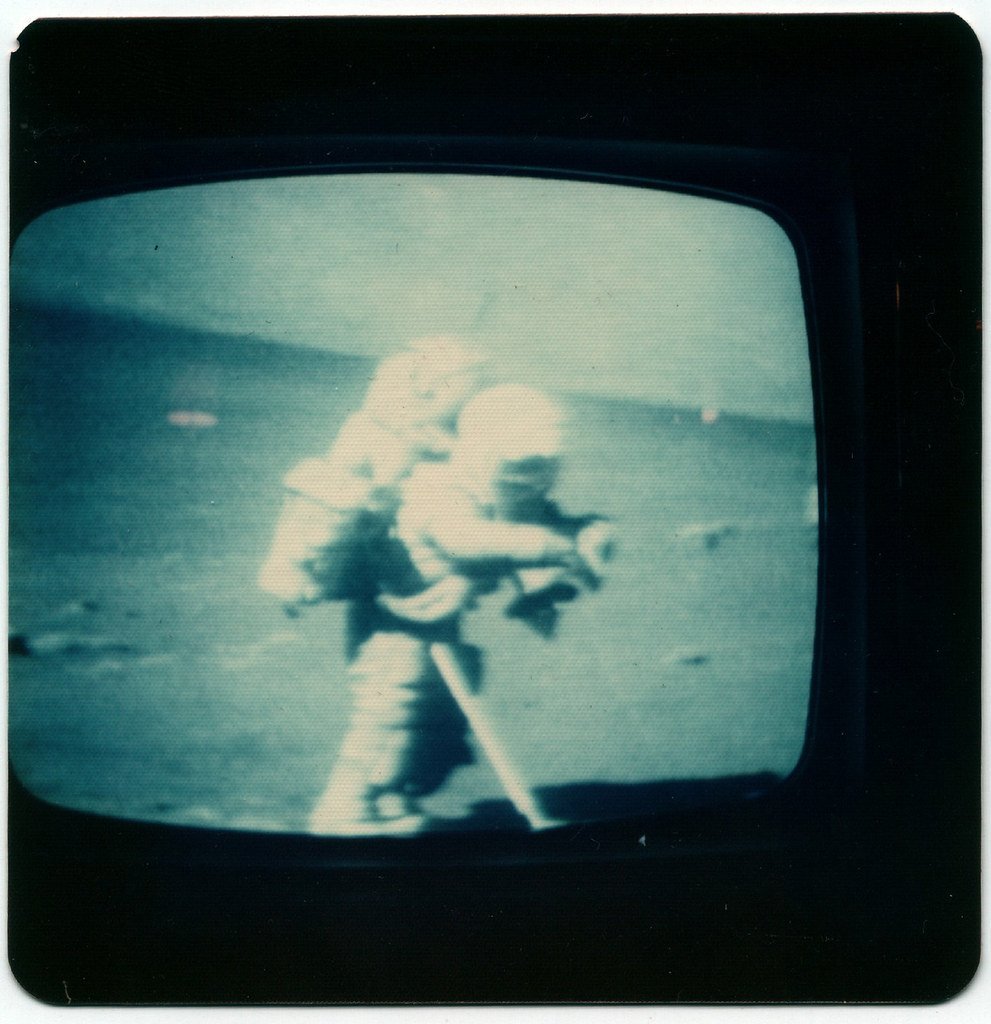
On July 20, 1969, something happened that had never occurred in the entirety of human existence. That’s one small step for man – millions watched humanity leave Earth and touch the impossible, live on television. The scale of that event is still difficult to fully process, even from the distance of decades. It was not just a scientific achievement. It was a collective human experience, broadcast live into living rooms across the globe.
The main function of cultural memory is not to reminisce about the past, whether it be good or bad. Rather, it is to use knowledge of past experiences to avoid making the same mistakes again and again. Aleida Assman, an English professor who has also worked on memory theory since the 1960s, calls this “remembering forward.” Cultural memory enables culture to endure. The moon landing lives in that exact space – it is remembered not just as a historical fact, but as evidence of what becomes possible when a civilization dares to dream collectively. That is why it remains one of the most emotionally resonant events in recorded history.
Conclusion: Why These Moments Will Never Fully Fade
Iconic pop culture moments are more than just fleeting trends – they shape collective identities and foster connections across generations. These events resonate deeply within society, reflecting shared experiences and emotions. There is a reason why, even now, you can mention the moonwalk to someone across the world and they will know exactly what you mean. These moments are the connective tissue of our shared human story.
Collective memory presumes activities of sharing, discussion, negotiation, and often contestation. This obsession with the past might be explained by the fact that memory is perceived to be the foundation of self and society, and as such, it is a major theme in contemporary life, a key to personal, social, and cultural identities. In a world that moves faster every year, perhaps the most quietly radical thing we can do is pause and remember these moments together.
As technology evolves, the way people engage with these moments continues to transform, ensuring their relevance in a rapidly changing world. From unforgettable movie lines to viral dance challenges, each moment contributes to a rich tapestry of cultural history. They invite reflection and discussion, solidifying their place in the hearts and minds of audiences everywhere. As new iconic moments emerge, they’ll undoubtedly continue to inspire and unite, proving that pop culture remains a vital force in shaping human experiences.
Which of these moments still gives you chills when you think about it – and why do you think it stuck with you? Tell us in the comments.
CEO-Co-Founder
