


For any feedback please reach out to info@festivalinside.com
- 13 Top Trending Songs on Instagram Reels in 2026 - August 12, 2026
- The Best Rock Music Was Made When Nobody Was Watching - August 12, 2026
- 12 Books So Captivating, You’ll Finish Them in a Single Weekend - August 12, 2026
Some eras just refuse to stay in the past. The 1970s and 1980s were decades unlike any others, overflowing with contradiction, creativity, rebellion, and raw energy. They gave us disco and punk, blockbuster cinema and political protest, the first personal computers and neon-soaked fashion runways. Decades later, in 2026, their fingerprints are still everywhere, from the synth-heavy soundtracks of today’s most talked-about films to the high-waisted jeans on virtually every major fashion influencer you can find online.
So what makes these two specific decades so endlessly magnetic? Why do artists, designers, filmmakers, and activists keep circling back to the same well? The answer is complex, layered, and honestly a bit surprising. Let’s dive in.
The Sound That Refuses to Fade: Music of the 70s and 80s
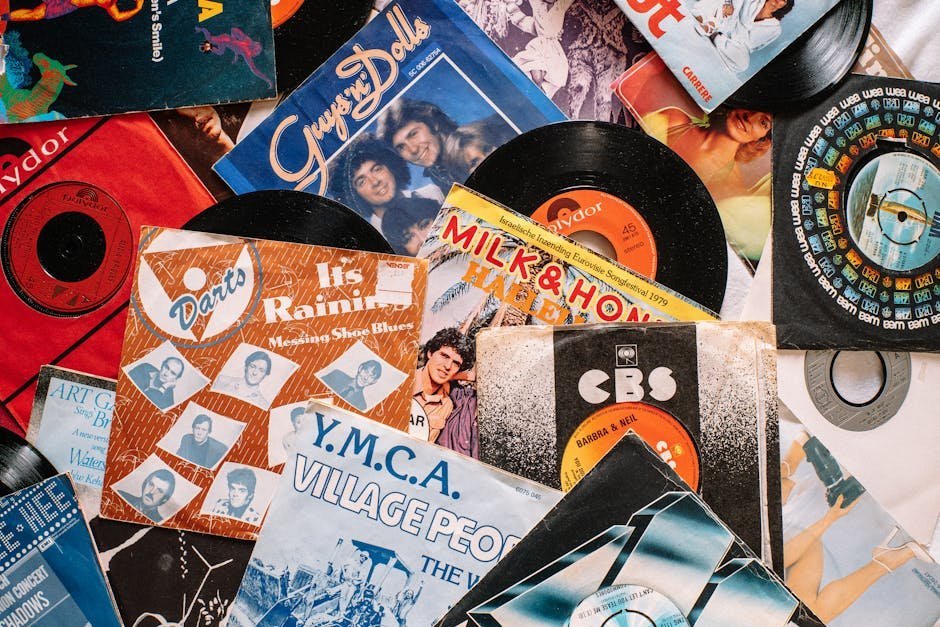
Let’s be real – no decade produced a more diverse and durable musical landscape than these two. The late 1970s saw the rise of punk rock, with bands such as the Ramones, Sex Pistols, and The Clash emerging from New York and London, influencing fashion, youth culture, and the sound of popular music. At almost the same moment, disco was pulling millions in the opposite direction, all glitter and groove and unapologetic joy.
Reggae music rose to worldwide prominence in the 1970s, led by artists such as Bob Marley, Peter Tosh, and Jimmy Cliff, spreading Jamaican musical styles and Rastafari culture internationally. That is a staggering range of sounds just within one decade. Then the 80s arrived and essentially reinvented how music was made at a technical level.
The blend of drum machines, keyboard bass lines, synthesizers, and vocals pioneered a brand new form of music production that took pop culture by storm. Musical influences from the 1980s are more than just relevant today, they are commonplace, as artists consistently use sounds that were made popular by generations preceding them.
I think what makes it so compelling is that modern artists are not just borrowing from the past out of laziness. They are genuinely inspired. Pop music became a dominant force in the 80s, with artists like Madonna, Michael Jackson, and Prince influencing fashion trends with their iconic looks, but their musical DNA has also seeped deep into the production techniques you hear in today’s biggest hits. MTV, which operated like a visual radio station playing music videos introduced by video jockeys, quickly became ubiquitous and was instrumental in the superstardom of such performers as Madonna and Michael Jackson.
Cinema Reborn: How 70s and 80s Film Changed Everything
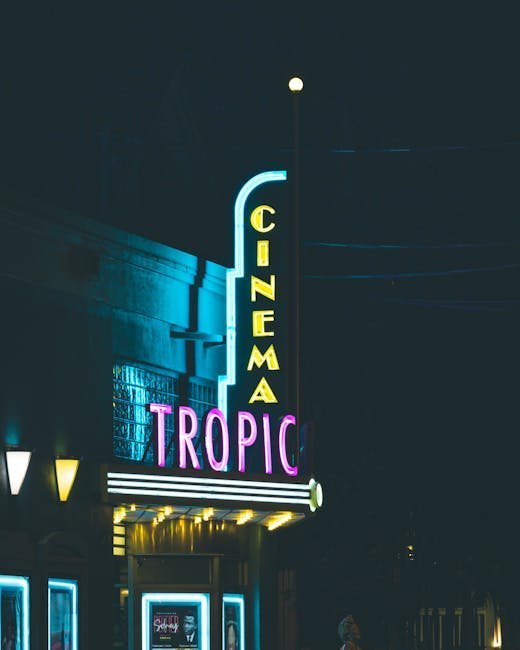
Here is something that genuinely surprises people when they hear it: much of what we expect from a modern blockbuster film was essentially invented during these two decades. The 1970s were a golden age of American cinema, when a new young generation of filmmakers, whose names became the stuff of legend, including Steven Spielberg, George Lucas, Francis Coppola, William Friedkin, and Martin Scorsese, arrived on the scene and overtook the old, crusty studio system.
Jaws and Star Wars are celebrated, and sometimes derided, for essentially creating Hollywood’s obsession with blockbusters. With Jaws, Spielberg was responsible for the first modern blockbuster. That is a legacy that quite literally defines what a night at the movies looks like to this day.
The 1980s were a transformative decade for cinema, a time when filmmakers were not afraid to push boundaries, experiment with new technologies, and tell stories that would become timeless classics. From the rise of blockbuster franchises to the birth of genres that still captivate audiences today, the 80s left an indelible mark on the film industry. Think about it this way: the Marvel Cinematic Universe, the entire concept of a shared fictional universe across multiple films, traces its structural DNA directly back to the franchise-building that Lucas pioneered with Star Wars.
The expansion of the Star Wars franchise is undeniably one of the most significant achievements of George Lucas’ cinema legacy, and from the original trilogy released in the late 70s and early 80s, Star Wars has now expanded to include multiple spin-off films, television shows, and even a theme park. That is not just a movie franchise. That is a mythology.
From Bell-Bottoms to Power Shoulders: The Unstoppable Fashion Legacy

Fashion is perhaps the most visible and immediate way the 70s and 80s keep resurging into modern life. The 1970s were characterized by the emergence of disco, punk, and hippie styles, each with its unique aesthetic and cultural significance, while the 1980s saw the rise of new wave, goth, and hip-hop styles, which continue to influence fashion and music today.
In a time characterized by boldness and extravagance, the 80s were defined by oversized jackets, mullet hairstyles, high-waisted pants, neon colors, and graphic prints, and today, high-street fashion brands and luxury designers alike have embraced these aesthetics, with collections echoing the era’s flamboyance. Walk down any major city street right now and you will see exactly this playing out in real time.
The punk rock movement of the late 70s and early 80s was inspired by the fashion of the legendary Vivienne Westwood. It is fascinating, honestly, how a subculture born from anti-establishment fury eventually became runway inspiration for some of the world’s most exclusive fashion houses. The revival of these trends is more than just a cyclical return of past styles. It is a celebration of individuality and self-expression, a hallmark of the 1980s ethos.
Feminism and civil rights movements influenced not just laws but also how people dressed and presented themselves every day. As individuality became a focus, so did vintage clothing and homemade style, both of which are coming back today. It’s hard to say for sure where trend cycles end and genuine cultural reverence begins, but the 70s and 80s feel like more than just a trend. They feel like a reference point for authenticity.
Pixels, Processors, and Personal Freedom: The Technological Revolution
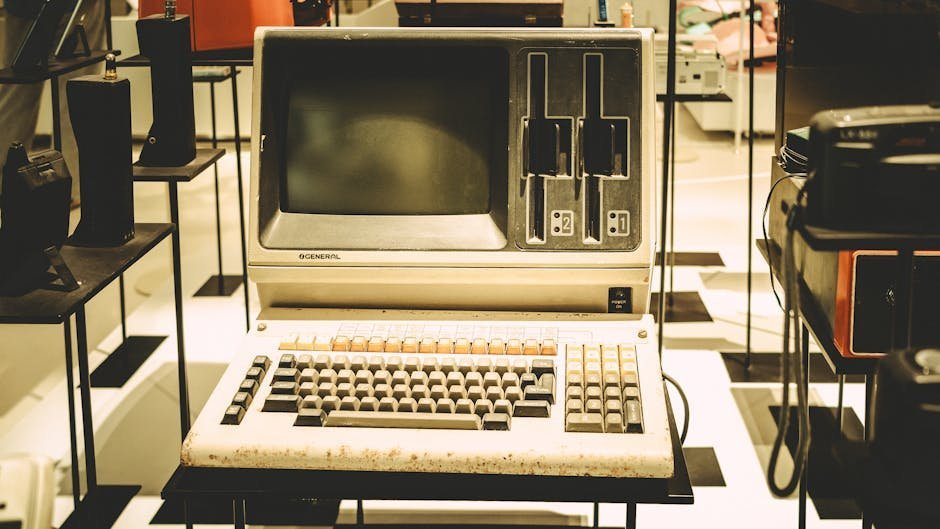
It’s easy to forget just how radical the technology of these decades really was. Before the 70s, computers were enormous machines locked away in universities and government buildings. Then everything changed. The Apple II, launched in 1977, was one of the first highly successful personal computers, known for its rich graphics and user-friendly interface, while the IBM PC introduced in 1981 became synonymous with business computing.
In 1972, Pong, the table-tennis simulator that has come to symbolize early computer games, was created by the fledgling company Atari, and it was immediately successful. Something that looks almost laughably simple today genuinely shifted how an entire generation related to technology. Games were suddenly not just for scientists. They were for everyone.
The golden age of arcade video games was the period of rapid growth, technological development, and cultural influence of arcade video games, stretching from the late 1970s to the early 1980s. The Nintendo Entertainment System resurrected the video game industry in 1985 after the crash of 1983, offering games like Super Mario Bros. and The Legend of Zelda, while arcades flourished, with games like Pac-Man and Space Invaders becoming cultural icons.
In July 1979, Sony revolutionized personal entertainment with the release of the Walkman TPS-L2, the world’s first portable music player. This device was not just about personal music playback. It represented a new way of life, allowing people to listen to music away from home without disturbing others, transforming the Walkman into a symbol of freedom and personal space. Think of it as the spiritual ancestor of every pair of wireless earbuds you have seen today.
Marching Forward: The Social Movements That Shook the World
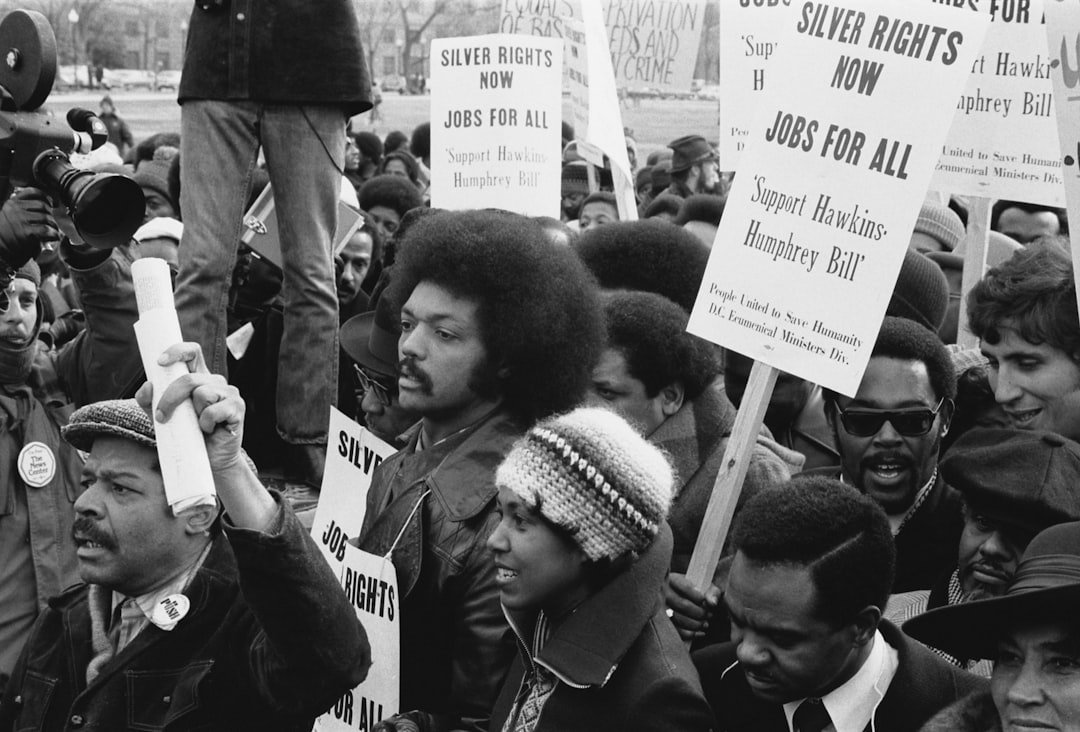
Strip away the fashion and the music, and you still find something deeply powerful at the core of these decades: the sheer volume of people who stood up and demanded change. Social movements of this era included the Women’s Rights Movement, the Peace Movement, and the Environmental Movement. Women’s rights activists fought against sexual discrimination and founded thousands of shelters for battered women.
The 70s were also a time of change and activism. From women’s liberation to environmental awareness, people started pushing for new rights and better policies. Earth Day was celebrated for the first time in 1970. Title IX opened doors for women in sports and education. Those legislative and cultural wins still ripple through everyday life in the United States, and far beyond its borders.
Many new movements also started during this period. They included hip-hop and punk rock music, with artists in these movements often speaking out against racial inequality, poverty, and police brutality. Music and protest had always been linked, but the 80s saw artists wield their platforms in remarkably organized and global ways.
Harry Belafonte, a Caribbean American singer with a long record of civil rights activism, had become concerned with the poverty, starvation, and violence in sub-Saharan Africa and helped form the non-profit USA for Africa in 1985. Steven Van Zandt of the E Street Band crafted a protest song entitled “Sun City,” named for a tourist resort located in one of the apartheid states created by the South African government. A number of western artists had played the venue despite a United Nations cultural ban, and what began as a single song quickly turned into an album and a new organization: Artists United Against Apartheid.
The Nostalgia Engine: Why These Decades Keep Coming Back

In the 21st century, historians have increasingly portrayed the 1970s as a “pivot of change” in world history, focusing especially on the economic upheavals that followed the end of the postwar economic boom. That framing matters. These weren’t just stylish decades. They were structurally transformative ones, and culture tends to revisit eras of genuine rupture and reinvention.
The 80s revival fits into a larger cultural cycle where generations look back on previous decades, often reinterpreting them to fit modern sensibilities. Much like how the 60s and 70s were revisited in the 90s and early 2000s, the 80s are now being reclaimed by younger generations who are attracted to its aesthetic boldness, its sense of possibility, and its unmistakable cultural impact.
The legacy of 70s and 80s style can be seen in contemporary fashion, music, and art, with many designers and artists drawing inspiration from these iconic decades. The sense of creativity and experimentation that defined the 70s and 80s continues to inspire artists today, with many pushing boundaries and challenging social norms through their work.
A Tapestry That Only Grows Richer With Time
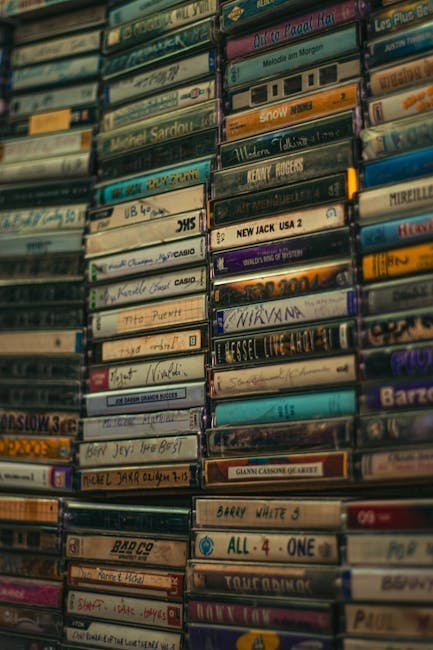
Nostalgia is often dismissed as mere sentimentality, a way of looking backward when we should be moving forward. But the ongoing pull of the 70s and 80s is something more nuanced than that. The resurgence of the 80s lifestyle is a complex phenomenon that speaks to our collective desire for nostalgia, reinvention, and the blending of past and present. Whether through fashion, music, media, or social dynamics, the 80s are no longer just a thing of the past. They are an enduring influence that continues to shape contemporary culture.
Honestly, I think what keeps drawing us back is that these decades felt alive in a particular way. The stakes were high. The sounds were bold. The movements were real. Every cultural category, from the first synthesizer to the first arcade cabinet to the first Earth Day to the birth of the modern blockbuster, has a direct, traceable line to something we experience today.
The greatest creative legacies are not frozen in time. They evolve, they blend with the present, and they keep offering new generations something worth borrowing, questioning, or simply admiring. The 70s and 80s built a cultural foundation strong enough to support the weight of everything that came after. That is not nostalgia. That is heritage. What part of that era do you think has left the deepest mark on the world we live in today?

Christian Wiedeck, all the way from Germany, loves music festivals, especially in the USA. His articles bring the excitement of these events to readers worldwide.
For any feedback please reach out to info@festivalinside.com
