


For any feedback please reach out to info@festivalinside.com
- “The 16 Secret Meanings Behind America’s Most Famous Novels” - September 25, 2026
- 20 Music Legends Who Changed the Industry Forever - September 25, 2026
- Why Some Books Only Work in the First Person - September 24, 2026
Aretha Franklin: The Queen of Soul
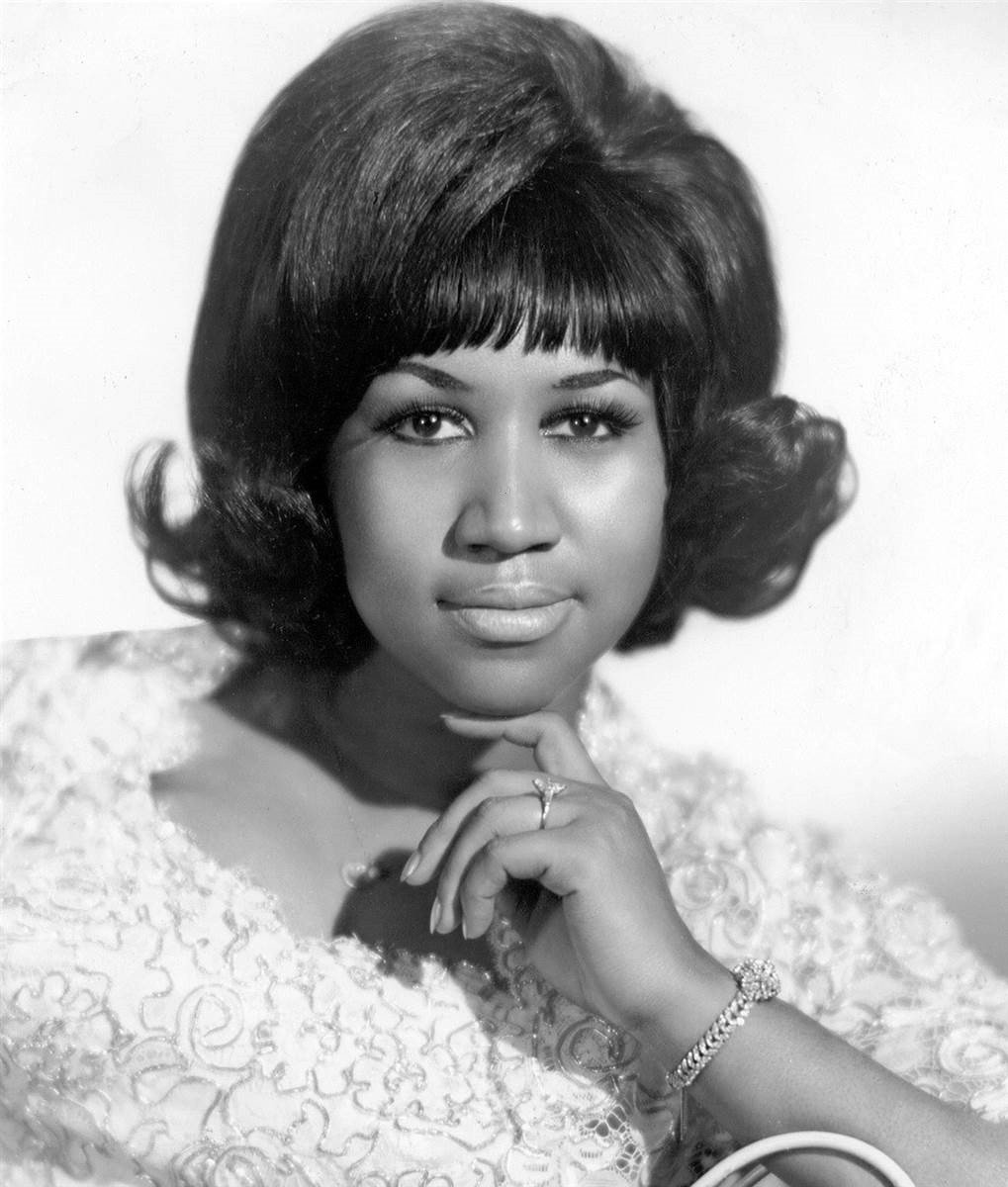
It’s impossible to think of soul music without the thunderous, heart-stirring sound of Aretha Franklin. Her voice—a force of power, passion, and precision—became the soundtrack of empowerment for millions. “Respect,” for many, wasn’t just a song but a demand, echoing through civil rights marches and personal struggles. Aretha redefined what it meant to sing soul, infusing every note with raw emotion and unshakable confidence. With songs like “(You Make Me Feel Like) A Natural Woman” and “Think,” she wasn’t just performing—she was preaching, healing, and fighting. Her influence rippled far beyond music, earning her countless accolades, yet it was her ability to make listeners feel seen and heard that truly crowned her the Queen of Soul.
Marvin Gaye: The Soul Poet

Marvin Gaye’s music drips with sensuality, vulnerability, and a burning urge to speak the truth. He gave the world “What’s Going On,” a song that became an anthem for justice and compassion during turbulent times. Marvin’s voice felt like silk and fire all at once—soothing yet urgent, romantic but always aware of the world’s pain. In tracks like “Sexual Healing,” he showed that soul could be both deeply personal and universally resonant. His courage to address issues like war and social injustice set him apart as more than just a singer; he was a poet, a prophet, and a voice for the unheard. Even now, his artistry continues to spark reflection and change.
Whitney Houston: Power and Precision
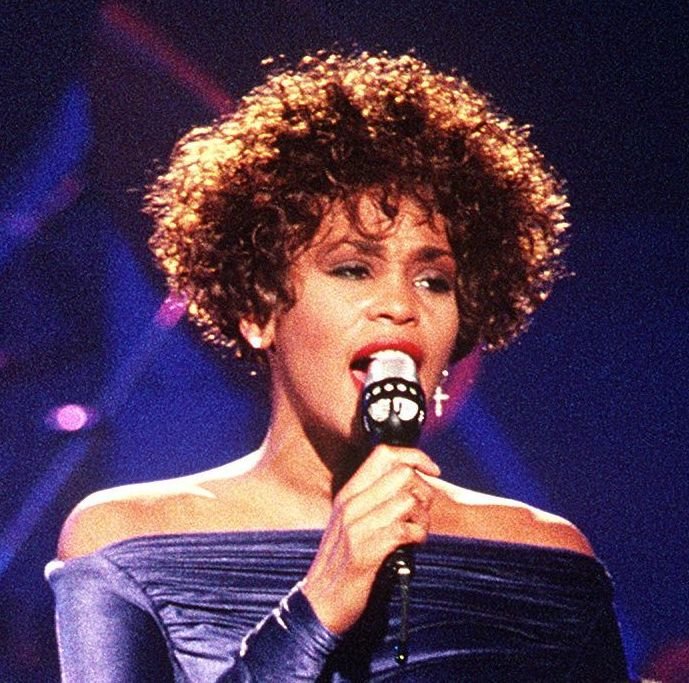
Whitney Houston’s voice could move mountains—soaring, flawless, and overflowing with emotion. She made technical mastery look effortless, yet the real magic was in how she made you feel every word. With hits like “I Will Always Love You,” she bared her soul, reaching heights that left audiences breathless. Whitney brought elegance to every performance, whether belting out anthems or whispering tender ballads. Beyond her vocal power, her presence felt electric—a true superstar. Her influence spans genres, inspiring generations to dream bigger and sing louder, reminding us that vulnerability and strength can coexist in every note.
Sam Cooke: The Father of Soul
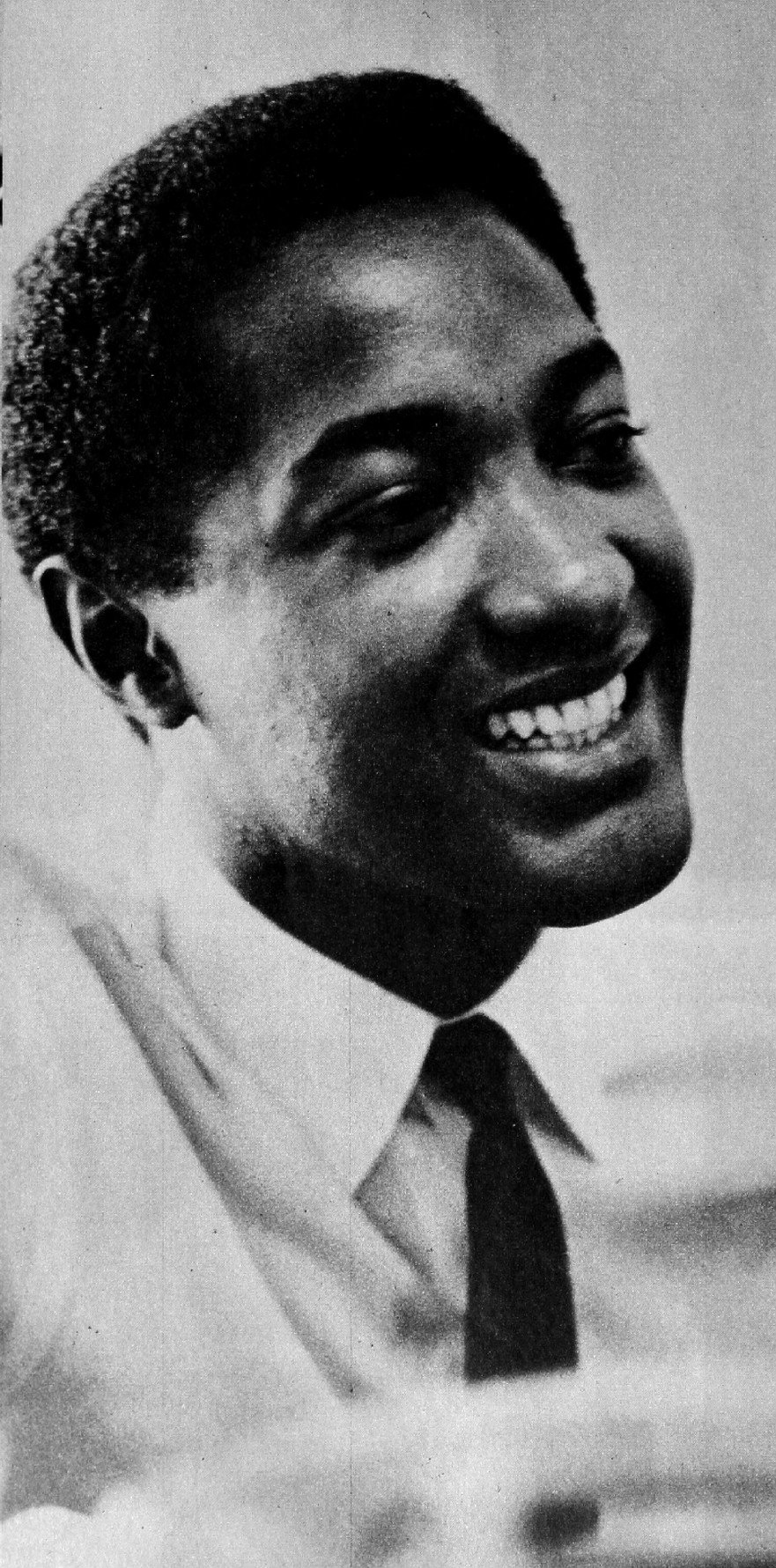
Sam Cooke’s voice was warmth itself—smooth, inviting, and full of conviction. He bridged gospel and pop, infusing his music with hope and longing. “A Change Is Gonna Come” became the heartbeat of a movement, offering comfort and inspiration to those yearning for justice. Cooke’s delivery was always controlled, never forced, yet the emotion in his songs ran deep. He didn’t just perform—he connected, making every listener feel as though he was singing just for them. His tragic early death robbed the world of more masterpieces, but the echoes of his influence still shape soul music today.
Otis Redding: Grit and Passion

Few voices carry the raw, gravelly passion of Otis Redding. Every performance was a storm—sometimes painful, sometimes hopeful, always real. His classic “(Sittin’ On) The Dock of the Bay” captures the bittersweet beauty of longing and reflection. Redding’s stage presence was magnetic; he sang as if every word came from the deepest corners of his soul. He had a gift for turning ordinary stories into unforgettable moments, making audiences feel every ache, every hope, every joy. His music continues to resonate, a testament to the enduring power of authenticity.
Ray Charles: The Genius of Soul

Ray Charles was a true musical alchemist, blending gospel, blues, and jazz into a sound all his own. His voice was a celebration—playful, gritty, and endlessly expressive. Songs like “Georgia on My Mind” and “Hit the Road Jack” reveal his genius for storytelling and improvisation. Despite losing his sight at a young age, Ray’s vision for music was boundless. He broke barriers, crossed genres, and inspired generations to experiment and innovate. His joy for music radiated in every performance, inviting listeners to feel, dance, and dream along with him.
Al Green: Silky and Expressive

Al Green’s falsetto could melt the coldest heart. His voice—gentle yet powerful, smooth yet full of longing—defined the romantic side of soul. With classics like “Let’s Stay Together,” he made love sound both sacred and exhilarating. Al’s style was effortless, gliding over melodies with a subtle confidence. He had an uncanny ability to make every lyric feel personal, as if he was whispering secrets just for you. His music is timeless, a warm embrace that continues to inspire lovers and dreamers everywhere.
Etta James: Raw and Raspy
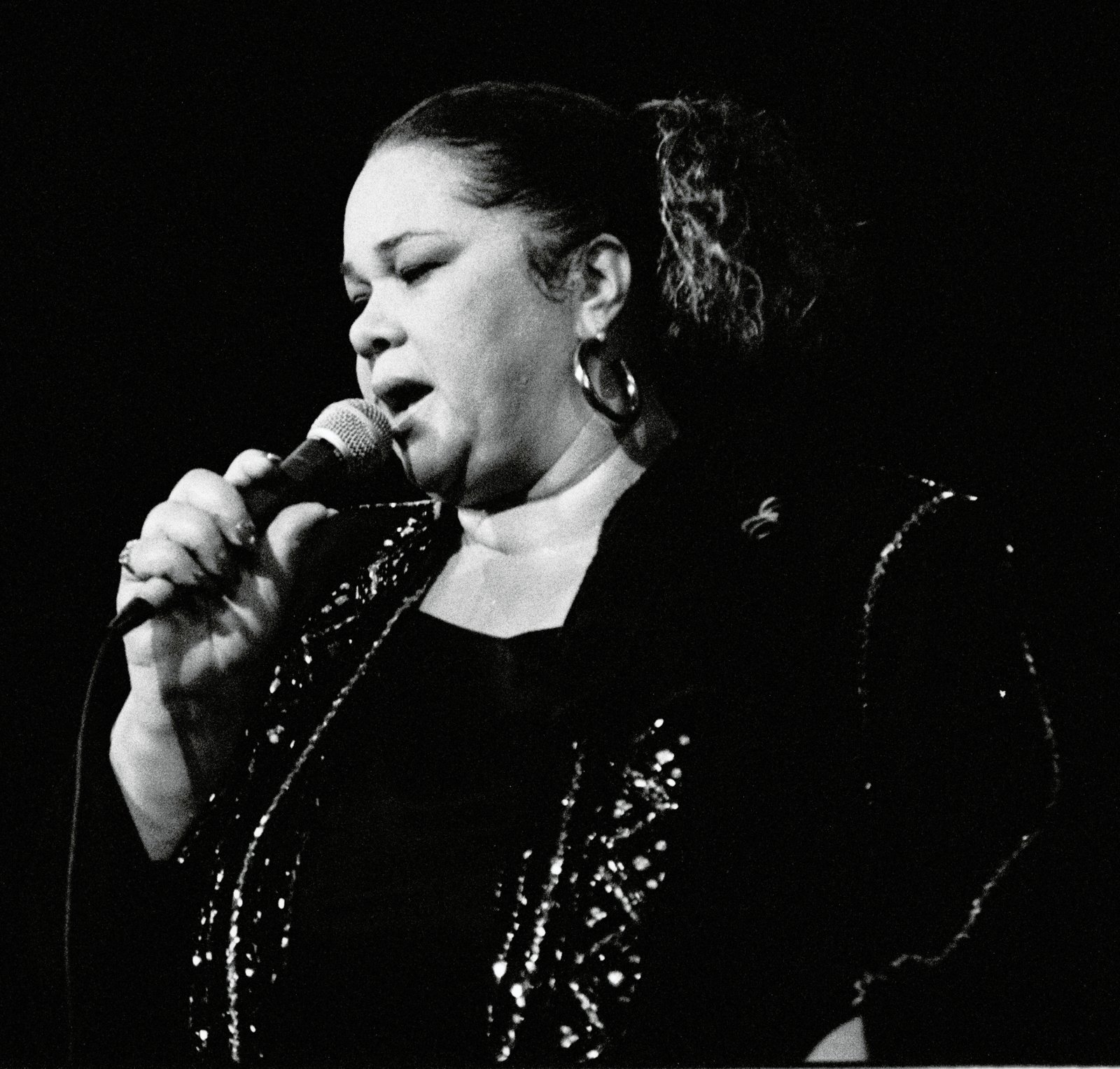
Etta James roared and whispered with equal intensity, her voice carrying scars and triumphs in every line. “At Last” is more than a song—it’s an experience, a testament to her power to turn vulnerability into strength. Etta’s rasp was her signature, a reminder that beauty can be raw and unpolished. She sang of heartbreak and hope with a fearless honesty that resonated across generations. Her influence can be heard in countless artists who dare to show their flaws and fire, proving that soul is as much about truth as it is about technique.
Donny Hathaway: Emotional Elegance

Donny Hathaway’s music feels like a heartfelt conversation, rich with emotion and spiritual depth. His voice, equal parts tenderness and strength, brought gospel influences into the heart of soul. Tracks like “A Song for You” and “This Christmas” are laced with a bittersweet elegance, inviting listeners to reflect and connect. Hathaway’s lyrics often explored love, pain, and redemption, making his music a safe haven for those seeking comfort. His legacy is one of empathy and artistry, proof that the most powerful songs come from the heart.
Nina Simone: Fearless and Haunting

Nina Simone’s voice was a weapon, a balm, and a call to action. She sang with a haunting clarity, never shying away from difficult truths. Songs like “Feeling Good” and “Strange Fruit” became rallying cries for justice, weaving together artistry and activism. Nina’s performances were intense and unpredictable, always daring listeners to think and feel more deeply. She stood as a fearless champion for civil rights, using her music to challenge, provoke, and inspire. Her legacy endures, reminding us that art has the power to change the world.
Stevie Wonder: Joy and Resilience

Stevie Wonder’s voice bubbles with joy, resilience, and boundless curiosity. He blurs the lines between genres, fusing soul, pop, funk, and R&B into a sound uniquely his own. “Superstition” and “Isn’t She Lovely” radiate warmth, optimism, and a childlike sense of wonder. Despite facing challenges, Stevie’s music always finds the light, encouraging listeners to celebrate life’s beauty. His melodies and messages continue to uplift and unite, proving that soul isn’t just a genre—it’s a way of seeing the world.
Luther Vandross: Velvet Smooth

Luther Vandross’s voice is the auditory equivalent of silk—smooth, rich, and endlessly comforting. His ballads, like “Never Too Much” and “Dance with My Father,” are filled with longing and nostalgia. Luther had a knack for transforming simple phrases into unforgettable moments, pouring romance and vulnerability into every note. His music became the soundtrack for countless love stories, offering solace to those lost and hope to those in love. His influence lingers in the work of today’s great vocalists, a testament to his timeless appeal.
Tina Turner: Explosive Grit

Tina Turner’s voice is pure dynamite—fiery, raspy, and brimming with unstoppable energy. From “Proud Mary” to “What’s Love Got to Do with It,” she brought grit and glamor to every performance. Her stage presence was legendary; she commanded attention with every step, every shout, every whisper. Tina’s journey from hardship to global superstardom is a story of resilience, determination, and sheer willpower. She showed the world that soul isn’t just about singing—it’s about surviving, thriving, and shining regardless of the obstacles.
Bill Withers: Honest Storytelling
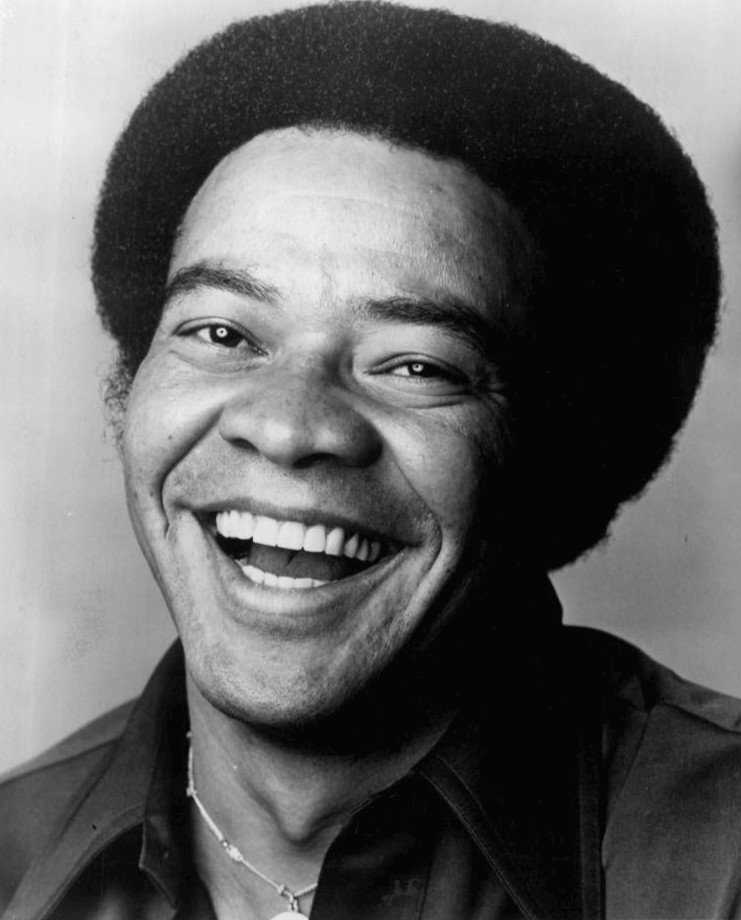
Bill Withers brought a conversational intimacy to soul, making listeners feel like they were sitting across from a friend. Songs like “Lean On Me” and “Ain’t No Sunshine” are simple, yet deeply profound, capturing the everyday struggles and triumphs of life. His voice was unpretentious, warm, and reassuring—a reminder that the most powerful music often comes from the most honest places. Bill’s songs continue to offer comfort and hope, transcending generations and genres.
Patti LaBelle: Operatic Power

Patti LaBelle’s voice could shatter glass and heal hearts all at once. Her range was extraordinary, leaping from soulful whispers to operatic highs with ease. Songs like “Lady Marmalade” and “If Only You Knew” showcased her ability to infuse even the simplest phrases with drama and emotion. Patti’s stage presence was equally commanding, blending gospel fire with show-stopping charisma. Her influence can be felt in the work of today’s most powerful divas, each striving to match her intensity and passion.
Mahalia Jackson: Gospel’s Divine Voice

Mahalia Jackson’s booming, soulful voice became the gold standard for gospel music. She sang with an unwavering faith, transforming spirituals into universal anthems of hope. Her performances were electrifying, stirring audiences to both tears and joy. Mahalia’s impact stretched far beyond the church, inspiring civil rights leaders and pop icons alike. She proved that soul music’s roots run deep, grounded in a spiritual longing that resonates with every listener.
Curtis Mayfield: Sweet Falsetto and Social Awareness

Curtis Mayfield’s sweet falsetto floated over grooves that were as thought-provoking as they were catchy. His music tackled social and political issues head-on, with songs like “People Get Ready” offering a message of unity and hope. Curtis combined musical sophistication with lyrical depth, creating songs that resonated both on the dance floor and in the streets. His legacy is one of courage and innovation, reminding us that soul music can both entertain and enlighten.
Gladys Knight: The Empress of Soul
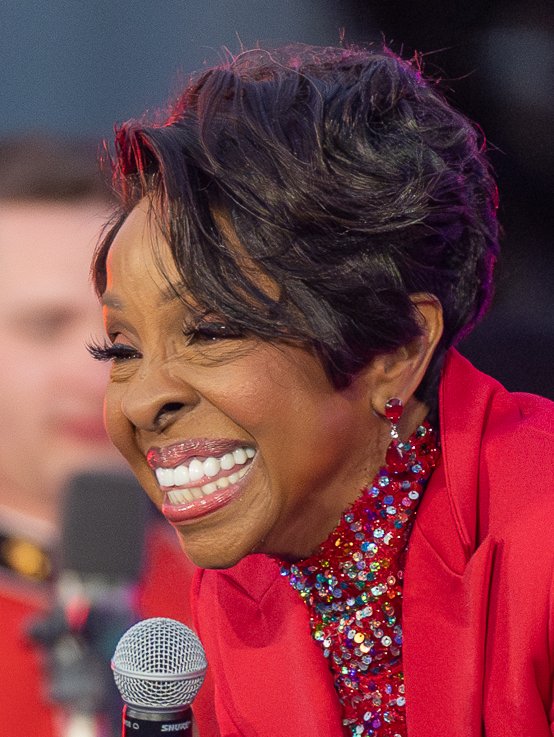
Gladys Knight’s voice is a blend of wisdom, warmth, and unwavering strength. Her hits with the Pips, such as “Midnight Train to Georgia,” are classic tales of love, struggle, and resilience. Gladys sings with a sincerity that draws listeners in, making each song feel like a personal story. She brings grace and gravitas to every performance, earning her rightful place as the Empress of Soul. Her influence continues to shape the sound of modern R&B and soul.
James Brown: Godfather of Soul

James Brown’s explosive energy and raw vocal delivery earned him the title of the Godfather of Soul. He turned every stage into a battleground, commanding audiences with his electrifying moves and guttural shouts. “I Got You (I Feel Good)” and “Papa’s Got a Brand New Bag” are more than songs—they’re calls to action, full of fire and funk. James’s influence on music, dance, and culture is immeasurable, setting the blueprint for generations of performers.
Chaka Khan: Funky and Fierce

Chaka Khan’s voice is a force of nature—fiery, flexible, and endlessly dynamic. She brought funk and fierce independence to soul music, with hits like “Ain’t Nobody” and “I’m Every Woman.” Chaka’s performances are celebrations of power and self-expression, inspiring listeners to embrace their true selves. Her ability to blend soul, funk, and pop set her apart as a true original, paving the way for bold, genre-blending artists.
Amy Winehouse: Retro Soul, Modern Edge
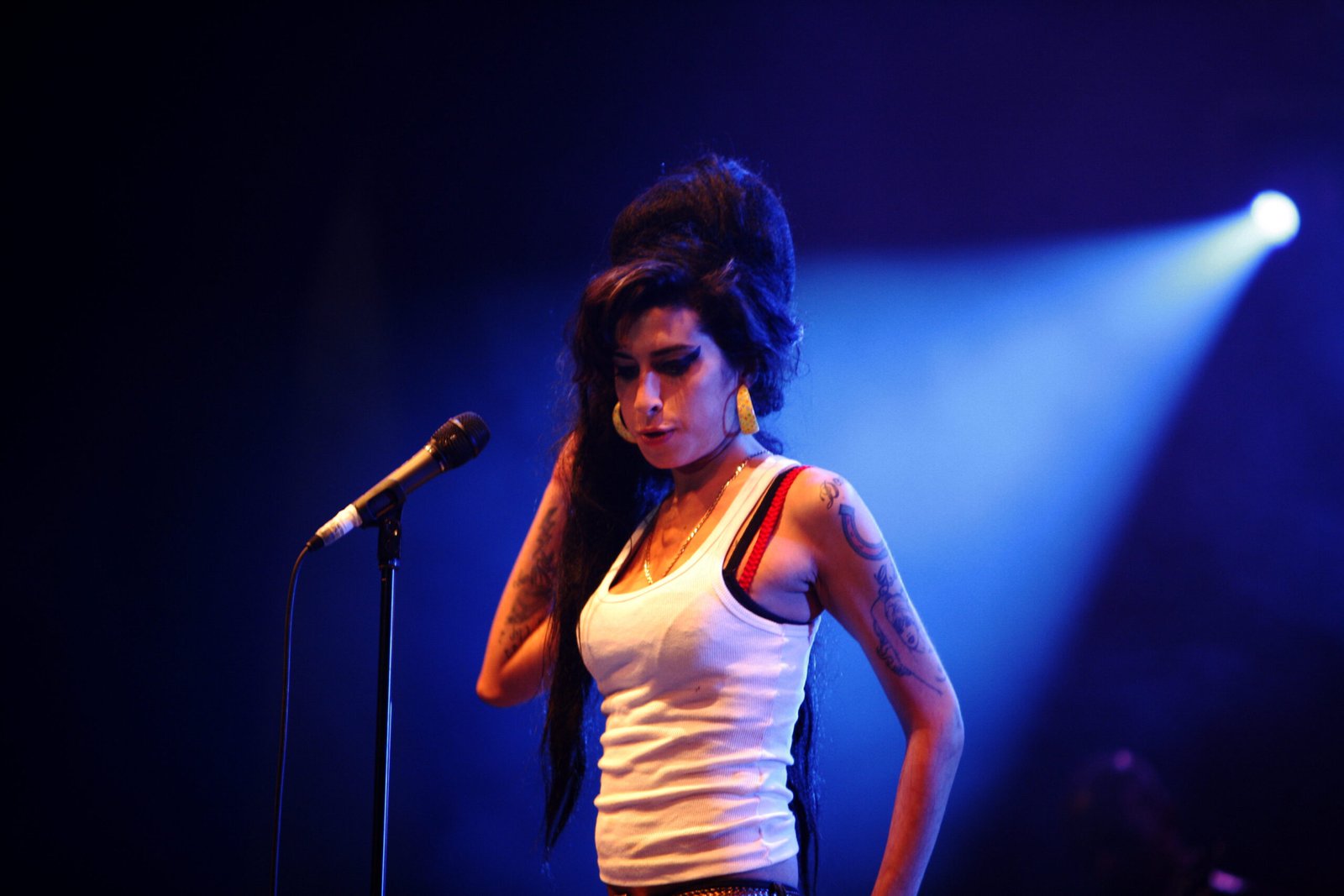
Amy Winehouse breathed new life into soul with her smoky voice and brutally honest lyrics. Songs like “Back to Black” and “Rehab” mixed retro sounds with a modern, confessional twist. Amy’s music was raw, vulnerable, and unfiltered—she sang about heartbreak, addiction, and longing with a candor that both shocked and moved listeners. Her influence can be seen in today’s neo-soul movement, proving that authenticity never goes out of style.
Smokey Robinson: The Heart of Motown

Smokey Robinson’s silken tones and poetic songwriting made him the beating heart of Motown. His voice glides effortlessly over melodies, turning simple emotions into timeless classics. With songs like “Tracks of My Tears” and “Cruisin’,” Smokey crafted stories that linger long after the last note. He set a standard for elegance and emotional honesty, shaping the sound of soul for decades to come.
Anita Baker: Smooth and Smoky
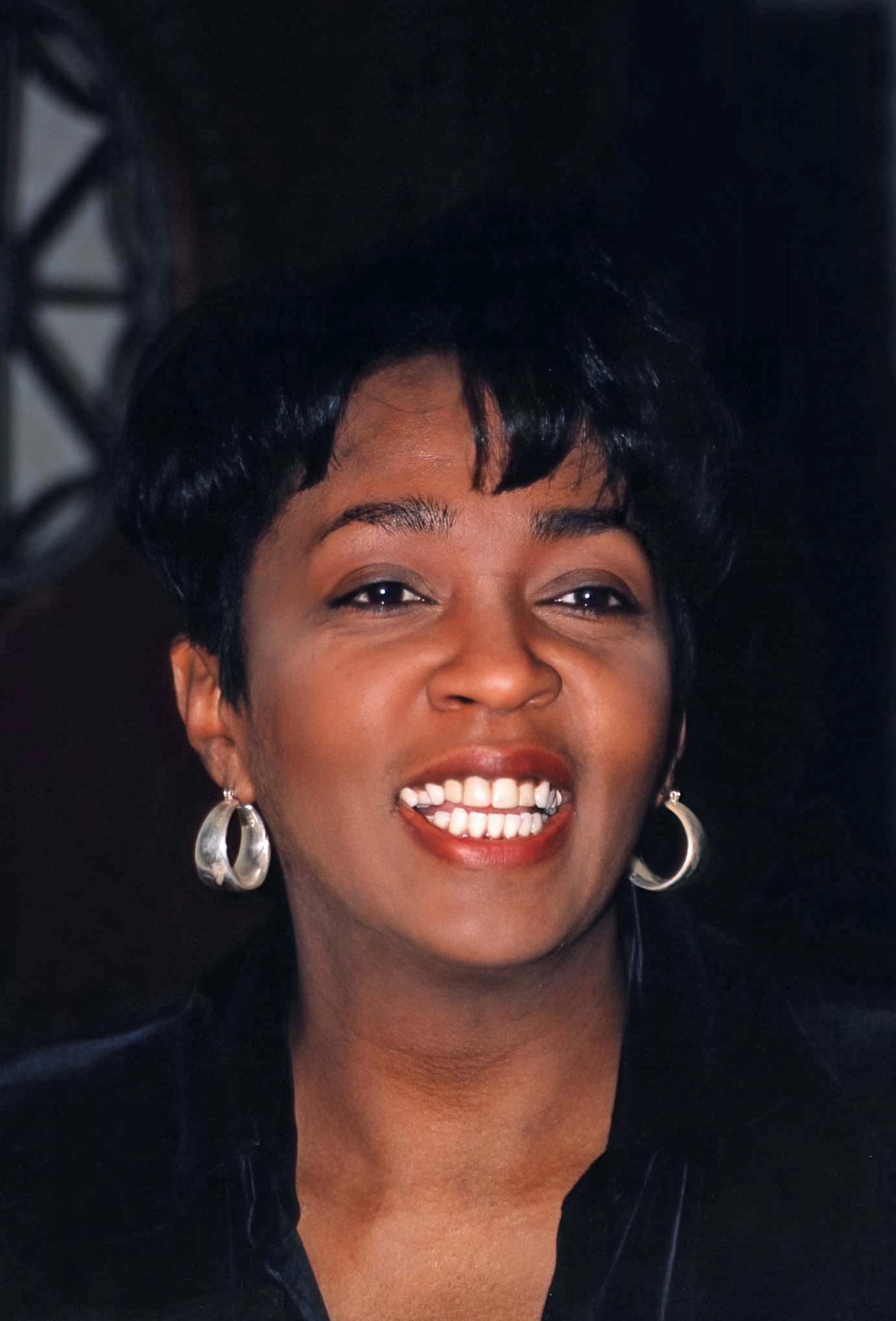
Anita Baker’s voice is like velvet—smooth, smoky, and deeply expressive. Her ballads, such as “Sweet Love” and “Caught Up in the Rapture,” envelop listeners in warmth and intimacy. Anita’s style is understated yet powerful, drawing in audiences with her subtle phrasing and emotional nuance. Her influence continues to inspire artists seeking to blend sophistication with soul.
Joe Cocker: Gravel-Voiced Intensity

Joe Cocker’s gravelly voice brought a bluesy edge to soul, making every song feel lived-in and real. His passionate renditions of classics like “With a Little Help from My Friends” showcased his ability to pour his heart into every performance. Joe’s intensity and sincerity set him apart, proving that soul music transcends boundaries and backgrounds.
Billie Holiday: Fragile and Profoundly Human

Billie Holiday’s voice was fragile, emotive, and achingly human. She sang with a vulnerability that laid bare her pain and joy, making songs like “Strange Fruit” and “God Bless the Child” unforgettable. Billie’s phrasing and timing were uniquely her own, turning every performance into a lesson in storytelling. Her influence on soul and jazz is immeasurable, a lasting reminder of the power of truth in music.

Christian Wiedeck, all the way from Germany, loves music festivals, especially in the USA. His articles bring the excitement of these events to readers worldwide.
For any feedback please reach out to info@festivalinside.com
