


For any feedback please reach out to info@festivalinside.com
- 12 Unexpected Ways Classic Literature Influenced Modern Pop Culture - April 6, 2026
- 15 Literary Hoaxes So Clever, They Fooled the Entire Publishing World - April 6, 2026
- 12 Masterpieces of Architecture That Were Nearly Lost to History - April 6, 2026
Picture this: geniuses penning timeless tales while their real lives spiral into chaos, heartbreak, and sheer audacity. These writers didn’t just shape words – they lived storms that fueled their genius. Their hidden struggles reveal how personal tempests birthed world-changing books.
From scandalous elopements to mysterious vanishings, these stories pull back the curtain on icons whose drama equaled their prose. Ready to meet the humans behind the legends? Let’s dive into their riveting, lesser-known worlds.[1][2]
Mary Shelley
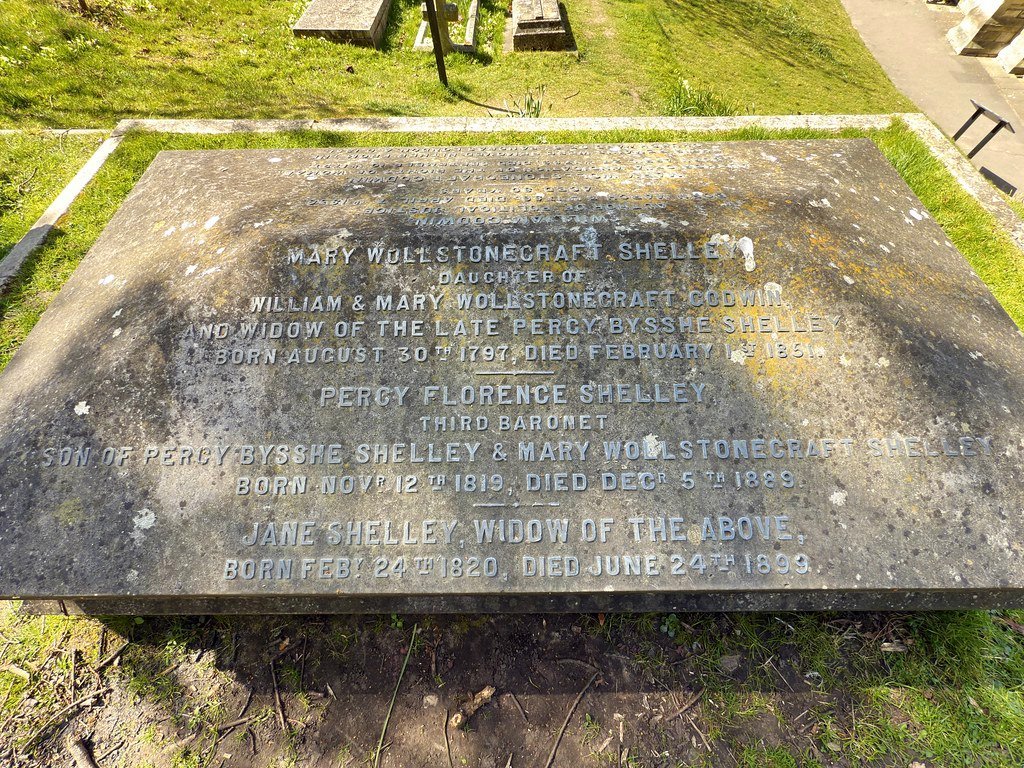
Mary Godwin’s world shattered early when her mother, feminist pioneer Mary Wollstonecraft, died days after her birth. Raised by a philosopher father who later disowned her, young Mary sought solace in forbidden reads at her mother’s grave. Her passion ignited a scandalous elopement with poet Percy Bysshe Shelley, abandoning stability for love amid family fury.
Tragedy stalked her relentlessly. She lost her first child after just days, then endured more heart-wrenching losses during travels with Percy and stepsister Claire Clairmont. After Percy’s drowning, Mary faced poverty, editing his works while rumors swirled of secret affairs. These blows forged Frankenstein’s haunting depth.[3][4]
Edgar Allan Poe
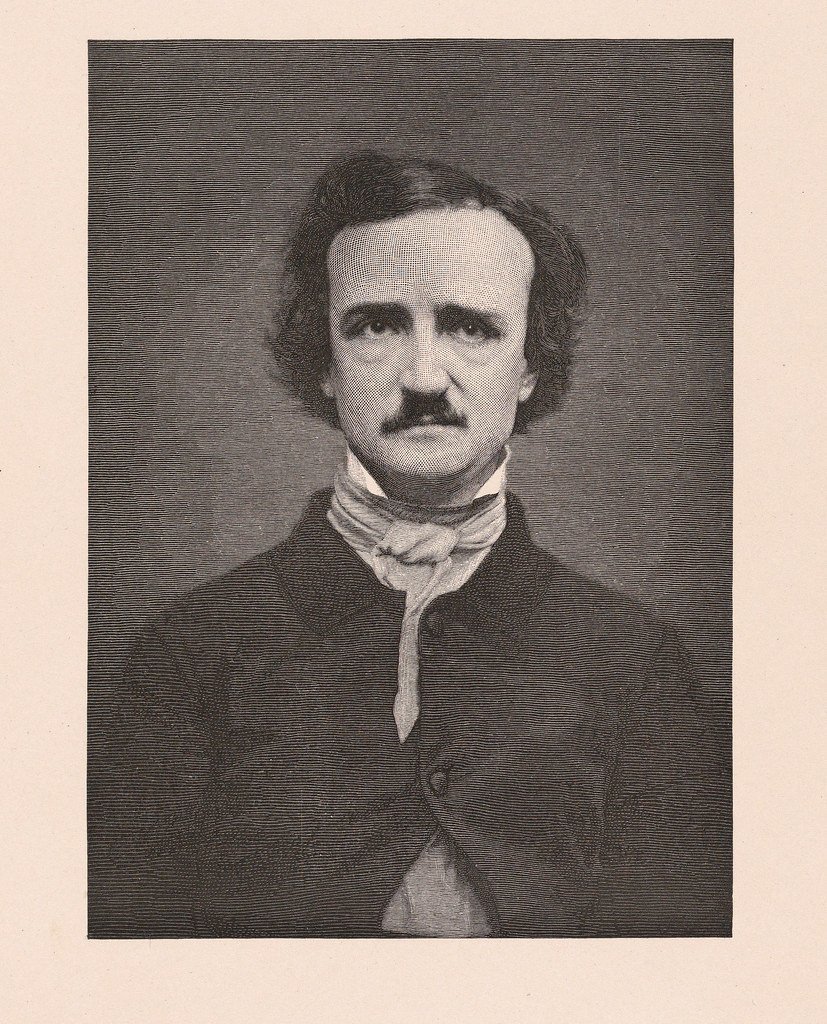
Poe’s early years brimmed with instability after both parents died young, leaving him fostered by a wealthy but cold merchant. Expelled from West Point for defiance, he plunged into poverty, marrying his 13-year-old cousin Virginia amid whispers of scandal. His tales drew from raw pain, mirroring real horrors he witnessed or imagined.
Virginia tubercular decline haunted him, fueling gothic masterpieces. Poe’s end remains a riddle: found delirious in Baltimore, clad in stranger’s clothes, dead at 40 from unknown causes – beating, poison, or “cooping” election foul play? This enigma cements his macabre legacy. Honestly, it feels like one of his plots come alive.[5][6]
Charles Dickens
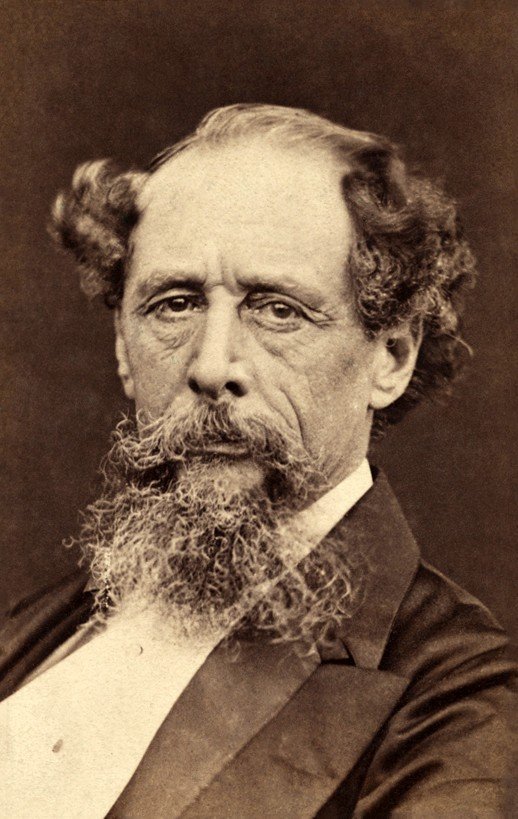
Dickens toiled in a blacking factory as a boy when his father landed in debtors’ prison, scarring him forever. This fueled his social critiques. Lesser known, he frequented Paris morgues, mesmerized by displayed corpses, channeling the grim into vivid scenes.
A devastating rail crash at Staplehurst in 1865 nearly killed him; he aided survivors while hiding his presence to dodge scandal. His secret affair with young actress Ellen Ternan shattered his marriage, forcing a double life of readings and lies. Such turmoil sharpened his eye for society’s underbelly.[7][8]
Fyodor Dostoevsky
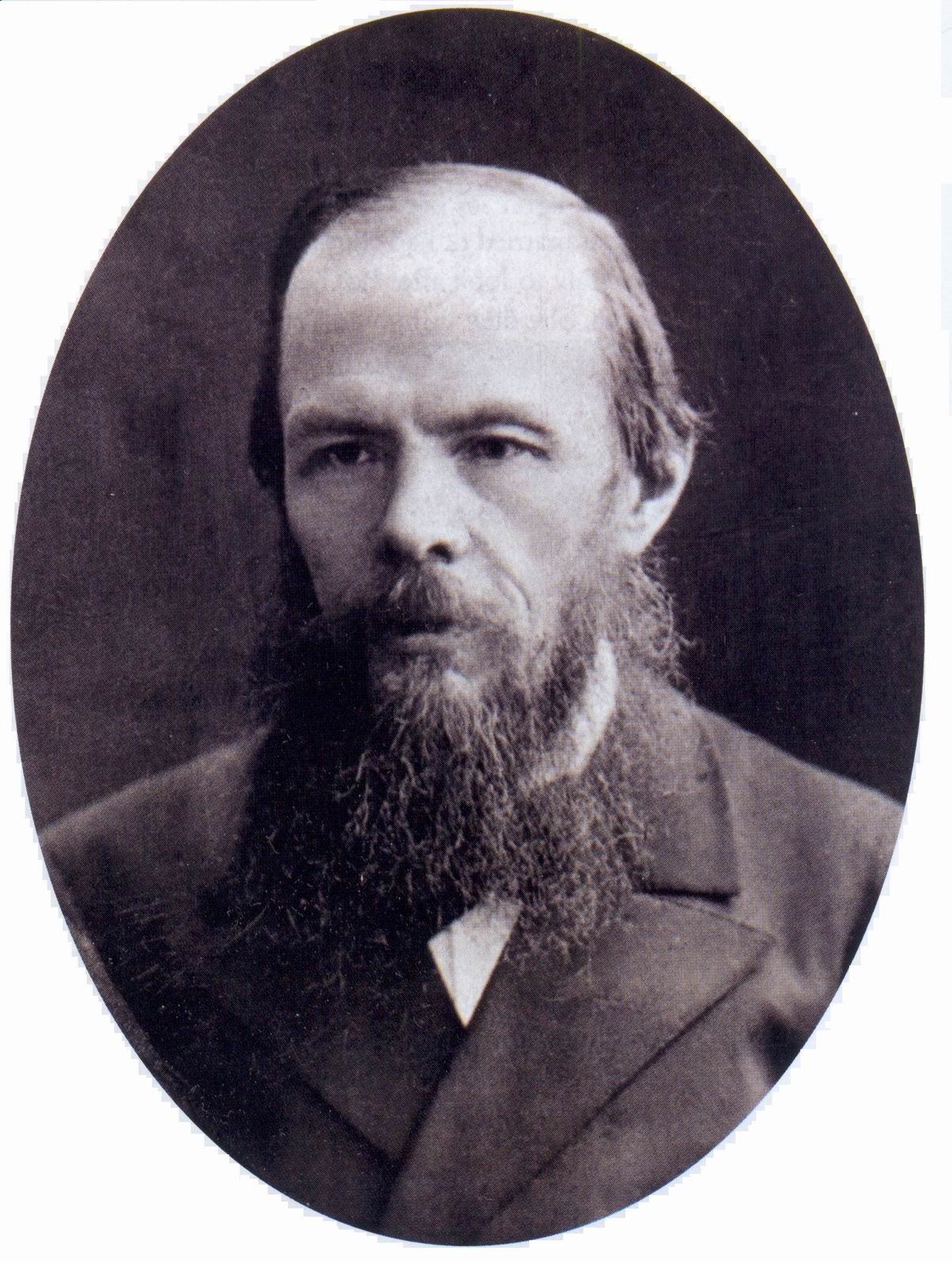
Arrested for revolutionary ties, Dostoevsky faced a mock execution in 1849 – hooded, tied to stakes, pardoned at the last heartbeat. Exiled to Siberian labor camps, he endured brutal cold and mocked faith until a Bible turned him devout. Epilepsy gripped him too, seizures shadowing his genius.
Gambling addiction later bankrupted him repeatedly, inspiring The Gambler written in frenzy. These ordeals birthed profound probes into soul and sin. It’s wild how survival forged such psychological depth.[9]
Virginia Woolf
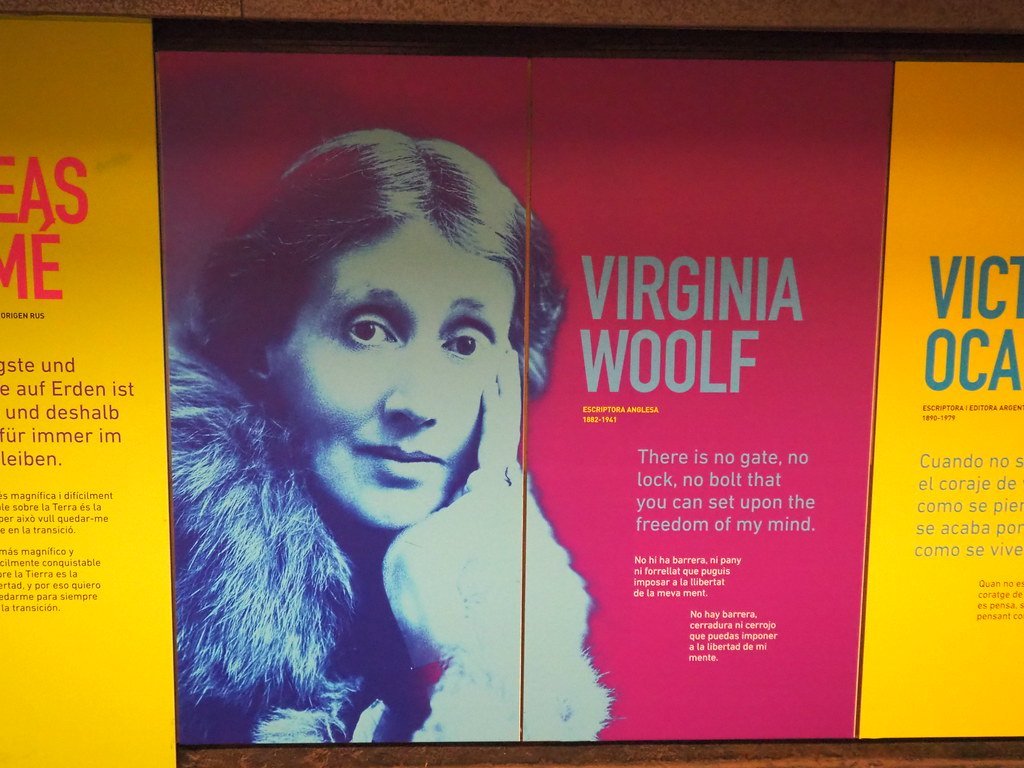
Abuse by older half-brother Gerald Duckworth scarred Woolf’s youth, triggering breakdowns and institutionalizations. She wrote standing at a tiny 3.5-foot desk, battling headaches in rigid routine. Her innovative stream-of-consciousness stemmed from this inner chaos.
Mental fragility peaked in suicide, pockets weighted with stones in the River Ouse. Yet she revolutionized modernism amid pain. Woolf’s voice whispers resilience through torment.[10][11]
Ernest Hemingway
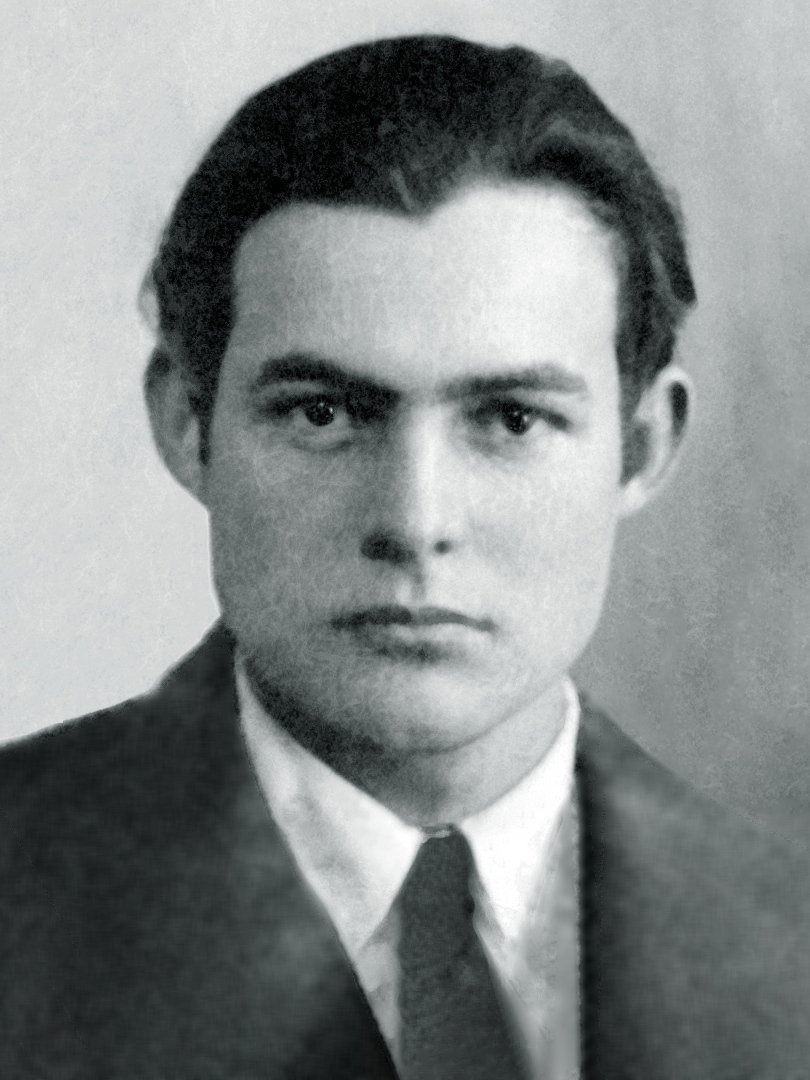
WWI ambulance duty exploded near Hemingway, shrapnel wounding him despite no helmet – his first brush with death. Later, he hunted Nazi subs from his boat, machine gun ready. Plane crashes in Africa battered his brain multiple times, fueling decline.
Family suicide curse struck siblings and father; his own ended similarly after electroshocks erased memories. These survivals hardened his spare prose. Talk about life imitating art’s grit.[12][13]
George Orwell
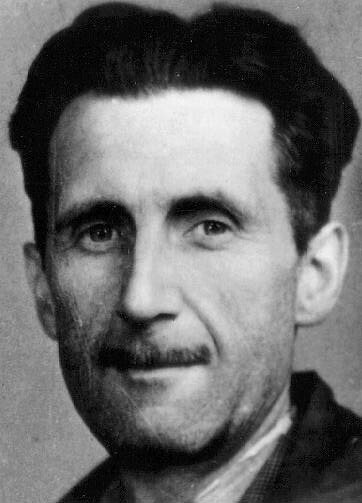
Orwell tramped London’s streets in rags, sleeping rough to expose poverty’s grind. At Eton, he cast “black magic” spells on a bully – surprisingly, the torment ceased. Spanish Civil War throat wound nearly silenced him forever.
These immersions birthed 1984’s warnings. His outsider gaze pierced totalitarianism. Here’s the thing: his empathy came from deliberate hardship.[14][15]
J.R.R. Tolkien
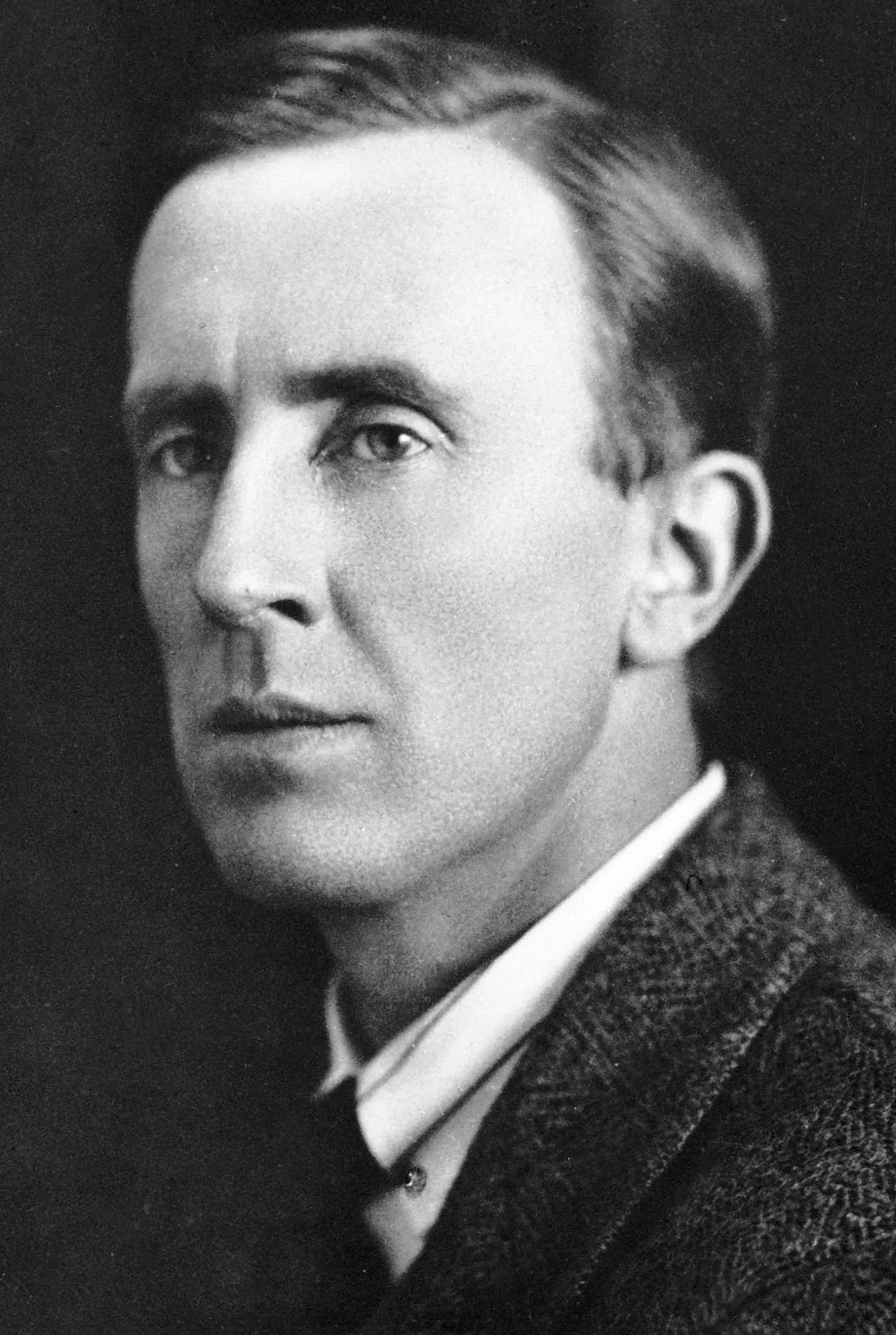
Orphaned young in South Africa, Tolkien’s mother converted to Catholicism under persecution, dying of diabetes. He vowed love to Edith Bratt, 21 and forbidden by guardian; war reunion sealed their bond post-conversion.
Somme trenches in WWI scarred him with trench fever, birthing Middle-earth’s mythic escape. These trials wove fellowship and loss into epics. Epic resilience, right?[16]
Sylvia Plath

Plath penned her first poem at eight, IQ soaring at 160 by twelve. Meeting Ted Hughes sparked instant passion; they wed in four months amid her Yale highs.
Previous suicide attempts and Hughes’ affair crushed her, yet Ariel blazed from ashes. Her raw confessionals redefined confession. I know it sounds intense, but her fire endures.[17][18]
Oscar Wilde
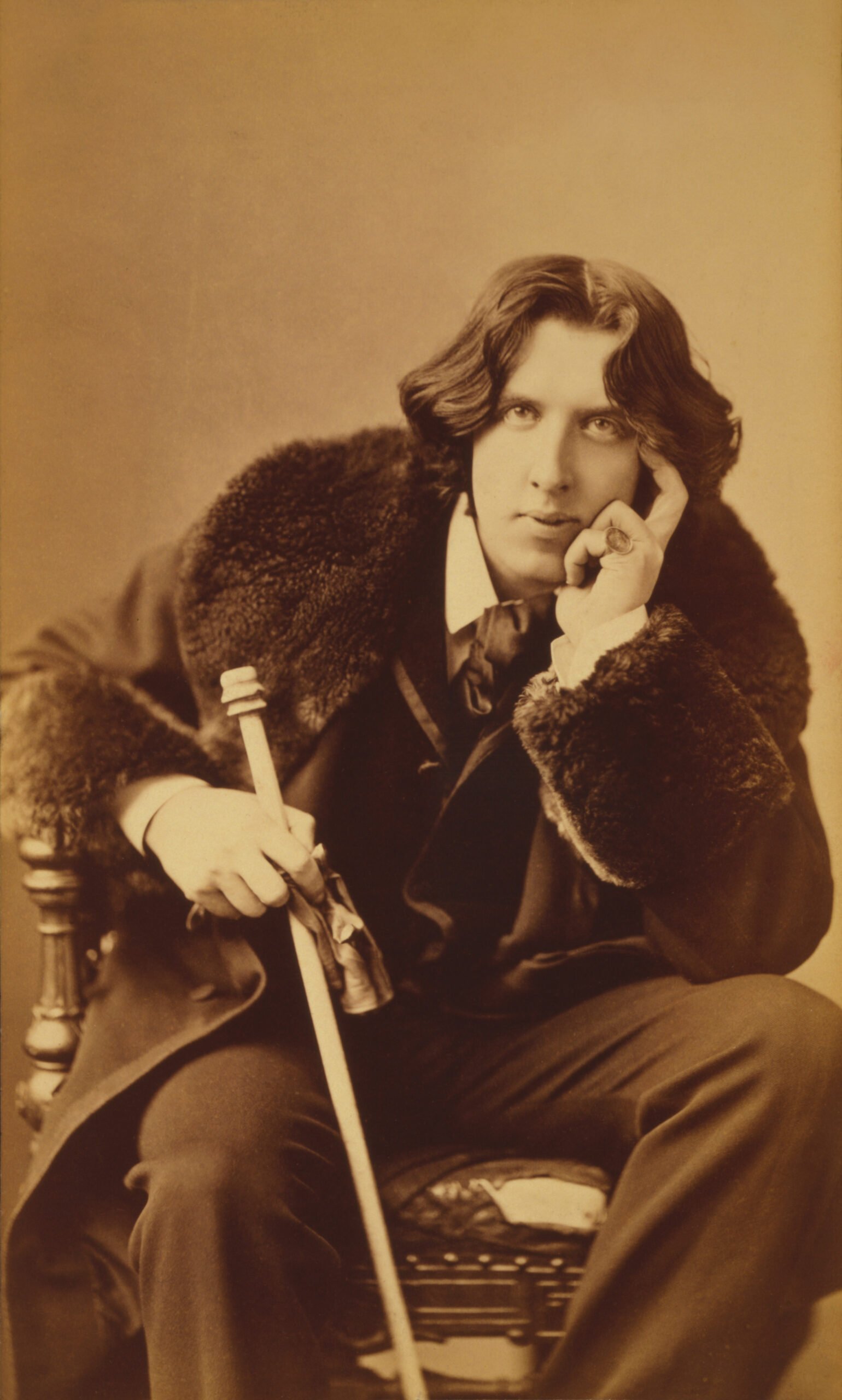
Half-sisters Emily and Mary died mysteriously post-Halloween party, host suspected but freed. Wilde’s prison pamphlet decried child cruelties he witnessed.[19][20]
Sodomy trials bankrupted and broke him; Reading Gaol hardened his wit into tragedy. Ballad of Reading Gaol immortalized suffering. Wit masked profound wounds.
Agatha Christie
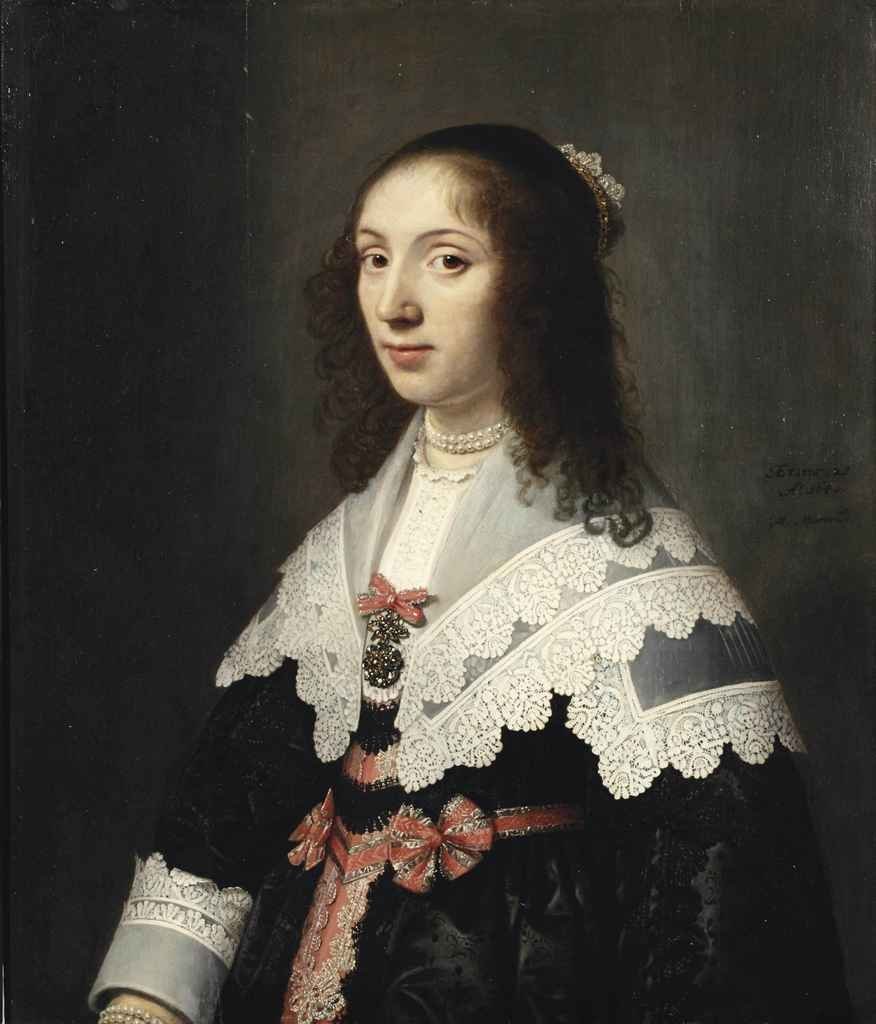
In 1926, amid husband’s affair, Christie vanished for 11 days, car abandoned near quarry. Nationwide hunt ensued; she surfaced in a Harrogate spa under alias Theresa Neele.[21]
Amnesia or revenge ploy? She never explained, fueling eternal mystery. This twist outsold her plots. Let’s be real – queen of crime lived the enigma.[22]
Mark Twain
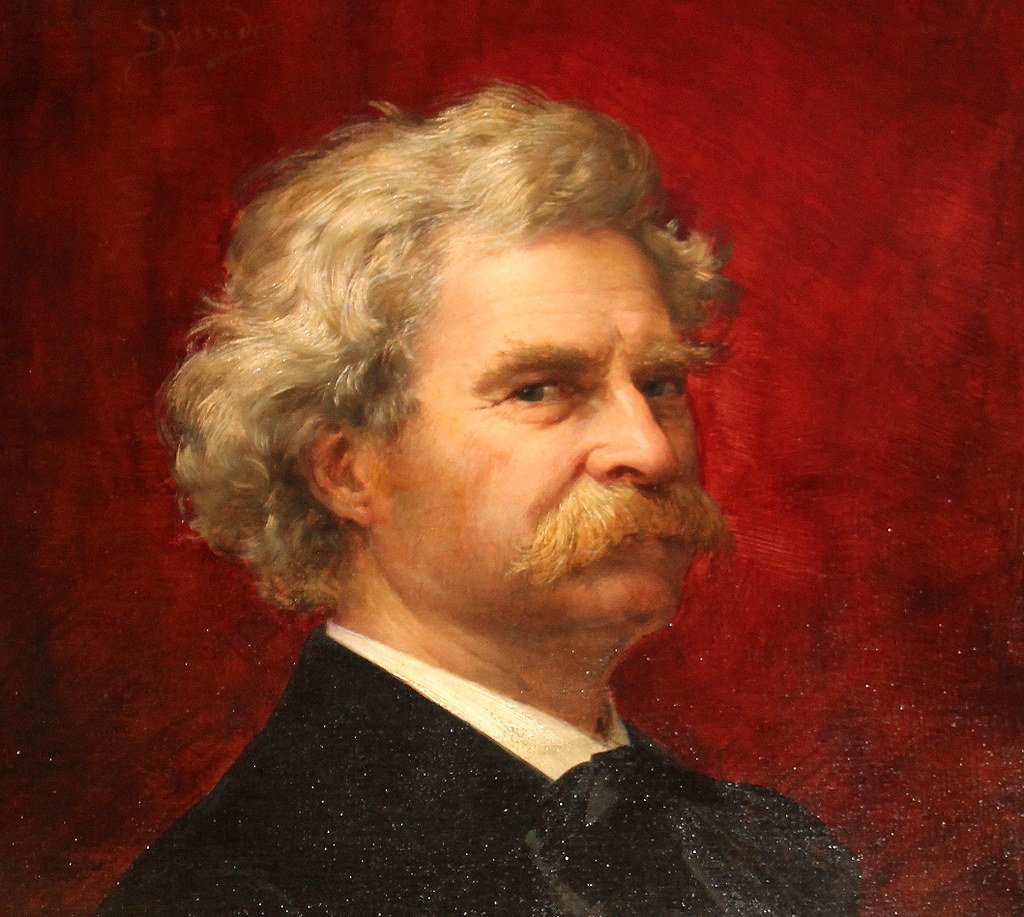
Twain foresaw brother Henry’s Mississippi steamboat explosion death in a dream, identifying charred remains. Bankruptcies from bad investments crushed him despite fame.[23]
Haunted by losses, he poured satire into Huckleberry Finn. His ghost lingers in tales of folly. Twain’s humor hid deep grief.[24]
Reflecting on Literary Legacy
These figures didn’t just write history – they embodied its raw edges, turning personal infernos into enduring beacons. Their dramas remind us genius thrives in adversity, reshaping how we see humanity.
From mock executions to vanishing acts, their lives prove fiction pales beside truth. What hidden story surprises you most? Share below – let’s keep the conversation alive.

Christian Wiedeck, all the way from Germany, loves music festivals, especially in the USA. His articles bring the excitement of these events to readers worldwide.
For any feedback please reach out to info@festivalinside.com
