


- 15 Rock Anthems That Defined a Generation and Still Sound Amazing Today - August 11, 2026
- 12 Unforgettable Movie Quotes You Can Still Use in Everyday Conversation. - August 11, 2026
- 10 Music Festivals That Changed the World - August 11, 2026
Record labels once stood at the heart of the music world. They discovered raw talent, polished it into global phenomena, and defined entire genres that reshaped culture.
From blues dives in Chicago to soul factories in Memphis, these companies built empires on innovation and hustle. They molded artist careers, engineered hit-making machines, and structured an industry reliant on physical sales and radio play for decades.
Sun Records
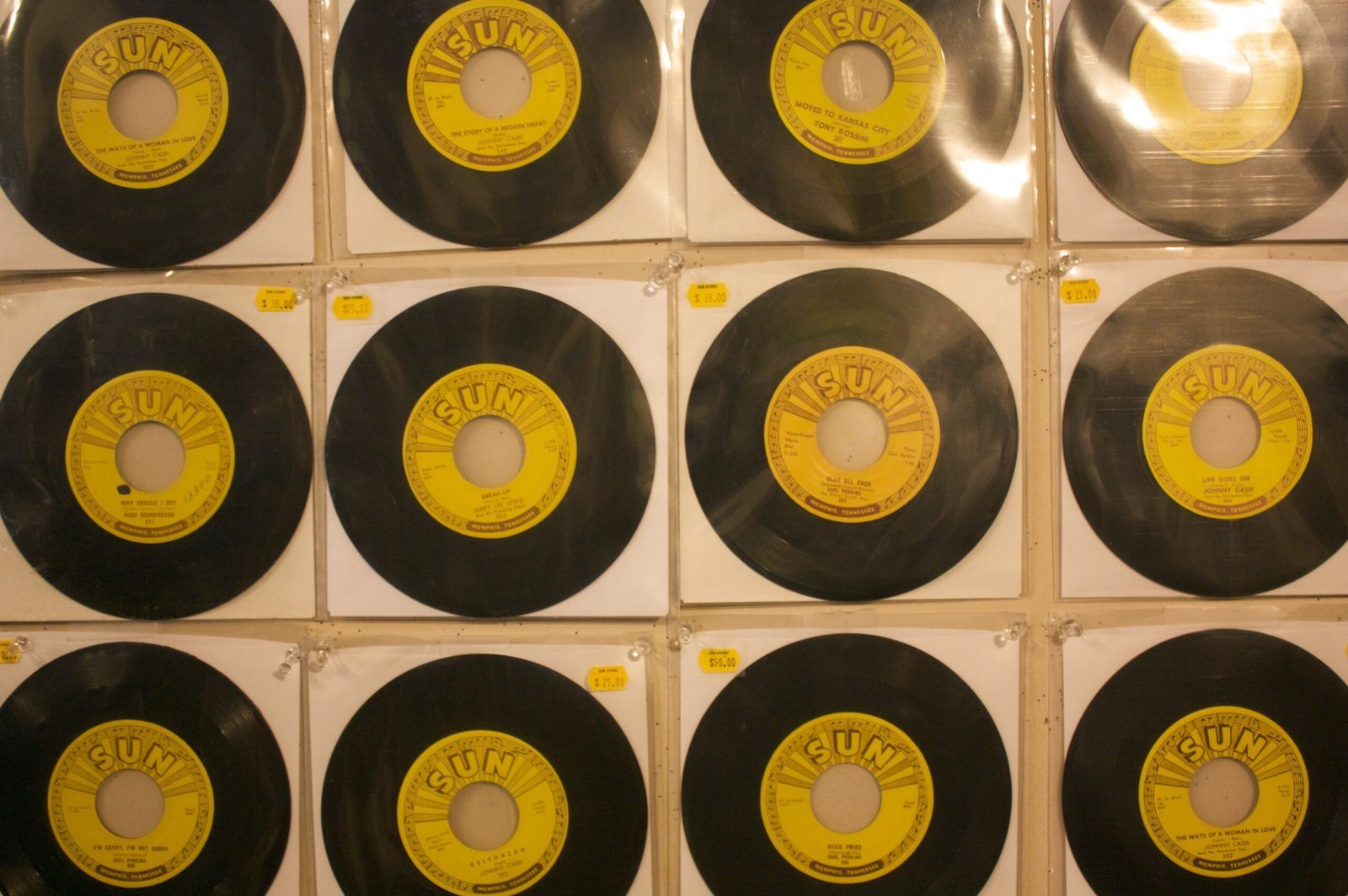
Uploaded by shoulder-synth, CC BY 2.0)
Sam Phillips launched Sun Records in Memphis on February 1, 1952, with a clear vision to capture authentic sounds from African American musicians and bridge them to white audiences through rhythm and blues.[1][2] The label quickly ignited rock and roll’s birth, signing Elvis Presley in 1954, whose fusion of country and R&B exploded nationally with tracks like “That’s All Right.” Peak influence hit in the mid-1950s as Jerry Lee Lewis, Carl Perkins, Johnny Cash, and Roy Orbison delivered smashes such as “Great Balls of Fire” and “Blue Suede Shoes,” fueling teen rebellion and redefining popular music.[1]
Financial pressures forced Phillips to sell Presley’s contract to RCA in 1955 for $40,000, a move that drained Sun’s momentum as other stars followed suit.[1] By 1969, Shelby Singleton bought the label, shifting focus to reissues and relocating to Nashville, transforming it from pioneer to nostalgia archive. Today, under Primary Wave since 2021, Sun endures as a brand licensing classics rather than forging new paths.[1]
Chess Records
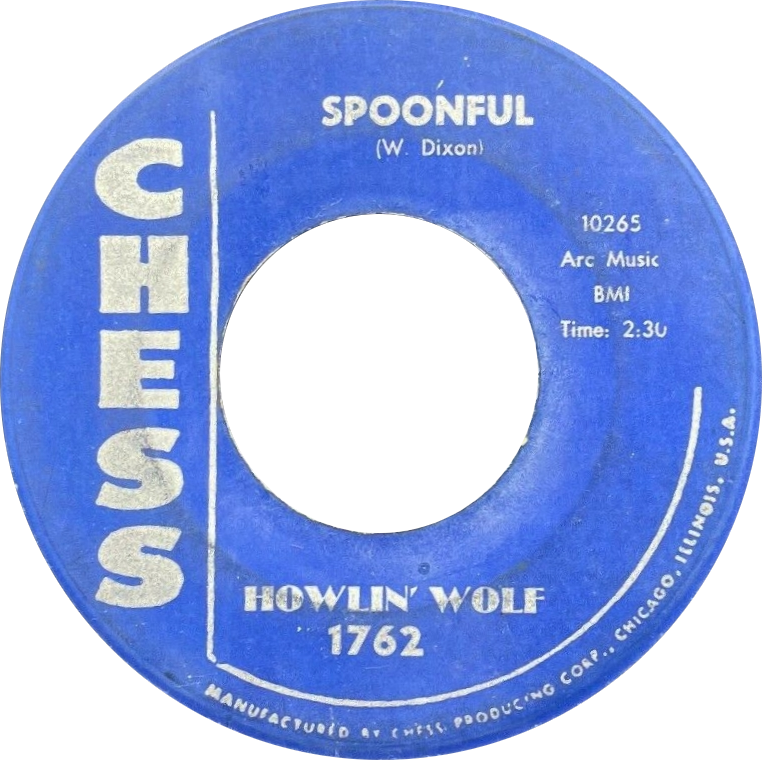
Brothers Leonard and Phil Chess, Polish immigrants, took over Aristocrat Records in 1950 and rebranded it Chess in Chicago, aiming to champion electric blues and rhythm and blues from the city’s South Side clubs.[3] Their peak roared through the 1950s and 1960s with Muddy Waters, Howlin’ Wolf, Chuck Berry, and Little Walter crafting raw anthems like “Maybellene” and “Hoochie Coochie Man” that birthed rock’s backbone. These tracks influenced the Beatles, Rolling Stones, and countless others, cementing Chess as America’s premier blues powerhouse.[3]
Sale to General Recorded Tape in 1969 for $6.5 million came amid royalty disputes and Leonard’s sudden death that year, unraveling the brothers’ tight control.[3] Lawsuits from artists like Muddy Waters followed, while the label shuttered by 1975; masters later scattered through MCA and suffered losses in the 2008 Universal fire. Now part of Universal Music Group, Chess lives on via reissues, its original studio a blues museum.[3]
Motown Records

Berry Gordy founded Tamla Records on January 12, 1959, evolving it into Motown by 1960 in Detroit, driven by a dream to blend soul with pop for crossover appeal and racial integration in hits.[4] The 1960s golden era featured the Supremes, Four Tops, Stevie Wonder, and Jackson 5 churning out 79 top-ten smashes, their polished “Motown Sound” conquering airwaves and breaking barriers worldwide. This hit factory not only launched superstars but redefined industry standards for assembly-line success.[4]
Detroit riots in 1967 and the exit of key producers Holland-Dozier-Holland over royalties signaled trouble, prompting a 1972 move to Los Angeles for film ventures that diluted focus.[4] Financial woes led to sales: MCA in 1988, PolyGram in 1993, and Universal integration by 1999, shifting from soul innovator to hip-hop roster under Capitol. Motown persists today, but its classic dominance faded with changing tastes and corporate hands.[4]
Stax Records
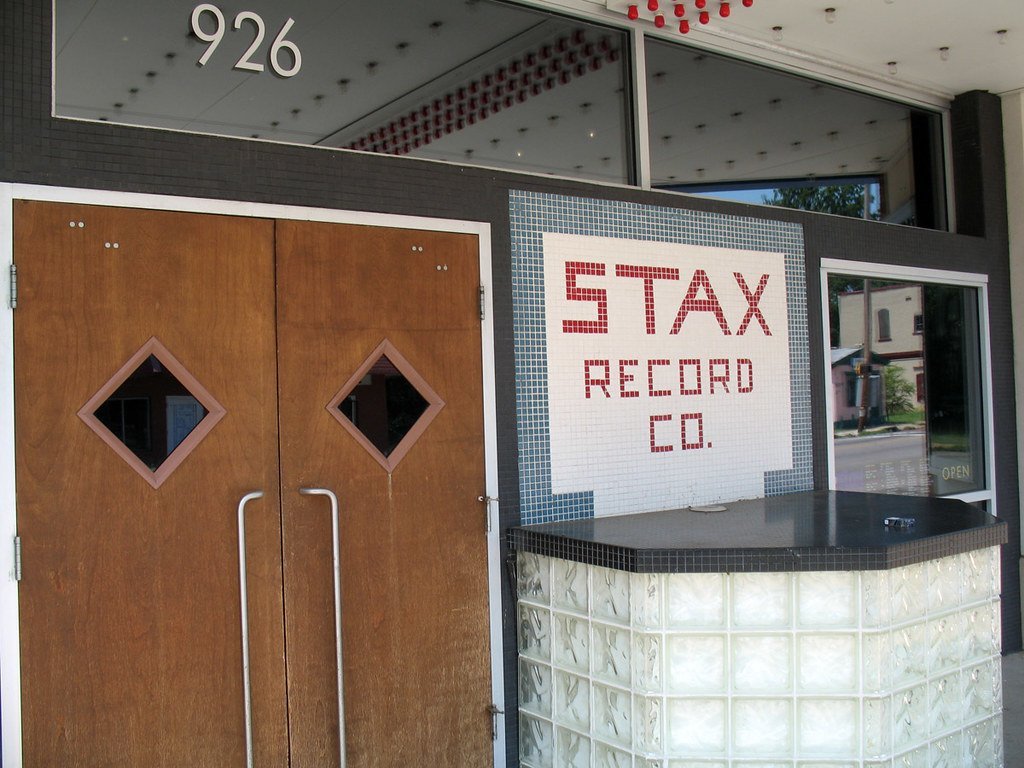
Jim Stewart and sister Estelle Axton started Satellite Records in 1957 in Memphis, renaming it Stax in 1961 to craft gritty southern soul via an integrated team and house band blending gospel, blues, and R&B.[5] Peak from 1965-1967 brought Otis Redding, Booker T. & the M.G.’s, Sam & Dave, and Isaac Hayes with timeless cuts like “Soul Man” and “Hot Buttered Soul,” rivaling Motown while emphasizing raw emotion. Hits flowed amid civil rights strife, their Wattstax festival drawing over 100,000 in 1972.[5]
Atlantic’s 1968 exit after Warner buyout cost masters, Otis Redding’s death devastated rosters, and a disastrous CBS deal from 1972 eroded profits by 40 percent.[5] Bankruptcy hit in 1975; Fantasy revived the catalog in 1977, now under Concord since 2004 for sporadic new releases. Stax’s site hosts a museum and academy, preserving its soul legacy.[5]
Death Row Records
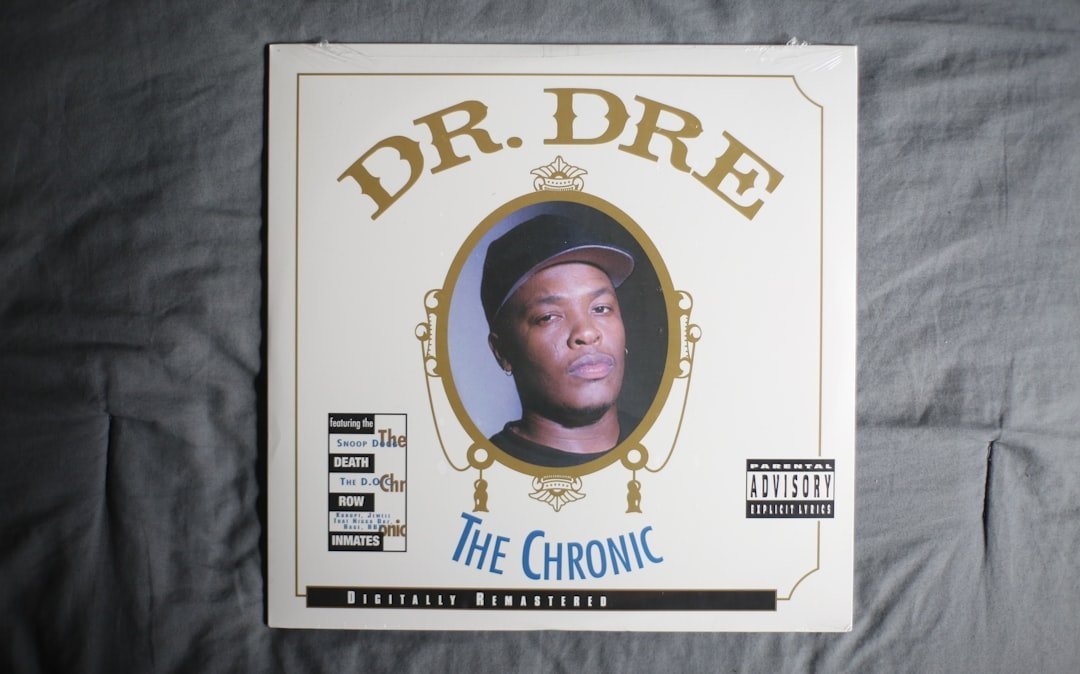
Suge Knight, Dr. Dre, The D.O.C., and Dick Griffey formed Death Row in 1991 in Los Angeles, targeting West Coast gangsta rap after Ruthless Records tensions.[6] The 1990s peak unleashed G-funk mastery via Dre’s “The Chronic,” Snoop Dogg’s “Doggystyle,” and 2Pac’s diamond-seller “All Eyez on Me,” raking in over $100 million yearly and dominating charts. Soundtracks like “Murder Was the Case” amplified their street-to-stadium grip.[6]
2Pac’s 1996 murder, Knight’s imprisonment, and exits by Dre and Snoop amid feuds triggered collapse by late 1990s, culminating in 2006 bankruptcy.[6] Ownership flipped through auctions to WIDEawake, eOne, and Hasbro before Snoop Dogg reclaimed trademarks in 2022 for a modest revival with acts like Tha Dogg Pound. Death Row now echoes more as cautionary tale than empire.[6]
Shifting Power Structures in the Music Industry

These labels’ arcs reveal how gatekeepers once commanded discovery, production, and distribution. Yet corporate sales, artist departures, and tech disruptions eroded that hold.
Streaming platforms now empower independents and direct fan ties, forcing survivors to adapt or dissolve. The industry’s core lesson lingers: innovation thrives briefly before markets evolve.
CEO-Co-Founder
