


- 15 Times History Was Changed by a Single Speech - September 25, 2026
- “20 Authors Who Captured the American Dream Like No One Else” - September 25, 2026
- 20 Literary Rivalries That Shaped the American Canon - September 25, 2026
1984 by George Orwell
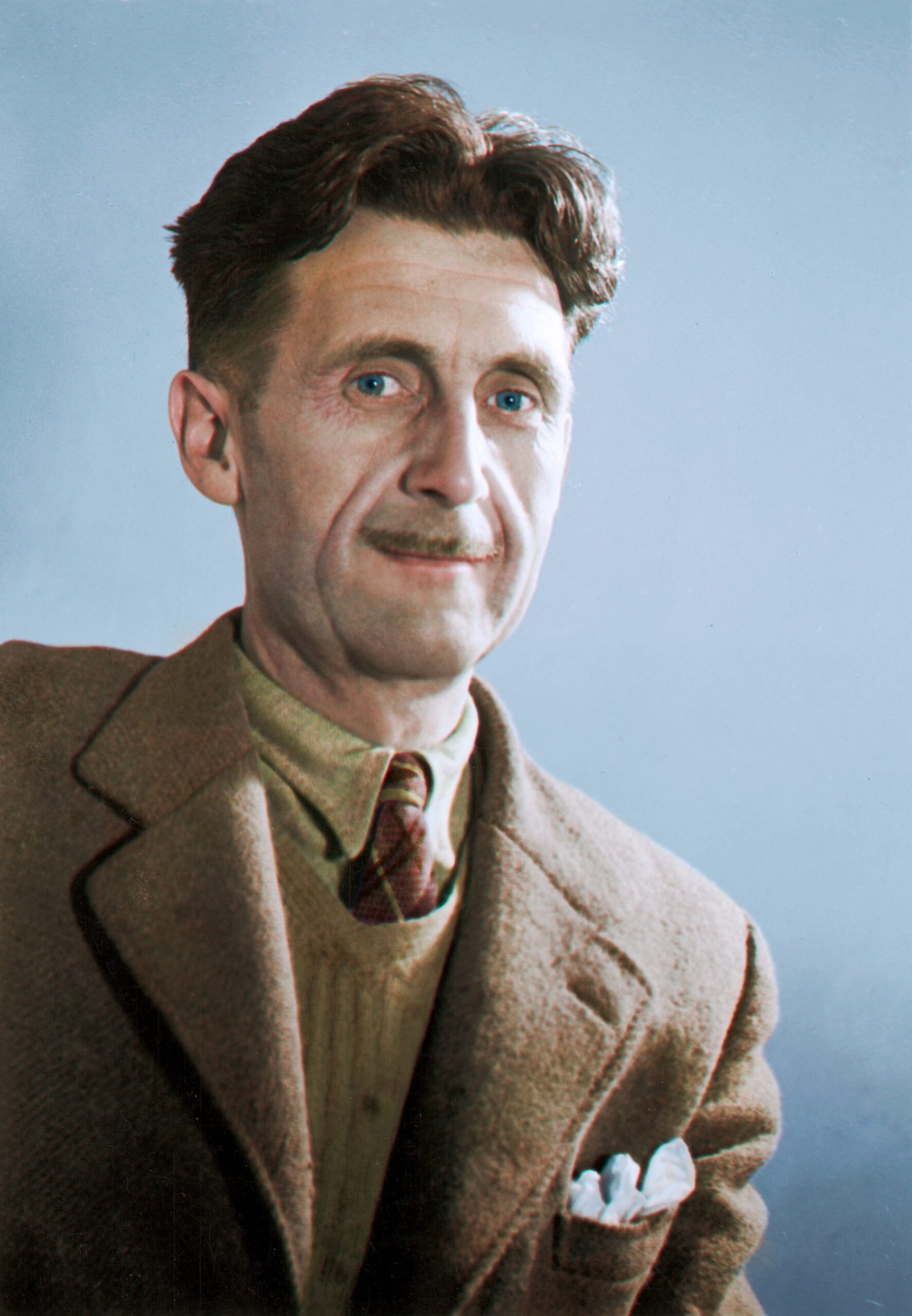
Few novels have shaken readers like George Orwell’s “1984.” Set in a world where every movement and thought is monitored by the all-seeing Big Brother, this book explores the terrifying consequences of absolute government control. The term “Orwellian” has become synonymous with oppressive surveillance, and recent reports show that over 75% of Americans express concern about privacy in the digital age—a fear eerily predicted by Orwell. The protagonist, Winston Smith, dares to question the regime, only to encounter the soul-crushing power of state manipulation. This novel’s influence is so vast that “doublethink” and “thoughtcrime” are now part of our everyday language. With themes of censorship, historical revisionism, and the destruction of individuality, “1984” remains a chilling warning. Its dystopian vision feels disturbingly close to reality in a world where technology continues to blur the lines between public and private life.
Brave New World by Aldous Huxley
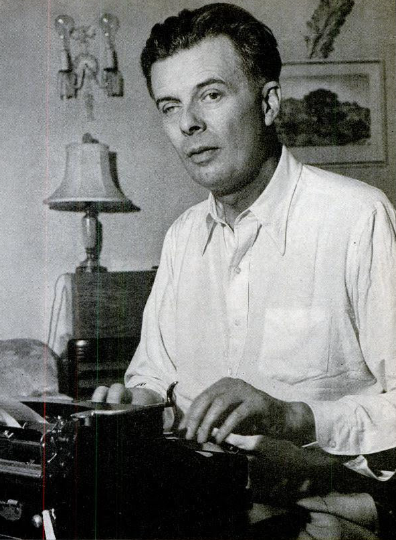
Aldous Huxley’s “Brave New World” offers a dystopian future that feels seductively comfortable—until you scratch beneath the surface. In this society, pleasure and stability are engineered through genetic manipulation, social conditioning, and a steady supply of the drug soma. Huxley’s vision questions the cost of sacrificing freedom and individuality for the illusion of happiness. Studies on happiness and social conformity today echo Huxley’s concerns, showing that high-tech societies can breed anxiety and isolation despite material wealth. The chilling irony is that no one in this world thinks they’re oppressed; they’re too entertained and medicated to notice. Huxley turns the idea of dystopia on its head, making readers wonder if convenience and comfort are truly worth the price of autonomy. The novel remains a powerful critique of societies obsessed with control, pleasure, and denial of pain.
Fahrenheit 451 by Ray Bradbury
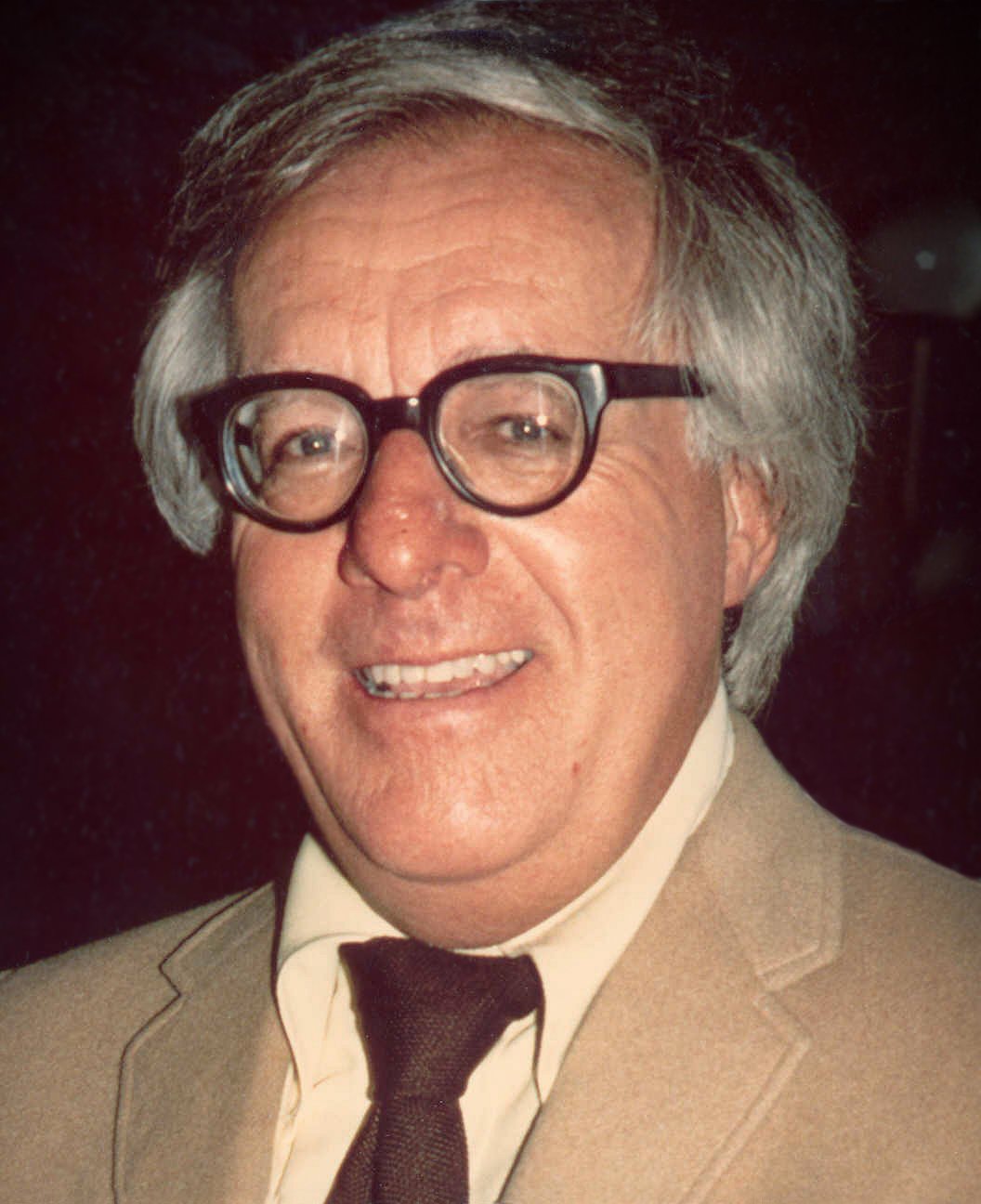
Ray Bradbury’s “Fahrenheit 451” is a fiery tale of censorship and the battle for independent thought. In this future, firemen don’t put out fires—they burn books. The protagonist, Guy Montag, experiences a dramatic awakening as he begins to question the anti-intellectual world around him. The story resonates today, as debates over banned books and free speech continue across schools and communities worldwide. According to the American Library Association, book challenges hit a record high in 2023, echoing Bradbury’s warnings. The novel uses the metaphor of fire to illuminate the destructive force of ignorance and conformity. Bradbury’s stark warning about the dangers of an unthinking, distracted society continues to spark debate—and hope that critical thought cannot be so easily snuffed out.
The Handmaid’s Tale by Margaret Atwood
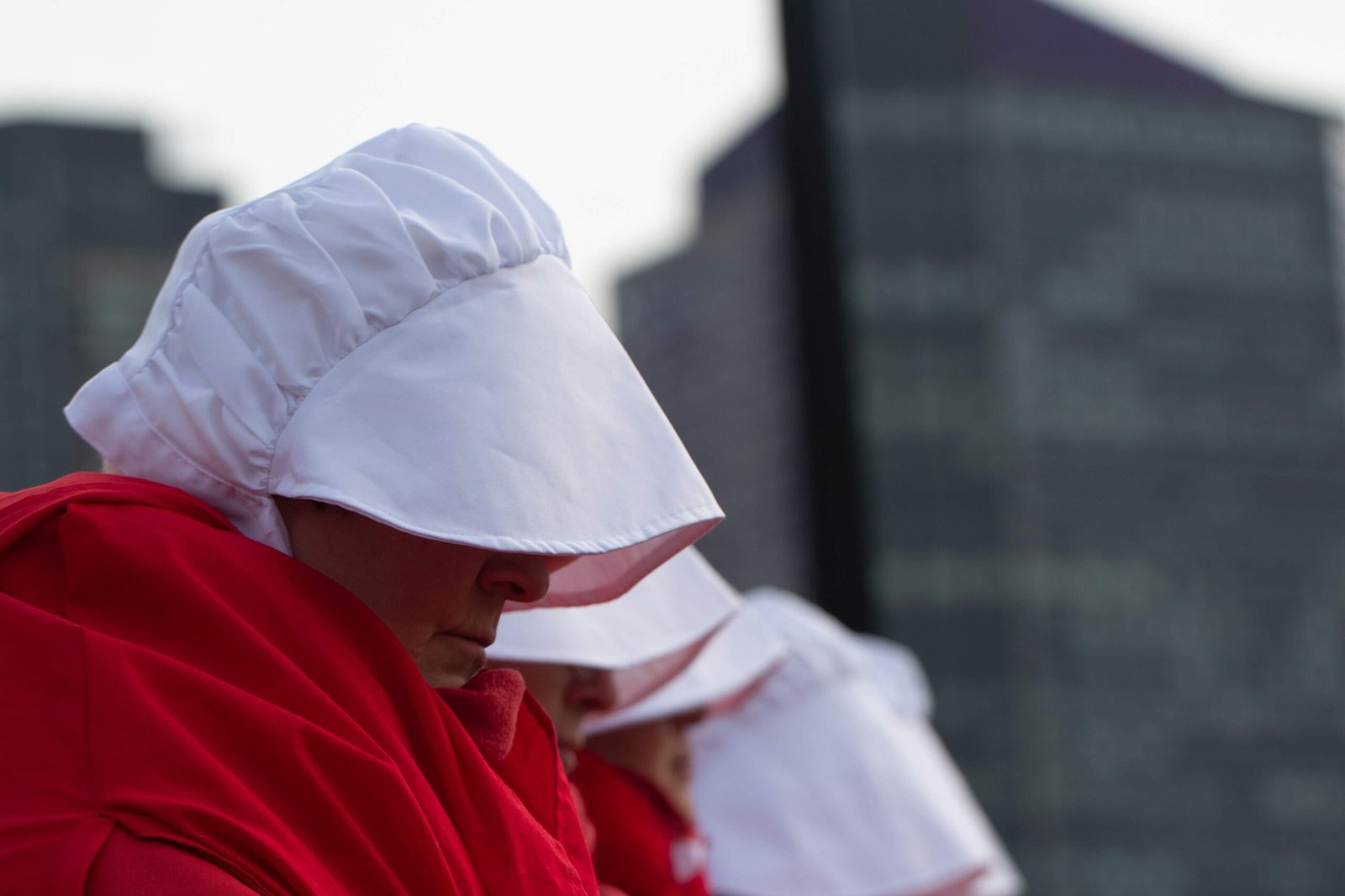
Margaret Atwood’s “The Handmaid’s Tale” paints a haunting picture of a world where women are reduced to their reproductive roles under a patriarchal theocracy. The novel’s setting, Gilead, is both alien and unsettlingly familiar, drawing inspiration from real-world debates over women’s rights and autonomy. Atwood famously stated, “Nothing in the book hasn’t happened somewhere, sometime.” The story of Offred, a Handmaid forced into childbearing servitude, has become a symbol for resistance against oppression. Discussions about reproductive rights in the United States and elsewhere have brought Atwood’s dystopia back into the cultural spotlight, with “The Handmaid’s Tale” costumes appearing at protests and rallies. The novel’s exploration of power, control, and silent rebellion is as urgent and relevant as ever.
We by Yevgeny Zamyatin
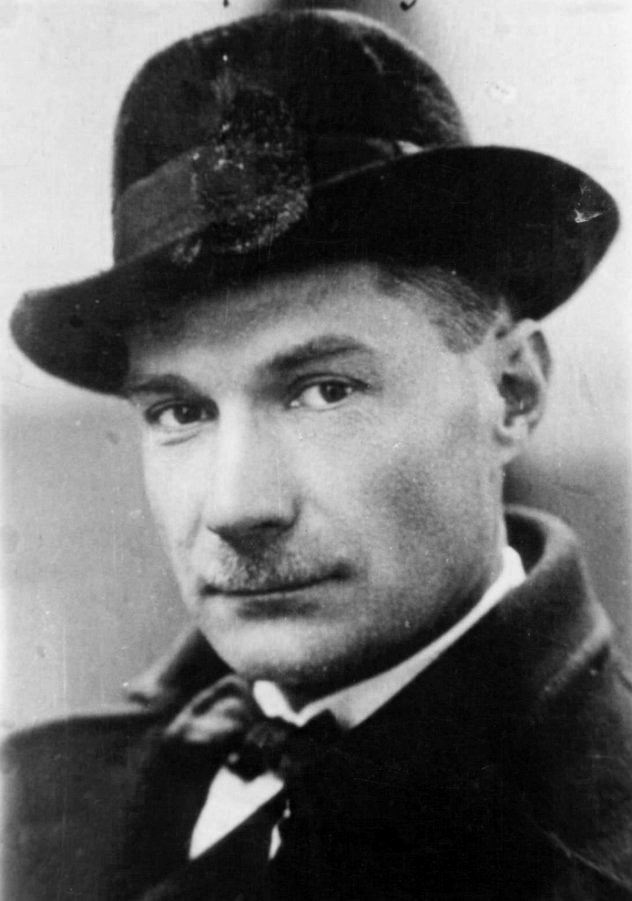
“We” by Yevgeny Zamyatin is often credited as the original modern dystopian novel, and its influence can be seen in both Orwell’s and Huxley’s later works. Set in the One State, a society governed by logic, mathematics, and relentless surveillance, the book follows D-503 as he begins to question the collective’s strict control over individual thought and emotion. Zamyatin’s vision was so provocative that the book was banned in his native Russia for decades. The novel tackles the dangers of a society that values order and predictability over the messy, unpredictable nature of human passion. The story’s mathematical metaphors and sterile language create a world both fascinating and chilling. “We” is a powerful exploration of the eternal conflict between freedom and security, individuality and collectivism.
The Road by Cormac McCarthy
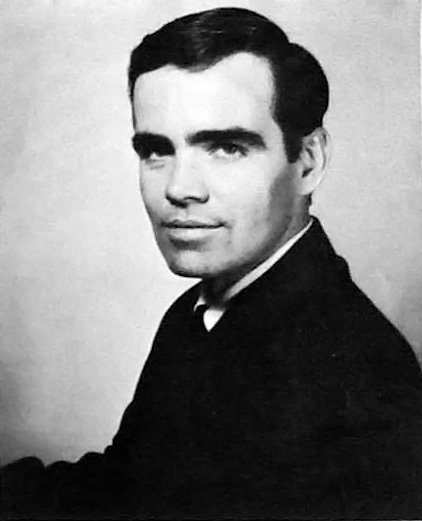
Cormac McCarthy’s “The Road” is a harrowing journey through a world reduced to ash and silence after an unspecified apocalypse. Father and son travel through the desolate remains of America, searching for safety and hope. The novel’s sparse prose and haunting imagery create an atmosphere of raw despair, yet the bond between the two provides a glimmer of humanity. In a 2024 poll, over 60% of readers described “The Road” as the most emotionally devastating post-apocalyptic novel they’d encountered. McCarthy’s story captures the primal struggle for survival and the small acts of love that persist even in total ruin. The book’s impact was so profound it earned the Pulitzer Prize for Fiction, and it continues to move readers with its bleak beauty.
Station Eleven by Emily St. John Mandel

“Station Eleven” by Emily St. John Mandel explores life after a deadly flu pandemic wipes out most of humanity. Unlike many post-apocalyptic tales, this novel focuses on the role of art and memory in the process of rebuilding. The story follows a troupe of actors and musicians who travel between settlements, performing Shakespeare for survivors. In the wake of the real-world COVID-19 pandemic, readers found Mandel’s themes of loss, hope, and resilience more poignant than ever. The book’s nonlinear structure weaves together the fates of multiple characters, showing how connections endure even as the world falls apart. “Station Eleven” stands out for its belief that survival is insufficient—humanity needs beauty and meaning, too.
The Stand by Stephen King

Stephen King’s “The Stand” is a sprawling epic in which a weaponized superflu decimates the population, setting the stage for an epic battle between the forces of good and evil. King’s cast of survivors is large and diverse, each character wrestling with fear, hope, and the moral choices that will shape the future. The novel’s depiction of societal collapse and the rebuilding of new communities resonates strongly in times of crisis. Since its release, “The Stand” has been cited in academic studies of pandemic literature as a defining work, particularly in the wake of recent global health scares. King’s vision of apocalyptic terror is balanced by moments of redemption and faith in human decency.
Swan Song by Robert McCammon
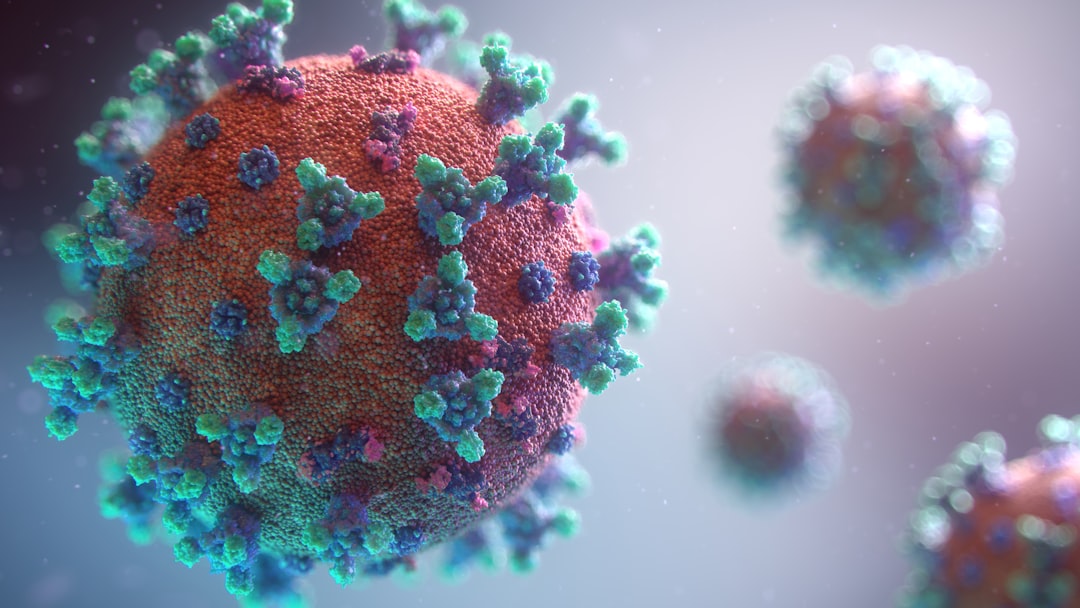
“Swan Song” by Robert McCammon follows a shattered America after nuclear war, where the survivors must navigate a landscape filled with both physical and moral dangers. The story centers on a mysterious young girl, Swan, whose healing power may be the key to humanity’s salvation. The novel’s mix of horror, fantasy, and hope has garnered a passionate following since its publication in 1987. Readers have praised McCammon’s vivid descriptions of post-apocalyptic survival and his exploration of what it means to be human when civilization falls away. In 2024, the book was ranked among the top 25 post-apocalyptic novels by several literary publications. “Swan Song” is both terrifying and uplifting, offering a vision of renewal amid devastation.
Oryx and Crake by Margaret Atwood
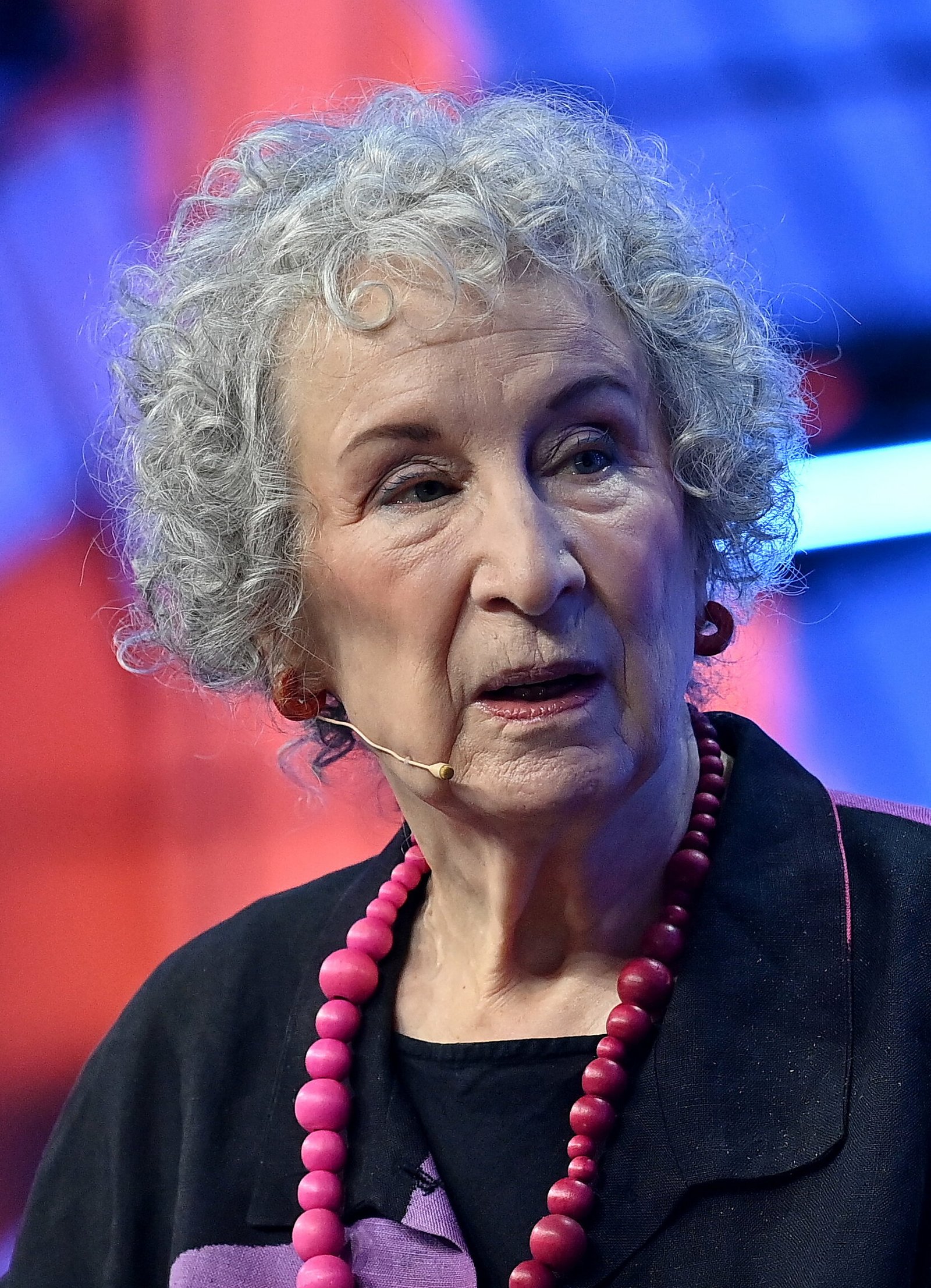
“Oryx and Crake,” the first novel in Margaret Atwood’s MaddAddam trilogy, plunges readers into a world destroyed by genetic engineering gone awry. The protagonist, Snowman, is one of the last humans left after bioengineered plagues wipe out civilization. Atwood’s exploration of science, ethics, and corporate power feels especially relevant in an era of rapid biotechnological advancement. A 2023 study on public attitudes toward genetic engineering cited Atwood’s work as a significant influence in debates over the risks of “playing God” with nature. The novel’s haunting vision of unintended consequences and lost innocence makes it a standout in the genre, blending scientific speculation with literary elegance.
The Hunger Games by Suzanne Collins
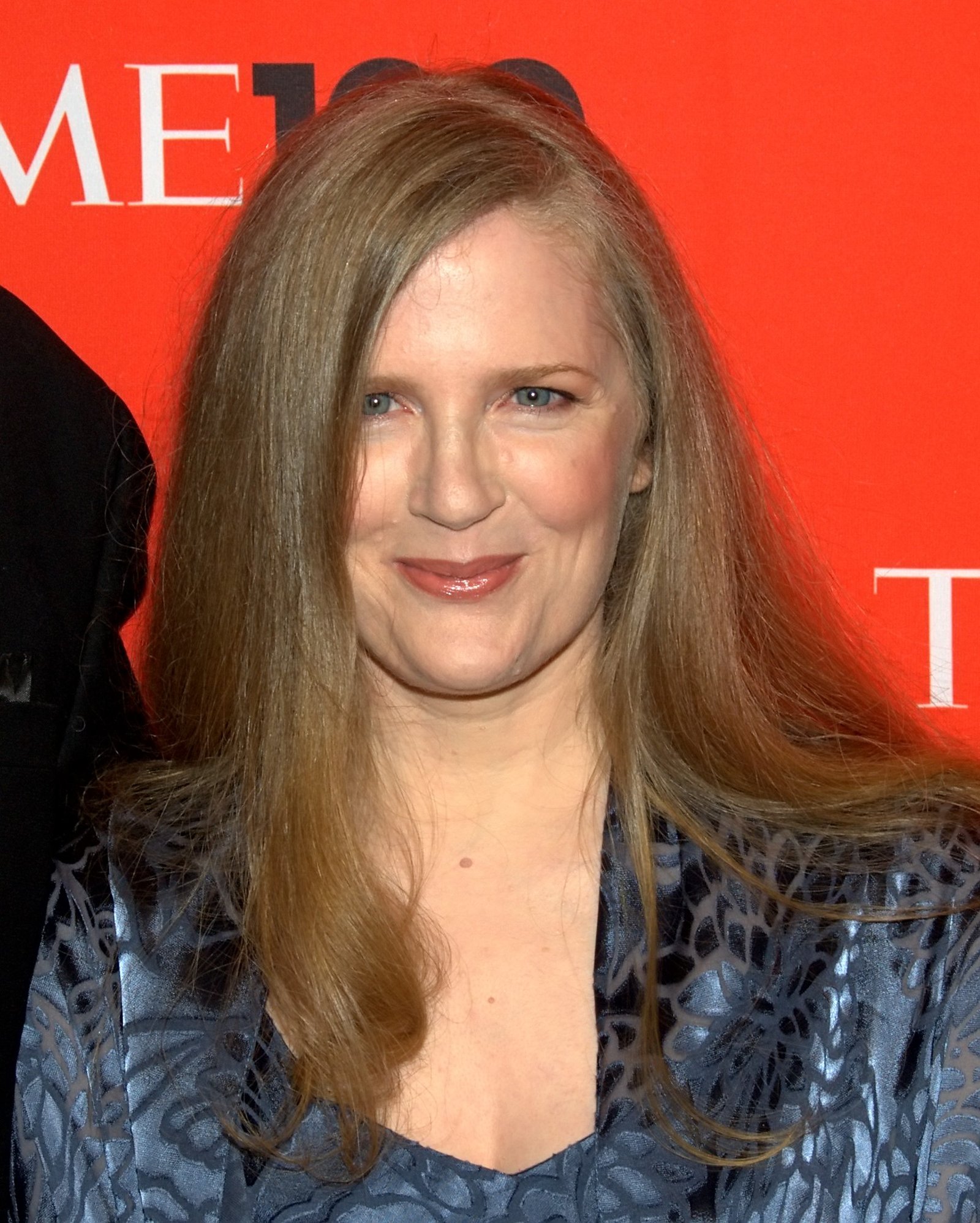
Suzanne Collins’ “The Hunger Games” reshaped the landscape of young adult fiction with its brutal depiction of a society that uses televised death matches to control its citizens. The story of Katniss Everdeen, who volunteers for the games to save her sister, has become a symbol of resistance and courage. The trilogy has sold over 100 million copies worldwide and inspired a wave of dystopian fiction aimed at younger readers. Collins’ critique of entertainment culture and social inequality resonates in a world increasingly obsessed with reality TV and spectacle. “The Hunger Games” encourages readers to question the systems that demand obedience and sacrifice, especially from the most vulnerable.
Divergent by Veronica Roth
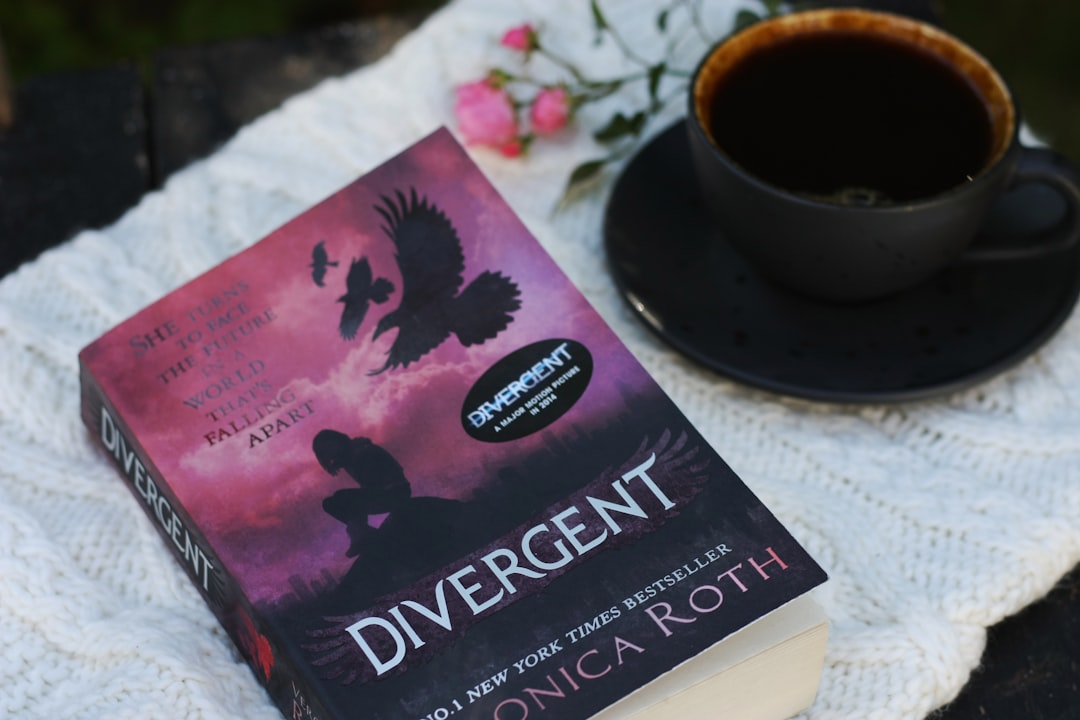
“Divergent” by Veronica Roth imagines a future Chicago where society is divided into five factions, each representing a different virtue. Tris Prior, the protagonist, doesn’t fit neatly into any one group, making her a target in a world that fears difference. The novel explores themes of identity, choice, and the dangers of rigid categorization. Roth’s story struck a chord with young readers, many of whom identified with the struggle to define themselves in a conformist world. The series has sold millions of copies and was adapted into a major film franchise. “Divergent” raises important questions about belonging, bravery, and the price of individuality.
The Maze Runner by James Dashner

James Dashner’s “The Maze Runner” throws its characters—and readers—into a world of mystery and danger. A group of boys wakes up in a walled maze with no memory of their past, forced to work together to survive and escape. The novel’s fast pace and constant tension have made it a favorite among young adult readers. Themes of teamwork, sacrifice, and the quest for truth drive the story, which has spawned several sequels and a successful film adaptation. In 2023, the series was listed among the top 10 most borrowed young adult books in libraries across the United States. Dashner’s story taps into the universal fear of the unknown and the hope that we can find a way out together.
Never Let Me Go by Kazuo Ishiguro

“Never Let Me Go” by Kazuo Ishiguro is a quietly devastating exploration of fate, love, and what it means to be human. The story follows three students at a secluded English boarding school as they slowly uncover the dark truth about their existence: they are clones, raised solely to provide organs for others. Ishiguro’s restrained style makes the eventual revelations all the more heartbreaking. The novel has been adapted into an acclaimed film and is often cited in bioethics classes for its exploration of the moral implications of cloning. In a world grappling with advances in medical technology, Ishiguro’s haunting meditation on mortality and humanity feels as urgent as ever.
Parable of the Sower by Octavia E. Butler
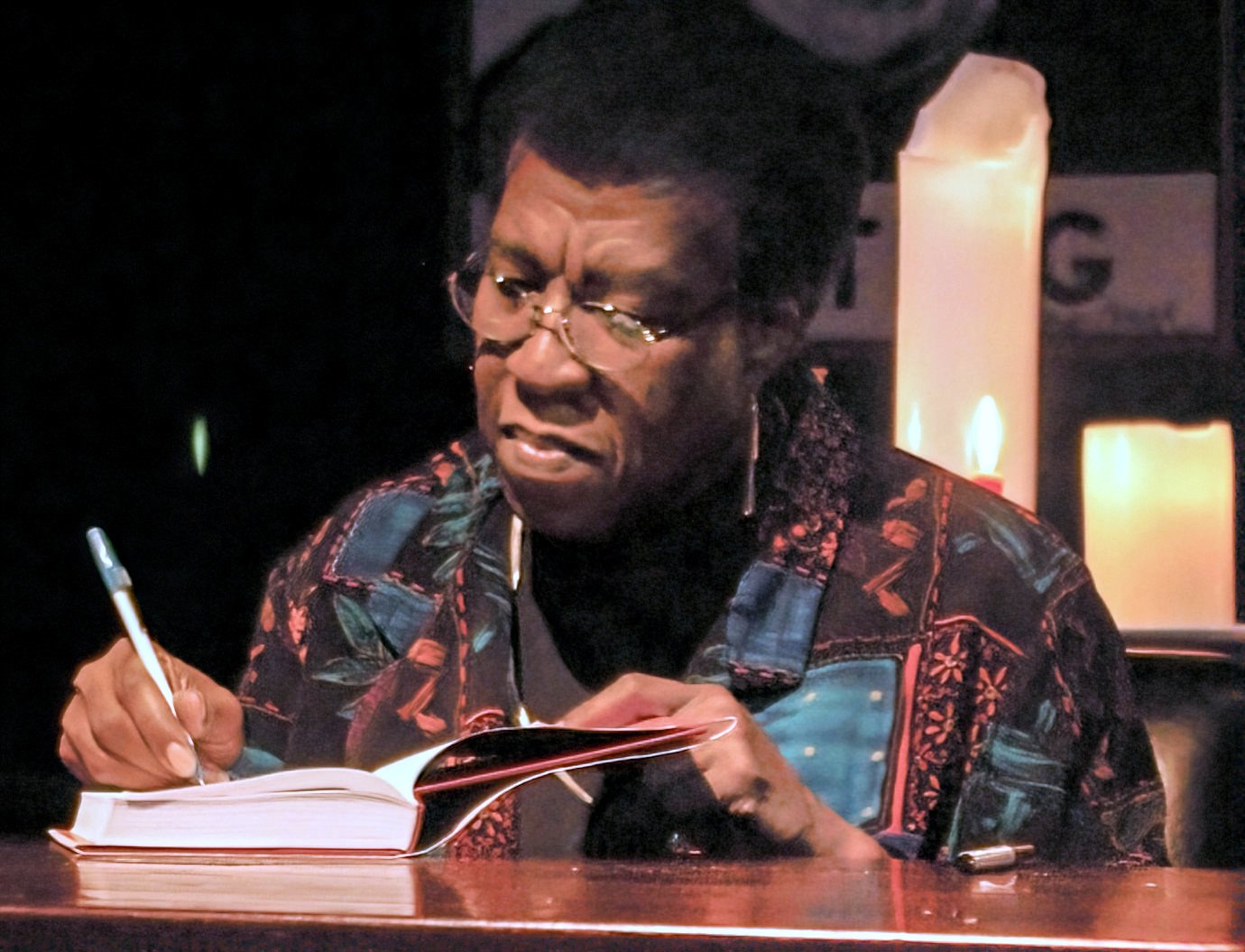
Octavia E. Butler’s “Parable of the Sower” is set in a near-future America collapsing under the weight of climate change, violence, and economic inequality. The novel’s protagonist, Lauren Olamina, possesses “hyperempathy”—the ability to feel others’ pain—and founds a new belief system called Earthseed. Butler’s work is celebrated for its foresight: recent years have seen increased interest in the novel, with many noting its prescient depiction of social unrest and migration. The story’s emphasis on adaptability and hope in the face of devastation has made it a touchstone for activists and dreamers alike. Butler’s vision is both stark and inspiring, urging readers to imagine and build a better future.
Severance by Ling Ma
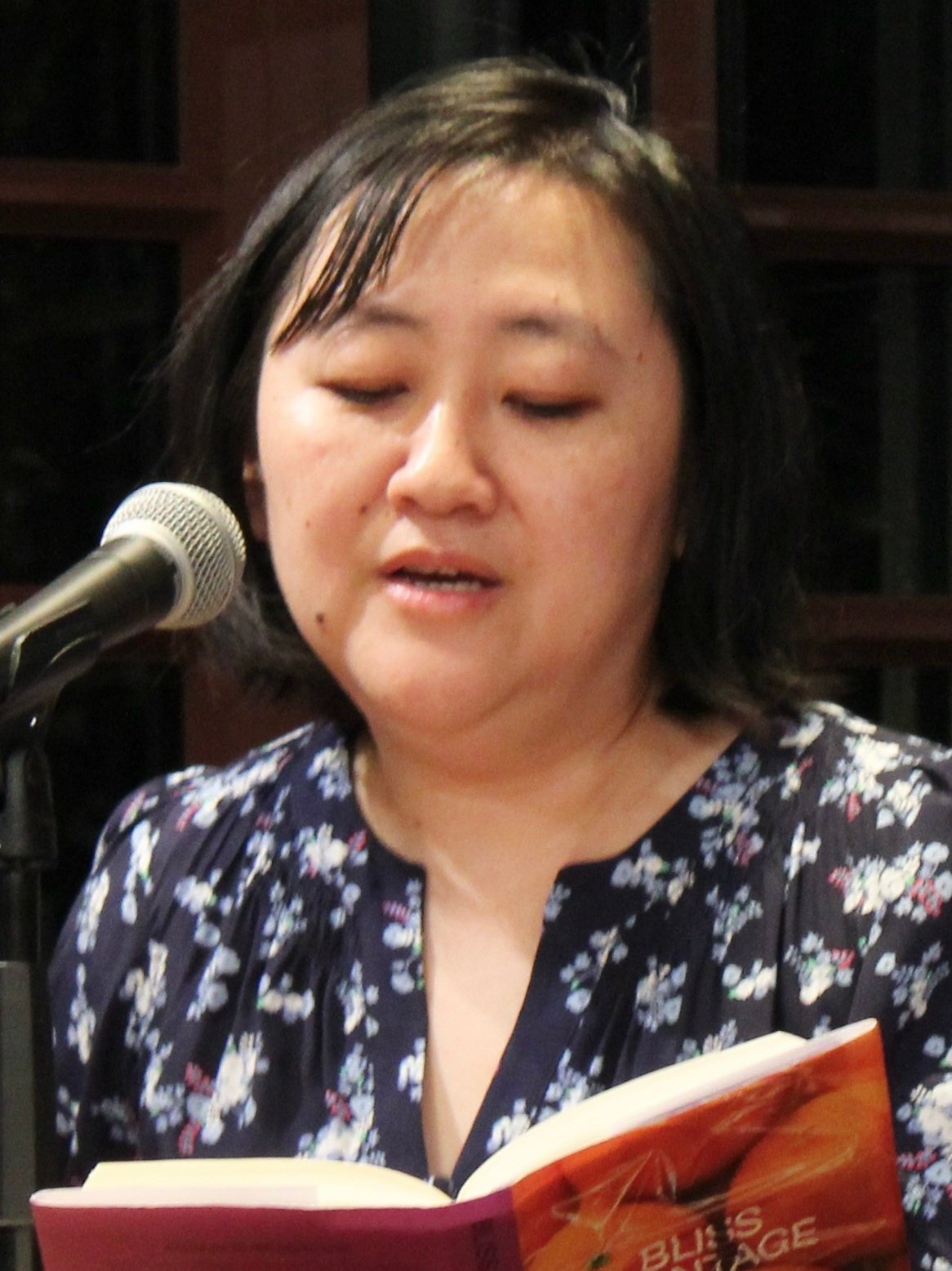
Ling Ma’s “Severance” takes a satirical, darkly funny look at a world undone by a mysterious pandemic. The protagonist, Candace Chen, continues to go to work in a nearly deserted New York City, even as society falls apart around her. The novel skewers modern work culture, consumerism, and the numbing routines of daily life. Ma’s depiction of an “apocalypse of boredom” resonated deeply during the COVID-19 lockdowns, earning the book a cult following. In 2025, “Severance” was named one of the decade’s best novels by several literary magazines. The book’s blend of horror and humor offers a fresh perspective on what it means to survive—and what we lose when we cling to the familiar.
The Power by Naomi Alderman
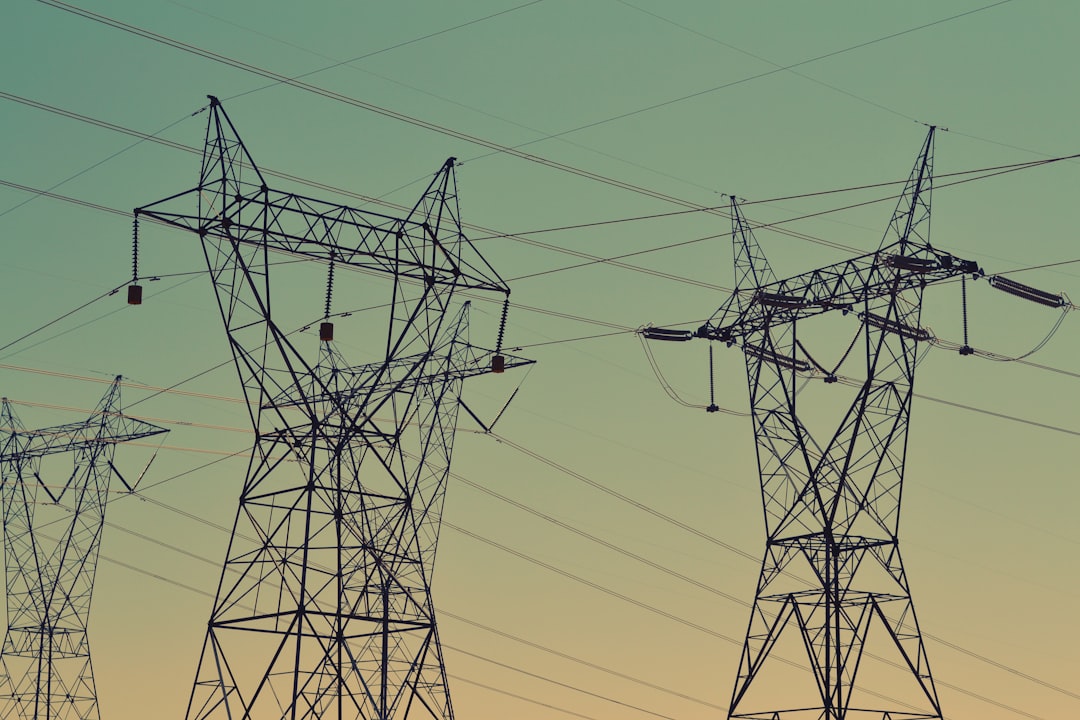
Naomi Alderman’s “The Power” imagines a world where women suddenly develop the ability to generate and control electricity, turning the existing gender hierarchy on its head. The story unfolds from multiple perspectives, showing how power can corrupt—and liberate. Since its release, “The Power” has sparked global conversations about gender, violence, and the nature of authority. The book won the Baileys Women’s Prize for Fiction and was named by former President Barack Obama as one of his favorite reads. Alderman’s provocative what-if scenario forces readers to question how power shapes society, and whether true equality is ever possible.

Besides founding Festivaltopia, Luca is the co founder of trib, an art and fashion collectiv you find on several regional events and online. Also he is part of the management board at HORiZONTE, a group travel provider in Germany.
