

- 10 Concert Stages So Legendary, They Became Part of Music Lore - April 6, 2026
- 12 Iconic Cultural Moments That Defined a Decade – Were You There? - April 6, 2026
- 12 Revolutionary Music Technologies That Transformed How We Listen - April 6, 2026
There’s something almost mythical about a 1970s road trip. The windows down, the asphalt stretching endlessly ahead, a battered AM/FM radio crackling with songs that felt tailor-made for going somewhere, anywhere. That decade gave us a musical landscape so richly varied that car stereos became a cultural battleground. Rock anthems fought for space with mellow country crossovers. Soul grooves competed with folk musings. And somehow, all of it worked.
Honestly, no other decade has quite matched it. Rebuilding that playlist today takes more than just throwing together a greatest hits compilation. It takes understanding what each layer of sound actually contributed to the experience. So buckle up, because what follows might just transform your next drive entirely.
1. The Essential Rock Anthem Opening: Steppenwolf and the Spirit of the Road
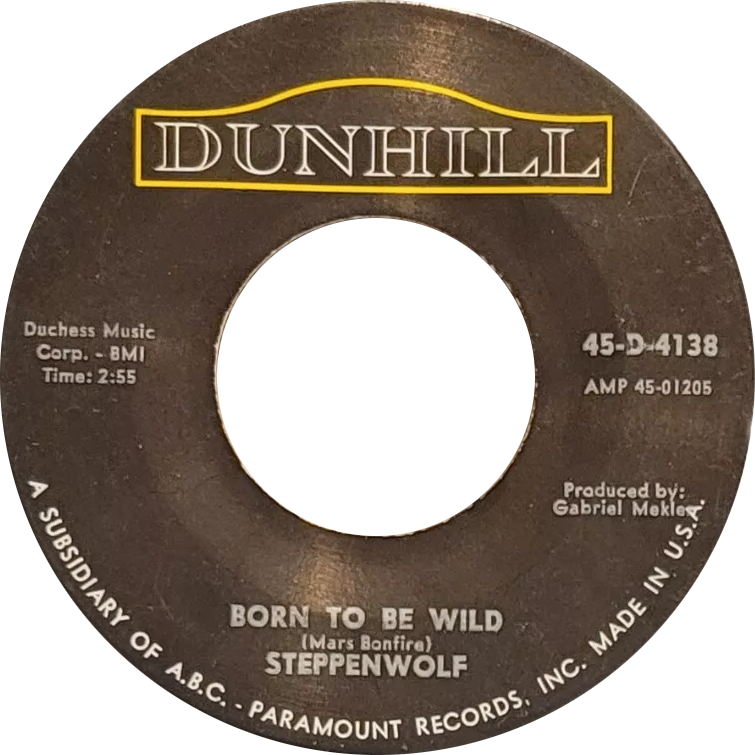
Every great needs to open with something that punches you right in the chest. Steppenwolf debuted with one of the biggest road anthems ever, “Born to Be Wild,” a hard rock song that dipped into early elements of heavy metal and became so popular it reached the number two spot on the Billboard Hot 100. The song gained even more cultural weight when it appeared in the Dennis Hopper film “Easy Rider,” becoming a perfect tune for people on the open road. That combination of raw guitar, freedom, and escape is the tone-setter your playlist absolutely needs from track one.
2. The California Sound: Eagles and the Highway Harmony
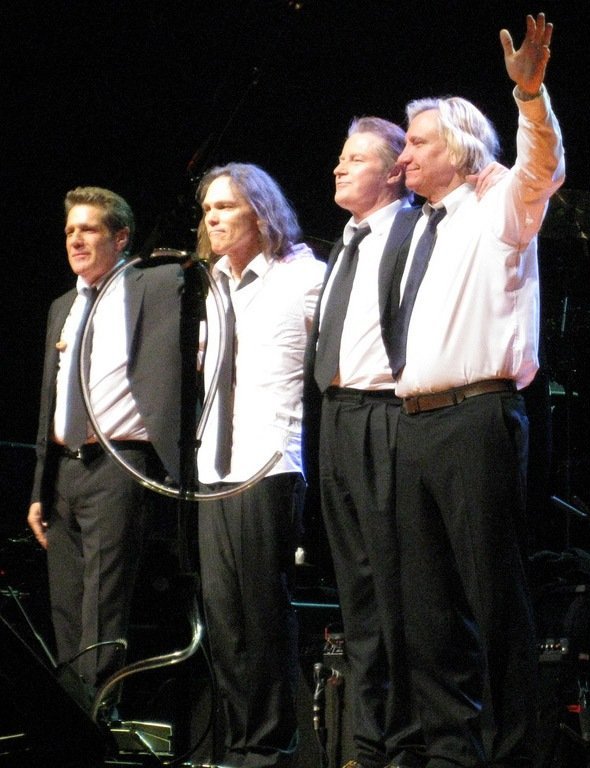
The Eagles’ 1972 debut single, “Take It Easy,” established their signature sound while becoming one of the defining songs of 1970s California rock, reaching number twelve on the Billboard Hot 100 and introducing the band’s harmonies and laid-back aesthetic to mainstream audiences. The song catapulted the band into the Rock and Roll Hall of Fame in 1998, and the single, co-written by Glenn Frey and Jackson Browne, is now listed as one of the Hall of Fame’s 500 Songs That Shaped Rock and Roll. For a playlist that captures sunlit highways and open desert skies, “Take It Easy” is simply irreplaceable.
3. The Driving Force: Golden Earring’s “Radar Love”
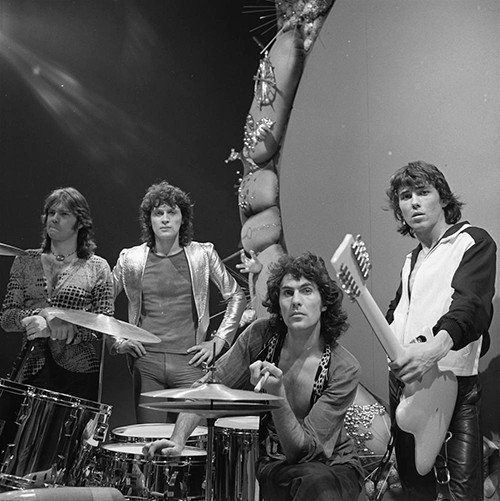
Golden Earring’s “Radar Love,” from their 1973 album “Moontan,” is widely acclaimed as the quintessential road trip song, with its relentless beat earning it a devoted following across decades. With that 1973 release, Golden Earring drove into full view of the U.S. record-buying public, cementing a place in classic rock history. There’s a reason this song has been on every serious road trip discussion ever since. It literally sounds like pavement moving under wheels.
4. Album-Oriented Rock Staples: Led Zeppelin and the Long Stretch
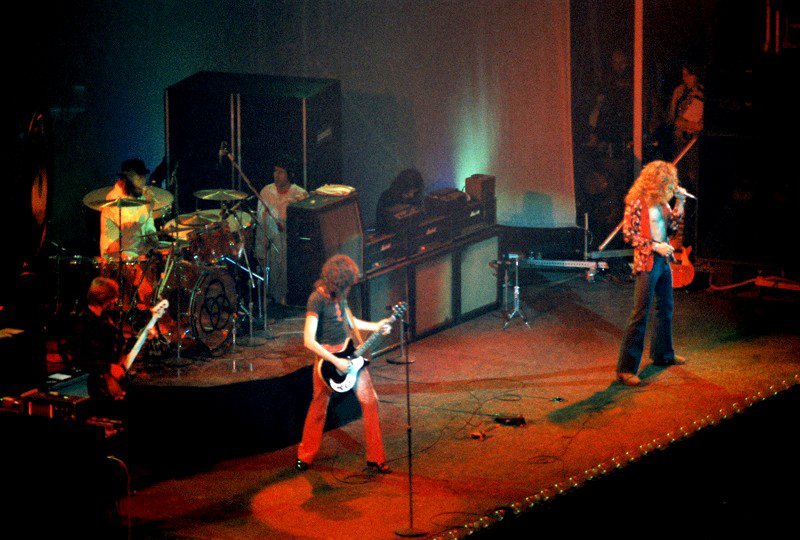
Classic rock came of age in the 1970s, when artists stopped chasing singles and started chasing immortality. The decade was when the album became the destination, and bands barricaded themselves inside recording studios for months searching for sounds nobody had heard before. Led Zeppelin embodied this completely. Songs like “Over the Hills and Far Away” and “Going to California” are not three-minute radio edits designed for quick consumption. They are rolling, evolving pieces of music that feel perfectly synchronized to long miles and changing landscapes.
5. Mellow Highway Songs: Jackson Browne and Life on the Road

Recorded onstage, backstage, and in hotel rooms on tour, “Running on Empty” was Jackson Browne’s ode to life on the road. Released in 1977, the album reached number three on the Billboard Pop Albums chart in 1978 and stayed on the charts for 65 weeks. The album was certified Gold by the RIAA in 1977, Platinum in 1978, and eventually reached seven times Platinum, making it Browne’s best-selling album to date. The road-tripping title track is extra special because it was recorded live, making it one of just a few live recordings on Rolling Stone’s 500 Greatest Songs of All Time, and without question one of the greatest road trip songs ever.
6. Southern Rock Grit: Lynyrd Skynyrd and the Open Plains
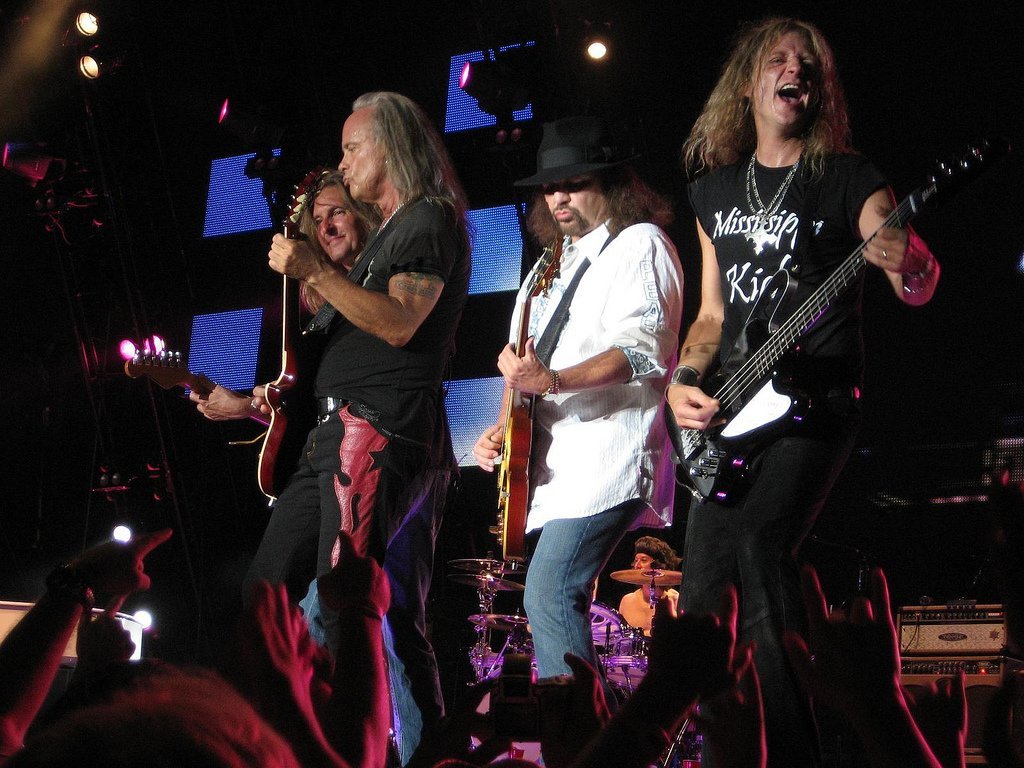
During the 1970s, a style of country rock called Southern rock, fusing rock, country, and blues, was enjoying popularity thanks to such acts as Lynyrd Skynyrd, The Allman Brothers Band, Atlanta Rhythm Section, and The Marshall Tucker Band. Lynyrd Skynyrd’s “Sweet Home Alabama” and the Allman Brothers’ “Midnight Rider” carry a specific, sun-baked weight that no other genre quite replicates. I think this is the chapter of the playlist that really makes a road trip feel American, not just musical. Gritty, proud, and stretched wide like the Georgia horizon.
7. Soul and Funk Grooves: War, the Commodores, and the Rhythm of the Miles
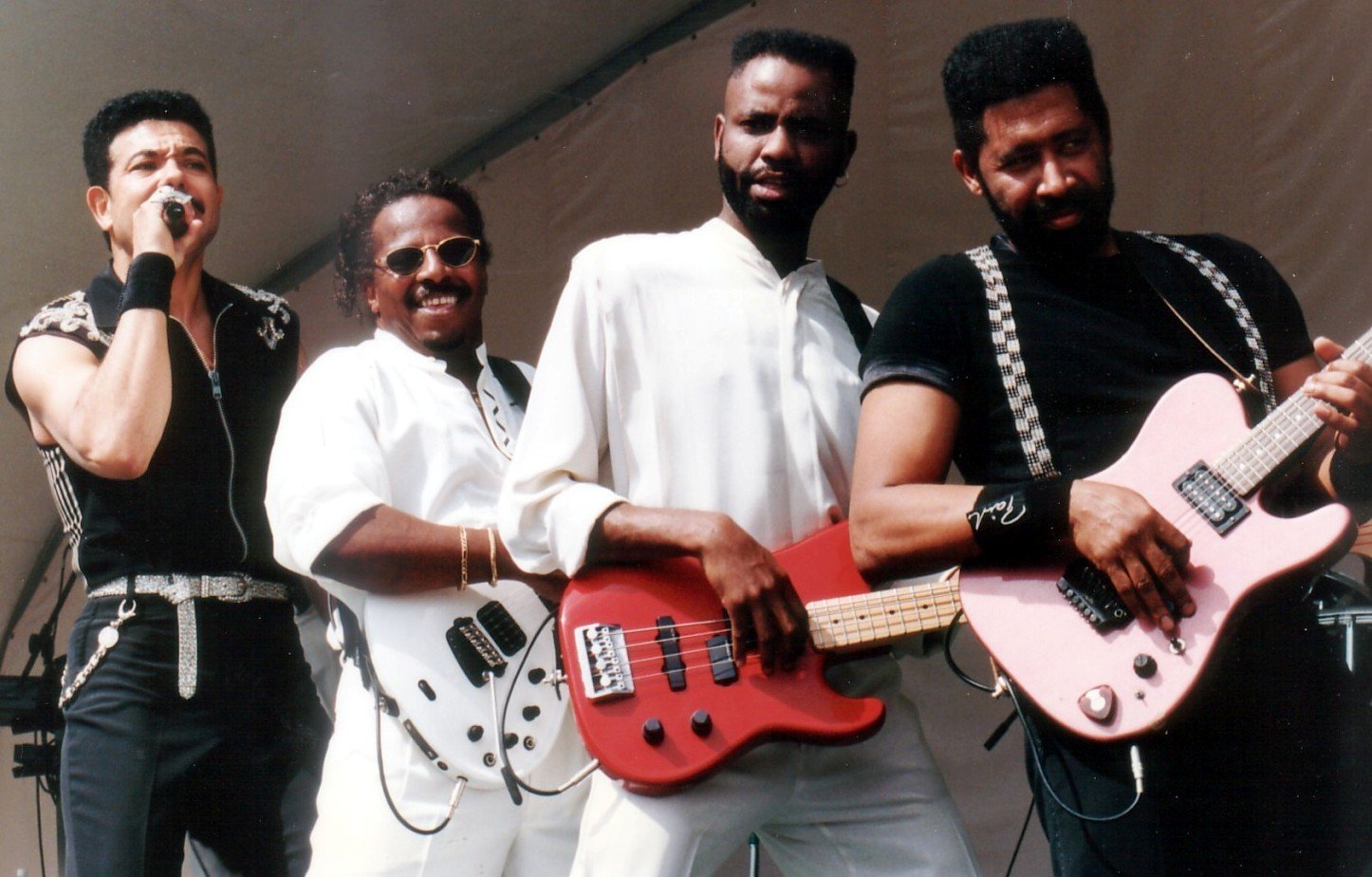
One of the best aspects of music during the 1970s was the sheer variety of genres popular at any given time, with transistor radios and car stereos blaring hard rock, disco, folk, soul, and punk at any given moment. War’s “Low Rider” is an absolute lock for this section. The Commodores began with funk-only recordings before expanding their sound, with Lionel Richie helping propel big hits including “Easy,” “Three Times a Lady,” and “Still.” “Easy” in particular, with its slow, effortless groove, is the perfect soul interlude between hard rock stretches.
8. Country Crossover Hits: John Denver and the Sentimental Mile
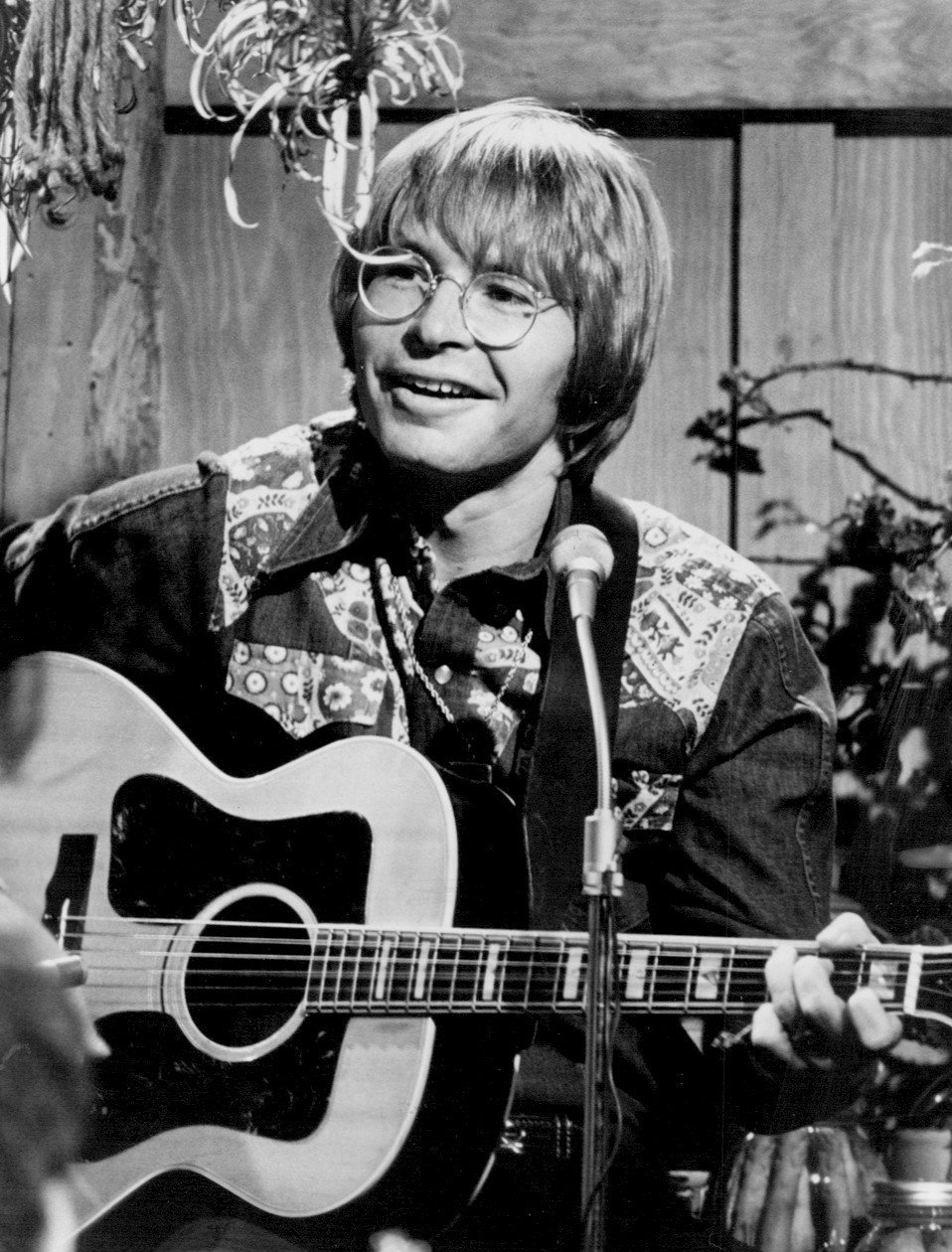
photo front
photo back, Public domain)
Several artists who were not initially marketed as country were enjoying crossover success with country audiences through radio airplay and sales, including The Bellamy Brothers, Charlie Rich, John Denver, and Kenny Rogers. John Denver’s 1971 classic “Take Me Home, Country Roads” transcended its original context to become a universal anthem for travelers longing for home. It’s hard to say for sure what makes that song so immediately comforting, but something about it perfectly captures the feeling of traveling through big, quiet American landscapes while your mind drifts back to somewhere safe.
9. Soft Rock Breathers: Fleetwood Mac and the Twilight Stretch
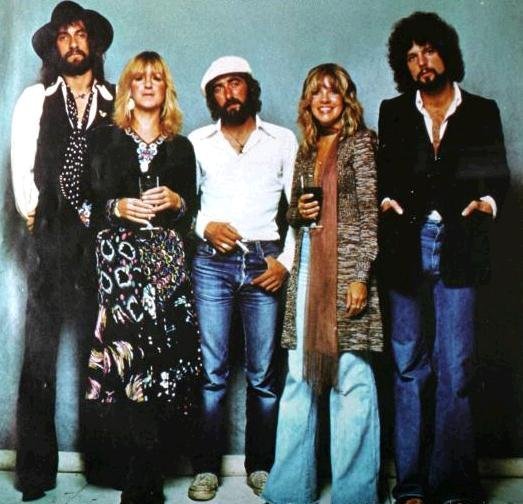
Soft rock often used acoustic instruments and placed emphasis on melody and harmonies, with major artists including Carole King, James Taylor, Billy Joel, America, and Fleetwood Mac, whose “Rumours” from 1977 was the best-selling album of the decade. One of the band’s biggest accomplishments was creating the 1977 album “Rumours,” which sold over 40 million records worldwide and became one of the best-selling albums of all time. “Dreams” and “The Chain” slot beautifully into the late-afternoon lull of any road trip, when the energy dips and the light turns golden.
10. The Singer-Songwriter Lane: Arlo Guthrie, Jim Croce, and the Story Songs
front
back, Public domain)
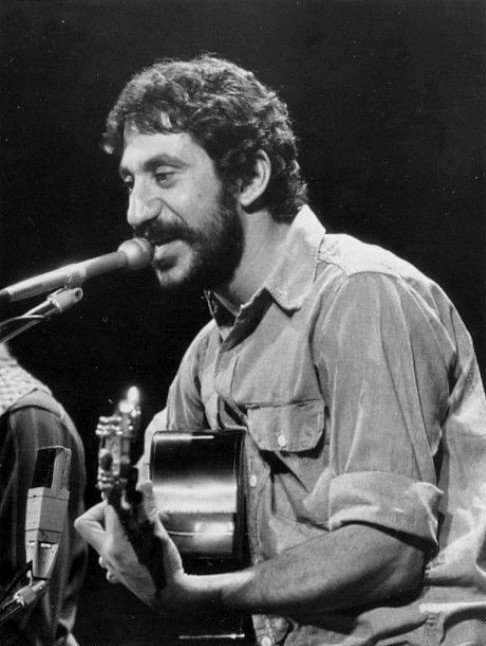
A large number of country-pop and soft rock songs fit into the singer-songwriter tradition, with some of the most successful artists being Jackson Browne, Jim Croce, John Denver, Joni Mitchell, Paul Simon, and Neil Young. Arlo Guthrie’s “City of New Orleans,” an ode to American train culture written by Steve Goodman in 1971, became his signature hit in 1972. Story songs like these deserve a quiet moment in the playlist. They reward actual listening. Roll down the window, let the wind come in, and just hear what the song is actually saying.
11. The Grateful Dead Wildcard: “Truckin'” and the Countercultural Open Road
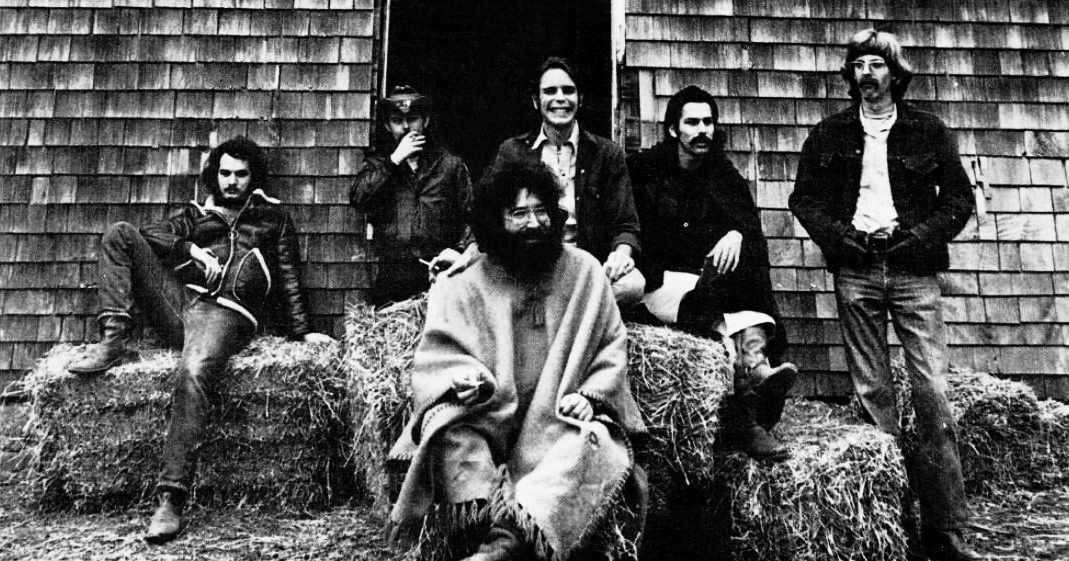
The Grateful Dead started the “jam band” craze in the hippie scene, and “Truckin'” was one of the band’s most popular hits from their 1970 “American Beauty” album, with guitarist and vocalist Bob Weir saying the song is all about the romance of hitting the road. One of the most popular songs ever from the Grateful Dead, “Truckin'” from “American Beauty” was their top hit until “Touch of Grey” surpassed it years later, and it later earned a historic distinction as a recognized national treasure by the U.S. Library of Congress. It’s a slow-burn kind of song. Give it room to breathe and it becomes the most honest description of road life you’ll ever hear.
12. The Closing Anthem: Bruce Springsteen and the Final Miles
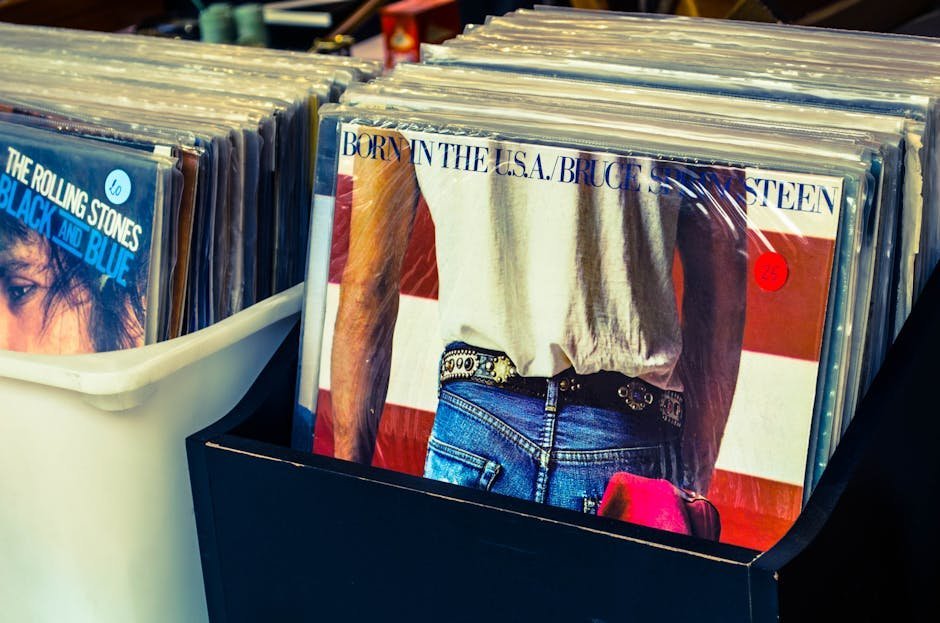
Bruce Springsteen’s 1975 epic “Born to Run” stands as one of rock music’s most powerful expressions of youthful yearning for escape and freedom, featuring Phil Spector-influenced production with dense arrangements including glockenspiel, strings, and layered guitars creating a wall of sound. The track peaked at number 23 on the Billboard Hot 100 but has since become one of the most celebrated rock songs in American music history. Ranked in the Rock and Roll Hall of Fame’s 500 Songs That Shaped Rock and Roll, “Born to Run” was the tune that first helped Springsteen reach his worldwide popularity. End your playlist here. Because there is no better song to play as the destination finally comes into view than one that was always, fundamentally, about the desperate desire to get somewhere new.
The is not just a nostalgia exercise. It’s a genuine argument for a time when radio meant discovery, when a long drive was a legitimate reason to hear something twice, and when the music was as wide open as the roads it soundtracked. What song would you add to the mix?
CEO-Co-Founder
